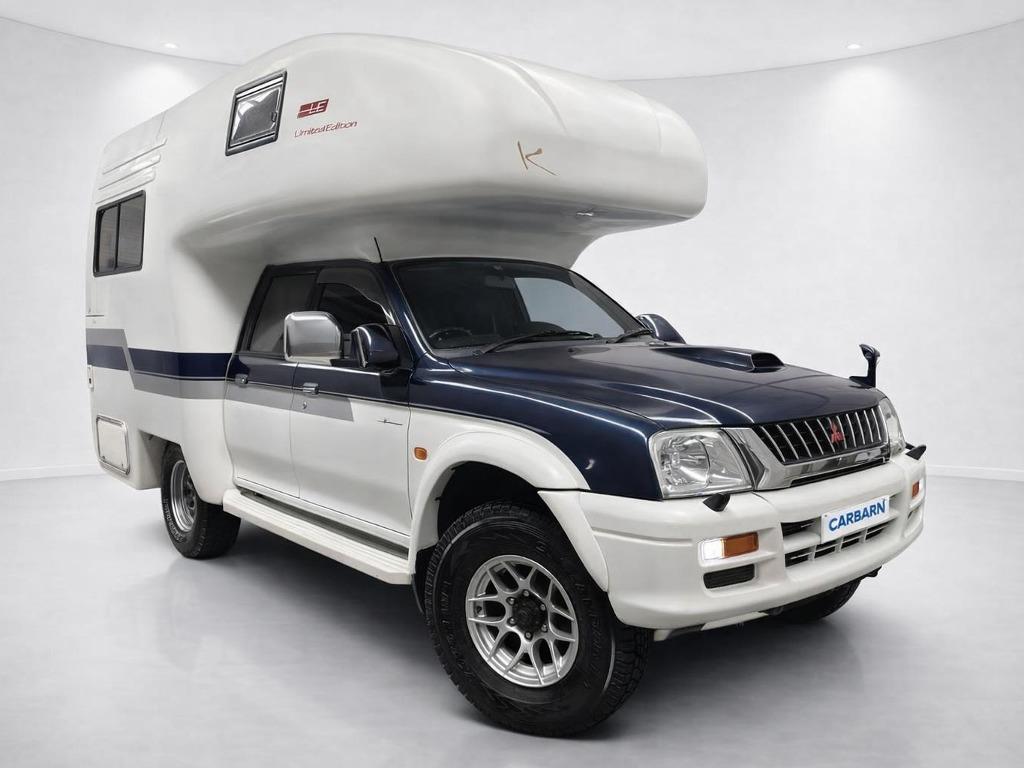


What makes a motorhome different?
Buying a motorhome means assessing the drivetrain and the living fit-out at the same time. Either can be the reason a particular vehicle suits the buyer or does not.
Who do motorhomes suit?
Motorhomes may suit longer touring, retirees planning extended travel, families wanting a self-contained holiday option, and buyers who prefer to reduce their reliance on booked accommodation.
What should you compare?
Start with sleeping capacity and the layout that will actually be used: bed arrangement, dining space and storage. Then review the services recorded for that vehicle, such as water, power, heating or cooling. Finally, consider size honestly. A longer or taller motorhome may provide more living space but can be harder to park, drive and store. Licence, registration and operating requirements vary by vehicle and jurisdiction, so confirm them for the specific vehicle before purchase.
How does Carbarn present the comparison?
The comparison here treats the base vehicle and the living fit-out as two different things. Engine, transmission and dimensions come from the vehicle data; beds, water, power and other living equipment appear only where the individual motorhome's record documents them.
Condition beats age
Two cars with the same badge and year can be completely different purchases, because how a vehicle was serviced and used matters more than when it was built. A well-serviced higher-kilometre example is often a better buy than a neglected low-kilometre one — the service history is what separates the two. Read the recorded details on each listing rather than judging by the year: they carry what was actually observed on the vehicle, from odometer and drivetrain to the model code that identifies the exact build. Deciding what the car needs to do first, then checking what each listing actually records, is a shorter path than comparing badges.
Buying a self-contained base
Judge a motorhome twice. As a vehicle: engine, drivetrain, kilometres and service history, exactly as on any van. As a living space: how the fit-out was used and maintained, because water, power and gas systems age on their own schedule regardless of the odometer. Layout and berth count decide who it suits; the drivetrain decides where it can go. A candidate has to pass both inspections, not one.
Built for the long way round
Distance changes what matters. Touring vehicles need range, mechanical reliability a long way from help, and a configuration that carries the trip — which is why diesels, 4WDs and fitted vans dominate the class. Check drivetrain and configuration on the listing's recorded details, then weight the service history more heavily than usual: remote roads are where skipped maintenance presents its bill. Well-sorted touring builds hold value, because every next buyer wants the same thing.