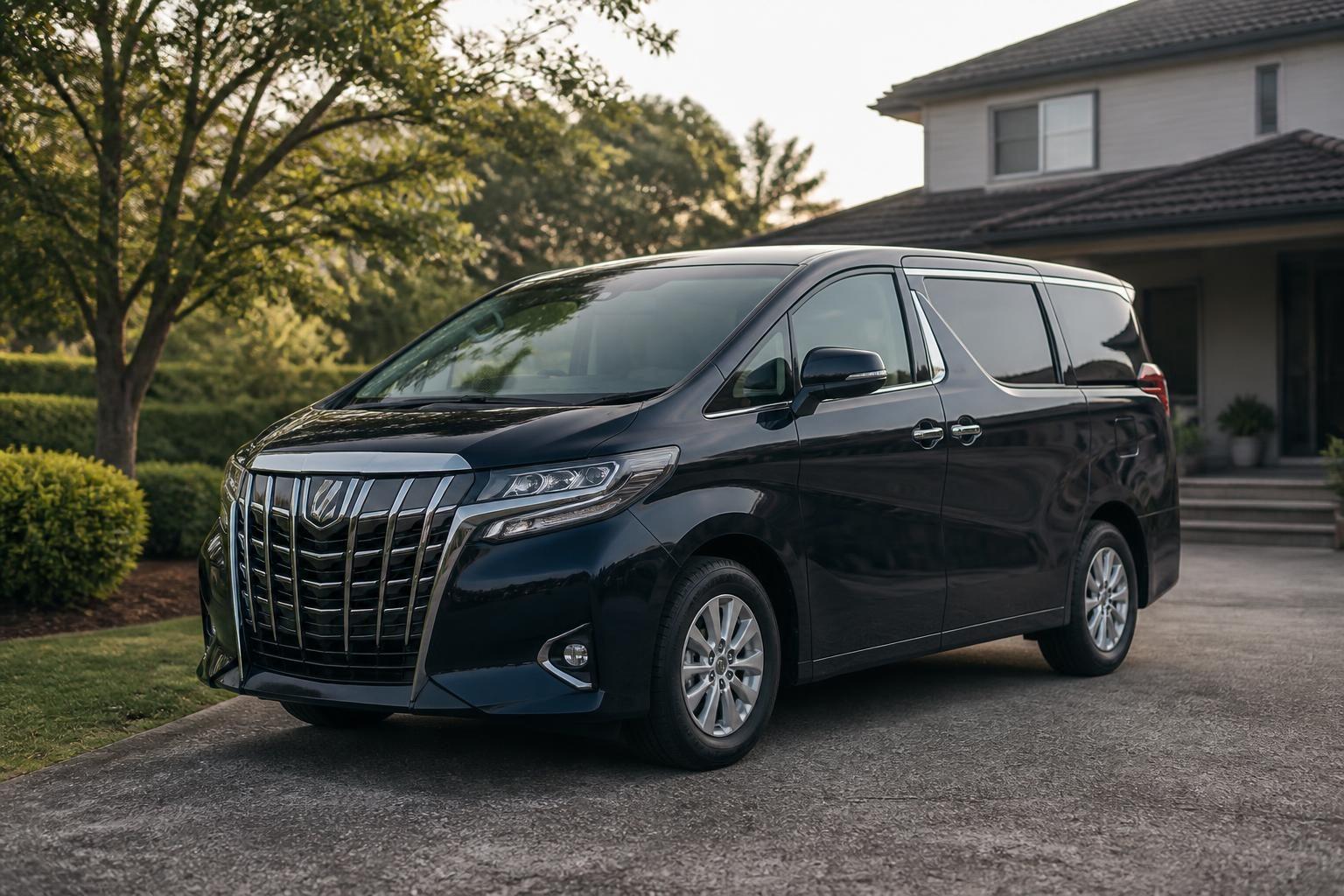


Is this Subaru the right one?
One used Subaru is in stock. Its year, odometer, drivetrain and documents are recorded on the listing, and those are the facts that apply to this car specifically. Nothing is inferred from the model or the model year — only what is held for that vehicle is published.
What the listing records
Carbarn's used Subaru listings state the fields held for that vehicle and no more. Estimated or assumed values are not published, which is why some fields are blank. Anything not covered by either is worth raising before a commitment is made.
Reading a listing properly
The photographs on a used Subaru listing are taken after Australian compliance and preparation, so they show the vehicle as it would be handed over. New vehicles are listed continuously, so a specific request is usually filled rather than waited out.
Condition beats age
The year on a listing says less than it seems to. Service history, how the vehicle was used, and what the inspection recorded all move a used car's value more than its age does — which is why a cared-for older example can outlast a newer one that missed its servicing. The listings here record what was observed on each vehicle, so compare those details rather than the years. A practical order: settle what the vehicle is for, shortlist by the recorded specification, and only then weigh price against condition.
How to read a listing here
Two cars can share a name and almost nothing else, because most model names covered several mechanical setups over their life. The model code on each listing names the exact build, which makes it the fastest way to compare candidates before opening either page. The rest of the recorded details — engine, drivetrain, configuration — work the same way, and where service and preparation records exist they are shown on the vehicle's own page.