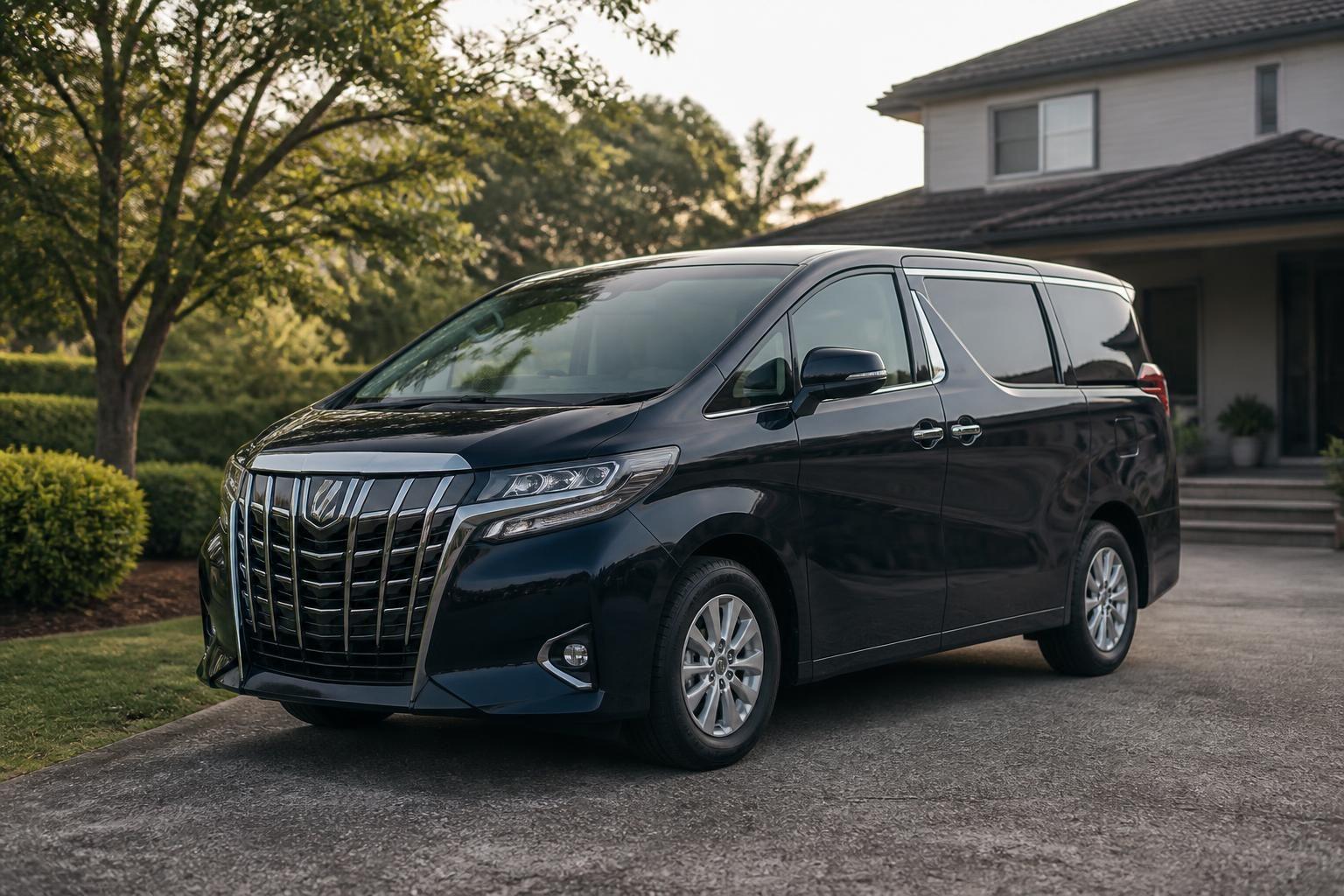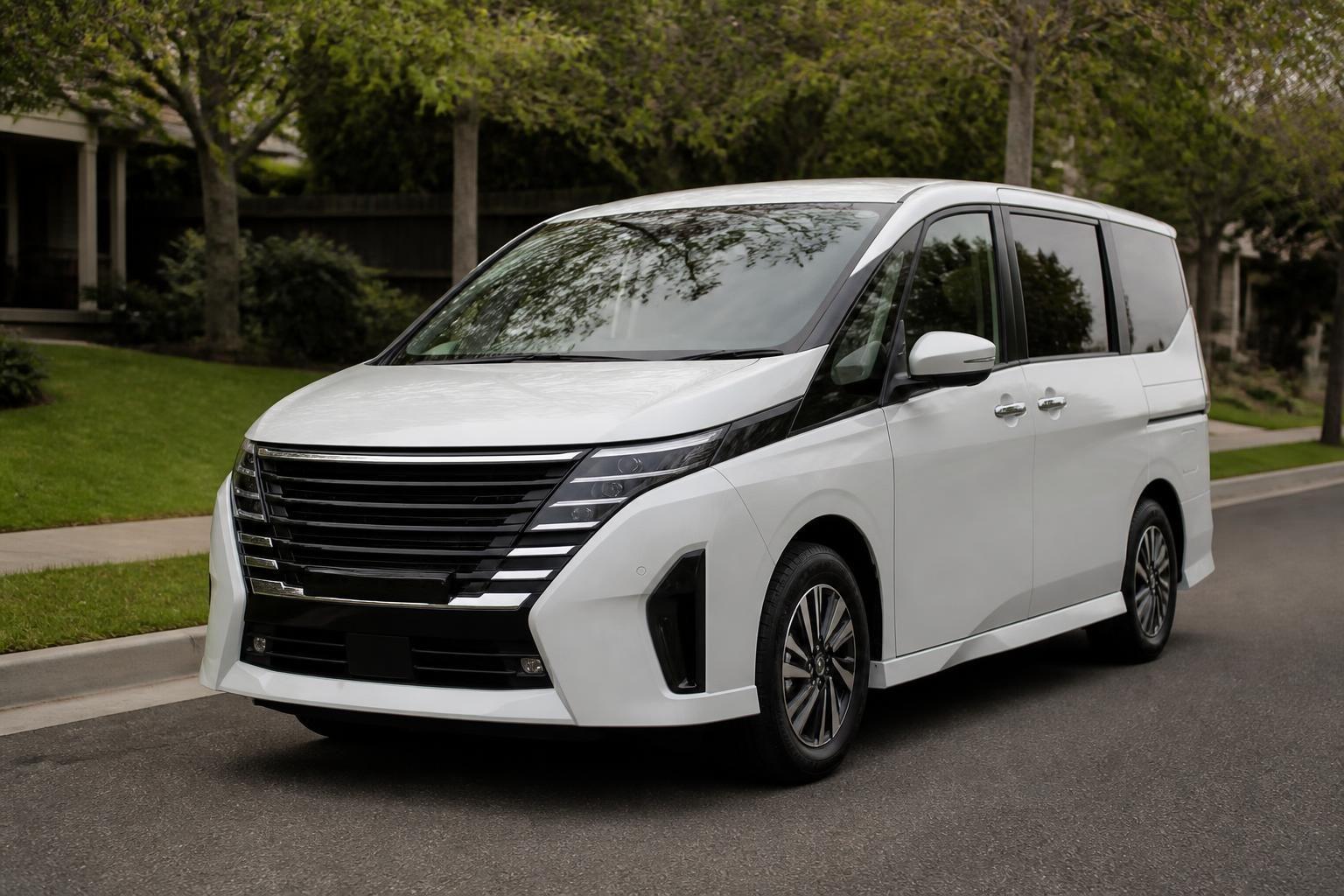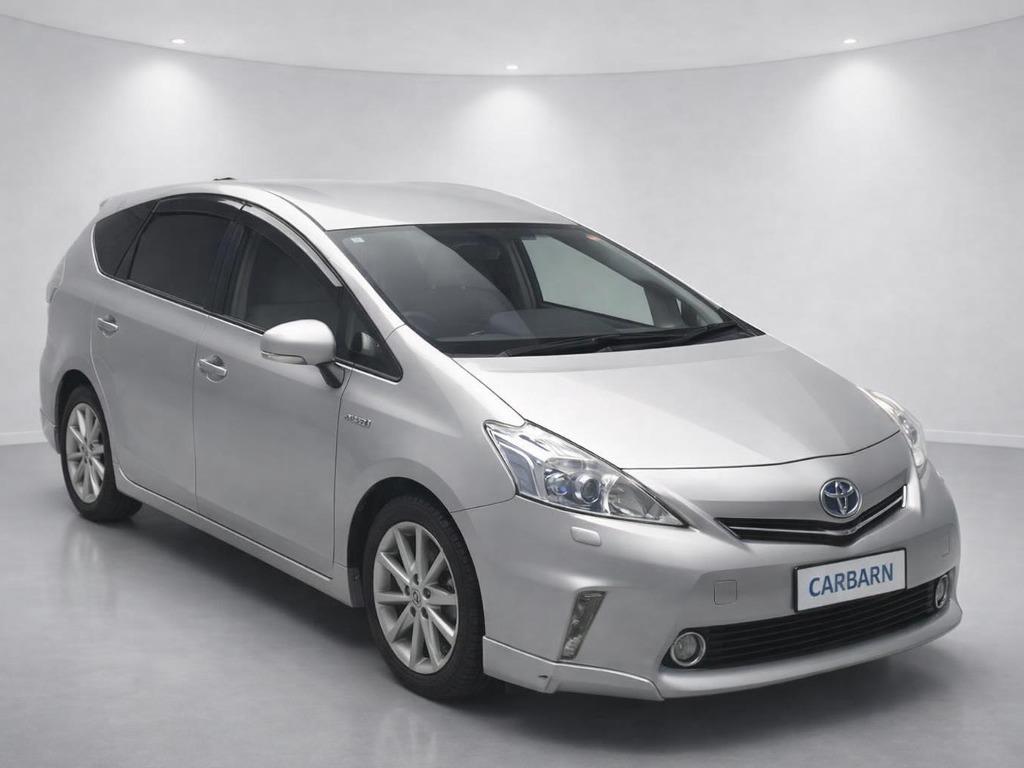


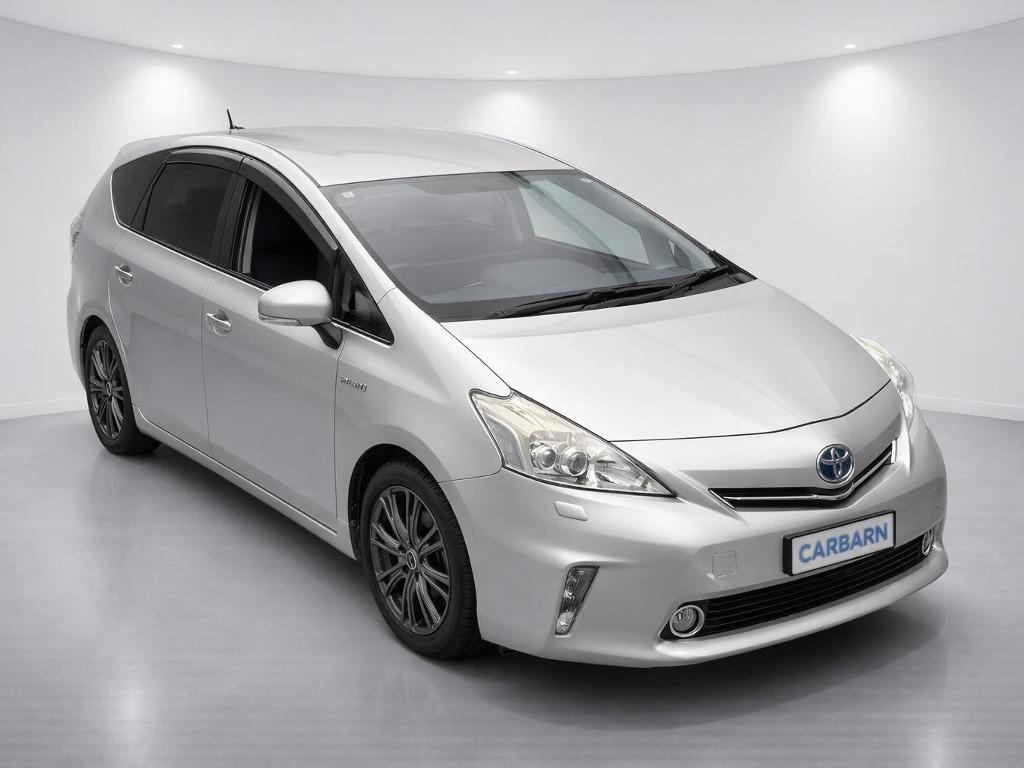
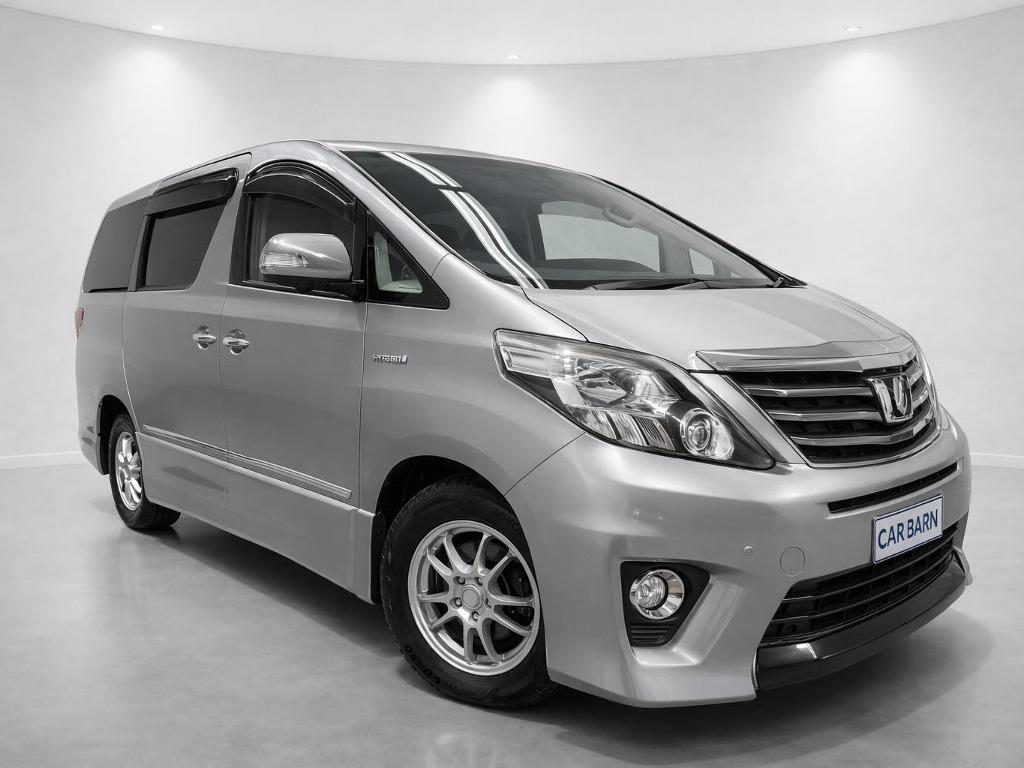
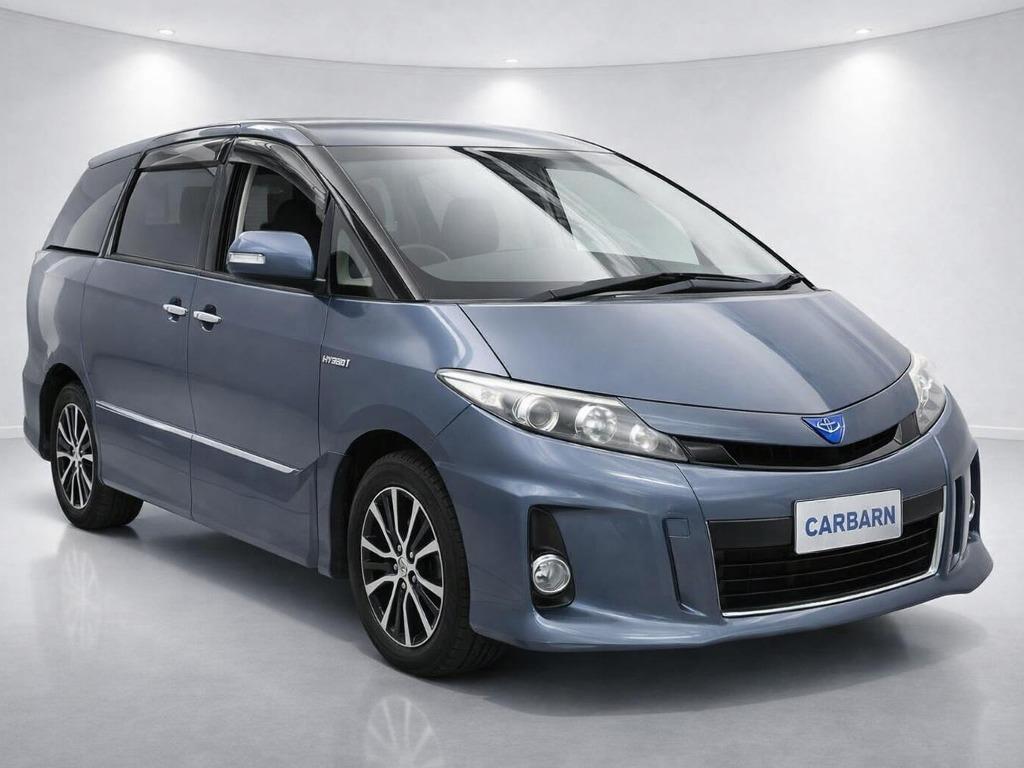
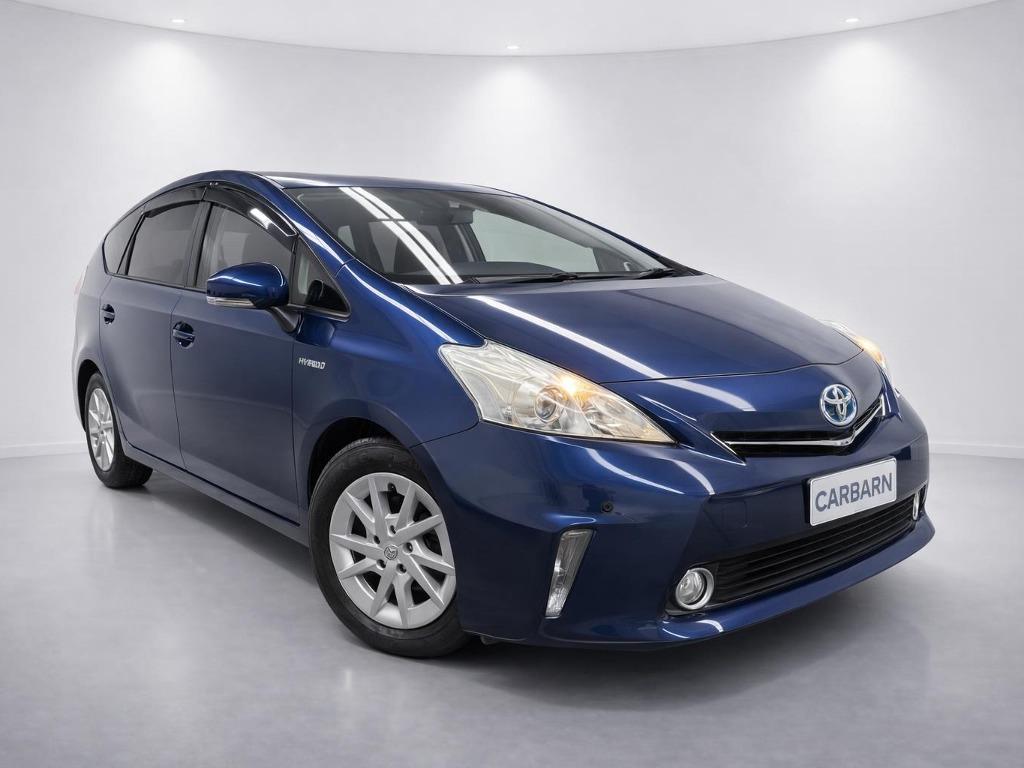
Seven seats, different shapes.
A seven-seater can be an SUV, a people mover or a passenger van, and the body style can matter more than the seat count. SUVs often feel closest to a conventional car. People movers prioritise access and cabin space, while vans place the greatest emphasis on practicality.
Who they may suit.
Seven-seaters may suit growing families, households handling school and sport runs, carers and drivers who regularly carry extra passengers, and buyers who need occasional third-row capacity without moving to a larger passenger van.
Questions worth asking.
How often will the third row be used? How much luggage space remains with all seats upright? Is the third row suitable for the passengers who will use it? Is access easy enough, and are the child-restraint points and seat layout appropriate for the household? These answers often decide whether a seven-seater works better than badge or price alone.
Carbarn comparison note.
Every vehicle here has seven seats recorded against it, rather than a model name that suggests seven. Where the seating layout, child-restraint fitment or remaining luggage space decides the purchase, those sit on the vehicle's own page.
Condition beats age
Two cars with the same badge and year can be completely different purchases, because how a vehicle was serviced and used matters more than when it was built. A well-serviced higher-kilometre example is often a better buy than a neglected low-kilometre one — the service history is what separates the two. Read the recorded details on each listing rather than judging by the year: they carry what was actually observed on the vehicle, from odometer and drivetrain to the model code that identifies the exact build. Deciding what the car needs to do first, then checking what each listing actually records, is a shorter path than comparing badges.
Choosing a people mover
Count what the family actually needs before comparing badges: how many seats in real use, which doors open where you park, and what must fit in the boot with everyone aboard. The recorded seating layout on each listing answers the first question precisely — seven with captain chairs and a walk-through, or eight with a bench. Sliding doors and a low floor decide the daily experience; the third row's fold decides the airport trip. The shortlist follows from those answers.
Buying a first car
A good first car is cheap to run, easy to park and simple to own — which is why small hatchbacks fill the role so often. Buy on condition rather than features: a documented service history beats an extra badge, and the recorded kilometres mean more alongside that history than alone. Keep the total budget honest by counting insurance and servicing, not just the price, and shortlist from the recorded details before falling for any particular car.
The family shortlist
A family car is a set of measurements before it is a badge: seats that take restraints, doors that open in real car parks, a boot that holds the week with everyone aboard. Each listing records the seating layout, so the measurements are checkable before you visit. Fuel choice follows the family's driving — hybrid repays the school-run life, diesel repays long distances — and the third row's fold decides whether one vehicle can be both the daily and the holiday car.