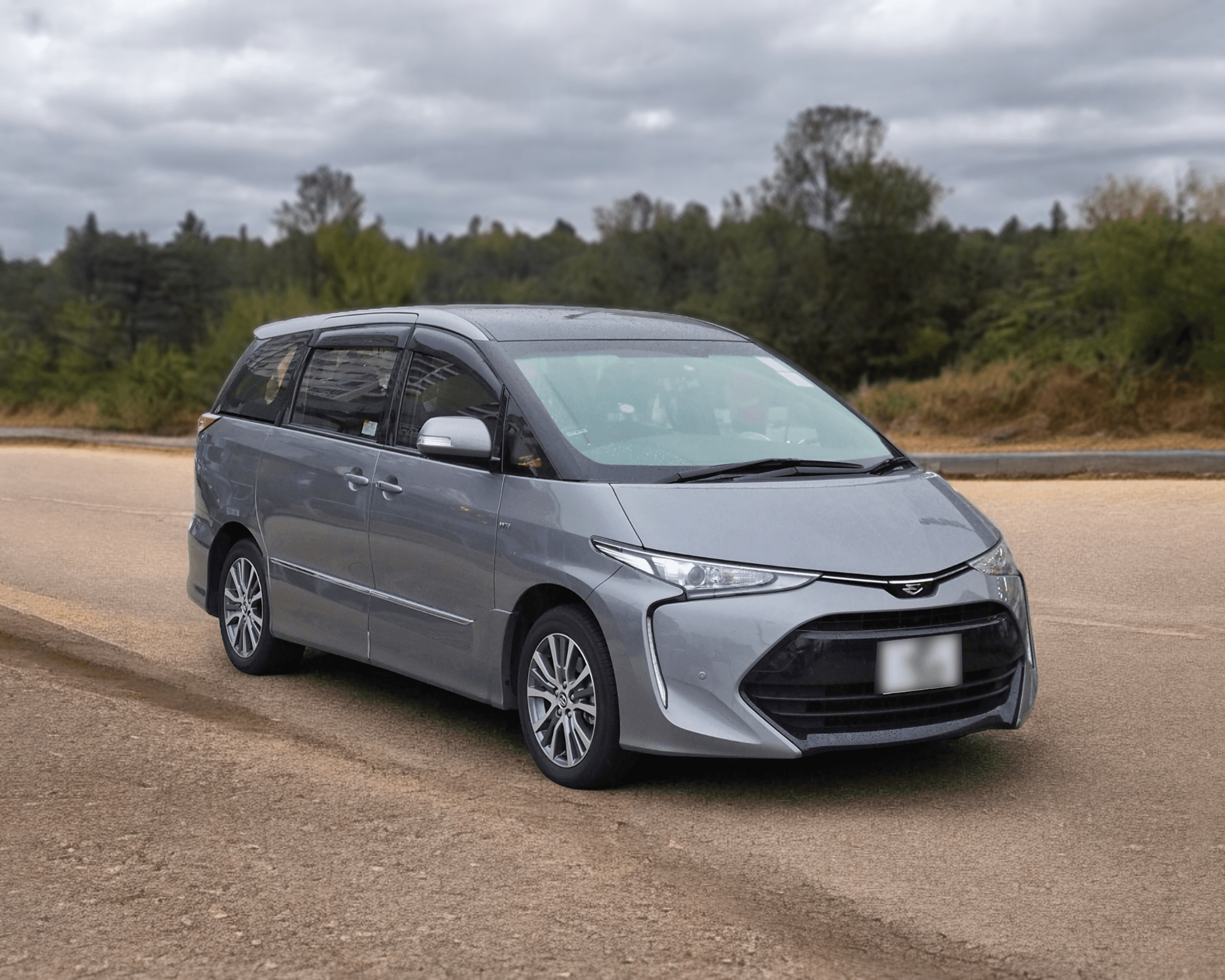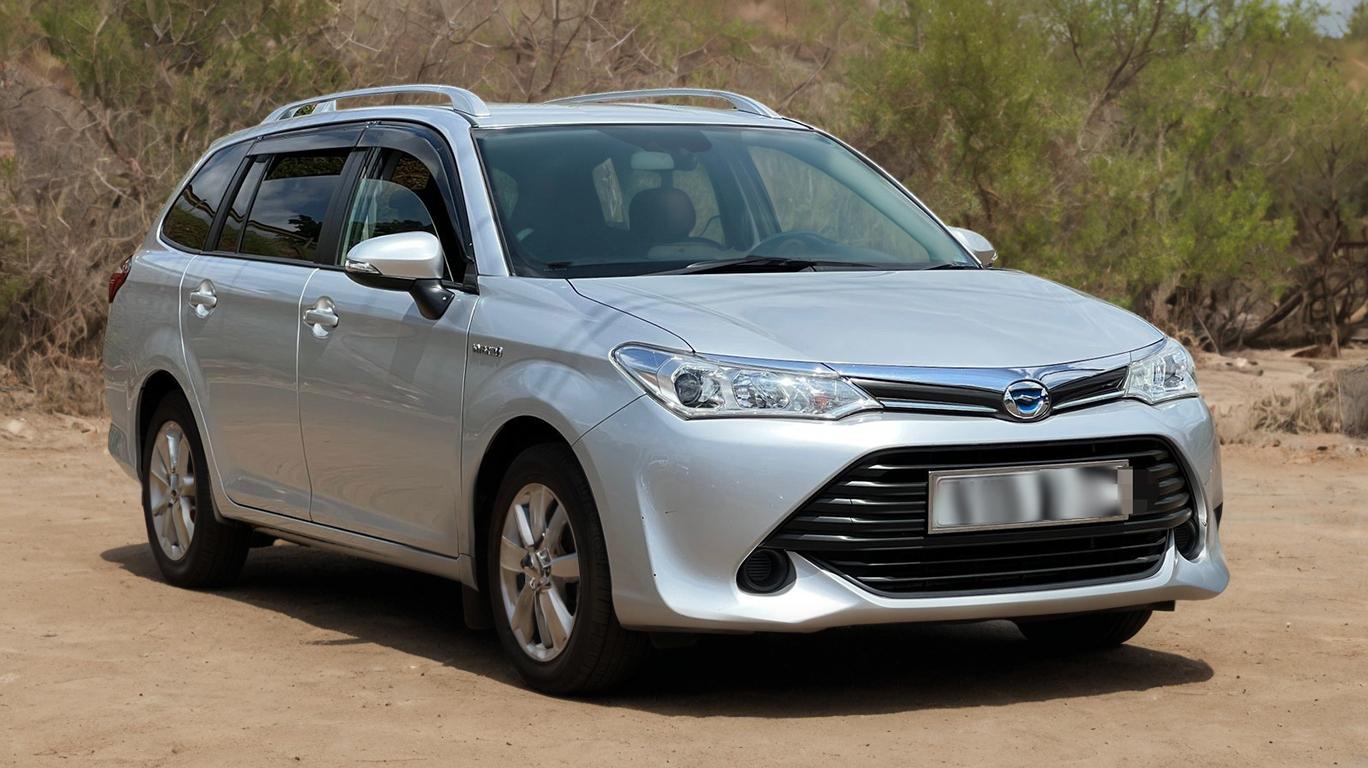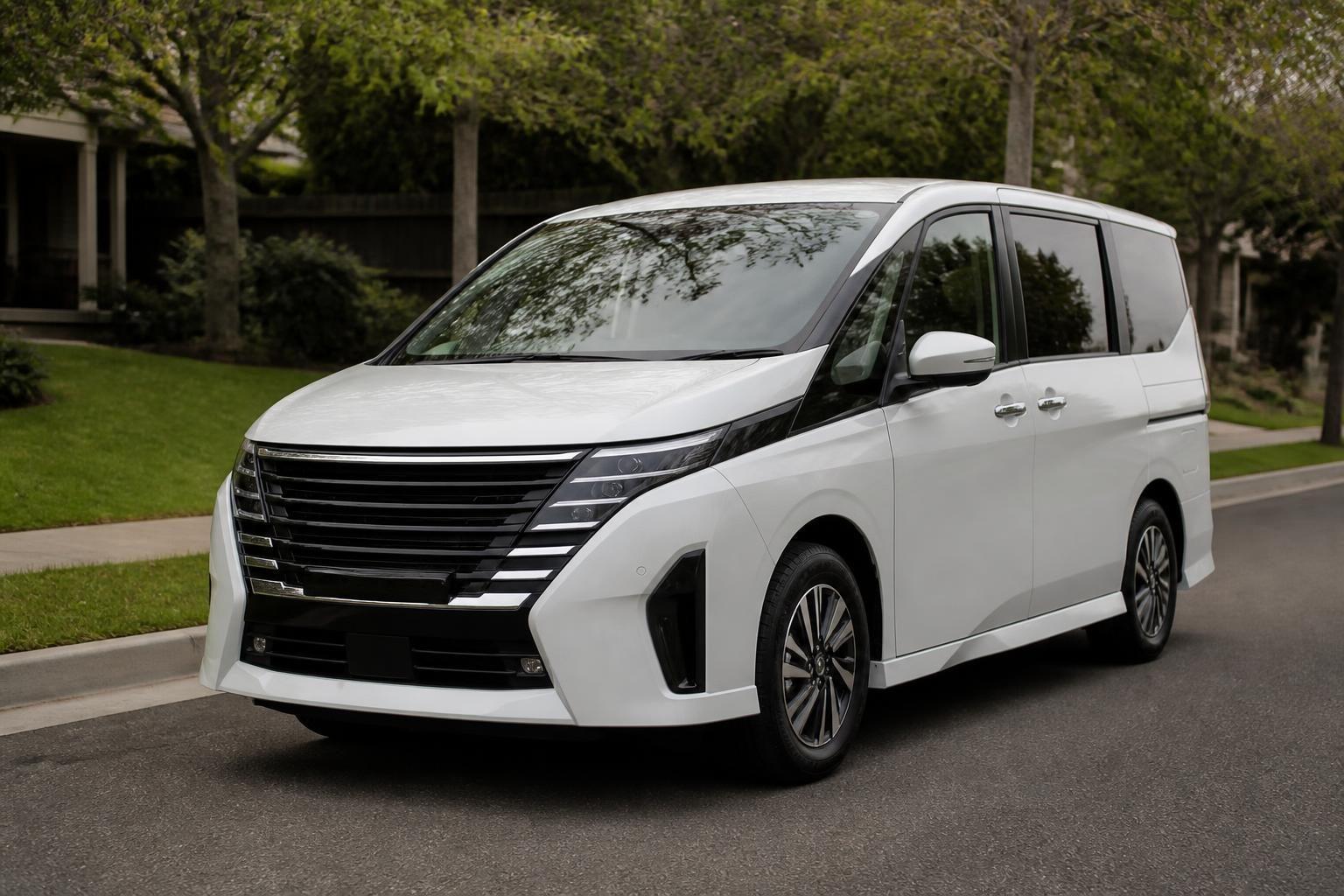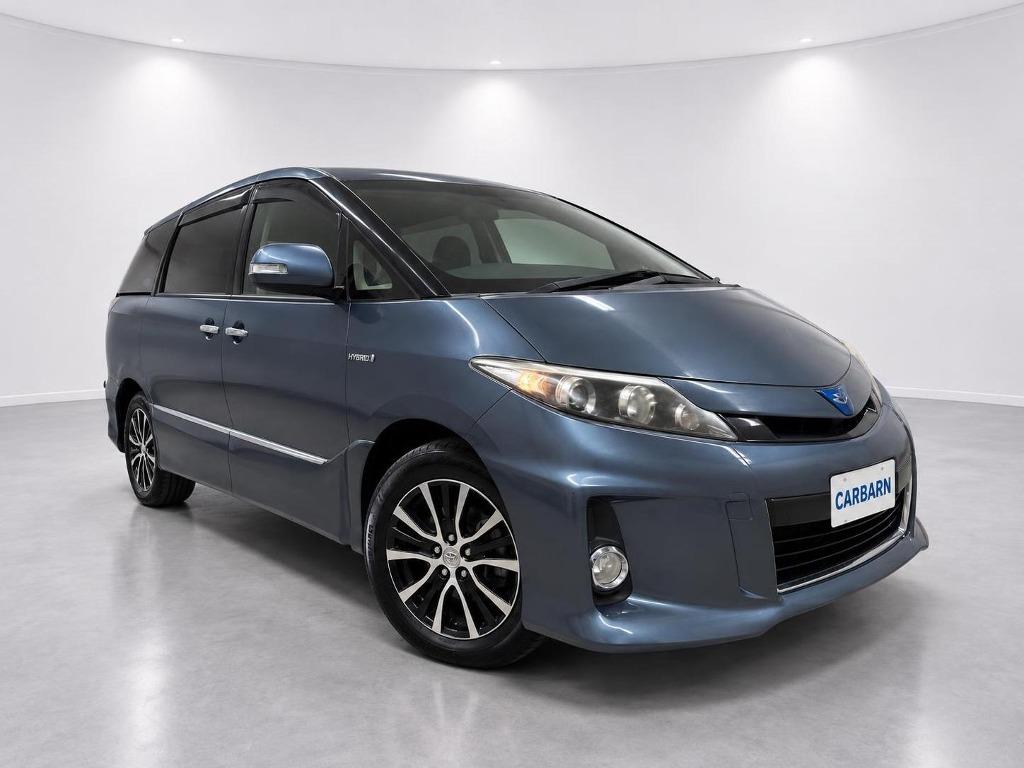


Is this Toyota Estima the right one?
Carbarn's Sydney stock includes a single used Toyota Estima at present. Its own record — odometer, drivetrain, documents and history — is the whole basis for judging it. It is the difference between buying a specification and buying a specific car.
What the listing records
A used Toyota Estima listing carries recorded specification alongside its photographs. Nothing is inferred from the model or the model year — the fields describe that vehicle. Carbarn prepares every vehicle for Australian roads before it is offered, and the records reflect that.
Reading a listing properly
On a used Toyota Estima, check the photographs for wear and the recorded fields for configuration. Where the two seem to disagree, ask before assuming. New vehicles are listed continuously, so a specific request is usually filled rather than waited out.
Condition beats age
Age is the least reliable thing a listing tells you. What actually separates two used cars is the record: how they were serviced, what they were used for, and what the inspection found. That is why the recorded details sit beside every listing here — odometer, drivetrain, the model code naming the exact build. Start from the job the car has to do, let the records shortlist the candidates, and treat the year as one fact among many rather than the headline.
How to read a listing here
Every vehicle page records the specific build — model code, engine, drivetrain, and the configuration details that separate two cars sharing one name. The code matters most: the same model name was often sold with more than one mechanical setup over the years, and the code is how you tell them apart before opening either page. Where service and preparation records exist they are shown on the vehicle's own page, and the stock data always reflects what is listed right now.
Choosing a people mover
A people mover is bought for the second and third rows, so judge it from there. Sliding doors earn their keep in car parks and school pickups; seven seats with a walk-through and eight with a bench suit different families; and how the third row folds or removes decides what the vehicle can carry when it is not carrying people. A low, flat floor makes child seats and older passengers easier — check it in person, because it varies more between models than the badge suggests.
What 4WD adds — and costs
The value of four-wheel drive depends entirely on where the vehicle goes. Touring, sites, beaches and winter access justify the premium 4WD versions carry over their two-wheel-drive twins; sealed-road commuting does not. When comparing listings, trust the recorded drivetrain field over the name — the same model was routinely sold both ways — and expect the 4WD example of the same age to cost more, because the next buyer wants it too.
How a used hybrid ages
A self-charging hybrid asks nothing new of its owner — it fuels like a petrol car and services like one, with the electric side doing its strongest work in stop-start traffic. Used, the questions are the same as any car plus one: how the hybrid system presents. Smooth, quiet switching between electric and petrol drive is the healthy pattern; hesitation or warning lights are the reason to walk away. Brakes often wear slower than on equivalent petrol cars because regeneration shares the work.