

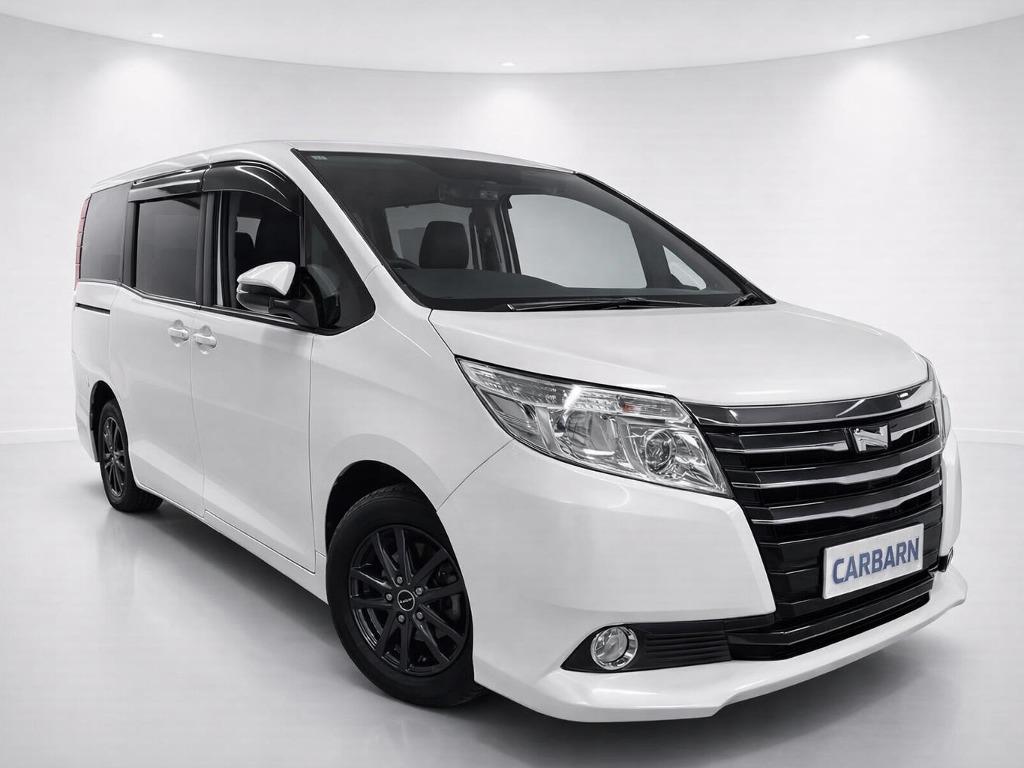
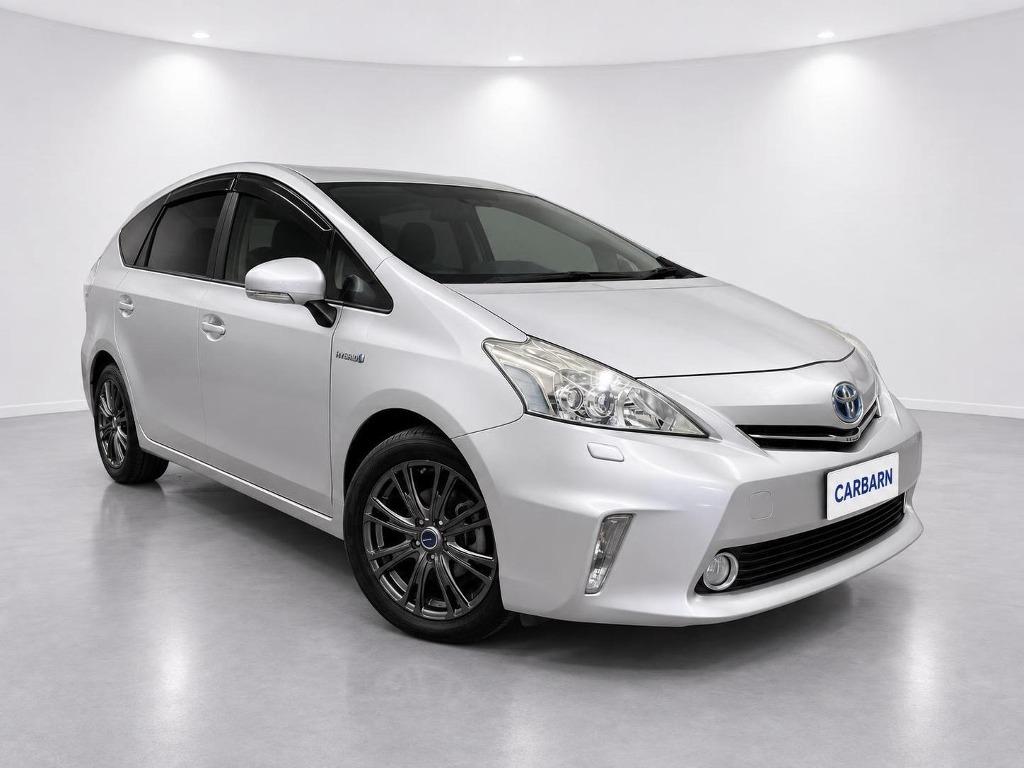
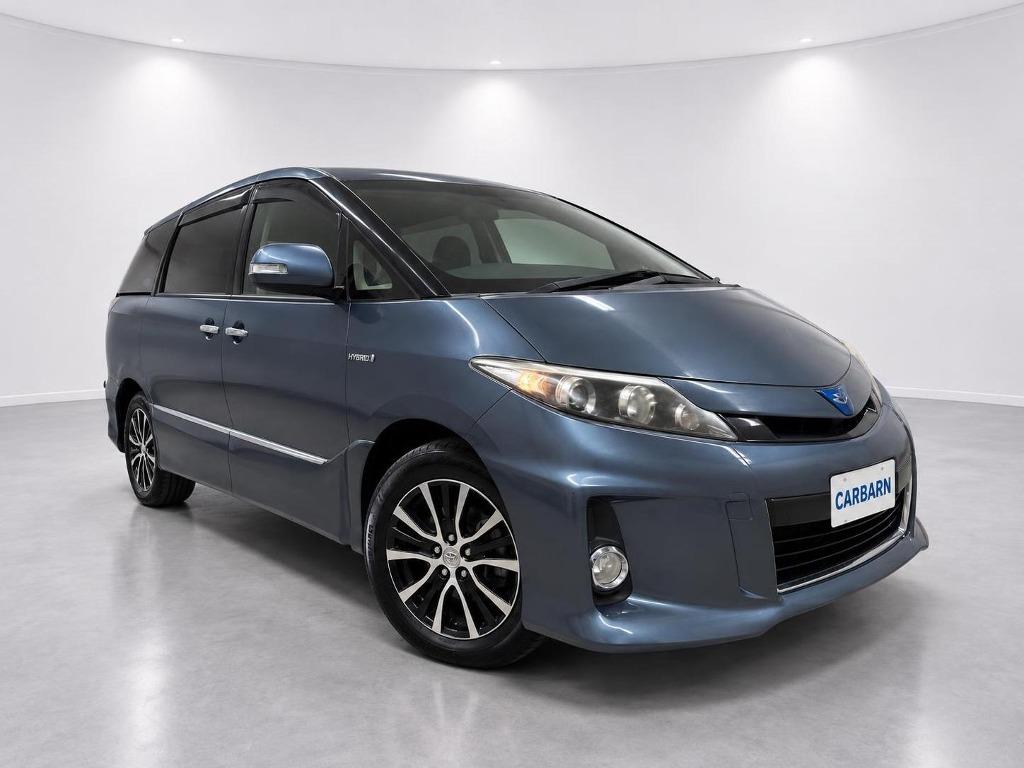
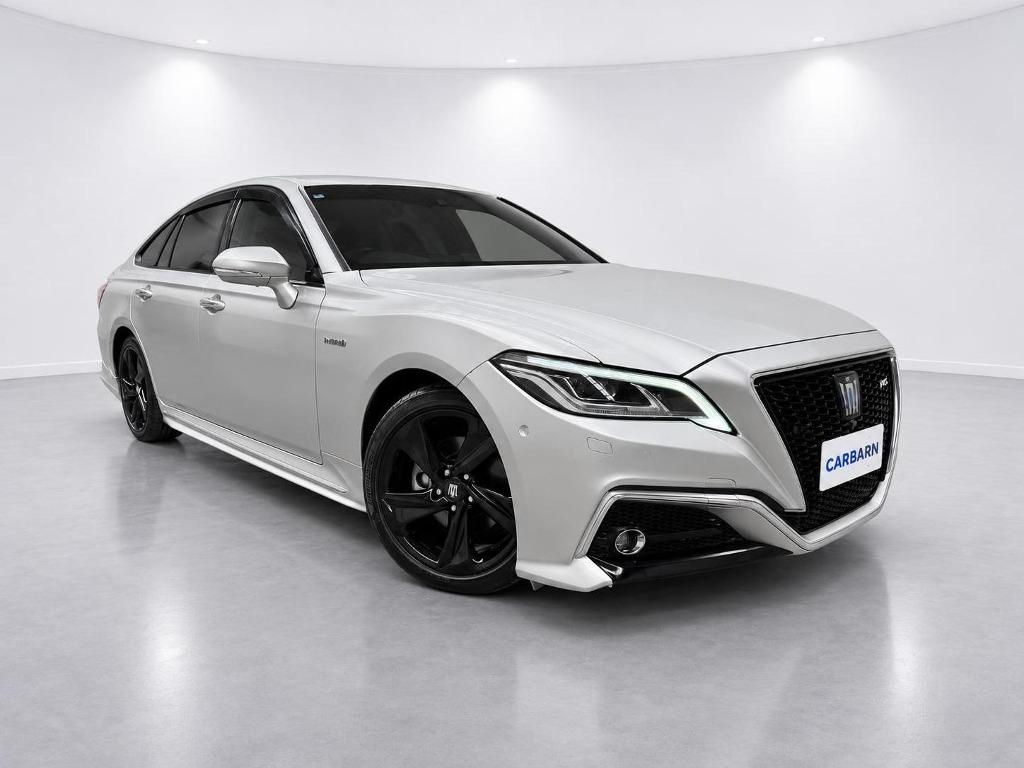
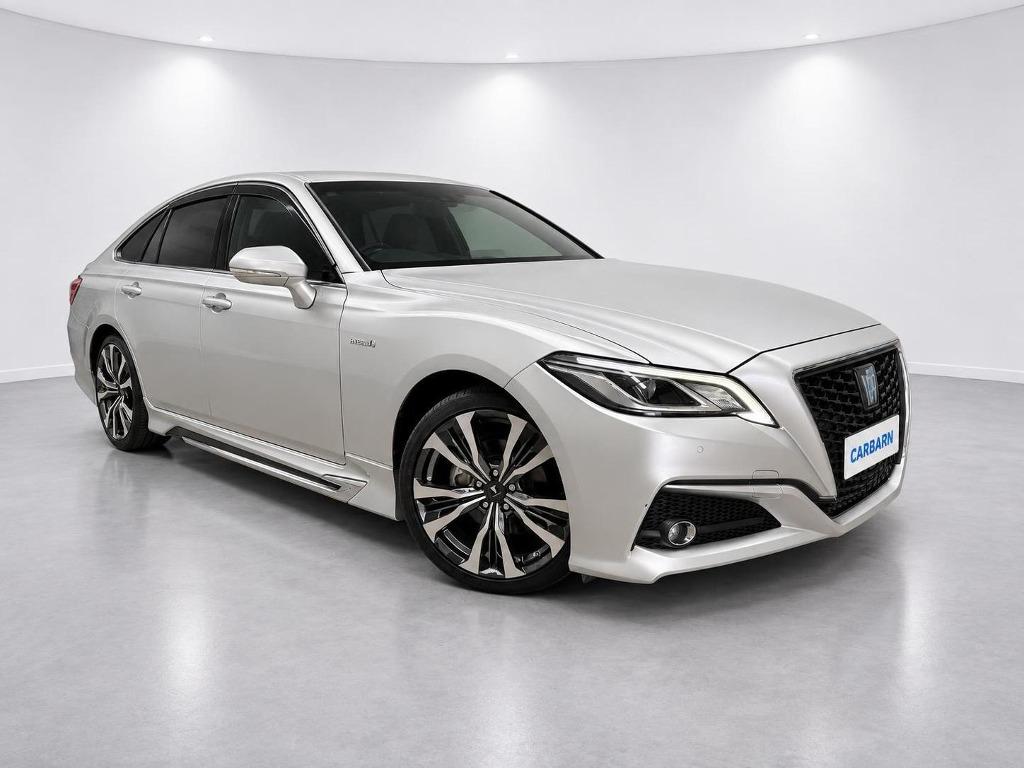
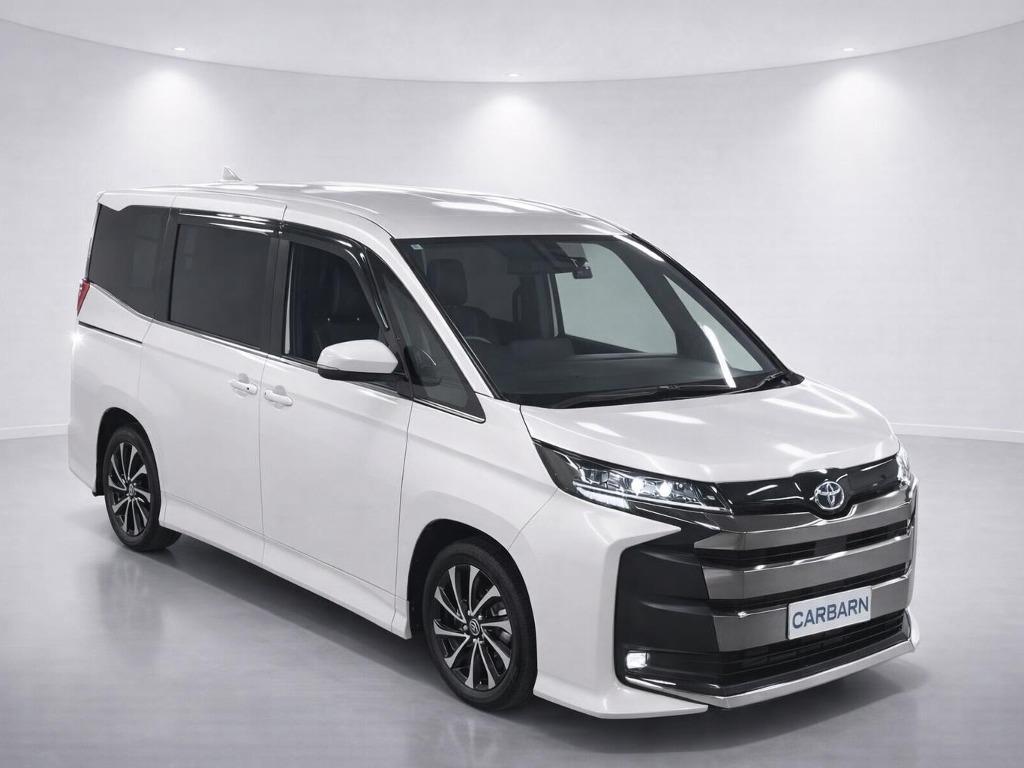
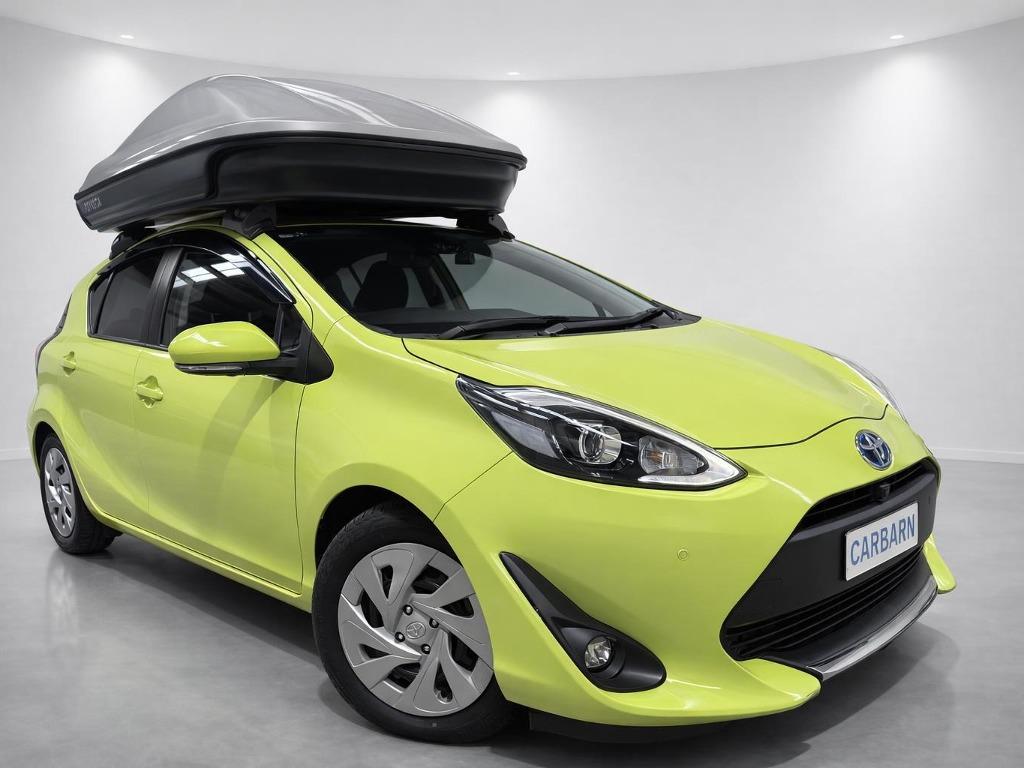
Toyota's hybrid approach.
Toyota has a long production history with petrol-electric vehicles. For a used-car buyer, that matters because the basic driving and refuelling experience is familiar: the vehicle manages the petrol and electric systems without requiring external charging.
Who they may suit.
Toyota hybrids may suit buyers who want everyday petrol refuelling with the potential for lower fuel use in stop-start driving. They can also suit drivers comparing different body styles while keeping a broadly similar hybrid approach.
What to compare.
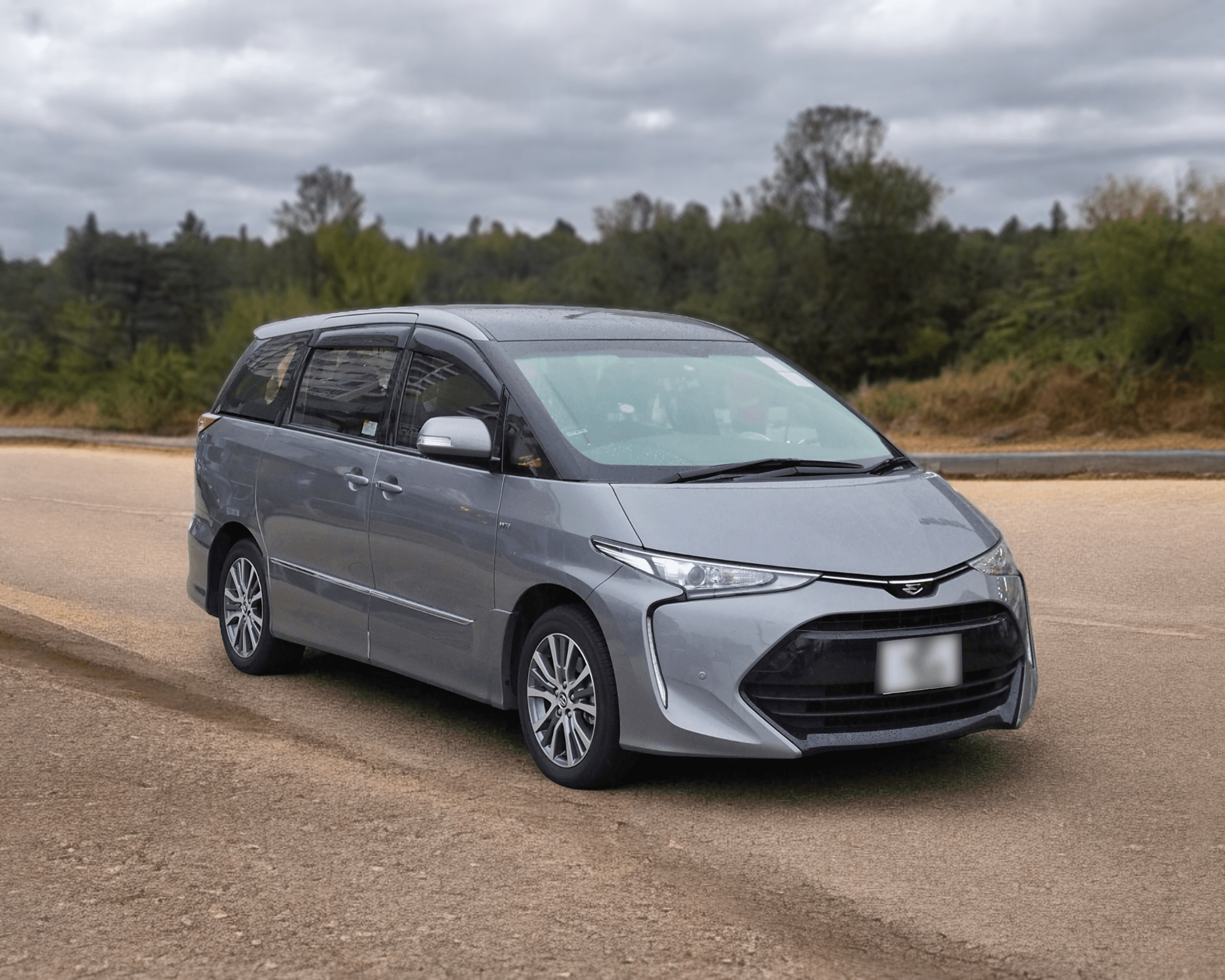
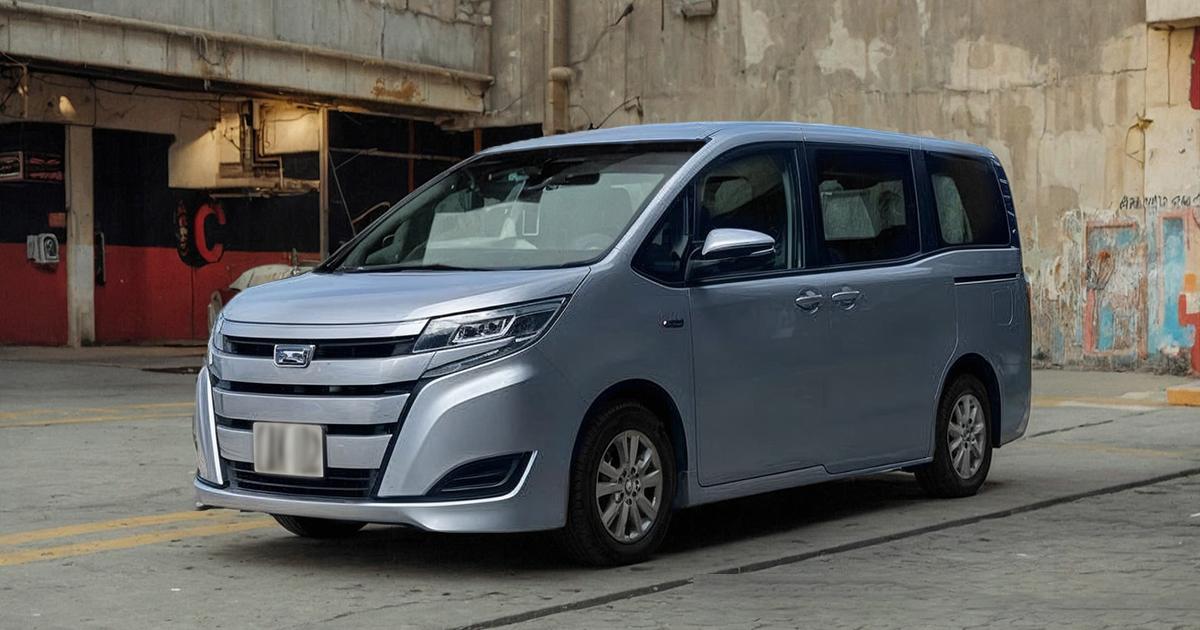
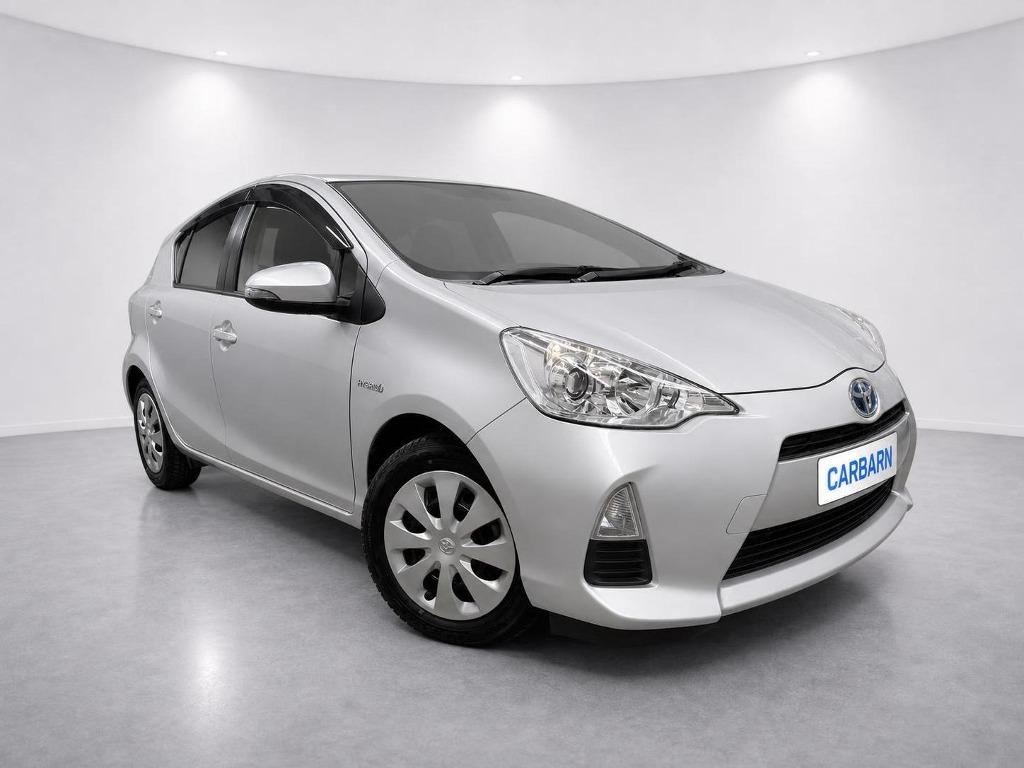
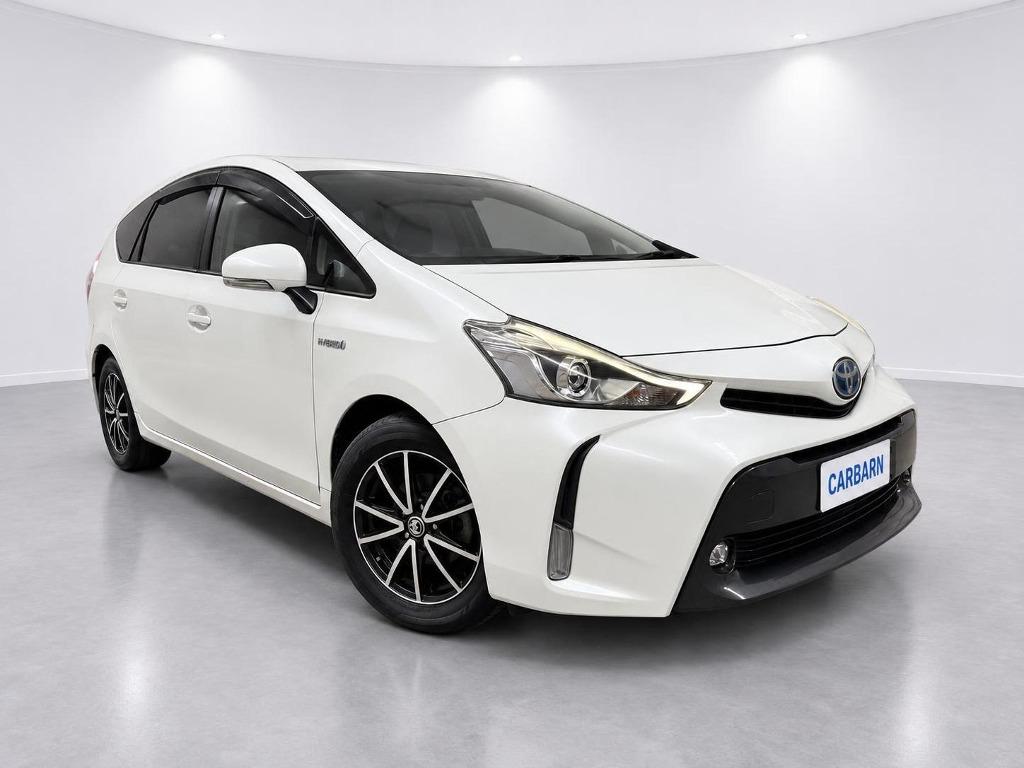
Toyota's hybrid range spans very different types of vehicle. Body style, seat count, cabin space and intended use should come first; then compare price, kilometres, condition and the details recorded for the individual vehicle. A shared badge does not make two Toyota hybrids interchangeable.
Carbarn comparison note.
Carbarn's comparison begins with the recorded body type, seat count and vehicle configuration rather than assuming the Toyota Hybrid badge makes different models equivalent. System, battery, consumption and preparation information appears only when supported for the relevant vehicle or current-stock snapshot.
Condition beats age
Two cars with the same badge and year can be completely different purchases, because how a vehicle was serviced and used matters more than when it was built. A well-serviced higher-kilometre example is often a better buy than a neglected low-kilometre one — the service history is what separates the two. Read the recorded details on each listing rather than judging by the year: they carry what was actually observed on the vehicle, from odometer and drivetrain to the model code that identifies the exact build. Deciding what the car needs to do first, then checking what each listing actually records, is a shorter path than comparing badges.
How a used hybrid ages
Owning a used hybrid is deliberately unremarkable: fuel it, service it, drive it — the electric side manages itself and never plugs in. Its economy advantage is strongest in stop-start traffic, and its health shows on a test drive: the swap between electric and petrol drive should be smooth and quiet, with no hesitation and no warning lights. Brakes often wear slower than on petrol-only cars, since regeneration shares the work. Beyond that, judge it like any used car — history first.
Buying a first car
The best first-car strategy is dull and it works: a small, economical, well-documented car bought on condition. Skip the equipment race — insurance and servicing will cost more attention than any feature — and put the budget's margin into the cleanest history you can find. The recorded kilometres and details on each listing do the shortlisting; the service book makes the final decision.
The family shortlist
Family duty is specific: seats that fit child restraints, doors that open where you park, and a boot that swallows the week. Count the seats you genuinely use — seven with a walk-through and eight with a bench suit different families — and check how the third row folds or removes. Then match the fuel to the life: hybrids repay school runs and city traffic, diesel repays long distances. The recorded seating and configuration on each listing carry the details that matter here.