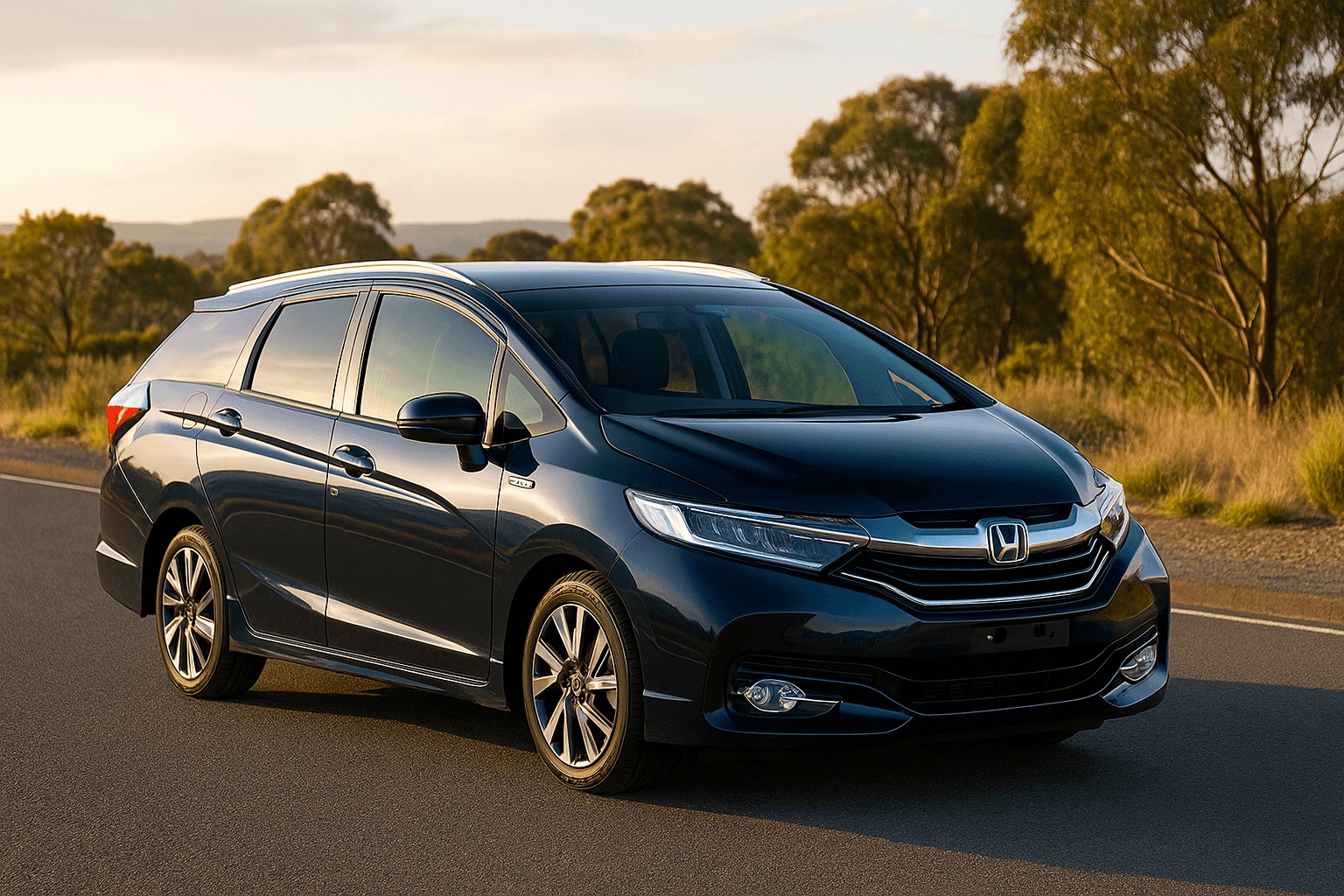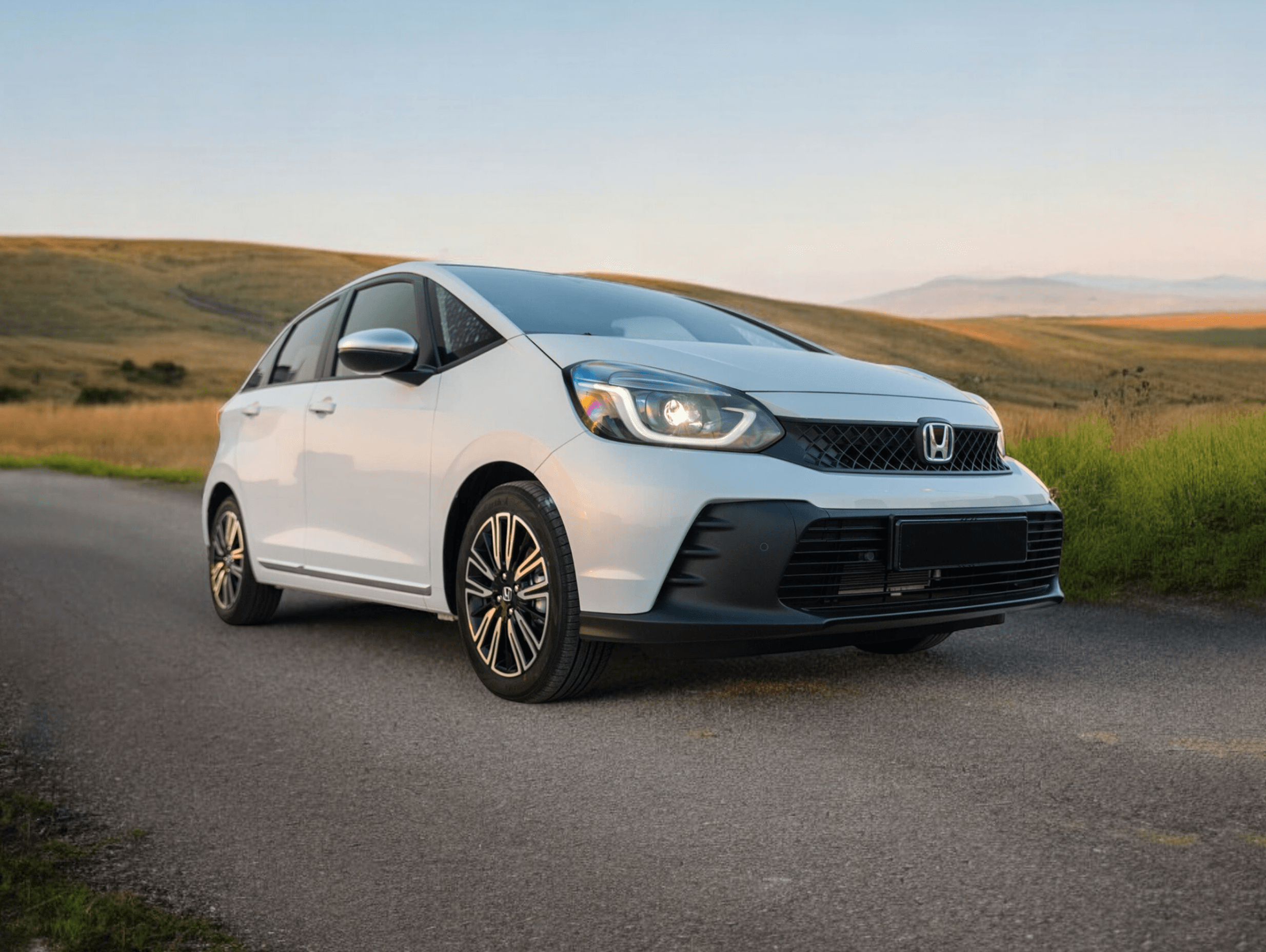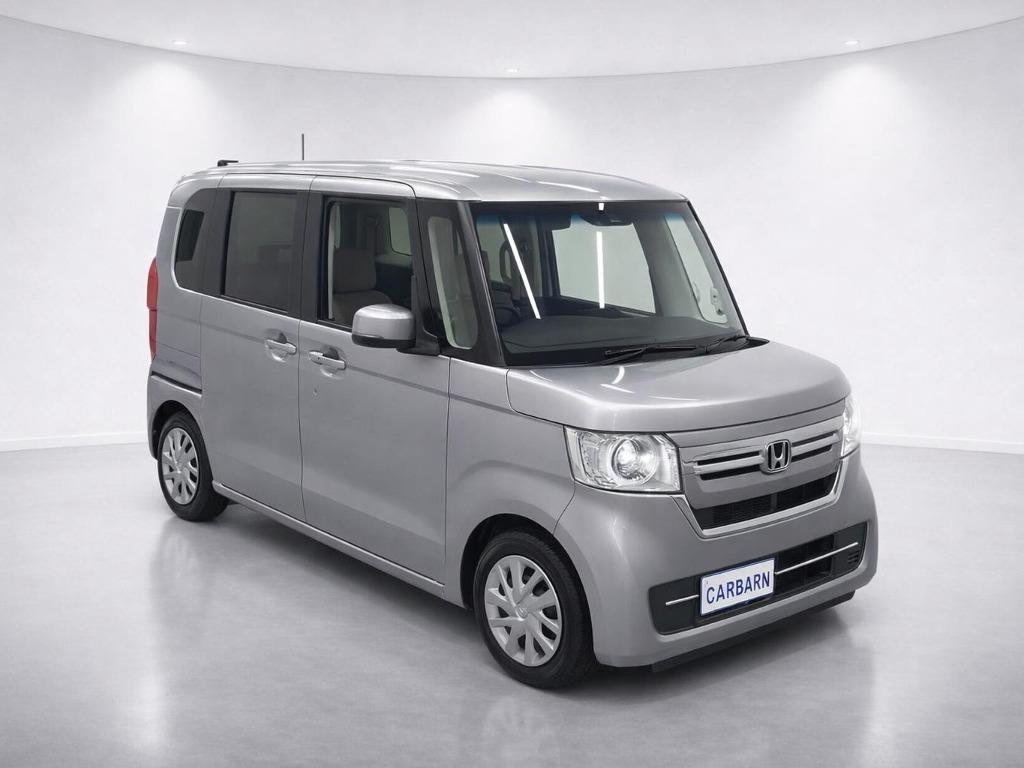


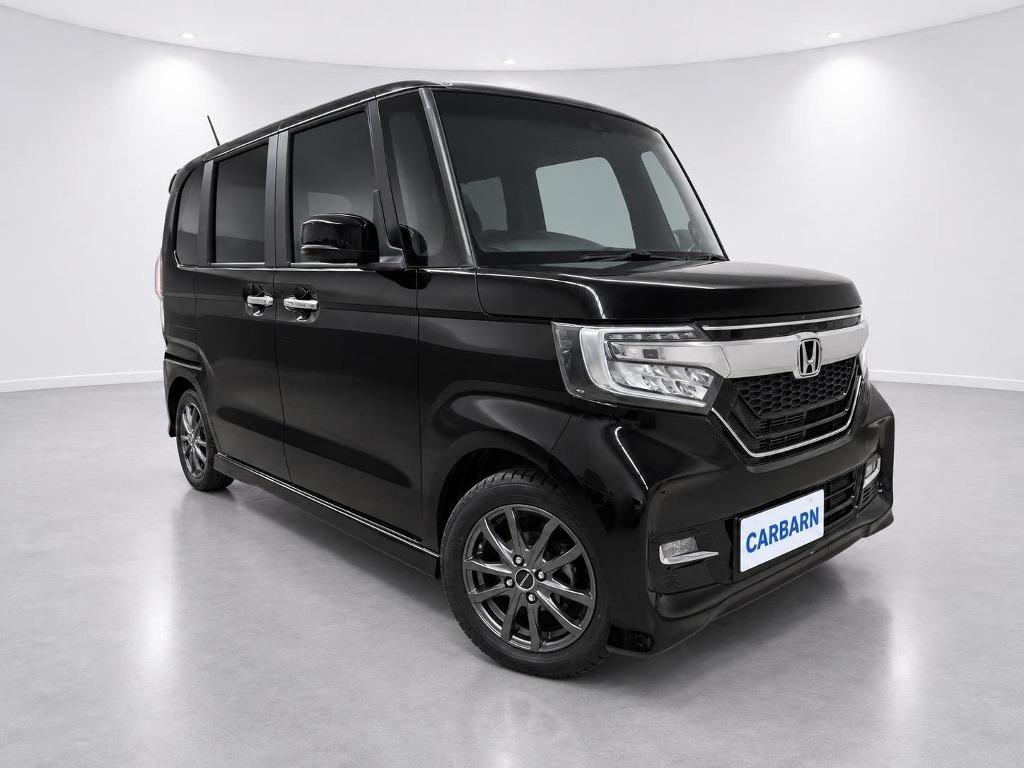
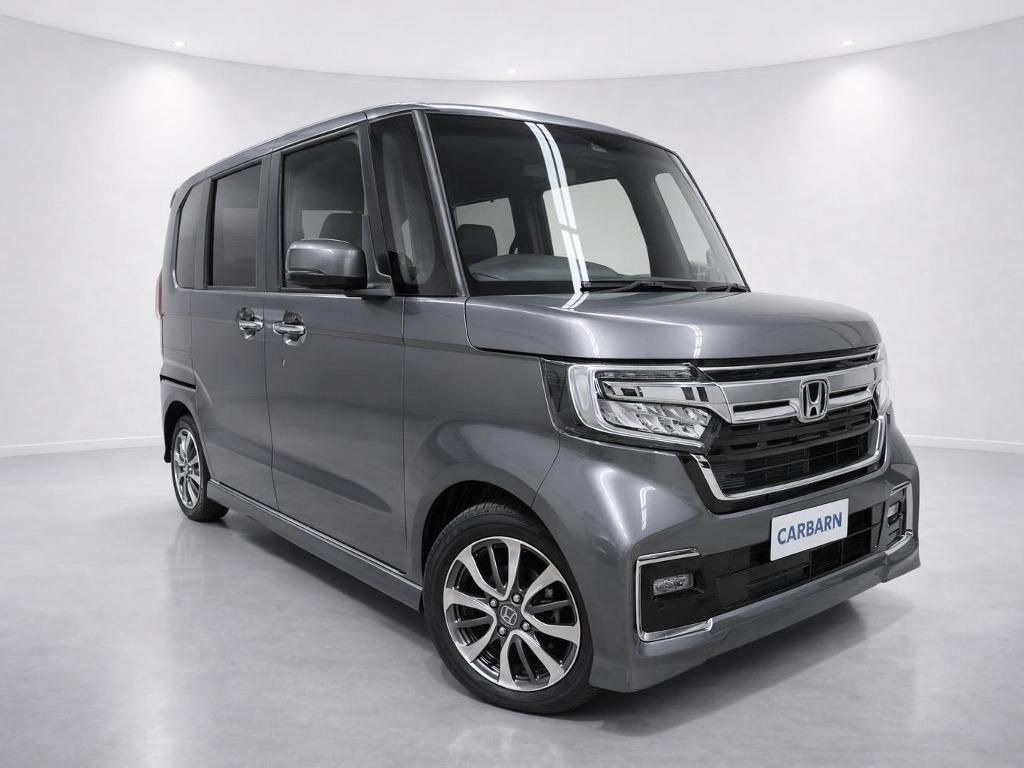
Which Honda model fits your life?
Honda's stock here can span quite different shapes and sizes under one badge. Start with how many people you carry, how easily they get in, and the space left when every seat is used, then compare year and kilometres inside the model that fits.
What is under the bonnet
Petrol is the only powertrain in current stock. The same model name was often sold with more than one setup depending on year and variant, so the fuel recorded on each listing is what settles an individual car.
Which body style?
Honda's stock here is all wagons, and body style does more for day-to-day life than most of the specification sheet. Each shape answers a different question about space and access, so settle that before comparing anything else.
Condition beats age
Two cars with the same badge and year can be completely different purchases, because how a vehicle was serviced and used matters more than when it was built. A well-serviced higher-kilometre example is often a better buy than a neglected low-kilometre one — the service history is what separates the two. Read the recorded details on each listing rather than judging by the year: they carry what was actually observed on the vehicle, from odometer and drivetrain to the model code that identifies the exact build. Deciding what the car needs to do first, then checking what each listing actually records, is a shorter path than comparing badges.
How to read a listing here
The listing is the source of truth here. Each one records the specific vehicle — its model code, engine, drivetrain and configuration — rather than the brochure version of its name, and the stock data always reflects what is listed right now. Shortlist by those recorded details: the code separates lookalike listings, the drivetrain field settles what a badge merely implies, and the vehicle page carries any service and preparation records that exist.
Wagons in the Honda range
A wagon is the load space without the height: a lower floor than any SUV, car economy, car parking. It suits buyers who need the boot but not the ride height. One wagon name frequently covered petrol and hybrid versions across its years, so the engine details recorded on each listing are the first thing to compare — then service history, which decides between candidates the way it does in every class.
Petrol Hondas, in plain terms
A petrol engine is the low-complication answer: cheaper to buy at the same age, straightforward to service anywhere, and happiest in the mixed daily driving most cars actually do. Its costs show at the pump on long highway work, which is where diesel earns its keep instead. Read the engine code off the listing rather than the badge — the same name often covered more than one engine over the years.