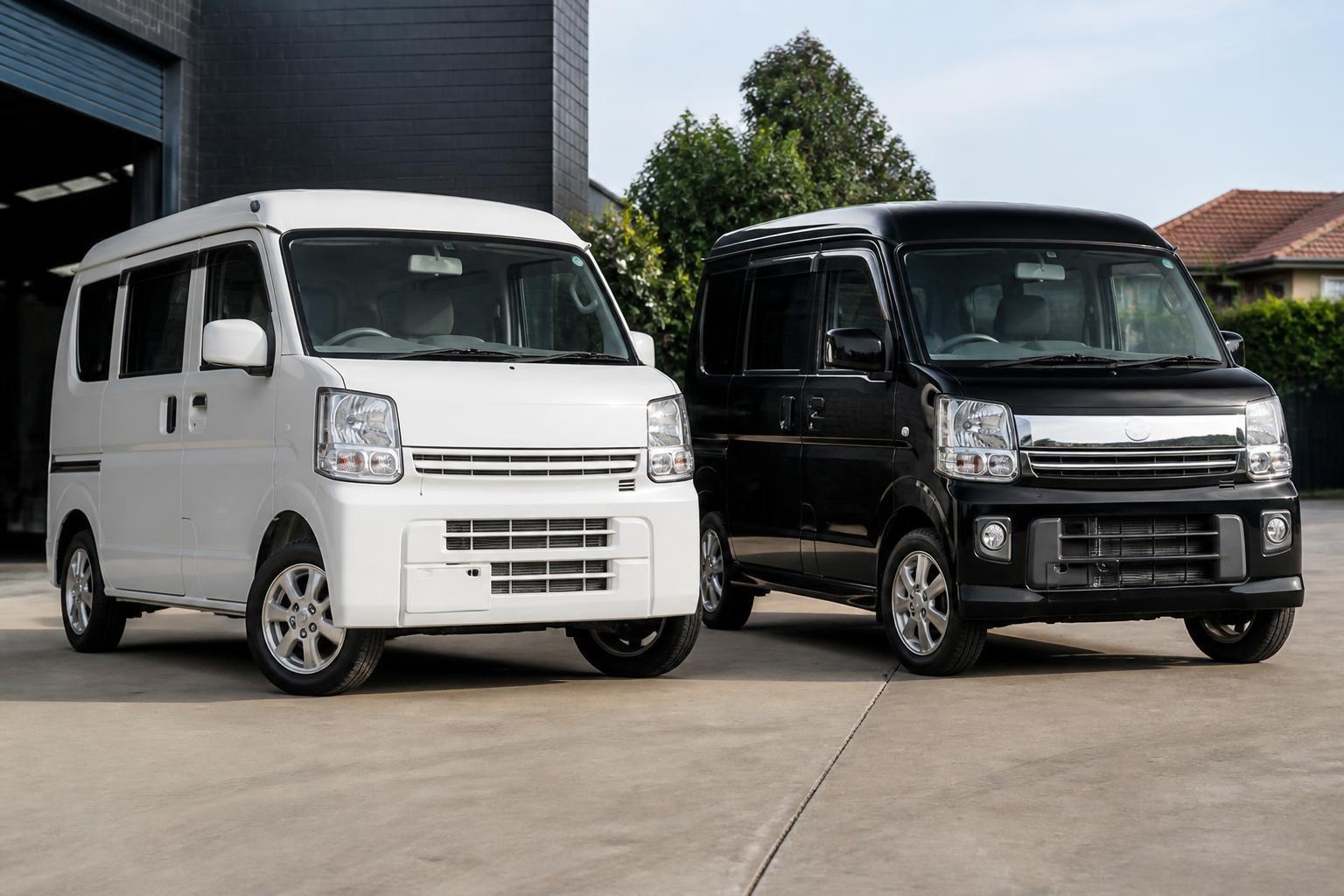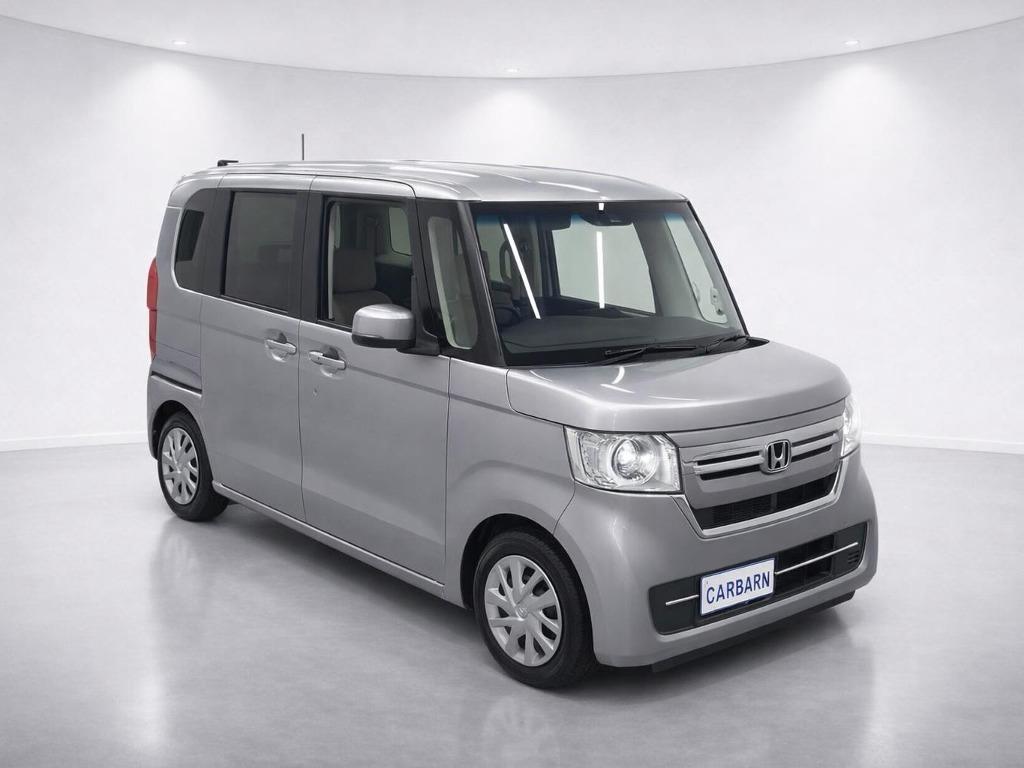


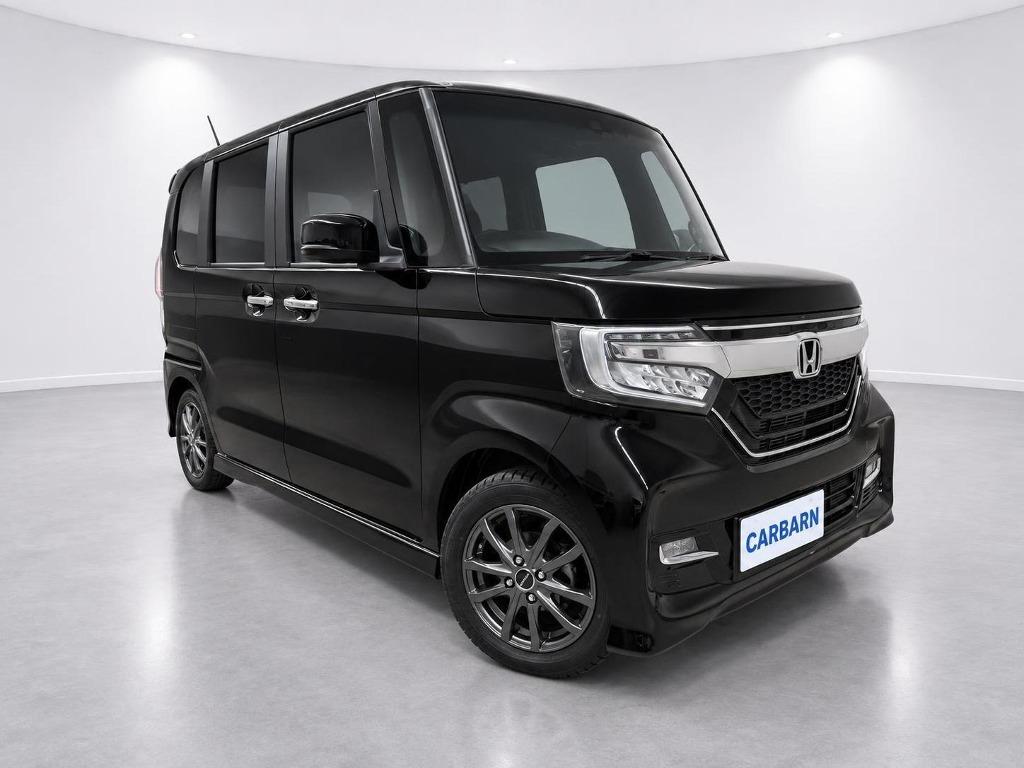
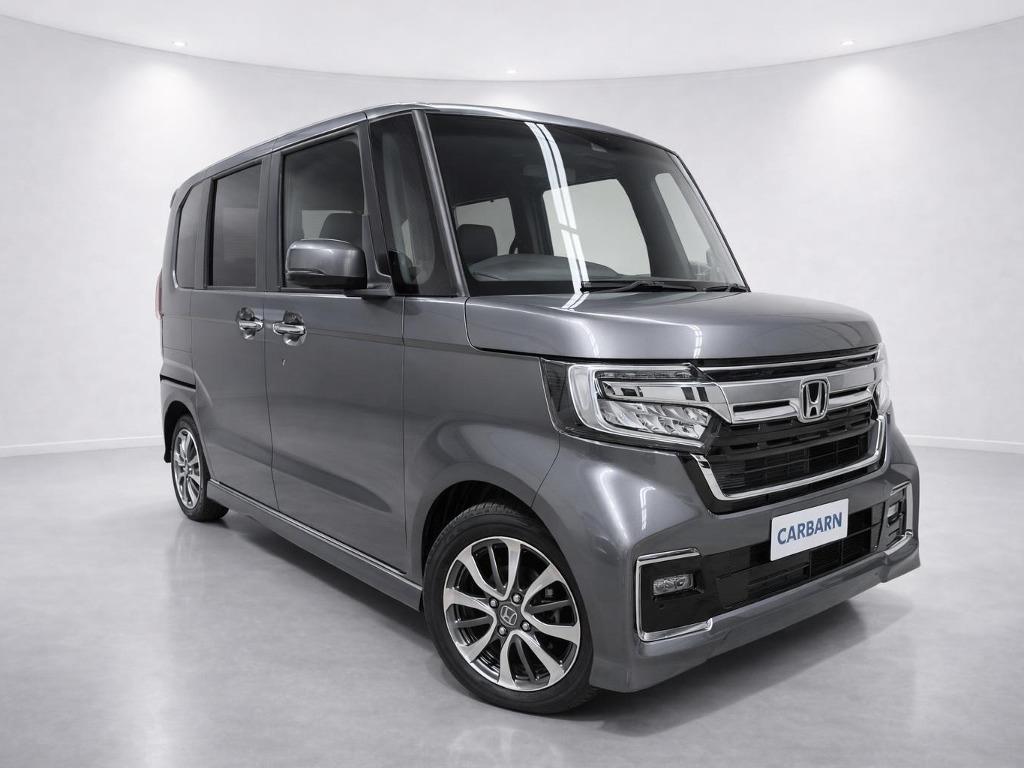
What separates them
N-BOX listings can differ by variant, model code, drivetrain and equipment even when they look alike. Compare those recorded details before price, and use the individual listing for the exact configuration.
A Kei car, within limits
The N-BOX belongs to Japan's Kei vehicle class, which combines engine and dimensional limits — engine capacity alone is not the whole definition. Class identity also does not by itself prove economy, safety or highway suitability; those remain vehicle-level facts to check on each listing.
Small footprint, tall body
The N-BOX uses height and packaging to create usable cabin space within a small footprint, which suits tight parking and short local trips. Doors, seating arrangements and other equipment vary between examples, so confirm them on the recorded listing rather than assuming from photographs.
Condition beats age
Age is the least reliable thing a listing tells you. What actually separates two used cars is the record: how they were serviced, what they were used for, and what the inspection found. That is why the recorded details sit beside every listing here — odometer, drivetrain, the model code naming the exact build. Start from the job the car has to do, let the records shortlist the candidates, and treat the year as one fact among many rather than the headline.
How to read a listing here
Every vehicle page records the specific build — model code, engine, drivetrain, and the configuration details that separate two cars sharing one name. The code matters most: the same model name was often sold with more than one mechanical setup over the years, and the code is how you tell them apart before opening either page. Where service and preparation records exist they are shown on the vehicle's own page, and the stock data always reflects what is listed right now.
The wagon alternative
A wagon is the load space without the height: a lower floor than any SUV, car economy, car parking. It suits buyers who need the boot but not the ride height. One wagon name frequently covered petrol and hybrid versions across its years, so the engine details recorded on each listing are the first thing to compare — then service history, which decides between candidates the way it does in every class.
The case for petrol
Petrol is the default for a reason: simplest to own, cheapest to buy at the same age, serviceable anywhere, and well matched to the short, mixed driving most cars actually do. It gives ground to diesel on loaded highway work and to hybrids in heavy traffic — if neither describes the life the car will lead, petrol usually wins the value question. Confirm the exact engine from the listing's recorded code; one model name often hid several petrol setups.