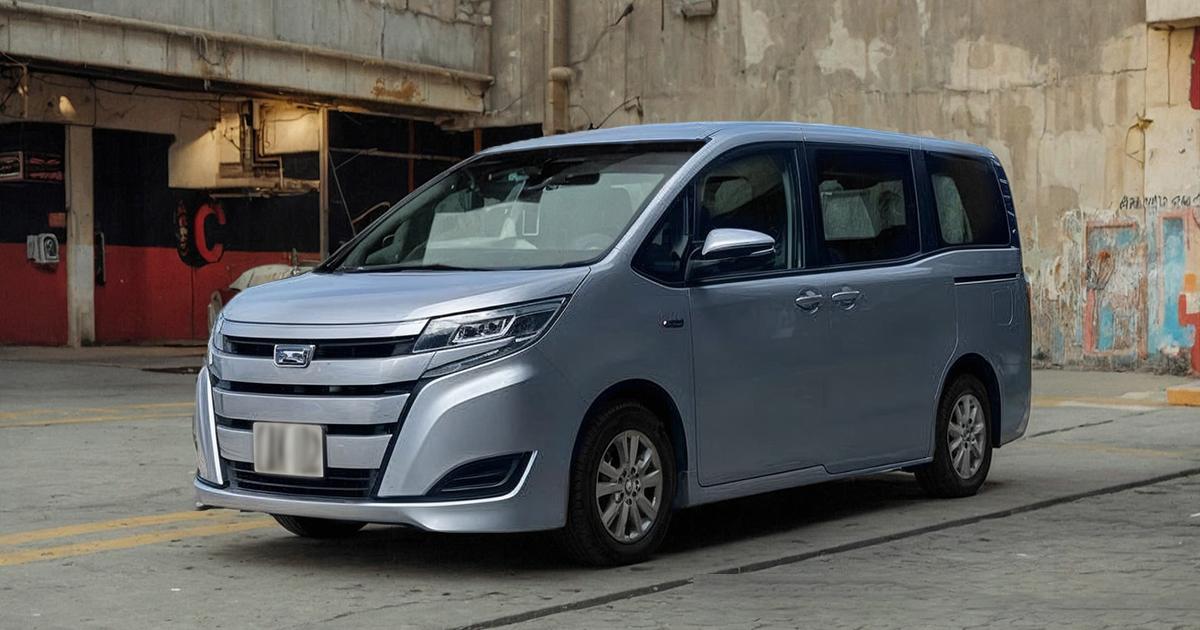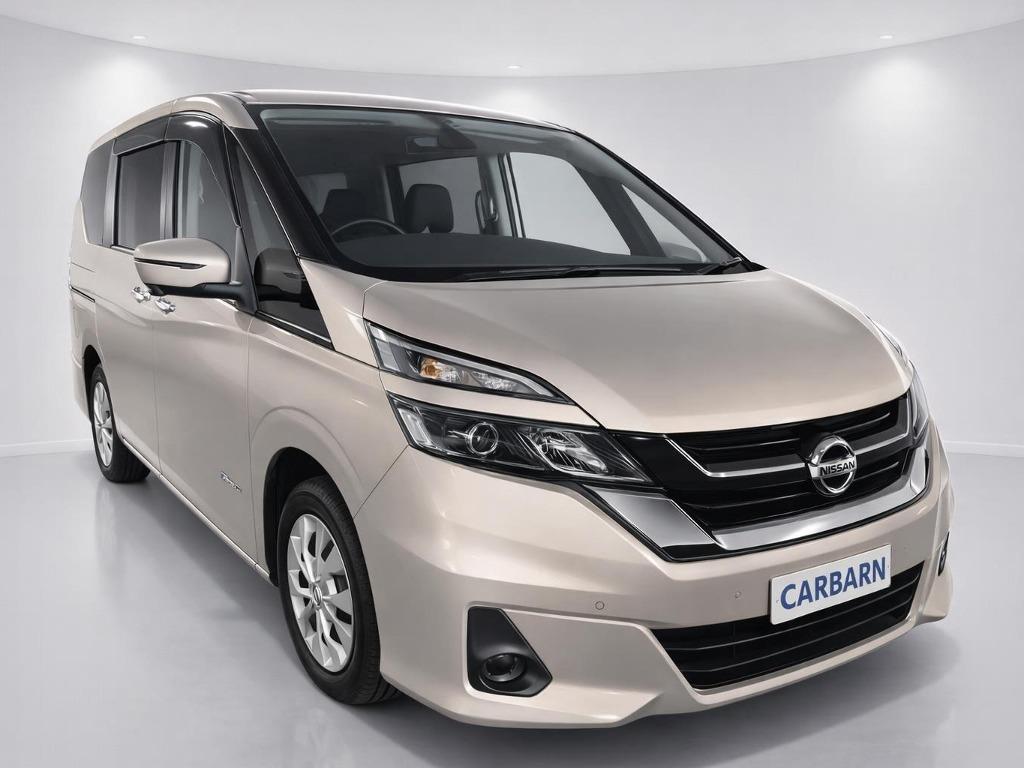


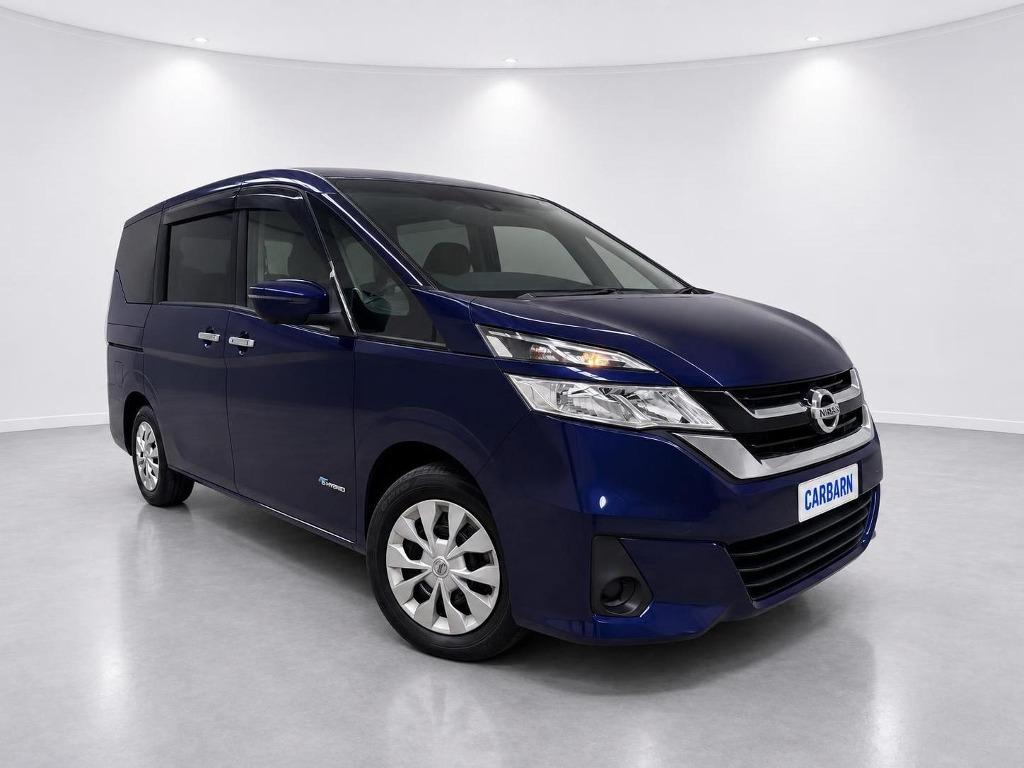
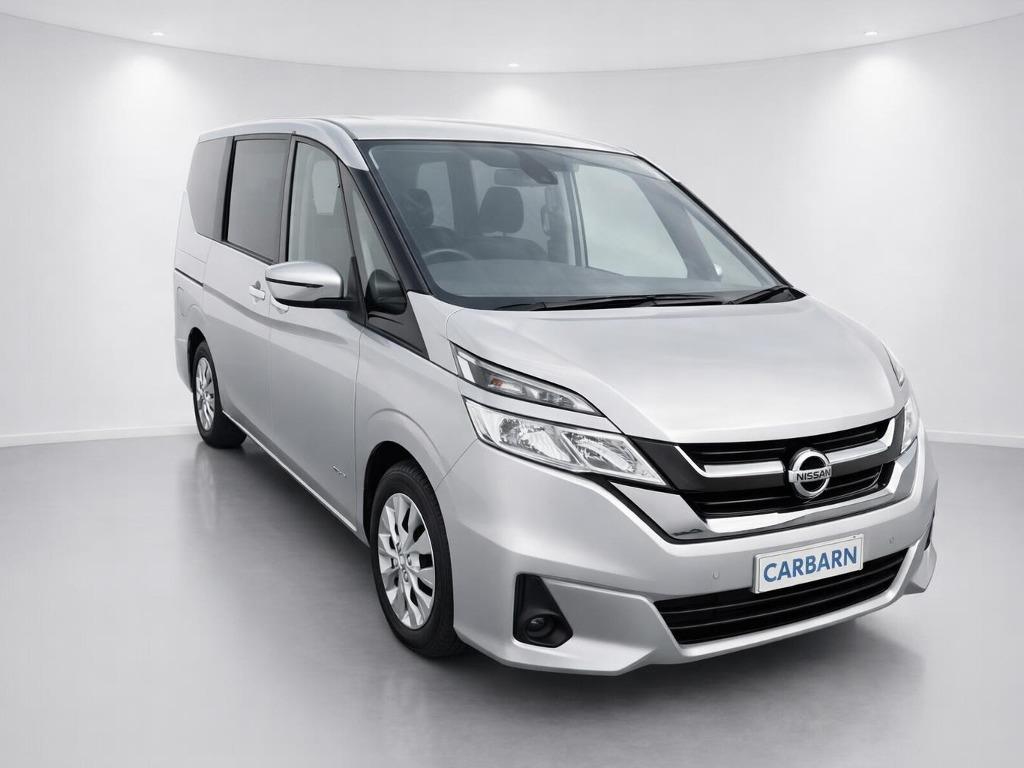
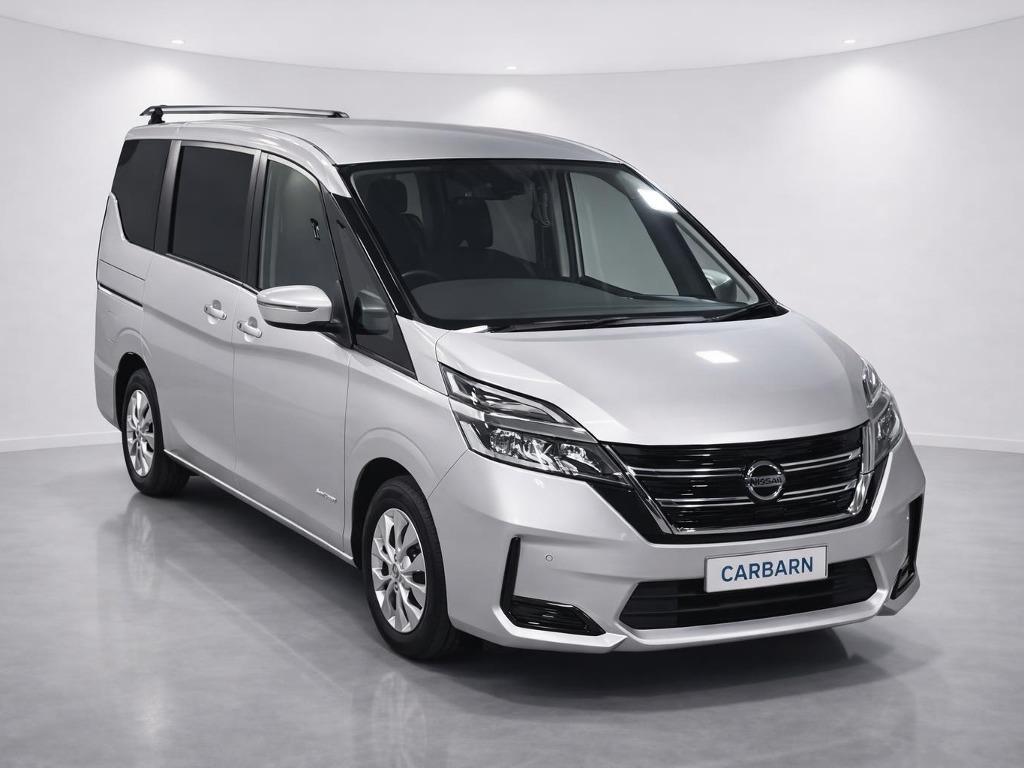
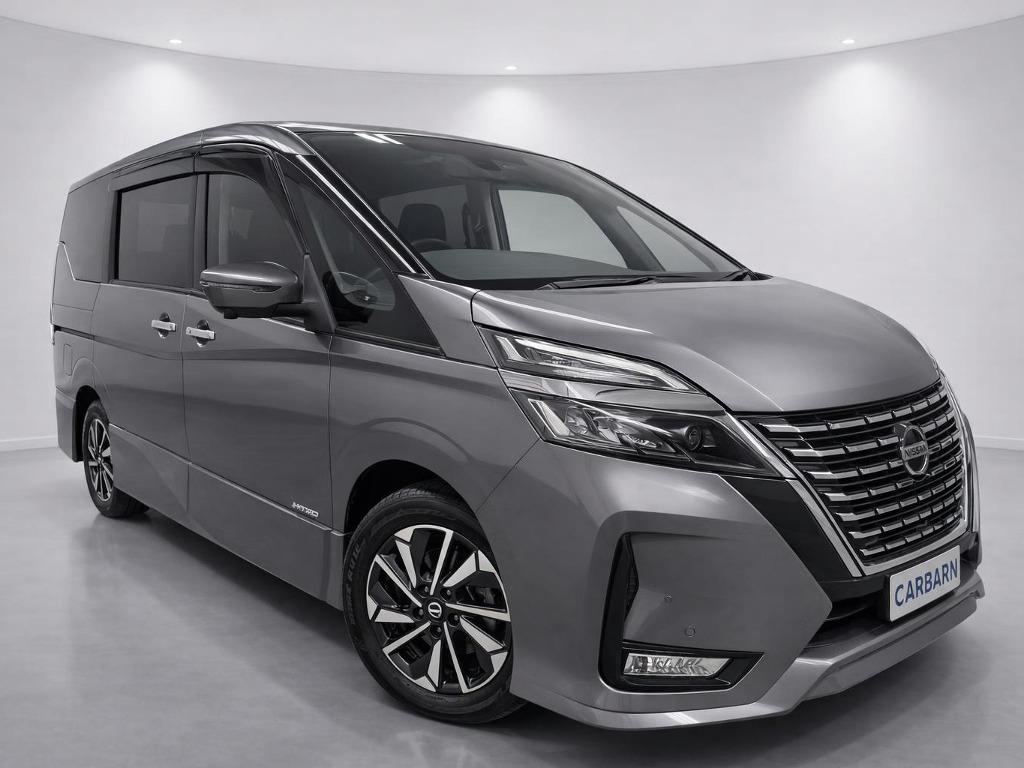
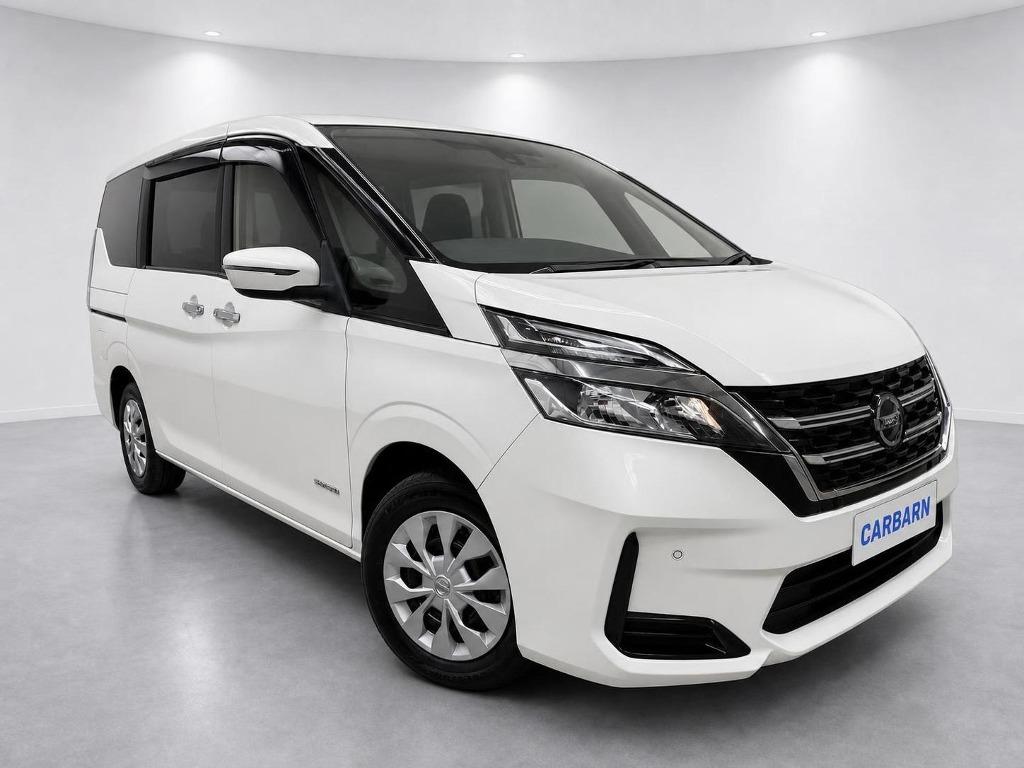
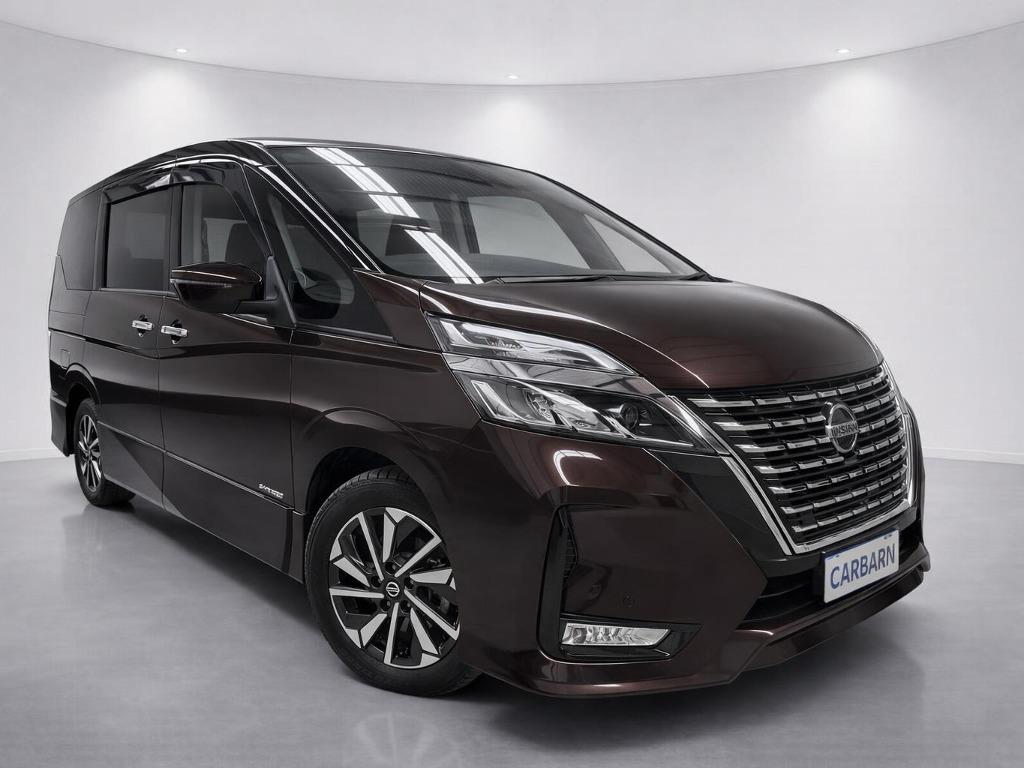
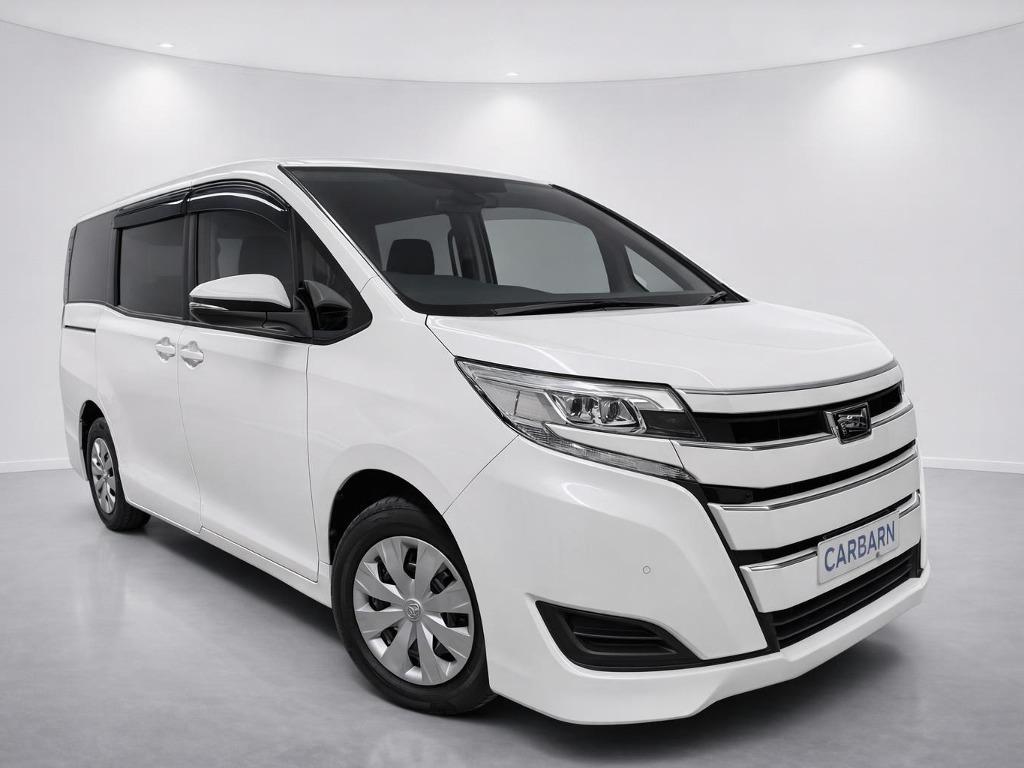
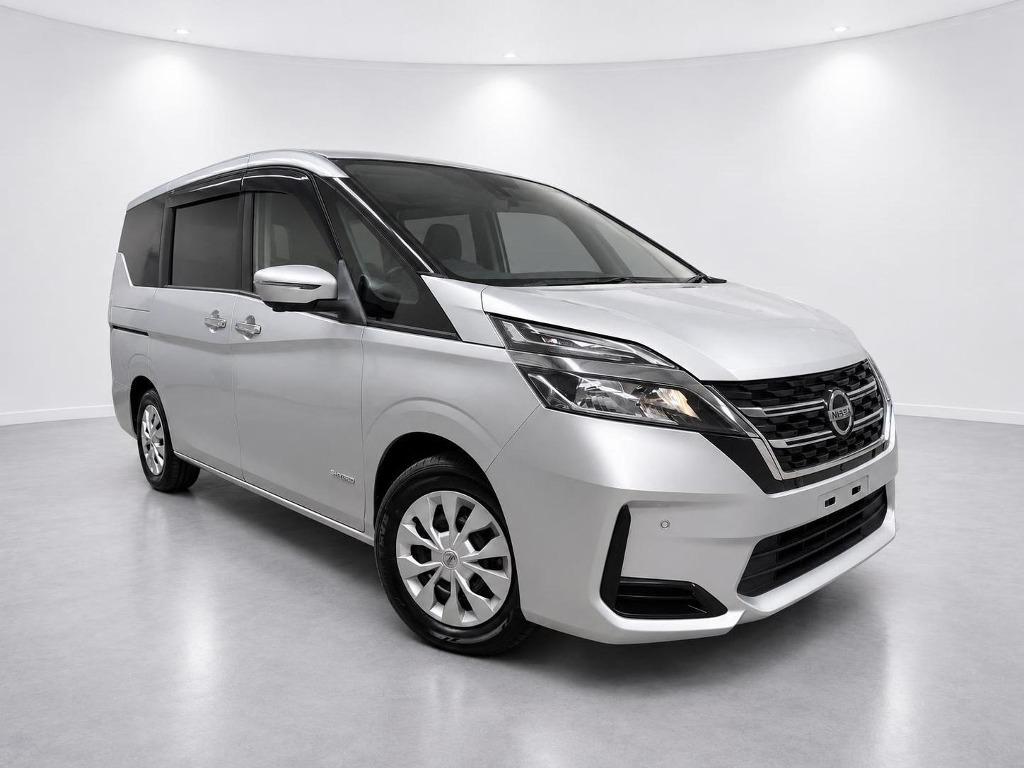
When seven seats are not enough.
The step from seven seats to eight is small on paper but significant in practice. Eight-seat layouts are commonly found in people movers and passenger vans because a boxier body and flatter floor can make the extra seating more usable.
Who they may suit.
Eight-seaters may suit larger families, households that regularly carry extra children, community groups, clubs and small operators moving staff or guests. They are worth comparing when a seven-seater still leaves the household relying on a second vehicle for the same trip.
What to compare.
Look at the seating layout rather than the total alone. Some vehicles use a three-person middle bench; others divide their rows differently. Check who can realistically sit where, whether the required child restraints fit, and how much luggage space remains when every seat is occupied. Sliding-door access, step height and rear ventilation may also matter, but they must be confirmed on the individual listing.
Carbarn comparison note.
Every vehicle here has eight seats recorded against it. Row layout, child-restraint positions, rear ventilation and luggage space are not implied by the seat count alone — where they decide the purchase, those details sit on the vehicle's own page.
Condition beats age
Two cars with the same badge and year can be completely different purchases, because how a vehicle was serviced and used matters more than when it was built. A well-serviced higher-kilometre example is often a better buy than a neglected low-kilometre one — the service history is what separates the two. Read the recorded details on each listing rather than judging by the year: they carry what was actually observed on the vehicle, from odometer and drivetrain to the model code that identifies the exact build. Deciding what the car needs to do first, then checking what each listing actually records, is a shorter path than comparing badges.
Choosing a people mover
Count what the family actually needs before comparing badges: how many seats in real use, which doors open where you park, and what must fit in the boot with everyone aboard. The recorded seating layout on each listing answers the first question precisely — seven with captain chairs and a walk-through, or eight with a bench. Sliding doors and a low floor decide the daily experience; the third row's fold decides the airport trip. The shortlist follows from those answers.
The family shortlist
Family duty is specific: seats that fit child restraints, doors that open where you park, and a boot that swallows the week. Count the seats you genuinely use — seven with a walk-through and eight with a bench suit different families — and check how the third row folds or removes. Then match the fuel to the life: hybrids repay school runs and city traffic, diesel repays long distances. The recorded seating and configuration on each listing carry the details that matter here.