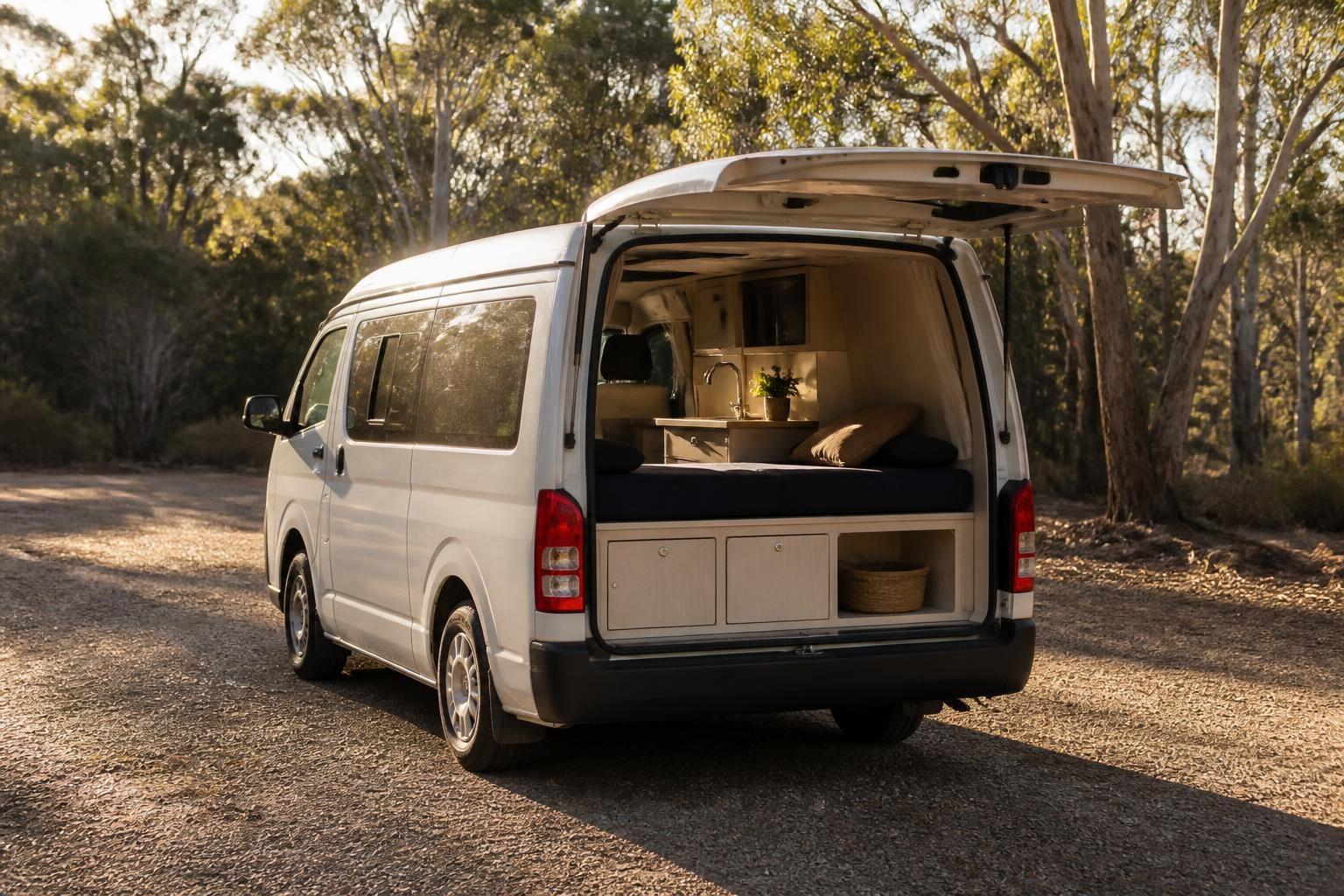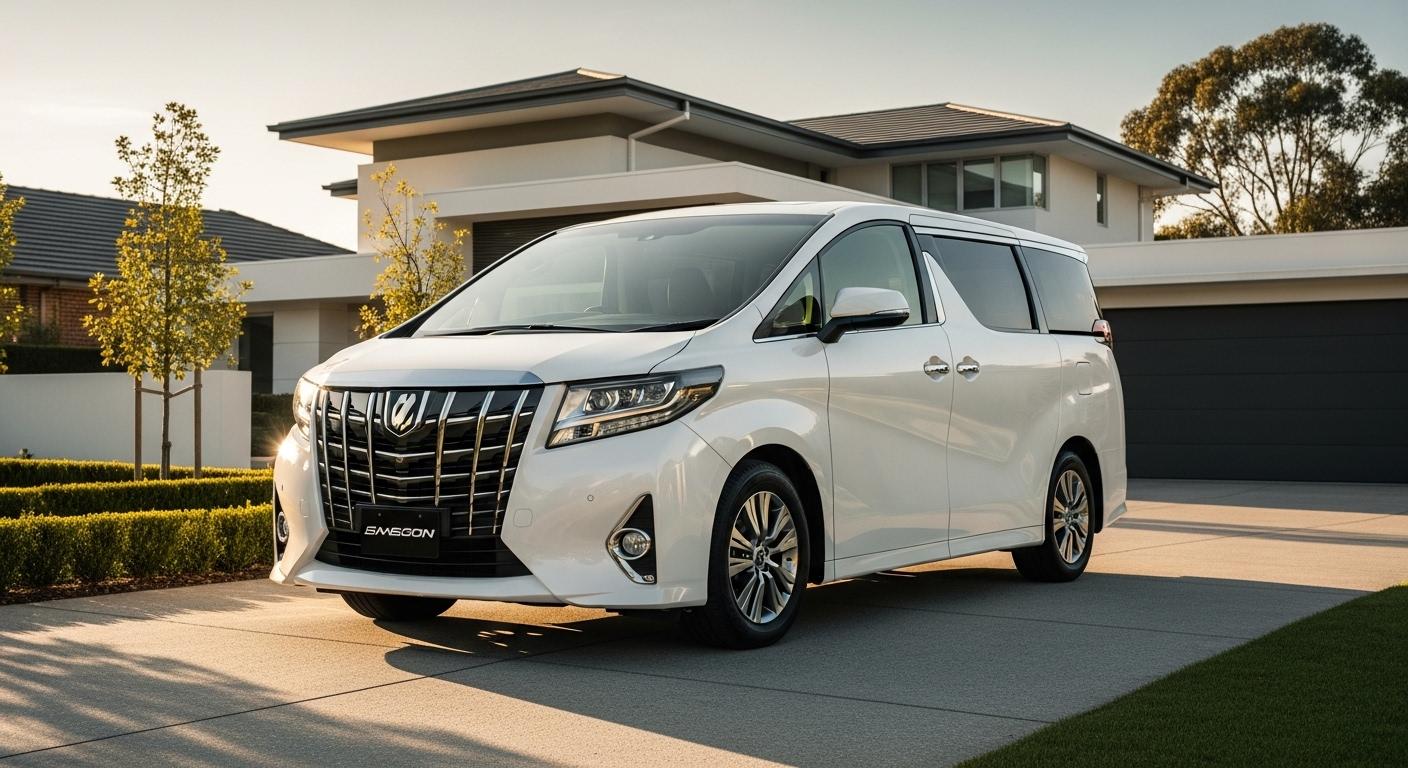


Is this Toyota Noah the right one?
Carbarn currently holds a single used Toyota Noah, prepared and complied for Australian roads. Its recorded specification is the reliable guide, not the model's reputation. Where something material is not recorded, asking is quicker than assuming.
What the listing records
Each used Toyota Noah page records the vehicle's own specification rather than the model's. That distinction matters most at Carbarn, where configurations vary more than the Australian market ever offered new. The same standard applies whether a vehicle has just been listed or has been in stock for a while.
Reading a listing properly
A used Toyota Noah listing pairs photographs with recorded fields — condition in one, specification in the other. Read both: a clean set of photographs does not confirm a drivetrain, and a specification line does not show wear. It matters most at Carbarn, where two vehicles sharing a name can differ substantially.
Condition beats age
Age is the least reliable thing a listing tells you. What actually separates two used cars is the record: how they were serviced, what they were used for, and what the inspection found. That is why the recorded details sit beside every listing here — odometer, drivetrain, the model code naming the exact build. Start from the job the car has to do, let the records shortlist the candidates, and treat the year as one fact among many rather than the headline.
How to read a listing here
Two cars can share a name and almost nothing else, because most model names covered several mechanical setups over their life. The model code on each listing names the exact build, which makes it the fastest way to compare candidates before opening either page. The rest of the recorded details — engine, drivetrain, configuration — work the same way, and where service and preparation records exist they are shown on the vehicle's own page.
Choosing a people mover
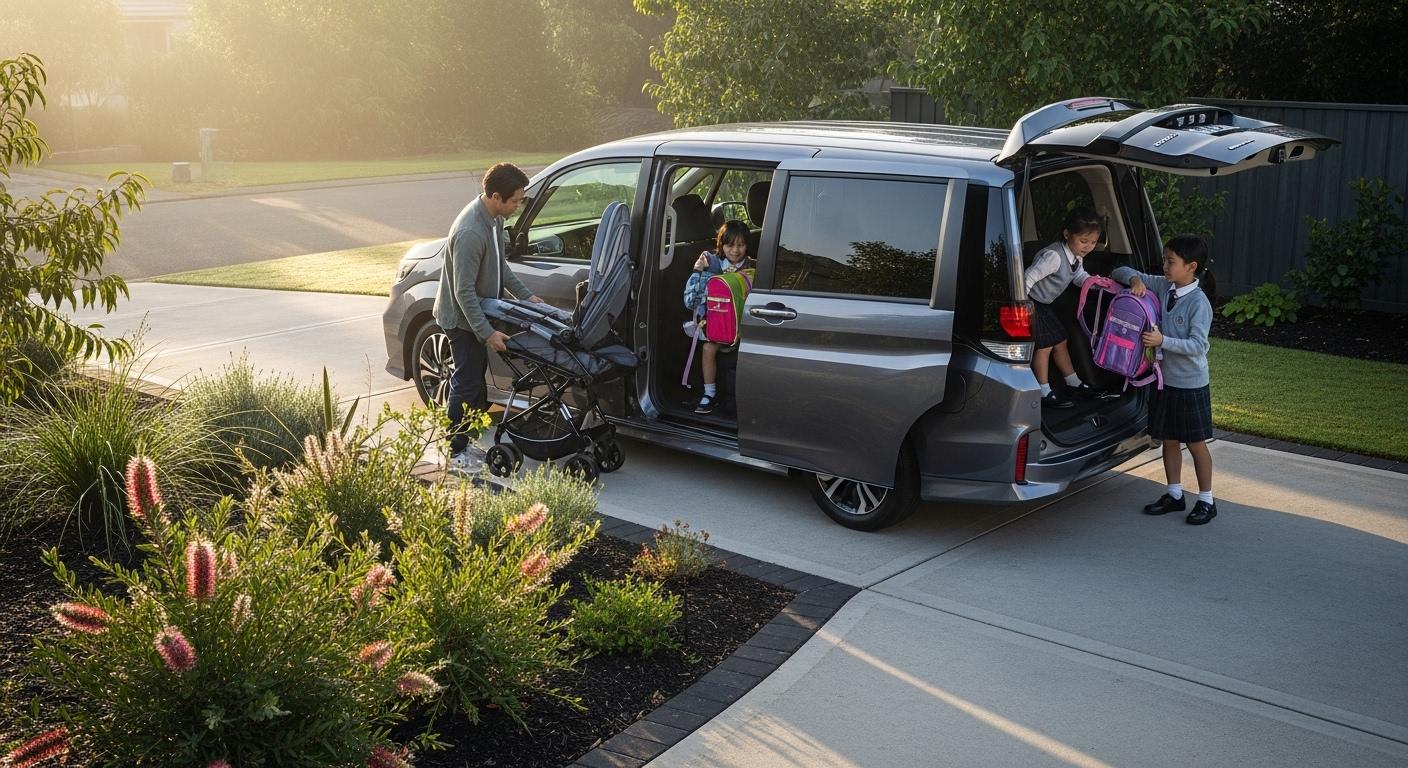
Count what the family actually needs before comparing badges: how many seats in real use, which doors open where you park, and what must fit in the boot with everyone aboard. The recorded seating layout on each listing answers the first question precisely — seven with captain chairs and a walk-through, or eight with a bench. Sliding doors and a low floor decide the daily experience; the third row's fold decides the airport trip. The shortlist follows from those answers.
The case for petrol
Petrol keeps a used purchase simple: familiar servicing, no plug, and typically a lower price than the equivalent hybrid or diesel at the same age. It suits lighter and shorter driving, where a diesel never warms to its work and a hybrid's advantage shrinks. The check that matters is the engine code on the listing — many ranges sold several petrol setups under one name — and a service history that shows the basics were done on time.