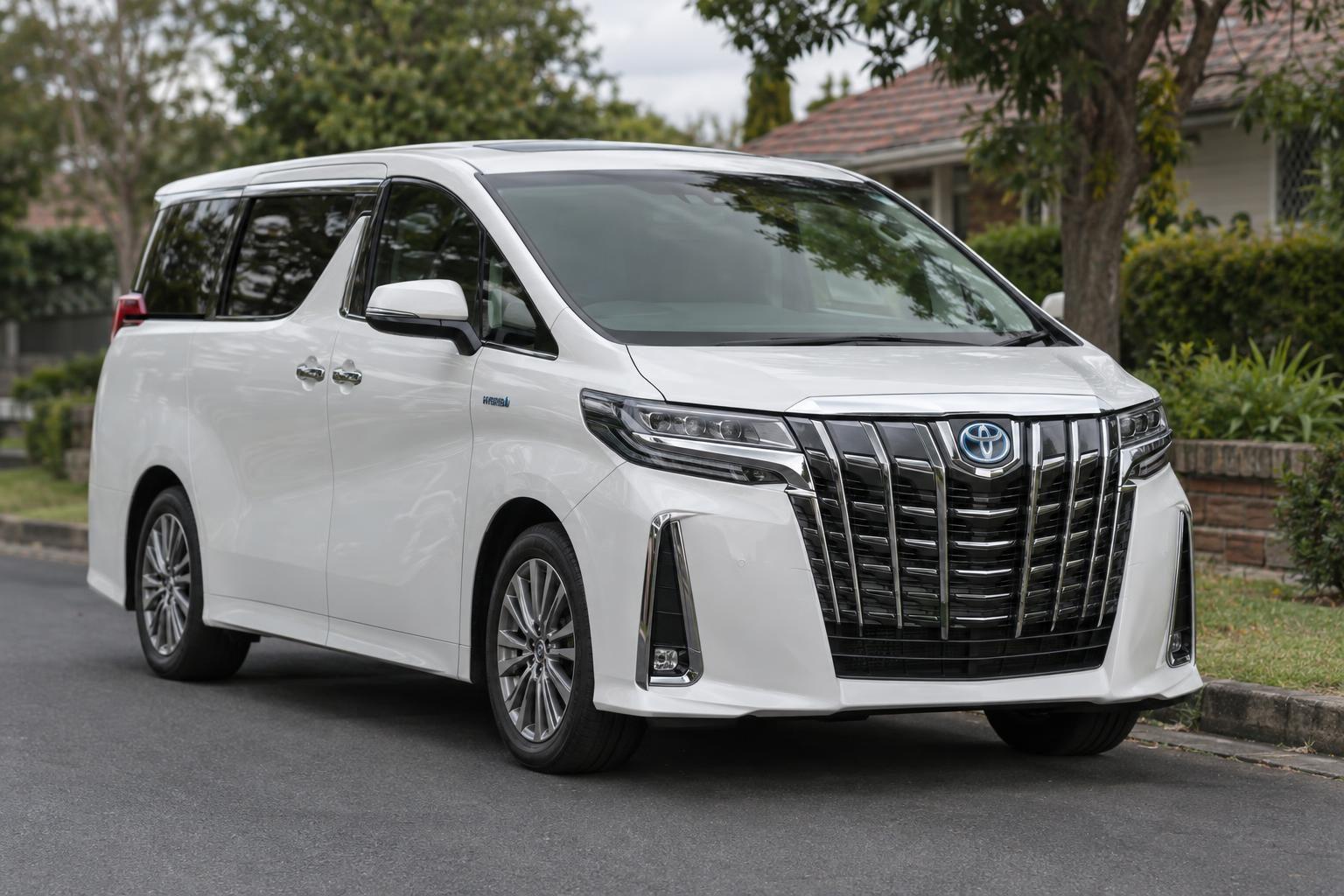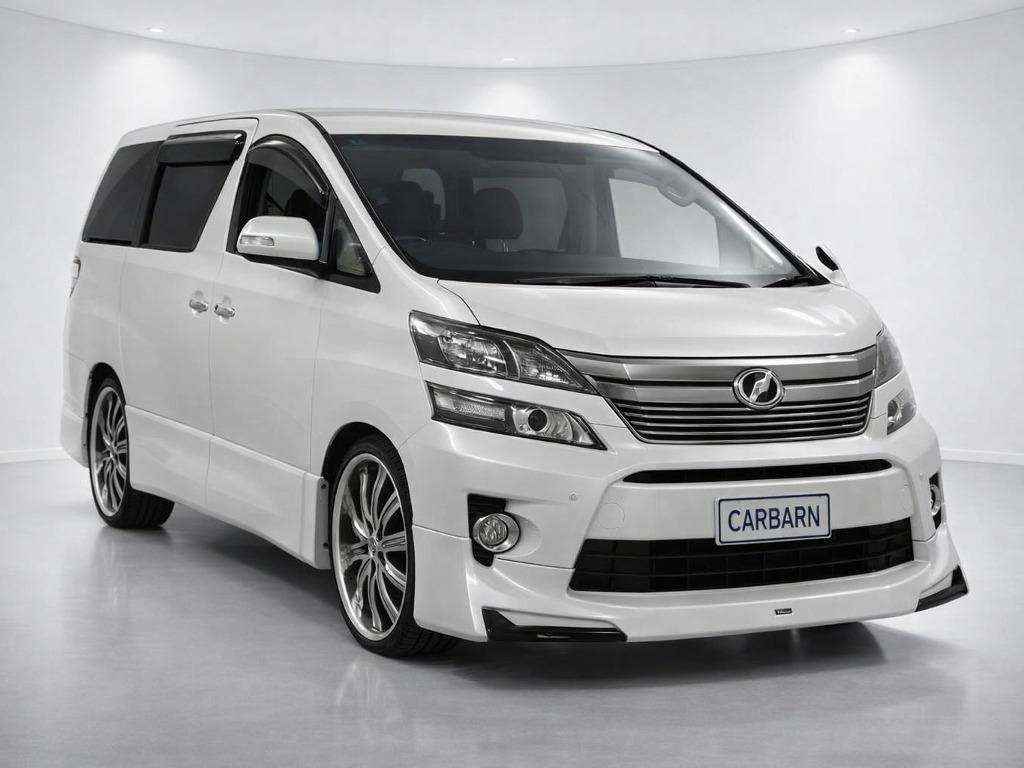


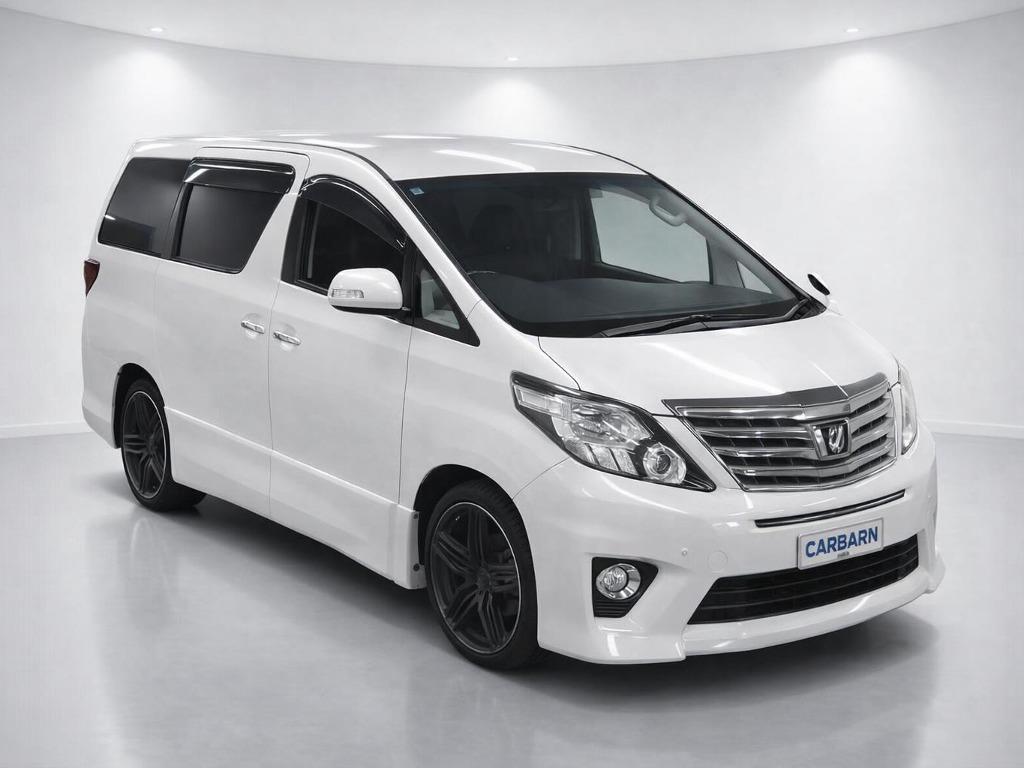
What separates one Toyota Vellfire listing from another?
Used Toyota Vellfire stock differs by variant and equipment even within a single model year. The recorded fields on each individual vehicle describe what it actually carries — a badge does not imply a configuration. Anything not covered by either is worth raising before a commitment is made.
What the listing records
A used Toyota Vellfire listing shows the service history Carbarn holds. Where records are partial, the listing says so rather than rounding up. Carbarn prepares every vehicle for Australian roads before it is offered, and the records reflect that.
Reading a listing properly
Photographs of a used Toyota Vellfire show wear that no specification field captures, and the fields capture configuration no photograph confirms. It is the difference between buying a specification and buying a specific car.
Condition beats age
Two cars with the same badge and year can be completely different purchases, because how a vehicle was serviced and used matters more than when it was built. A well-serviced higher-kilometre example is often a better buy than a neglected low-kilometre one — the service history is what separates the two. Read the recorded details on each listing rather than judging by the year: they carry what was actually observed on the vehicle, from odometer and drivetrain to the model code that identifies the exact build. Deciding what the car needs to do first, then checking what each listing actually records, is a shorter path than comparing badges.
How to read a listing here
Two cars can share a name and almost nothing else, because most model names covered several mechanical setups over their life. The model code on each listing names the exact build, which makes it the fastest way to compare candidates before opening either page. The rest of the recorded details — engine, drivetrain, configuration — work the same way, and where service and preparation records exist they are shown on the vehicle's own page.
Choosing a people mover
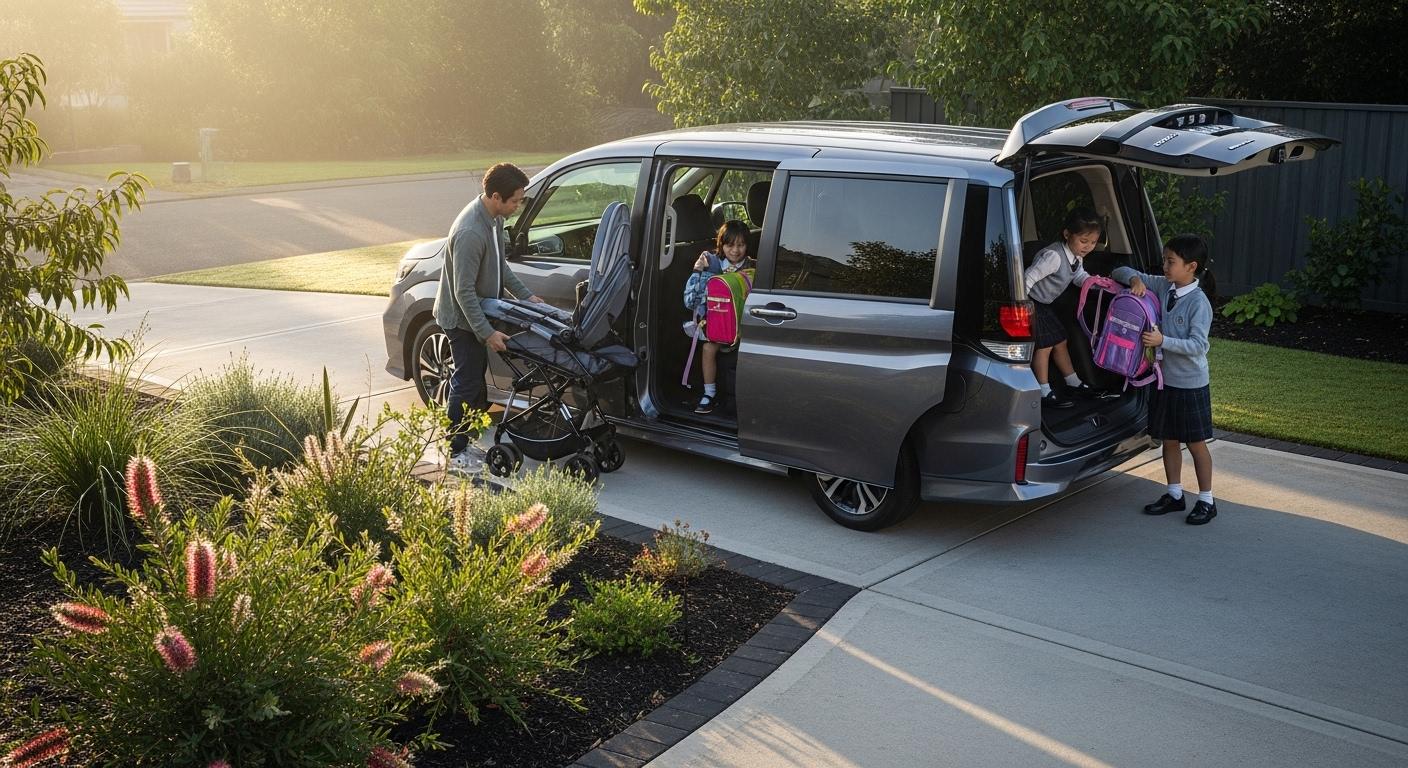
Sliding doors are the feature that separates a people mover from a large SUV — they open in tight car parks and let children out without door-edge risk. Seating layout is the next decision: seven seats usually means second-row captain chairs with a walk-through, eight means a bench and full capacity. Check how the third row folds or removes, because that decides whether the school run and the airport trip fit in the same vehicle, and look for a low, flat floor — it makes loading child seats and older passengers easier, and it varies between models more than the badge suggests.
The case for petrol
Petrol keeps a used purchase simple: familiar servicing, no plug, and typically a lower price than the equivalent hybrid or diesel at the same age. It suits lighter and shorter driving, where a diesel never warms to its work and a hybrid's advantage shrinks. The check that matters is the engine code on the listing — many ranges sold several petrol setups under one name — and a service history that shows the basics were done on time.