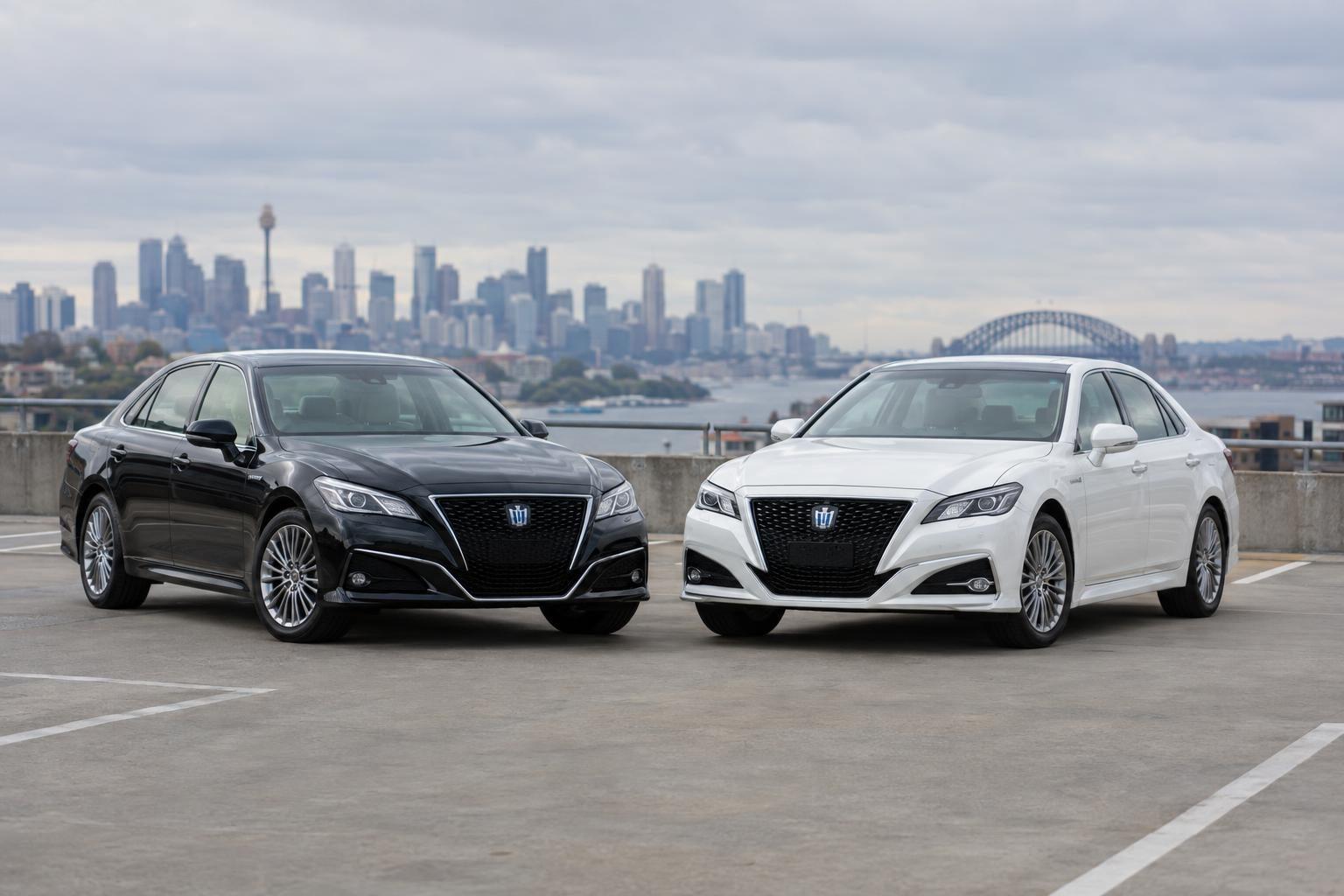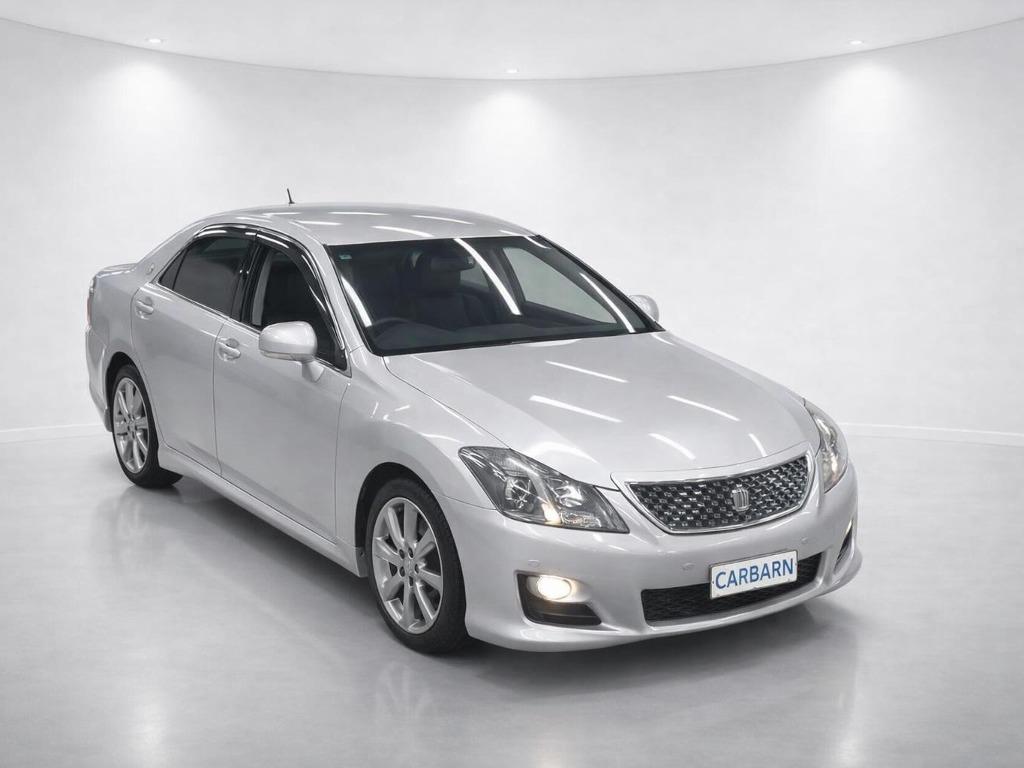


What separates one Toyota Crown listing from another?
Used Toyota Crown listings share a name but not a specification. Variant, model code, drivetrain and equipment all move between examples, so the recorded fields on each individual listing are what describe the car, not the badge on the back. It is why two apparently similar listings can be priced differently and both be correct.
What does a Toyota Crown model code tell you?
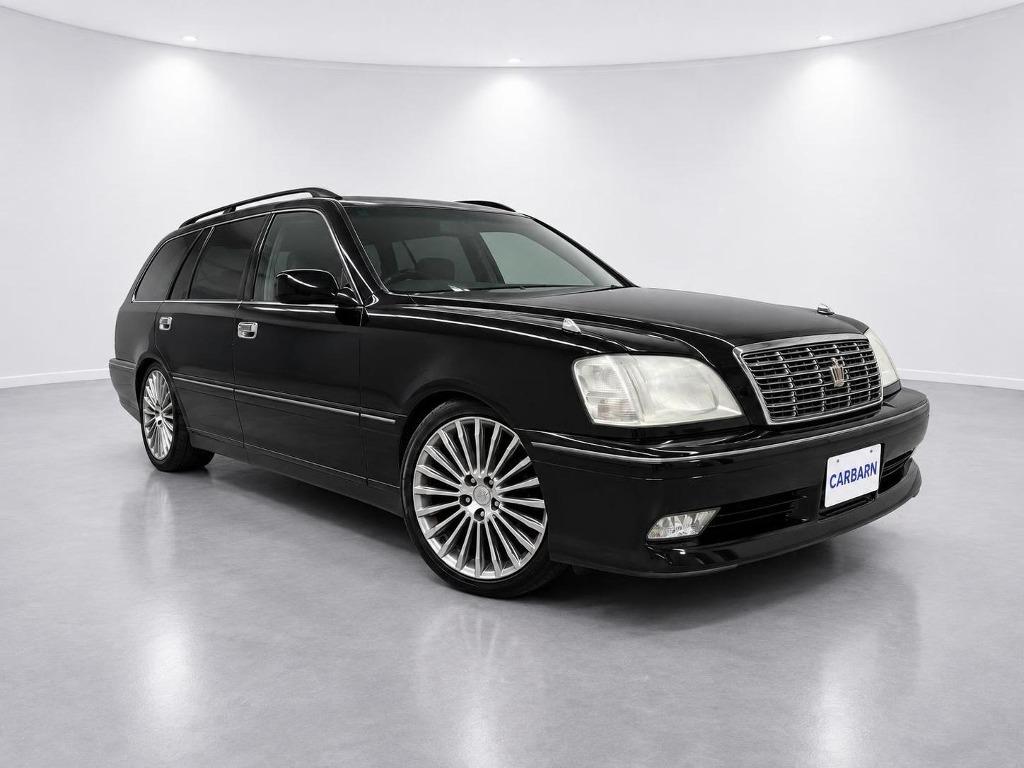
The Toyota Crown codes Carbarn currently lists are AZSH20, GRS204 and JZS175W. Each identifies a specific configuration rather than a marketing designation. Carbarn records it per vehicle rather than per model, because the model does not settle it.
Which shape suits the job
Used Toyota Crown vehicles in Australia span Sedan and Wagon — a broader spread of body styles than the local new-car market offered. The specification recorded against each vehicle is what applies, not the range the model was offered in.
Condition beats age
The year on a listing says less than it seems to. Service history, how the vehicle was used, and what the inspection recorded all move a used car's value more than its age does — which is why a cared-for older example can outlast a newer one that missed its servicing. The listings here record what was observed on each vehicle, so compare those details rather than the years. A practical order: settle what the vehicle is for, shortlist by the recorded specification, and only then weigh price against condition.
How to read a listing here
The listing is the source of truth here. Each one records the specific vehicle — its model code, engine, drivetrain and configuration — rather than the brochure version of its name, and the stock data always reflects what is listed right now. Shortlist by those recorded details: the code separates lookalike listings, the drivetrain field settles what a badge merely implies, and the vehicle page carries any service and preparation records that exist.
A used sedan's case
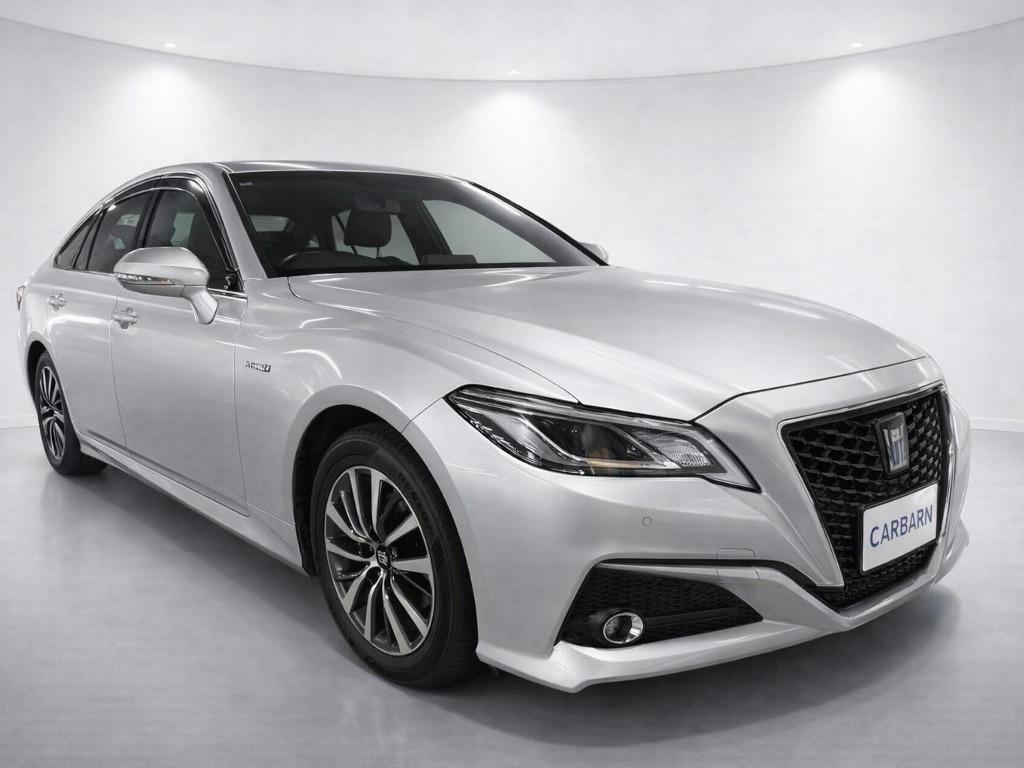
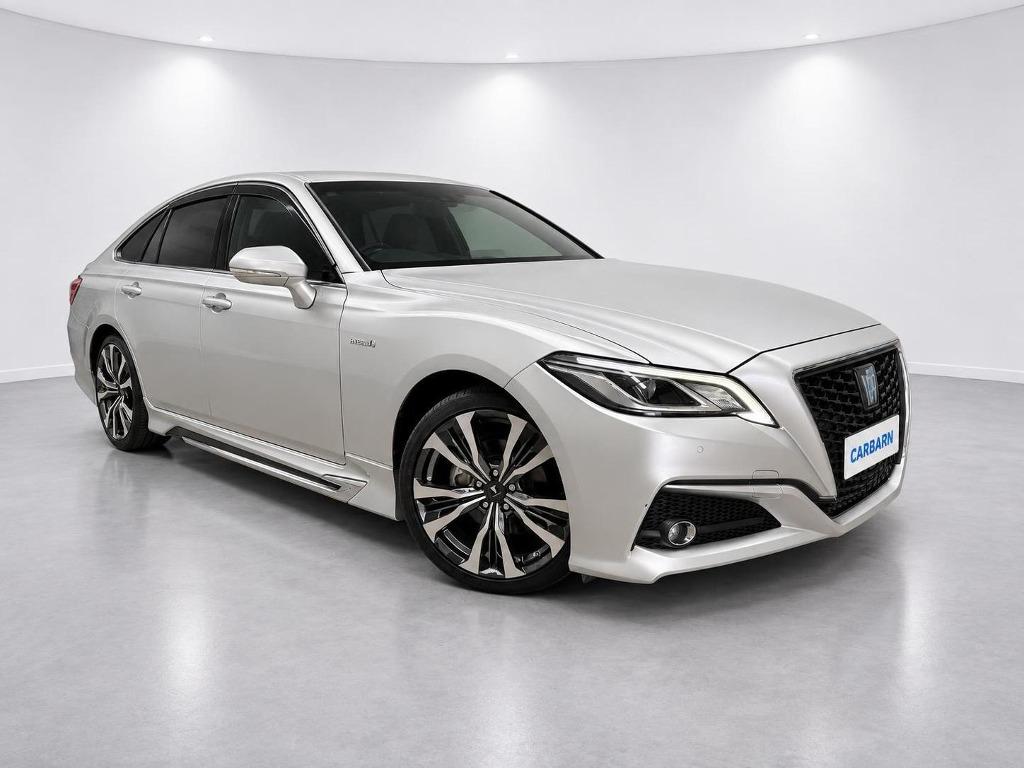
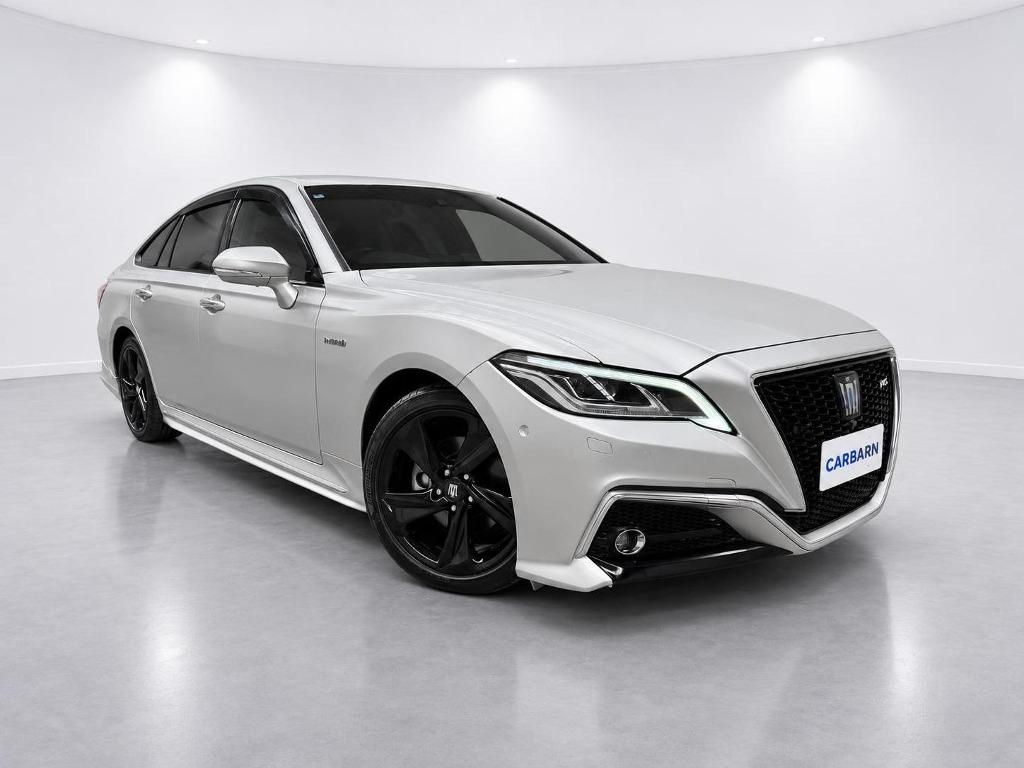
Buyers chasing SUVs have left used sedans quietly underpriced for what they are: comfortable highway cars with real boots and lower running costs at the same age. The buying method is unchanged — service history first — with one sedan-specific habit: check the recorded variant. One sedan name often covered everything from a base fleet car to a genuinely equipped flagship, and the listing's details say which one is actually for sale.
How a used hybrid ages
A self-charging hybrid asks nothing new of its owner — it fuels like a petrol car and services like one, with the electric side doing its strongest work in stop-start traffic. Used, the questions are the same as any car plus one: how the hybrid system presents. Smooth, quiet switching between electric and petrol drive is the healthy pattern; hesitation or warning lights are the reason to walk away. Brakes often wear slower than on equivalent petrol cars because regeneration shares the work.
The case for petrol
Petrol is the default for a reason: simplest to own, cheapest to buy at the same age, serviceable anywhere, and well matched to the short, mixed driving most cars actually do. It gives ground to diesel on loaded highway work and to hybrids in heavy traffic — if neither describes the life the car will lead, petrol usually wins the value question. Confirm the exact engine from the listing's recorded code; one model name often hid several petrol setups.