



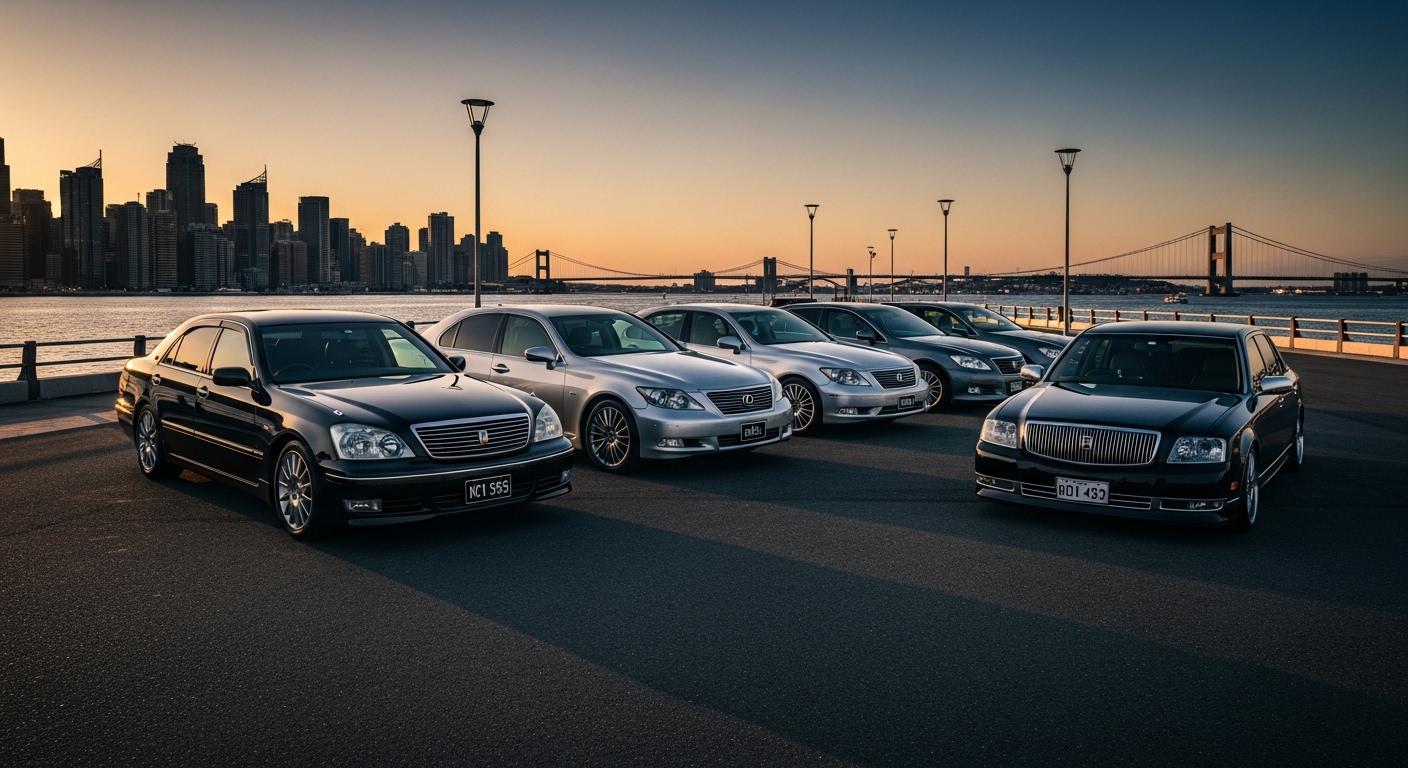
Ready to Hit the Road in Style?
Save money and reduce emissions with vehicles designed to deliver exceptional mileage. Visit our inventory and find a car that fits your lifestyle.
Ready to Hit the Road in Style?
Save money and reduce emissions with vehicles designed to deliver exceptional mileage. Visit our inventory and find a car that fits your lifestyle.
New V8s are quietly disappearing from Australian showrooms. Emissions rules, shrinking demand, and electrification have pushed the big naturally aspirated engines to the edge. So if you want that deep, effortless eight-cylinder feel without paying European-exotic money, the smart move is to look at what Japan built, and what you can legally bring home.
Here's the good part. Toyota and Lexus spent decades perfecting the V8. Toyota poured roughly $1 billion into the LS400 program that birthed the original 1UZ-FE engine, with about 1,400 engineers on the job (CarBuzz, 2026). Every V8 in this guide descends from that work.
This article walks you through the full spectrum of importable Toyota and Lexus V8s, from a Crown in the high-$16K range to a quarter-million-dollar Century. You'll get the four price tiers, the shared engine families behind them, honest running costs, and a clear way to shortlist the right one before you enquire.
Key Takeaways
- Importable Toyota and Lexus V8s span four tiers: budget Crowns and a hybrid LS600h from the high-$16K range, the LS460 around the $30K mark, the F performance cars from the low-$70K to low-six-figure range, and the Century near a quarter of a million dollars.
- They share one engine bloodline: 1UZ-FE, 3UZ-FE, 1UR-FSE, and the high-output 2UR-GSE, all traceable to Toyota's roughly $1B 1UZ program (CarBuzz, 2026).
- Japan exported a record 1,573,479 used vehicles in 2024, up 2.0% on the year before (JapanStat, 2025, retrieved July 2026), which is why this stock exists.
- The hybrid Century is the cheapest to fuel of the lot, undercutting every performance V8 despite being the priciest to buy.
- Most models qualify under the SEVS scheme; the newest cars carry an 80,000 km odometer cap, so timing and mileage matter.
Which Toyota and Lexus V8s Can You Import to Australia?
Most of these V8s enter Australia through the Specialist and Enthusiast Vehicle Scheme (SEVS). The performance criterion needs at least 110 kW per tonne for builds before January 2020, rising to 130 kW per tonne after that (DoI SEVS Information, current). That power-to-weight rule is exactly why these cars qualify.
Think of Lexus as Toyota's luxury arm. The two brands share platforms and, crucially, the same V8 engine families, so a Crown Majesta and a Lexus LS are closer under the skin than the badges suggest. That shared engineering is what makes a coherent four-tier import range possible in the first place.
The four tiers break down by budget. Tier 1 covers budget muscle sedans in the high-$16K to low-$20K band. Tier 2 is the LS460 luxury cruiser around the $30K mark. Tier 3 is the F performance line, from the low-$70K range up past $100K. Tier 4 is the Century, in a class of its own near a quarter of a million dollars.
One honest note before we start: SEVS approvals carry expiry dates and mileage caps that move over time. The prices here are estimated landed-cost references based on recent auction data, not fixed stock prices, and current eligibility for any model is worth confirming on its import page and on the government ROVER register before you commit.
How Is the Toyota V8 Family All Connected?
Every V8 here traces to the 1UZ-FE, an engine so over-built it won Ward's 10 Best Engines three years running, in 1998, 1999, and 2000 (CarBuzz, 2026). Toyota ran more than 1.67 million miles of real-world testing before it ever reached production. That obsessive baseline is the reason these engines age so gracefully.
The family tree is easy to follow once you see it laid out. The displacement grew, the technology advanced, and eventually the line split into a high-output performance branch and a hybrid luxury branch.
| Era | Engine | Size | Output | Where it landed |
|---|---|---|---|---|
| 1989 | 1UZ-FE | 4.0L | ~250–280 hp | Original Lexus LS400, Crown, Soarer |
| 2000 | 3UZ-FE | 4.3L | 280 PS / 206 kW | Crown Majesta UZS171/186, UZS207, LS430, SC430 |
| 2006 | 1UR-FSE | 4.6L | up to 280 kW / 381 PS | Lexus LS460, Crown Majesta URS206 |
| 2007 | 2UR-GSE | 5.0L | 311–355 kW | Lexus IS F, RC F, GS F, IS 500 |
| 2007+ | 2UR-FSE (hybrid) | 5.0L | 381 hp + electric | Lexus LS600h, Toyota Century |
Keep this map in mind as you read. It explains why a budget Crown and a six-figure IS 500 feel like distant cousins rather than strangers, and why reliability wisdom from one usually applies to the next.
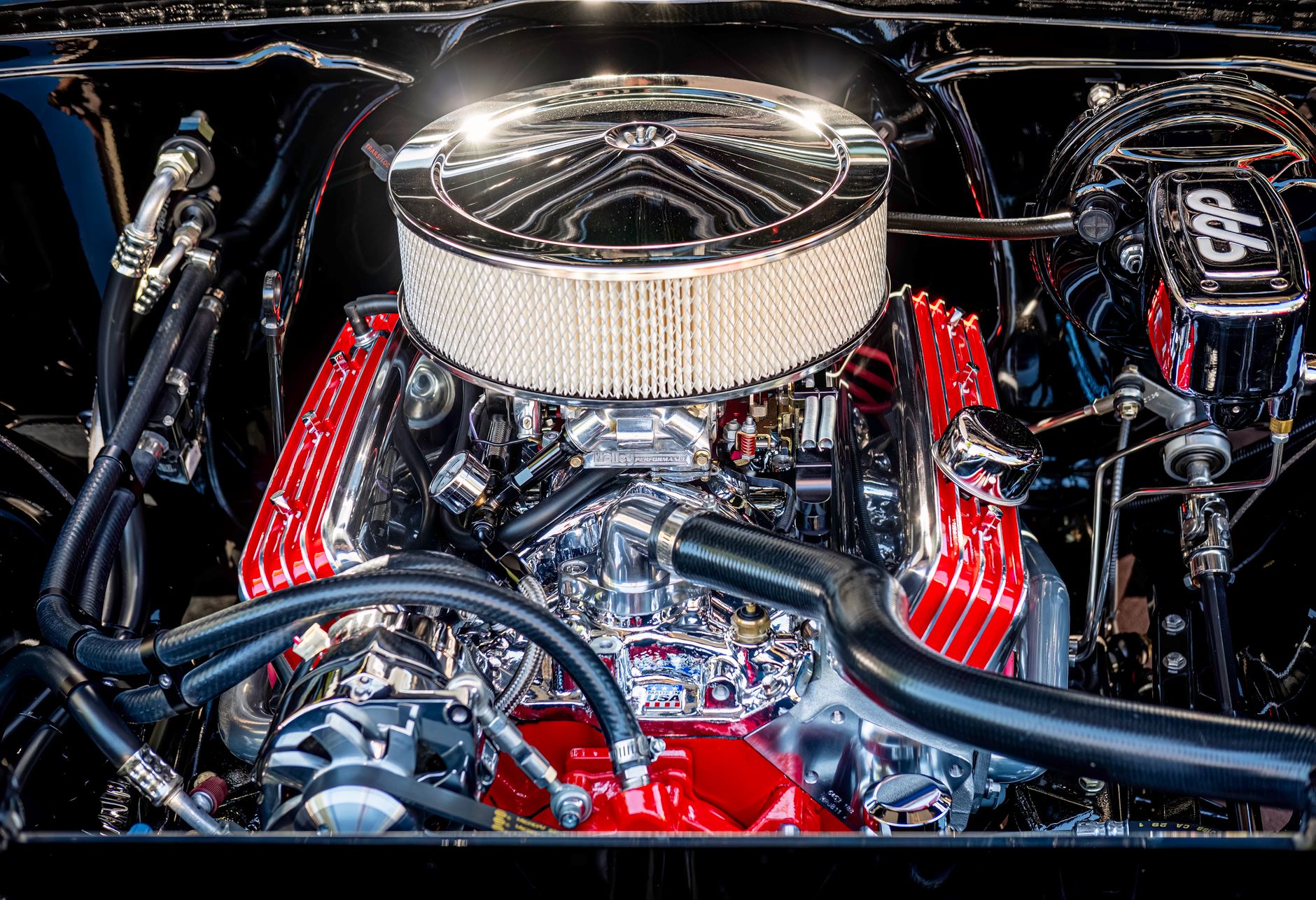 Every Toyota and Lexus V8 in this guide traces back to one engine family that started with the 1UZ-FE.
How Do the V8 Import Options Compare?
At a glance, these eleven models cover an enormous range: roughly 280 PS to 477 hp, and landed-cost estimates from the high-$16K range to about a quarter of a million dollars. Japan's record 1,573,479 used-vehicle exports in 2024 (JapanStat, 2025, retrieved July 2026) mean supply of these cars is healthier than most Australian buyers expect.
| Tier | Model | Engine | Power | 0–100 km/h | Est. landed band |
|---|---|---|---|---|---|
| 1 | Toyota Crown UZS207 | 3UZ-FE 4.3L | 280 PS | ~8 s | high-$16K |
| 1 | Crown Majesta URS206 | 1UR-FSE 4.6L | ~280 kW | ~6 s | high-$16K |
| 1 | Toyota Crown UZS171 | 1UZ-FE 4.0L | ~280 PS | ~7 s | around $17K |
| 1 | Crown Majesta UZS186 | 3UZ-FE 4.3L | 280 PS | ~7 s | low-$20K |
| 1 | Lexus LS600h UVF45 | 2UR-FSE 5.0L hybrid | ~439 PS | ~5.5 s | high-$16K |
| 2 | Lexus LS460 USF40 | 1UR-FSE 4.6L | 381 PS | 5.7 s | around $30K |
| 3 | Lexus IS F USE20 | 2UR-GSE 5.0L | 416 hp | 4.6 s | low-$70K |
| 3 | Lexus RC F USC10 | 2UR-GSE 5.0L | 477 hp | 4.5 s | mid-$80K |
| 3 | Lexus GS F URL10 | 2UR-GSE 5.0L | 467 hp | 4.6 s | low-$90K |
| 3 | Lexus IS 500 USE30 | 2UR-GSE 5.0L | 472 hp | ~4.5 s | low six figures |
| 4 | Toyota Century UWG60 | 2UR-FSE 5.0L hybrid | 431 hp | — | ~quarter million |
Figures drawn from auto-data.net, UltimateSpecs, and the Lexus USA Pressroom, current. Now let's look at each tier properly.
Which Budget V8 Muscle Sedans Can You Import?
Tier 1 is where the value hides. These are large, quiet, rear-drive (or four-wheel-drive) sedans with genuine V8s, most landing in the high-$16K to low-$20K range. The 3UZ-FE at their heart makes 280 PS and drinks around 11 L/100km on the combined cycle (cars-directory.net, current). For the money, nothing mainstream comes close on refinement.
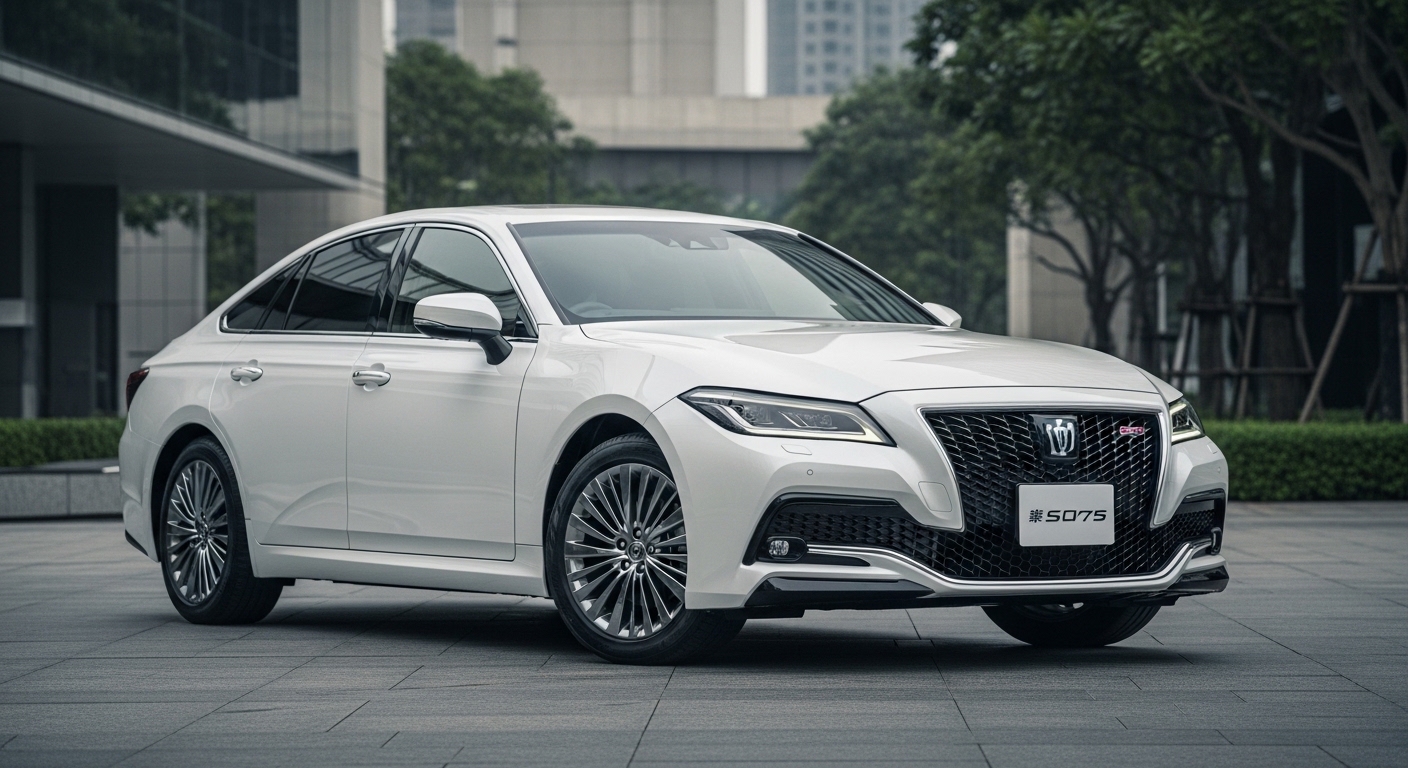 The Crown and Crown Majesta are the affordable entry point into Toyota V8 ownership.
One shared caveat across the JDM Crowns and Majestas: some comfort features, from climate control menus to factory navigation, are Japan-market only and can need specialist attention. Budget for a workshop that knows JDM Toyotas, and you'll avoid the usual frustrations.
Toyota Crown UZS207
The Toyota Crown UZS207 is the sensible starting point, and unusually for this list it came with four-wheel drive, which suits Australian conditions nicely. Built from 2008 to 2013, it pairs the durable 3UZ-FE V8 with a smooth automatic and the kind of hushed cabin Toyota reserved for its home-market flagship. It lands in the high-$16K range as an estimated import reference.
Mechanically it runs the 4.3-litre 3UZ-FE, good for 280 PS (206 kW) and combined fuel use of roughly 11 L/100km (cars-directory.net, current). The 3UZ is one of the most trusted V8s Toyota ever made, with a robust timing belt on a known replacement interval and a reputation for shrugging off high kilometres. As a first V8, it is hard to argue against.
Toyota Crown Majesta URS206
The Toyota Crown Majesta URS206 is the quiet sophisticate of the budget tier. The Majesta always sat above the standard Crown in Japan, with more space, more equipment, and a larger engine. Built 2008 to 2013, it also lands in the high-$16K range, which makes it something of a sleeper luxury buy.
Under the bonnet sits the 1UR-FSE, a 4.6-litre V8 with direct injection producing up to around 280 kW. That is a meaningful step up from the 4.3-litre cars in both torque and smoothness. It's rear-wheel drive, richly trimmed, and genuinely rare on Australian roads. The trade-off is the JDM-only electronics point above, so factor that into servicing.
Toyota Crown UZS171
The Toyota Crown UZS171 is where the whole story begins. Built 1999 to 2004, it carries the original 1UZ-FE, the engine Toyota spent that famous fortune developing. Landing around the $17K mark, it is an affordable way to own a piece of V8 history rather than just a fast used car.
The 1UZ-FE here is the 4.0-litre unit making roughly 250 to 280 hp depending on tune, driving the rear wheels through an automatic. It is the oldest car in this guide, so condition matters more than badge, but a well-kept example rides beautifully and rewards you with that unburstable early-Lexus engineering feel. Treat it as the enthusiast's budget pick.
Toyota Crown Majesta UZS186
The Toyota Crown Majesta UZS186 is the luxury step-up within Tier 1, landing in the low-$20K range. Built 2004 to 2009, it was the last Majesta generation to use the 3UZ-FE before the 1UR took over, and it is arguably the most refined of the budget cars here.
It runs the 4.3-litre 3UZ-FE, 280 PS, rear-wheel drive, with around 11 L/100km combined (cars-directory.net, current). Many examples came with air suspension, which delivers a magic-carpet ride but is worth inspecting closely, as air struts are a known wear item on ageing luxury cars. Get a good one and it feels like far more money than it costs.
Lexus LS600h UVF45
The Lexus LS600h UVF45 is the sleeper of the entire guide: Tier 1 money for a car with genuine flagship presence. This 2007 hybrid pairs a 5.0-litre V8 with an electric motor and full-time all-wheel drive, and it lands in the high-$16K range as an import reference.
The powertrain is the 2UR-FSE-based hybrid system, producing around 439 PS combined through a CVT, wrapped in one of the most lavish cabins Lexus has ever built. The single honest caveat is the high-voltage battery: these cars are now well over fifteen years old. A dealership replacement runs about USD $6,722 to $6,922 (RepairPal, 2026), which is roughly $10,000 to $10,500 in Australian dollars, though independent specialists are typically cheaper. Have the battery health checked, and the spec-for-money case is remarkable.
Tier 2: The Luxury Cruiser
Tier 2 is a single, definitive choice: the Lexus LS460, landing around the $30K mark. It runs the 1UR-FSE 4.6-litre V8 with 381 PS (280 kW), 0 to 100 km/h in 5.7 seconds, and combined fuel use of 11.1 L/100km (UltimateSpecs, current). It is the car most people picture when they think Japanese luxury V8.
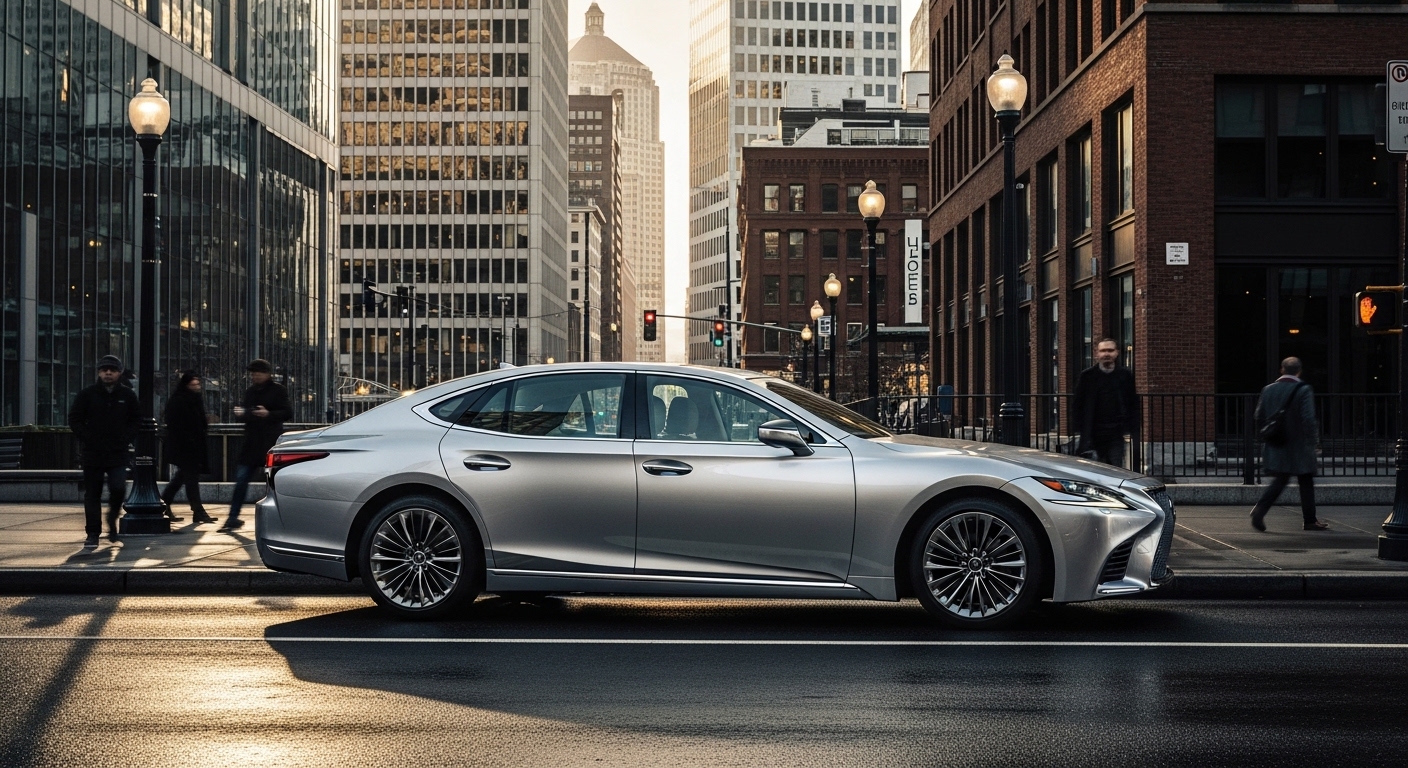 The LS460 is the car most buyers picture when they think Japanese luxury V8.
Lexus LS460 USF40
The Lexus LS460 USF40 is the whisper-quiet full-size flagship that made Mercedes and BMW nervous. Built across a long run from 2006 to 2017, it offers near-silent progress, a beautifully damped ride, and the kind of switchgear that still feels special two decades on. Estimated landed cost sits around the $30K mark, with air-suspension all-wheel-drive variants available.
The 1UR-FSE 4.6-litre V8 is the mechanical highlight, spinning to 381 PS and pushing this two-tonne car to 100 km/h in 5.7 seconds while topping out at a limited 250 km/h. Combined economy of 11.1 L/100km is reasonable for the size and pace. The 1UR is a chain-driven, direct-injection engine with a strong reliability record, so the LS460 stacks up as a lot of luxury car for the outlay.
Which F Performance V8s Can You Import?
Tier 3 is where the family shows its teeth. All four cars share the 2UR-GSE, the high-output 5.0-litre V8 that made 416 hp in the original IS F and climbed to 477 hp in the RC F (auto-data.net, current). Prices run from the low-$70K range to low six figures. These are proper performance machines, not luxury cars with a badge.
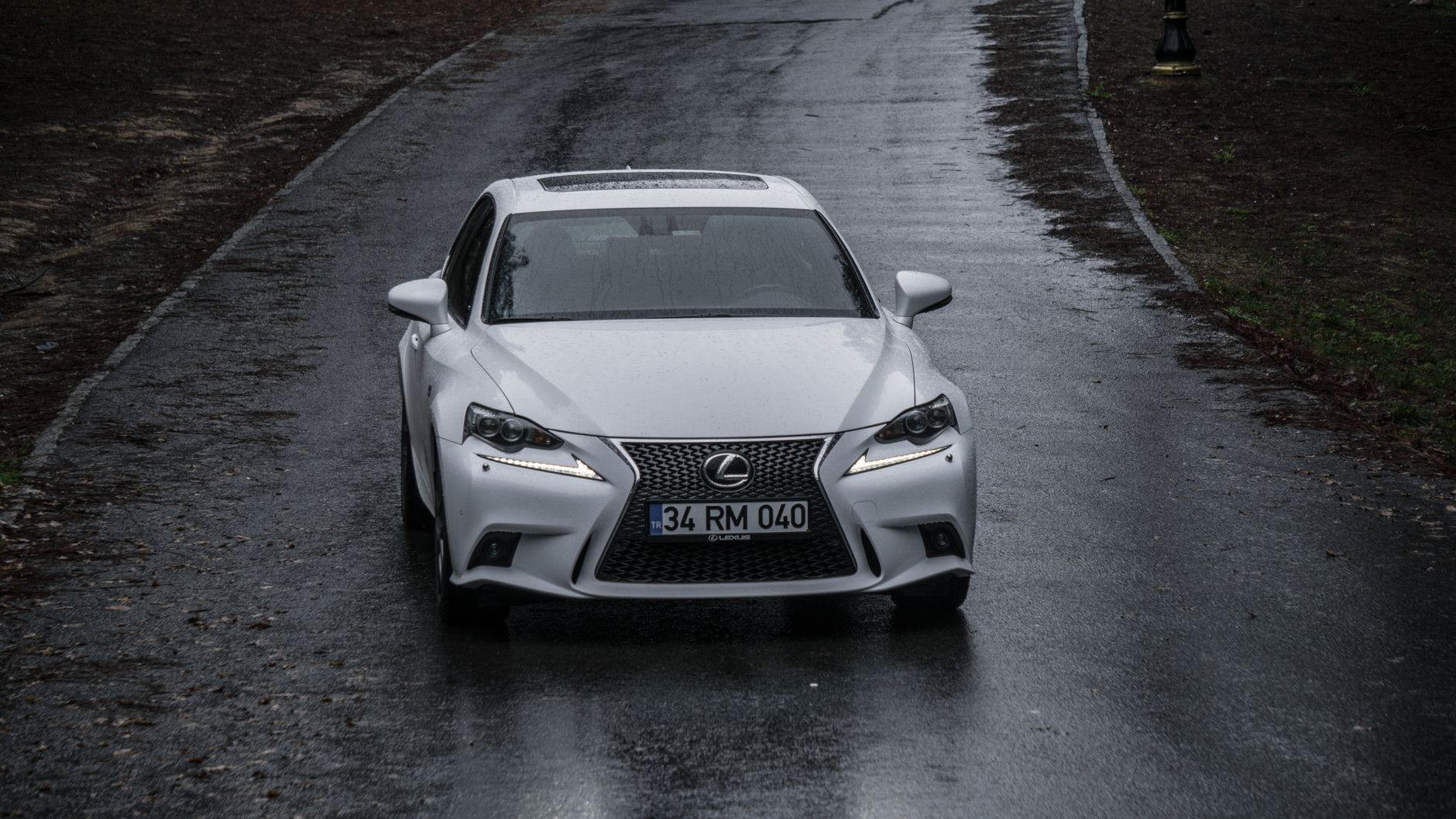 The F cars turn the same V8 bloodline into genuine performance machinery.
One engine-specific note worth knowing: the 2UR-GSE uses Toyota's D-4S dual injection, which combines port and direct injection to reduce the carbon build-up that plagues pure direct-injection engines (8020Automotive, 2024). It also has a valley-plate gasket that can seep after eight or more years, so a leak-down and gasket check is smart money on any example.
Timing matters more here than in the other tiers. SEVS approval windows for the F cars vary by model and can be tight, so confirm current status on each model's import page and the government ROVER register before committing to a specific car.
Lexus IS F USE20
The Lexus IS F USE20 is the one that started the F story. Built 2008 to 2014, it took the compact IS body and dropped in the brand-new 2UR-GSE, creating a genuinely wild rear-drive sedan. Estimated landed cost sits in the low-$70K range, reflecting how sought-after clean examples have become.
The 5.0-litre V8 makes 311 kW (416 hp) and 503 Nm, good for 0 to 100 km/h in 4.6 seconds, with combined fuel use of 11.4 L/100km and a kerb weight of just 1,715 kg (Lexus Pressroom, current). That light body and eight-speed automatic make it feel razor-sharp. It is the rawest of the F cars, and being an early SEVS model, worth checking eligibility on before you fall in love.
Lexus RC F USC10
The Lexus RC F USC10 is the F formula in a sleek two-door. Built 2014 to 2025, it brought a stiffer chassis, sharper electronics, and the most powerful naturally aspirated version of the engine. Estimated landed cost lands in the mid-$80K range.
Here the 2UR-GSE peaks at roughly 355 kW (477 hp) and 530 Nm, with 0 to 100 km/h in 4.5 seconds and a 270 km/h top speed, at a kerb weight of 1,860 kg (auto-data.net, current). Combined economy of 10.8 L/100km is, oddly, the best of the performance cars. With Lexus having confirmed the RC F's retirement, this coupe's collectability is only pointing one way.
Lexus GS F URL10
The Lexus GS F URL10 is the practical heavyweight of the F range: a mid-size four-door with serious pace. Built 2015 to 2020, it is the sensible-shoes performance car, roomy enough for a family yet quick enough to embarrass sports cars. Estimated landed cost sits in the low-$90K range.
The 2UR-GSE here produces 467 hp and hits 100 km/h in 4.6 seconds (WhichCar, 2022). Lexus never published a directly comparable Australian combined figure, and real-world consumption reported by owners and testers sits around 12 to 14 L/100km, so treat that as a guide rather than an official number. If you want F-car thrills with genuine four-door usability, the GS F is the pick.
Lexus IS 500 F-Sport USE30
The Lexus IS 500 F-Sport USE30 is the modern heir to the IS F. Built 2022 to 2025, it keeps the atmospheric 5.0-litre V8 alive with contemporary tech, and near-new examples are available. Estimated landed cost sits in the low six figures. Because it is so recent, it carries an odometer cap of 80,000 km for import.
The 2UR-GSE delivers 472 hp and 0 to 100 km/h in around 4.5 seconds (Carbarn, 2026). With the industry moving away from big atmospheric engines, this really is one of the last of its kind. Its SEVS window is dated, so confirm current eligibility on the model page and ROVER before planning a purchase.
Tier 4: The Exotic
Tier 4 is the Toyota Century, and it exists on another plane, landing near a quarter of a million dollars. It uses a 5.0-litre V8 hybrid making 431 hp combined and just 510 Nm delivered with total serenity, sipping only 7.4 L/100km (auto-data.net, current). It is the only new Toyota V8 still in production.
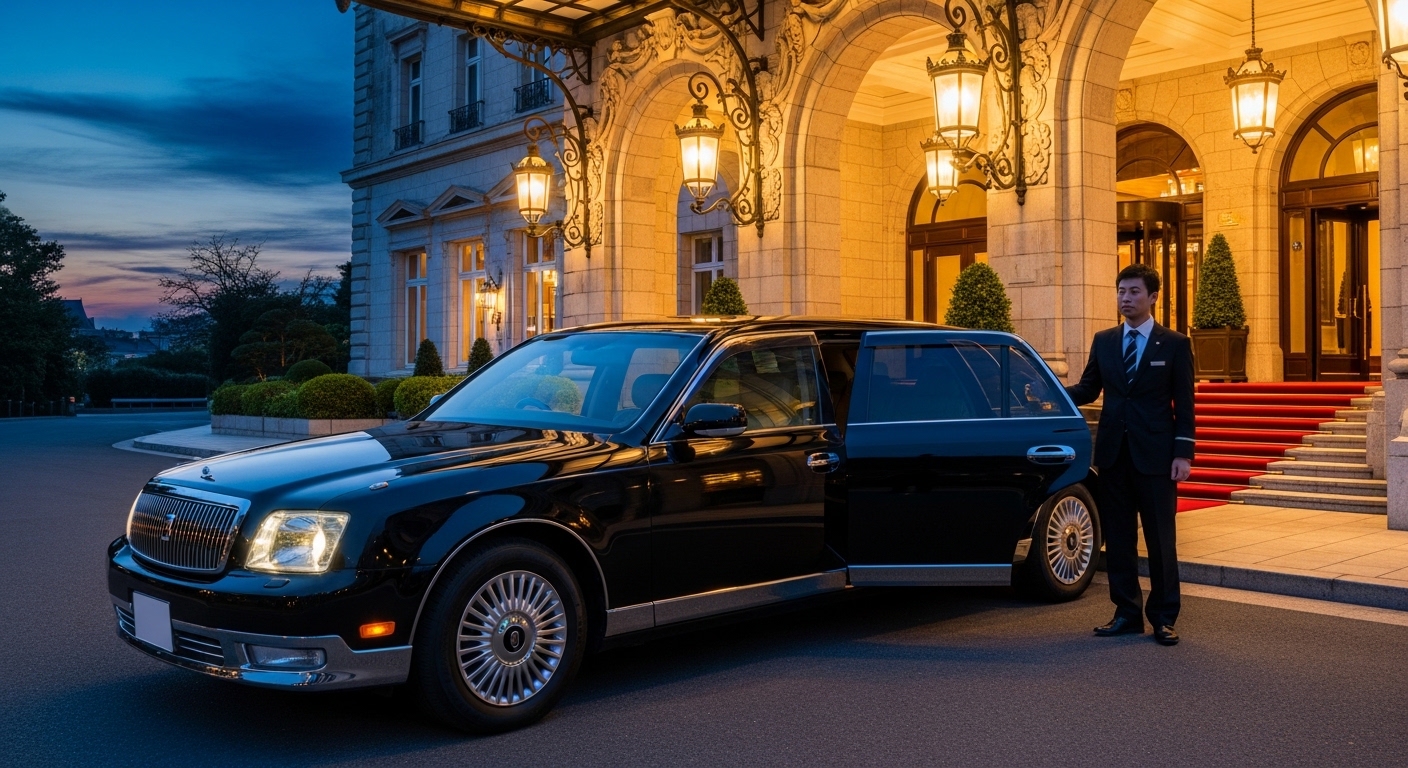 The Century sits at the very top of the range, hand-built and hybrid-powered.
Toyota Century UWG60
The Toyota Century UWG60 is Japan's ultimate statement car, hand-assembled and traditionally reserved for the country's elite. Built from 2018, it is a rolling showcase of craftsmanship, from the hand-polished paint to the rear-cabin isolation. As a very recent model it carries the 80,000 km odometer cap, and it enters under the SEVS environmental criterion thanks to that hybrid drivetrain.
Mechanically it runs the 2UR-FSE 5.0-litre V8 paired with an electric motor for 431 hp combined and a nickel-metal-hydride battery, returning a genuinely frugal 7.4 L/100km (auto-data.net, current). It is more limousine than driver's car, built to waft rather than hustle. For collectors and buyers who want the last word in Japanese luxury, nothing else quite lands the same.
What Do These V8s Cost to Run?
Fuel is the running cost that catches out first-time V8 buyers. At roughly $2.10 a litre for premium unleaded and 15,000 km a year, most of these cars sit between $3,400 and $3,600 annually. The standout is the hybrid Century at just 7.4 L/100km, which works out around $2,330 a year, cheaper to fuel than any of the performance cars.
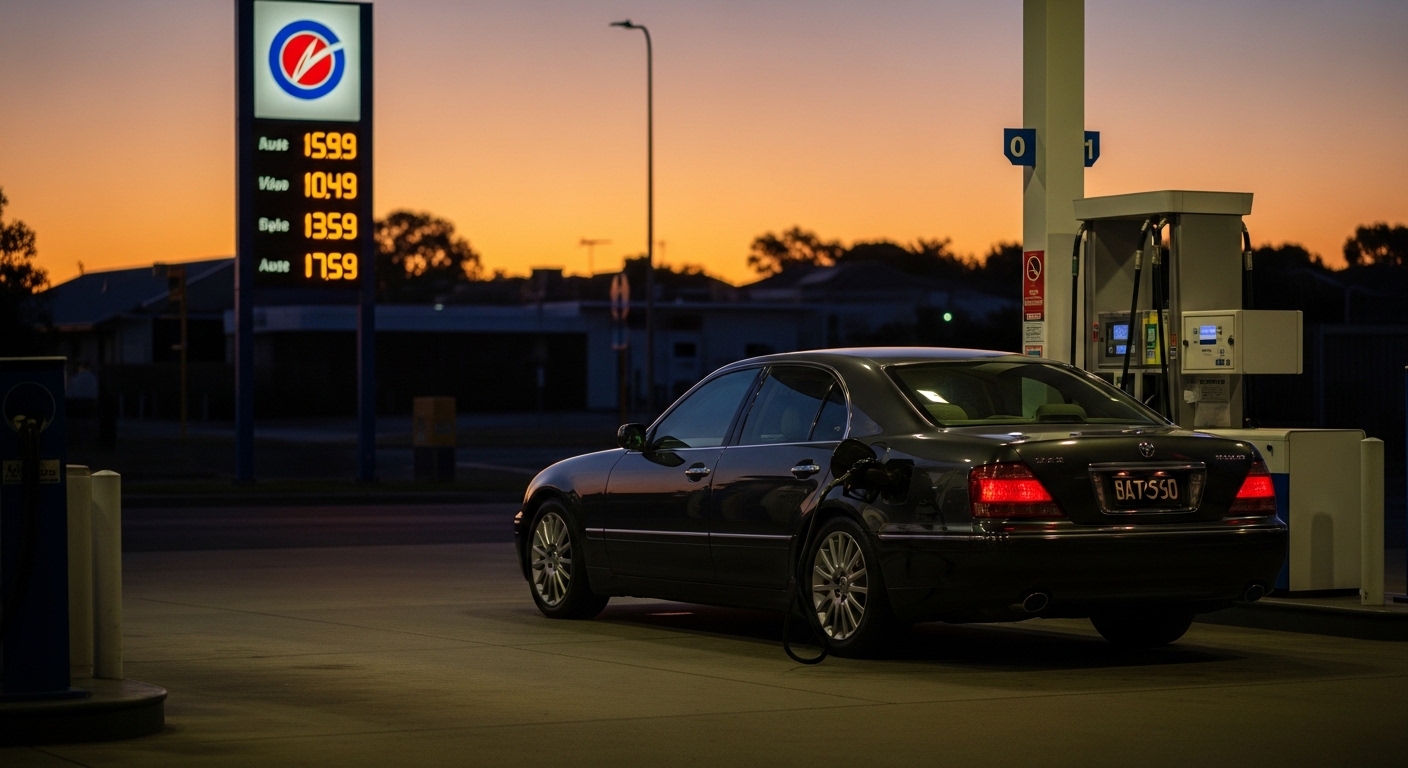 Fuel is the running cost that surprises most first-time V8 buyers, so it pays to plan for it.
Here's how the fuel bill stacks up, using those same assumptions. Remember these are derived estimates, not fixed costs, and your driving mix will shift them.
| Model | Combined L/100km | Approx. annual fuel |
|---|---|---|
| Toyota Century UWG60 | 7.4 | ~$2,330 |
| Lexus RC F | 10.8 | ~$3,400 |
| Crown / Majesta (3UZ) | ~11.0 | ~$3,465 |
| Lexus LS460 | 11.1 | ~$3,500 |
| Lexus IS F | 11.4 | ~$3,590 |
| Lexus IS 500 | ~11.4 | ~$3,590 |
Beyond fuel, plan for the model-specific items already flagged: JDM electronics on the Crowns and Majestas, air-suspension checks on upper-spec cars, hybrid battery health on the LS600h, and a valley-plate gasket inspection on the 2UR-GSE F cars, where seepage tends to appear after eight years or 80,000 miles (8020Automotive, 2024). None are deal-breakers; all are worth budgeting for.
Which V8 Is the Right Fit for You?
The right choice comes down to budget and intent. If you want maximum V8 for minimum spend, Tier 1 is unbeatable value, with clean Crowns landing in the high-$16K range. If you want outright pace, the Tier 3 F cars deliver 416 to 477 hp (auto-data.net, current). Match the car to how you'll actually use it.
| If you want... | The pick | Why |
|---|---|---|
| Cheapest way into a V8 | Toyota Crown UZS207 / UZS171 | Big, reliable, high-$16K to $17K range |
| Sleeper luxury on a budget | Crown Majesta or LS600h | Flagship feel for Tier 1 money |
| Everyday luxury cruiser | Lexus LS460 | Whisper-quiet, around the $30K mark |
| A collectable driver's car | Lexus IS F or RC F | Atmospheric 5.0L, rising values |
| Near-new performance | Lexus IS 500 | Modern tech, one of the last atmo V8s |
| The ultimate statement | Toyota Century | Hand-built, hybrid, quarter-million |
If you mostly drive in city traffic and want to keep costs sane, the hybrid Century aside, a Tier 1 Crown or the LS460 makes the most sense. If weekend driving and long-term value matter more, an F car is the stronger call. There is a genuinely right answer for most budgets here.
How Does Importing a V8 From Japan Work?
Importing is more straightforward than most buyers fear, and it usually takes about 6 to 10 weeks end to end. The process runs in three phases: sourcing and approval in Japan, shipping, then compliance and delivery in Australia. Japan's record 1.57 million used-vehicle exports in 2024 (JapanStat, 2025, retrieved July 2026) mean the auction pipeline is deep.
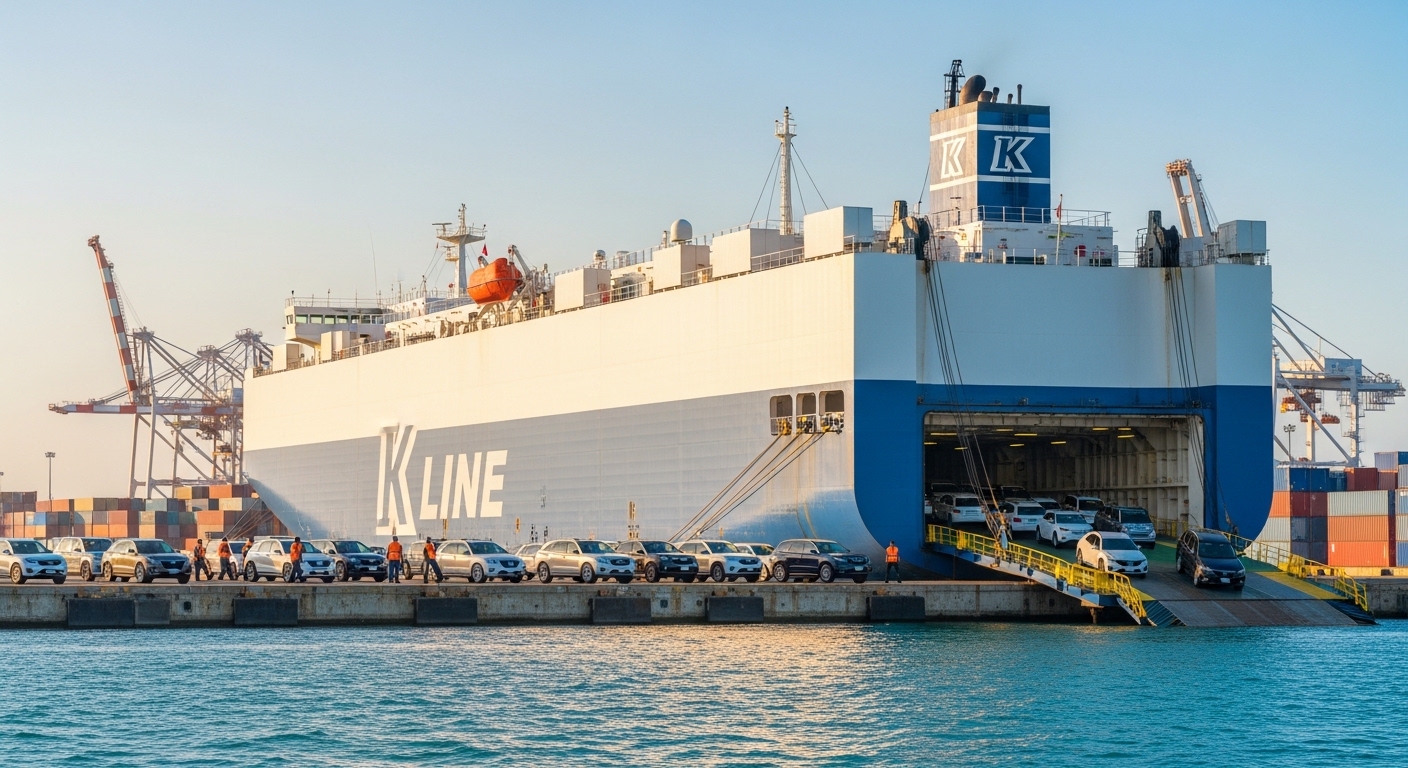 Every eligible V8 lands the same way: sourced at auction in Japan, then shipped and complied in Australia.
It starts at the Japanese auctions, where a target car is shortlisted against your model, year, grade, mileage, and budget. A physical pre-bid inspection is arranged where possible so you know the real condition, not just the photos. Bidding only happens with your approval and never exceeds your agreed maximum. Once a car is secured, a Vehicle Import Approval is lodged before it ships.
From there the car is shipped to Sydney, then goes through workshop compliance, an AVV inspection, and RAV entry before it is registration-ready. Shipping and compliance costs, including GST, duty, and any Luxury Car Tax, are quoted transparently before delivery, so the landed figure is clear rather than a surprise. The full import process is laid out step by step if you want the detail.
The Bottom Line on Importing a Toyota V8
The window on affordable, characterful V8s is closing, and Japan is where the best of them still live. Whether your budget is high-$16K or a quarter of a million, there is a Toyota or Lexus V8 here that fits, all sharing the same over-engineered bloodline that started with the 1UZ-FE. Match the tier to your budget, factor in the honest running costs, and you'll land a car that feels like far more than you paid.
When you're ready to move, Carbarn can source any of these V8s directly from Japanese auctions and handle the whole journey for you. From its RAW-certified in-house compliance workshop in Lidcombe (NSW Motor Dealer Licence MD056471), Carbarn manages pre-bid inspection, bidding to your agreed cap, VIA approval, shipping, AVV inspection, RAV entry, and door-to-door delivery Australia-wide, plus optional extras like a 5-year extended warranty from around $1,500, Blue Slip and NSW registration, pre-delivery servicing, and car finance. Browse the eligible import models to check current pricing and eligibility, then send through the exact V8 you want sourced.