



Ready to Hit the Road in Style?
Save money and reduce emissions with vehicles designed to deliver exceptional mileage. Visit our inventory and find a car that fits your lifestyle.
Ready to Hit the Road in Style?
Save money and reduce emissions with vehicles designed to deliver exceptional mileage. Visit our inventory and find a car that fits your lifestyle.
Open any people mover listing page in Australia and the Alphard hybrids all look the same from the thumbnail. Then you read the detail lines and the grade names start multiplying: X, G, G F Package, SR, SR C-Package, Executive Lounge. Worse, half the listings say "SR" and half say "S", which look almost identical in a photo and are not the same car at all. One is the hybrid. One is petrol only.
Looking to buy one? See the used Toyota Alphard hybrids for sale at the Sydney yard.
This guide sorts the AYH30 hybrid out properly. You will get the powertrain facts, how the E-Four all-wheel-drive system actually works, a grade-by-grade breakdown with the correct wheel and tyre sizes, an annual fuel cost worked out at today's petrol price, which build years are worth paying up for, and the checks that matter before you commit.
Last updated 15 October 2026.
TL;DR: Toyota Alphard AYH30 hybrid, the short version
- Every AYH30 hybrid runs the same 2AR-FXE 2.5-litre Atkinson-cycle petrol engine, 112 kW and 206 Nm, for a combined system output near 145 kW (Wikipedia).
- Official economy is 19.4 km/L, or 5.15 L/100km, on the JC08 test cycle. Owners report 11 to 14 km/L in mixed driving.
- SR is a hybrid grade. S is petrol only. Check the model code, not the badge.
- The practical build-year window is July 2019 to June 2023, when Apple CarPlay and English Display Audio became standard.
- E-Four all-wheel drive is standard on the hybrid, and it is a sealed-road traction aid, not an off-road system.
- Import eligibility under SEVS requires an odometer under 80,000 km.
What is the AYH30 Alphard hybrid?
The AYH30 is the third-generation Alphard hybrid, built from January 2015 to June 2023 (Wikipedia's Toyota Alphard entry). Its full Japanese model code is DAA-AYH30W. That string is the single most useful thing on any listing, because it settles the powertrain question before you read a word of the description.
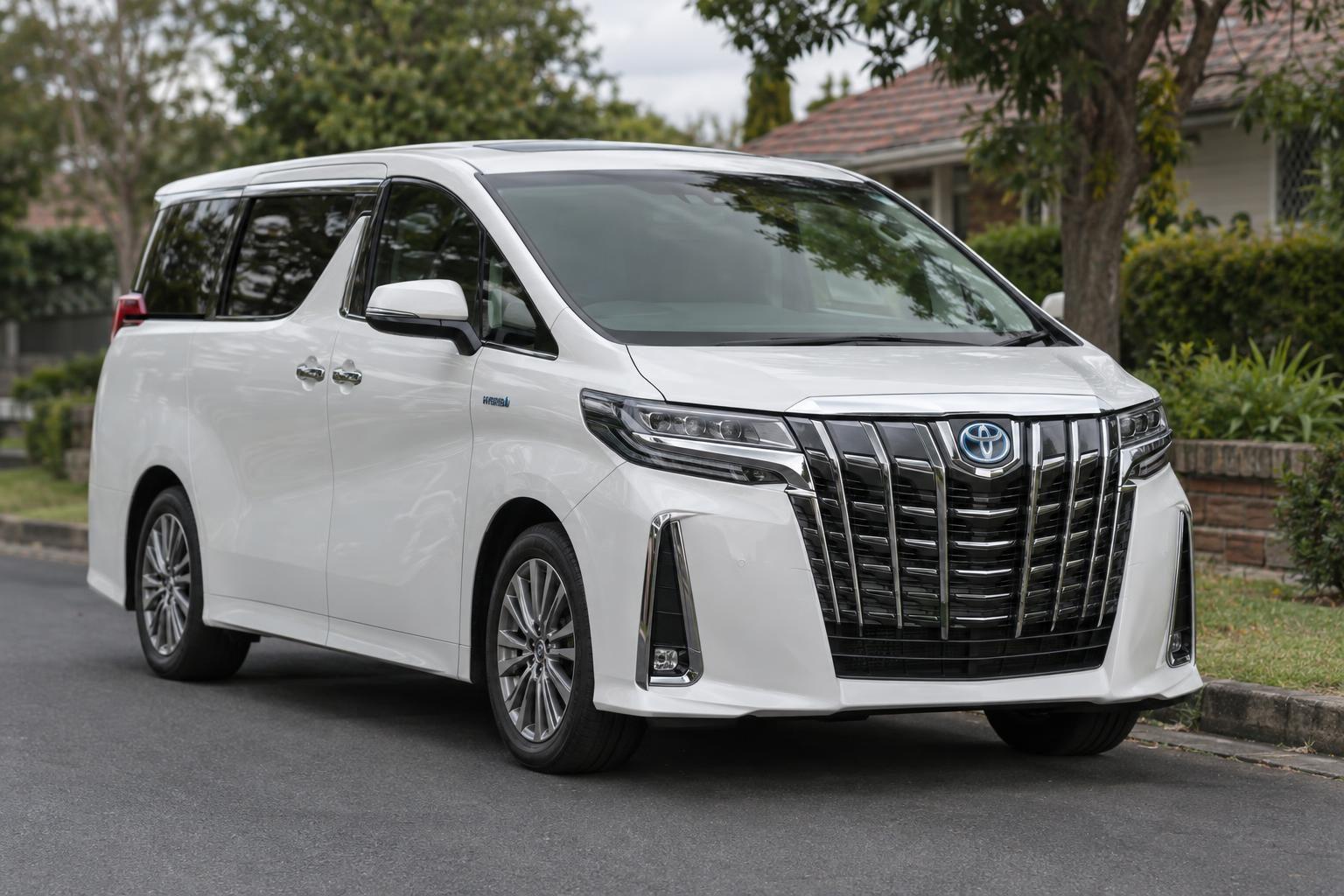
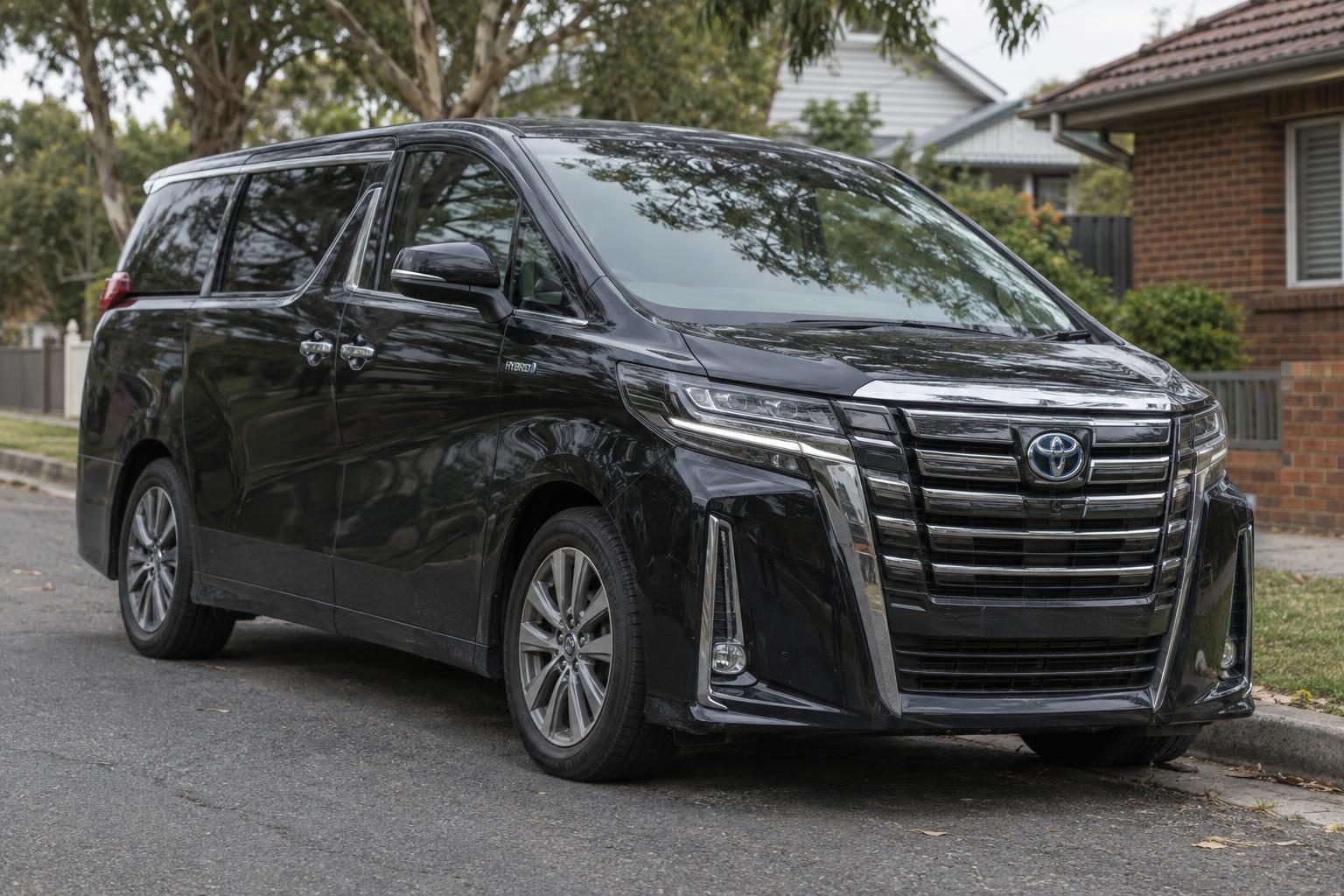 Toyota Alphard
Read it in pieces. DAA is the Japanese classification for a hybrid vehicle. A is the Alphard family prefix, Y marks the E-Four electric rear-drive system, H marks the Toyota Hybrid System, 30 is the 30-series body, and W is the wagon body style. The petrol equivalent is DBA-AGH30W, with a G where the hybrid has a Y. A 20-series car carries ATH20W instead, and those are 2008 to 2015 vehicles with a completely different front end. If an image search drops a boxy older Alphard in front of you, that is the ATH20W, not this car.
Under the bonnet sits the 2AR-FXE: 2,493cc, 90.0 by 98.0 mm bore and stroke, Atkinson cycle, 12.5:1 compression (carfromjapan.com specification data). It makes 112 kW and 206 Nm on its own, and the consensus combined system figure across Wikipedia, carfromjapan.com and everycar.jp is about 145 kW. You will occasionally see a 267 kW claim on import listing sites. Ignore it. It does not match any other source.
The transmission is an e-CVT, which matters more than it sounds. It is a planetary power-split device, not a belt-and-pulley CVT, so the usual worries about belt wear and overheating simply do not apply here. The hybrid battery is a nickel-metal hydride pack of 1.6 kWh. The fuel tank holds 65 litres, and the body measures 4,935 mm long, 1,850 mm wide and 1,895 mm tall on a 3,000 mm wheelbase, with a kerb weight around 2,100 to 2,200 kg (everycar.jp).
That height is worth noting before you shortlist. At 1,895 mm tall, it will not clear every shopping centre boom gate in Sydney — see 8-seater people movers compared for alternatives at the same capacity.
Is the Alphard hybrid 4WD? How E-Four works
Yes, with an important qualifier. Every AYH30W carries E-Four, which drives the rear axle with a dedicated electric motor rather than a propshaft. Toyota's E-Four FAQ documentation (toyota-club.net) lists the rear unit on this generation as the 2FM motor, producing 50 kW and roughly 130 to 139 Nm.
There is no mechanical link between the front and rear axles at all. The petrol engine and front motor drive the front wheels, and the rear motor spins up independently when the system detects slip or needs extra traction off the line.
The practical read: E-Four is a wet-road and light-snow traction aid. It is not a four-wheel-drive system for sand, mud, gravel tracks or sustained low-range work, and nothing about the Alphard's ground clearance or tyres suggests otherwise. If you need genuine capability with seven seats, 7-seater 4WDs explained covers the alternatives.
One more code detail for anyone sourcing from Japan. The W suffix is the one to confirm. AYH30W is the E-Four wagon.
What does an Alphard hybrid cost to run?
Toyota's own figure for the AYH30 hybrid is 19.4 km/L, or 5.15 L/100km, on the JC08 test cycle. Owner-reported consumption lands between 11 and 14 km/L, which is 7.1 to 9.1 L/100km, according to Malaysian owner community data via paultan.org (June 2026). That gap is normal for JC08, which is a gentle cycle by modern standards.
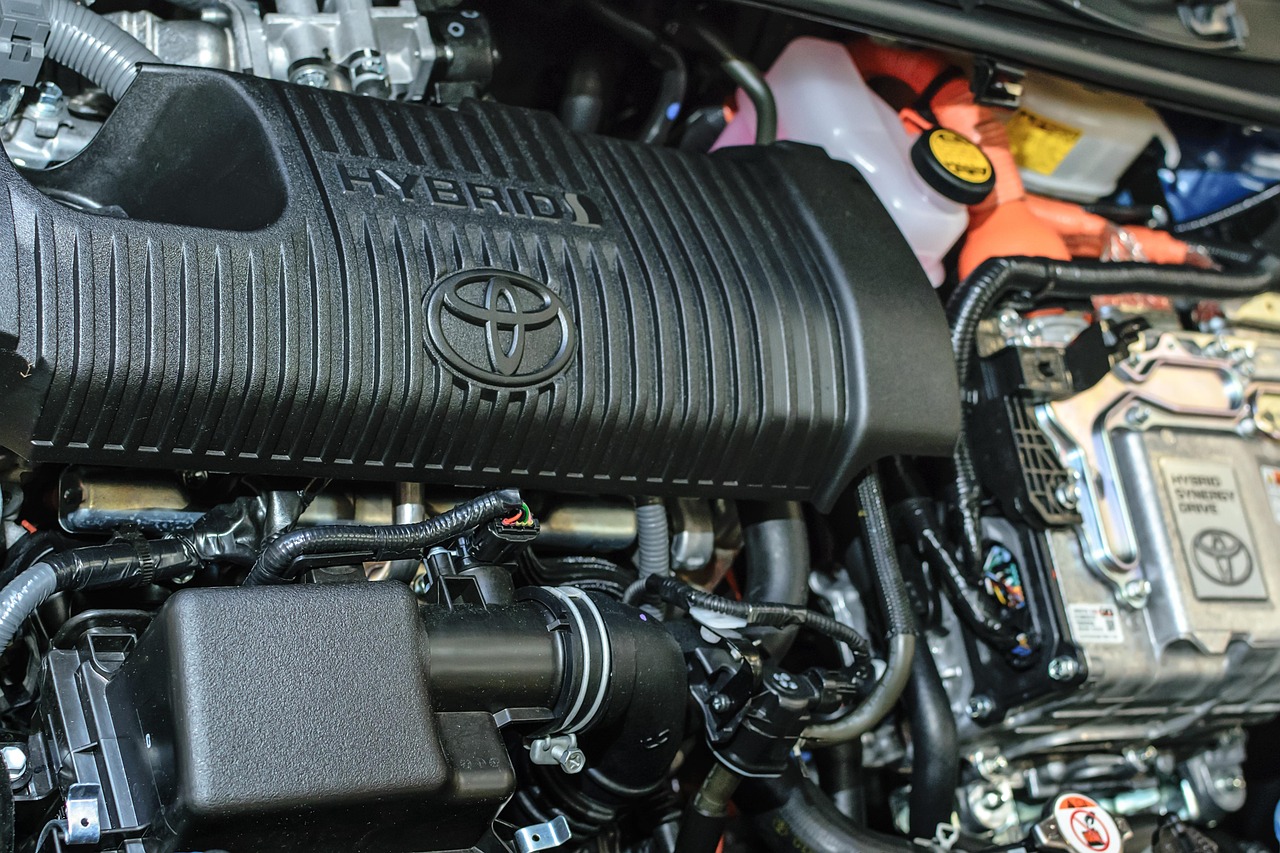 The AYH30 runs Toyota's 2AR-FXE 2.5-litre Atkinson-cycle petrol engine through an e-CVT transaxle
Label the cycle every time you compare, because the numbers are not interchangeable.
| Vehicle | Figure | Test cycle |
|---|---|---|
| Alphard Hybrid AYH30 | 5.15 L/100km | JC08 (Toyota Japan) |
| Alphard Hybrid, real world | about 7.5 L/100km | Owner-reported average |
| Alphard 2.5 petrol (AGH30) | 7.8 to 8.0 L/100km | JC08 (Toyota Japan) |
| Kia Carnival 2.2 diesel | 6.5 L/100km | ADR 81/02 combined |
There is no published WLTC figure for the 30-series hybrid. The WLTC numbers floating around online belong to the newer 40-series Alphard, so they do not describe this car and are not used here.
Now the number most guides skip. Take 15,000 km a year at the real-world 7.5 L/100km and you burn 1,125 litres. At about $2.35 a litre, the Australian Institute of Petroleum five-city weekly average for late September 2026, that works out to roughly $2,644 a year in fuel. The formula is simple enough to redo whenever pump prices move: annual kilometres, multiplied by litres per 100 km divided by 100, multiplied by the current price per litre.
For context, the same 15,000 km in the 2.5 petrol AGH30 at 8.0 L/100km costs about $2,820, and that is before you account for the hybrid's lighter brake wear and its advantage in stop-start traffic, where the gap widens well beyond the test-cycle difference. If your driving is mostly open highway, the hybrid's advantage shrinks and the petrol car starts to make sense on purchase cost alone.
How do the AYH30 hybrid grades compare?
Six hybrid grades were offered across the AYH30 run, and the mechanical package is identical in all of them. Wheel and tyre size is the only specification that changes how the car drives, and it varies from 16-inch to 18-inch across the range (tyre data confirmed via wheel-size.com for the AH30 2018 to 2023 range).
| Grade | Seats | Second row | Wheels and tyres | Drive | Suits |
|---|---|---|---|---|---|
| Hybrid X | 8 | Split bench, folds down | 215/65 R16 | E-Four | Maximum seat count |
| Hybrid G | 7 | Captain's chairs, centre walk-through | 215/65 R16 | E-Four | Families wanting captain's chairs |
| Hybrid G F Package | 7 | Captain's chairs with ottoman footrests | 215/65 R16 | E-Four | Comfort without sport styling |
| Hybrid SR | 7 | Captain's chairs, power ottoman | 225/60 R17 aero | E-Four | Owner-drivers |
| Hybrid SR C-Package | 7 | Captain's chairs, Nappa leather ottoman | 225/60 R17 aero | E-Four | SR with premium trim |
| Executive Lounge | 6 (some 7) | Powered ottoman with leg rest, Nappa | 235/50 R18 | E-Four | Rear-seat priority |
One correction worth making loudly: the G grade rides on 16-inch wheels, 215/65 R16, not 17s. A surprising number of listings and guides get this wrong, and it matters because tyre replacement cost and ride quality both follow wheel size. The 16s are the softest-riding option in the range.
[STOCK CARDS]
Which grade suits you: X, G, SR or Executive Lounge?
All six grades share the same engine, the same e-CVT, the same E-Four hardware and the same reliability record. The grade decision is entirely about the cabin and the wheels, so work backwards from who sits where.
Hybrid X, the eight-seater
The X is the only AYH30 hybrid with eight seats, achieved with a split bench in the second row instead of captain's chairs. The bench folds down flat, which makes it the most flexible of the six when you are moving furniture one weekend and six people the next.
It also rides on the same 215/65 R16 tyres as the G, so it is one of the two softest-riding grades in the range. You lose the ottoman footrests, the leather and the aero body kit. If seat count is the brief and the people in row two are children rather than adults expecting a lounge, the X makes a lot of sense. Our eight-seater people movers compared guide covers the alternatives at the same capacity.
Hybrid G, the family grade
The G is the sensible default for most families. Two captain's chairs replace the bench, and the gap between them opens a walk-through aisle to the third row, so a child can get to the back without anyone climbing over a folded seat in a car park.
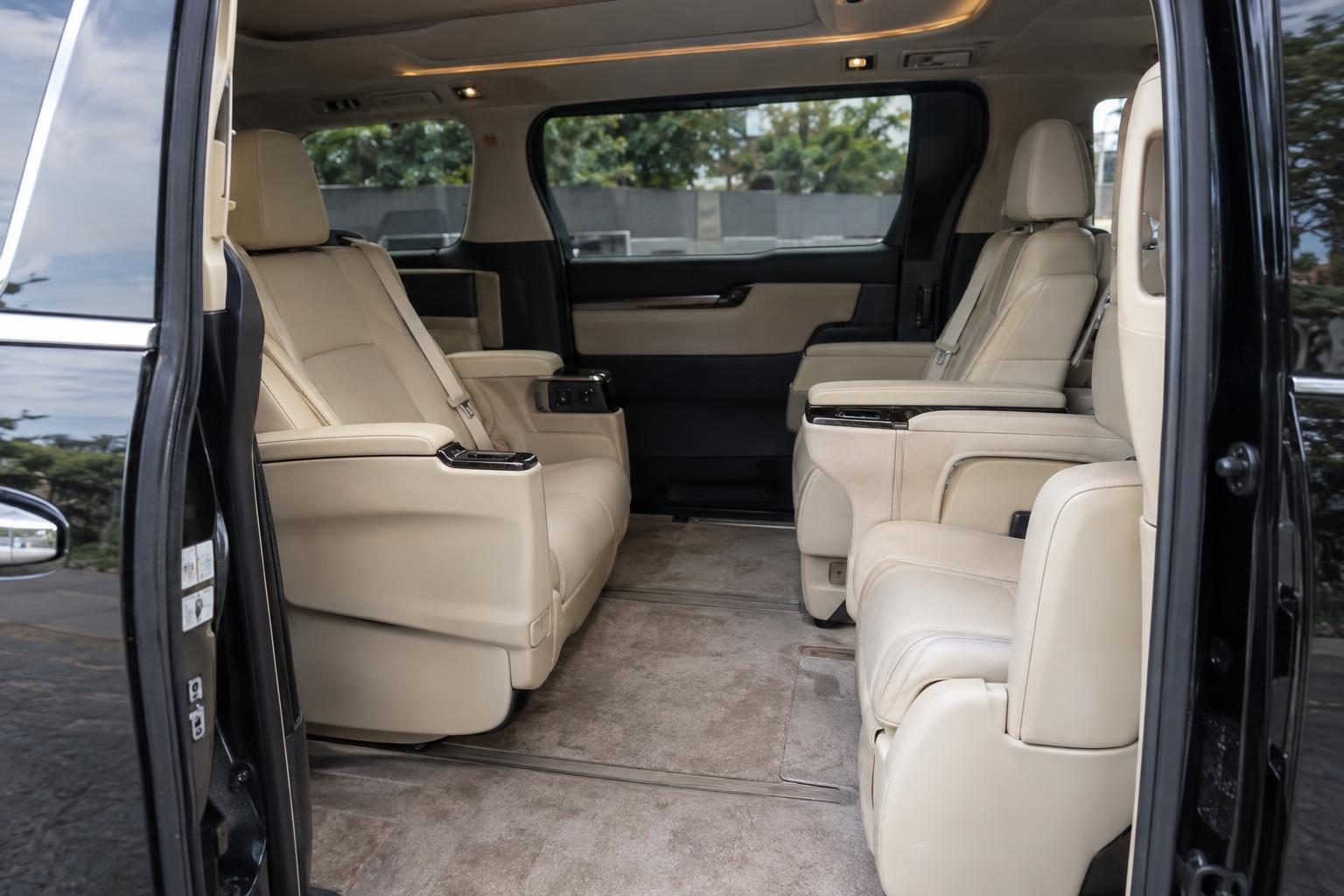 2019 Toyota Alphard Hybrid G, second-row captain's chairs and centre walk-through aisle
Mechanically it is the same 2AR-FXE with 112 kW and 206 Nm feeding an e-CVT, combined output near 145 kW, E-Four rear motor at 50 kW. The difference you feel is the 215/65 R16 tyres, which soak up speed humps and patched suburban bitumen better than the SR's 17s.
The G F Package adds ottoman footrests to those captain's chairs while keeping the 16-inch wheels and the plain, non-aero bodywork. For taller passengers it is the single best comfort upgrade in the range, and it does not cost you ride quality the way stepping up to the SR does.
Hybrid SR, the owner-driver grade
The SR is the grade for people who drive their Alphard rather than ride in it. It brings 225/60 R17 aero wheels, a more aggressive front bumper and side skirts, and a power ottoman in the second row, so the back seats are still properly equipped.
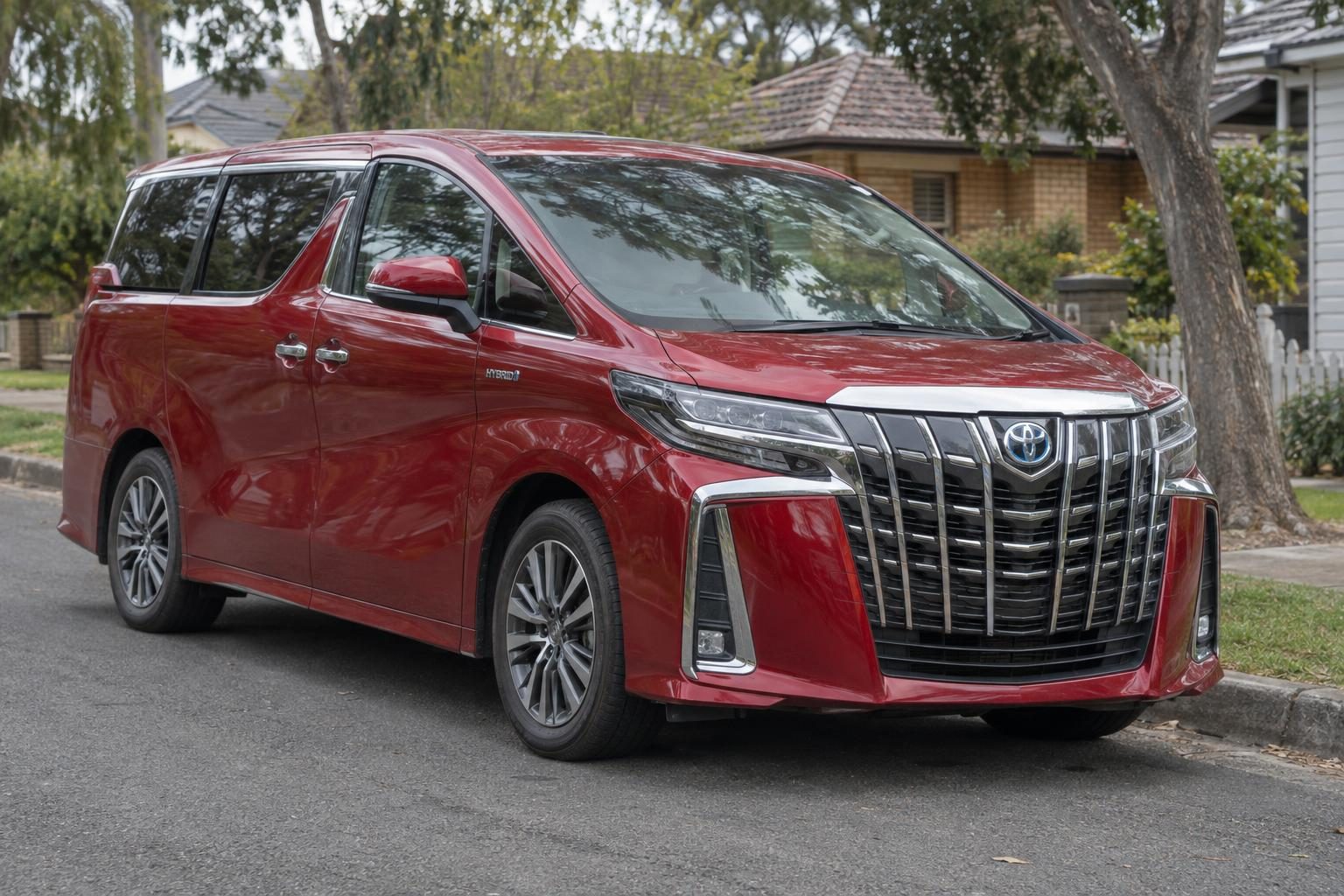 2021 Toyota Alphard (SR Hybrid AWD)
The trade-off is honest and small: 17-inch tyres with a 60-series sidewall transmit more of a rough road than the G's 16s with their 65-series sidewall. On older Sydney streets with speed humps and patchy resurfacing, you will notice it. On a freeway run you will not.
The SR C-Package is the same car with Nappa leather on the seats and ottoman surfaces. And here is the naming trap again: SR is the hybrid, S is the petrol car. They look similar from three metres away, but the S is front-wheel drive with the AGH30W code and no hybrid system at all.
Executive Lounge, the rear-seat flagship
The Executive Lounge is a six-seat car (a few builds seat seven) with powered ottoman captain's chairs, extending leg rests, Nappa leather throughout, fold-out tray tables and a mood-lit headliner. The rear-seat experience genuinely is a step above everything else in the range.
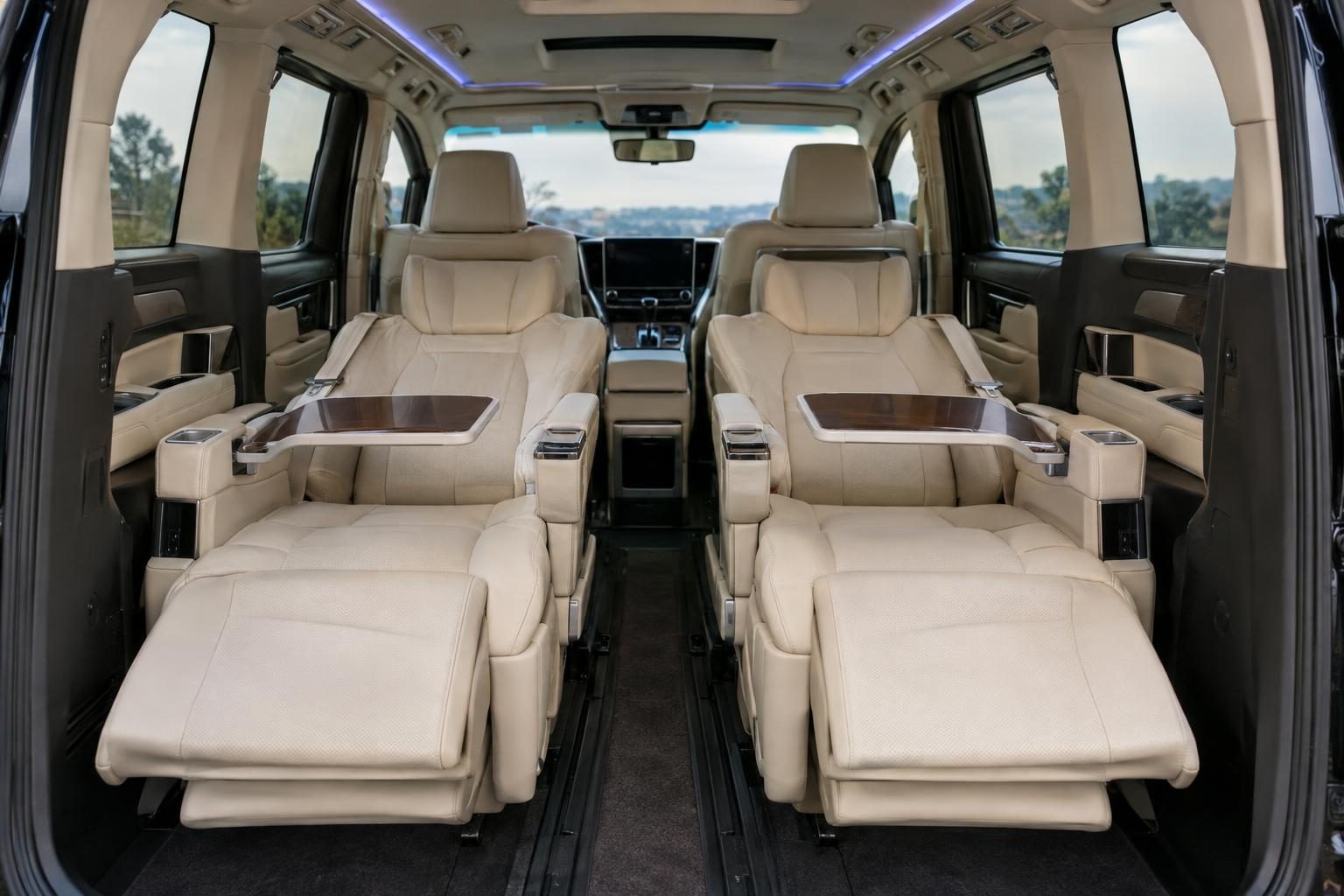 2020 Toyota Alphard Hybrid Executive Lounge, second-row ottoman seats reclined
It also rides on 235/50 R18 tyres, the largest and lowest-profile fitment in the range, which makes it the firmest of the six over poor surfaces. Everything mechanical underneath is unchanged.
Be clear-eyed about what you are paying for. The premium over an SR C-Package buys the second-row seats and the trim, not performance or economy. If you are the one behind the wheel on most trips, the SR C-Package delivers most of the material quality for less. The Executive Lounge earns its place when the car is regularly chauffeured, used for client transfers, or genuinely bought for the person in row two.
If you... then the grade that fits
| If you | The grade that fits |
|---|---|
| Need eight seats and a bench that folds flat | Hybrid X |
| Want captain's chairs and a walk-through aisle | Hybrid G |
| Want captain's chairs plus ottoman footrests and the softest ride | Hybrid G F Package |
| Drive it yourself and want the aero look | Hybrid SR |
| Want the SR with Nappa leather | Hybrid SR C-Package |
| Sit in the back, or the car is chauffeured | Executive Lounge |
Alphard vs Vellfire: what actually differs?
The Toyota Vellfire is the same vehicle with a different face. Same AYH30W platform, same 2AR-FXE engine, same e-CVT, same E-Four rear motor, same 3,000 mm wheelbase and same interior architecture. Toyota sold them through two different Japanese dealer networks, which is why both exist.
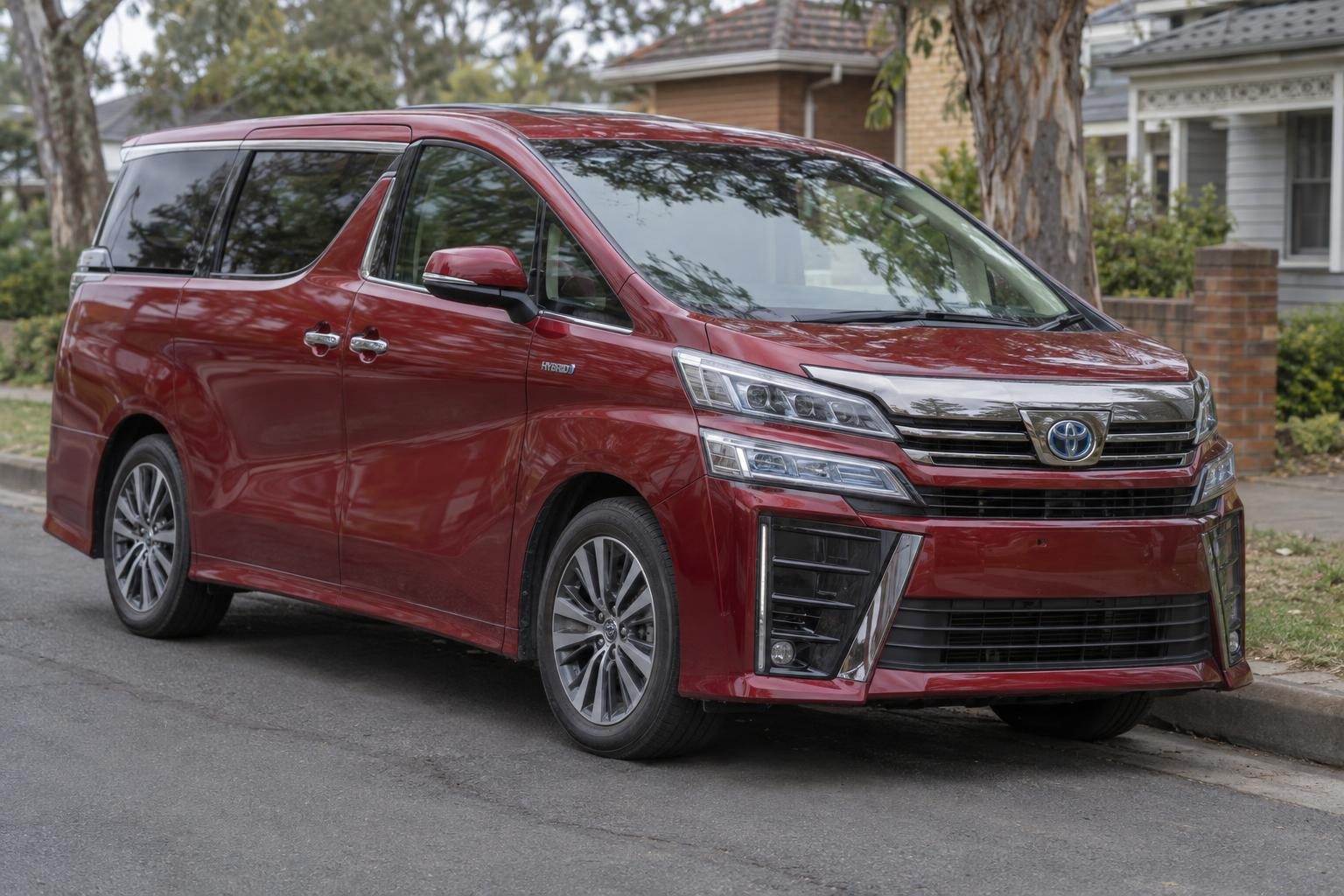 2020 Toyota Vellfire (Hybrid Z AWD)
Visually, the Alphard wears a wide chrome grille and a formal, executive look. The Vellfire runs split headlights and a bolder, more angular two-bar fascia. Grade names change too, which trips people up when cross-shopping.
| Alphard hybrid grade | Vellfire equivalent | Body |
|---|---|---|
| Hybrid X | Hybrid X | Standard |
| Hybrid G | Hybrid V | Standard |
| Hybrid G F Package | No direct equivalent | Standard |
| Hybrid SR | Hybrid ZR | Aero |
| Hybrid SR C-Package | Hybrid ZR G-Edition | Aero |
| Executive Lounge | Executive Lounge | Aero |
Grade mapping per j-spec.com.au's 30-series hybrid line-up listings. The short version: V on a Vellfire does the job G does on an Alphard, and ZR does the job SR does. Choose on the face you prefer, because nothing mechanical changes between them.
Which build years are the sweet spot?
July 2019 to June 2023 is the window to target. Two update points separate the run, and both are worth understanding before you set a budget.
| Milestone | Date |
|---|---|
| AYH30 production begins | January 2015 |
| Facelift, Toyota Safety Sense made standard | 8 January 2018 |
| Apple CarPlay, Android Auto and English Display Audio added | July 2019 |
| Production ends | June 2023 |
Cars built from 2015 to 2017 are mechanically sound and cheaper to get into, but they predate the facelift and do not have Toyota Safety Sense. For a family vehicle, autonomous emergency braking and lane departure warning are not features worth trading away.
The January 2018 facelift (autoindustriya.com reported the Japanese on-sale date as 8 January 2018) made the second-generation Toyota Safety Sense package standard across the range, bringing pre-collision braking, lane departure alert and radar cruise control.
July 2019 is the one that affects your daily experience. From that update, Display Audio carried Apple CarPlay and Android Auto with English-language menus. Before it, imported cars typically need a third-party head unit or an interface adapter to give you navigation and phone mirroring you can actually read.
One caveat on the 2017 to 2019 range. The Denso low-pressure fuel pump recall affects vehicles produced between approximately July 2017 and July 2019. Not every car in that window is affected, so check the specific vehicle by frame number through Toyota Australia's recall page, or call 1800 987 366. Do not assume, and do not let anyone tell you the whole model year is clear.
What Should You Check on an AYH30 Before Committing?
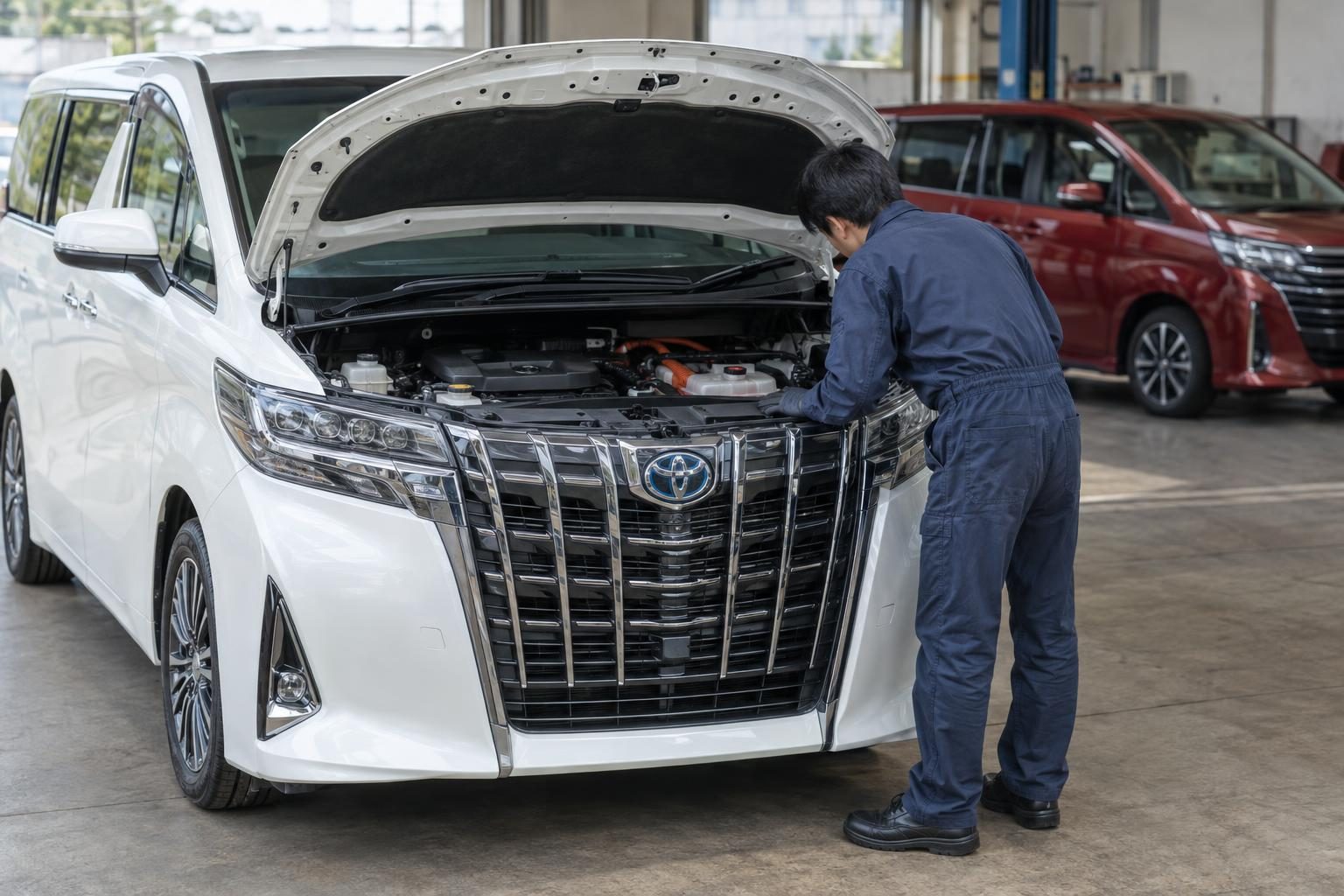 A pre-purchase inspection is the cheapest money you will spend on an imported people mover
Mechanical. Get a hybrid battery state-of-health scan before you commit, particularly on anything past 80,000 km. The 1.6 kWh nickel-metal hydride pack is durable, but a tired one is a real cost and a scan takes a specialist twenty minutes. Check the 2AR-FXE cam cover and PCV area for weeping oil on higher-kilometre examples. Road-test on a quiet street and listen at the rear axle at low speed, since the E-Four motor lives back there and driveline noise is easier to hear below 30 km/h than on a freeway.
Interior and chassis. Power sliding doors are the most common wear item on a family-used Alphard. Cycle both of them several times from fully closed to fully open, listening for a track that catches or a motor that labours. Run the second-row ottoman from locked all the way to full recline and back on both sides. Fold and raise the third row, and lift the carpet where it stows.
Child seats. The AYH30 has two ISOFIX points and two top-tether anchorages in the second row, and no factory anchor points in the third row. If your plan involves a child seat in row three, that is a deal-breaker and it is better to find out now.
Auction sheets. For cars sourced from Japan, interior grades of 4 to 4.5 are clean, 3.5 is worth inspecting in person, and anything carrying an R rating has been repaired. R is not automatically a reject, but you want the repair documented and photographed before you bid. Ask for engine bay photos specifically, since auction sheet images often skip them.
Smaller hybrid people movers worth comparing
Not every family needs five metres of Alphard. Two Japanese alternatives do the same school run for less fuel and fit in a standard garage, and both are worth a look before you commit to the big car.
The Nissan Serena is the volume answer. The 2021 Highway Star V runs Nissan's 1,997cc MR20DD petrol engine with S-Hybrid assist, around 110 kW and 200 Nm to Nissan's C27 specification, driving the front wheels through a CVT. It seats eight rather than seven, measures about 4,690 to 4,770 mm long, and the model codes to look for are GC27 and GFC27.
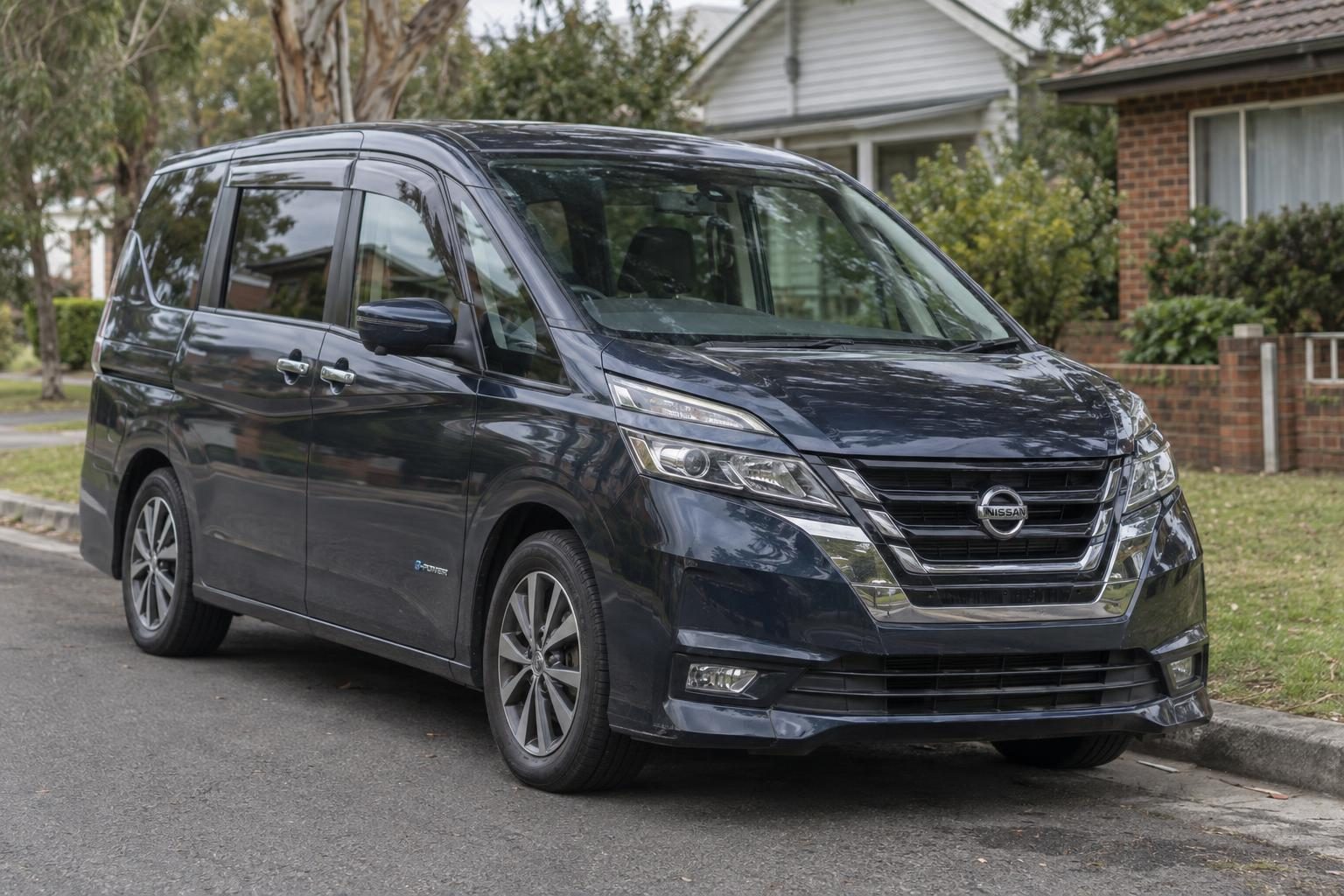 2021 Nissan Serena (Hybrid 8-seater)
Be realistic about what S-Hybrid is. It is a motor-assist system that smooths stop-start and restarts, not a full hybrid like the Alphard's, so the fuel saving is modest rather than transformative. What you do get is eight seats, dual sliding doors, a far lower kerb weight and Nissan's ProPILOT driver assistance on later Highway Star V builds. It sits in the mid-$20K band on the used market.
The Toyota Noah is the closer mechanical cousin. The 2024 Hybrid SZ carries the ZWR90W code and Toyota's 1,797cc 2ZR-FXE Atkinson-cycle engine paired with a front electric motor through an e-CVT, driving the front wheels, in a 7-seat body about 4,695 mm long.
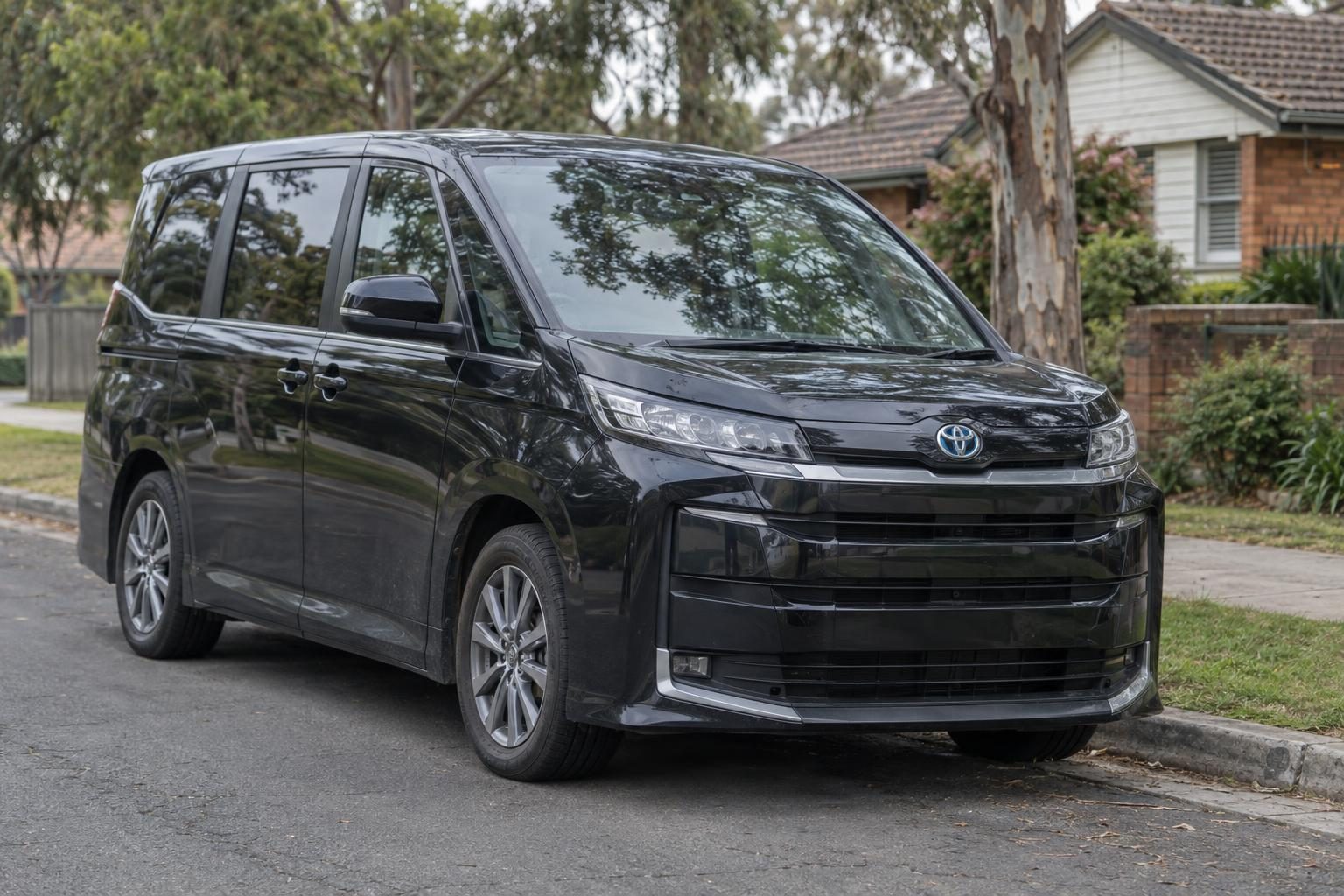 2024 Toyota Noah (Hybrid SZ)
It is a genuine full hybrid, and Toyota Japan's catalogue rates the front-drive 90-series Noah hybrid at 23.4 km/L on the WLTC cycle, comfortably better than the Alphard on any comparison. The Noah gives up the captain's-chair luxury and the cabin height, and it keeps the sliding doors, the walk-through second row and most of the practicality. For a family that wants hybrid running costs more than a lounge, it is the stronger buy.
Importing an AYH30 yourself, or taking one already complied
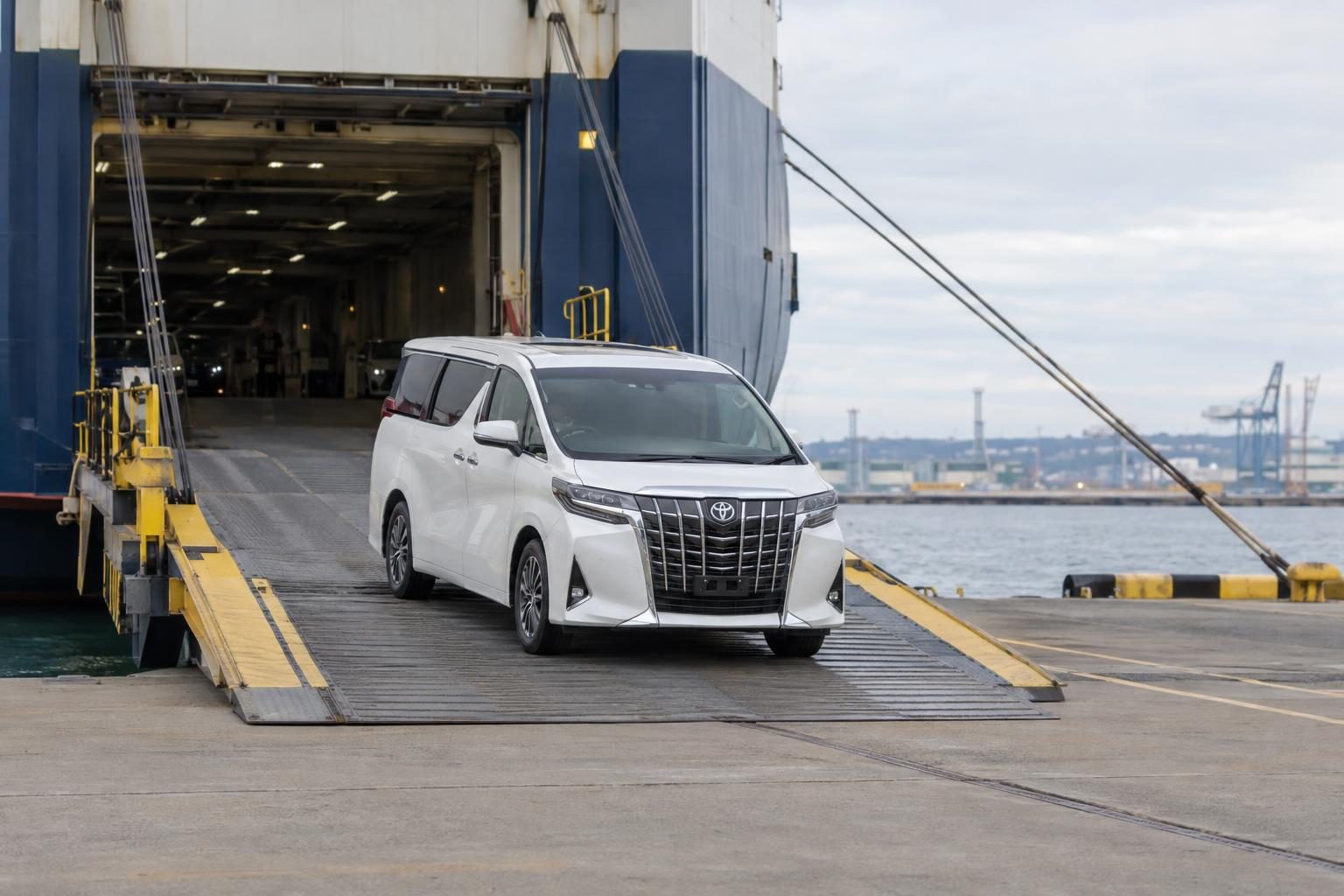 AYH30W Alphards arrive by ro-ro and then go through SEVS compliance before registration
The AYH30W is approved for import under SEVS, with four approvals on the Rover register (SEV-000743, SEV-000744, SEV-000460 and SEV-000924) covering builds from January 2015, and the odometer must be under 80,000 km at the time of import. If a car in Japan reads 95,000 km, no amount of paperwork fixes that.
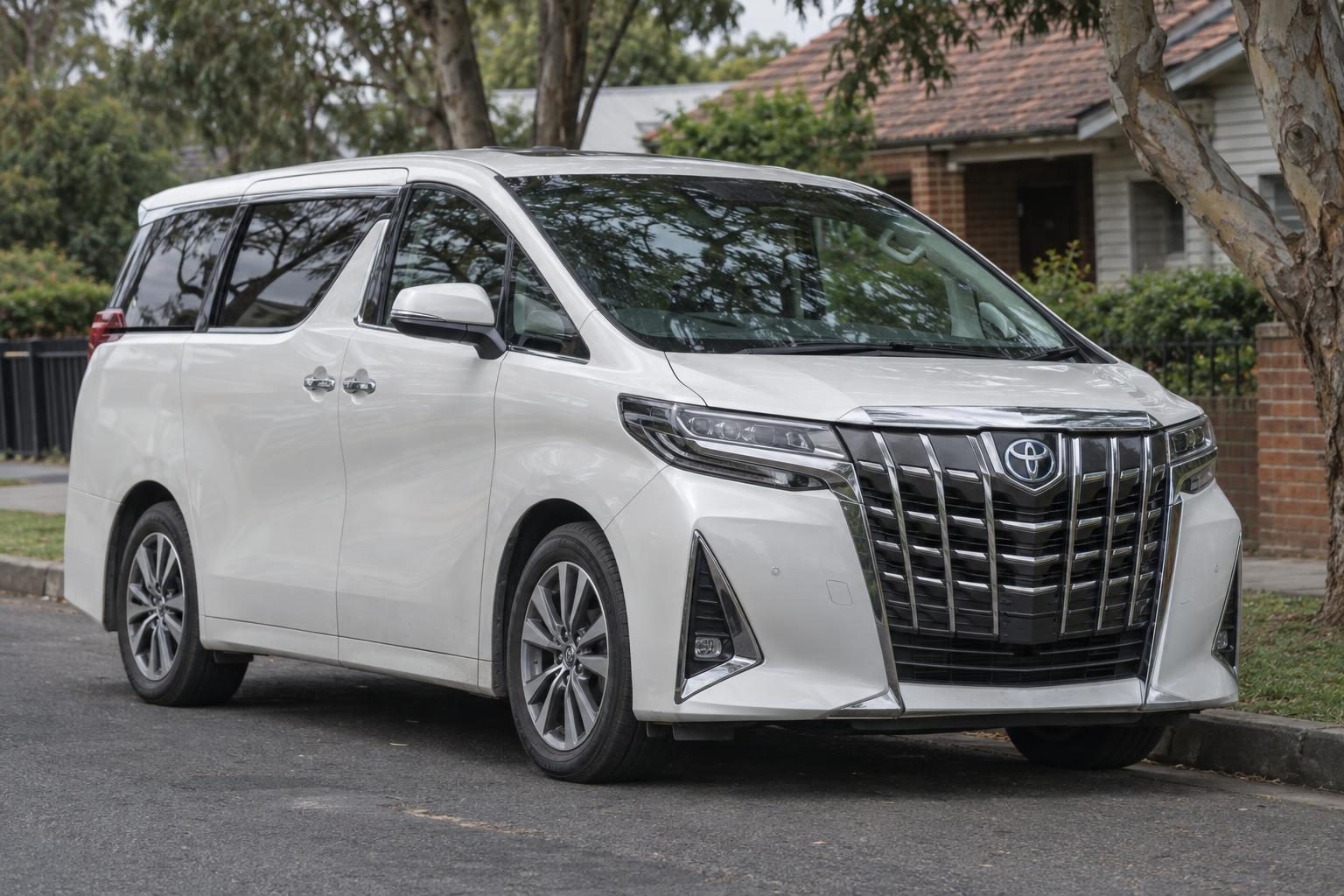 2022 Toyota Alphard (S Type Gold II)
Importing to order takes roughly six to ten weeks end to end: one to six weeks sourcing and bidding in Japan, four to six weeks on the water, then two to three weeks for compliance and delivery prep in Australia. The landed cost is made up of the auction result plus agent fees, international freight, port and customs charges, import duty, GST, luxury car tax where it applies, and the compliance package. Those are rules you can calculate against a specific car, not a single number you can quote in advance. The AYH30W import page sets out each component.
If you would rather see and drive the car before committing, a vehicle already complied and sitting in Australia is the simpler path. Carbarn works both ends of that choice from Lidcombe in Sydney: a stocked yard of Japanese-import people movers, hybrids, HiAce vans and 4WDs ready to inspect and test drive, plus a RAW-certified in-house compliance workshop under NSW motor dealer licence MD 056471. On the import side, the team shortlists cars at approved Japanese auctions, arranges pre-bid physical inspection, shares auction sheets and inspector notes before bidding, and bids only to your approved cap, then handles VIA approval, freight, customs, biosecurity, SEVS compliance, AVV inspection and RAV entry through to registration paperwork. Finance, a five-year warranty covering engine, electrical components and the hybrid battery, and door delivery around Australia round out the service.
Which grade to shortlist
Start from who uses the car, not from the grade ladder.
Need eight seats and a bench that folds flat? The Hybrid X, and nothing else in the range does that. Want captain's chairs and a walk-through aisle for kids heading to the third row? The Hybrid G, or the G F Package if your passengers are tall enough to want the ottoman footrests. Both ride on the softest tyres in the range.
Doing most of the driving yourself and want the aero bodywork? The SR, or the SR C-Package if the Nappa leather matters, accepting a slightly firmer ride on 17s. Buying the car for whoever sits in row two? The Executive Lounge, and only then, because the premium buys seats rather than speed or economy.
Whatever you land on, the powertrain, the E-Four system, the reliability record and the import eligibility are identical across all six. The grade choice is a cabin decision.
Looking to buy one? See the used Toyota Alphard hybrids for sale at the Sydney yard.