

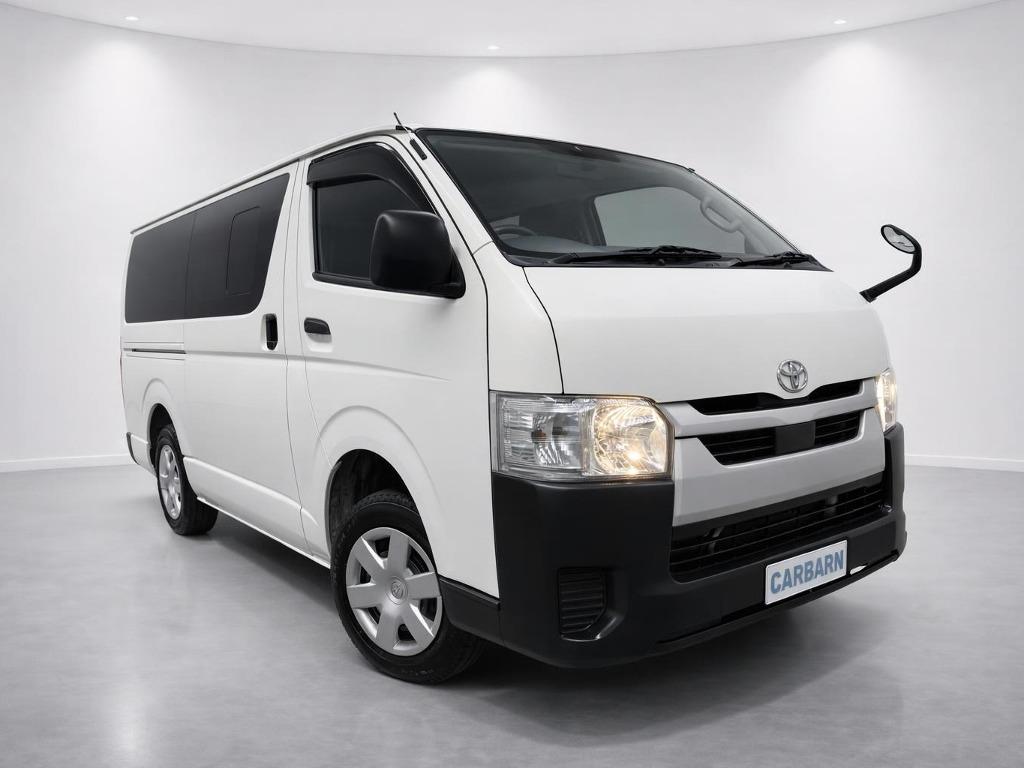
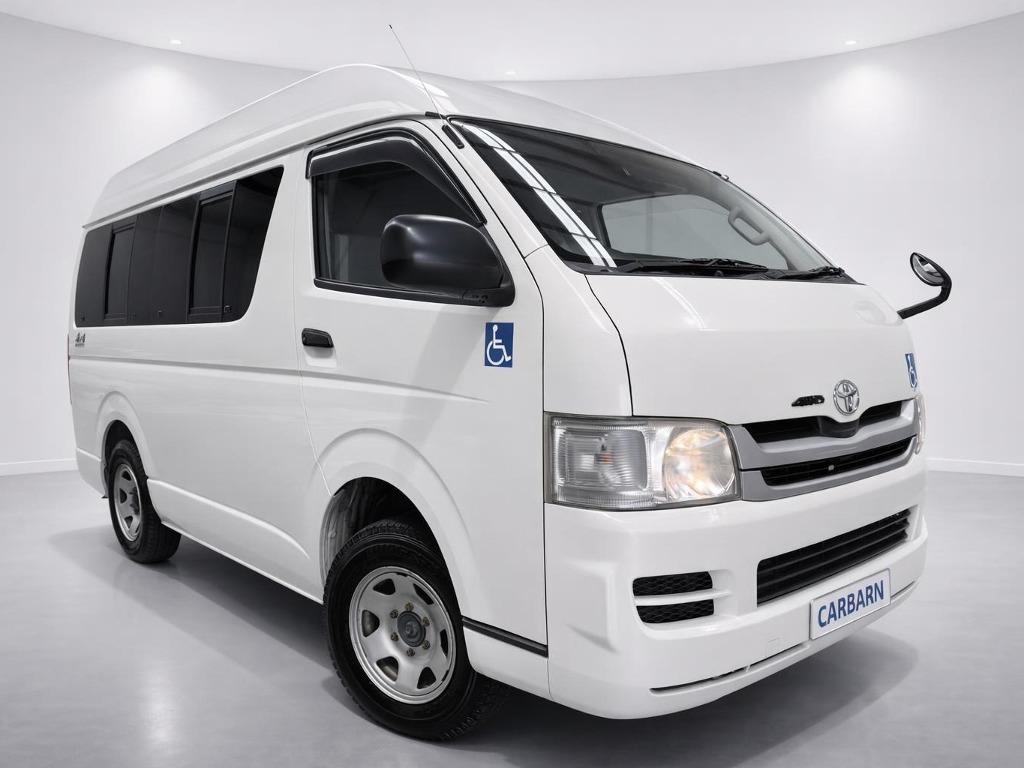
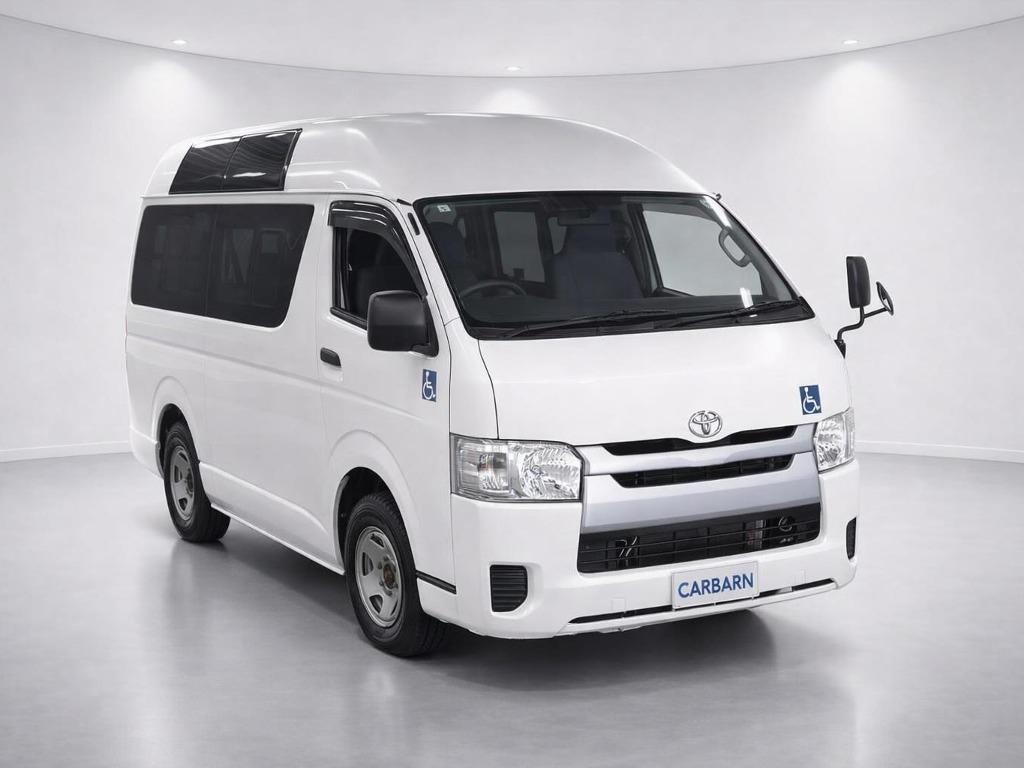
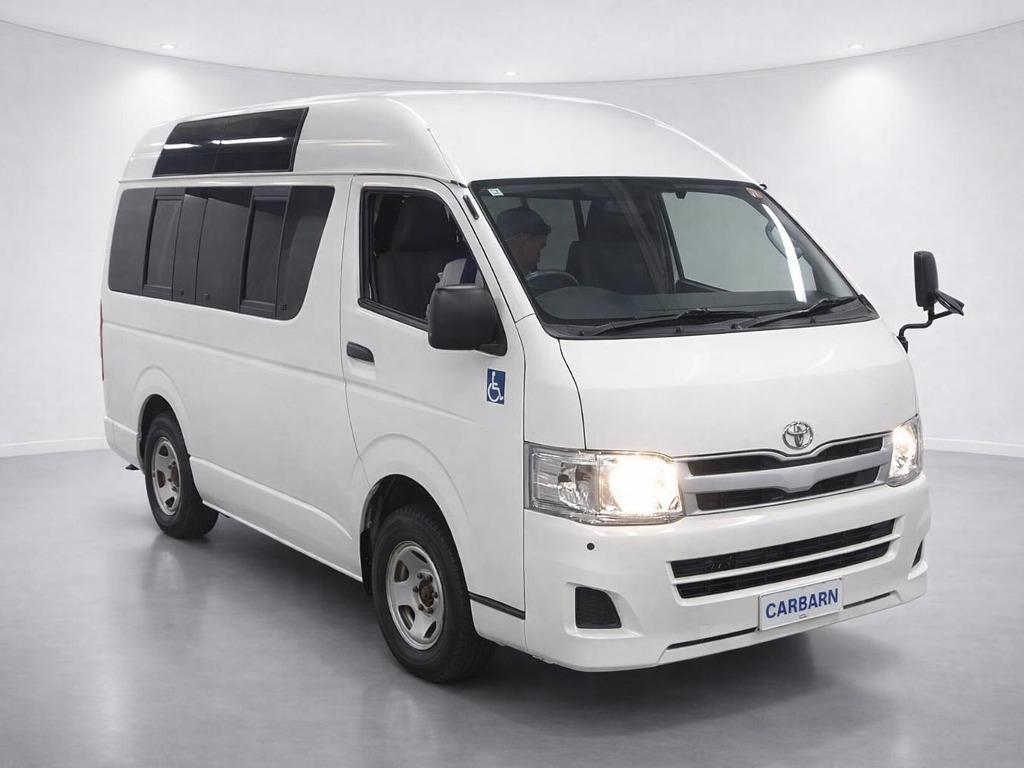
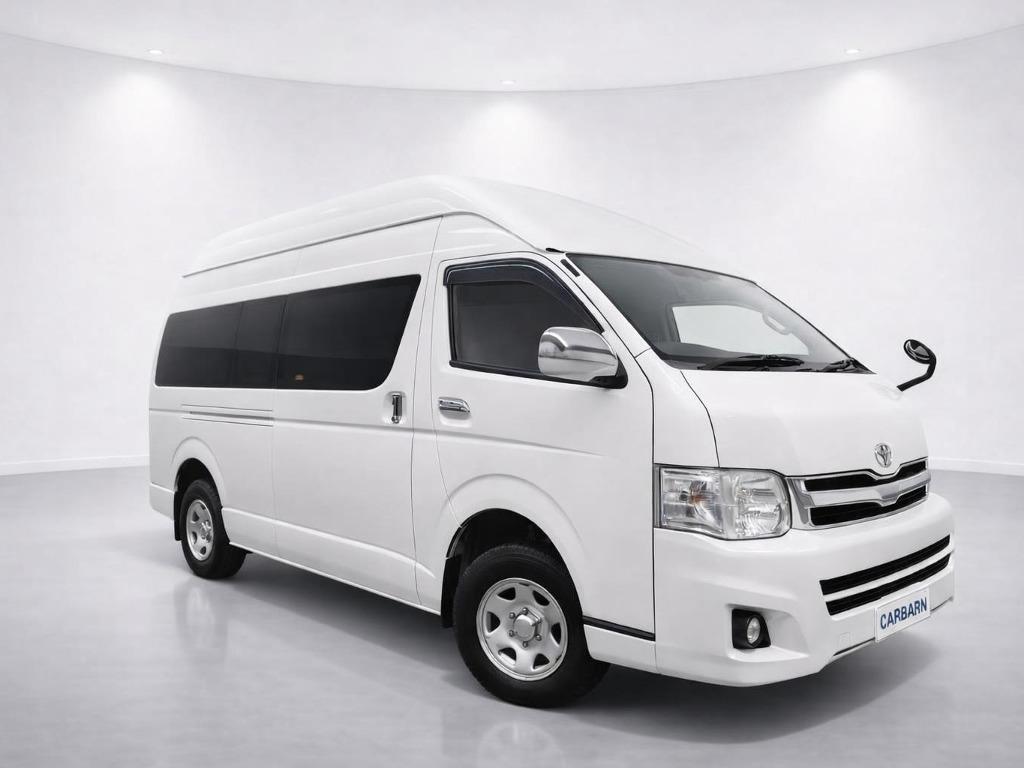
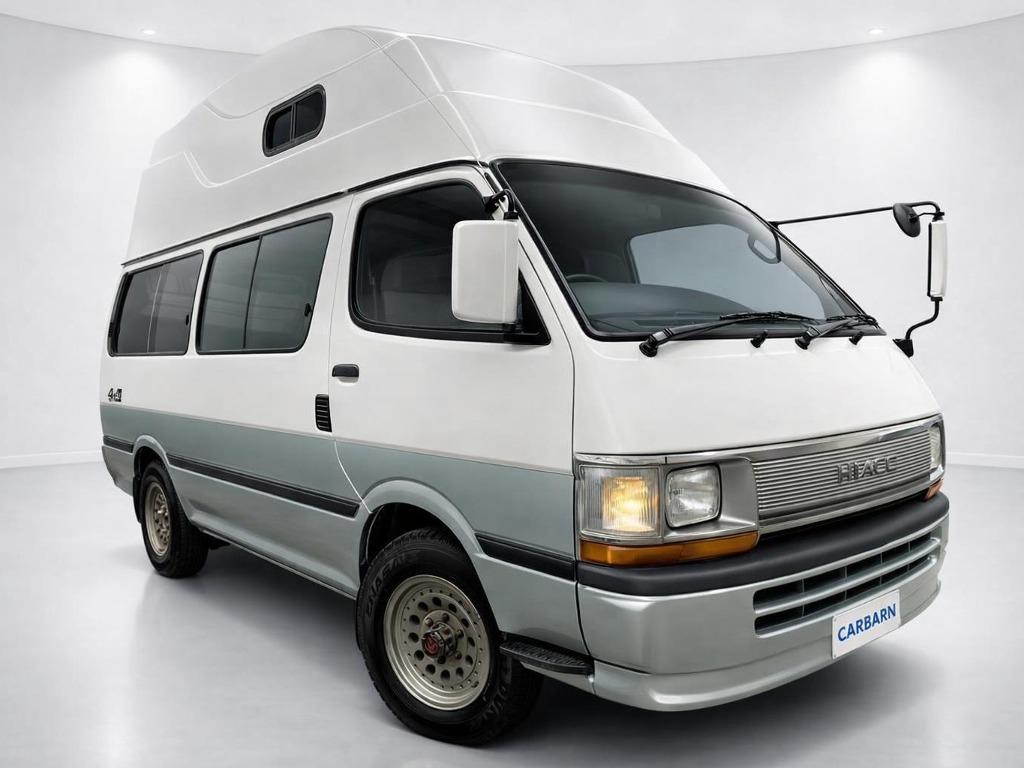
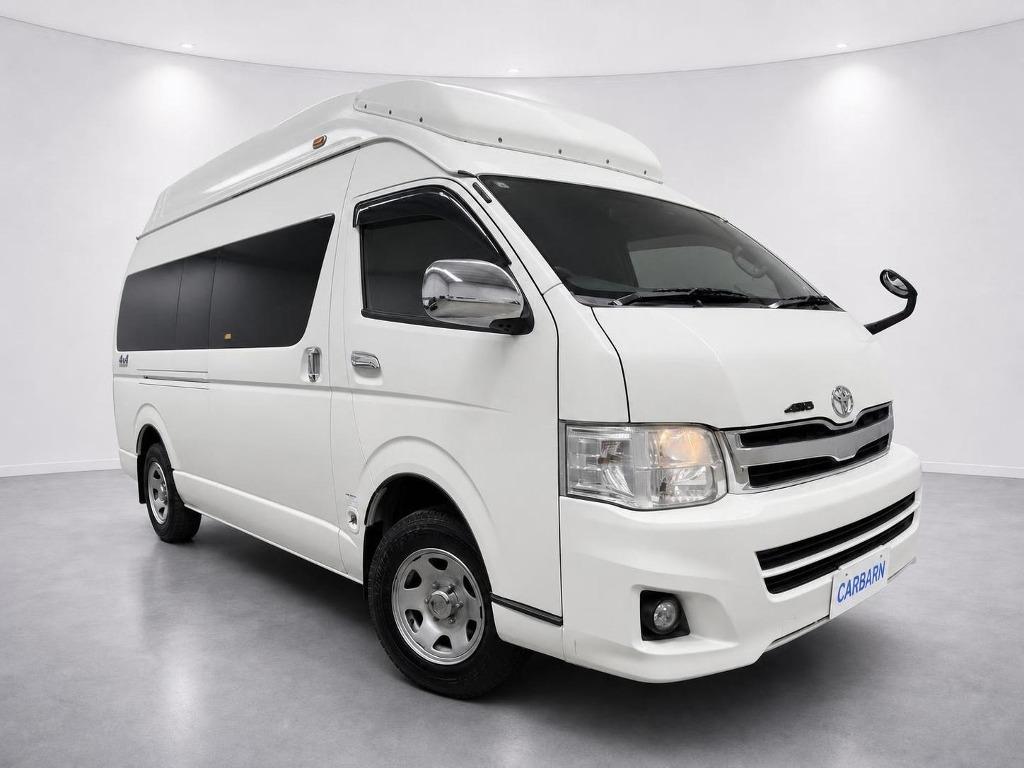
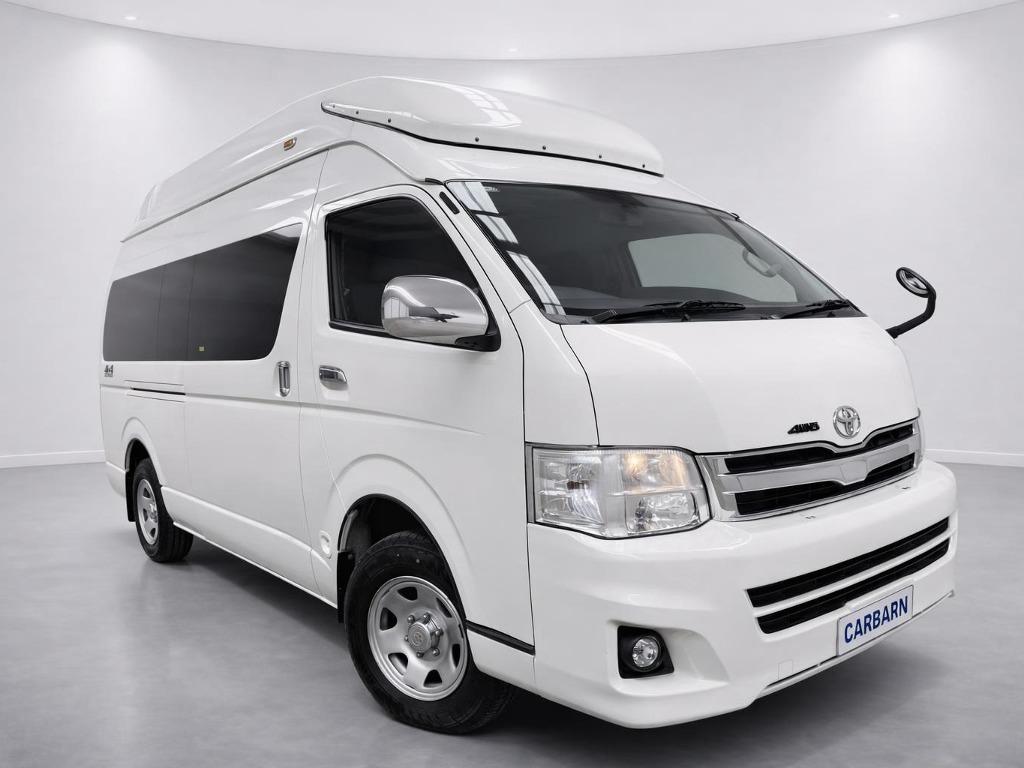
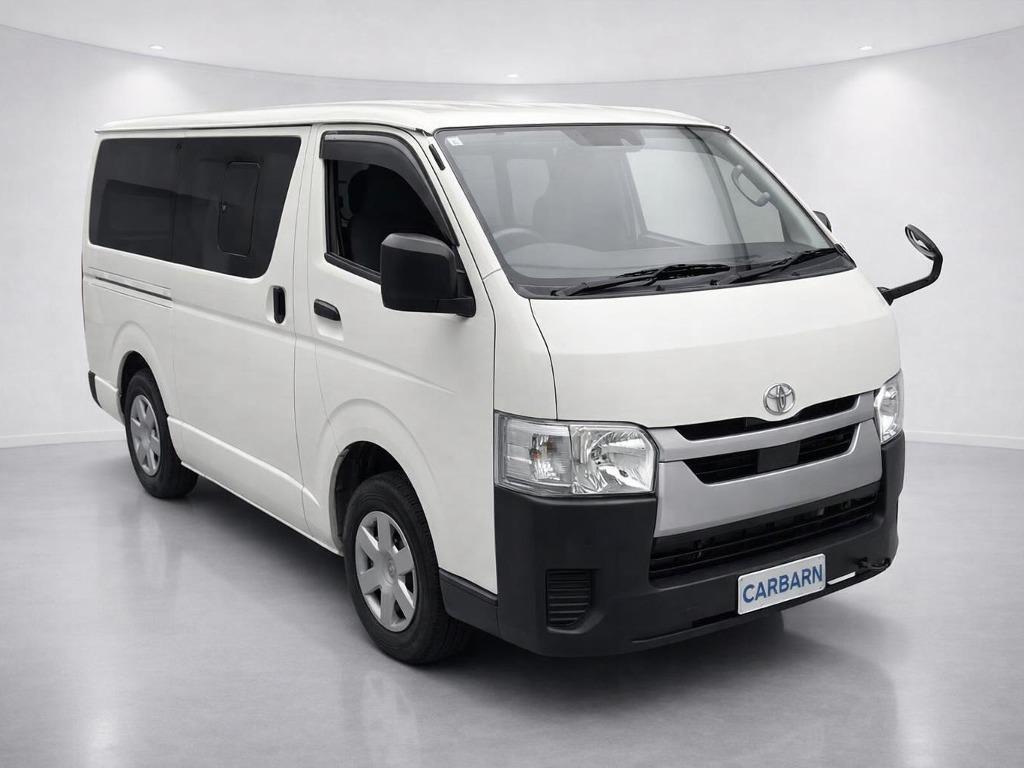
Where they differ
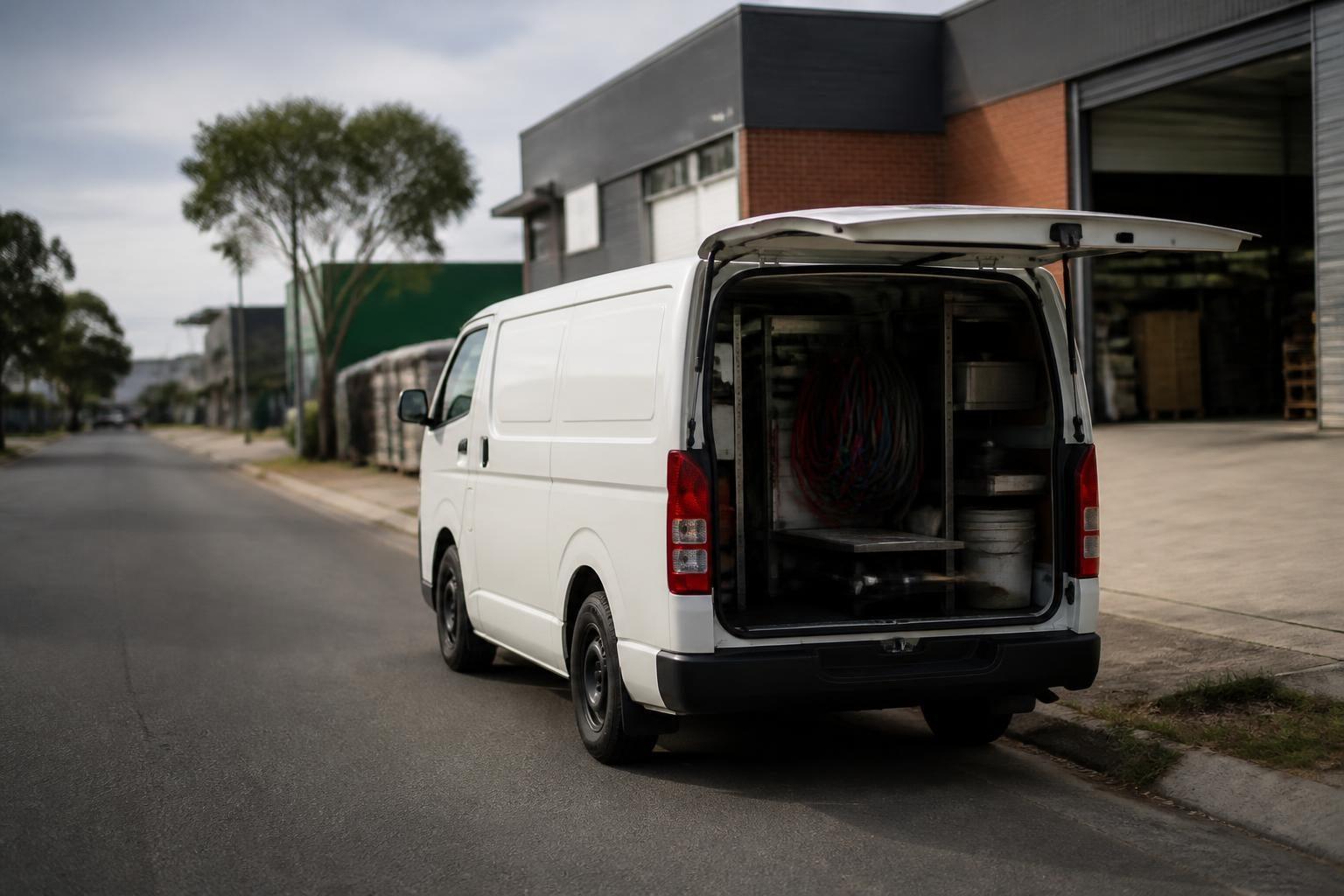
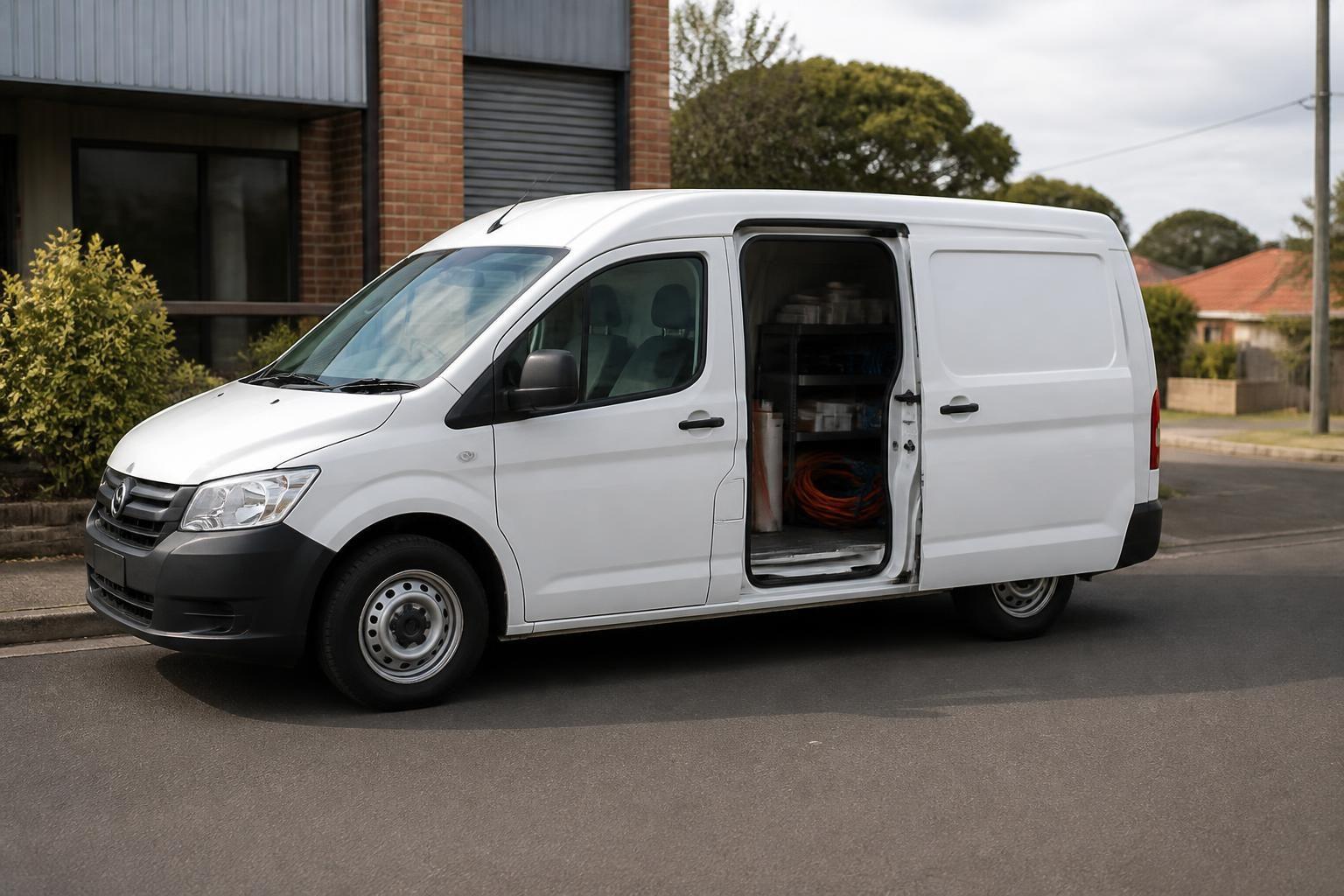
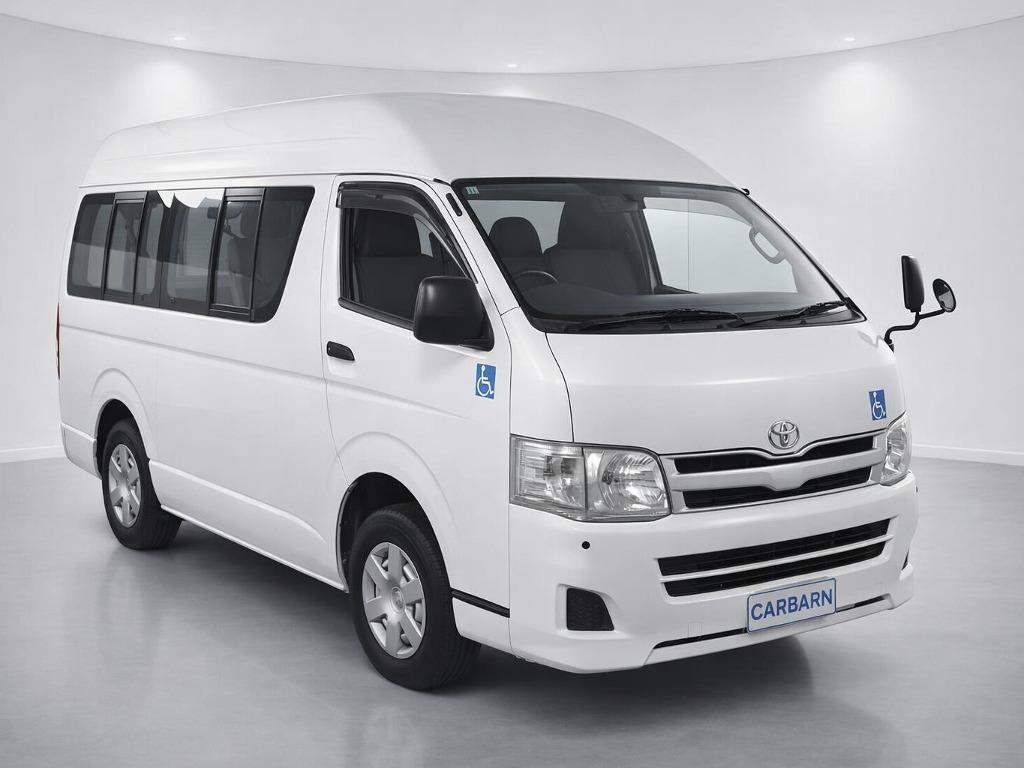
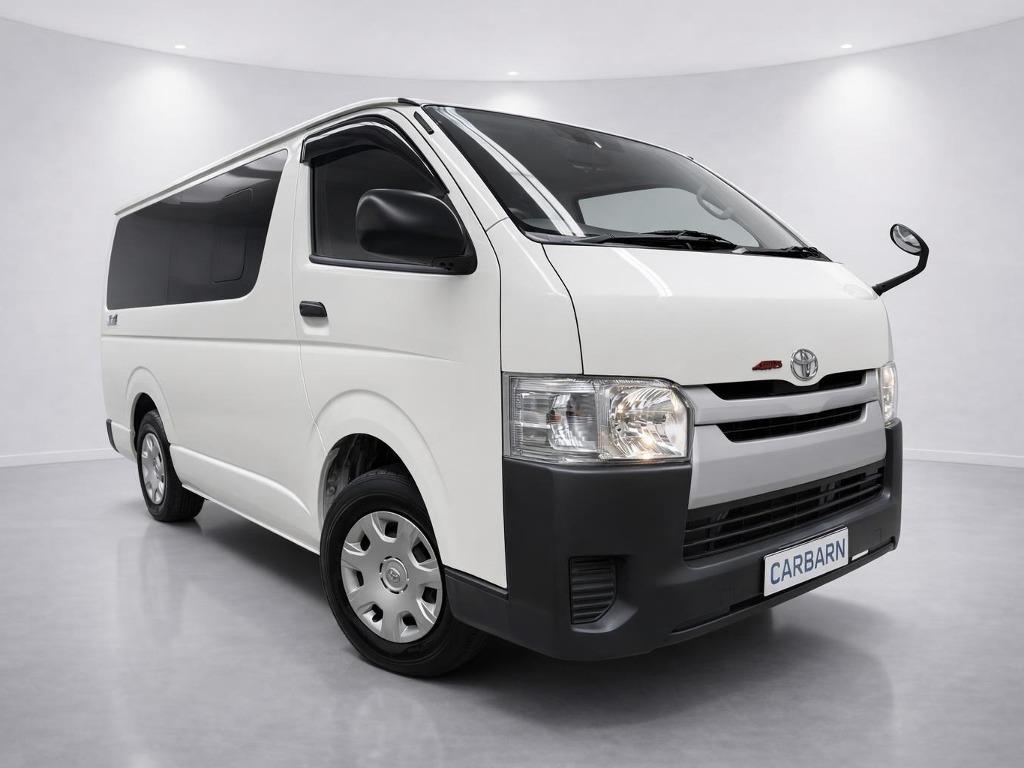
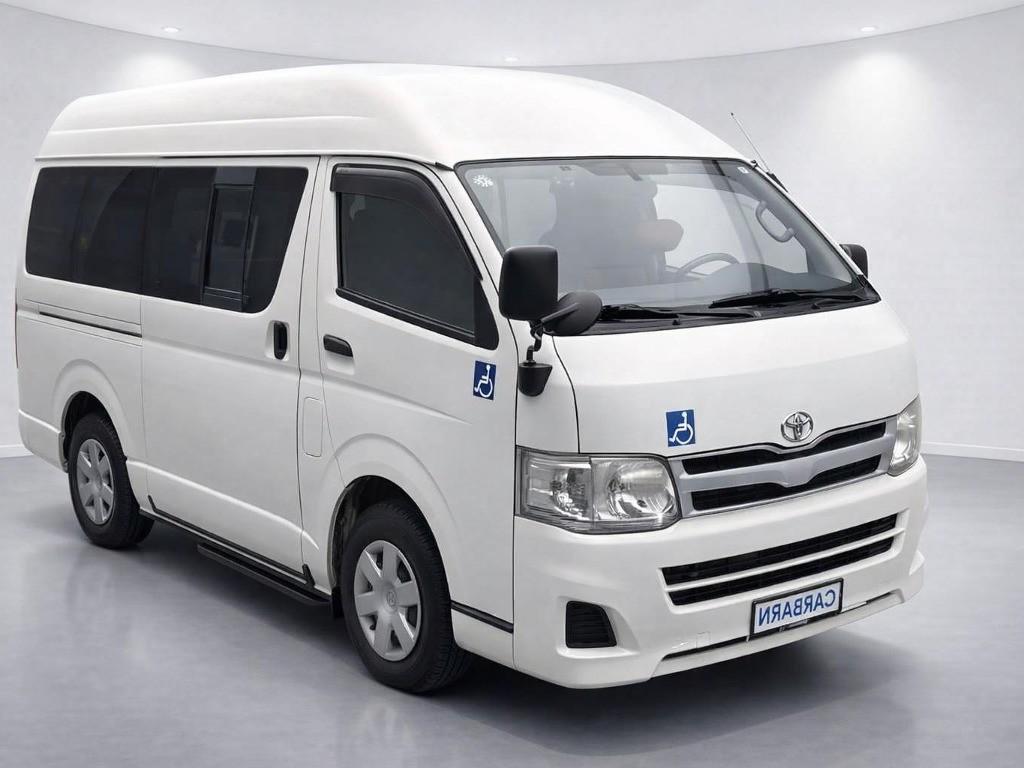
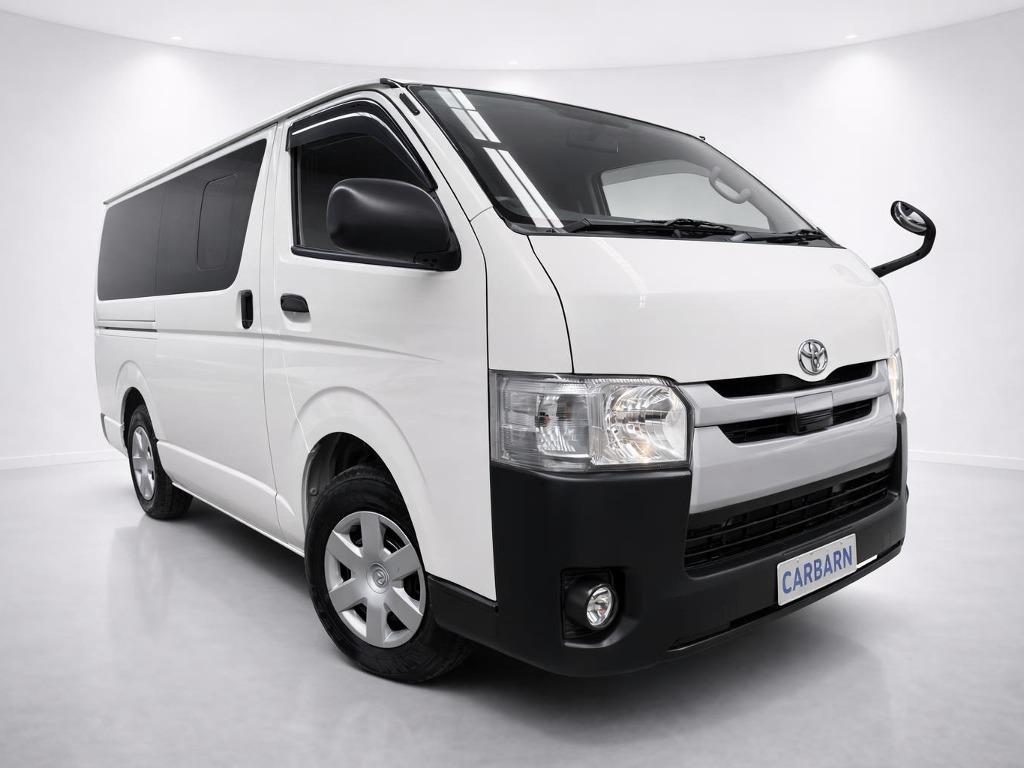
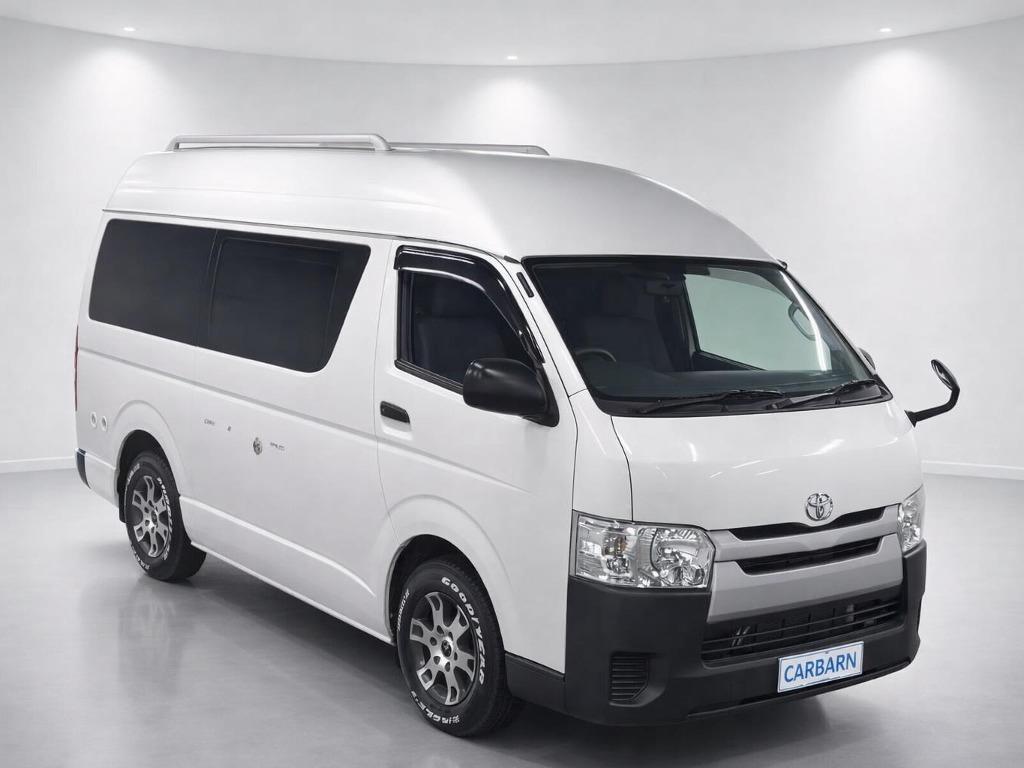
Hiace listings share a name but not a specification. Wheelbase and roof height, where recorded, change a van more than the badge does — a long-wheelbase, high-roof vehicle is a different proposition from a shorter standard-roof one in load space and daily driving.
Telling similar listings apart
Trim names get reused across the years, so if two Hiace listings look alike the model code is the surest way to tell them apart — the individual listing carries the exact configuration.
Engine and drivetrain
The Hiace was sold with more than one engine and drivetrain setup, and they suit different work. Fuel, transmission and drivetrain are recorded on each listing — never assume two vans match because their badges do.
Which Hiace is which? Codes, roofs and wheelbases
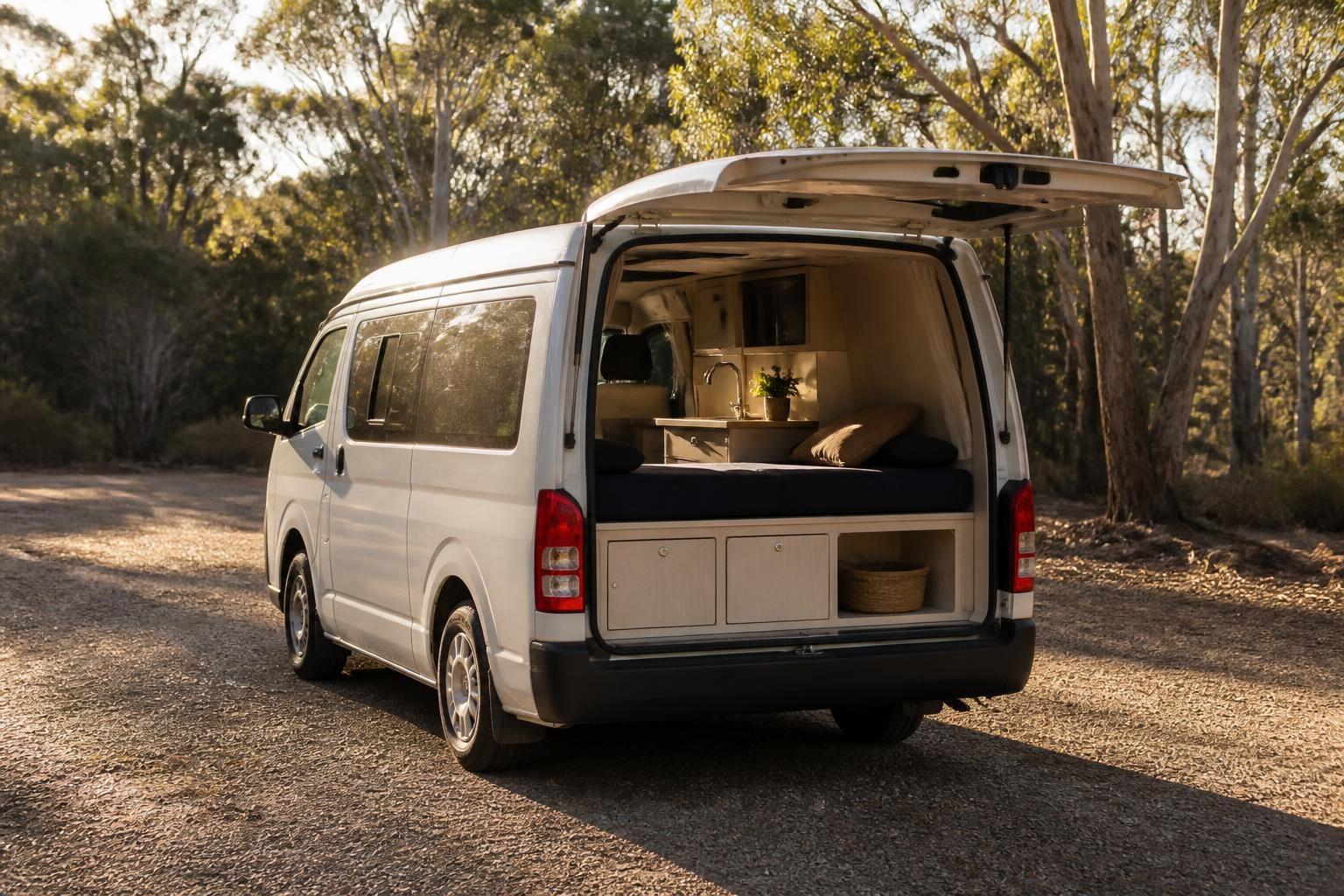
The Hiace badge covers vans that differ more than their name suggests. The model code carries the mechanical story — KDH vans run the earlier diesel, TRH the petrol, GDH the current-generation diesel — and the body letters describe the shell: long-wheelbase and super-long-wheelbase vans trade parking ease for load length, while high-roof versions add standing room that matters for camper fit-outs. Two listings from the same year can be very different vehicles, so compare the recorded code, wheelbase and roof type on each listing rather than assuming the badge settles it. Later vans move to the newer body generation with a wider cabin and updated safety equipment; the recorded build year and code together tell you which family a van belongs to.
Is a used Toyota Hiace reliable?
The Hiace earned its reputation in fleets and trades, where vans are bought for how long they keep working rather than how they look doing it. That history is why used examples hold their value, and it is also why condition matters more than age: a well-serviced high-kilometre van can be a better buy than a neglected low-kilometre one. What to look at, in order: the service history first — regular servicing is what separates a tired van from a dependable one. Then how the van was used: a delivery van that lived in the city and a tradesperson's van that carried heavy loads wear differently, and the underbody and load area usually tell the story. Last, match the engine family to the job — the model code on each listing identifies whether a van carries the earlier diesel, the petrol, or the current-generation diesel, and they suit different kinds of work. The recorded details on each listing carry what was actually observed on the vehicle, so read those rather than assuming from the badge.
The Hiace 4WD, explained
Toyota built factory four-wheel-drive versions of the Hiace, and they are the reason this van appears in searches next to touring and camper builds: a 4WD van carries the same load space as the standard version but keeps going where a two-wheel-drive van runs out of traction — unsealed roads, wet campsites, snow-season access. Whether a listing is a 4WD is recorded on the vehicle itself: check the drivetrain field on each listing rather than the name, because badge and driveline do not always travel together on used examples. 4WD versions typically cost more than their two-wheel-drive equivalents of the same age, and high-roof 4WD vans are the scarcest combination — if one in current stock fits, it tends not to stay listed long.
What decides a used Hiace's price?
Two Hiaces from the same year can sit at very different prices, and the gap is usually explained by configuration rather than condition. Wheelbase and roof height matter most: long-wheelbase and high-roof vans carry more and fit standing work or camper layouts, and they price above standard vans of the same age. Drivetrain is next — diesel and 4WD versions generally sit above petrol two-wheel-drive ones. Then kilometres and history, which work the same way they do on any van. When comparing two listings, compare the recorded wheelbase, roof and engine code before comparing the prices, because that is usually where the difference lives.