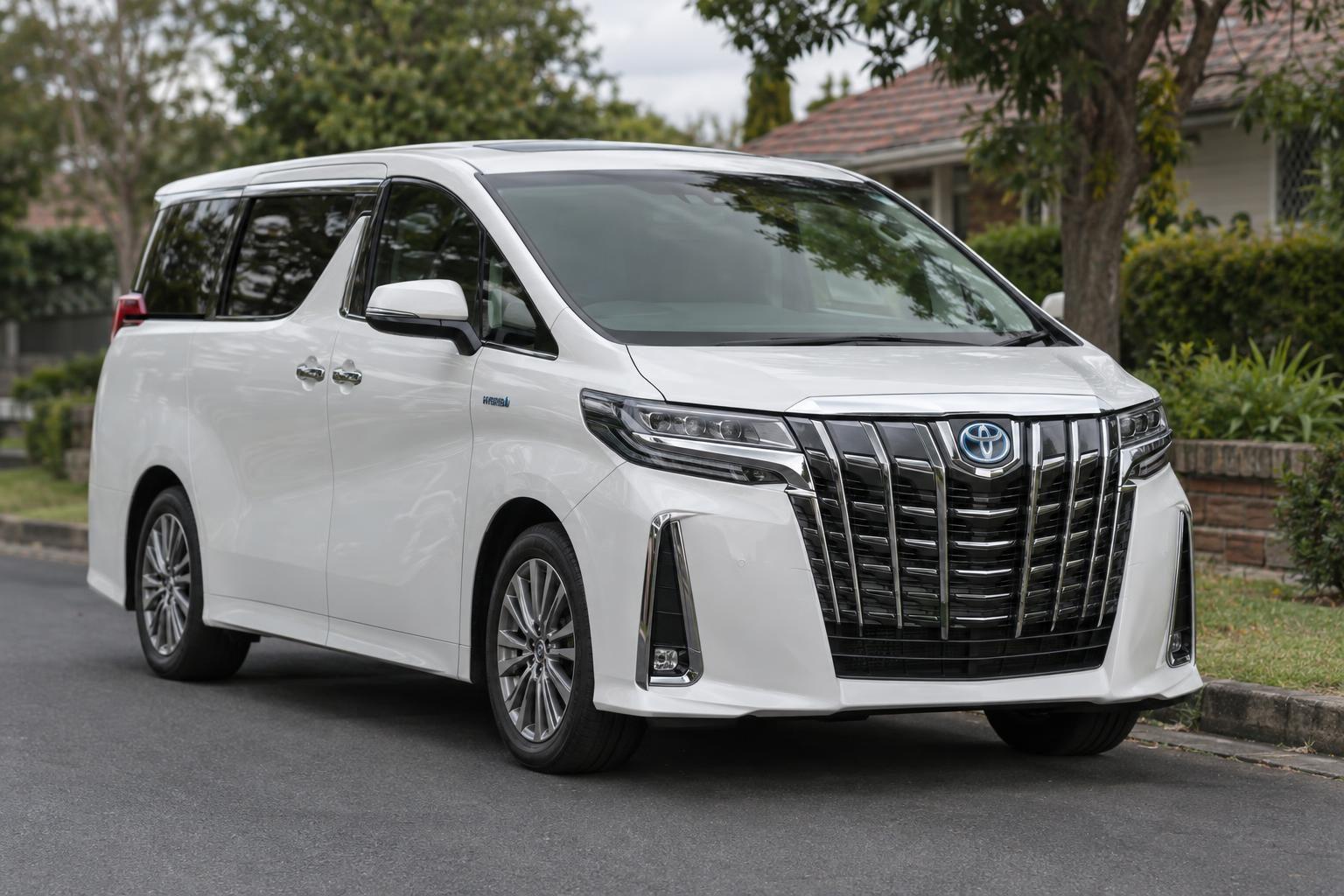



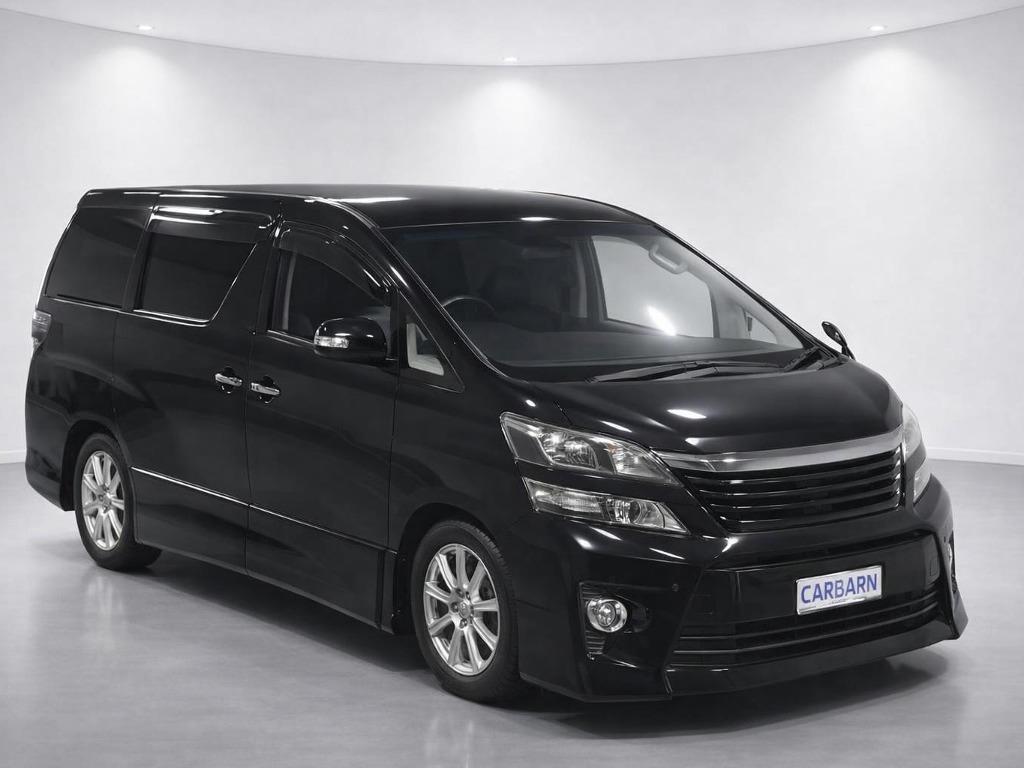
What separates one Toyota Alphard listing from another?
A used Toyota Alphard is not one vehicle but a family of them. Model year, variant and drivetrain each change what the vehicle does, and the individual listing carries the exact combination. The same standard applies whether a vehicle has just been listed or has been in stock for a while.
What the listing records
Every used Toyota Alphard listing at Carbarn records year, odometer, body, drivetrain, transmission and the documents supplied with the vehicle. Where a field is not recorded it is left out rather than estimated. It is why two apparently similar listings can be priced differently and both be correct.
Reading a listing properly
Where a used Toyota Alphard photograph raises a question the recorded fields do not answer, Carbarn's Sydney team can check it directly. The same standard applies whether a vehicle has just been listed or has been in stock for a while.
Condition beats age
The year on a listing says less than it seems to. Service history, how the vehicle was used, and what the inspection recorded all move a used car's value more than its age does — which is why a cared-for older example can outlast a newer one that missed its servicing. The listings here record what was observed on each vehicle, so compare those details rather than the years. A practical order: settle what the vehicle is for, shortlist by the recorded specification, and only then weigh price against condition.
How to read a listing here
The listing is the source of truth here. Each one records the specific vehicle — its model code, engine, drivetrain and configuration — rather than the brochure version of its name, and the stock data always reflects what is listed right now. Shortlist by those recorded details: the code separates lookalike listings, the drivetrain field settles what a badge merely implies, and the vehicle page carries any service and preparation records that exist.
Choosing a people mover
Count what the family actually needs before comparing badges: how many seats in real use, which doors open where you park, and what must fit in the boot with everyone aboard. The recorded seating layout on each listing answers the first question precisely — seven with captain chairs and a walk-through, or eight with a bench. Sliding doors and a low floor decide the daily experience; the third row's fold decides the airport trip. The shortlist follows from those answers.
The case for petrol
Petrol keeps a used purchase simple: familiar servicing, no plug, and typically a lower price than the equivalent hybrid or diesel at the same age. It suits lighter and shorter driving, where a diesel never warms to its work and a hybrid's advantage shrinks. The check that matters is the engine code on the listing — many ranges sold several petrol setups under one name — and a service history that shows the basics were done on time.