

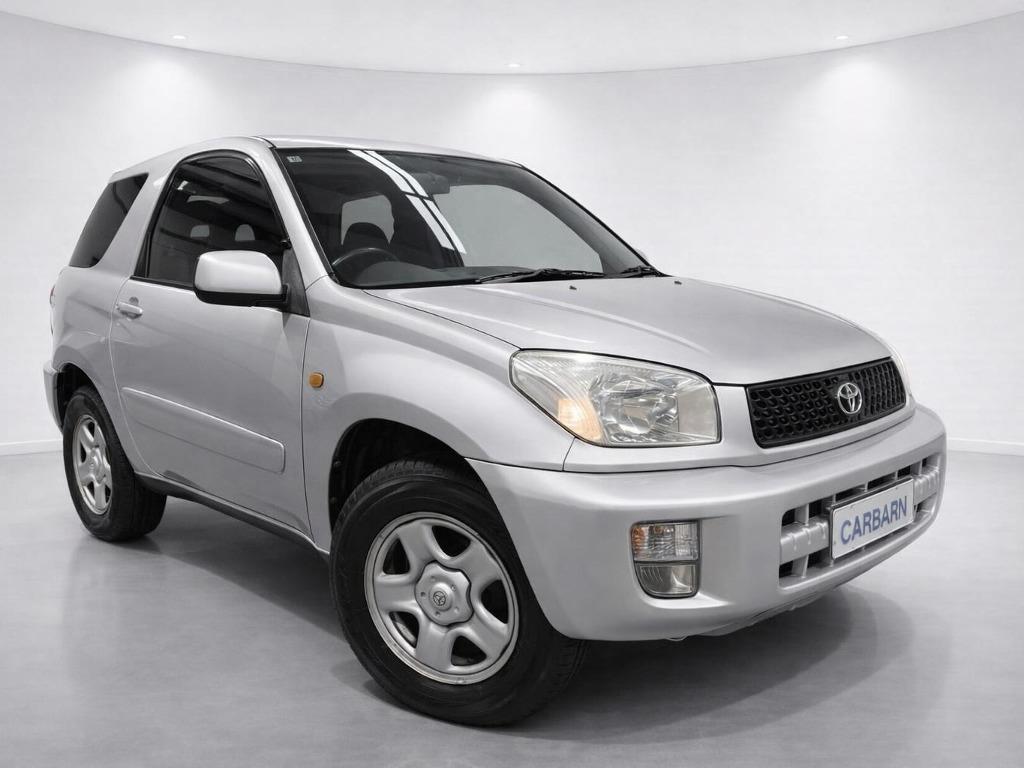
What separates one Toyota RAV4 listing from another?
Used Toyota RAV4 listings share a name but not a specification. Variant, model code, drivetrain and equipment all move between examples, so the recorded fields on each individual listing are what describe the car, not the badge on the back. Nothing is inferred from the model or the model year — only what is held for that vehicle is published.
What does a Toyota RAV4 model code tell you?
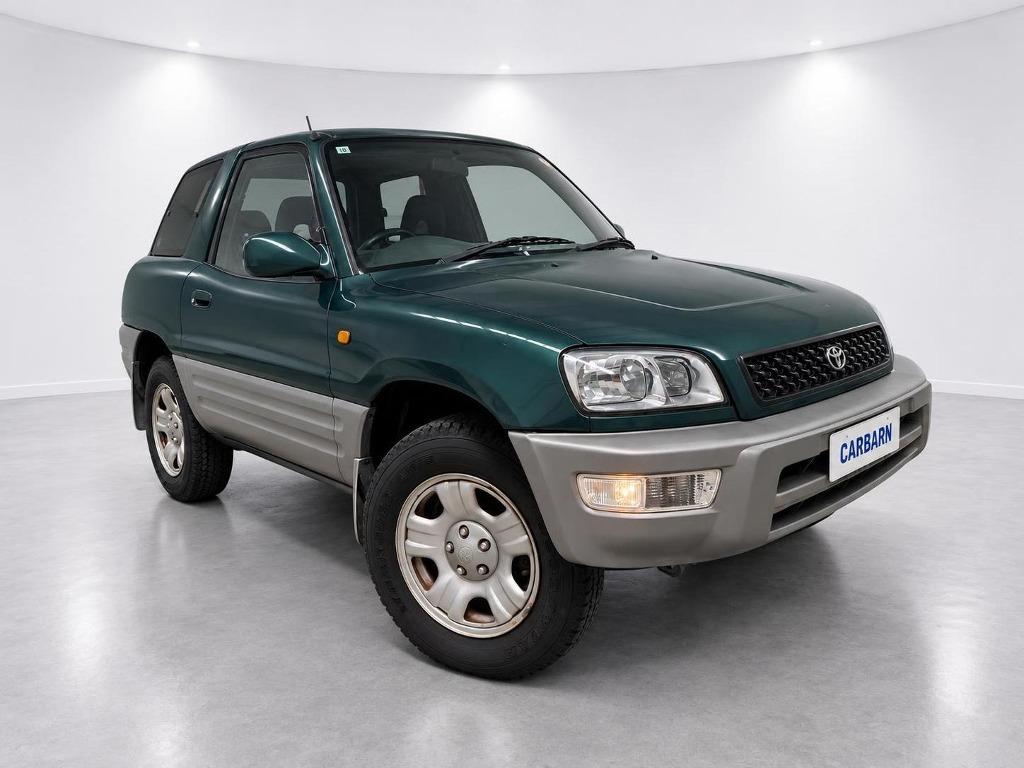
Model codes recorded on used Toyota RAV4 stock include SXA15 and ZCA25. The code, not the trim name, is what separates two listings that look alike. The specification recorded against each vehicle is what applies, not the range the model was offered in.
What the listing records
Used Toyota RAV4 listings show what Carbarn has verified before offering the vehicle in Australia: odometer, drivetrain, transmission, documents and recorded history. Anything not recorded is simply not claimed. It is why two apparently similar listings can be priced differently and both be correct.
Condition beats age
The year on a listing says less than it seems to. Service history, how the vehicle was used, and what the inspection recorded all move a used car's value more than its age does — which is why a cared-for older example can outlast a newer one that missed its servicing. The listings here record what was observed on each vehicle, so compare those details rather than the years. A practical order: settle what the vehicle is for, shortlist by the recorded specification, and only then weigh price against condition.
How to read a listing here
Two cars can share a name and almost nothing else, because most model names covered several mechanical setups over their life. The model code on each listing names the exact build, which makes it the fastest way to compare candidates before opening either page. The rest of the recorded details — engine, drivetrain, configuration — work the same way, and where service and preparation records exist they are shown on the vehicle's own page.
What a used SUV buys you
An SUV is bought for ease — entry height, visibility, space that absorbs family life — and the used checks are mostly the standard ones. The SUV-specific check is the driveline: many ranges sold two-wheel-drive and four-wheel-drive versions under the same name, and the difference matters to both capability and price. The recorded drivetrain field on each listing settles it; never assume it from the badge.
The case for petrol
Petrol is the default for a reason: simplest to own, cheapest to buy at the same age, serviceable anywhere, and well matched to the short, mixed driving most cars actually do. It gives ground to diesel on loaded highway work and to hybrids in heavy traffic — if neither describes the life the car will lead, petrol usually wins the value question. Confirm the exact engine from the listing's recorded code; one model name often hid several petrol setups.