



.jpg&w=3840&q=75 "Uber-Eligible Toyotas")
Ready to Hit the Road in Style?
Save money and reduce emissions with vehicles designed to deliver exceptional mileage. Visit our inventory and find a car that fits your lifestyle.
Ready to Hit the Road in Style?
Save money and reduce emissions with vehicles designed to deliver exceptional mileage. Visit our inventory and find a car that fits your lifestyle.
Getting knocked back after you've already bought the car is one of the more expensive mistakes a new Uber driver can make. Most people assume the hard part is picking a reliable vehicle. It isn't. The hard part is clearing three separate layers of approval — Uber's own rules, NSW government compliance, and a physical condition test — without any single piece tripping you up.
That's where this guide comes in. It walks through the exact rules in effect for 2026 and shows which Uber-eligible Toyotas in Sydney actually clear all three layers for each tier. Toyota dominates the local rideshare fleet for a reason: most models pass without drama. Even so, the wrong manufacture year, the wrong class of insurance, or a missing licence endorsement will get you rejected no matter how good the car is.
Quick Answer
- UberX and UberXL: 2011 or newer (a 15-year rolling limit), ANCAP 5-star or an approved exemption, valid NSW registration, plus hire-and-reward CTP insurance (Uber Help AU, 2026).
- Uber Comfort: 2019 or newer (a 7-year rolling limit), the model must sit on Uber's approved Comfort list, and the driver needs a strong rating and trip count (verify the exact threshold with Uber).
- The most common rejection cause isn't the car. It's a missing Passenger Transport Licence Code (PTLC), or a private CTP policy that doesn't cover paid passengers. Both sit with the NSW government, outside the Uber app (Service NSW, 2026).
- A safety check costs $70 to $200 (Driversnote, Oct 2024), and Service NSW processes a PTLC within 14 business days (Service NSW, 2026).
How Does Uber Vehicle Eligibility Actually Work in Sydney?
Sydney drivers have to clear three separate checks before a single fare, and any one of them can sink the application. Demand certainly isn't the problem: rideshare is now the most-used point-to-point option in the state, with 48% of surveyed NSW residents using it in the past six months versus 39% for taxis (IPART, 2025). With demand that healthy, the approval bar stays firm.
The trap is that these checks don't all live inside the Uber app. Two of them sit with the NSW government, and a smart-but-rushed buyer often skips them until it's too late.
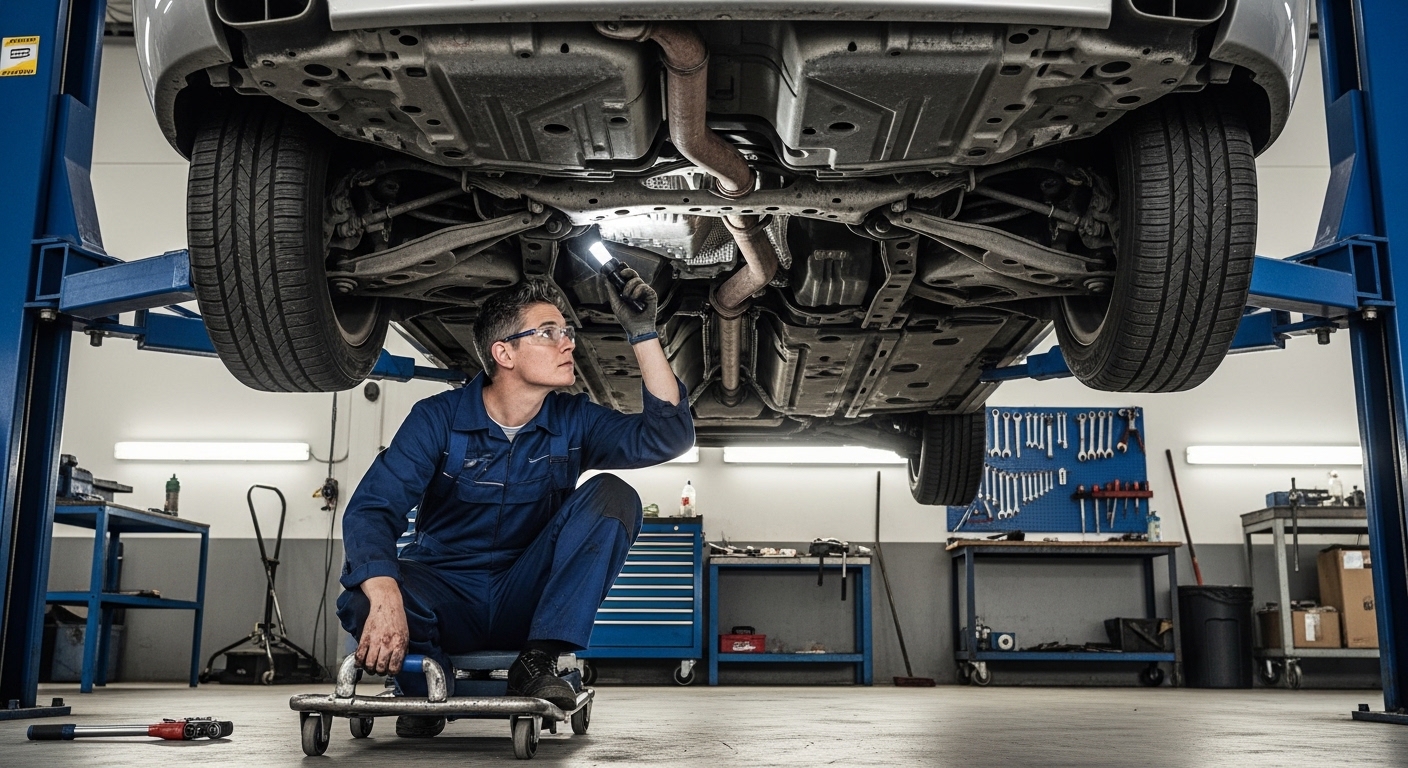 Uber's inspection is physical, not just a paperwork check.
Layer 1 — Uber's vehicle rules. Uber sets its own requirements independently of NSW law. They cover which tier a vehicle qualifies for, its age, its safety rating, and, for Comfort, whether the specific model appears on an approved list. ANCAP (the Australasian New Car Assessment Program) rates new-vehicle safety from zero to five stars, and Uber wants a 5-star result or an approved exemption.
The age limits differ sharply between tiers. UberX and UberXL run a 15-year rolling window, so 2011 or newer in 2026. Uber Comfort, by contrast, runs a 7-year window, and the model must sit on Uber's approved Comfort list. In short, you can't turn up in a 2020 people mover and assume Comfort fares follow automatically.
| Service tier | Age limit | Oldest eligible year (2026) | Seats (incl. driver) |
|---|---|---|---|
| UberX | 15 years | 2011 | 4 + driver |
| UberXL / Uber Max | 15 years | 2011 | 6 + driver |
| Uber Comfort | 7 years | 2019 | 4 + driver, on approved list |
Source: Uber Help AU, 2026.
Layer 2 — NSW government compliance. NSW requires rideshare drivers to hold a Passenger Transport Licence Code (PTLC) added to their driver's licence. You apply through Service NSW, and it's processed within 14 business days (Service NSW, 2026). To qualify, you need to have held an unrestricted Australian licence for at least 12 months in the past four years.
Your vehicle also needs:
- Valid NSW registration.
- CTP (Compulsory Third Party) insurance declared for hire-and-reward use. CTP is the injury cover every NSW vehicle must carry, but a standard private policy does not extend to paid passengers. The most common paperwork mistake we see is exactly this: drivers assume private cover stretches to rideshare, and it doesn't.
- A passed safety inspection (a pink slip).
The PTLC trips up new drivers because it sits outside the Uber app flow entirely. For that reason, apply for it first, before anything else. One more catch worth knowing: PTLC holders carrying passengers must stay under a 0.02 blood-alcohol limit, not the usual 0.05 (Service NSW, 2026).
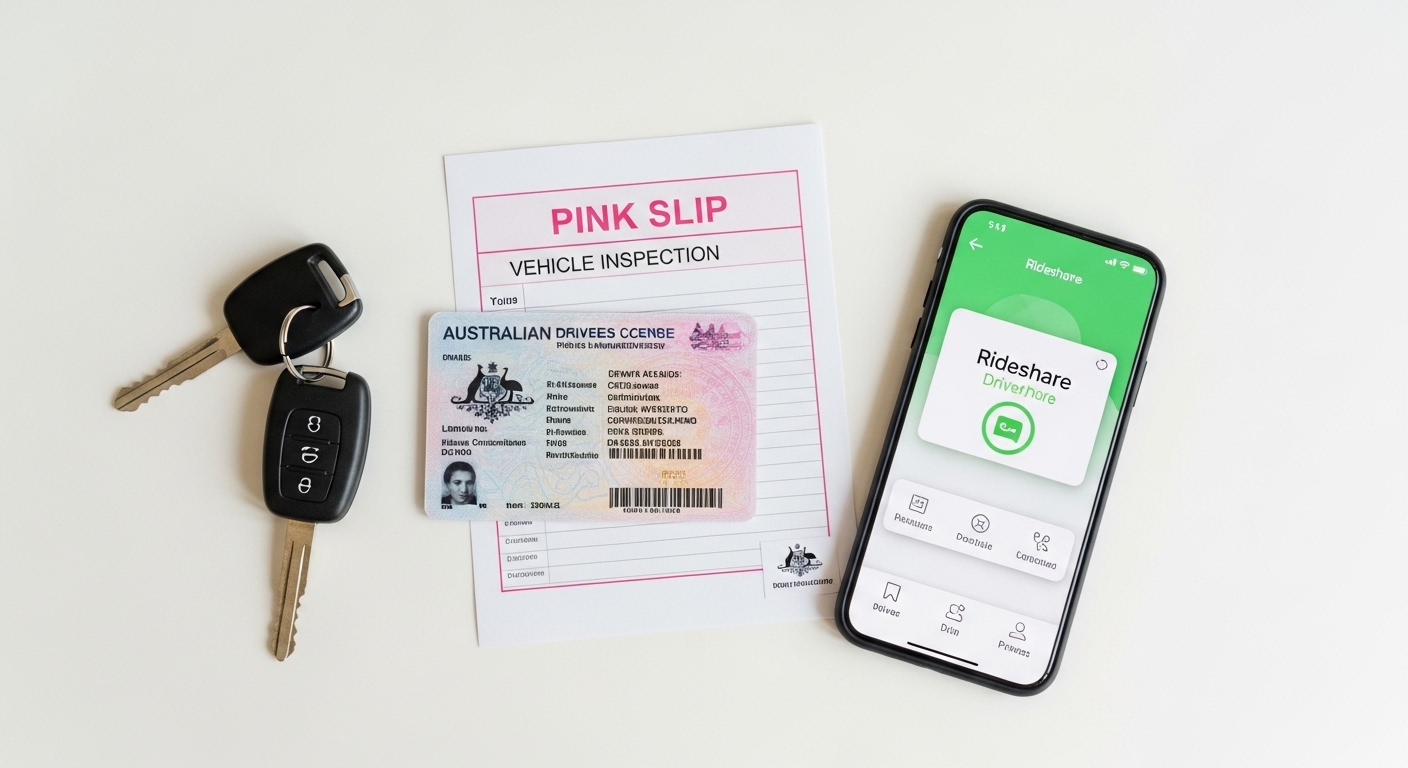 The PTLC sits outside the Uber app, so apply for it through Service NSW first.
Layer 3 — physical condition. Even a compliant, in-age car will fail if the inspection finds cosmetic damage like scratches, dents or hail, missing seatbelts, a non-working air conditioner, commercial branding over 20cm by 20cm, or any sign of smoke or odour. A safety check runs $70 to $200 (Driversnote, Oct 2024). In practice, the cars we see knocked back most often fail on small presentation faults, not mechanical ones, because Uber's check is a physical eye test rather than a document review.
Which Toyotas Qualify at a Glance?
Ten Toyotas qualify across the three tiers, from the Yaris Hybrid and Corolla up to the Alphard and Crown. Toyota's edge is consistency: lower-cost parts, mechanics on every corner, and hybrids that hold fuel spend down across a 12-hour shift. The most efficient pick below, the Yaris Hybrid, is rated at 3.3 L/100km combined on the WLTP cycle (CarsGuide). WLTP is the lab test standard behind most Australian-market fuel figures, and a number like that often decides whether a long day turns a profit.
Use this table to shortlist by tier first, then read the model section that fits your plan. Fuel figures are shown only where an official or independent test source exists.
| Model | Tier | Body | Seats | Engine | Combined economy |
|---|---|---|---|---|---|
| Prius | UberX | Liftback | 5 | 2.0L hybrid | 3.4–3.5 L/100km (ADR81/02) |
| Corolla Hybrid | UberX | Hatch | 5 | 1.8L hybrid | 4.0 L/100km (ADR) |
| Yaris Hybrid | UberX | Light hatch | 5 | 1.5L 3-cyl hybrid | 3.3 L/100km (WLTP) |
| C-HR | UberX | Small SUV | 5 | 1.8L hybrid | 4.3 L/100km (combined) |
| Alphard | UberXL | People mover | 7–8 | 2.5L hybrid / 3.5 V6 | 5.2 L/100km (hybrid, J-Spec) |
| Vellfire | UberXL | People mover | 7–8 | 2.5L hybrid / 3.5 V6 | 5.2 L/100km (hybrid, J-Spec) |
| Sienta | UberXL | Compact MPV | 7 | 1.5L hybrid | Figure not independently verified |
| HiAce | UberXL | Van | up to 12 | 2.8L turbo diesel | Figure not independently verified |
| Noah | Comfort | MPV | 7–8 | 1.8L hybrid | Figure not independently verified |
| Crown | Comfort | Sedan | 5 | 2.5L hybrid | Figure not independently verified |
Economy sources: Toyota Australia (Prius), CarExpert and CarsGuide (Corolla, Yaris), CarsGuide (C-HR), J-Spec Imports (Alphard/Vellfire).
UberX: The Daily Earners
UberX is the entry tier and your highest-volume work. Vehicles need four independently opening doors, room for four to seven passengers, and a build date of 2011 or newer under the 15-year rule (Uber Help AU, 2026). Beyond eligibility, fuel economy is the variable that most affects your take-home in Sydney's stop-start traffic, because every litre saved across a long shift drops straight to your margin.
Toyota Prius (2024–2025)
The newest Toyota Prius is a genuine step up from the cars that earned the badge its reputation. The 2.0L hybrid system makes more power than the old 1.8L unit, the cabin is sharper, and city fuel use is strong at a rated 3.5 L/100km urban and 3.4 L/100km extra-urban on the ADR81/02 test (Toyota Australia).
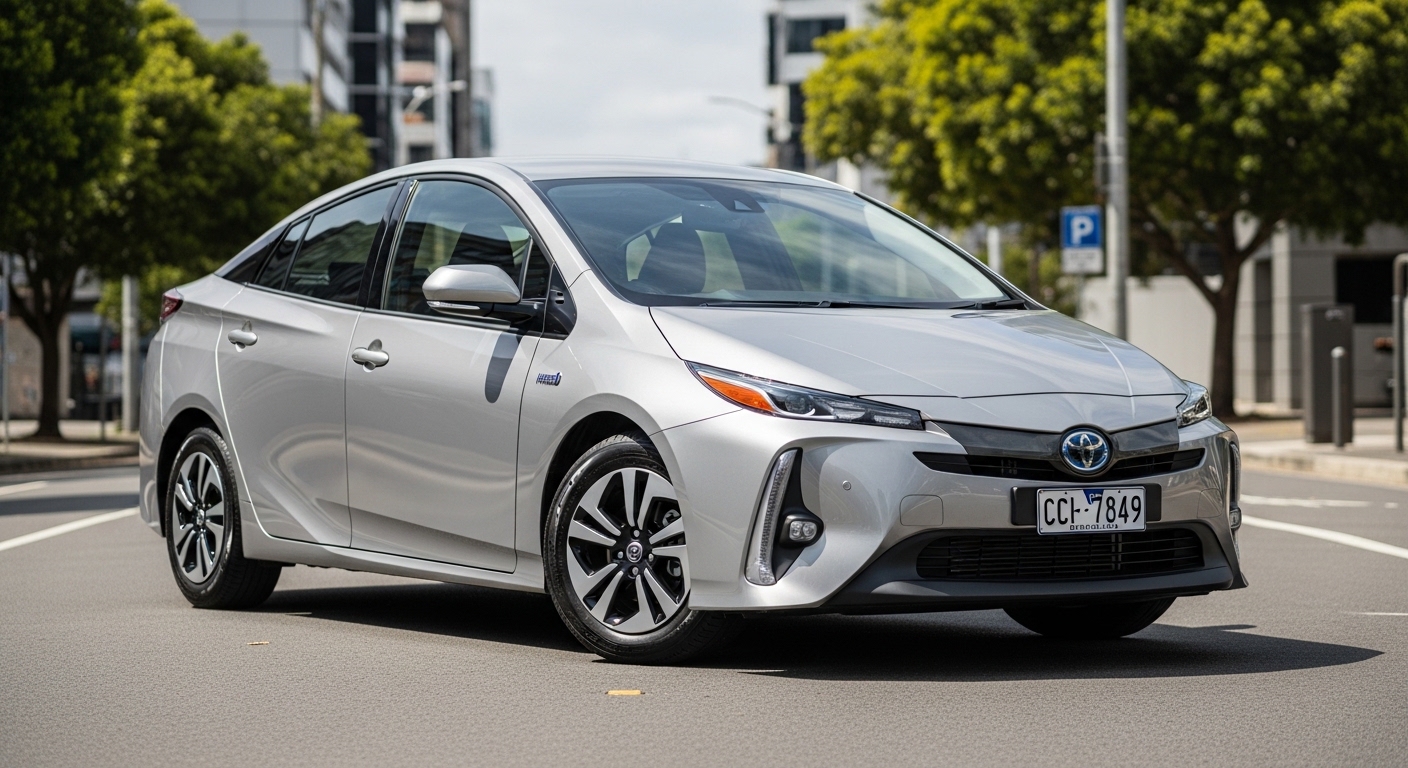 2024 Toyota Prius
One thing to know before you shop: Toyota has wound the Prius back in the local new-car range, so the cleanest examples now come through the used and imported market. Availability is thinner than a Corolla's as a result.
If you plan to put 50,000 kilometres a year on a car, the Prius's running costs are easy to justify. Both the 2024 and 2025 builds sit comfortably inside the UberX age window, and that strong efficiency makes it the standout for drivers who treat fuel as their biggest controllable cost.
Toyota Corolla Hybrid (2023–2024)
The Toyota Corolla Hybrid is hard to argue against for a first-time UberX driver. As one of the best-selling cars in the world, it delivers lower-cost parts, mechanics who know the platform, and predictable depreciation. The 1.8L hybrid returns a tidy 4.0 L/100km combined on the ADR cycle (CarExpert, 2024).
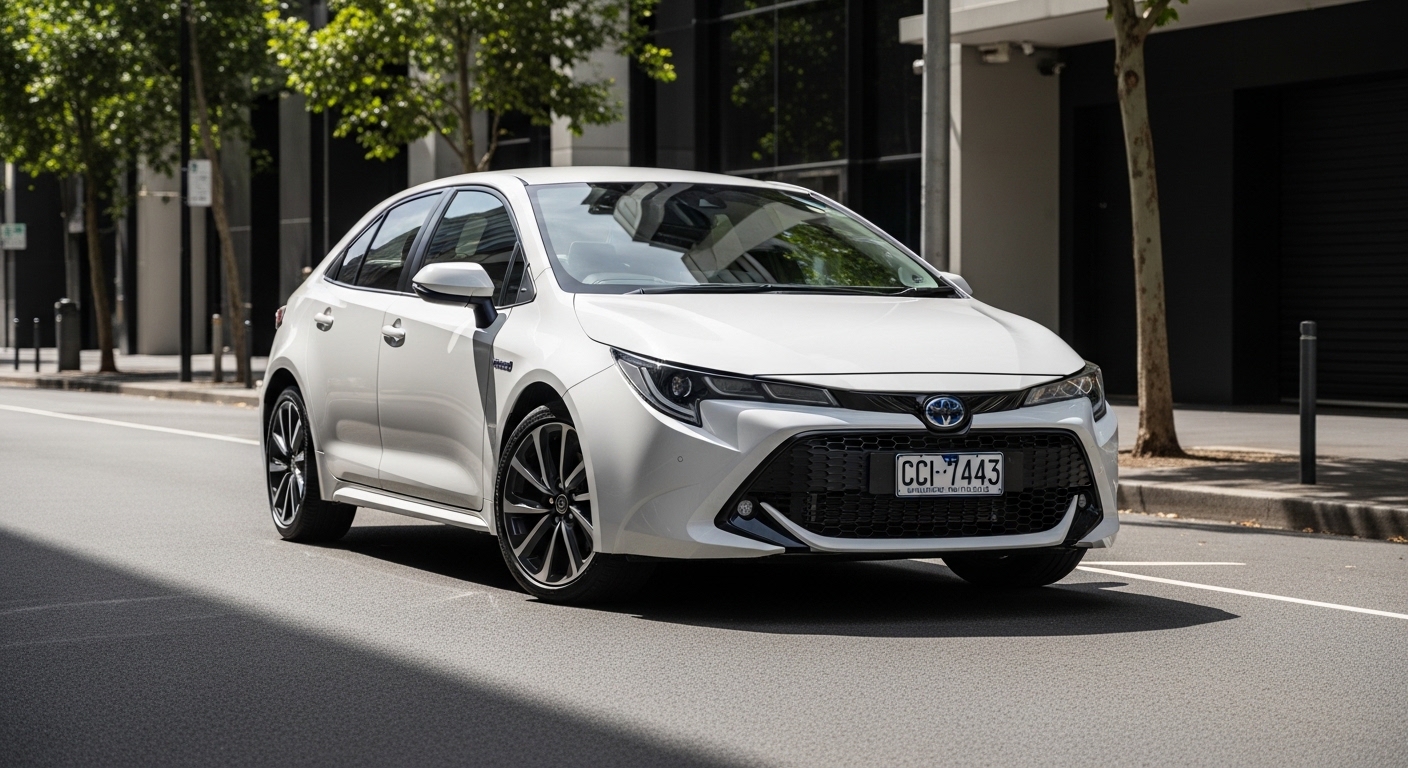 2023 Toyota Corolla Hybrid
Running costs are where it really earns its keep. Toyota caps each of the first five services at $205 (Toyota Australia), so your scheduled maintenance is known well in advance. The hatch also carried a 5-star ANCAP rating from its 2018 test, though that rating lapsed in December 2024, so check the current status for the exact build you're buying.
If predictable service costs and reliability matter more than cabin features, the Corolla Hybrid is the most straightforward choice in this tier. Put simply, it's the lowest-risk way to start.
Toyota Yaris Hybrid (2020–2024)
The Toyota Yaris Hybrid has the smallest footprint here, which makes it the most manoeuvrable car on the list in tight traffic. Its 1.5L three-cylinder hybrid is genuinely frugal, rated at 3.3 L/100km combined on WLTP and returning roughly 3.6 to 3.9 L/100km in real-world Australian driving (CarsGuide).
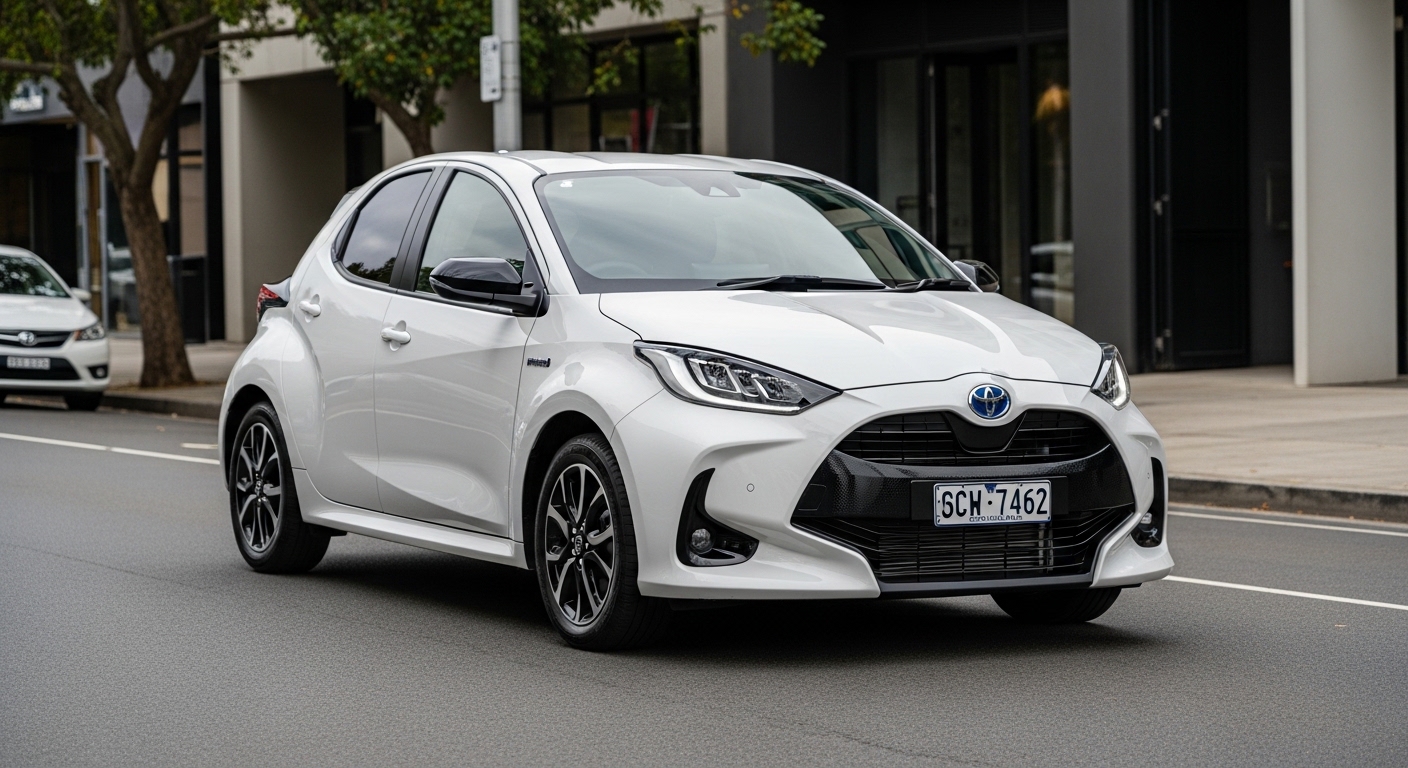 2024 Toyota Yaris Hybrid
It also holds a 5-star ANCAP rating from its 2020 test (ANCAP), which keeps it clean against Uber's safety requirement. The honest trade-off is rear space: it's tight for four adults, so it suits drivers carrying mostly solo riders or couples.
If you work inner-city streets where parking is scarce and trips are short, the Yaris is worth serious thought. That said, it isn't the right car if you regularly carry families or do long airport runs with luggage.
Toyota C-HR (2019+)
The Toyota C-HR gives you a higher seating position and SUV proportions without the fuel penalty of a larger car. The 1.8L hybrid is the variant to chase, rated at 4.3 L/100km combined and 3.8 L/100km in the urban cycle (CarsGuide). By contrast, the 1.2L turbo petrol costs more to run and doesn't offer the same long-term advantage.
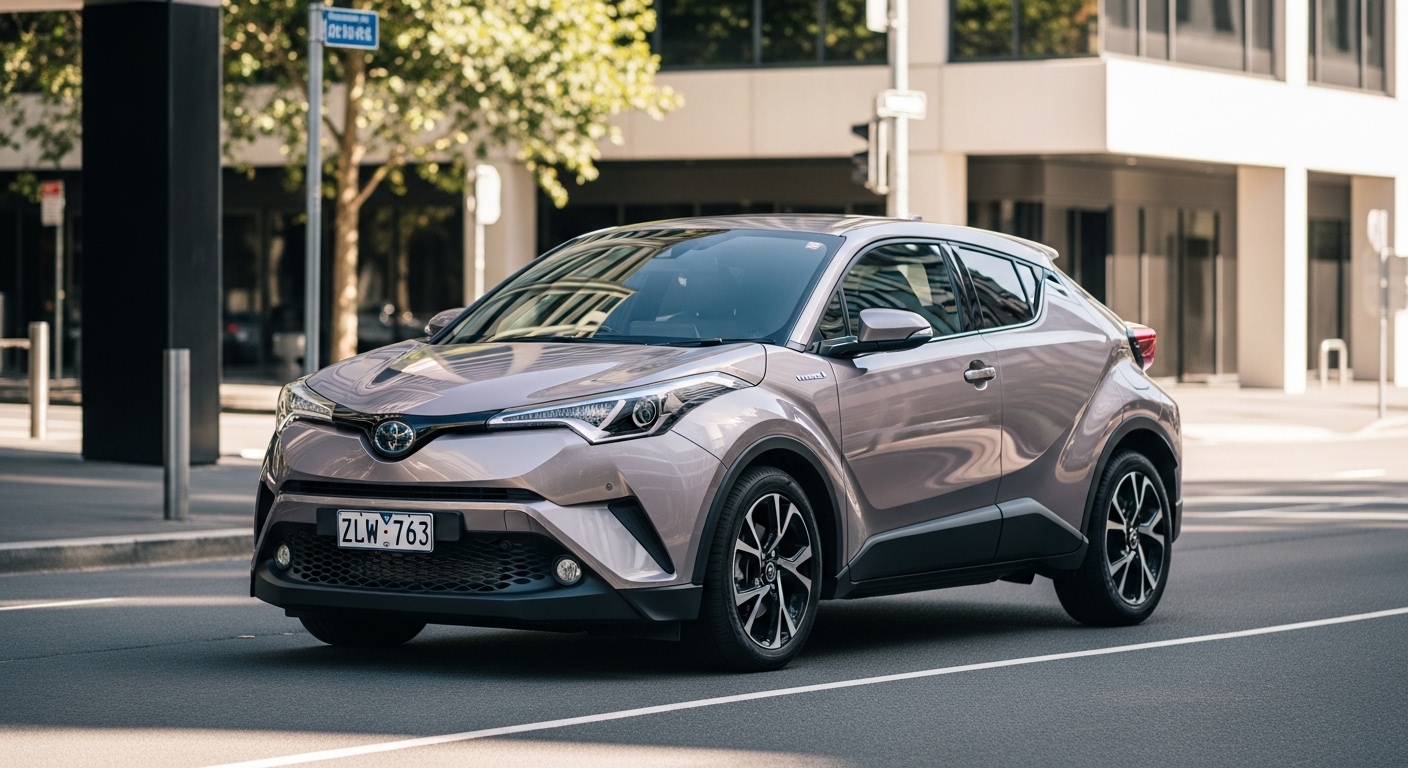 2019 Toyota C-HR
The styling and ride height help it attract passengers who rate higher on presentation, which can matter if you're working towards Comfort eligibility later. Keep in mind that the 2019 model is the oldest C-HR that still clears the UberX 15-year window in 2026, so check the build plate carefully at that end of the range.
Overall, it suits drivers who want a more premium feel than a standard hatch without stepping up to a bigger, thirstier car.
UberXL: Seven-Seaters That Earn More Per Trip
UberXL needs seating for at least six passengers plus the driver, a seatbelt for every position, four doors, and the same 15-year limit as UberX (Uber Help AU, 2026). Factory seating is essential here. Aftermarket seats bolted into a converted van are a fast route to rejection, because Uber treats them as a structural and safety risk.
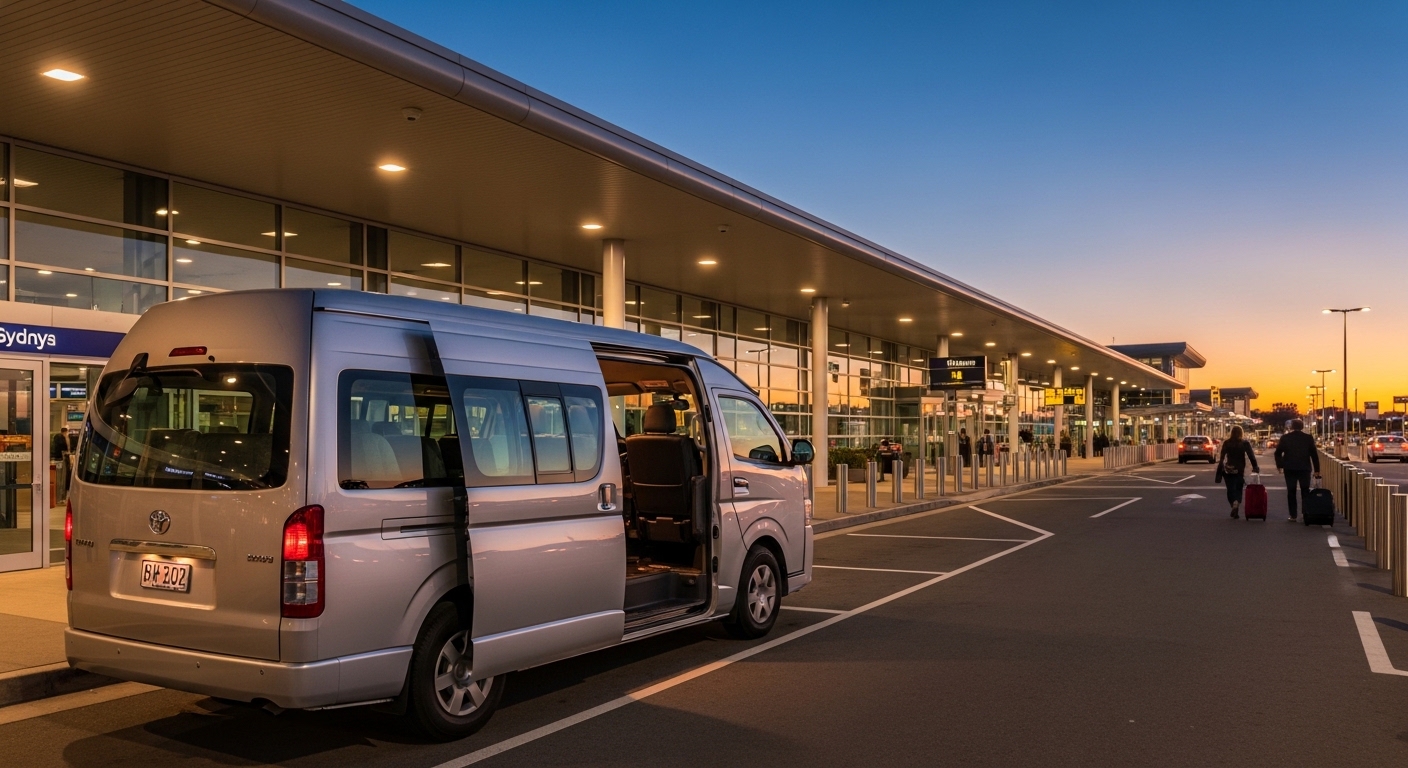 Seven-seaters earn more per trip on airport and group runs.
One note that applies across this group: the Alphard, Vellfire, Sienta, Noah and Crown are Japanese-market models that generally carry JNCAP ratings rather than an Australian ANCAP score. As a result, they rely on Uber's exemption policy for non-ANCAP vehicles, so confirm the exemption directly with Uber before you buy any of them.
Toyota Alphard (2013–2014)
The second-generation Toyota Alphard is the more affordable way into premium XL work. The 2.5L hybrid keeps running costs sensible against the thirstier 3.5L V6, with the hybrid rated around 5.2 L/100km on J-Spec's figures for the related 30-series (J-Spec Imports). Seating typically runs to seven or eight.
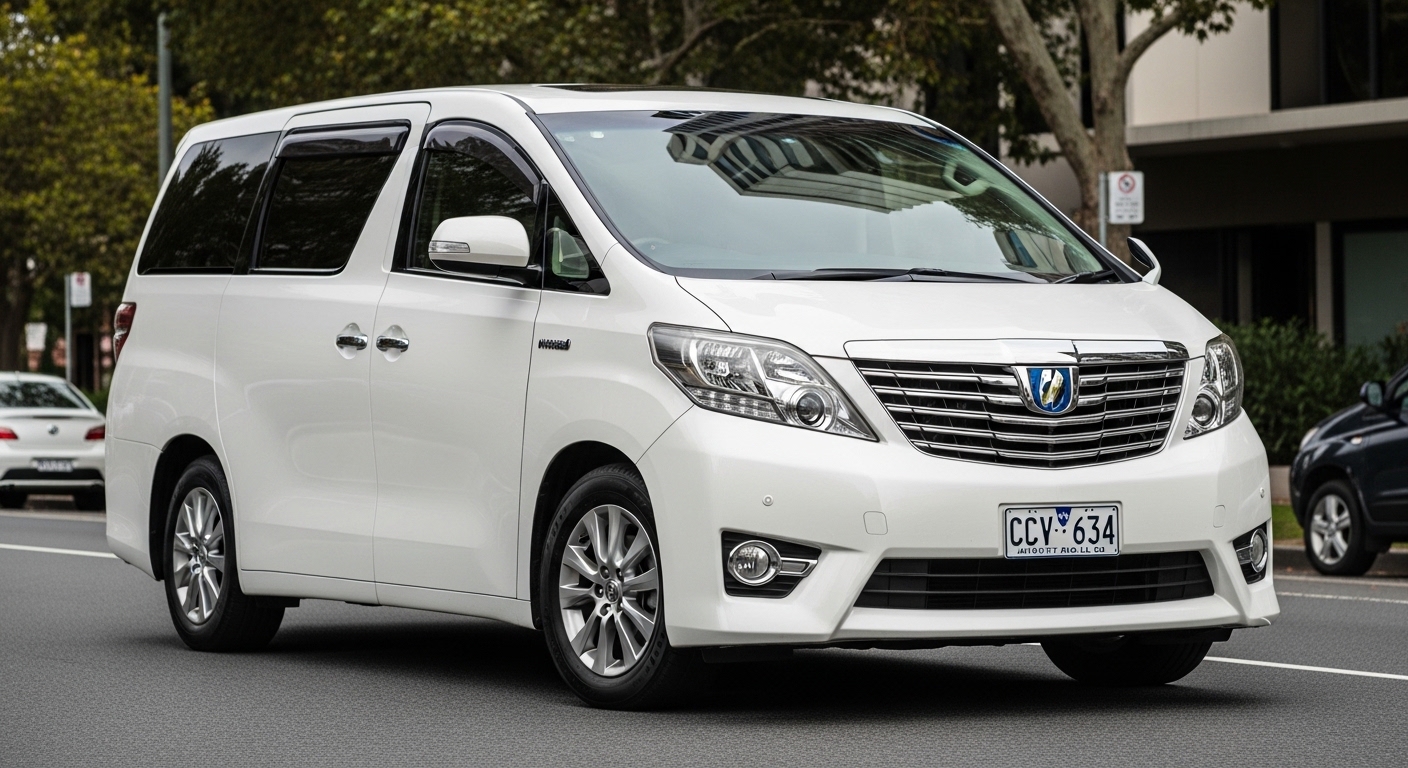 2013 Toyota Alphard
A 2013 Alphard is 13 years old in 2026, comfortably inside the 15-year window. At this age, condition matters more than the exact year, so inspect the sliding-door mechanisms, the rear air conditioning, and the seat upholstery before you commit.
It's also worth knowing that the newer third-generation Alphard (2021 onward, with the Executive Lounge trim as the benchmark) qualifies for the premium Comfort tier. If your budget stretches that far and Comfort is the goal, that's the generation to target. For pure XL earnings on a tighter budget, though, the earlier car does the job.
Toyota Vellfire (2013–2014)
The Toyota Vellfire shares its platform, powertrains and seating with the Alphard, but wears sharper, more aggressive styling. You get the same 2.5L hybrid or 3.5L V6 options and the same seven-to-eight-seat layouts, which means the same XL eligibility under the 15-year rule.
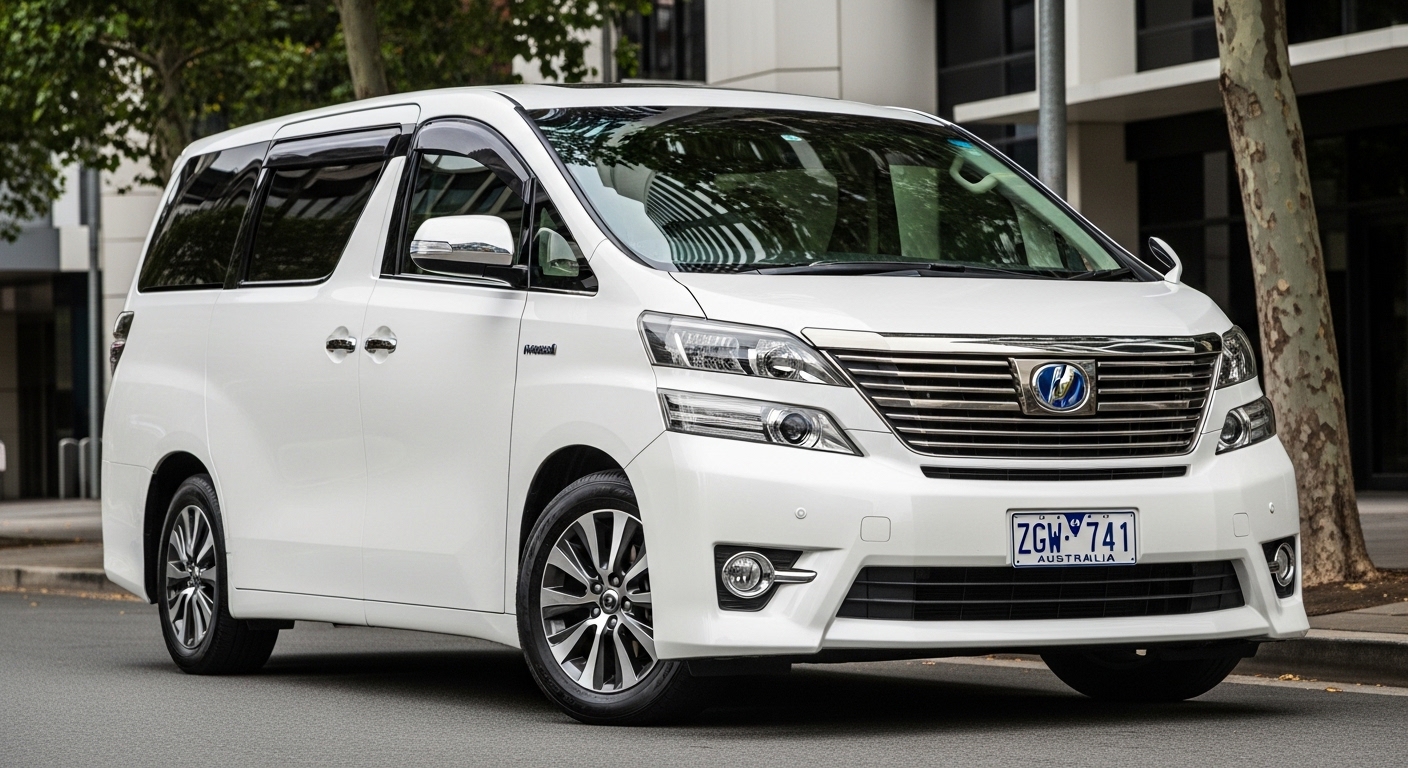 2013 Toyota Vellfire
In practice, a Vellfire often lands at a slightly lower price than an equivalent Alphard while delivering the same passenger experience. That makes it a sensible alternative if Alphard examples in your budget are thin on the ground.
Apply the same inspection checklist as the Alphard: doors, rear climate, and upholstery wear. On a people mover with high commercial mileage, those are the parts that cost real money to put right.
Toyota Sienta (2020–2023)
The Toyota Sienta is the unusual one: compact outside, with genuine three-row seating inside. Its 1.5L hybrid suits Sydney traffic, and the low floor height makes getting in and out far easier than a tall van — something older passengers and anyone with luggage will notice.
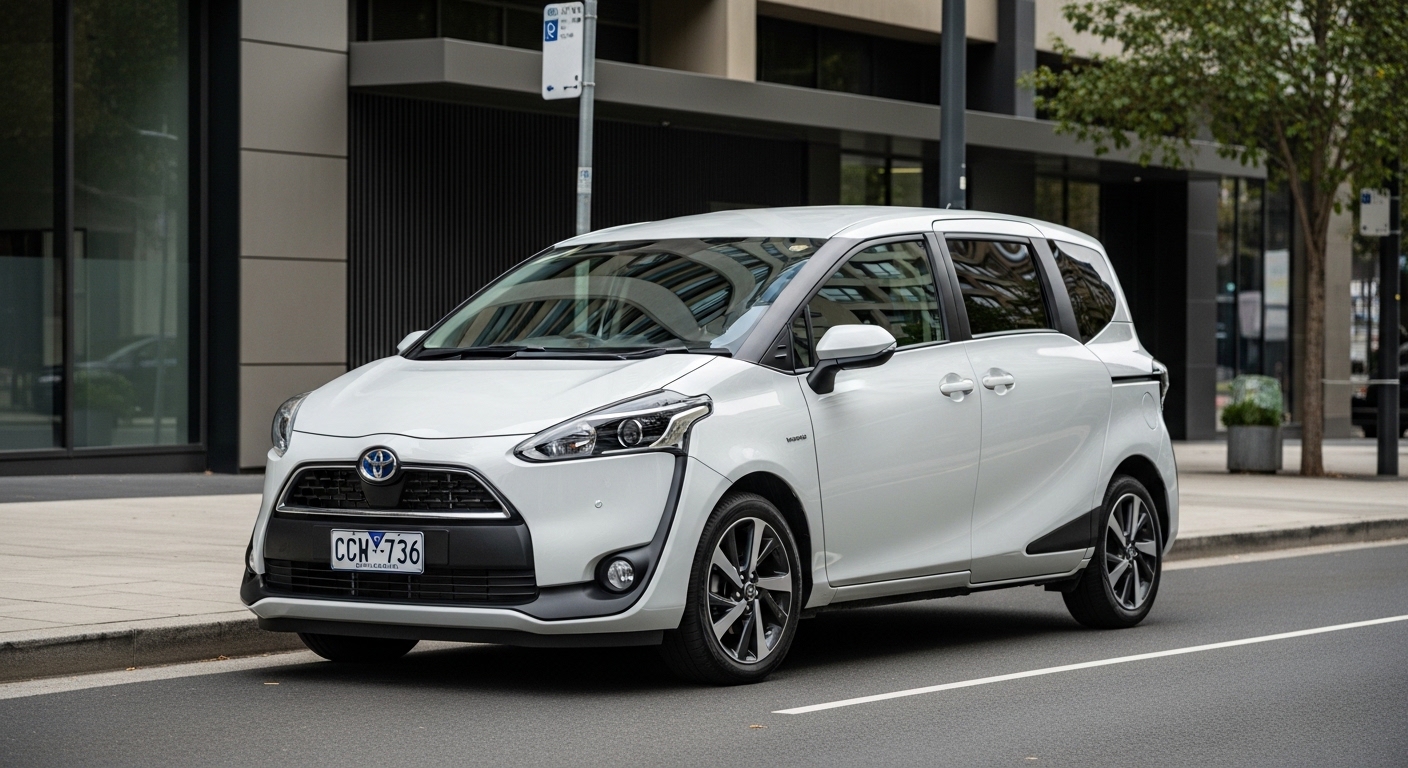 2023 Toyota Sienta
From the kerb it looks like a slightly stretched hatch, so it parks in spots a HiAce or Alphard couldn't attempt. Yet the moment a group of up to six requests a ride, you qualify for the higher XL payout. Look for the G or V trim in the seven-seat configuration.
If you want XL flexibility while staying easy to manage on inner-city streets, the Sienta is the most practical option in this tier. In short, it's the all-rounder for drivers who switch between solo runs and group fares.
Toyota HiAce (2020+)
The Toyota HiAce is the commercial choice, seating up to 12 depending on configuration. The 2.8L turbo diesel in newer models is built for high-kilometre commercial work. It's louder than an Alphard, but it's engineered to keep going well past the point where lighter cars start asking for money.
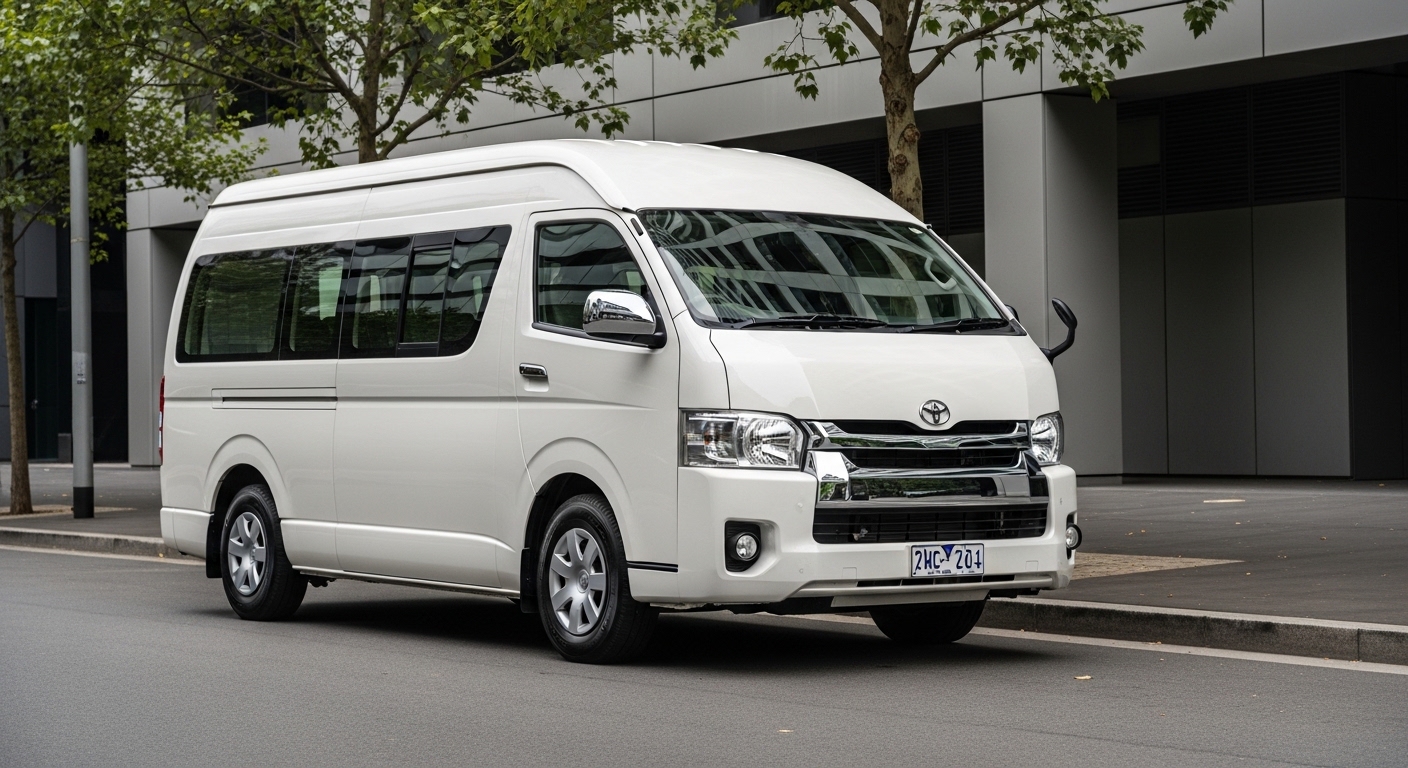 2020 Toyota HiAce
A compliance point most lists skip: ANCAP's 5-star HiAce rating covers only the van and crew-van variants (2019 test), while the Commuter and Minibus people-mover versions are unrated (ANCAP). So if you're buying a Commuter to carry passengers, you'll likely be relying on Uber's exemption policy rather than an ANCAP score — confirm that path with Uber before committing.
If your income will come mainly from airport transfers and group bookings, the HiAce makes commercial sense. For everyday XL work around the city, however, the Alphard or Sienta are easier to live with day to day.
Uber Comfort: The Premium Tier
Uber Comfort is the most restrictive tier. The vehicle must be 2019 or newer under the 7-year rolling window (Uber Help AU, 2026), it must sit on Uber's approved Comfort model list, and you need a strong driver rating with a solid trip count behind you. Most drivers build those numbers in UberX first.
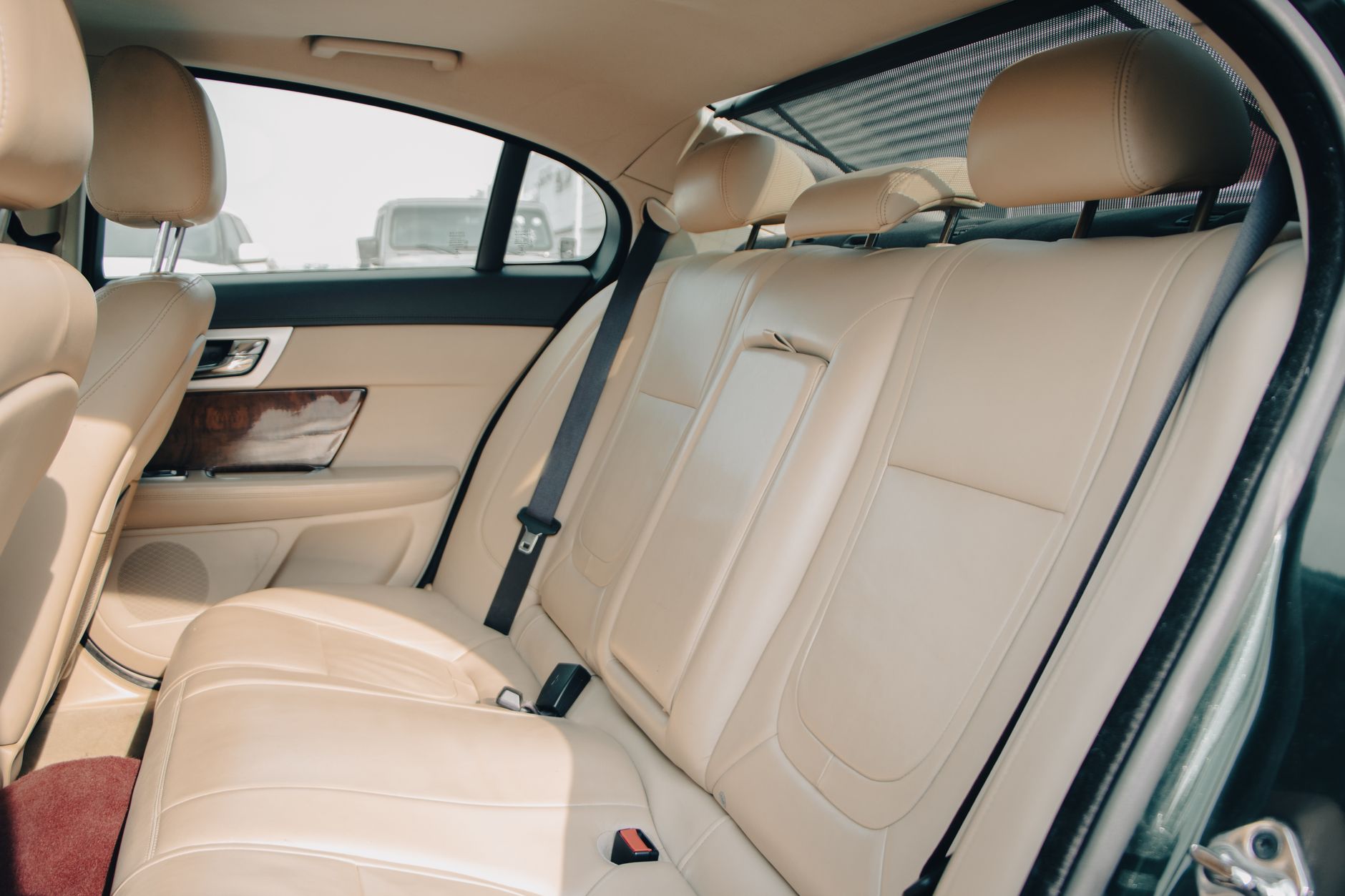 Uber Comfort passengers pay more and expect a quieter, roomier rear cabin.
One word of caution on the threshold. Different sources quote different minimums: some list 4.85 and 500 trips, while Uber's own help pages have shown lower figures. Because Comfort tightened to a 7-year window from January 2026, verify both the rating and trip requirements directly with Uber before you buy on the strength of this tier.
Toyota Noah (2020–2025)
The Toyota Noah is more manoeuvrable than an Alphard, which counts when you're running 10-hour shifts through inner Sydney. It uses the same 1.8L hybrid family found in the Prius, so it's economical for its size, and sliding doors with a low floor make boarding easier than most sedans.
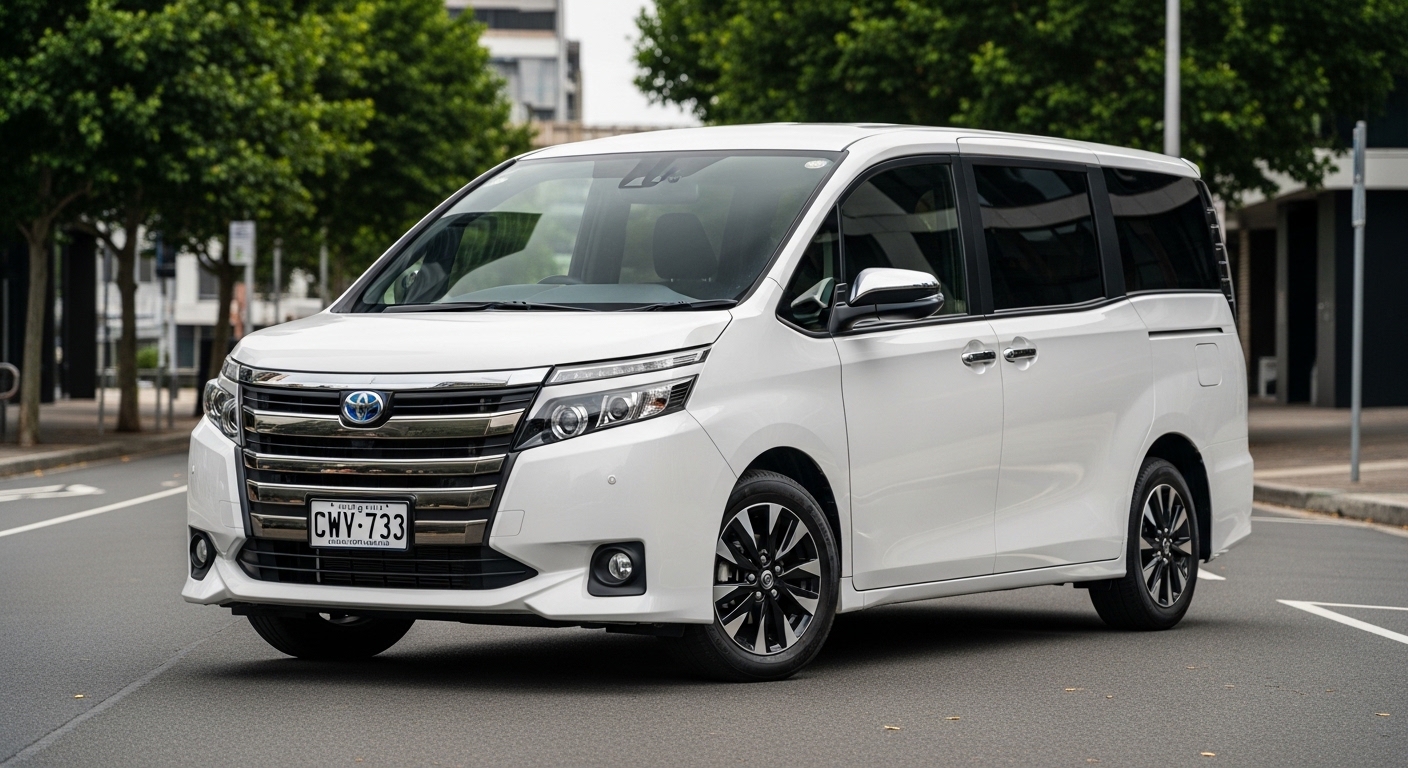 2023 Toyota Noah
A 2023 Noah sits well inside the 7-year Comfort window, and the cabin is roomy enough to keep passengers comfortable on longer trips. Look for the higher Si or G trims for the better interior fit-out.
It's the pick if you want Comfort-level space without the size and price premium of an Alphard. Just confirm the specific year and model are on Uber's current Comfort list, because that list is updated periodically and can vary by market.
Toyota Crown (2018–2022)
The Toyota Crown is the sedan answer for Comfort drivers chasing corporate and airport work. The 2.5L hybrid (AZSH20) is quieter and more economical than the 3.5L V6, and the cabin feels genuinely executive without shouting about it. The AZSH20 generation covers the 2019 to 2022 model years, all of which fall inside the Comfort window in 2026.
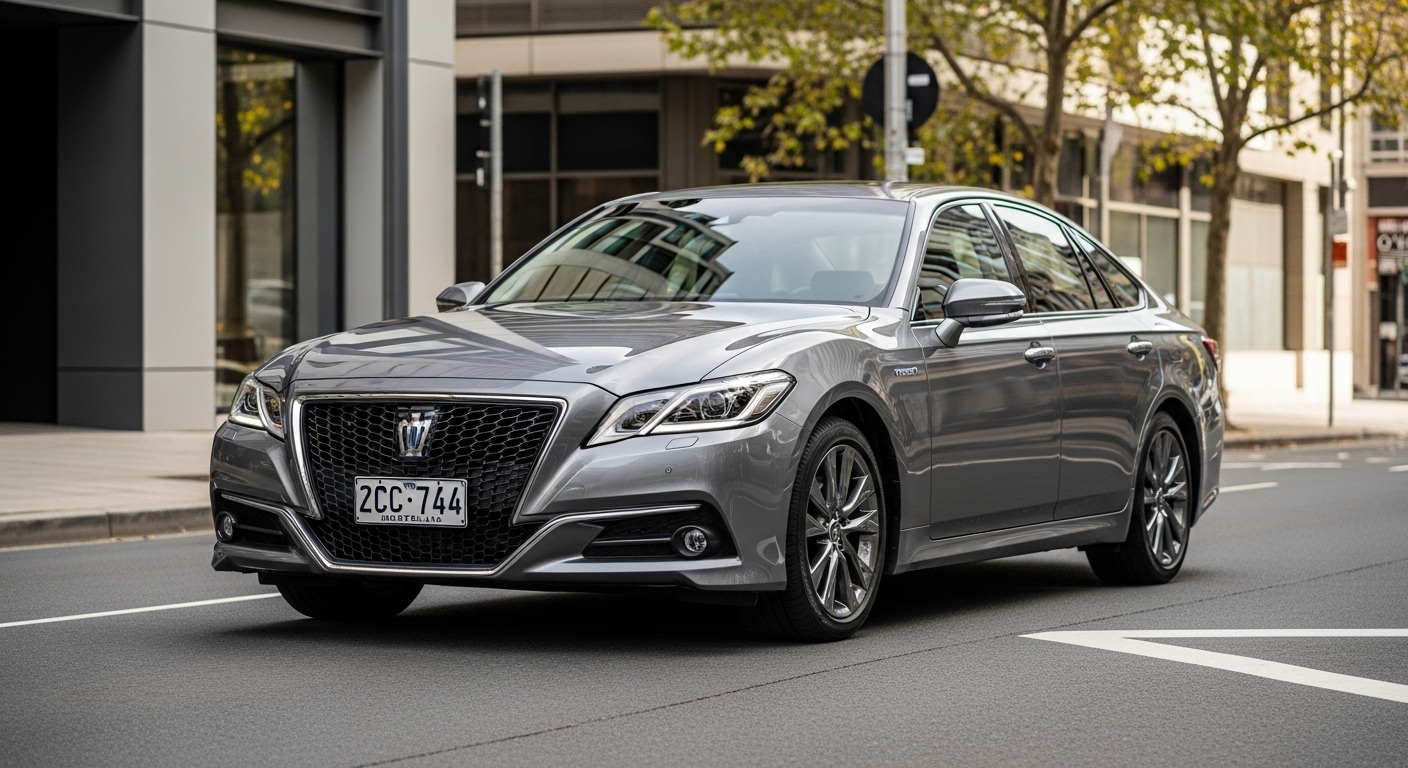 2018 Toyota Crown
Plush seating, strong sound deadening and a settled ride make it feel like a far pricier European sedan, with Toyota's running costs underneath. Corporate riders and professionals heading to the airport tend to respond well to it. Aim for the RS Advance or Royal Saloon trims for the best presentation.
If your target passengers are business travellers and you'd rather drive a sedan than a van, the Crown is the strongest option in this tier. Even so, confirm the exact build is on Uber's approved Comfort list before you buy (Uber Help AU, 2026).
Which Uber Toyota Makes Sense for You?
The fuel gap between Toyota's best and worst options is bigger than most new drivers expect. The hybrids dominate this guide for one simple reason — the yearly difference is large enough to reshape your take-home pay.
Carbarn calculation: A Yaris Hybrid at 3.3 L/100km over 50,000 km a year burns about 1,650 litres, roughly $3,200 at $1.95 a litre. A thirsty 9 L/100km car over the same distance costs closer to $8,800 — a near-$5,600 yearly difference. Derived from the CarsGuide economy figure.
Here's the quick read on fit:
- Lowest running costs starting out: Corolla Hybrid or Yaris Hybrid. Inexpensive to service, frugal, and no surprises.
- UberX earnings with stronger passenger appeal: Prius or C-HR. The Prius wins on fuel; the C-HR has the SUV look that lifts ratings.
- XL fares while staying city-friendly: Sienta. The only one here that earns XL money and still parks like a hatch.
- XL airport and group volume: HiAce. Nothing else on the list moves as many people as reliably.
- Comfort from the start: third-generation Alphard (2021+) or the Crown sedan. Confirm your exact year is on Uber's approved list, and plan to build your trip count in UberX first.
For the safety-minded, here are the verified ANCAP results for the models that carry an Australian rating. The Japanese-market people movers above rely on Uber's exemption policy instead.
| Model | Adult | Child | Vulnerable road user | Safety assist | Tested |
|---|---|---|---|---|---|
| Corolla hatch | 96% | 83% | 86% | 76% | 2018 (lapsed Dec 2024) |
| HiAce (van / crew van) | 94% | 88% | 84% | 77% | 2019 |
| Yaris | 86% | 87% | 78% | 87% | 2020 |
Source: ANCAP, direct ratings. The HiAce Commuter/Minibus and the Alphard, Vellfire, Sienta, Noah and Crown are not ANCAP-rated.
Where Can You Find Uber-Ready Toyotas in Sydney?
Once you understand the three layers, the job becomes finding a clean car that clears all of them, with the compliance side already sorted. That's where Carbarn fits in. Carbarn is a Sydney used-car business based in Lidcombe, specialising in Japanese-market Toyotas for Australian buyers. You can browse compliance-ready hybrids that are locally available with live pricing, including Yaris, Corolla, Crown and other models from this guide, and inspect them before you commit. For an Alphard, Vellfire, Noah or a specific year and trim you can't find in stock, Carbarn's import service sources vehicles directly from Japan and handles compliance, shipping and delivery end to end, alongside finance and warranty options. The team can also match model codes and compliance dates to Uber's eligibility list, which saves a costly mistake at the application stage.