



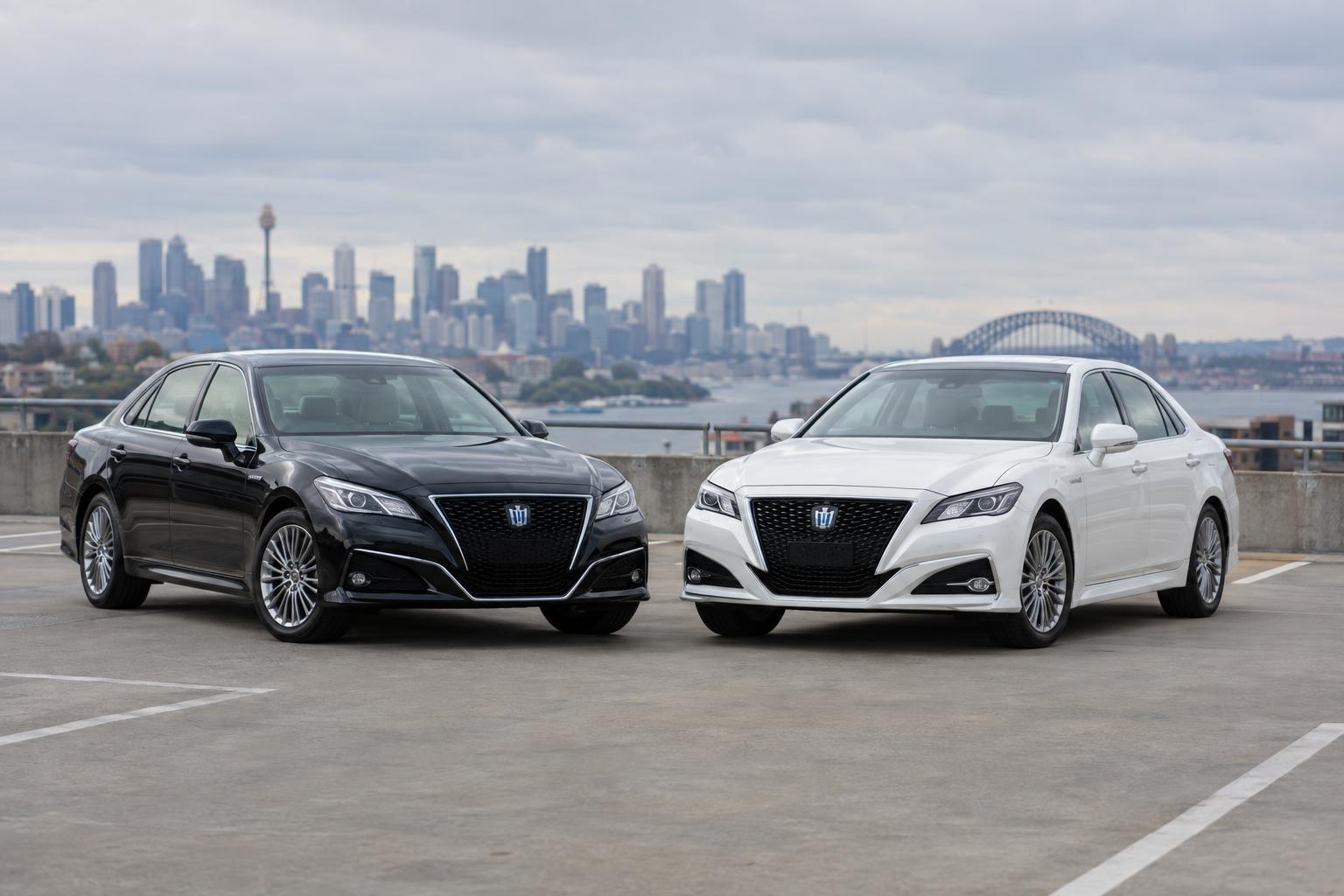
Ready to Hit the Road in Style?
Save money and reduce emissions with vehicles designed to deliver exceptional mileage. Visit our inventory and find a car that fits your lifestyle.
Ready to Hit the Road in Style?
Save money and reduce emissions with vehicles designed to deliver exceptional mileage. Visit our inventory and find a car that fits your lifestyle.
You've settled on a 220-series Crown Hybrid. Then you start reading auction listings and two codes keep appearing: GWS224 and AZSH20. Same badge, same body, same production run. Different cars underneath.
That code is not trivia. It decides which engine turns up on the boat, whether all-wheel drive is even on the table, which SEVS approval your car is checked against at compliance, and where you sit against the Luxury Car Tax threshold. Choose it before bidding starts, because it cannot be changed afterwards.
This guide walks the import decision in order: what the codes mean, what SEVS approval does and doesn't cover, how duty, GST and LCT are worked out, what changes at the sourcing stage, and how long the whole thing takes.
Quick Answer
- The GWS224 runs a 3.5L V6 (8GR-FXS) rated at 220 kW engine net output. The AZSH20 runs a 2.5L four (A25A-FXS) at 135 kW. Same generation, very different powertrains (Toyota JP spec sheet, June 2018).
- WLTC combined economy: 16.0 km/L for the GWS224, 20.0 km/L for the AZSH20 (Toyota JP spec sheet, June 2018).
- Both hold SEVS approval on the Environmental Criterion. A SEVS listing is not the same thing as a RAV entry.
- The GWS224 is rear-wheel drive only. The 2.5L comes as AZSH20 (RWD) or AZSH21 (full-time 4WD), and the code has to match the approval at compliance.
- Budget six to ten weeks for a clean run, across three phases: sourcing in Japan, shipping, then Australian compliance.
What Do GWS224 and AZSH20 Actually Mean?
Both codes describe the same 220-series Toyota Crown, built from June 2018 to July 2022, on an identical 2,920 mm wheelbase and 4,910 mm body (Toyota JP spec sheet, June 2018). The code identifies the drivetrain family, not the trim. That is why two Crowns that look identical in auction photos can be entirely different imports.
Read it in three parts. The leading letters tell you the engine family: GW for the V6 petrol hybrid, AZS for the 2.5L petrol hybrid. The H marks it as a hybrid. The trailing digits identify the series and the drivetrain variant, which is how AZSH20 and AZSH21 split rear-wheel drive from all-wheel drive.
This matters at compliance, not just in conversation. SEVS approvals name specific build years, variants and model codes, and the published approval is the binding reference. A car whose code does not match the approval it was nominated against creates delay at the worst possible moment, after it has already landed.
The GWS224: 3.5L V6 Hybrid
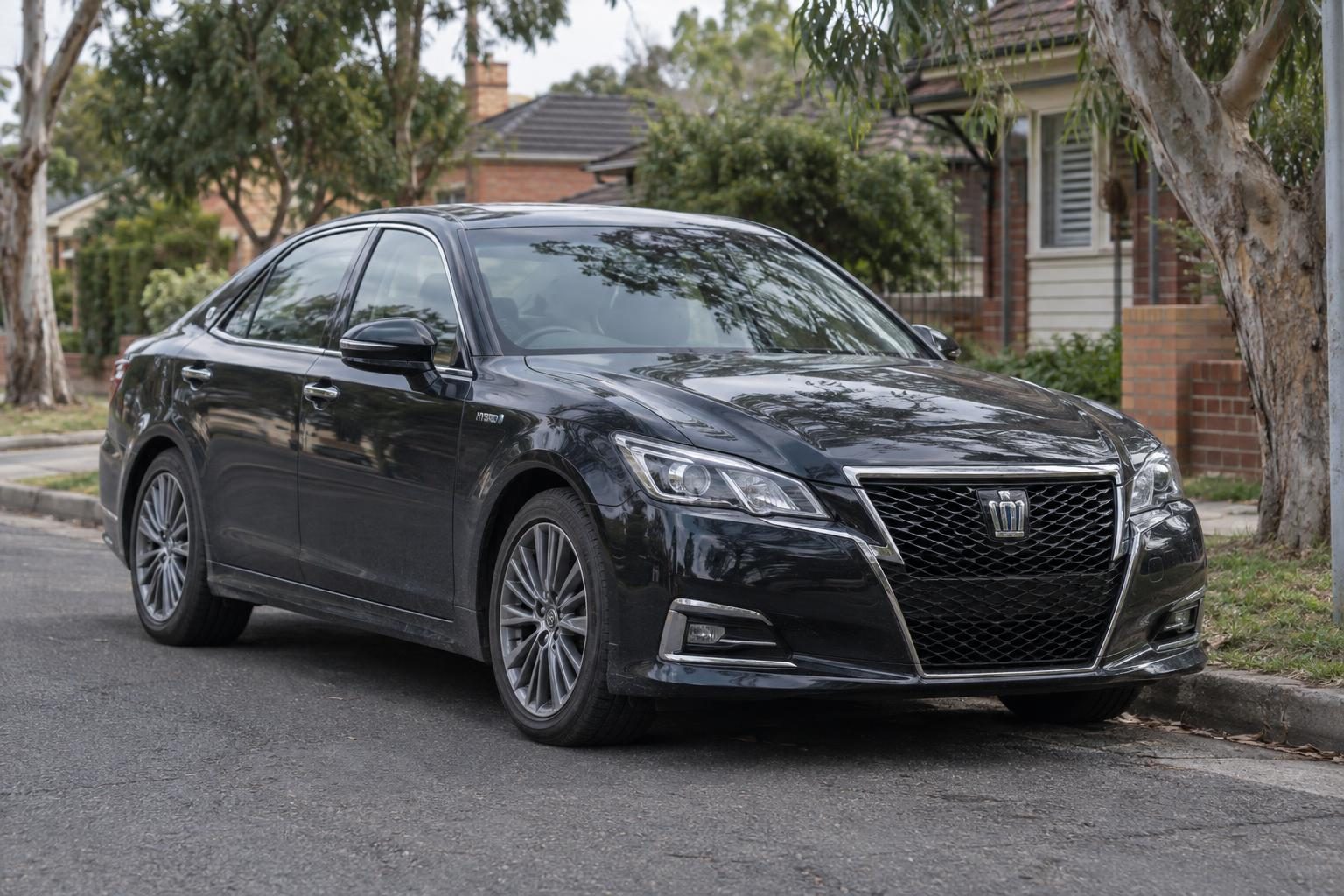 2018 Toyota Crown Hybrid
The GWS224 is the flagship of the 220 series. Its 8GR-FXS 3.5-litre V6 produces 220 kW (299 PS) at 6,600 rpm and 356 N·m at 5,100 rpm, paired with a 2NM electric motor rated at 132 kW and 300 N·m (Toyota JP spec sheet, June 2018). Drive goes to the rear wheels through Toyota's multi-stage hybrid transmission, which adds a four-speed gearset behind the planetary hybrid unit. It gives the car a stepped, geared feel under hard acceleration rather than the flare most hybrids produce.
Kerb weight runs from 1,860 kg in the S grade to 1,900 kg in the G-Executive. Energy storage is a lithium-ion pack rated at 3.6 Ah, and the engine wants premium unleaded. WLTC economy comes in at 16.0 km/L combined, 12.7 km/L urban and 17.7 km/L on the highway, from a 66-litre tank. That highway figure is the interesting one: the V6 is not far off the four-cylinder once it settles into a cruise, and the gap only opens up in traffic.
There is no all-wheel-drive GWS224. If you want the V6, you are buying rear-wheel drive.
The AZSH20 and AZSH21: 2.5L Four-Cylinder Hybrid
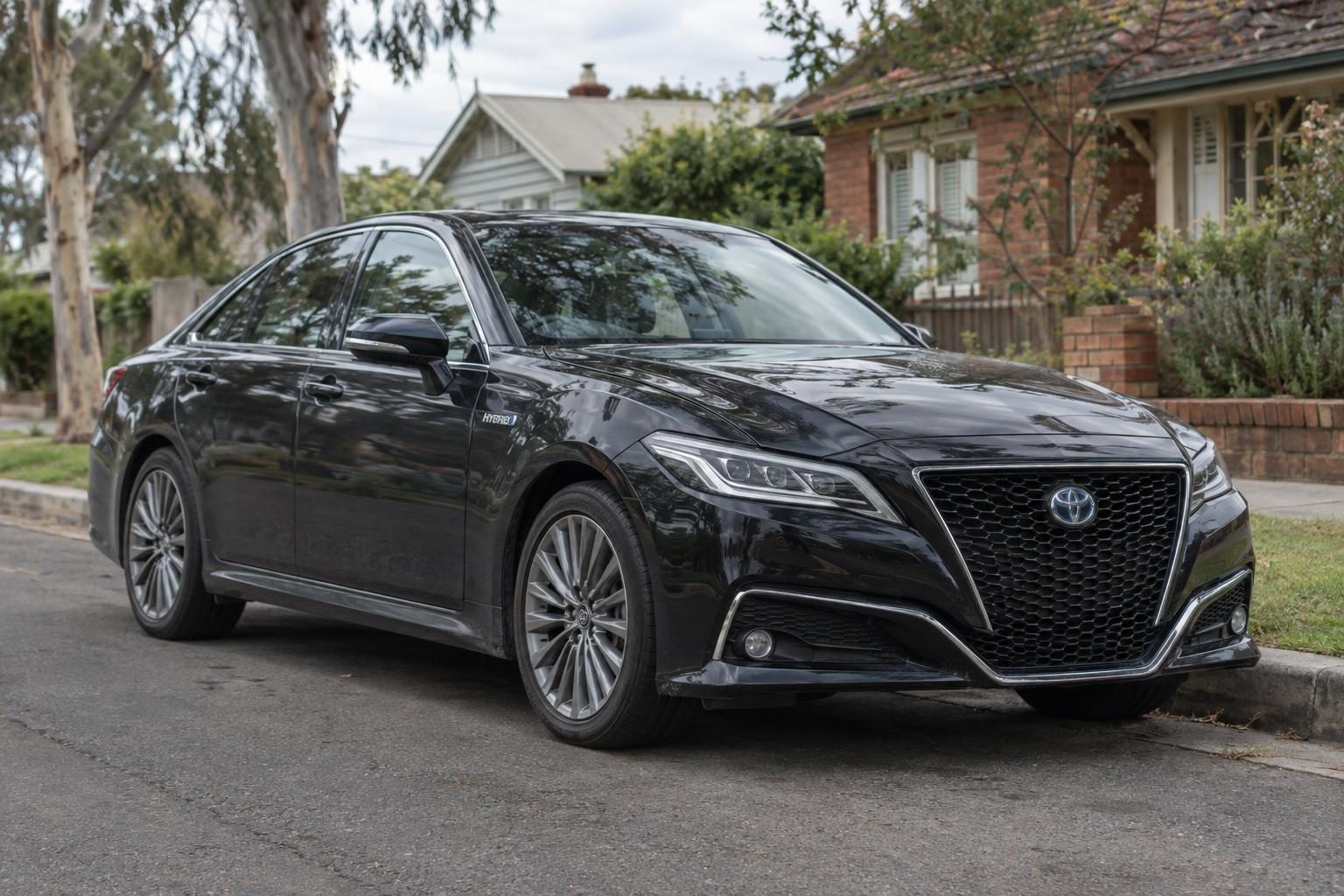 2019 Toyota Crown Hybrid
The AZSH20 uses the A25A-FXS 2.5-litre four, rated at 135 kW (184 PS) at 6,000 rpm and 221 N·m from 3,800 to 5,400 rpm, with a 1KM motor contributing 105 kW and 300 N·m through an eCVT (Toyota JP spec sheet, June 2018). It runs a nickel-metal hydride battery rated at 6.5 Ah and takes regular unleaded, which quietly changes the running-cost maths against the V6.
Kerb weight ranges from 1,730 kg in the G grade to 1,770 kg in the RS Advance, so it is roughly 100 to 170 kg lighter than the V6 depending on how the two are matched. WLTC economy is 20.0 km/L combined, 17.2 km/L urban and 20.9 km/L on the highway. The urban number is where this car earns its keep, and it is the single biggest practical difference between the two.
The AZSH21 is the same engine, same motor and same hybrid system with a rear motor added for full-time 4WD. Kerb weight rises to between 1,820 and 1,890 kg, and WLTC combined economy drops to 18.2 km/L. Different code, same family.
| Attribute | GWS224 | AZSH20 | AZSH21 |
|---|---|---|---|
| Engine | 8GR-FXS 3.5L V6 | A25A-FXS 2.5L I4 | A25A-FXS 2.5L I4 |
| Engine net output | 220 kW @ 6,600 rpm | 135 kW @ 6,000 rpm | 135 kW @ 6,000 rpm |
| Engine torque | 356 N·m @ 5,100 rpm | 221 N·m @ 3,800–5,400 rpm | 221 N·m @ 3,800–5,400 rpm |
| Electric motor | 2NM, 132 kW / 300 N·m | 1KM, 105 kW / 300 N·m | 1KM, 105 kW / 300 N·m |
| Battery | Li-ion, 3.6 Ah | NiMH, 6.5 Ah | NiMH, 6.5 Ah |
| Transmission | Multi-stage hybrid | eCVT | eCVT |
| Drivetrain | RWD only | RWD | Full-time 4WD |
| Kerb weight | 1,860–1,900 kg | 1,730–1,770 kg | 1,820–1,890 kg |
| Fuel grade | Premium | Regular | Regular |
| WLTC combined | 16.0 km/L | 20.0 km/L | 18.2 km/L |
| Build years | 2018–2022 | 2018–2022 | 2018–2022 |
All figures from the Toyota JP official Crown specification sheet, June 2018. WLTC only; do not compare these against older JC08 numbers.
If you're weighing up other Crowns while you're here, the Crown GRS204 buyer's guide covers the 3.5L V6 petrol, and the Crown Majesta GWS214 guide covers the previous-generation hybrid flagship.
What Does SEVS Approval Actually Cover?
Both variants are approved for import under the SEVS Environmental Criterion, which covers vehicles with a measurable emissions or fuel-economy advantage over equivalent vehicles supplied in volume to the Australian market. Approval is build-specific, and the published entry on the Rover register is the binding reference, not a brochure or an auction description.
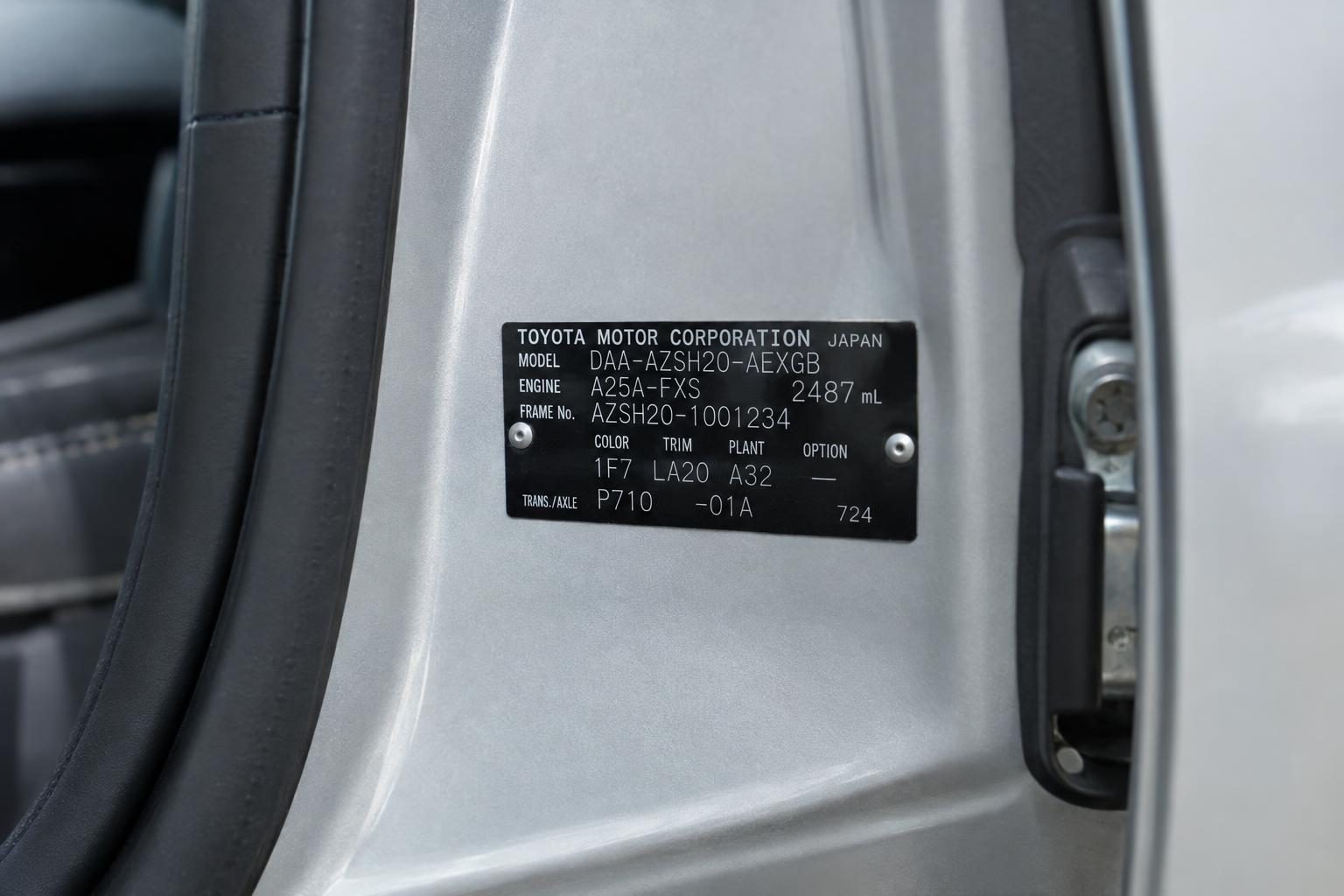 SEVS approval gets the model listed. The individual car still needs an AVV inspection and a RAV entry.
The Approval References
The GWS224 import page records three SEVS approvals: SEV-000942, SEV-000357 and SEV-000358, supported by five Model Report Entries from accredited Australian Vehicle Verifiers. Approvals cover builds from June 2018 to July 2022.
The AZSH20 import page lists SEV-000943, SEV-000358 and SEV-000941, supported by three MREs. The AZSH21 shares the same three references, because it shares the same 2.5L hybrid system. The V6 and the four-cylinder do not share a full set, which is exactly why the code you nominate has to be right from the start.
SEVS Is Step One, RAV Entry Is Step Two
This is the misconception worth clearing up. A SEVS approval says the model type is eligible. It says nothing about your particular car.
Every imported vehicle still needs an inspection by an Approved Vehicle Verifier and an entry on the Register of Approved Vehicles before any state authority will register it. Skip that and you own an expensive garage ornament. The 13-step import guide sets out the full sequence if you want to see where this sits.
The ADR 79/05 Window
One piece of regulatory context worth knowing. ADR 79/05 took effect in December 2025 and requires Euro 6d compliance, real driving emissions testing and 160,000 km durability data. Existing SEVS approvals stay valid until they expire, but they cannot be renewed once they lapse, and each approval runs a maximum of three years (Drive: ADR 79/05 impact on hybrid imports, April 2026).
Applied to the Crown Hybrid, that means the import window on these approvals is finite rather than open-ended. It is not a reason to rush a bad purchase. It is a reason to check the current status of the approval your car will be nominated against before you commit.
How Are Duty, GST and LCT Calculated?
Three separate charges apply to a vehicle import, and each is a rule rather than a number you can look up in advance. Duty depends on origin paperwork, GST depends on the taxable importation value, and LCT depends on where your car lands against a published threshold. None of them can be answered honestly before the auction result and the exchange rate are known.
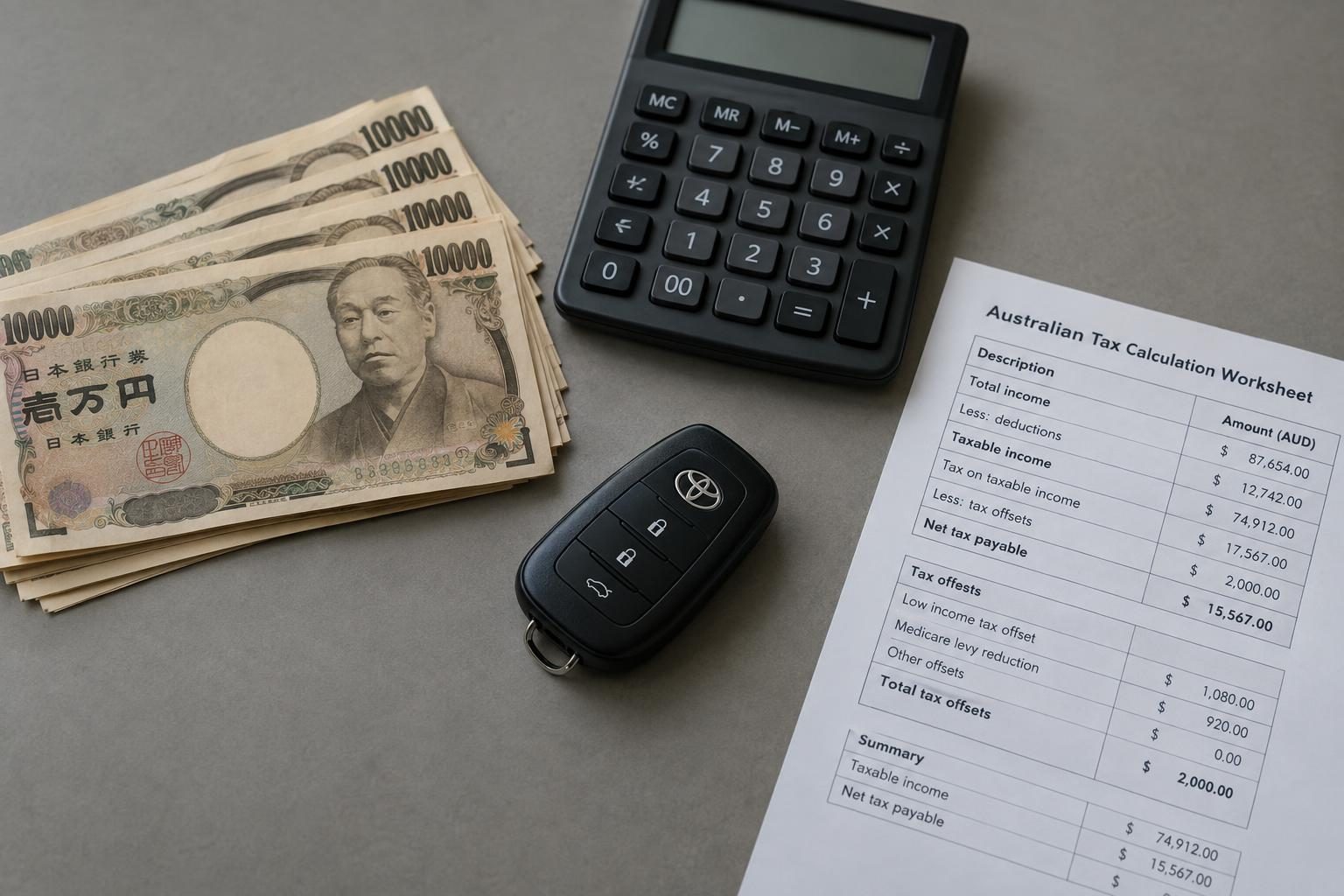 Duty, GST and LCT are rules applied to your car's actual value, not a fixed figure.
Import Duty
Under the Japan-Australia Economic Partnership Agreement, Japanese-built passenger vehicles that meet the Rules of Origin attract 0% import duty. Claiming it requires a valid Certificate of Origin, in JAEPA form, from the Japanese supplier. Without that proof, the standard most-favoured-nation rate of 5% of the CIF value applies (Magellan Logistics: JAEPA import duty guide, 2026). CIF means cost, insurance and freight, so it is the auction result plus the cost of getting the car here.
GST
GST is charged at 10% of the taxable importation value, which is the CIF value plus any duty payable plus transport and insurance costs into Australia (Australian Border Force). It applies to private imports as well as dealer imports.
Luxury Car Tax
LCT is calculated at 33% of the GST-exclusive value above the threshold — using the ATO formula: (LCT value − threshold) × 10 ÷ 11 × 33%. It applies only to the amount above the threshold. For 2026-27 the standard threshold is $80,809, with a fuel-efficient threshold of $91,661 (AADA 2026-27 LCT threshold bulletin, 2026).
Here is the part buyers get wrong. The fuel-efficient threshold now requires combined fuel consumption of 3.5 L/100km or less. The GWS224 sits at 6.25 L/100km and the AZSH20 at 5.0 L/100km on WLTC figures, so neither qualifies. Both are assessed against the standard $80,809 threshold, despite being hybrids.
Whether a specific Crown crosses that line depends entirely on its auction result, its condition and the AUD/JPY rate on the day. Work your own position out with the ATO's guidance on LCT for imports, and read how import costs are structured for the components that sit alongside the taxes.
What Changes at the Sourcing Stage?
The import pathway is identical for both variants. What differs is the brief you give before bidding opens, and three things in that brief cannot be corrected later: drivetrain, fuel grade and weight.
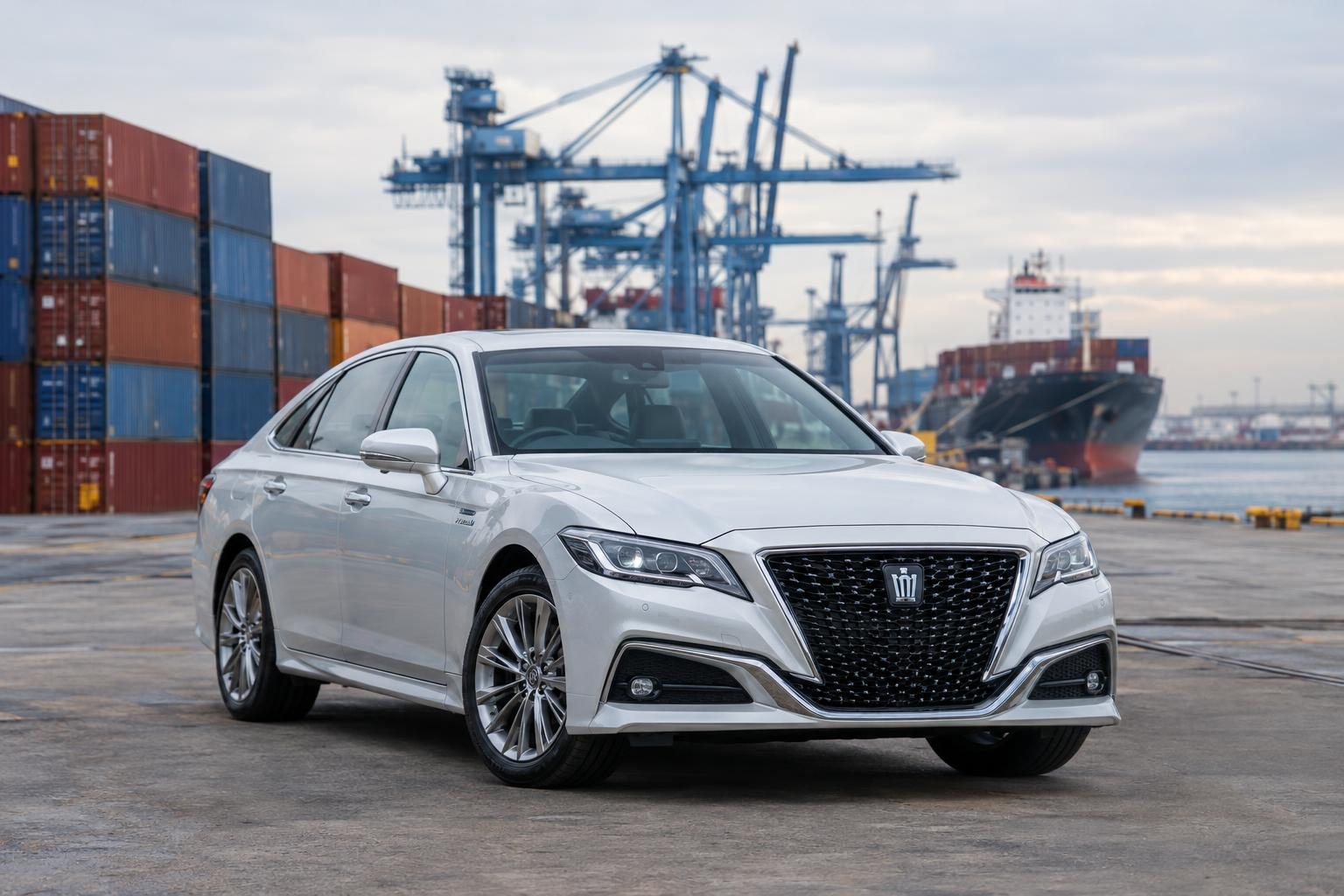 Roll-on/roll-off shipping from Japan to an Australian port usually runs four to six weeks.
Drivetrain Is a One-Time Decision
If all-wheel drive matters to you, the V6 is out. No AWD GWS224 exists in the 220 series. Your options are the AZSH20 for rear-wheel drive or the AZSH21 for full-time 4WD, and a sourcing brief written for AZSH20 will return a rear-drive car every time. Nominate the code you actually want in writing.
Auction Availability and Trim
Neither variant is scarce. Both appear regularly at Japanese auctions across the 2018 to 2022 build range, so the constraint is usually grade and odometer rather than supply. The V6 turns up more often in the upper trims, RS Advance and G-Executive, simply because of how the range was sold new. Condition varies by auction cycle, and a patient search generally beats a fast one.
Weight and Running Costs
The V6 carries 1,860 to 1,900 kg against 1,730 to 1,770 kg for the rear-drive four, and the heavier car also asks for premium unleaded. Over 20,000 km a year, the gap between 6.25 and 5.0 L/100km on WLTC figures is roughly 250 litres of fuel, before you account for the price difference between premium and regular at the servo. That is the honest running-cost picture, and for most suburban buyers it is the deciding factor.
Weight differences can also touch some ADR-related compliance items, so it is worth raising your intended variant with the compliance workshop before you bid rather than after the car lands.
How Long Does the Import Take?
Six to ten weeks is a realistic range for a clean run, split across three phases. That assumes a suitable car is found reasonably early. An extended auction search can push the front end out considerably, and honest planning allows for that.
| Phase | Where | Timing |
|---|---|---|
| Source, inspect and approve the bid | Japan | 1–6 weeks |
| Shipping by roll-on/roll-off vessel | Japan to Australia | 4–6 weeks |
| Compliance, RAV entry and delivery | Australia | 2–3 weeks |
The one hard deadline sits in phase one. A Vehicle Import Approval must be lodged and granted before the car ships, and the Department of Infrastructure allows up to 60 business days to process one. Shipping without an approved VIA is an offence, so the application goes in early, not once a vessel is booked.
On arrival the car goes to a RAW-certified compliance workshop, then through AVV inspection and RAV entry. Compliance work itself typically takes two to twelve working days once the car reaches the workshop. In New South Wales you then need a Blue Slip before registration. Nothing in this phase differs between the GWS224 and the AZSH20; the pathway and sequence are the same. The 13-step guide covers each stage in more detail.
Once It's on Australian Roads
The daily differences are smaller than the spec sheet suggests, with two exceptions: fuel and noise.
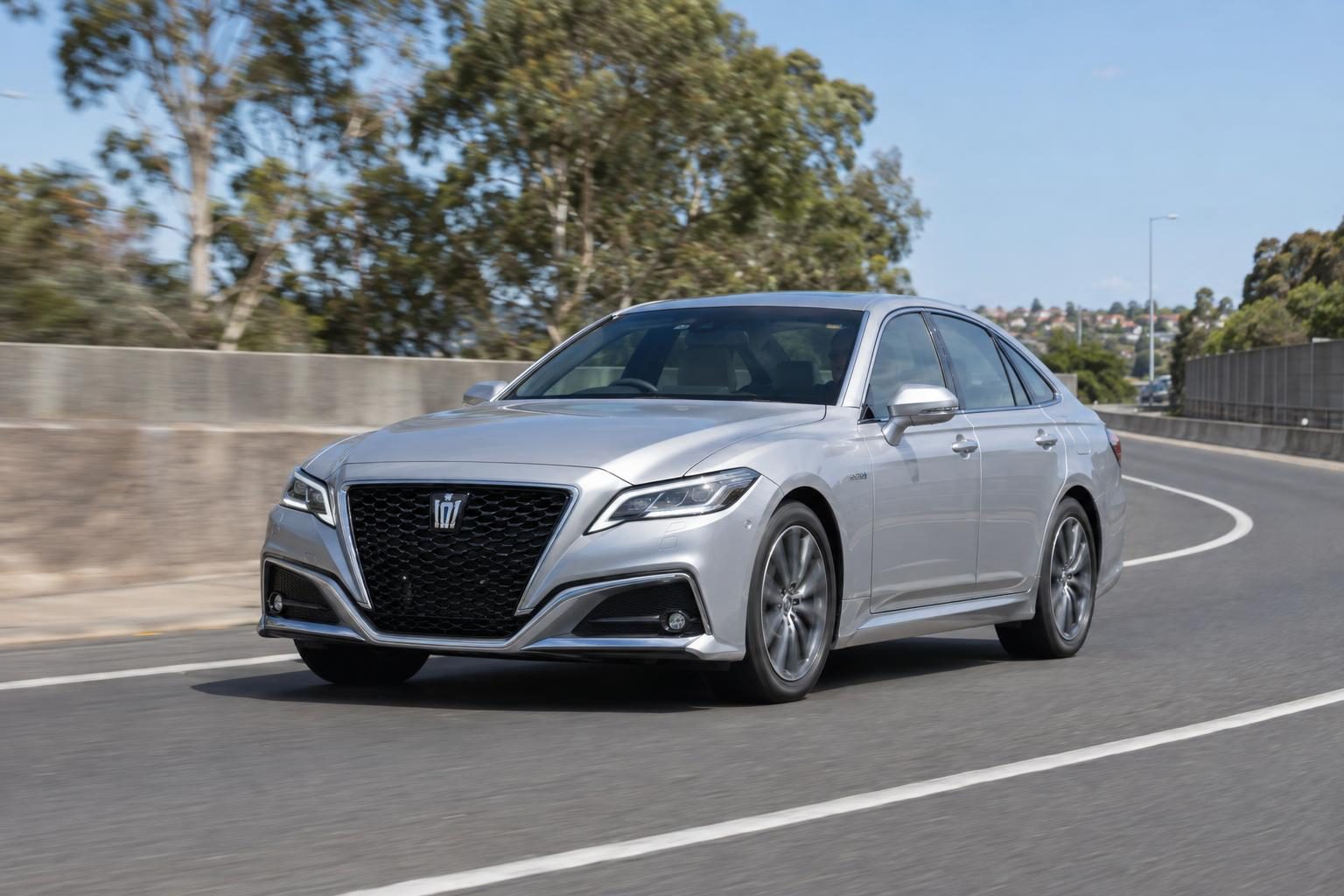 Once complianced and registered, both variants drive like any other used Toyota, apart from the Japanese-language dash.
In stop-start traffic the AZSH20 is the calmer car. It spends more time on electric drive, it is lighter, and 20.0 km/L combined on WLTC figures shows up directly in what you spend each month. The V6 in the same conditions returns 12.7 km/L urban, which is the worst-case scenario for the GWS224 and the reason city buyers usually land on the four.
Point them at a highway and the picture narrows. The GWS224 returns 17.7 km/L on the WLTC highway cycle against 20.9 km/L for the AZSH20, and the multi-stage transmission gives the V6 a more decisive response when you ask for an overtake. If a fair share of your driving is long-distance, that character is worth something.
Battery chemistry differs too. The V6 uses a lithium-ion pack while the four uses nickel-metal hydride, which behave differently in sustained Australian summer heat. Neither is a problem in a well-maintained car, but they are not the same system.
One practical job applies to both. These are Japanese-market cars, so the head unit, navigation and trip computer will all be in Japanese. Translating or replacing the unit is a normal first step after compliance, and our guide to translating head units in Japanese imported hybrids walks through the options.
Which One Makes Sense for Your Import?
Neither variant is a poor choice, and the import process is identical either way. The decision comes down to how you drive.
| If you… | GWS224 | AZSH20 or AZSH21 |
|---|---|---|
| Drive mostly in city and suburban traffic | Thirstier at 12.7 km/L urban | Better fit, 17.2 km/L urban |
| Need all-wheel drive | Not available | Choose AZSH21, a separate code |
| Cover long highway distances regularly | Strong option, 17.7 km/L highway | Also capable, 20.9 km/L highway |
| Want the lowest running costs | Premium fuel, heavier | Regular fuel, 5.0 L/100km WLTC |
| Want the more engaging drivetrain | V6 and multi-stage hybrid | Smooth, but more measured |
Two honest caveats. The AZSH20 moves up to 1,770 kg with 135 kW of engine output, so it is relaxed rather than quick, and buyers expecting brisk performance should set expectations before the car arrives. The GWS224, meanwhile, costs more to fill on every single tank, and that cost compounds quietly over years of ownership.
How Carbarn Sources the Crown Hybrid
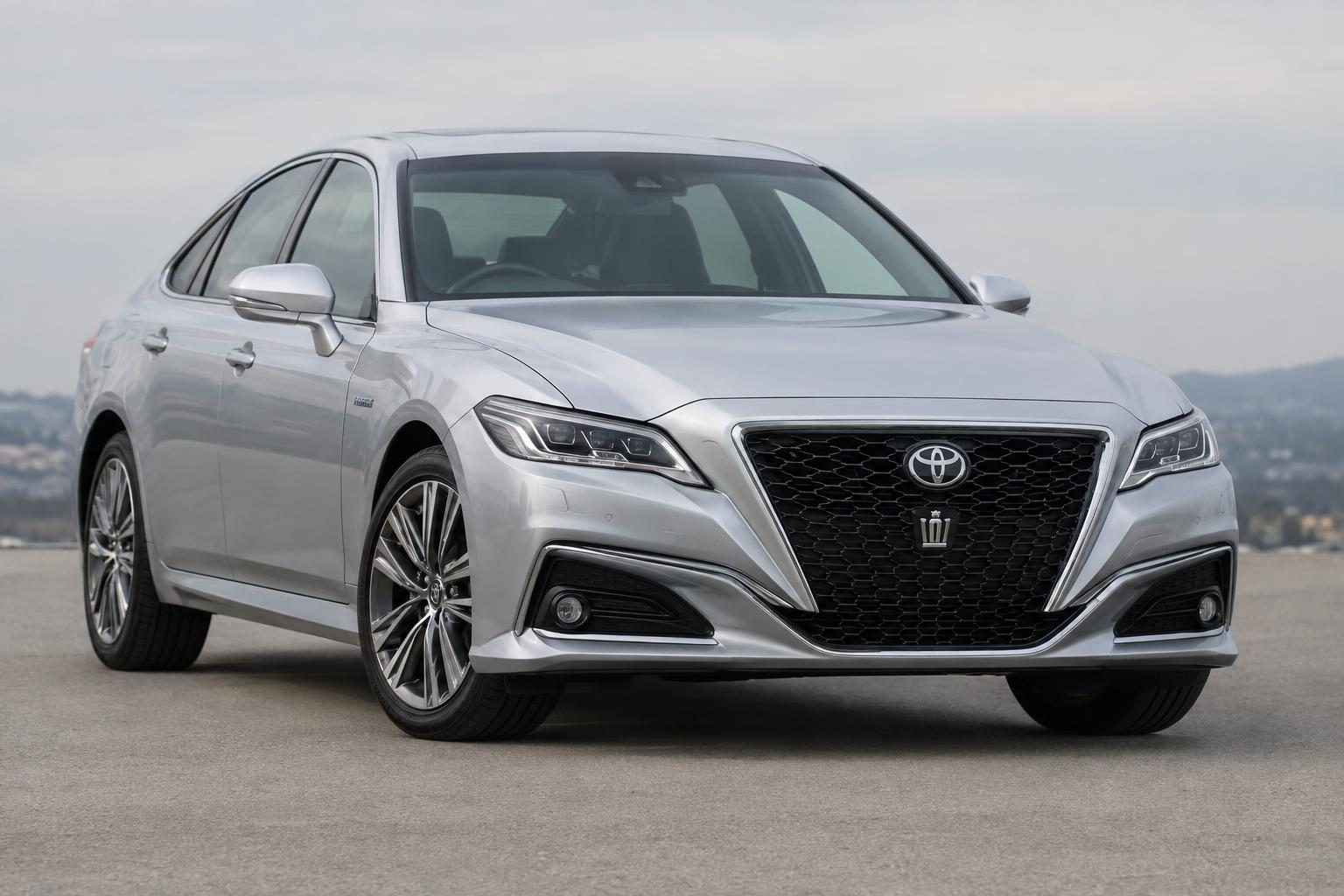 A 220-series Crown Hybrid AZSH20, the 2.5L rear-drive variant
Carbarn sources both the GWS224 and the AZSH20 through approved Japanese auctions. You set the target model code, year range, condition and a budget cap. A physical inspection is arranged before bidding wherever possible, photos and auction-sheet notes are shared with you, and no bid is placed until you approve it. The exact build year, variant and model code are cross-checked against the published SEVS approval before bidding, which is where code mismatches get caught, well before a car is on a ship.
There are three ways in: vehicles already landed and available in Australia, stock already purchased and sitting in Japan, and auction sourcing on request. Live Crown Hybrid listings and their current prices are on the used Toyota Crown pages.
Carbarn is a licensed NSW motor dealer based at Lidcombe in Sydney, running an in-house RAW-certified compliance workshop where AVV inspection and RAV entry are completed on site. Alongside auction sourcing and import management, the team handles freight, customs and biosecurity clearance, compliance and registration paperwork, finance, warranty and door-to-door delivery, with the full Carbarn's full import service.