



Ready to Hit the Road in Style?
Save money and reduce emissions with vehicles designed to deliver exceptional mileage. Visit our inventory and find a car that fits your lifestyle.
Ready to Hit the Road in Style?
Save money and reduce emissions with vehicles designed to deliver exceptional mileage. Visit our inventory and find a car that fits your lifestyle.
Most buyers searching "cheap Japanese import" still picture a basic petrol hatch. That picture is out of date. Under $20,000 landed, every small car that clears the SEVS eligibility gate is now a hybrid. That changes the maths on running costs, and it narrows the shortlist to a handful of variants. This guide compares them: the Suzuki Swift ZC53S, the Honda Fit GP5 and GP6, the Toyota Aqua Welcab, and one nameplate that trips people up. Two catches decide the winner, and both are easy to miss.
Quick Answer
- Suzuki Swift ZC53S from $17,495 landed: lowest price, no odometer cap, 4WD available (ZD53S), sourced from Japan.
- Honda Fit GP5 from $18,040 landed: best fuel economy, but the odometer must be under 80,000 km at compliance.
- Honda Fit GP6 at $19,783 landed: the AWD-from-Japan pick, same odometer rule.
- Toyota Aqua Welcab NHP10 from $16,950 landed: cheapest Toyota, Japan-sourced, Welcab variant only.
- Toyota Vitz NHP130: the SEVS pathway expired in August 2025, so it is no longer eligible for new imports.
- At roughly $2.10/L and 15,000 km a year, the Aqua's estimated fuel cost is around $1,080/year, versus about $1,515/year for the Swift (NRMA Weekly Fuel Report, August 2026 — prices rising after the fuel excise change).
What does "$20K landed" actually mean?
Landed price is the full cost to get the car registered-ready in Australia, not the Japanese auction figure. It bundles the winning bid, the Japan agent fee, shipping and GST, plus compliance work here. Two cars with the same auction sticker can land at different prices once weight, exchange rate and compliance items are added.
That distinction matters because the price floor has shifted. Three years ago, $20K landed bought a petrol Fit or a petrol Vitz. Today the eligible variants in this band are hybrids. Same outlay, but you are buying 3 to 4 L/100km economy instead of 6-plus. At around $2.10/L (ULP 91, August 2026, NRMA Weekly Fuel Report — prices rising after the August 2026 fuel excise change), that gap adds up fast over a year of city driving.
Which variants make the shortlist under $20K?
Four of these variants are currently SEVS-eligible and sourced from Japan. The Toyota Vitz NHP130 is listed for context only. Its pathway lapsed in August 2025, but it still pulls heavy search traffic, so buyers deserve to know where it stands before enquiring. Prices below are Carbarn's current import service pricing, quoted as landed figures.
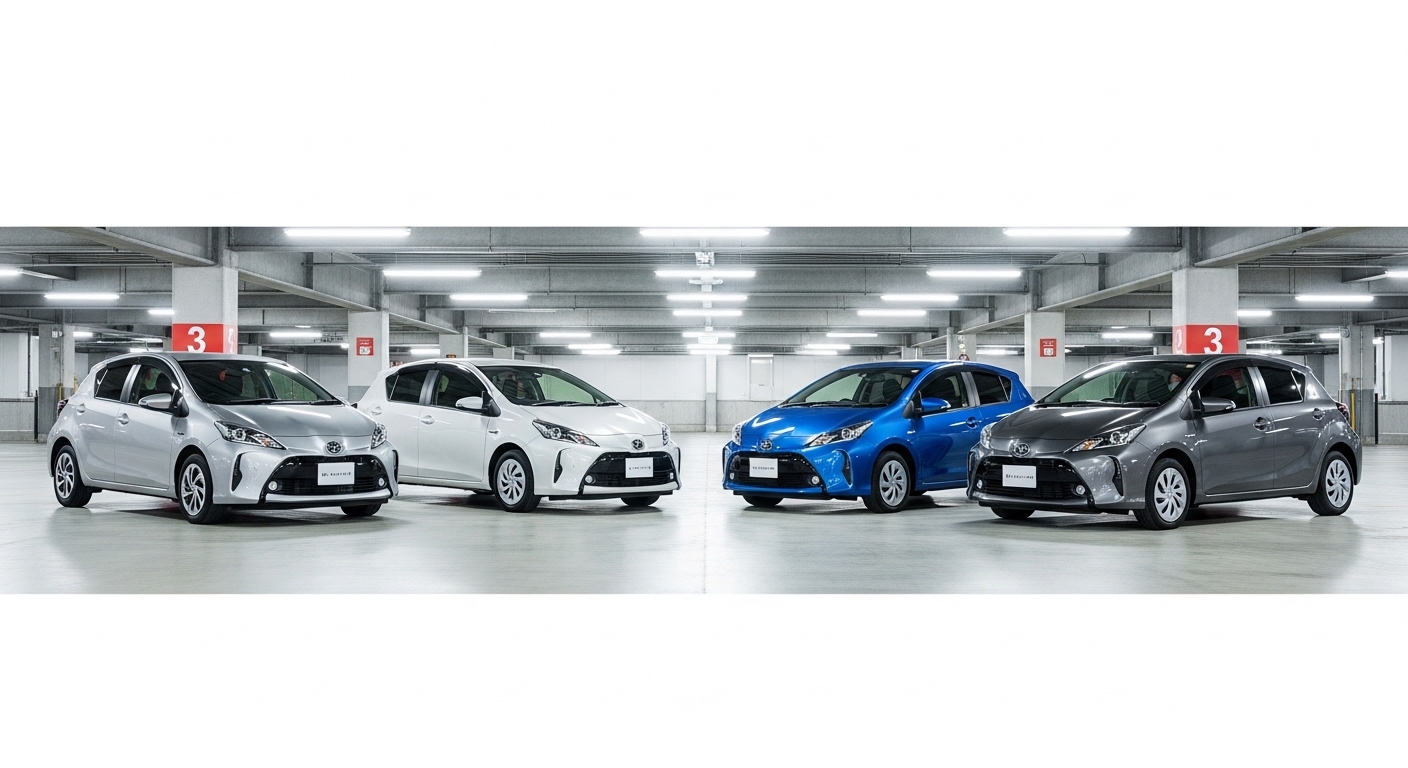 Four compact hybrid hatchbacks lined up in a bright multi-storey car park.
| Model | Code | Landed | Build range | Engine | Drive | Odo cap | Source | Boot | Fuel economy |
|---|---|---|---|---|---|---|---|---|---|
| Suzuki Swift Hybrid | ZC53S / ZD53S | $17,495 | Jan 2017–Jan 2024 | K12C 1.2L mild hybrid | 2WD / 4WD | None | Japan | ~265 L | ~4.8 L/100km (WLTC est.) |
| Honda Fit Hybrid | GP5 | $18,040 | Sep 2013–Mar 2020 | LEB 1.5L hybrid | 2WD / AWD | <80,000 km | Japan | ~309 L | 2.75 L/100km (JC08) |
| Honda Fit Hybrid | GP6 | $19,783 | Sep 2013–Mar 2020 | LEB 1.5L hybrid | AWD | <80,000 km | Japan | ~309 L | 2.75 L/100km (JC08) |
| Toyota Vitz Hybrid | NHP130 | $17,830 | Jan 2017–Mar 2020 | 1NZ-FXE 1.5L hybrid | 2WD | None stated | UK/EU, expired | ~286 L | (pathway lapsed) |
| Toyota Aqua Welcab | NHP10 | $16,950 | Nov 2011–Jun 2021 | 1NZ-FXE 1.5L hybrid | 2WD | None | Japan | 305 L | 3.4 L/100km (WLTC) |
Landed prices reflect Carbarn's current import service pricing. Eligibility details are SEVS references, not stock listings. Individual vehicle compliance depends on build date, variant, and odometer at the time of compliance. Contact Carbarn to confirm availability.
Suzuki Swift ZC53S: the easiest choice at $17,495
The Suzuki Swift ZC53S is the most straightforward buy in this group: lowest landed price, the broadest auction pool, and no odometer restriction to filter out lots. If you want the fewest complications, this is where most budget buyers should start.
Under the bonnet is the K12C 1.2L SHVS mild hybrid, a belt-integrated starter-generator that assists the petrol engine rather than driving the wheels on its own. It is a mild hybrid, not a full self-charging system like the Fit or Aqua, so the fuel economy reflects that: roughly 4.8 L/100km on the WLTC estimate (everycar.jp; the confirmed JC08 figure is 3.65 L/100km). At $2.10/L and 15,000 km a year, budget around $1,515 in fuel. Boot space sits near 265 litres, modest for the class but fine for a weekly shop. The standout here is drivetrain choice: the ZC53S is 2WD and the ZD53S is 4WD, both eligible under the same SEVS approval (SEV-000692). A 4WD hybrid hatch is rare at this price.
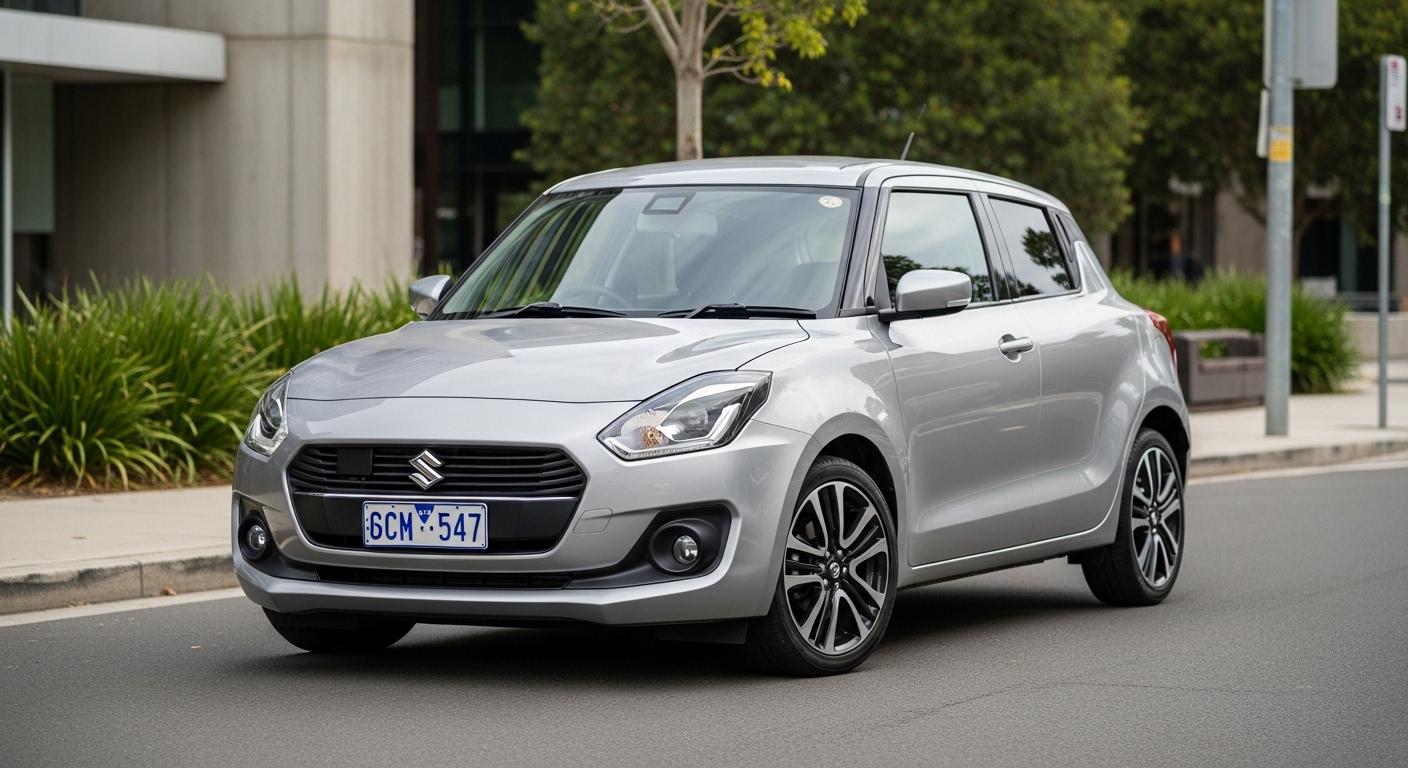 2017 Suzuki Swift ZC53S
Parts and servicing are easy, with a Suzuki dealer network across Australia and some overlap with locally sold Swift components. It suits commuters who want the lowest entry price and the widest choice of clean examples. It is not the pick if you need a full-hybrid drivetrain or the biggest boot in the group.
Honda Fit Hybrid GP5 and GP6: the fuel-economy leader, with a catch
The Honda Fit Hybrid GP5 delivers the sharpest fuel figures in this comparison, but an odometer rule quietly cuts the eligible pool. That trade-off is the whole story with the Fit, so it is worth weighing before you fall for the numbers.
The GP5 runs the LEB 1.5L Atkinson-cycle engine with Honda's Sport Hybrid i-DCD system, pairing a 7-speed dual-clutch gearbox with an integrated electric motor. Honda's official launch figure was 36.4 km/L on the JC08 cycle, about 2.75 L/100km (Honda Global Newsroom, 2013). JC08 is optimistic, so plan on a real-world figure closer to 3.7 L/100km, or roughly $1,165 a year in fuel. The flat-floor boot holds around 309 litres, and the flexible rear-seat fold makes it genuinely handy for bulky loads. That practicality is a real edge over the Swift.
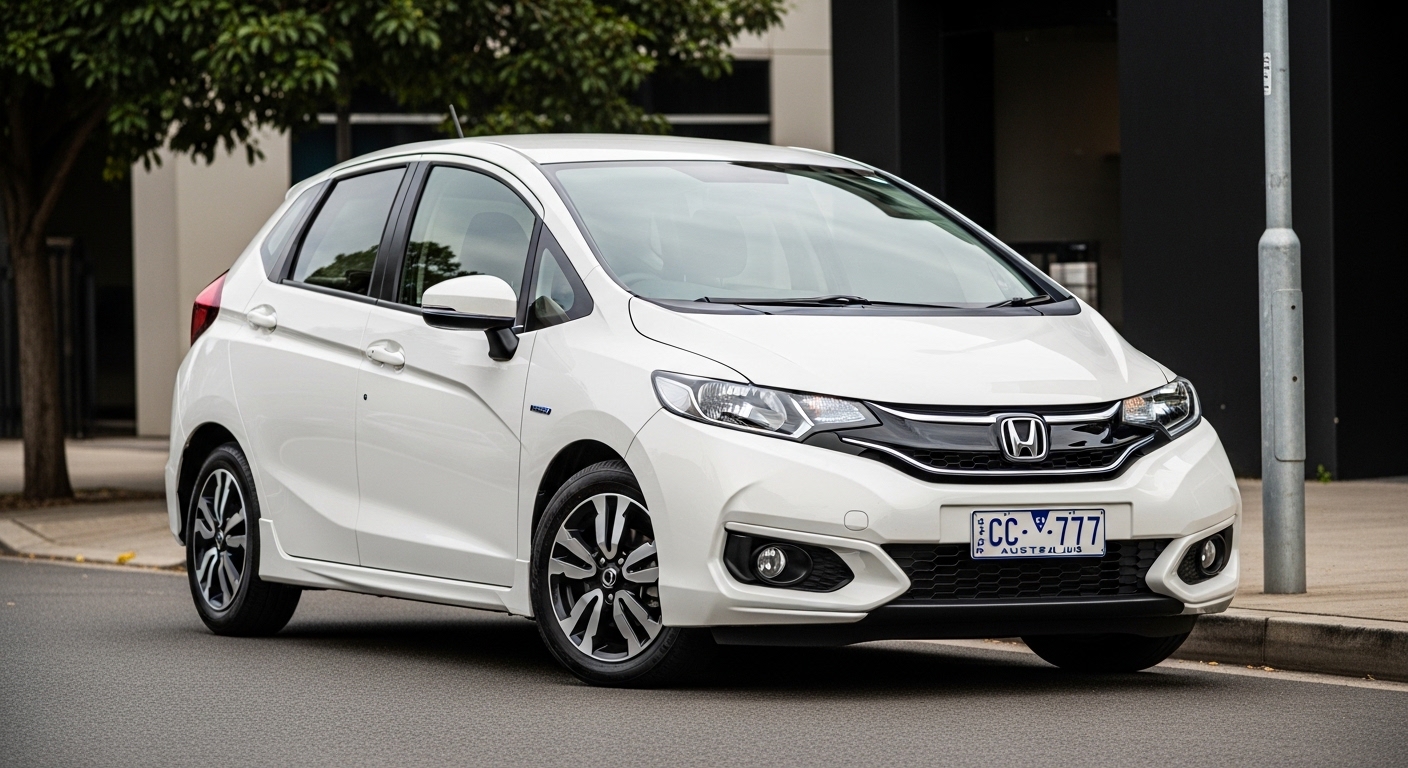 2017 Honda Fit Hybrid GP5
Now the catch. Both the GP5 and the Honda Fit Hybrid GP6 carry a hard SEVS condition: the odometer must read under 80,000 km at compliance. Most GP5 lots at Japanese auction now sit between 80,000 and 130,000 km, so sub-80k examples are a subset, not the norm, and they attract higher bids. The GP6 is the AWD option, sharing the same engine and the same odometer rule, at a $1,743 premium over the GP5. Choose the Fit if economy and cargo flexibility lead your list. Skip it if you need the widest pool or cannot wait for a clean, low-kilometre lot.
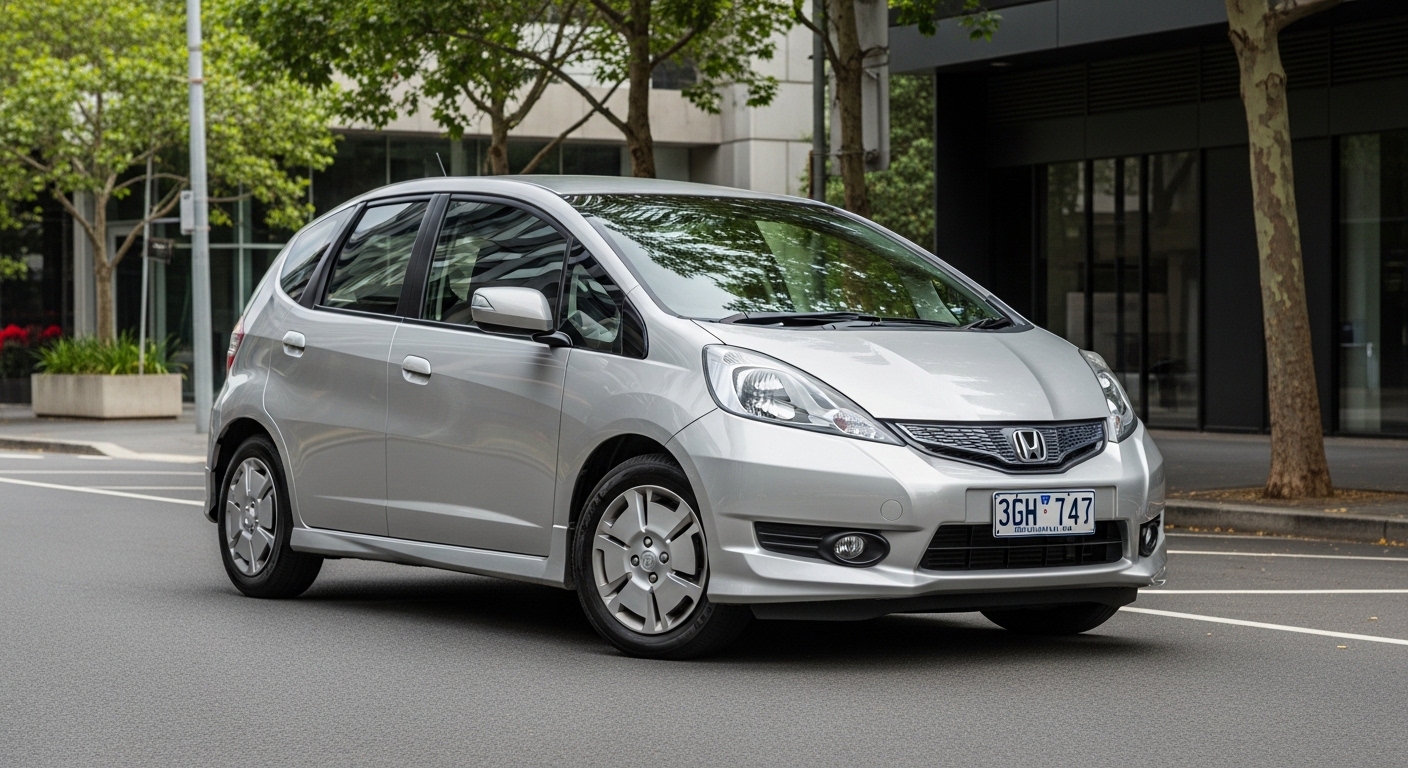 2013 Honda Fit Hybrid GP6
Can you still import the Toyota Vitz NHP130?
The Toyota Vitz NHP130 is here for one reason: its SEVS pathway expired on 10 August 2025, so no new import approvals are possible (ROVER SEVS Register, August 2025; confirmed on Carbarn's own blog). If you have been researching "Vitz hybrid import", that is the headline you need before you spend a cent.
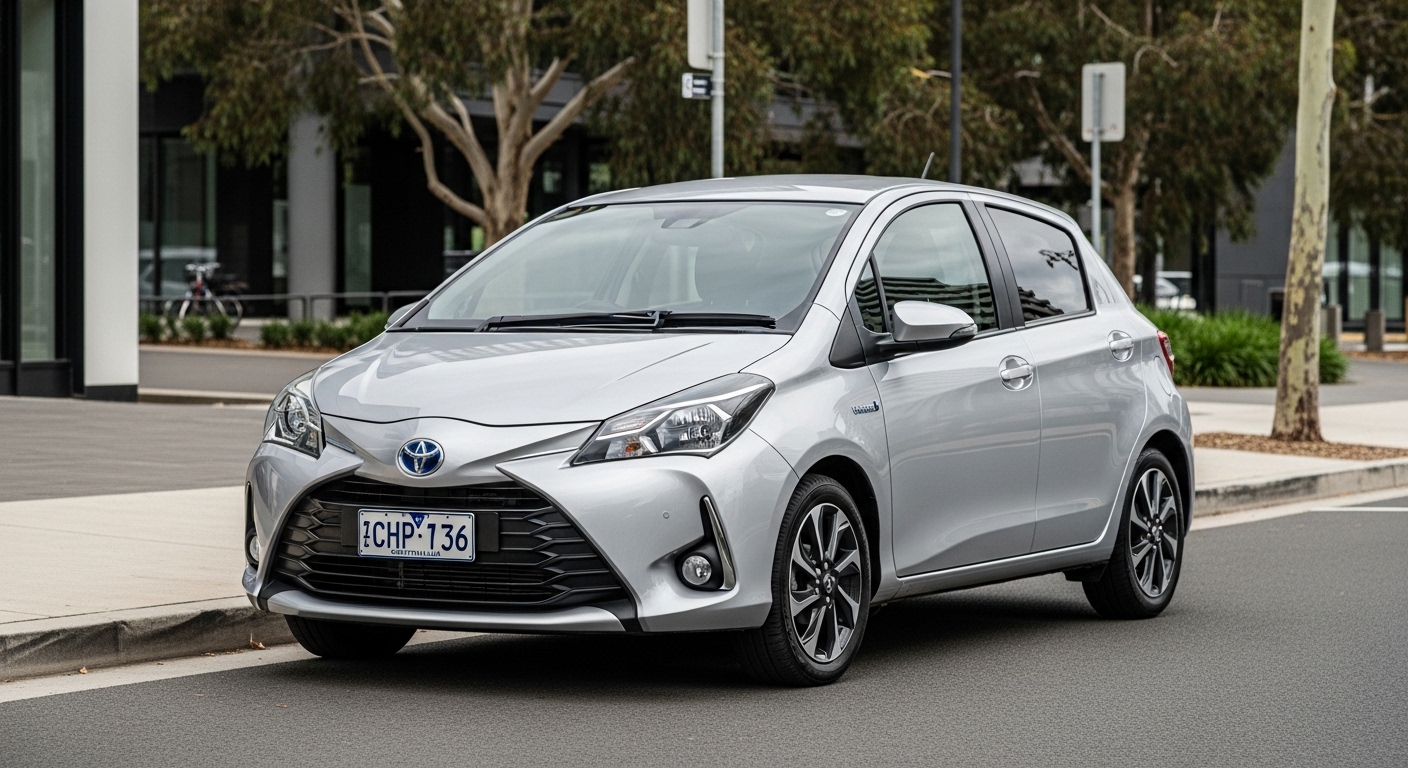 2017 Toyota Vitz NHP130
Even when it was live, the NHP130 came with a second surprise. The SEVS approval covered the EU-specification NHP130 only, so eligible vehicles had to be sourced from the UK or EU — not from a Japanese auction — even though a right-hand-drive Vitz NHP130 was also sold in Japan. Despite the "Vitz" SEVS name, you could not bid on a Japanese-auction car and have it clear this SEVS pathway. Sourcing ran through UK and EU used-car markets instead, with different grading systems, different condition profiles, and longer shipping routes than a Japan-direct buy. If you want the full nameplate backstory, our guide on the difference between the Vitz and the Yaris Hybrid covers it.
The car itself is capable, running the same 1NZ-FXE 1.5L hybrid engine as the Aqua. So if you want a Toyota hybrid you can actually source from Japan today, the Aqua Welcab is the eligible alternative. (A newer Toyota Yaris, the MXPH17, is now SEVS-eligible and Japan-sourced, but it lands near $26,779, well beyond this bracket.)
Toyota Aqua Welcab NHP10: the Japan-sourced Toyota at $16,950
At $16,950 landed, the Toyota Aqua Welcab NHP10 is the cheapest car in this group and the only currently eligible Toyota hybrid sourced from Japan. For a Toyota badge on a genuine budget, it is the pick, with one condition to understand first.
The condition is the Welcab part. This variant is SEVS-eligible only in its factory side lift-up or swivel-seat configuration, a Toyota mobility feature. Variants fitted purely for wheelchair access (ramp or winch only) are not eligible. The swivel seat is a minor, factory-fitted item: the car drives exactly like a standard Aqua, and most buyers would not notice it day to day. It is still a hard eligibility rule, so confirm the specific variant at enquiry time.
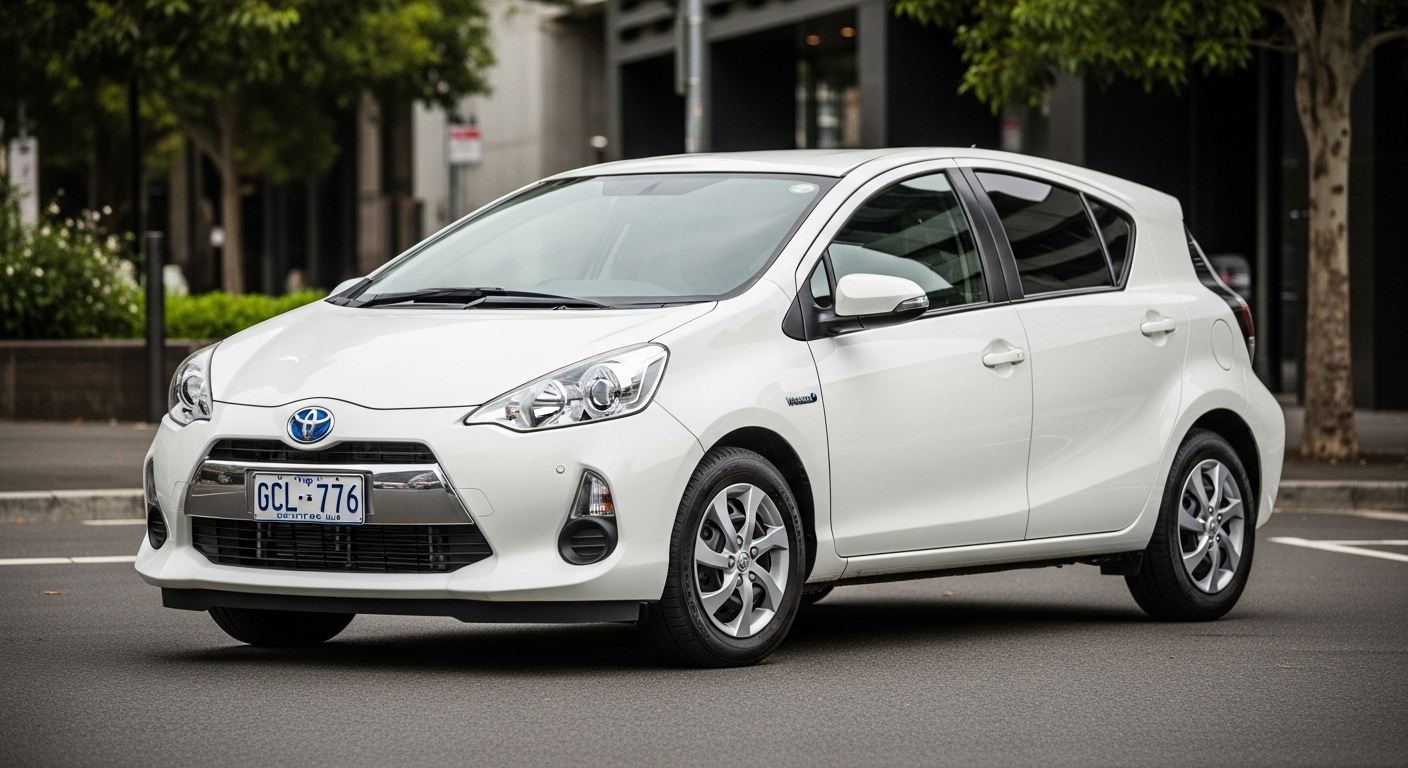 2016 Toyota Aqua Welcab NHP10
Mechanically it runs the 1NZ-FXE 1.5L full hybrid, the same engine family as the expired Vitz. Fuel economy is strong at roughly 3.4 L/100km (WLTC, JapaneseCarTrade), about $1,080 a year in fuel, and the boot holds 305 litres. Typical auction examples show around 83,000 km, and there is no stated odometer cap for this model. The honest trade-off is age: the build window runs from 2011 to 2021, so earlier cars are now well over a decade old. Factor service history and condition into your decision, and this is a smart, cheap Toyota hybrid.
Why does the 80,000 km rule matter more than you'd expect?
The Fit GP5 and GP6 carry a hard odometer cap: under 80,000 km at compliance. It sounds reasonable until you check what is actually at auction. That single line reshapes the whole buying experience for the Fit.
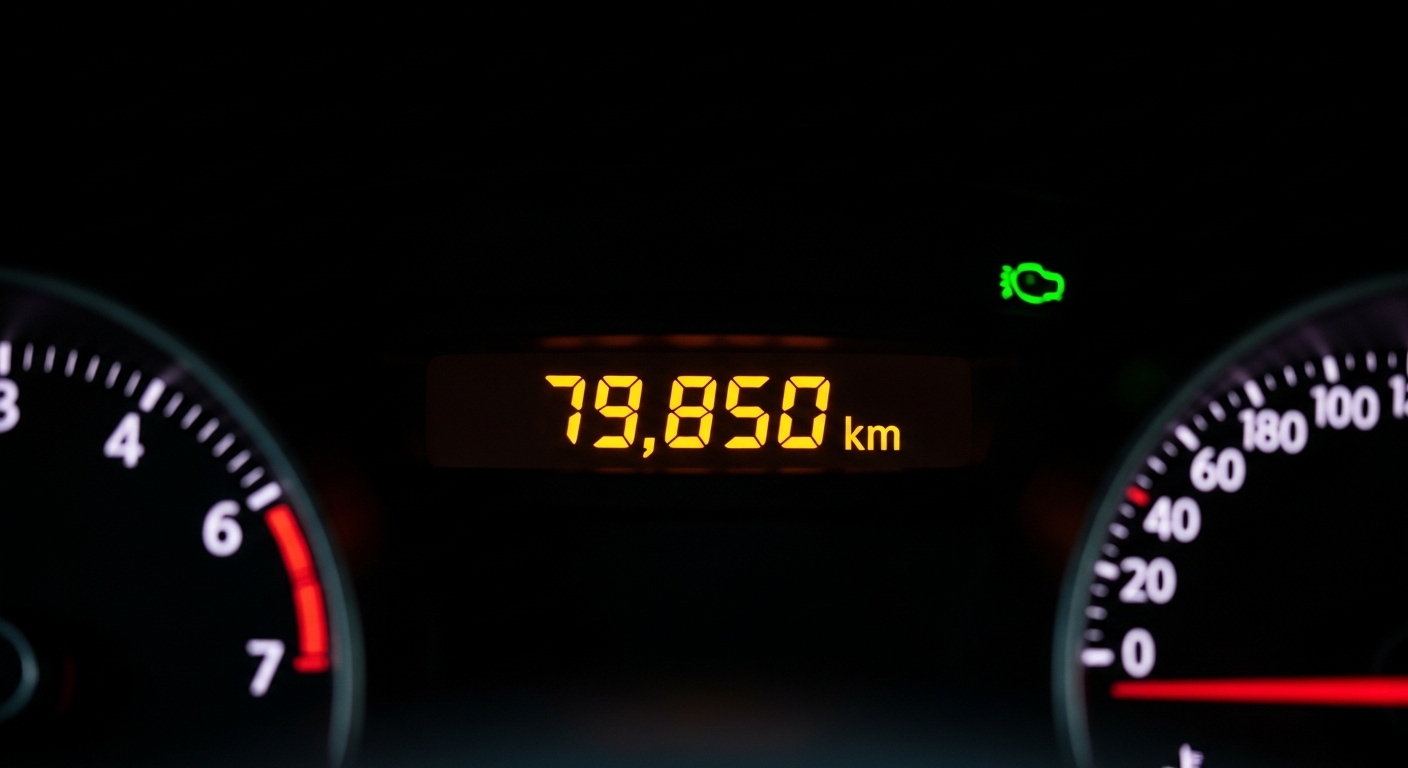 The 80,000 km odometer cap decides which Honda Fit Hybrid lots are eligible for import.
Most GP5 lots now sit between 80,000 and 130,000 km, so eligible examples are the minority. Fewer eligible lots means more competition, and that pushes bid prices up for a clean, sub-80k car. Timing is the other trap: the cap applies at compliance, not just at the auction win. A car showing 79,500 km still needs weeks of shipping and workshop time, so confirm the timing rule before bidding. The Swift has no cap, and the Aqua has none stated, so if you cannot wait for a low-kilometre Fit, the Swift gives a similar result without the filter.
So which one should you choose?
There is no single winner for everyone, so here are four clear calls by use case. Most budget buyers will land on the Swift, but the right pick depends on drivetrain needs and how much patience you have for the auction pool.
| Category | Winner | Why |
|---|---|---|
| Overall | Suzuki Swift ZC53S | Lowest price, no odometer cap, 4WD available, Japan supply, broadest pool, 7-year build window |
| Lowest landed price | Toyota Aqua Welcab NHP10 ($16,950) | Cheapest in the group, if the Welcab variant condition is acceptable |
| Best availability | Suzuki Swift ZC53S | Largest auction pool, no cap, Japan-direct supply |
| Best for AWD | Honda Fit GP6 ($19,783) | Only confirmed Japan-sourced AWD option; the Swift ZD53S 4WD is a close second at a lower price |
Put simply: for the lowest buy-in with the fewest complications, the Swift wins. For the best economy and a flexible boot, the Fit GP5 is worth the wait for a sub-80k lot. If you need all-wheel drive from Japan, the GP6 at $19,783 is the one, though the 4WD Swift runs it close for less. And for the cheapest Toyota hybrid you can source from Japan right now, the Aqua Welcab at $16,950 makes sense, as long as the Welcab condition suits you.
How does Carbarn handle the sourcing?
Carbarn offers three buying paths, and for this group of models, Japanese auction sourcing is the main one. The full import runs about 6 to 10 weeks: sourcing and approval in Japan (1 to 6 weeks), shipping (4 to 6 weeks), then compliance and delivery in Australia (2 to 3 weeks).
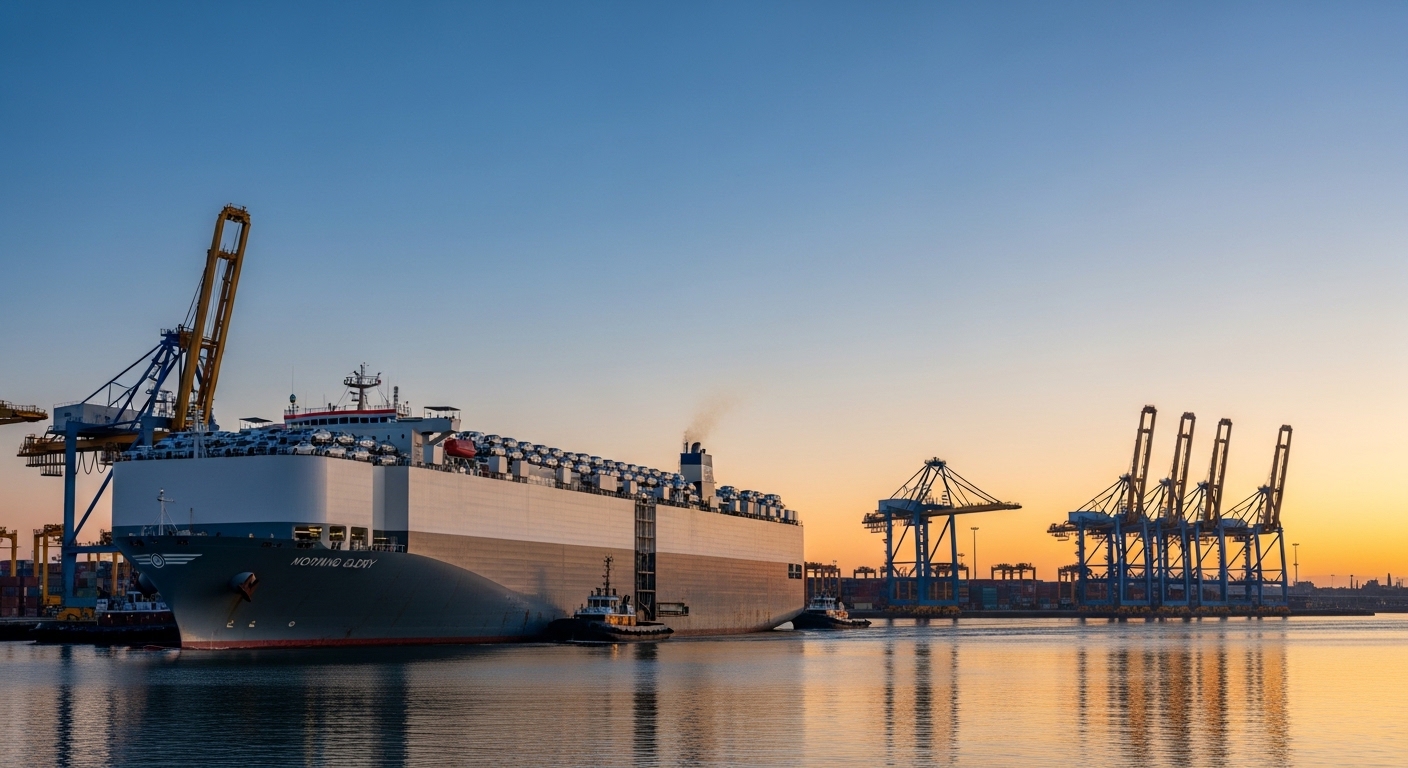 Most small-hybrid imports take roughly 6 to 10 weeks from auction win to compliance-ready.
The three paths are auction sourcing for the lowest cost or a specific spec, fixed-price stock already in Japan, and locally available hybrids you can inspect and drive today. On the auction path, a refundable deposit is taken before bidding, and it is fully refundable if no car is secured. A Japanese inspector checks condition, and where possible a pre-bid physical inspection and extra photos are shared before any bid. You set the maximum bid, and Carbarn never exceeds it. Compliance, AVV inspection and RAV entry are handled at the Lidcombe workshop, with optional extras like a 5-year extended warranty, Blue Slip and NSW registration, pre-delivery servicing, and door-to-door delivery Australia-wide. To start an enquiry or check current availability, visit Carbarn, call 0423 840 130, or drop into 128 Frances Street, Lidcombe NSW.
Handy links to each eligible model: