



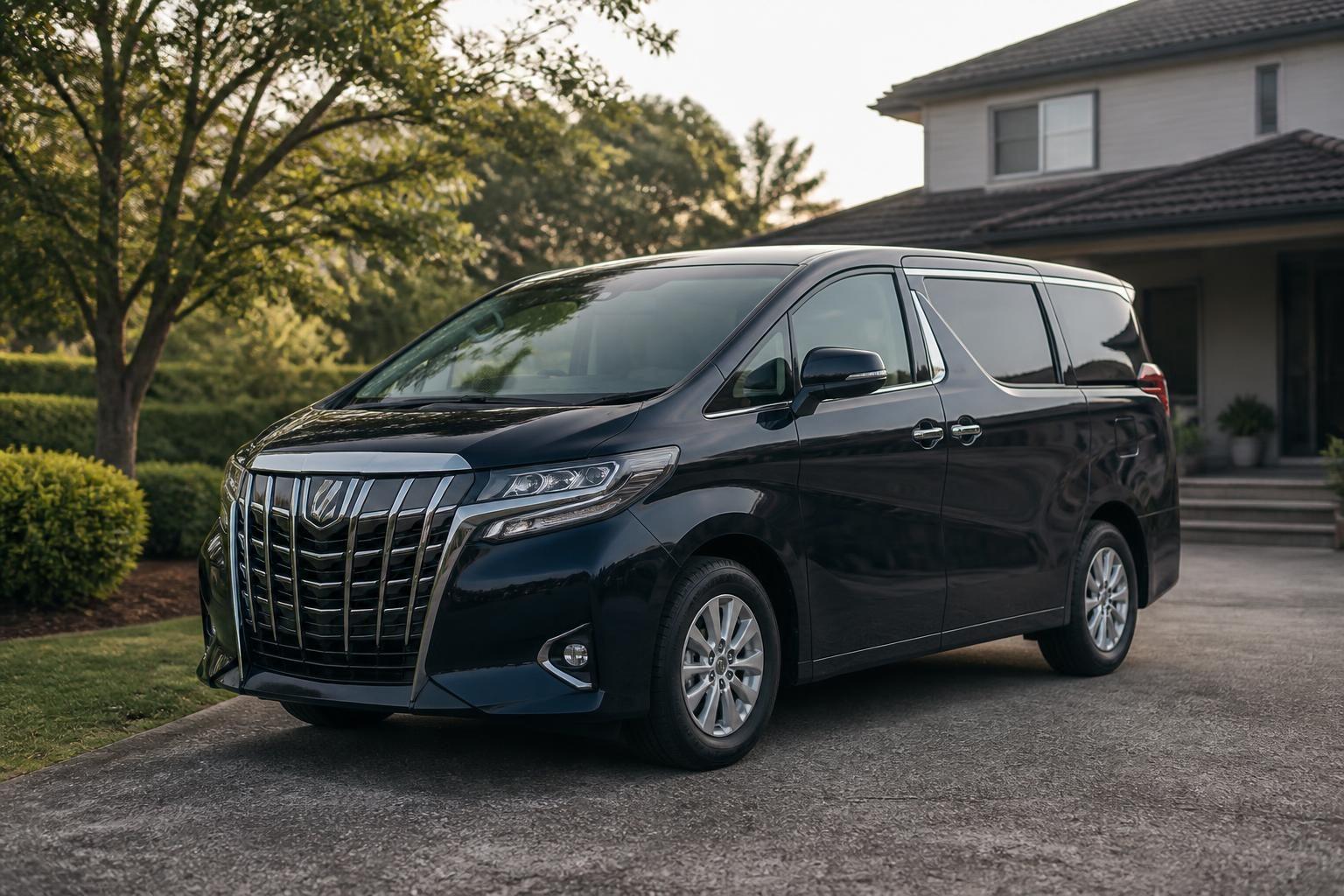
Ready to Hit the Road in Style?
Save money and reduce emissions with vehicles designed to deliver exceptional mileage. Visit our inventory and find a car that fits your lifestyle.
Ready to Hit the Road in Style?
Save money and reduce emissions with vehicles designed to deliver exceptional mileage. Visit our inventory and find a car that fits your lifestyle.
You've got five or six people to move, a weekly fuel bill you'd rather not think about, and no interest in spending new-car money on a van. Most large petrol people movers feel like a step backwards on running costs. Most hybrid SUVs that seat seven put two of those seats somewhere only a small child will tolerate.
There's a third option a lot of Australian buyers still overlook: Japanese slide-door people movers with proven petrol-electric drivetrains, genuine seven or eight-seat cabins, and low kilometres.
This guide covers seven of them. Fuel figures are labelled by test cycle, because mixing cycles makes comparisons meaningless. No estimated prices, just links to the live listings.
Quick Answer
- Hybrids reached 16.6% of all new car sales in the first half of 2026 (Drive, July 2026), and used supply has followed
- Japanese MPVs (Noah, Voxy, Serena, Sienta, Alphard, Estima) give you a real 7–8 seat cabin instead of a token third row
- The Alphard AYH30W returns 6.76 L/100km WLTC combined (spectank.jp, model code 6AA-AYH30W-PFXRB(C)), not the rosier JC08 number most sites quote
- ADR 79/05, in force since December 2025, restricts new Japanese models joining the SEVS register. Models already listed stay importable while their approval window runs
- Every model links to its live listing so you see the current price, not an abstraction
Why Are 7-Seater Hybrids Worth a Closer Look Right Now?
Hybrid sales hit 104,879 units in the first half of 2026, up 12% year-on-year and the first six-month total to pass 100,000 (Drive, July 2026). That demand has pulled used supply along with it. Japanese people movers that were genuinely hard to find three years ago now turn up in Australia with compliance already done.
There are two ways to get one. Buy a vehicle already here, complied and ready to inspect. Or order a specific spec from Japan and have it complied on arrival.
Worth knowing before you go the import route: from December 2025, ADR 79/05 stops Japanese domestic models that aren't already on the SEVS register from joining it (Drive, April 2026). Models already approved can still be brought in while their window runs, and it can't be renewed once it lapses. Anything already registered here is completely unaffected and legal to buy and drive.
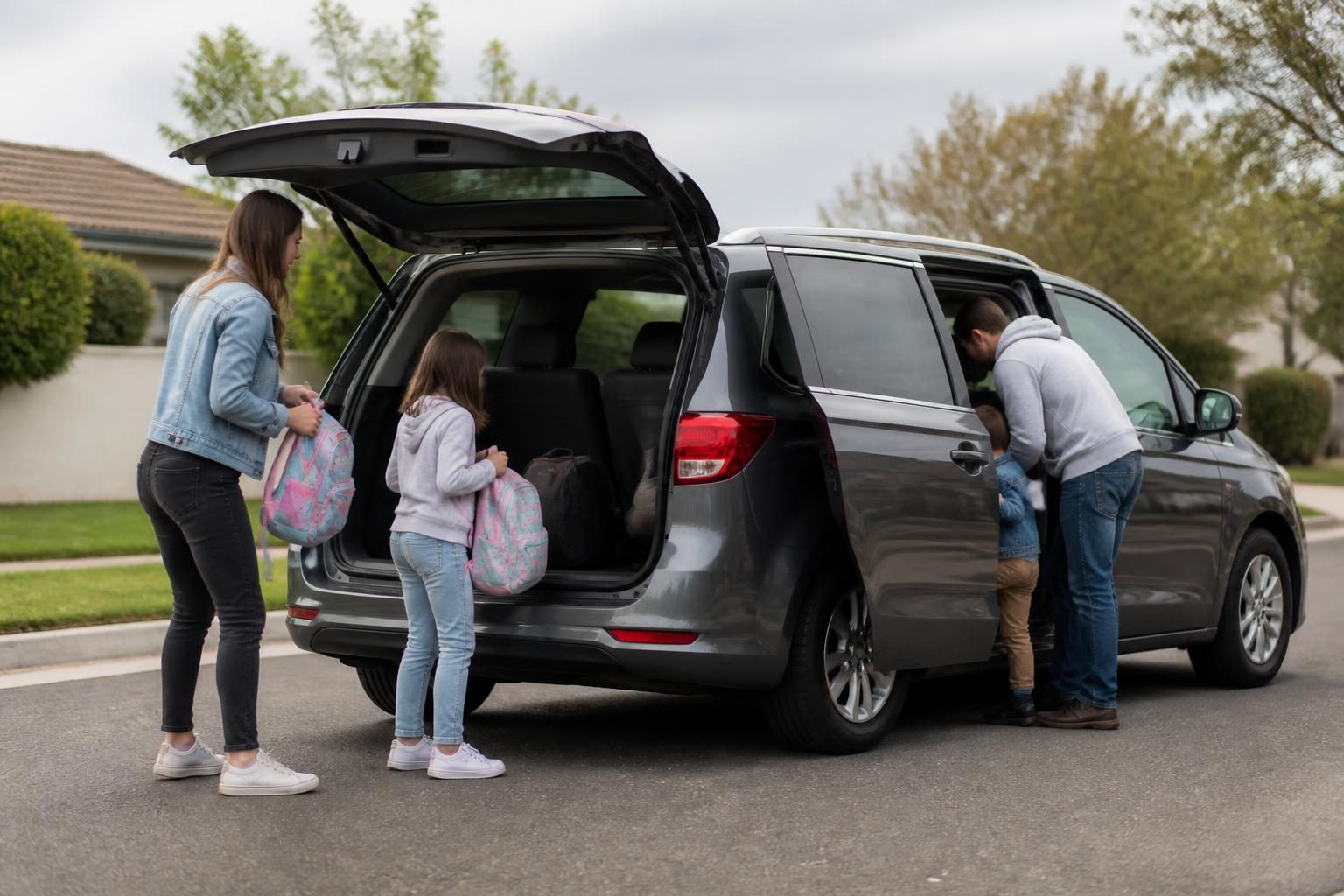 Family loading children and bags into a minivan on a suburban street.
How Do These 7-Seater Hybrids Compare?
Heights matter more than most buyers expect. If your garage or building car park has a clearance bar, that column decides your shortlist before anything else does.
| Model | Year | Seats | Odometer | Height | Sourcing |
|---|---|---|---|---|---|
| Toyota Noah | 2024 | 7 | 26,000 km | 1,890 mm | Available in Australia |
| Nissan Serena | 2021 | 8 | 44,092 km | 1,865 mm | Available in Australia |
| Toyota Sienta | 2023 | 7 | 94,119 km | 1,695 mm | Available in Australia |
| Toyota Voxy | 2023 | 7 | 55,000 km | 1,895 mm | Available in Australia |
| Toyota Alphard | 2022 | 7 | 42,000 km | 1,950 mm | Available in Australia |
| Toyota Alphard AYH30W | — | 7 | — | 1,950 mm | Order from Japan |
| Toyota Estima | 2014 | 7 | 38,555 km | 1,760 mm | Available in Australia |
On running costs, the maths is straightforward. Australians drive about 11,100 km a year (ABS Survey of Motor Vehicle Use, 2020), and petrol averaged 167.5 c/L across the five largest capitals in the week of 8 July 2026 (ACCC fuel price monitoring, point-in-time reading — this figure will have moved). A 10 L/100km petrol people mover costs about $1,859 a year in fuel on those inputs. The Alphard hybrid at 6.76 L/100km WLTC costs about $1,257. That's a gap of roughly $600 a year, before you factor in how much of your driving is stop-start city work, where hybrids do their best work.
Seven 7-Seater Hybrids Worth a Look
1. Toyota Noah 2024 Hybrid
The Toyota Noah is the newest thing on this list and it shows. This is the current ZWR90W generation, a 2024 build in pearl with 26,000 km on it, which is the lowest reading of anything here. For a family that wants near-new reliability without paying new-car money, it's probably the easiest recommendation in the group.
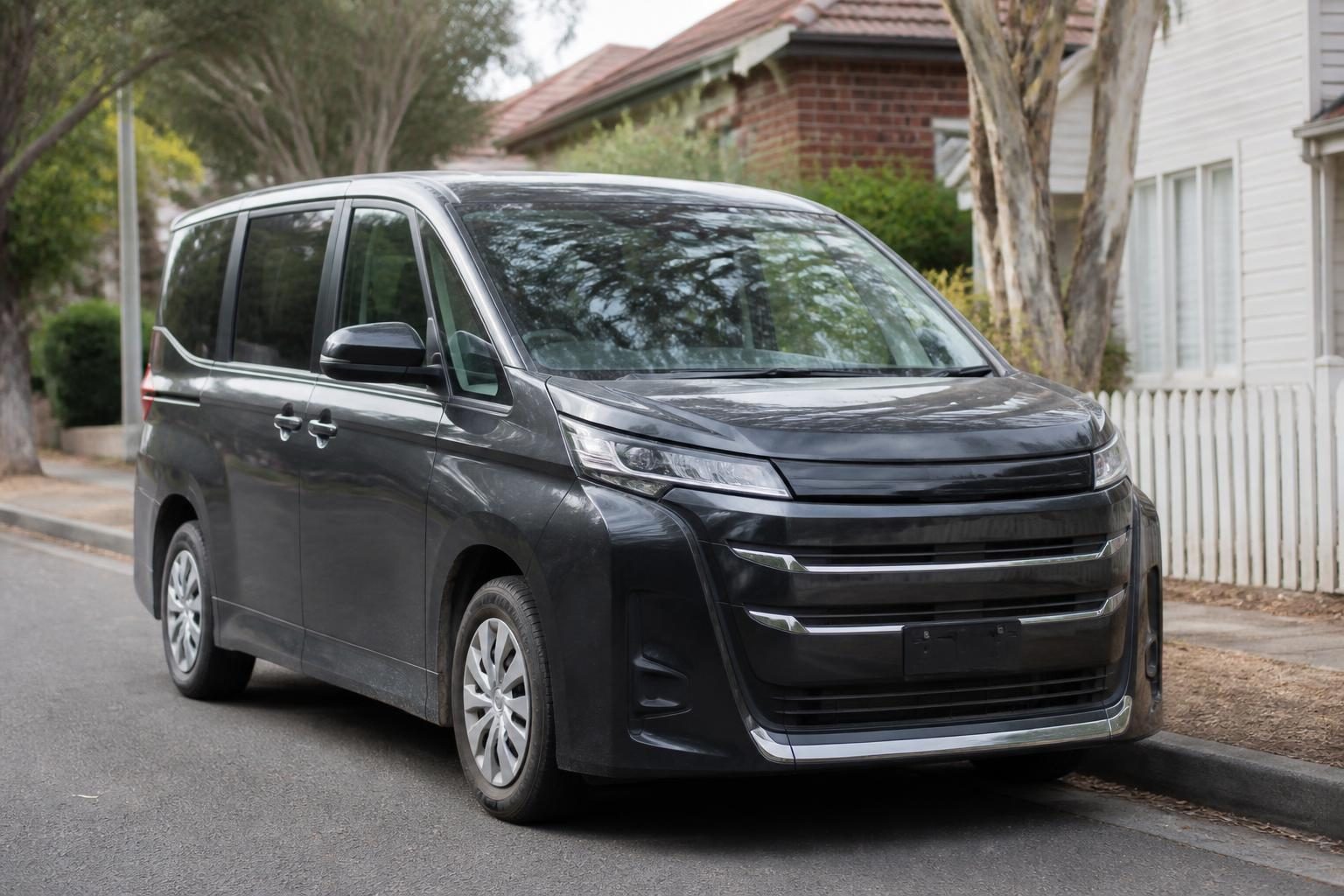 2024 Toyota Noah
Mechanically it runs Toyota's fifth-generation hybrid system: a 1.8-litre petrol four paired with an electric motor and a CVT, driving the front wheels. The cabin stands 1,890 mm tall, seats seven, and uses powered sliding doors on both sides. Step-in height is low, which matters more than it sounds when you're buckling a toddler in a narrow shopping centre bay.
Good for: families who want the newest drivetrain and the lowest kilometres, and who don't need eight seats.
2. Nissan Serena 2021 Hybrid
The Nissan Serena is the only eight-seater here, and that eighth seat changes what the car can do. Three kids plus grandparents, or a sports team run, stops being a two-car job. This one is a 2021 GC27 in silver with 44,092 km.
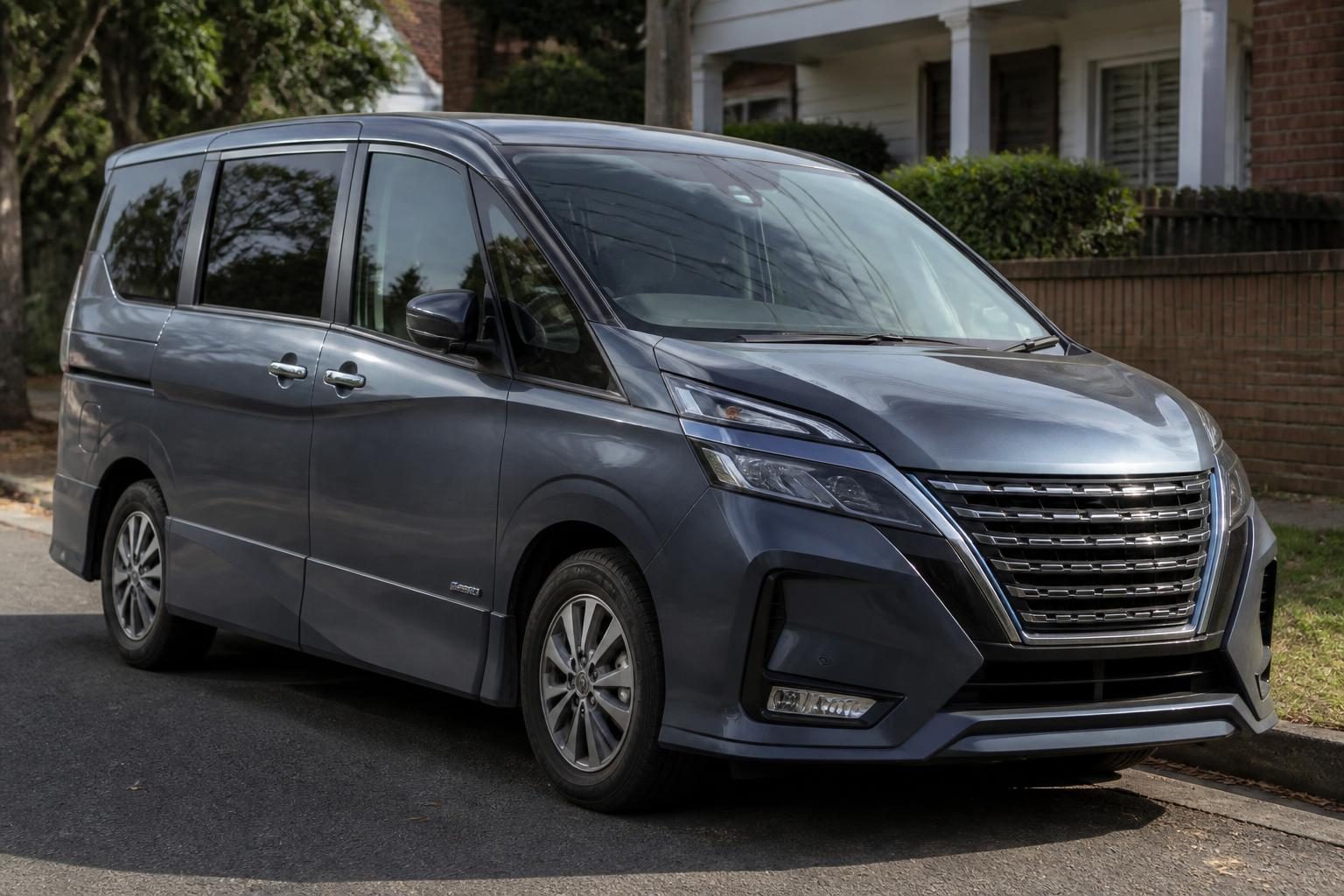 2021 Nissan Serena
The GC27 uses Nissan's S-Hybrid setup, a 2.0-litre petrol engine with a compact motor-generator assisting at start-up and low speeds. Worth being clear about what that is and isn't: it's a mild hybrid, not the e-Power series-hybrid system fitted to the HFC27 Serena, so don't apply e-Power fuel figures to this car. At 1,865 mm it's slightly lower than the Noah. The second-row seats slide a long way fore and aft, which is how you make all eight seats usable rather than theoretical.
Good for: larger families who need eight belts and flexible second-row space more than they need maximum economy.
3. Toyota Sienta 2023 Hybrid
The Toyota Sienta solves a problem the bigger vans can't. At 1,695 mm tall it clears almost every residential garage door and underground car park height bar in Sydney. This is a 2023 MXPL10G in black.
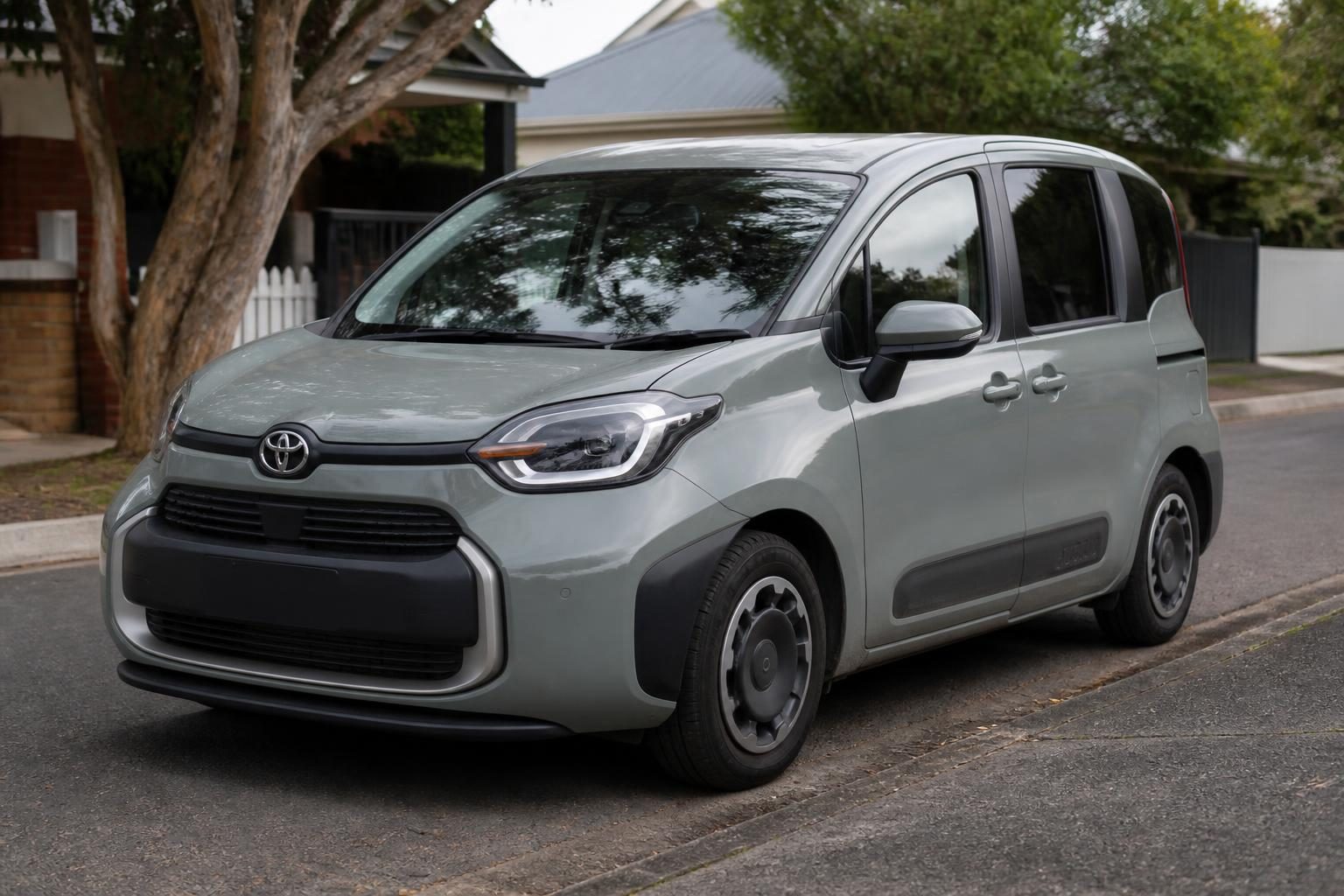 2023 Toyota Sienta
Under the bonnet it's a 1.5-litre three-cylinder petrol engine with Toyota's hybrid system, the same basic architecture as a Yaris Cross, tuned for a seven-seat body. It's the smallest engine on this list and the car it moves is the smallest too, so it's well matched around town. The trade-off is honest: the third row suits kids and short adult trips, not a full load of adults on a Hume Highway run. This one has 94,119 km, the highest reading here, so the listing price reflects that.
Good for: city families with a height-limited garage or tight street parking, who need seven seats occasionally rather than daily.
4. Toyota Voxy 2023 Hybrid
The Toyota Voxy shares its platform and drivetrain with the Noah but takes a squarer, more aggressive look at the same job. At 1,895 mm it's the tallest among the compact slide-door vans here — taller than the Noah, Serena, and Sienta — and that extra height goes straight into rear headroom. Teenagers in the third row will notice.
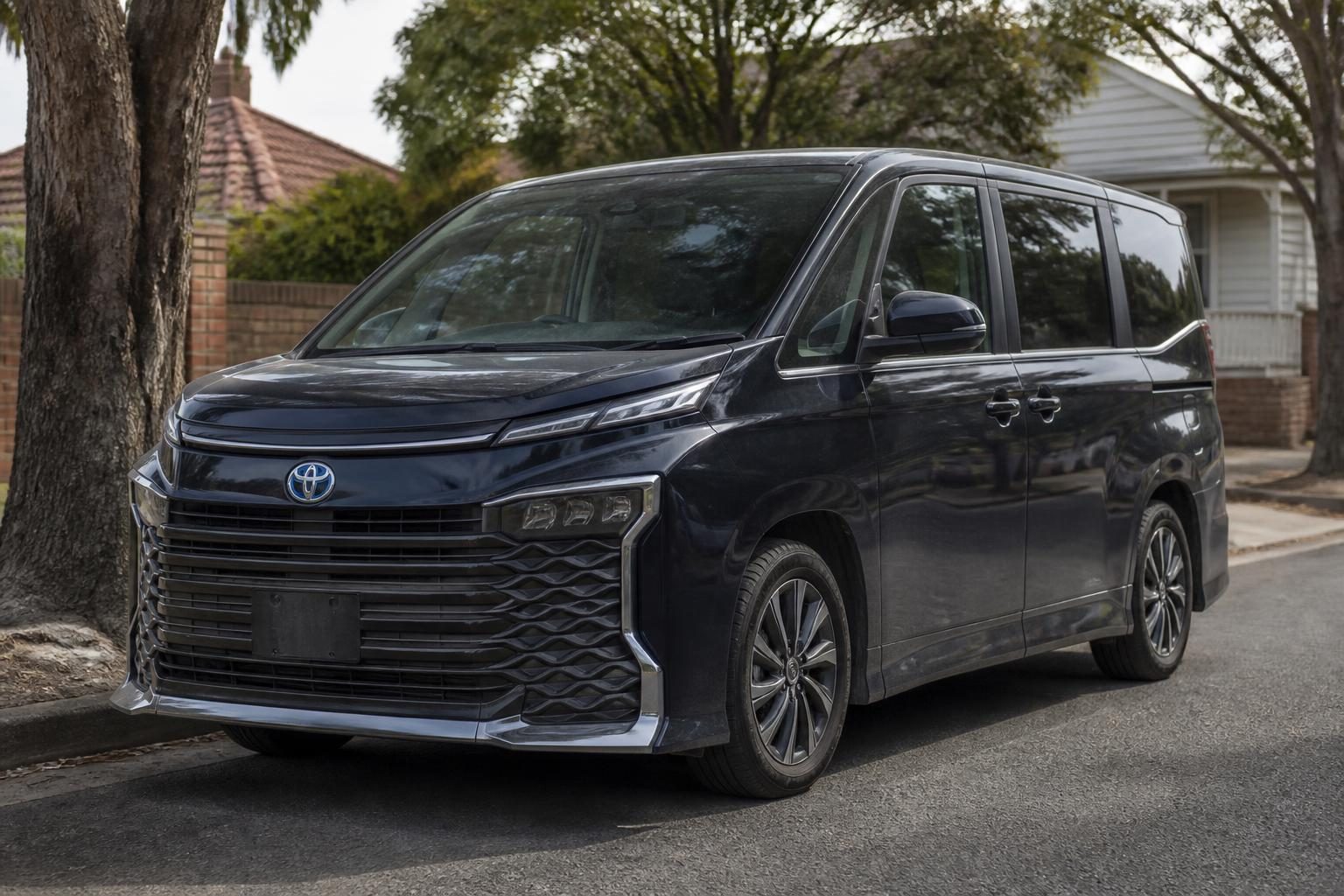 2023 Toyota Voxy
This is a 2023 ZWR90W in black with 55,000 km, running the same 1.8-litre petrol-electric hybrid as the Noah with a CVT and front-wheel drive. Seven seats, dual power sliding doors, and the boxy roofline that makes the cabin feel bigger than the footprint suggests. Because Noah and Voxy are mechanically twins, the choice between them comes down to styling, kilometres, and what's actually available when you're looking.
Good for: taller passengers, and anyone who wants Noah mechanicals with more presence.
5. Toyota Alphard 2022 Hybrid
The Toyota Alphard is what you buy when the people movers above feel too much like appliances. This is the AYH30W, a 2022 build in pearl with 42,000 km, standing 1,950 mm tall. Captain's chairs, a properly finished interior, and the road presence that made it the default airport-transfer car across Asia.
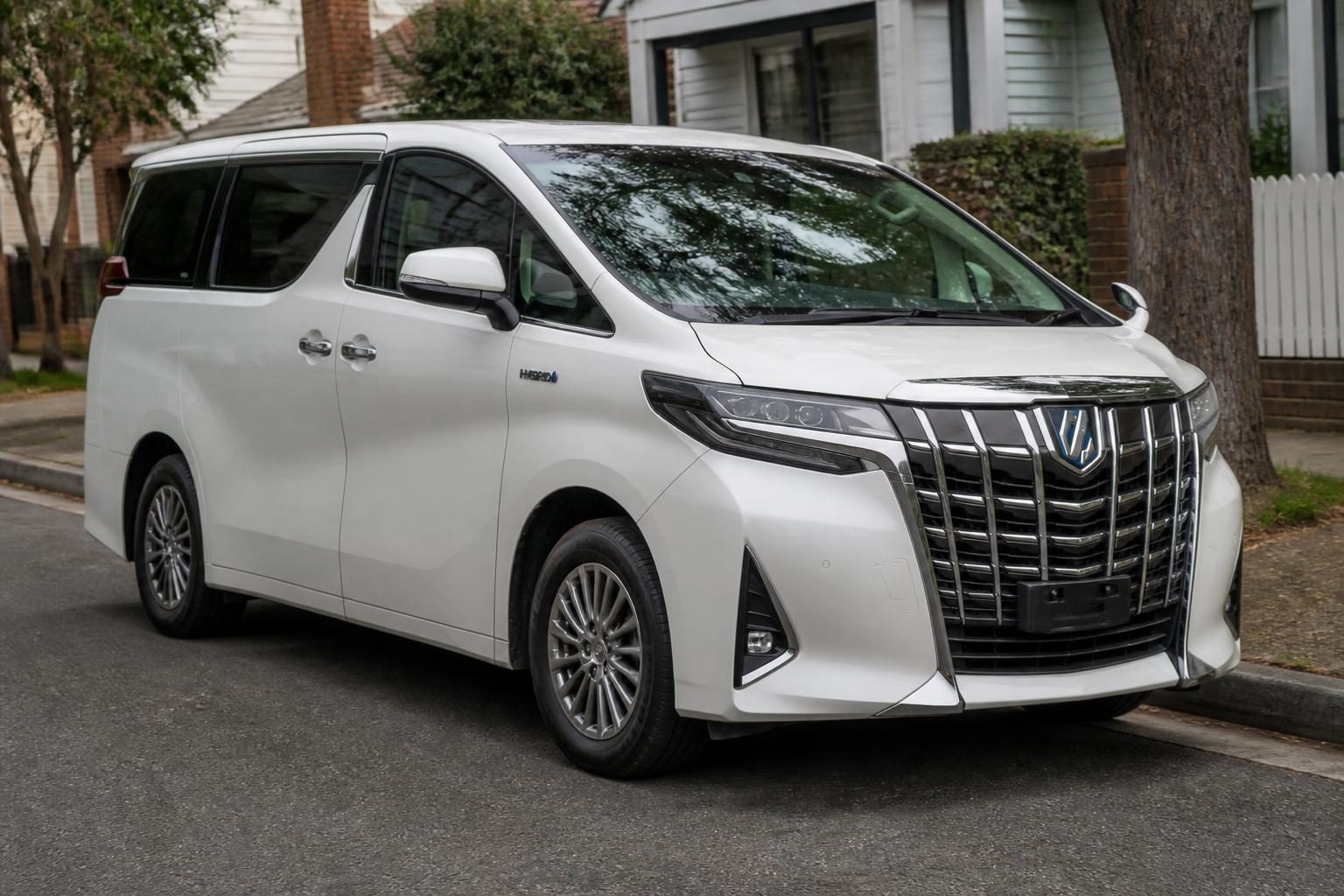 2022 Toyota Alphard
The hybrid drivetrain pairs a 2.5-litre four-cylinder petrol engine with front and rear electric motors, giving it electric all-wheel drive without a driveshaft running through the cabin floor. Fuel consumption is 6.76 L/100km on the WLTC combined cycle (spectank.jp, 6AA-AYH30W-PFXRB(C)). You'll see 5.43 L/100km quoted elsewhere: that's the older JC08 figure, and it's optimistic. At 42,000 km on a 2022 car, this one has been used gently.
Good for: buyers who want genuine premium feel and seven seats, and who have the garage height for it.
6. Toyota Alphard AYH30W Sourced from Japan
If the local car isn't the trim, colour, or year you want, the Toyota Alphard AYH30W can be sourced to order from Japan instead. Same drivetrain and same 6.76 L/100km WLTC combined figure, but you choose the specification rather than taking what happens to be here.
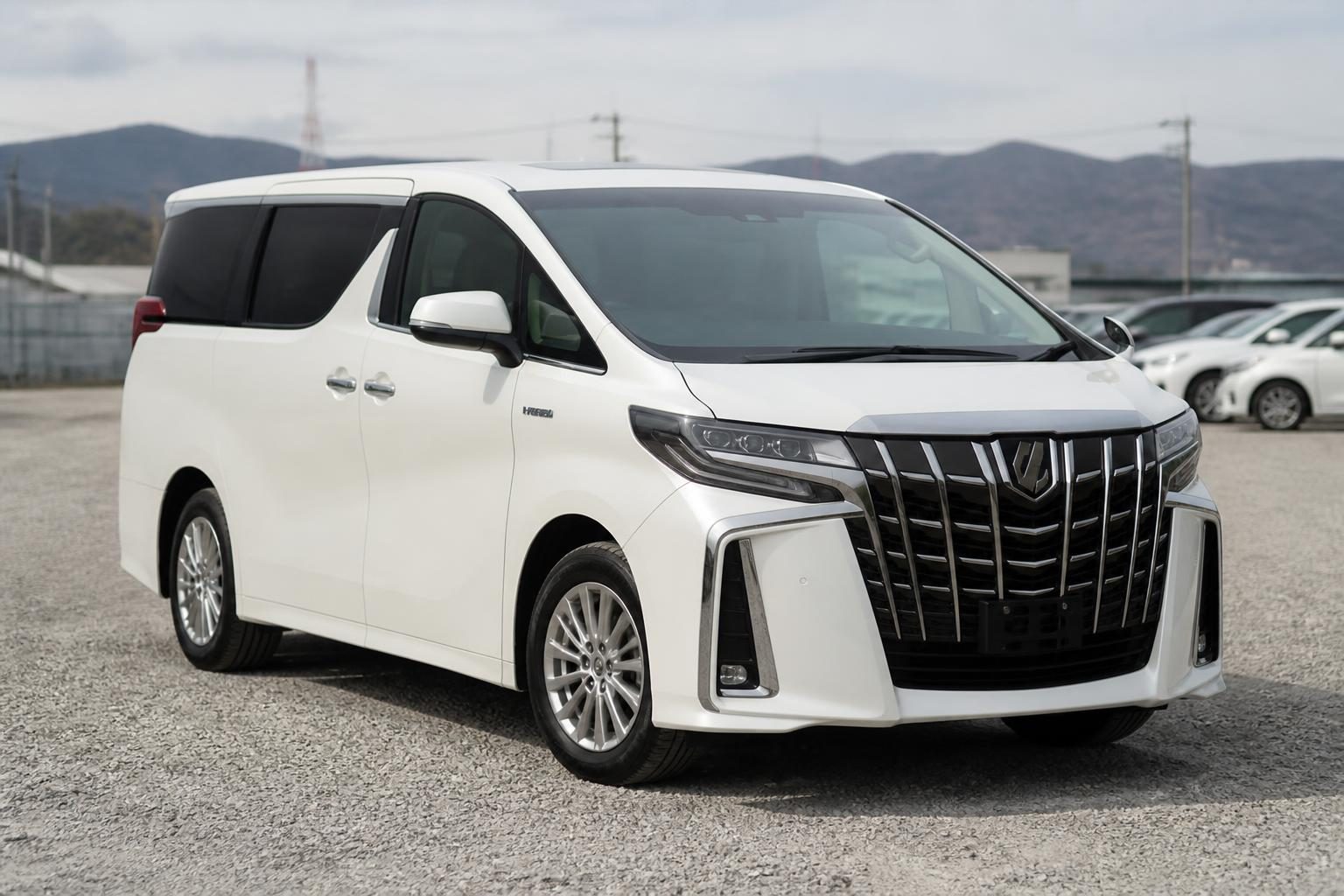 White Toyota Alphard hybrid people mover parked outdoors
The AYH30W holds an active SEVS approval, so it remains importable while that approval window is open. Under ADR 79/05 the approval can't be renewed once it expires, which is the practical reason the import path for Japanese hybrid MPVs is narrowing rather than widening. None of that affects cars already on Australian roads, which stay fully legal.
Ordering from Japan takes longer than buying something already complied, and you're committing before you've sat in the car. The upside is getting the exact Executive Lounge or S-grade layout you actually want, sourced against your brief rather than someone else's.
Good for: buyers with a specific trim in mind and the patience to wait for it.
7. Toyota Estima 2014 Hybrid
The Toyota Estima is the budget entry, and the numbers on this one are unusual. A 2014 AHR20W in blue with 38,555 km, which works out to well under 4,000 km a year. That's a lightly used car wearing an older badge.
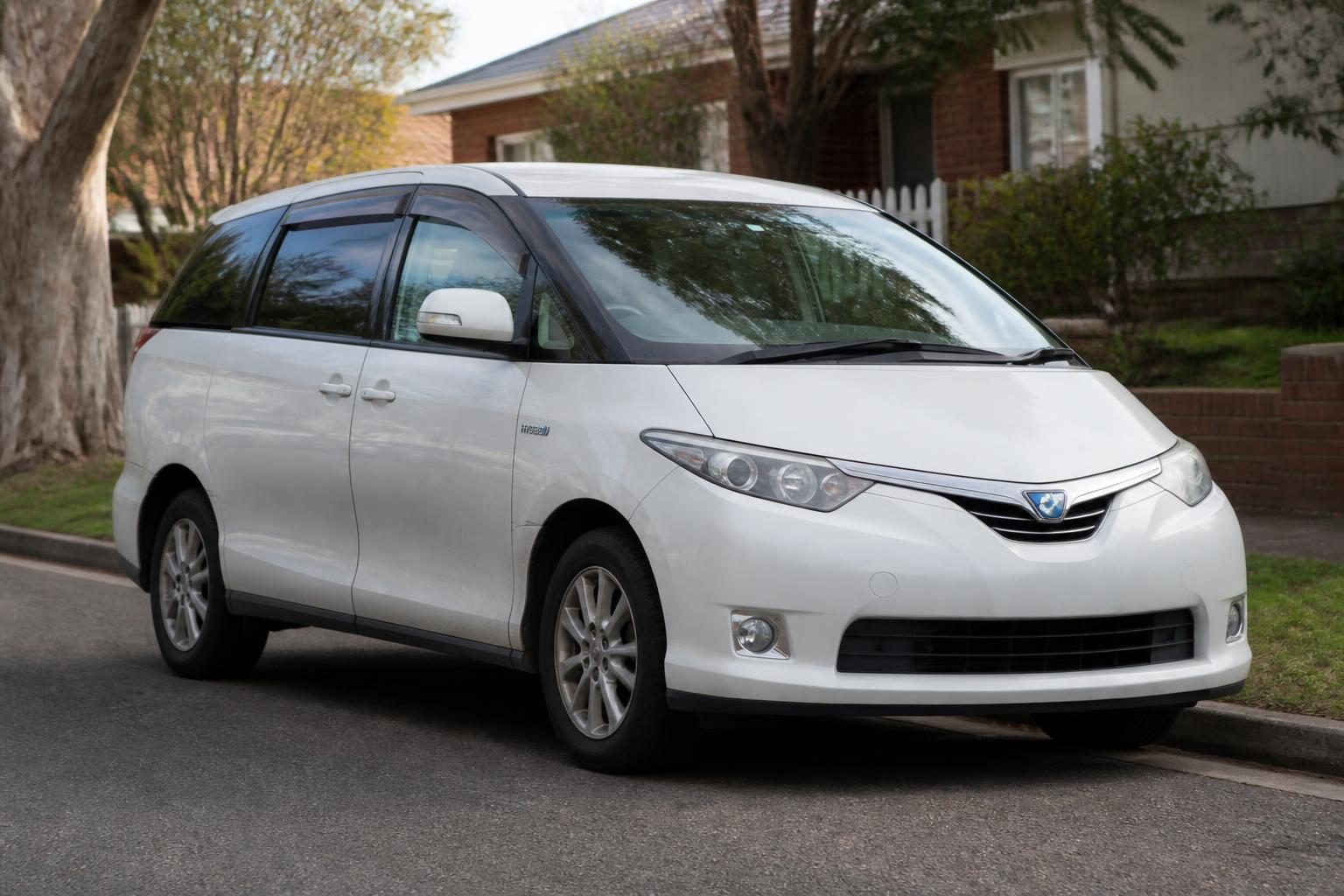 2014 Toyota Estima
The AHR20W runs a 2.4-litre petrol engine with Toyota's hybrid system and a rear electric motor for all-wheel drive, the same broad layout the Alphard later refined. Its 1,760 mm roofline sits between the Sienta and the big vans. This generation predates WLTC testing entirely, so there's no comparable combined figure to publish for it, and we'd rather leave that blank than quote a cycle that doesn't line up with the rest of the table. Older hybrid batteries are the obvious question to ask about at inspection.
Good for: price-conscious buyers who want hybrid running costs and a big cabin, and who are comfortable with an older car.
Which One Makes Sense for You?
Start with the constraint that can't be negotiated, then work backwards. Height limit in your garage? The Sienta at 1,695 mm is the only one on this list that clears most of them comfortably. Need eight belts? The Serena is the only answer here.
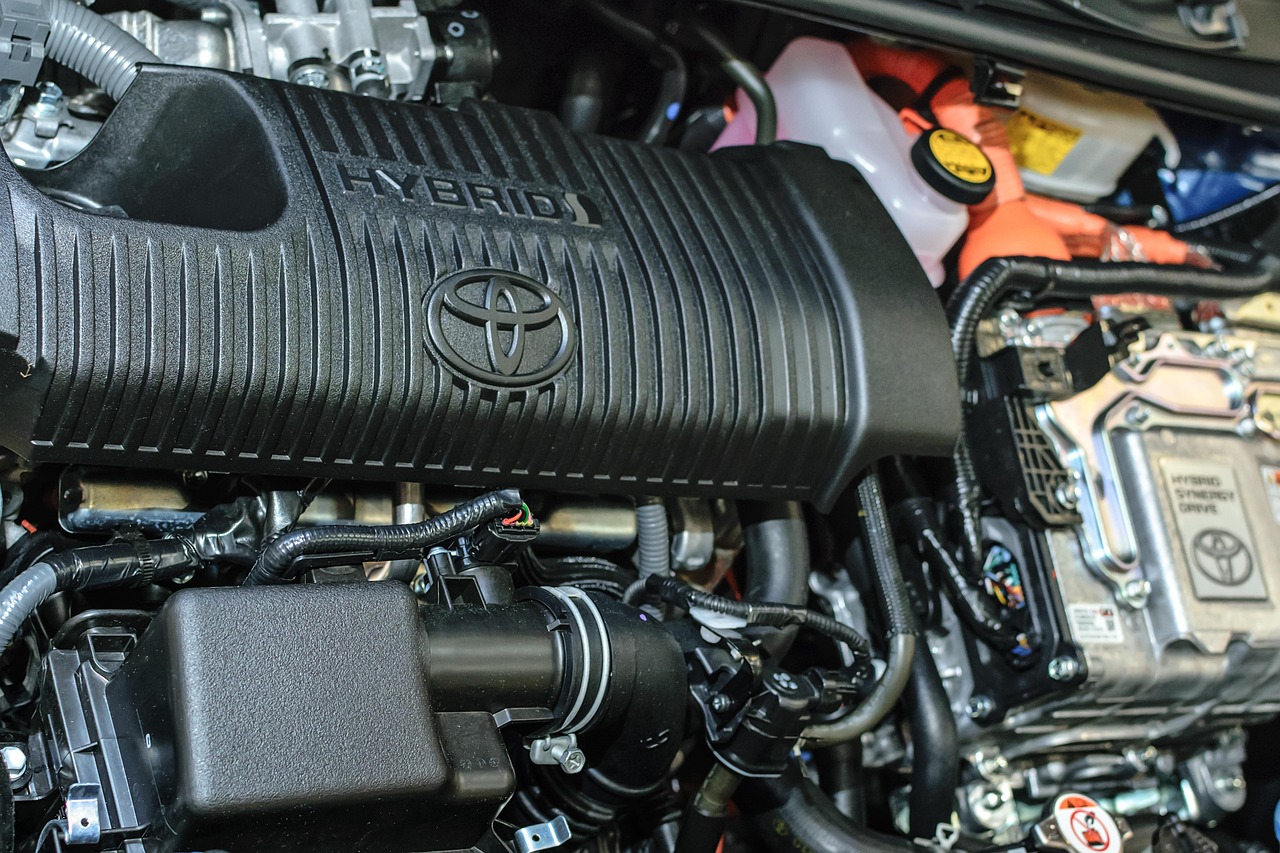 Close-up of a Toyota hybrid petrol-electric engine bay and hybrid system components
After that it's simpler. Lowest kilometres and newest drivetrain, the 2024 Noah. Most rear headroom, the Voxy. Premium cabin and the best long-trip comfort, the Alphard, either the local car or a Japan-sourced order if you want a particular trim. Tightest budget with a big cabin, the Estima, with a battery health check written into your inspection list.
One more thing worth weighing: hybrids do their best work in stop-start traffic. If your weekly driving is mostly Sydney suburbs and school runs, the fuel gap over a petrol van will be wider than the lab figures suggest. If you're doing long highway stints, it narrows.
How Are These Vehicles Sourced?
Most of the models here arrive through the same channel: the Japanese domestic auction system, complied to Australian standards before sale. Carbarn operates from Lidcombe in Sydney and specialises in exactly this, holding locally available Japanese stock you can inspect in person and arranging Japan-sourced vehicles to order. That includes SEVS compliance work, roadworthy and registration, workshop preparation, and guidance on model codes and grade differences before you commit. You can browse Carbarn's hybrid stock or start an import enquiry.