


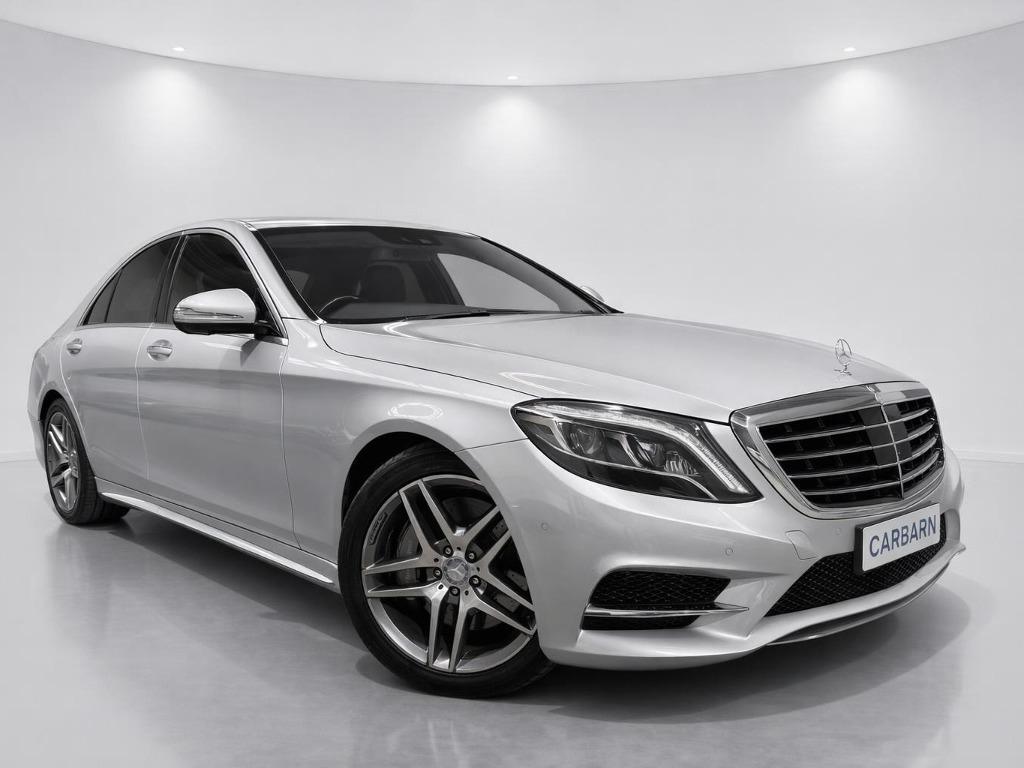
Which Mercedes-Benz model fits your life?
Mercedes-Benz vehicles can share a badge while serving very different needs, and equipment should never be assumed from the model name or trim text alone. Decide whether the body style, seating and access suit the intended use before comparing years and prices.
Model code beats the model name
Variant names change across years and may not describe every material difference. The model code, where recorded, is a stronger comparison point — two listings that look alike in a search result can be quite different underneath, and the recorded code is what tells them apart.
Reading the price range
Price on its own says little across this range — most of the gap is age, kilometres and specification rather than one car being in better shape than another. Pair any price with the year and the odometer before deciding it is good value.
Condition beats age
Age is the least reliable thing a listing tells you. What actually separates two used cars is the record: how they were serviced, what they were used for, and what the inspection found. That is why the recorded details sit beside every listing here — odometer, drivetrain, the model code naming the exact build. Start from the job the car has to do, let the records shortlist the candidates, and treat the year as one fact among many rather than the headline.
How to read a listing here
Two cars can share a name and almost nothing else, because most model names covered several mechanical setups over their life. The model code on each listing names the exact build, which makes it the fastest way to compare candidates before opening either page. The rest of the recorded details — engine, drivetrain, configuration — work the same way, and where service and preparation records exist they are shown on the vehicle's own page.
Sedans in the Mercedes-Benz range
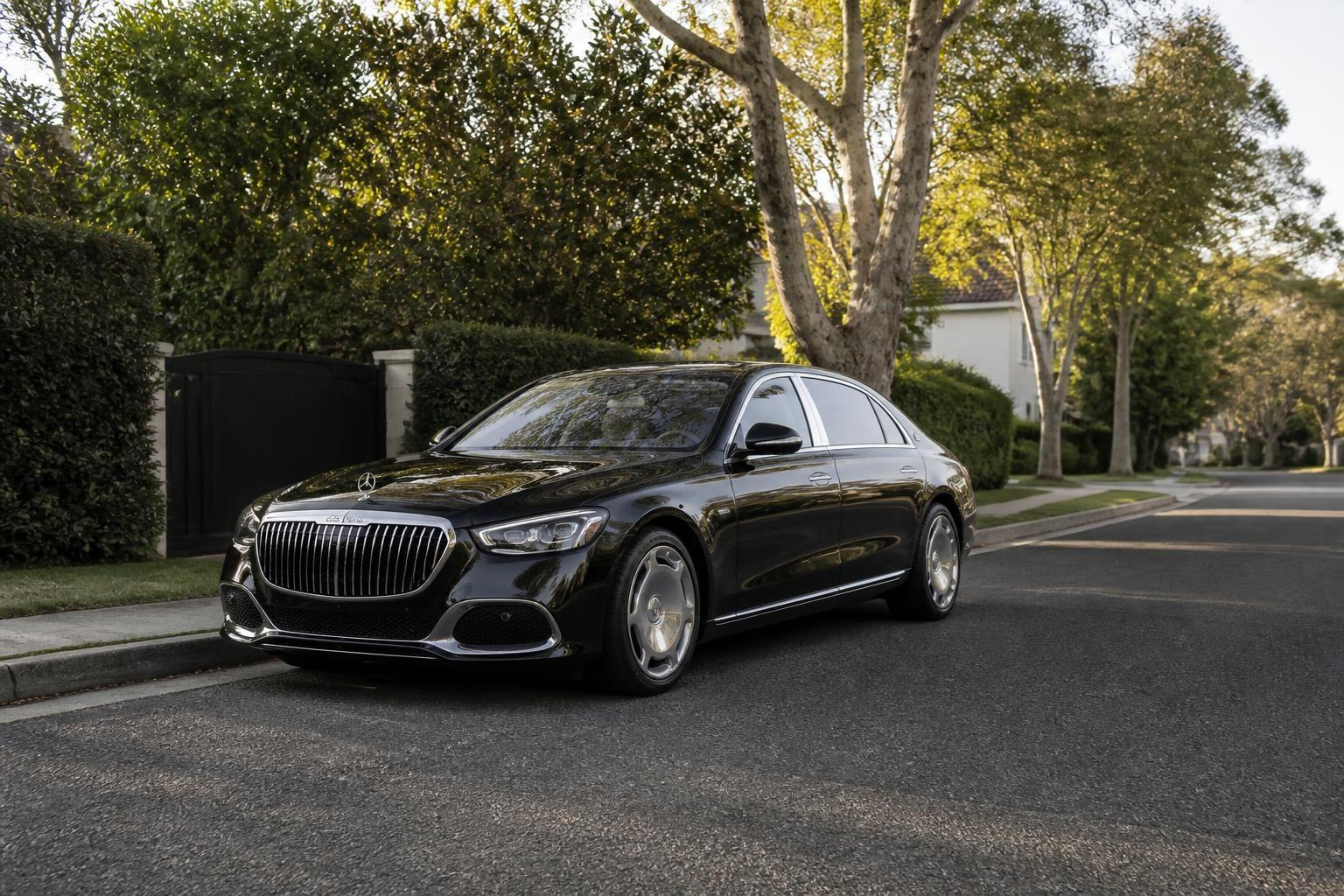
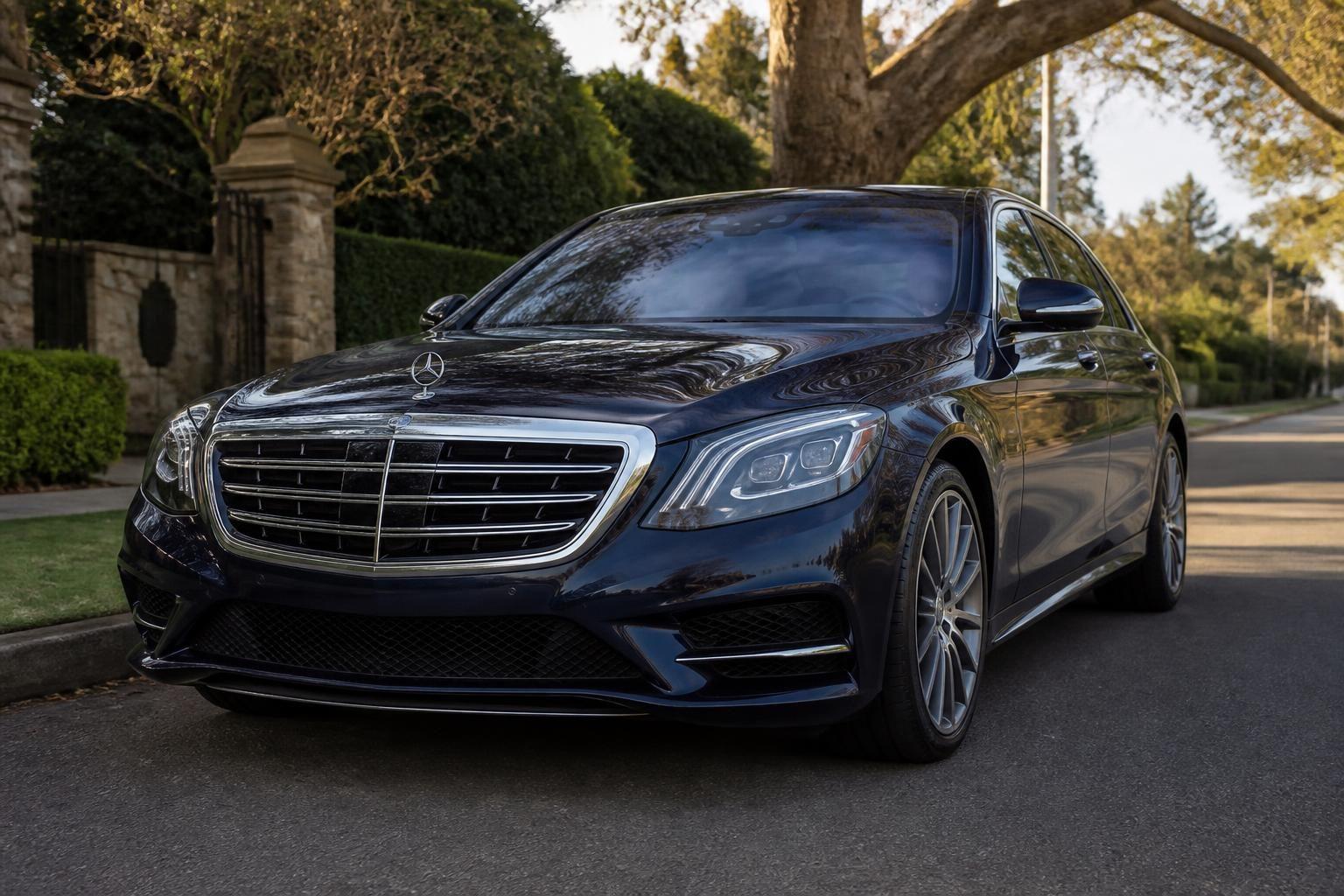
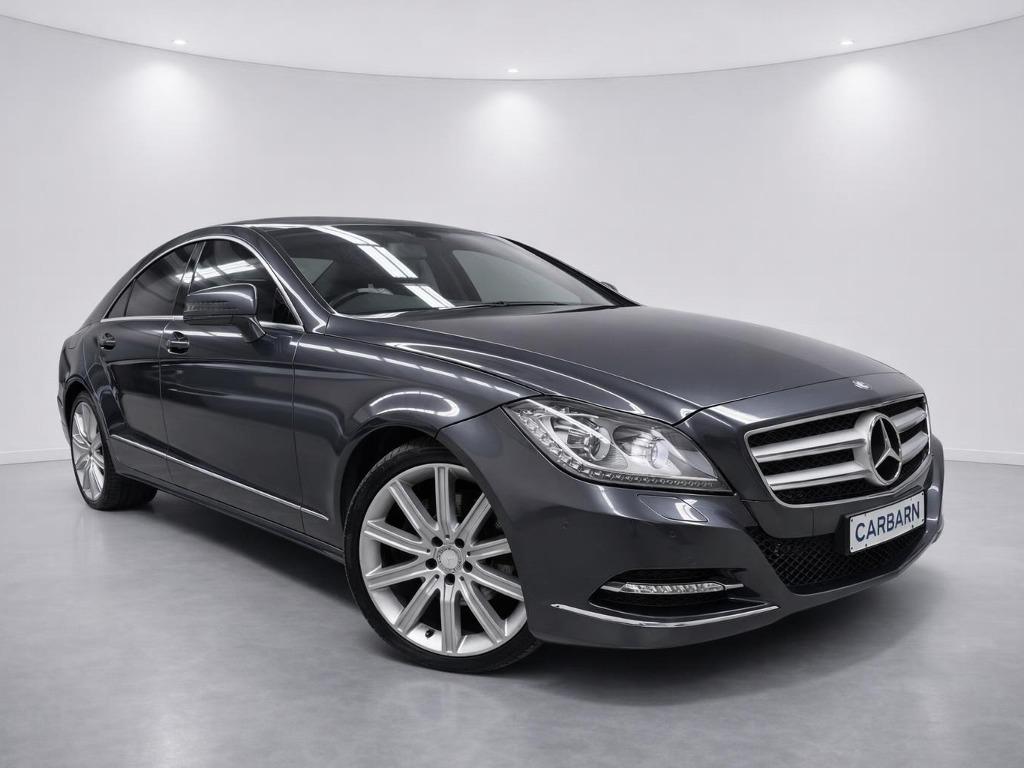
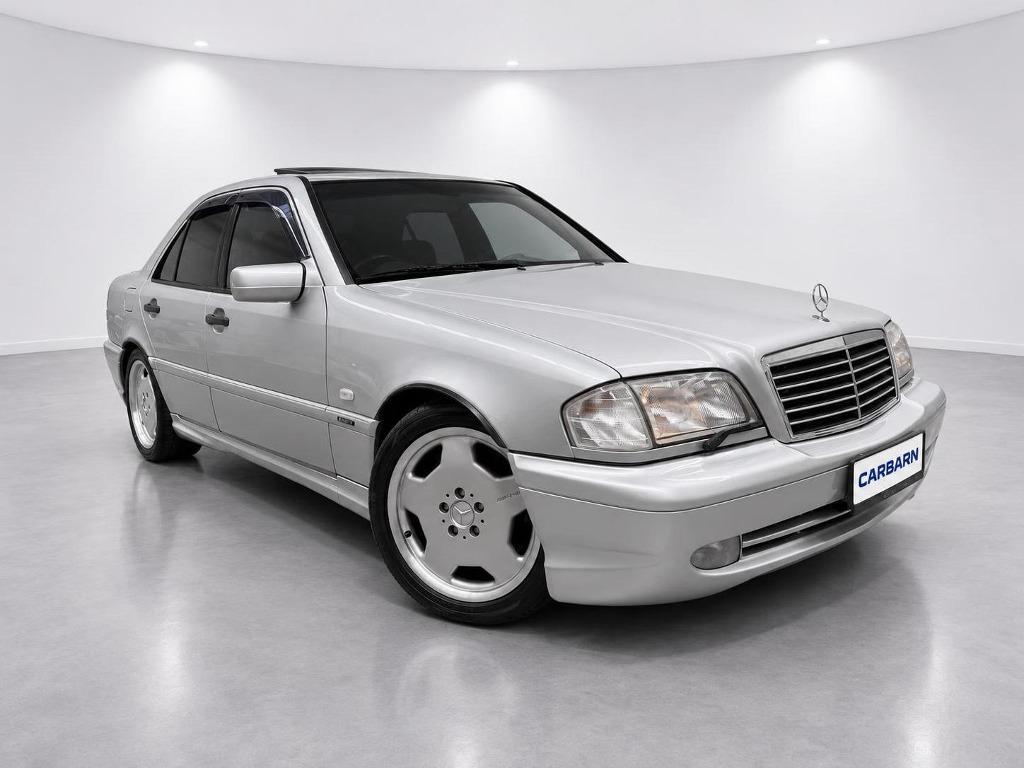
Sedans trade the tall seating of SUVs for a lower stance, a separate boot and, usually, quieter road manners — which is why they suit long commutes and highway driving. On the used market they often carry more equipment for the money than the equivalent SUV, because demand leans the other way. Compare the recorded variant and equipment on each listing: sedan ranges were often sold in widely different trims under one name, and the details record which one a listing actually is.
Petrol Mercedes-Benzes, in plain terms
A petrol engine is the low-complication answer: cheaper to buy at the same age, straightforward to service anywhere, and happiest in the mixed daily driving most cars actually do. Its costs show at the pump on long highway work, which is where diesel earns its keep instead. Read the engine code off the listing rather than the badge — the same name often covered more than one engine over the years.