

Is this Mercedes-Benz C43 the right one?
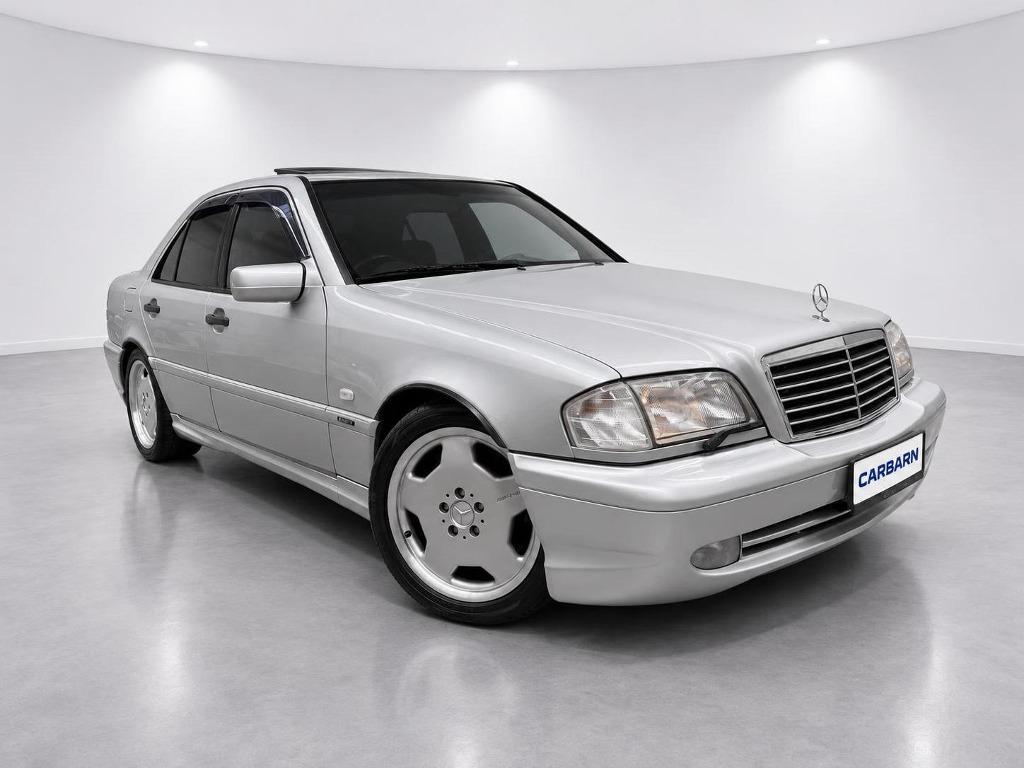
Just one used Mercedes-Benz C43 is listed. With no second example to compare against, the recorded fields and the photographs carry the entire assessment. It is why two apparently similar listings can be priced differently and both be correct.
What the listing records
The fields on a used Mercedes-Benz C43 listing describe that vehicle only. Nothing is carried across from another example of the same model. It is why two apparently similar listings can be priced differently and both be correct.
Reading a listing properly
Where a used Mercedes-Benz C43 photograph raises a question the recorded fields do not answer, Carbarn's Sydney team can check it directly. The same standard applies whether a vehicle has just been listed or has been in stock for a while.
Condition beats age
Two cars with the same badge and year can be completely different purchases, because how a vehicle was serviced and used matters more than when it was built. A well-serviced higher-kilometre example is often a better buy than a neglected low-kilometre one — the service history is what separates the two. Read the recorded details on each listing rather than judging by the year: they carry what was actually observed on the vehicle, from odometer and drivetrain to the model code that identifies the exact build. Deciding what the car needs to do first, then checking what each listing actually records, is a shorter path than comparing badges.
How to read a listing here
Two cars can share a name and almost nothing else, because most model names covered several mechanical setups over their life. The model code on each listing names the exact build, which makes it the fastest way to compare candidates before opening either page. The rest of the recorded details — engine, drivetrain, configuration — work the same way, and where service and preparation records exist they are shown on the vehicle's own page.
Why small hatchbacks make sense used
The case for a used hatchback is arithmetic: less to buy, less to run, less to park. What the class gives up in size it returns in ease of ownership, which is why these cars suit commuters and first-time buyers alike. Judge each candidate the standard way — service history first, recorded kilometres against how the car presents — and remember that in this class condition separates the good buys far more than equipment does.
The case for petrol
Petrol is the default for a reason: simplest to own, cheapest to buy at the same age, serviceable anywhere, and well matched to the short, mixed driving most cars actually do. It gives ground to diesel on loaded highway work and to hybrids in heavy traffic — if neither describes the life the car will lead, petrol usually wins the value question. Confirm the exact engine from the listing's recorded code; one model name often hid several petrol setups.