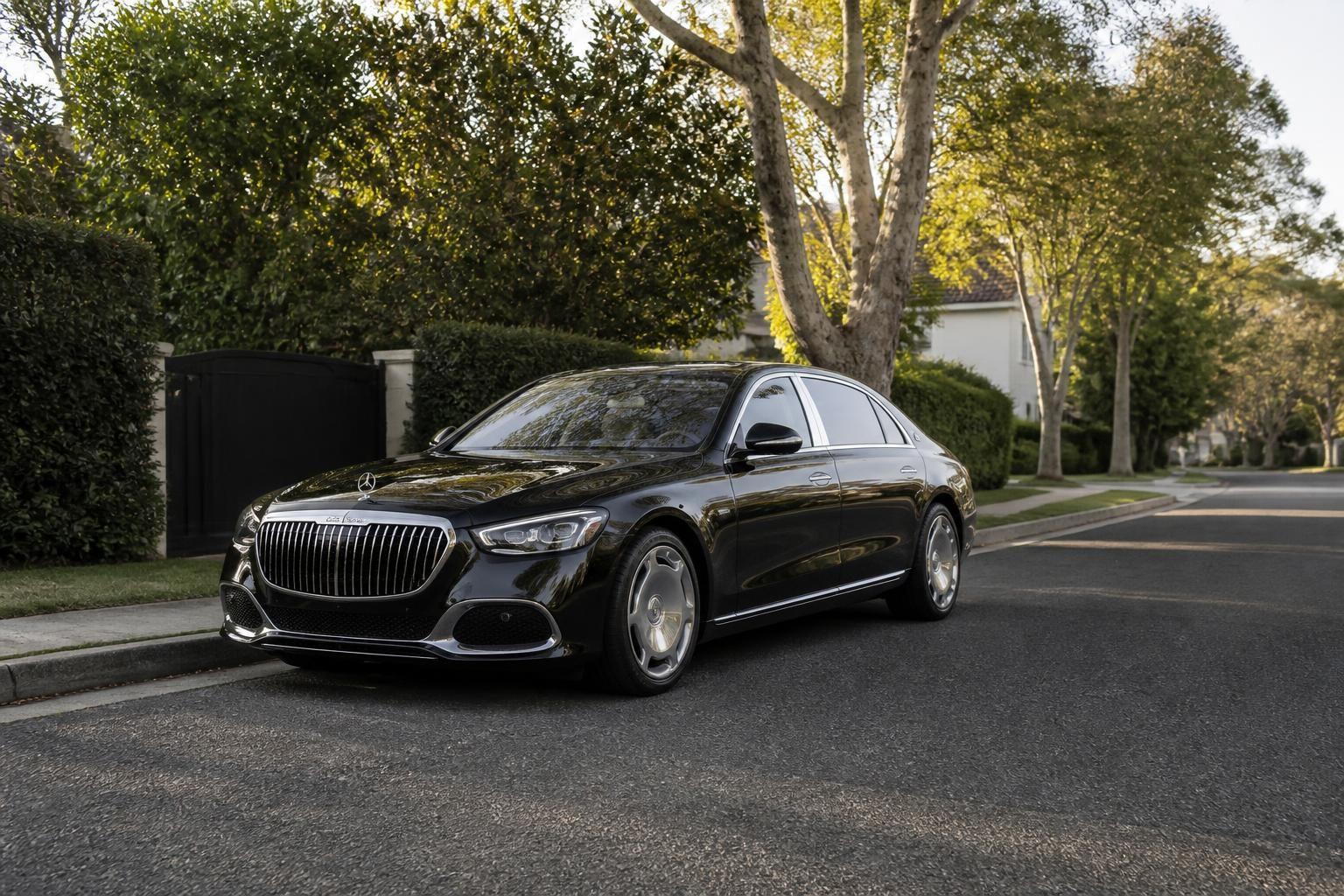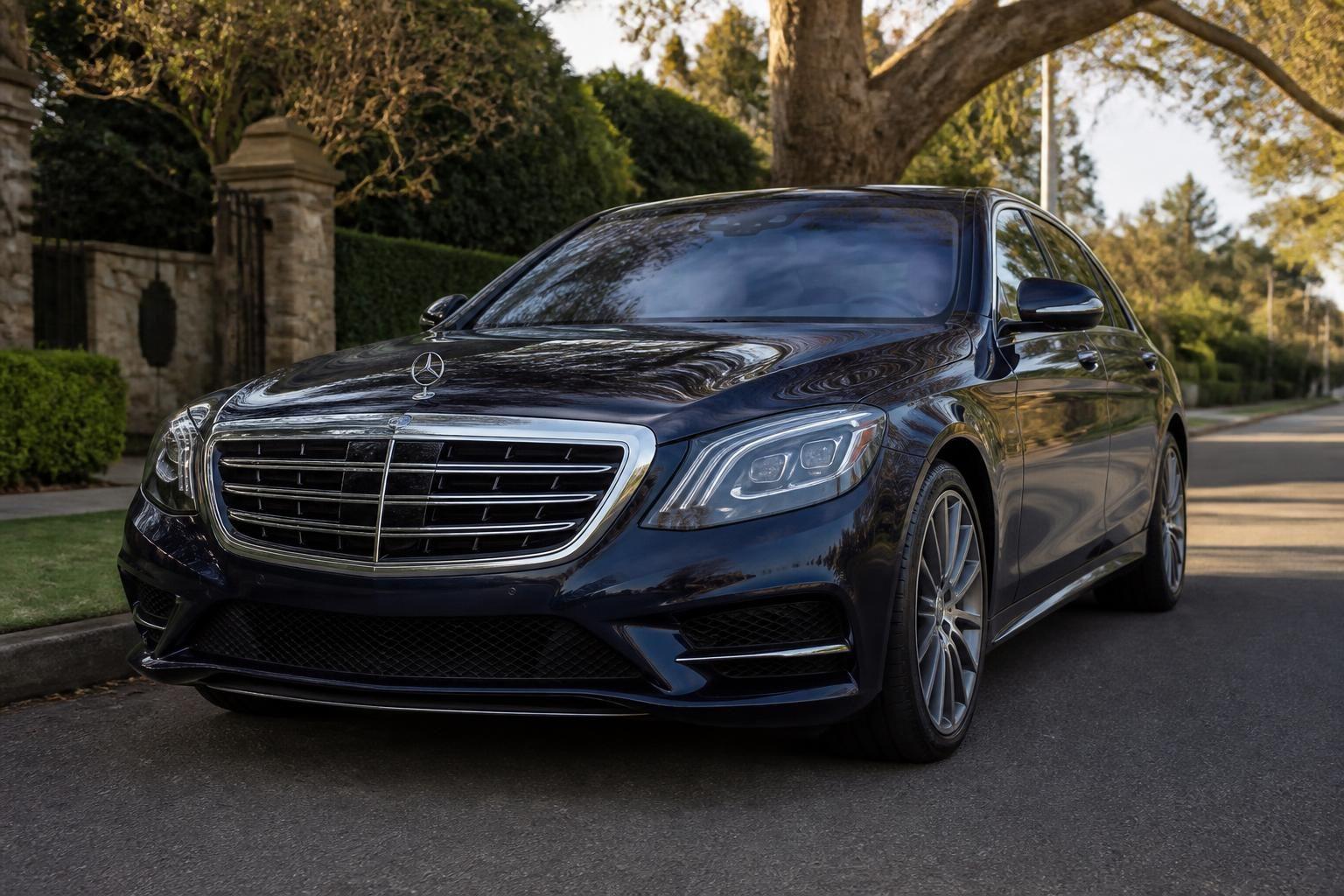


Is this Mercedes-Benz CLS-250 the right one?
Carbarn currently lists one used Mercedes-Benz CLS-250, so the question is whether that specific vehicle suits rather than which of several to choose. Its recorded fields describe what it carries, and the listing itself holds the full detail. It is the difference between buying a specification and buying a specific car.
What the listing records
A used Mercedes-Benz CLS-250 listing shows the service history Carbarn holds. Where records are partial, the listing says so rather than rounding up. It is the difference between buying a specification and buying a specific car.
Reading a listing properly
Where a used Mercedes-Benz CLS-250 photograph raises a question the recorded fields do not answer, Carbarn's Sydney team can check it directly. Anything not covered by either is worth raising before a commitment is made.
Condition beats age
Two cars with the same badge and year can be completely different purchases, because how a vehicle was serviced and used matters more than when it was built. A well-serviced higher-kilometre example is often a better buy than a neglected low-kilometre one — the service history is what separates the two. Read the recorded details on each listing rather than judging by the year: they carry what was actually observed on the vehicle, from odometer and drivetrain to the model code that identifies the exact build. Deciding what the car needs to do first, then checking what each listing actually records, is a shorter path than comparing badges.
How to read a listing here
Two cars can share a name and almost nothing else, because most model names covered several mechanical setups over their life. The model code on each listing names the exact build, which makes it the fastest way to compare candidates before opening either page. The rest of the recorded details — engine, drivetrain, configuration — work the same way, and where service and preparation records exist they are shown on the vehicle's own page.
A used sedan's case
A sedan's advantages are quiet ones: a lower stance that settles highway driving, a separate boot, and often more equipment for the money used than the equivalent SUV, because demand leans the other way. Ranges sold under one sedan name usually spanned very different trims and engines, so the recorded variant and engine details on each listing matter more than the badge when comparing two candidates.
When diesel earns its keep
Diesel pulls better under load and uses less fuel on the open road, which is why working vans, utes and touring builds lean that way. It dislikes the opposite life: short cold trips without highway running are the pattern that ages a diesel early. Match the engine to the use honestly — a courier doing daily highway kilometres and a school-run car are different purchases — and favour listings whose history shows the regular servicing diesels repay.