



Ready to Hit the Road in Style?
Save money and reduce emissions with vehicles designed to deliver exceptional mileage. Visit our inventory and find a car that fits your lifestyle.
Ready to Hit the Road in Style?
Save money and reduce emissions with vehicles designed to deliver exceptional mileage. Visit our inventory and find a car that fits your lifestyle.
A used hybrid can look like a sensible way to reduce fuel use, because hybrid systems combine an engine with electric drive and regenerative braking. Then a warning light appears, and the question changes from “How efficient is it?” to “What will this repair involve?” (U.S. Department of Energy, “How Do Hybrid Electric Cars Work?”, accessed 25 August 2026)
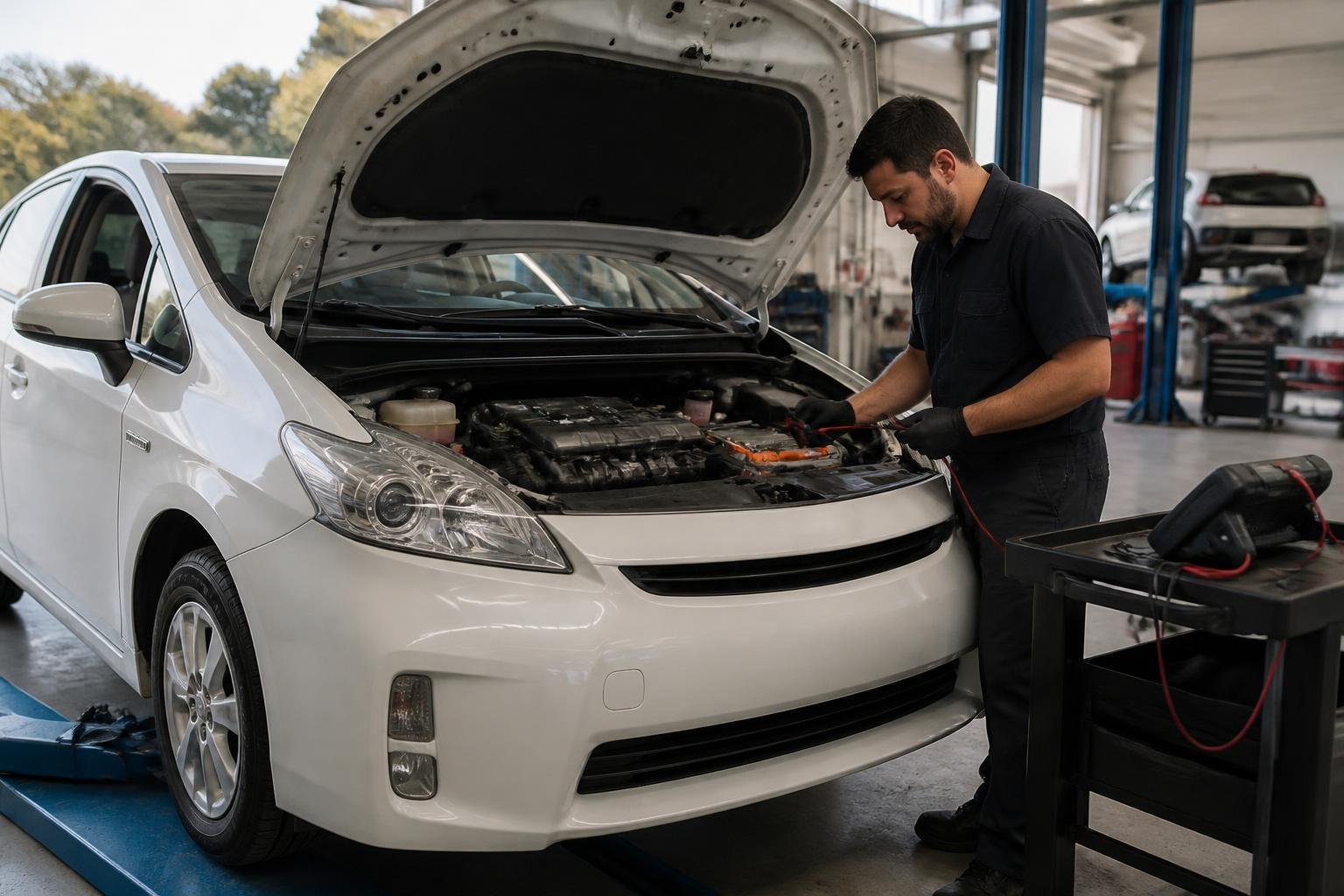
Hybrid ownership combines familiar petrol-car maintenance with high-voltage electrical systems. You still need to service the engine, brakes, tyres, suspension, fluids and cooling systems. You also need suitable checks for the traction battery, 12-volt battery and hybrid-system diagnostics. (U.S. Department of Energy, “Electric Vehicle Maintenance and Servicing”, accessed 25 August 2026)
This guide explains what servicing involves, why quotes vary, which warning signs deserve attention and how to inspect a used hybrid before buying. It also covers Australian warranty and consumer-protection considerations.
Quick Answer
- Hybrid cars still need scheduled servicing for their engine, brakes, tyres, suspension, fluids and electronics.
- Regenerative braking may reduce friction-brake wear, but it doesn’t remove the need for brake inspections.
- A traction-battery fault and a weak 12-volt battery are different problems.
- High-voltage diagnosis needs suitable training, equipment and safe workshop procedures.
- Toyota’s eligible HEV coverage can reach 10 years under stated conditions (Toyota Australia, “Toyota Warranty Advantage”, accessed 25 August 2026), but that isn’t a universal battery-life promise.
What Does Hybrid Car Maintenance Cost in Australia?
There isn’t one reliable Australian dollar figure for hybrid maintenance. Public prices vary by model, service interval, workshop and fault, so a single example would not represent every hybrid. Ask for separate line items, then compare routine servicing with diagnosis and repairs.
A hybrid-system diagnostic is a scan and test of the vehicle’s control systems, fault codes and battery behaviour. It is different from a scheduled service. Use this framework when requesting a quote:
- Routine scheduled servicing: labour, engine oil, filters, fluid checks, inspections and electronic scans.
- Hybrid-system diagnostics: scan time, fault-code analysis, road testing and a written diagnosis.
- 12-volt battery replacement: battery, fitting and any required system reset or initialisation.
- Traction-battery assessment: vehicle-specific health test, stored codes, cooling checks and a report on the test method.
- Brakes, cooling and air conditioning: inspection first, then parts and labour quoted separately.
- Out-of-warranty traction-battery repair: ask whether the quote covers a module, battery assembly, related wiring, cooling components and specialist labour.
For a Japanese-market vehicle, ask whether the workshop has the correct diagnostic access and can source model-specific parts. A useful quote should name the vehicle, list parts and labour separately, state whether diagnosis is included and identify what can safely wait. That gives you a practical answer to “hybrid car service cost Australia” without turning an unverified estimate into a promise.
Do Hybrid Cars Need Less Servicing Than Petrol Cars?
Yes, a hybrid still needs regular servicing, although regenerative braking and electric assistance can reduce wear on some components. Toyota’s current service terms commonly use a 12-month or 15,000-kilometre framework for relevant current-generation passenger and SUV hybrids. The exact distance and service limit depend on the vehicle’s terms. (Toyota Australia, “Toyota Service Advantage service terms”, accessed 25 August 2026)
Toyota Service Advantage covers eligible scheduled servicing for a nominated period, distance and number of services. Current Toyota information commonly refers to three or five years. Check the exact vehicle terms rather than applying those periods to every hybrid.
A hybrid’s petrol engine still needs oil, filters, coolant checks and inspections according to the vehicle’s maintenance schedule. The cabin filter, air-conditioning system, tyres, suspension and steering also need attention. Wheel alignment should be checked when symptoms or inspection findings point to it. (Toyota Australia, “Toyota Service Advantage”, accessed 25 August 2026)
Regenerative braking can reduce how often the friction brakes operate, which may reduce pad and disc wear. It doesn’t remove the need for inspections. Brake-fluid ageing, disc corrosion, seized callipers or uneven braking can still occur. A quiet hybrid can still have a brake problem. (Australian Government Department of Climate Change, Energy, the Environment and Water, “Electric vehicle maintenance and servicing”, accessed 25 August 2026)
Service intervals vary by model, market and vehicle history. Toyota’s current service terms use a 12-month or 15,000-kilometre framework for relevant current-generation passenger and SUV hybrids. Your owner’s handbook remains the controlling document, particularly for a Japanese-market vehicle. (Toyota Australia, “Toyota Service Advantage service terms”, accessed 25 August 2026)
| Maintenance area | Does a hybrid still need it? | Buyer takeaway |
|---|---|---|
| Engine oil and filters | Yes | The petrol engine still needs scheduled care |
| Brakes | Yes | Regeneration can reduce wear, not eliminate inspection |
| Tyres and suspension | Yes | Check them as carefully as any used car |
| 12-volt battery | Yes | It supports electronics and start-up controls |
| Traction battery | When required | Use vehicle-specific diagnostics and warranty evidence |
| High-voltage system | When required | Use a suitably trained workshop |
The practical takeaway is simple: hybrid servicing is familiar in many areas, but it isn’t identical to servicing a petrol car. Regular time and distance intervals still apply. The hybrid system also adds diagnostic and safety considerations.
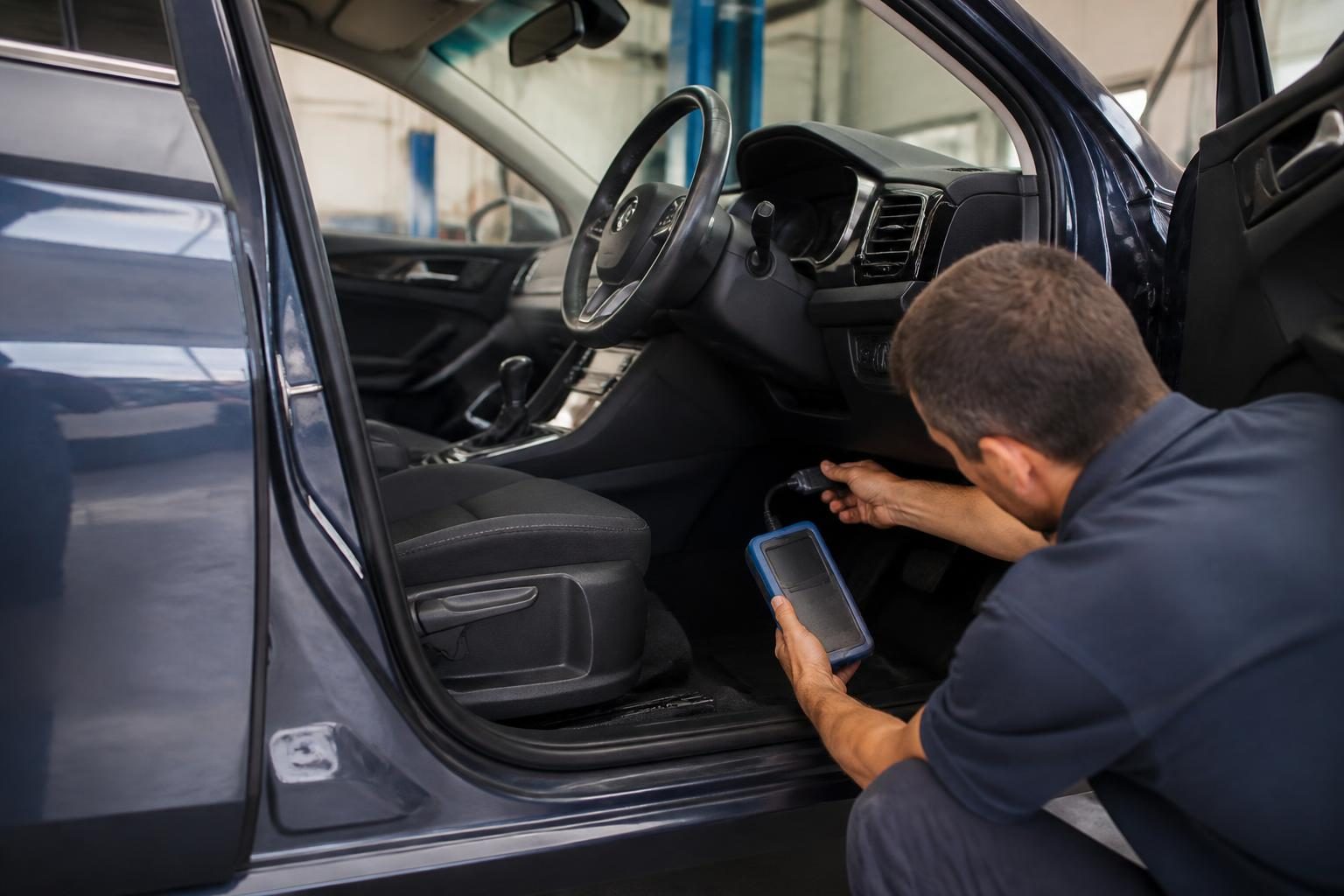 Electronic diagnostics form part of a proper hybrid inspection, alongside ordinary mechanical checks.
For more practical checks, see used hybrid vehicles in Australia and review each vehicle’s service history before booking maintenance.
Hybrid Service Quotes in Australia
A hybrid service quote should separate scheduled maintenance from diagnosis, battery testing and high-voltage repair. Toyota Australia says it has Toyota-trained technicians in over 300 service centres across Australia, but workshop suitability still depends on the vehicle and the work required. (Toyota Australia, “Toyota Servicing FAQs”, accessed 25 August 2026)
A scheduled service might include oil, filters, fluid checks, inspections and electronic scans. Another visit might involve a warning light, a weak auxiliary battery or a traction-battery assessment. Comparing each bill line by line helps prevent routine servicing from being confused with fault-finding.
Ask the workshop to identify each of these categories:
- Scheduled logbook service.
- Parts, fluids and consumables.
- Tyres, brakes, suspension or wheel alignment.
- 12-volt battery testing or replacement.
- Diagnostic scanning and fault-code analysis.
- Traction-battery health testing.
- High-voltage diagnosis or repair.
- Additional parts or specialist labour for an imported vehicle.
The most useful quote names the vehicle, separates parts from labour, states whether diagnosis is included and explains what needs attention now. It should also identify work that can wait. This format lets you compare workshops fairly and gives you a clearer basis for deciding whether a repair is worthwhile.
Independent servicing doesn’t automatically remove applicable manufacturer-warranty or Australian Consumer Law rights when the work is properly performed with fit-for-purpose parts and the manufacturer’s specifications and intervals are followed. Manufacturer warranties and additional warranty programmes can set different conditions. Toyota’s extra engine and driveline extension, for example, requires servicing with Toyota under its current terms. Check the exact warranty before choosing a workshop. (Australian Automotive Aftermarket Association, “Warranties and Log Book Servicing”, accessed 25 August 2026; Toyota Australia, “Online Service Booking”, accessed 25 August 2026)
Australia’s Motor Vehicle Information Scheme became operational on 1 July 2022. It covers passenger and light-goods vehicles manufactured on or after 1 January 2002. The scheme requires manufacturers to provide service and repair information to independent repairers at a fair market price. It excludes motorhomes, buses, heavy vehicles and two- and three-wheeled vehicles. Some security information also has access conditions. Those limits matter for some Japanese-market imports, and workshop capability still needs checking. (Australian Competition and Consumer Commission, “Motor Vehicle Information Scheme”, accessed 25 August 2026)
For broader ownership planning, browse used cars in Australia and compare the likely maintenance items before you buy.
How Do Hybrid Batteries Work and Get Checked?
A traction battery is the high-voltage battery that supplies energy to a hybrid’s electric motor. A 12-volt battery is the separate low-voltage battery that supports the vehicle’s electronics and system startup. Hybrid-system diagnostics means scanning and testing the control systems, fault codes and battery behaviour. These are separate checks, and a short drive cannot replace them.
Toyota says eligible HEV traction-battery coverage can extend to up to 10 years for vehicles first delivered or registered in Australia from the relevant date, when the specified annual health checks and Toyota routine maintenance are completed. Terms and exclusions apply, including possible exclusions for commercial use and battery-capacity degradation. This is warranty coverage for eligible faults, not a promise of full battery capacity or a universal 10-year battery life. (Toyota Australia, “Toyota Warranty Advantage”, accessed 25 August 2026)
What does the traction battery do?
The high-voltage traction battery supplies energy for electric drive assistance. In a conventional hybrid, the petrol engine and regenerative braking recharge it while you drive. You don’t plug a standard HEV into a wall socket, unlike a plug-in hybrid. (U.S. Department of Energy, “How Do Hybrid Electric Cars Work?”, accessed 25 August 2026)
A proper assessment should consider stored fault codes, battery-system behaviour, cooling and the manufacturer’s testing procedure. Toyota’s health-check framework is one example of a vehicle-specific assessment. Age alone cannot diagnose battery condition. A short test drive without a scan or service-history review is not enough evidence. (Toyota Australia, “Toyota Service Inclusions”, accessed 25 August 2026)
When inspecting a used hybrid, ask for the battery test method and result in writing. Check whether the report covers stored codes, cooling performance and the relevant warranty requirements. Then compare that evidence with the vehicle’s service records and first-delivery date. If the seller cannot explain what was tested, arrange an independent assessment before committing to the purchase.
What does the 12-volt battery do?
The 12-volt battery is a separate, smaller system. It helps power vehicle electronics and system startup before the high-voltage system is engaged. A weak one can contribute to starting problems, electronic glitches or warning lights, but those symptoms don’t prove the traction battery has failed. (U.S. Department of Energy, “How Do Hybrid Electric Cars Work?”, accessed 25 August 2026)
That distinction matters when buying a used hybrid. Replacing or testing the 12-volt battery is a different job from checking the high-voltage battery. Ask the workshop to test both systems separately.
Toyota’s warranty terms provide a useful example of why paperwork matters. Vehicles first delivered or registered in Australia from 1 January 2019 may receive five years of unlimited-kilometre warranty coverage. Eligible HEV traction-battery cover can extend to up to 10 years when the required annual health checks and Toyota routine maintenance are completed, subject to the vehicle’s terms and exclusions. This does not guarantee battery capacity for 10 years. (Toyota Australia, “Toyota Warranty Advantage”, accessed 25 August 2026)
Toyota’s Electrified FAQs also records an earlier example of eight years or 160,000 kilometres, whichever comes first, from first delivery for HEVs bought before 1 January 2019. These terms relate to specific vehicles and dates. Check the first-delivery date, warranty documents and health-check history before relying on them. (Toyota Australia, “Electrified FAQs”, accessed 25 August 2026)
The useful question isn’t “How many years does a hybrid battery last?” It’s “What evidence shows this battery is healthy, supported and covered?” That answer should come from records, diagnostics and vehicle-specific warranty terms.
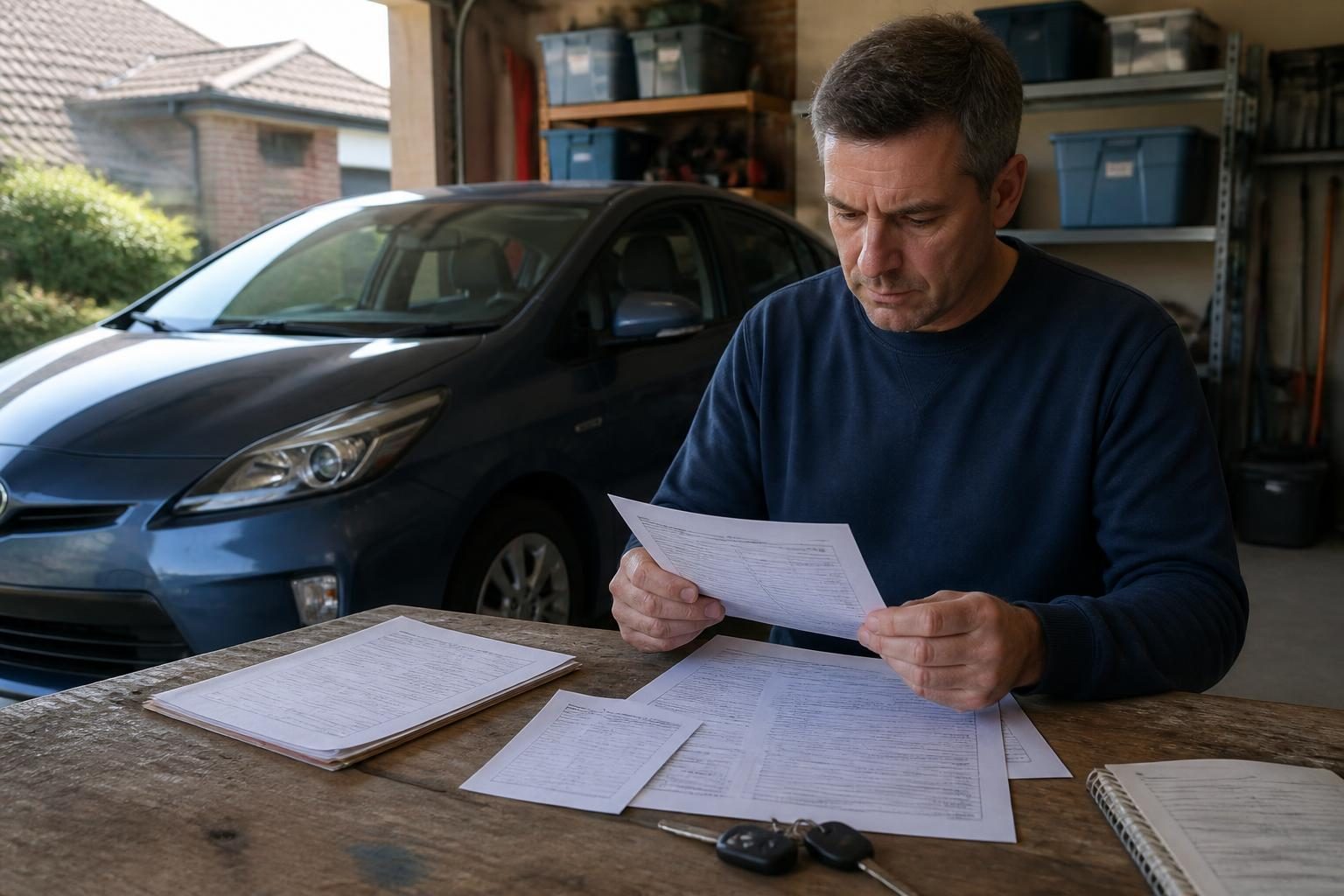 Service records and battery documents can be more useful than a generic battery-life claim.
For more buying context, compare used hybrid cars in Australia alongside the battery evidence and vehicle history.
What Common Issues Should You Inspect Before Buying a Used Hybrid?
A used hybrid needs two inspections: a normal mechanical check and a hybrid-system assessment. The second should cover warning messages, stored fault codes, battery behaviour and high-voltage safety. The Australian Automotive Aftermarket Association identifies training, insulated tools, specialised equipment and workplace procedures as foundations for safe high-voltage work. (Australian Automotive Aftermarket Association, “Setting The Standard for Safe EV Service and Repair”, accessed 25 August 2026)
Possible warning signs include hybrid-system messages, stored fault codes, a weak 12-volt battery and uneven transitions between petrol and electric power. None proves a particular fault by itself. A trained technician needs to diagnose the cause.
The traction-battery cooling intake and fan also deserve attention where accessible. Dust or blocked ventilation can affect temperature management on some models, but vent locations and cleaning instructions vary. Follow the owner’s manual. Don’t remove high-voltage covers or attempt repairs yourself. The following Toyota owner-manual pages are US-market references, so use the Australian or Japanese-market manual for the vehicle being inspected: incorrect handling can cause serious injury or death. (Toyota, “Owner’s Manual: Highlander Hybrid”, accessed 25 August 2026; Toyota, “Owner’s Manual: RAV4 Hybrid”, accessed 25 August 2026)
Other checks include brake noise, disc corrosion, calliper operation, cooling-system leaks, overheating, air conditioning, tyres, suspension and wheel alignment. Imported vehicles also need clear service records, correct model information and a realistic plan for parts and diagnostic support.
What should a pre-purchase inspection include?
- Verify the VIN and vehicle history.
- Check recalls and outstanding safety campaigns.
- Review the service book and repair invoices.
- Confirm the traction-battery warranty and previous health checks.
- Scan for stored hybrid and powertrain fault codes.
- Test the 12-volt battery separately.
- Inspect the cooling intake or fan where accessible.
- Road-test engine transitions, braking, air conditioning and warning lights.
- Check tyres, brakes, suspension and alignment.
- Confirm who can support the vehicle after purchase.
NSW Government guidance recommends checking a vehicle’s history, recalls and battery warranty, then arranging a mechanical inspection before buying. It also advises checking the contract, ownership records and available repair support. (NSW Government, “Buying a Used Vehicle”, 2025)
In NSW, qualifying used vehicles less than 10 years old and less than 160,000 kilometres generally receive a dealer guarantee of three months or 5,000 kilometres, whichever comes first. Conditions and exclusions apply, and rules differ between states. (NSW Government, “Dealer Guarantees and Warranties”, accessed 25 August 2026)
The traction battery gets most of the attention, but it isn’t the only ownership risk. Neglected brakes, poor tyres, cooling faults, missing records and limited parts support can create just as much uncertainty.
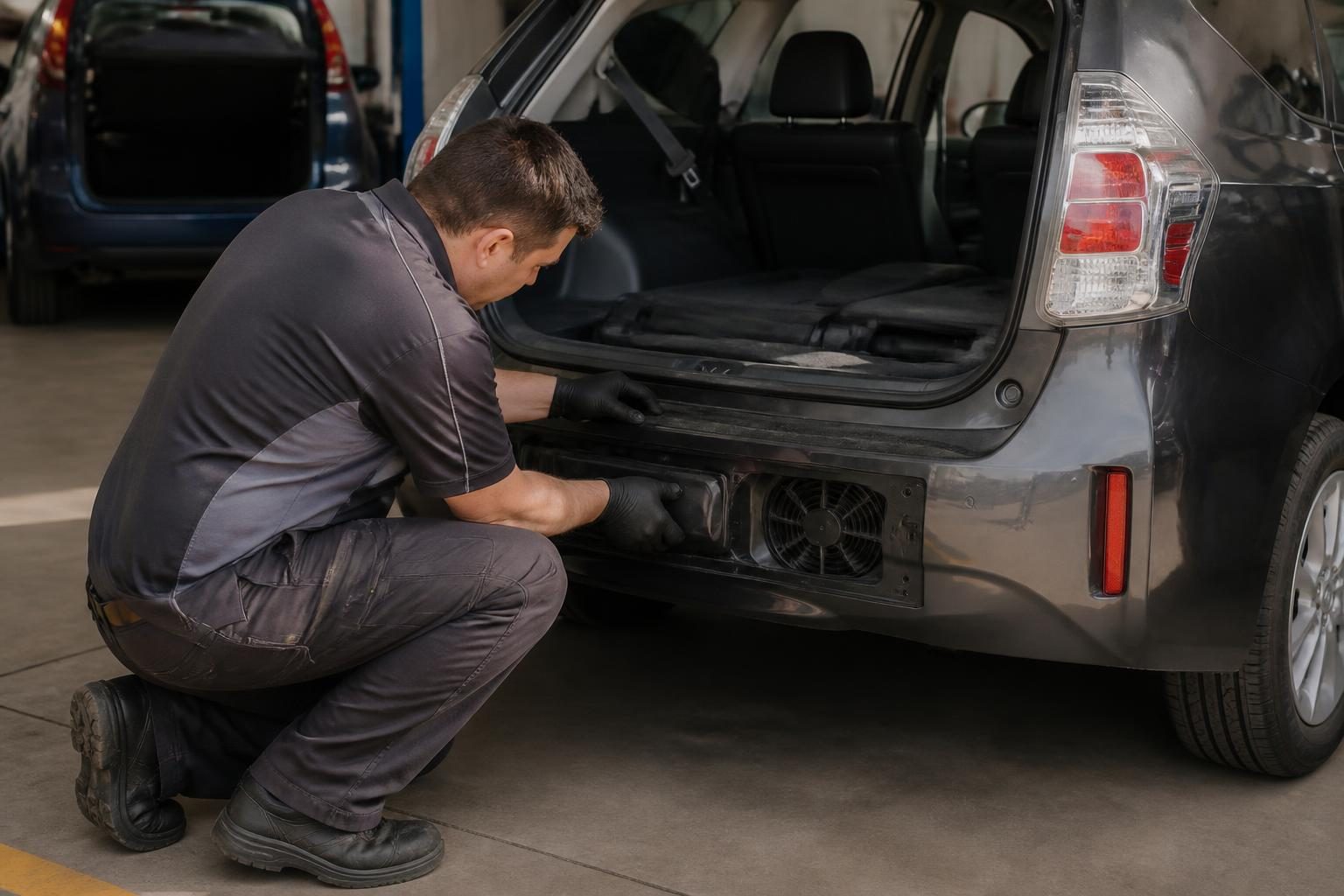 Cooling paths, warning lights and stored fault codes deserve attention during a used-hybrid inspection.
Before choosing a vehicle, browse used cars in Australia and arrange an independent pre-purchase inspection.
How Can Carbarn Help With a Used Hybrid Purchase?
The NSW Government says most vehicles purchased from licensed motor dealers are covered by Australian Consumer Law guarantees, including acceptable quality, safety and access to repair facilities. These guarantees are separate from a dealer or manufacturer warranty. Carbarn helps buyers compare locally available hybrid vehicles with Japan-sourced options, while keeping the vehicle’s records and warranty terms in view. (NSW Government, “Dealer Guarantees and Warranties”, accessed 25 August 2026)
You can browse used hybrid cars in Australia, review Toyota hybrid vehicles, or make a Japan-sourced hybrid enquiry. Each vehicle should still be assessed on its own service records, condition, compliance position, battery evidence and warranty documents.
The Bottom Line
Toyota Australia’s Servicing FAQs lists over 300 Toyota Service Centres across Australia, but workshop numbers don’t replace vehicle-specific advice. Hybrid maintenance is manageable when you separate routine servicing, battery testing and high-voltage repair before choosing a workshop. (Toyota Australia, “Toyota Servicing FAQs”, accessed 25 August 2026)
Follow the correct schedule, keep both batteries in view, request itemised quotes and don’t ignore warning lights. Before buying, check records, diagnostics, cooling, brakes, tyres and suspension rather than relying on a generic battery-life claim.