

Which Mitsubishi model fits your life?
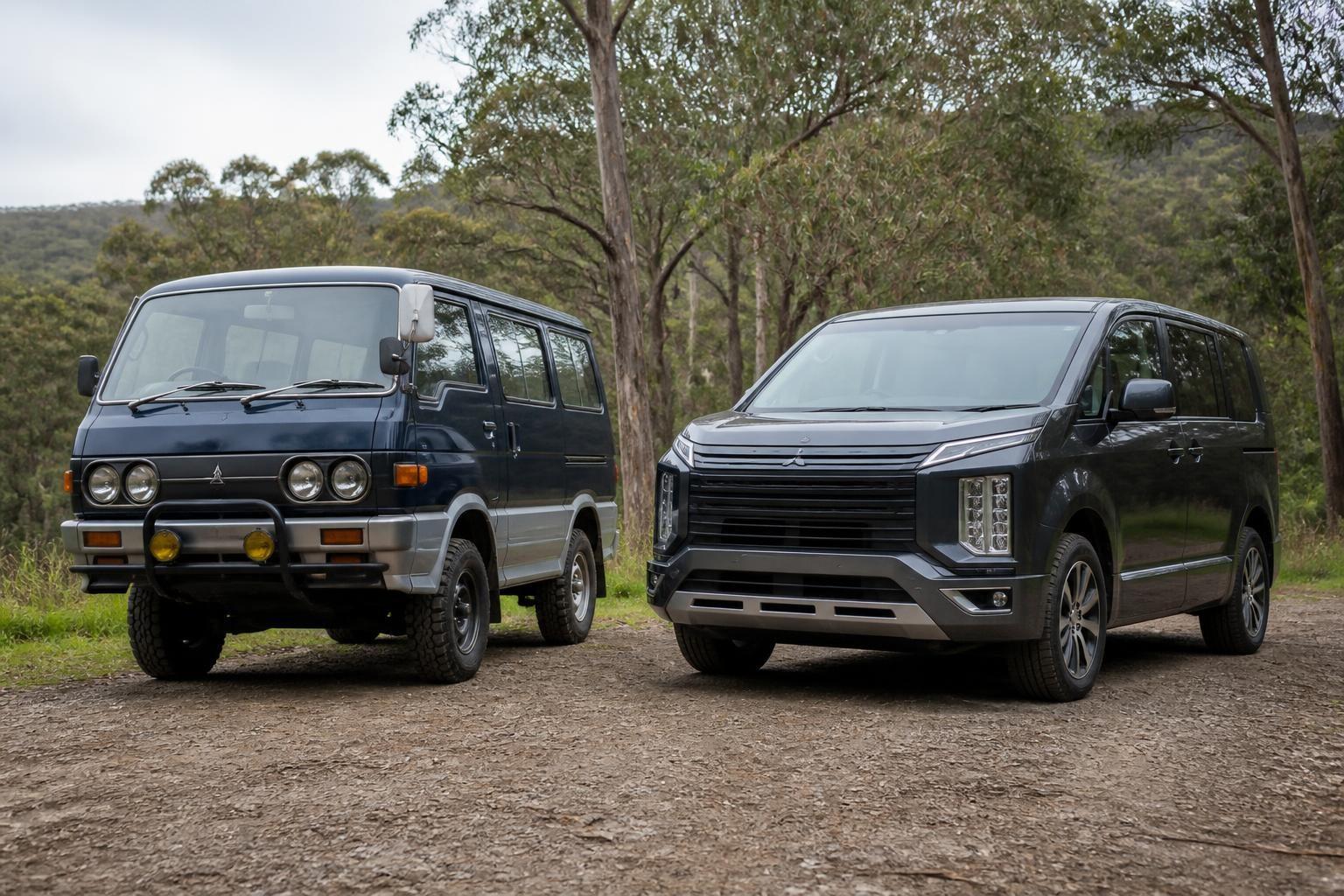
Carbarn lists used Mitsubishi vehicles across several models, and they are not alternatives to one another in any practical sense. Deciding what the vehicle has to carry, and how often, resolves most of the choice on its own. It is the difference between buying a specification and buying a specific car.
Which body style?
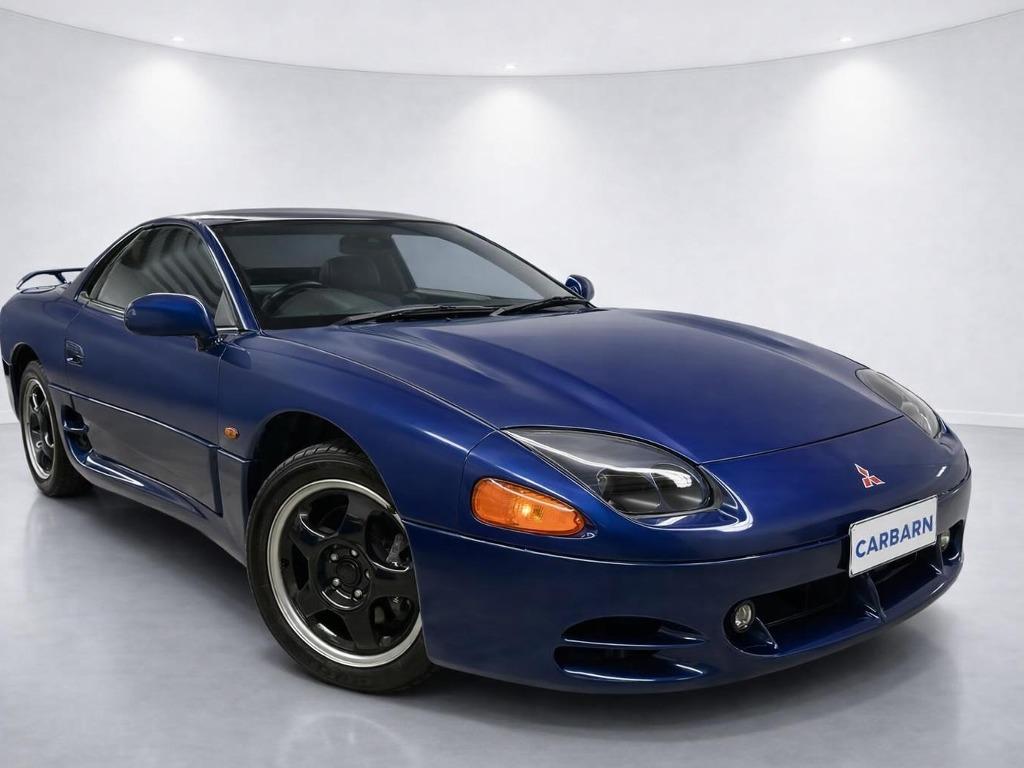
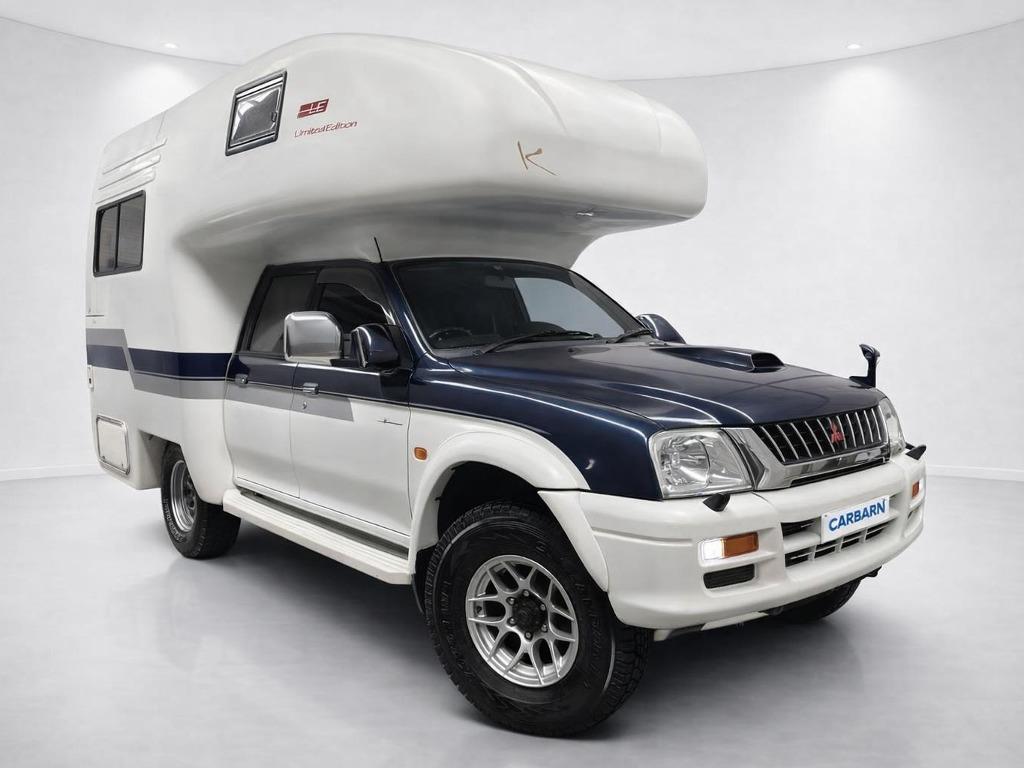
Mitsubishi listings record Coupe and Motorhome. Choosing between them is a decision about how the vehicle will be used rather than how it is specified. This varies more across Carbarn's stock than locally delivered cars ever did, so it repays checking.
What does a Mitsubishi model code tell you?
Used Mitsubishi stock carries E-Z16A and K74T. Japanese model codes encode the generation and body configuration, which is why they separate listings a trim name cannot. Buyers who settle this first usually reach a decision faster than those who start from budget.
Condition beats age
The year on a listing says less than it seems to. Service history, how the vehicle was used, and what the inspection recorded all move a used car's value more than its age does — which is why a cared-for older example can outlast a newer one that missed its servicing. The listings here record what was observed on each vehicle, so compare those details rather than the years. A practical order: settle what the vehicle is for, shortlist by the recorded specification, and only then weigh price against condition.
How to read a listing here
Every vehicle page records the specific build — model code, engine, drivetrain, and the configuration details that separate two cars sharing one name. The code matters most: the same model name was often sold with more than one mechanical setup over the years, and the code is how you tell them apart before opening either page. Where service and preparation records exist they are shown on the vehicle's own page, and the stock data always reflects what is listed right now.