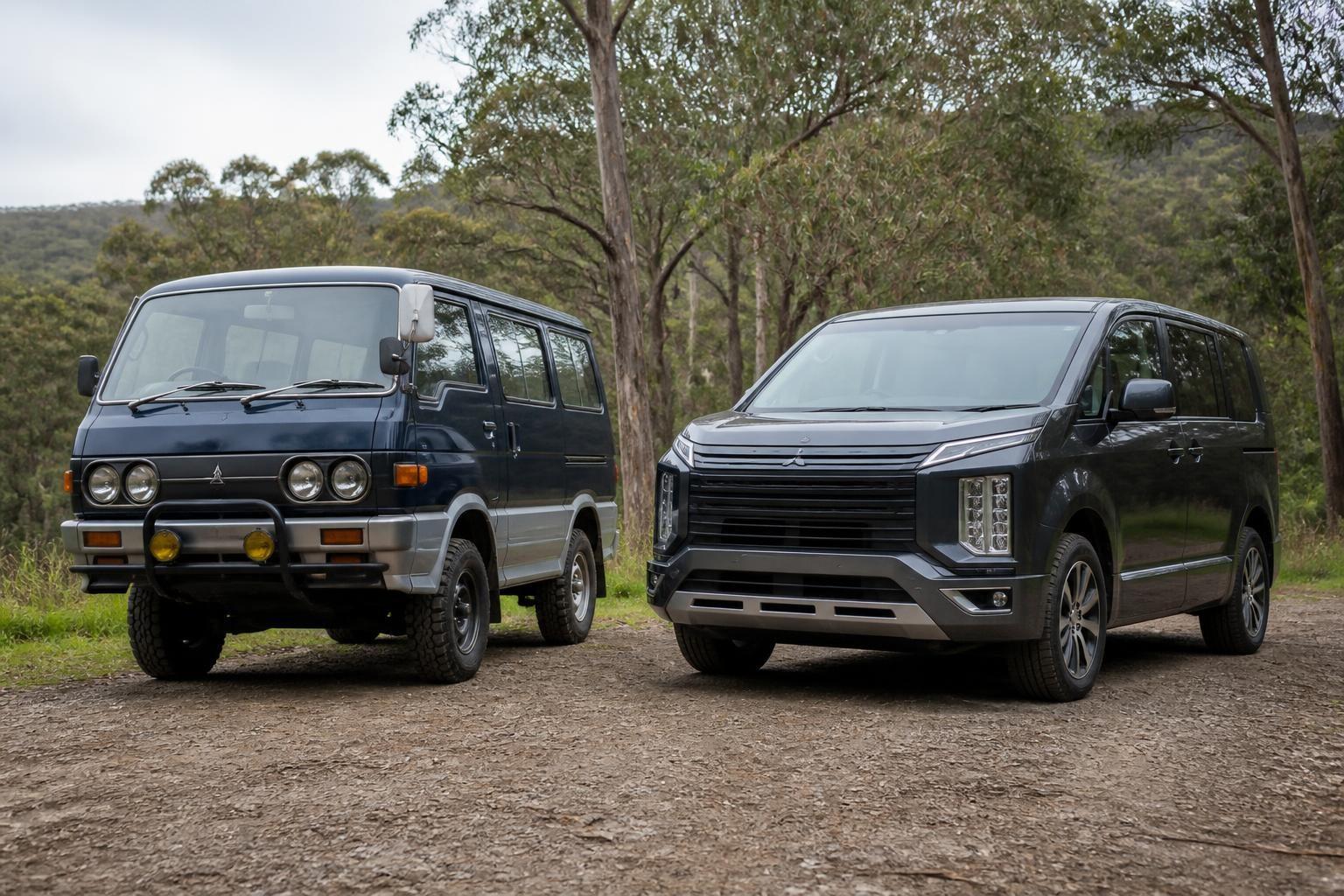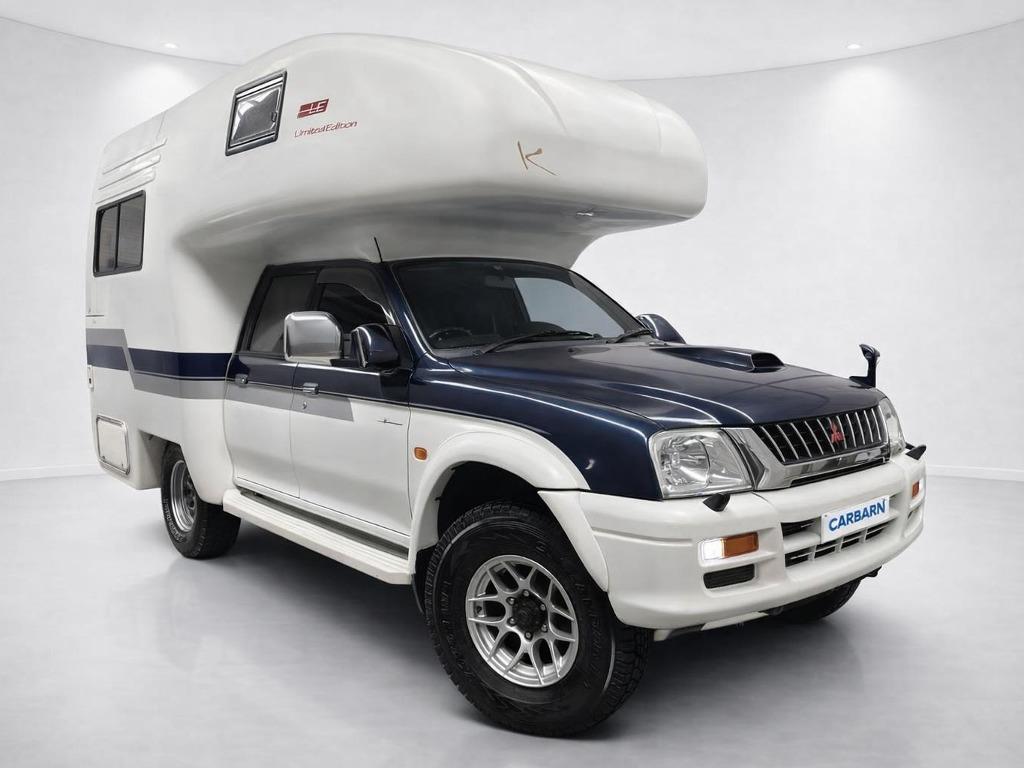


Is this Mitsubishi Strada the right one?
There is a single used Mitsubishi Strada in stock at present. Its recorded specification, history and documents are what matter here — the model's general reputation is not evidence about this particular car. Nothing is inferred from the model or the model year — only what is held for that vehicle is published.
Built for work, not for a commute
Commercial and camper Mitsubishi Strada listings are best judged on fitness for the specific task. Recorded dimensions, drivetrain and the photographs of working areas carry most of the useful information. Carbarn's range widens the spread here beyond what the Australian market offered new.
What the listing records
Every used Mitsubishi Strada listing separates what is recorded from what is not. Reading the blank fields is as useful as reading the filled ones. New vehicles are listed continuously, so a specific request is usually filled rather than waited out.
Condition beats age
The year on a listing says less than it seems to. Service history, how the vehicle was used, and what the inspection recorded all move a used car's value more than its age does — which is why a cared-for older example can outlast a newer one that missed its servicing. The listings here record what was observed on each vehicle, so compare those details rather than the years. A practical order: settle what the vehicle is for, shortlist by the recorded specification, and only then weigh price against condition.
How to read a listing here
The listing is the source of truth here. Each one records the specific vehicle — its model code, engine, drivetrain and configuration — rather than the brochure version of its name, and the stock data always reflects what is listed right now. Shortlist by those recorded details: the code separates lookalike listings, the drivetrain field settles what a badge merely implies, and the vehicle page carries any service and preparation records that exist.
Buying a self-contained base
A motorhome purchase is a vehicle purchase and a living-space purchase at once, and the vehicle half is the one the recorded details can help with: engine, drivetrain and kilometres work exactly as they do on any van. For the living half, check how the fit-out was used and maintained — water, power and gas systems age on their own schedule. Berth count and layout decide who the vehicle suits; drivetrain decides where it can go. Compare both halves before weighing price.
When diesel earns its keep
The diesel case is distance and load: full vans, towing, long highway days. There it is the economical choice and the relaxed one. Around town on short runs it gives that advantage back, so be honest about the life the vehicle will lead. On any used diesel the service history carries extra weight — these engines reward routine maintenance and remember its absence.
What 4WD adds — and costs
4WD is a capability you either use or carry. On unsealed roads, wet ground and snow-season access it is the difference between going and waiting; on the daily commute it is extra weight and a higher purchase price. Decide honestly which life the vehicle will lead. Then verify rather than assume: the drivetrain recorded on each listing is the fact, and badges on used examples do not always match the driveline underneath.