



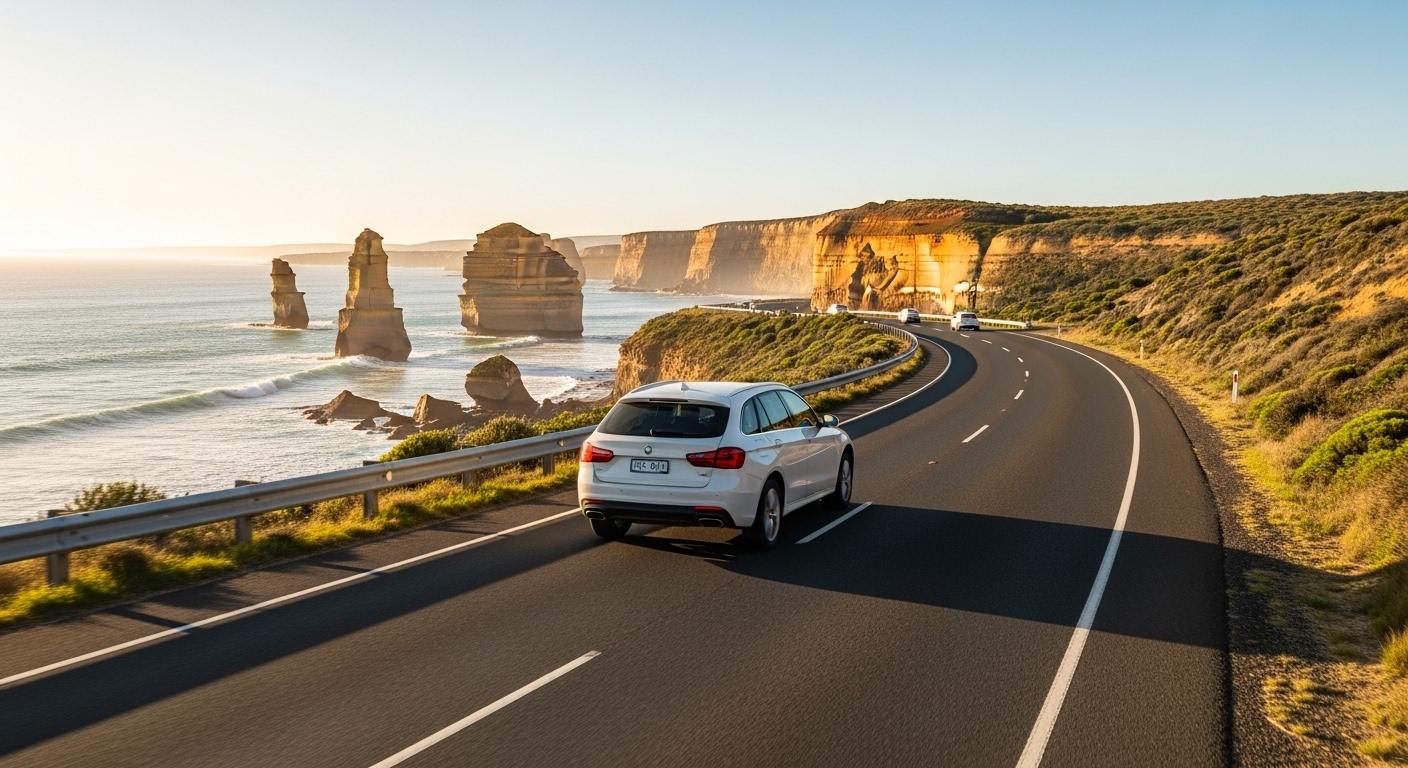
Ready to Hit the Road in Style?
Save money and reduce emissions with vehicles designed to deliver exceptional mileage. Visit our inventory and find a car that fits your lifestyle.
Ready to Hit the Road in Style?
Save money and reduce emissions with vehicles designed to deliver exceptional mileage. Visit our inventory and find a car that fits your lifestyle.
Australia's road network includes more than 476,000 kilometres of paved roads, according to the BITRE 2025 Infrastructure Yearbook. That is a lot of choice, and a lot of ways to get it wrong. The route you pick matters, but so does the car underneath you. A vehicle that cruises the Great Ocean Road without a second thought will leave you stranded on the Gibb River Road. This guide matches four standout drives to the car each one actually needs, so you plan around reality rather than a nice photo.
Quick Answer
- Four standout routes: Great Ocean Road (VIC, 243km sealed), Pacific Coast (NSW–QLD, ~1,000km), Red Centre Way (NT, 660–1,135km), and the Gibb River Road (WA, 660km unsealed).
- The Great Ocean Road suits any well-maintained car. The Gibb River Road requires a 4WD and opens May to October only.
- A hybrid SUV at ~5.0L/100km saves roughly $164 over 2,000km versus a comparable petrol car (based on AAA Real-World Testing Program data, reported by RACV 2026, and AIP national average pricing near $2.06/L).
- Most single routes need 3 to 7 days. A full cross-country run takes 4 to 6 weeks.
What's the Great Ocean Road Actually Like to Drive?
Australia's most famous coastal drive is also its most accessible. The Great Ocean Road covers 243km of sealed road from Torquay to Allansford. Any well-maintained car handles it without drama. The region drew 6.8 million visitors in 2024, according to Tourism Research Australia data compiled by RoadGenius (July 2025) — around 18,600 visitors per day on average. Give it 3 to 5 days rather than a rushed day trip.
The highlights come thick and fast. You get the Twelve Apostles, the towns of Lorne and Apollo Bay, and the rainforest of the Great Otway National Park. Fuel stations sit close together the whole way, so range is never a worry.
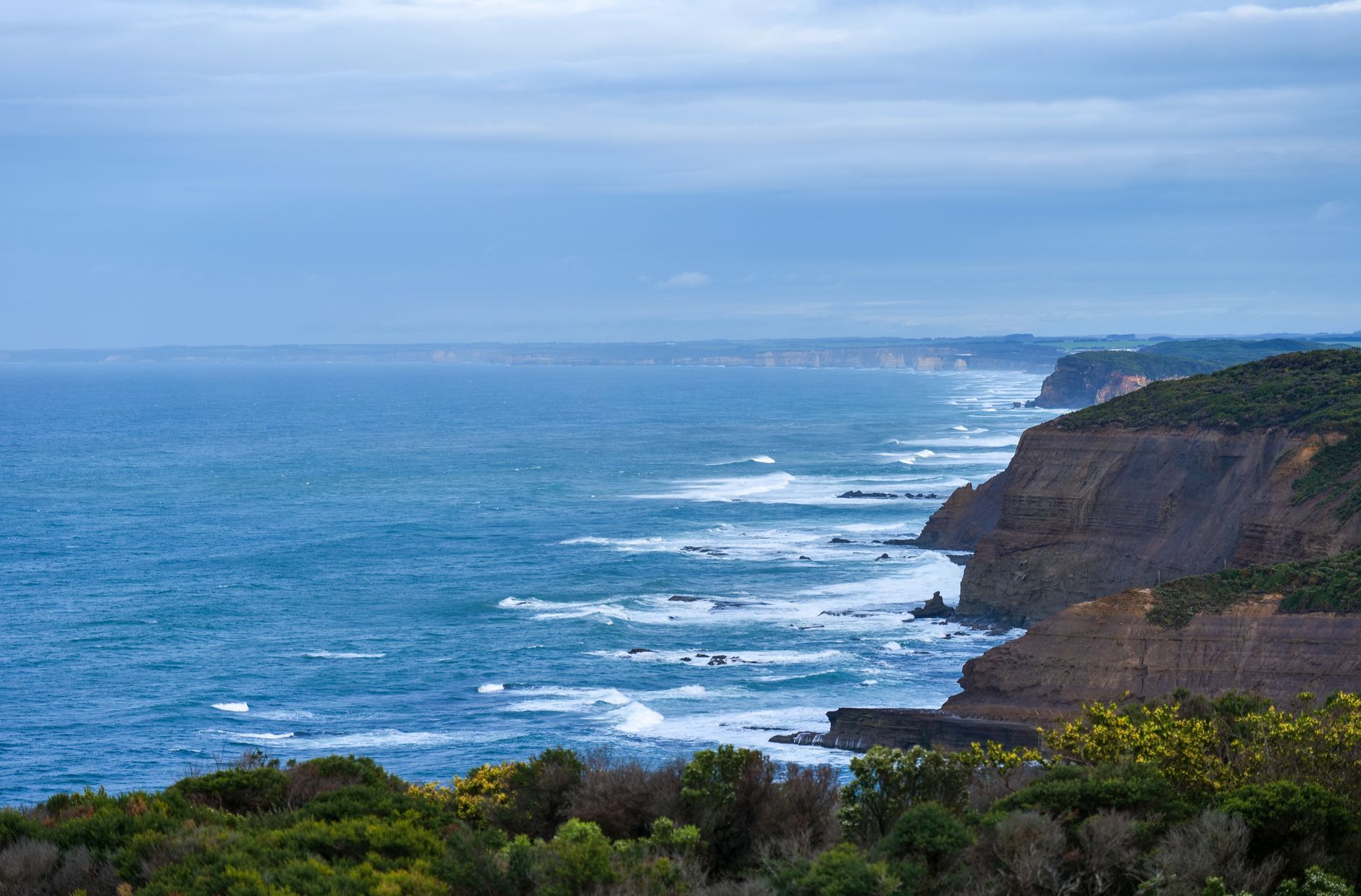 The Great Ocean Road is sealed end to end, so any well-maintained car handles it comfortably.
This is where a hybrid earns its keep. The mix of highway cruising and slow town driving suits regenerative braking, and the fuel maths is friendly. A hybrid at 5.0L/100km uses roughly 12 litres for the full route. A petrol car at 9L/100km burns about 22 litres over the same distance, based on AAA Real-World Testing Program figures (reported by RACV, 2026).
One practical note on beds. Lorne, Apollo Bay, and Port Campbell are small towns with limited rooms. Book 4 to 6 weeks ahead, and stretch that to 6 to 8 weeks over summer. In short, this route suits families and couples after a scenic long weekend without needing any specialist gear.
What Makes the Pacific Coast Worth Taking Slow?
The Pacific Coast is the easy east-coast classic. The Legendary Pacific Coast touring route covers roughly 1,000km from Sydney to Brisbane, signed separately from the Pacific Motorway. Tourism Australia rates it among the country's great coastal drives. It rewards anyone willing to leave the freeway behind. Allow 5 to 7 days to do it properly.
The stops are the point here. Port Macquarie, Coffs Harbour, and Byron Bay all sit on the route, with an optional inland detour through the Hunter Valley if you fancy a slower start.
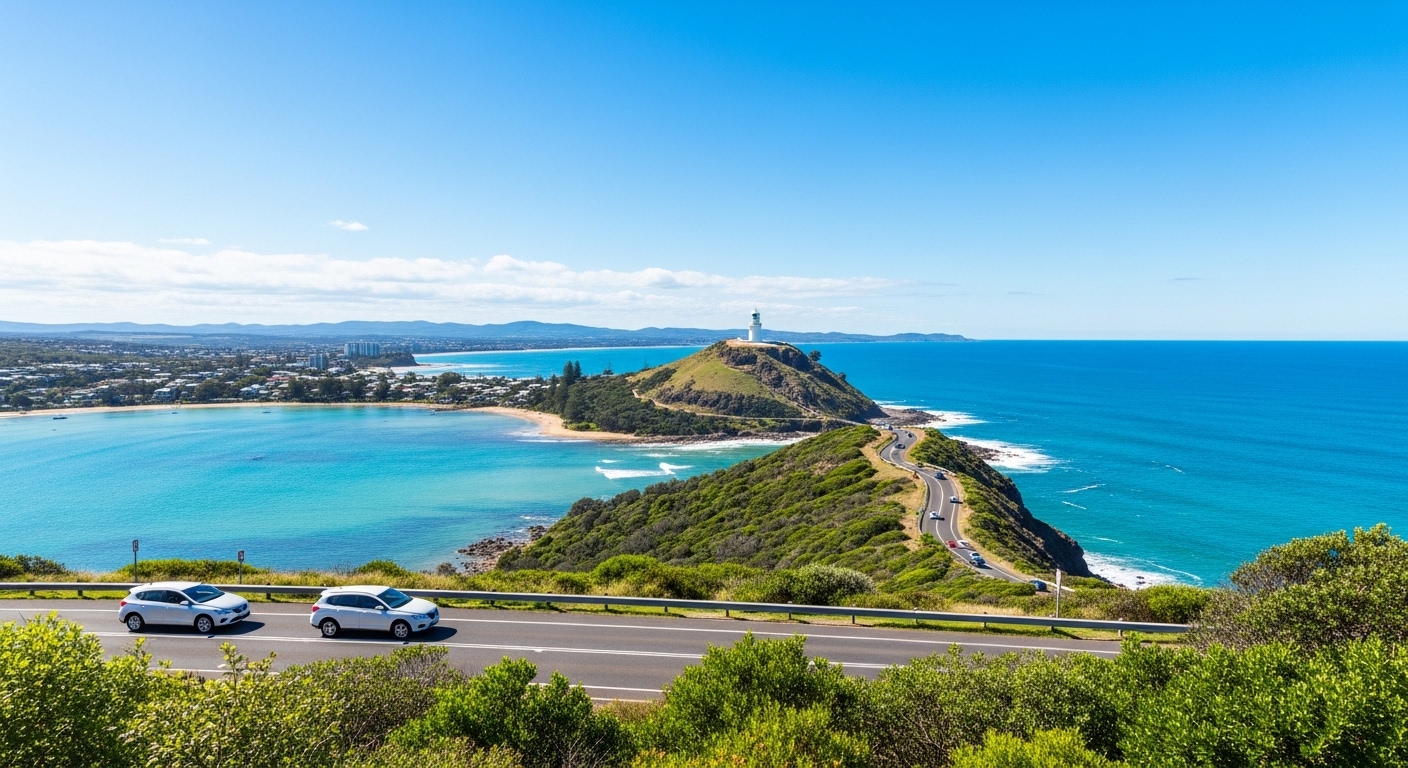 The signed Pacific Coast touring route trades motorway speed for surf towns and coastal lookouts.
Any reliable car does this trip. A hybrid is a particularly good fit here. Long highway stretches alternate with stop-start driving through coastal town centres — exactly the conditions where regenerative braking recoups fuel most effectively. If you are weighing up a change before a trip like this, our guide to the best used hybrids in Australia is a sensible read.
Fuel stations are plentiful, so planning is relaxed. The one tip worth repeating: take the signed touring route, not the motorway. It is slower, and it is far more rewarding.
What Should You Know Before Driving the Red Centre Way?
The Red Centre Way loops out from Alice Springs through the West MacDonnell Ranges, Kings Canyon, and Uluru-Kata Tjuta National Park. The main loop runs about 660km, and the extended version reaches roughly 1,135km, according to Northern Territory Tourism. The main highways, the Stuart and the Lasseter, are sealed the whole way.
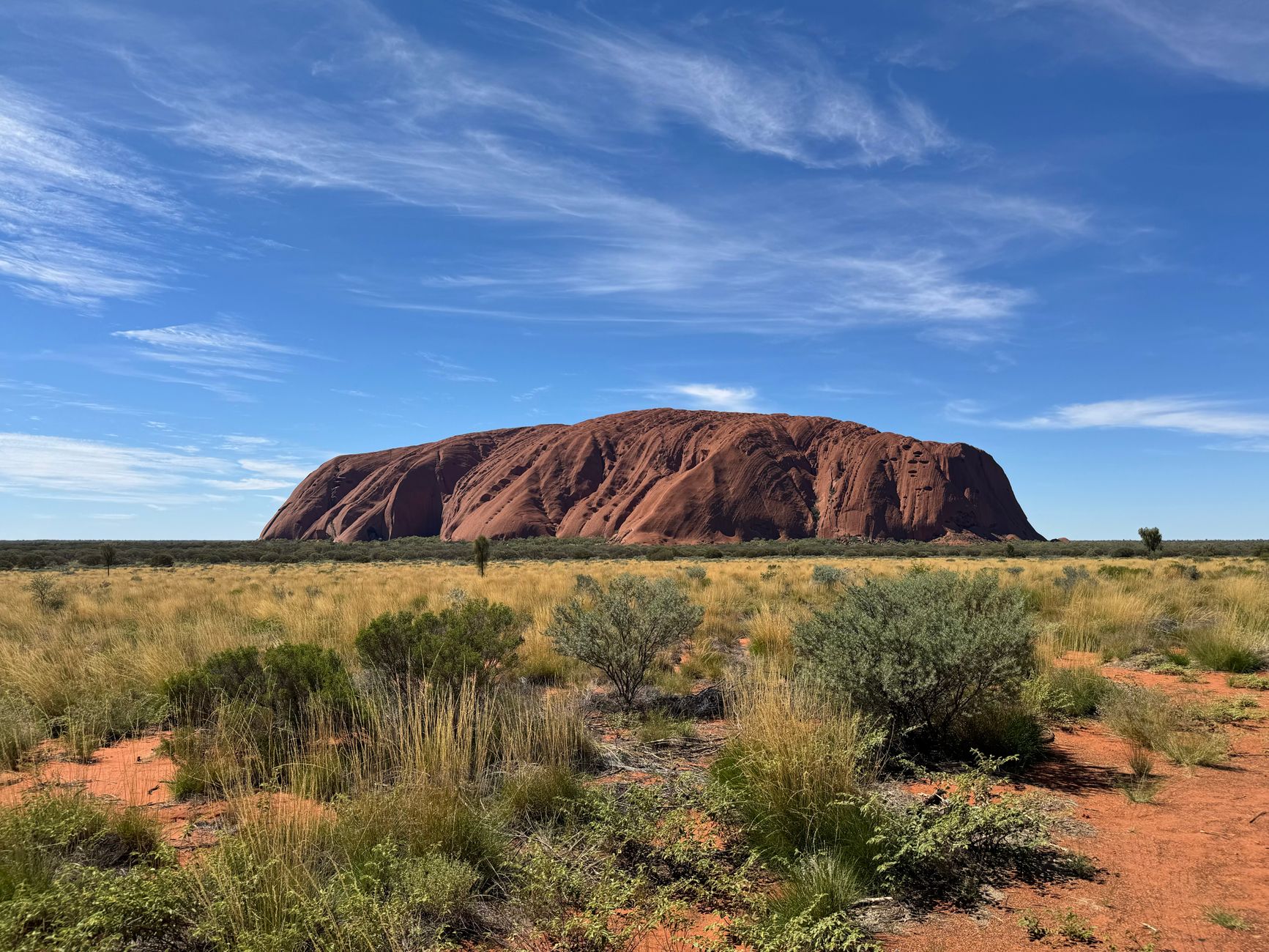 The Red Centre Way runs on sealed highways, with the Mereenie Loop as an unsealed shortcut option.
The catch is the Mereenie Loop, a shortcut of roughly 140km that links Kings Canyon and the West MacDonnells. It is unsealed, and it requires a Mereenie Tour Pass — a permit that grants access to Aboriginal-managed land along this section of road. The pass costs around $5 per vehicle, lasts three days, and is available through Central Land Council partners such as Glen Helen Lodge, Hermannsburg, and Kings Canyon Resort. A standard 2WD handles the sealed route, but the Mereenie Loop calls for a high-clearance AWD or 4WD.
Plan fuel carefully. Gaps of up to 300km between reliable stations are common out here, so a jerry can is cheap insurance. The best window is May to September, when temperatures are manageable. Summer heat in the Centre is extreme and genuinely dangerous.
One cultural note. Uluru sits on Anangu Country, and climbing the rock has been closed since 26 October 2019. Walk the base instead. It is the better experience anyway.
What Should You Expect on the Gibb River Road?
The Gibb River Road punishes underpreparation. It runs 660km of unsealed, corrugated track through the Kimberley. Australia's North West Tourism describes the route as remote, beautiful, and open only from May to October. The wet season closes the road entirely. The route will test your vehicle and your planning in equal measure.
A 4WD is mandatory here — not a soft-roader suggestion, but a hard requirement. The reward is Bell Gorge, Manning Gorge, El Questro, and the Mitchell Falls detour, known as Punamii-Unpuu.
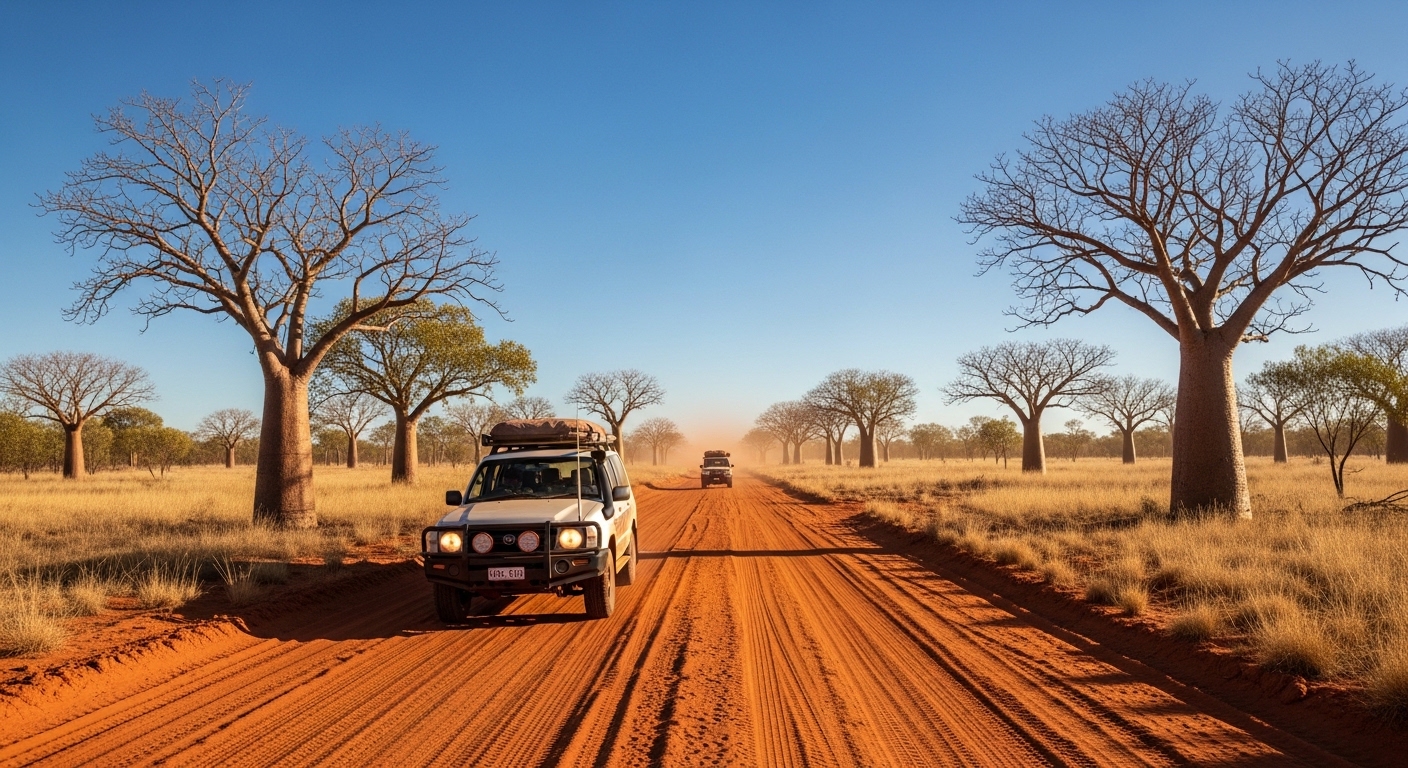 The Gibb River Road is unsealed and corrugated throughout, so a 4WD is a hard requirement, not a suggestion.
Fuel planning is the difference between a great trip and a rescue. Carry a minimum of 80 litres on board, and treat the leg distances below as your working plan.
| Leg | Distance | Fuel available |
|---|---|---|
| Derby → Imintji Store | 227km | Diesel only |
| Imintji → Mt Barnett Roadhouse | ~79km | Diesel + petrol |
| Mt Barnett → El Questro | ~330km | Petrol + diesel at El Questro |
| El Questro → Kununurra | ~81km | Full service |
Source: Australia's North West Tourism (2026) and KimberleyAustralia.com
Roadhouse fuel along the Gibb costs significantly more than city prices, so budget for it. Never plan around a station being open without phoning ahead first. Some gorges also require an Aboriginal Land permit, so check before you leave.
Which Vehicle Suits Which Australian Road Trip Route?
The route determines the vehicle, not the other way around. For the Great Ocean Road, Pacific Coast, and sealed Red Centre Way, any well-maintained car covers the distance in comfort. A hybrid SUV is the practical choice on those sealed routes. Regenerative braking suits the highway-and-town rhythm, and fuel savings compound quickly over long distances. At 5.0L/100km (AAA Real-World Testing Program, reported by RACV 2026), a hybrid costs around $206 in fuel across a 2,000km coastal run at pump prices near $2.06/L (AIP national average). A comparable petrol car at 9L/100km costs closer to $370 — a difference of about $164. The Gibb River Road changes every calculation. Its 660km of unsealed, corrugated track makes ground clearance and fuel range the only numbers that count. A 4WD is not optional there. For remote outback touring, a well-sorted 4WD wagon or van is the right tool.
| Route | Road surface | Minimum vehicle | Fuel planning | Best season | Days |
|---|---|---|---|---|---|
| Great Ocean Road, VIC | Sealed | Any well-maintained car | Relaxed | Year-round | 3–5 |
| Pacific Coast, NSW–QLD | Mostly sealed | Any well-maintained car | Relaxed | Year-round | 5–7 |
| Red Centre Way, NT | Sealed + 140km unsealed | AWD for full loop | Carry backup fuel | May–Sep | 5–7 |
| Gibb River Road, WA | Unsealed/corrugated | 4WD mandatory | Critical, carry 80L+ | May–Oct | 7–10 |
Sources: NT Tourism 2026, Australia's North West Tourism 2026, Tourism Australia.
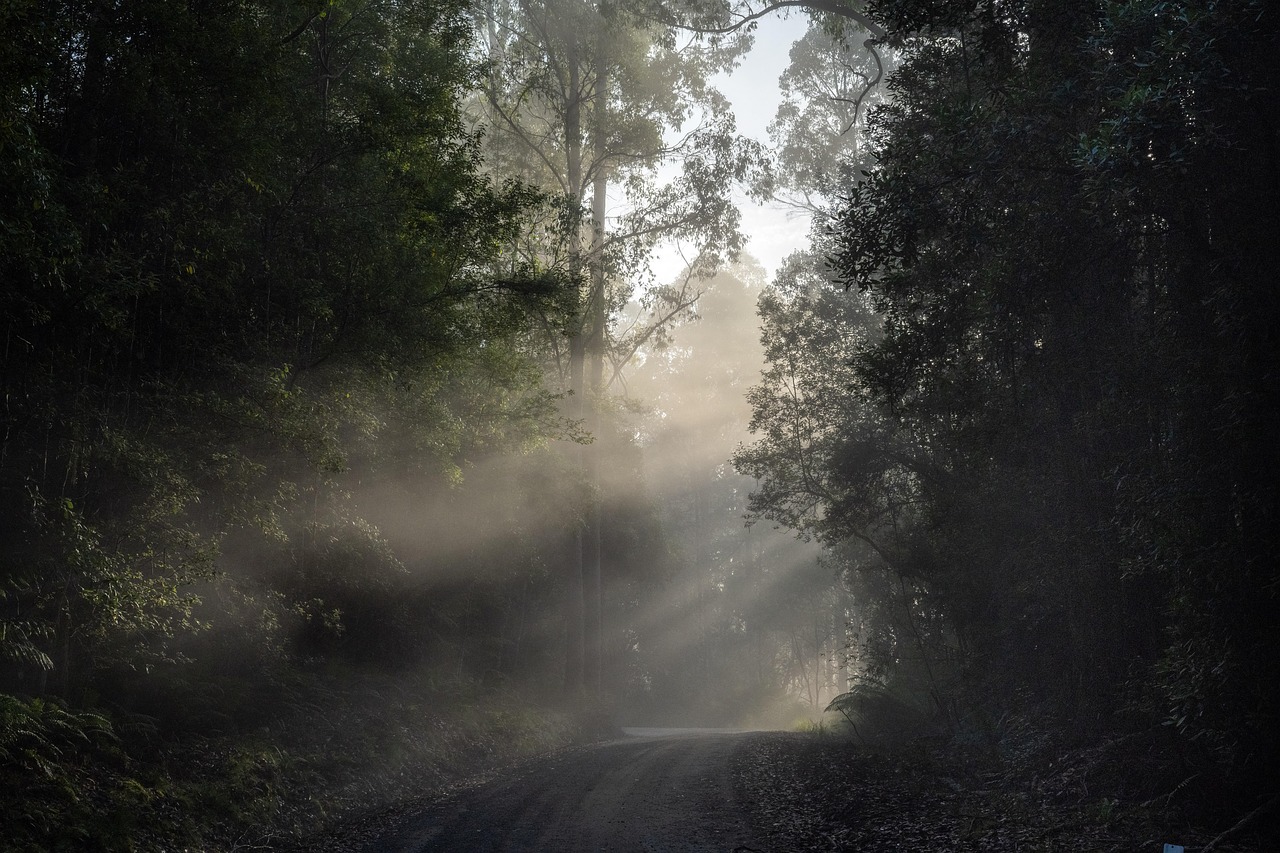 For sealed routes, fuel economy matters more than clearance, which is where a hybrid earns its keep.
For anyone new to remote 4WD travel, our guide on what to look for in a used 4WD covers the checks that matter before you buy. Buyers planning to sleep in the vehicle may prefer a purpose-built campervan for extended touring over a wagon setup.
What Do You Need to Sort Before You Leave?
Good preparation is shorter than most people expect. Skipping the right steps on a remote route can escalate a minor inconvenience into a genuine emergency. The mechanical basics cover every drive: tyres checked (including the spare), fluids topped up, battery tested, and recovery gear accessible. For remote routes like the Gibb River Road, add a second spare, rated traction boards, and a quality tow rope to that list. Fuel planning matters as much as the hardware. The Gibb River Road has confirmed station gaps of up to 330km, and some roadhouses carry diesel only — not petrol. A jerry can is cheap insurance regardless of which route you're on. For travel beyond mobile coverage, carry an EPIRB (Emergency Position-Indicating Radio Beacon) or PLB. Both allow emergency services to locate you when the phone network fails. A full pre-trip car inspection checklist covers the mechanical items in detail.
For remote routes, carry at least 4 litres of water per person per day and a proper first aid kit — both are minimum requirements, not optional extras. Download offline maps before you leave. Hema Explorer is the standard choice for 4WD tracks and covers the Kimberley and Red Centre thoroughly.
Book beds early. The Great Ocean Road and Byron Bay need 4 to 6 weeks of lead time, and 6 to 8 weeks over summer. Remote Kimberley stations have limited camp sites, so lock those in as soon as your dates are firm.
Planning Your Next Road Trip? Carbarn Can Help
If working through these route requirements has you rethinking the car in your driveway, that is a sensible response. The right vehicle changes the trip. Carbarn sources both fuel-efficient hybrids for sealed-road drives and capable 4WDs for the remote runs, so you can match the car to the journey rather than force the journey around the car.
Buyers around Sydney can inspect hybrid stock in person at Lidcombe before they commit, which is worth doing when fuel economy is the whole point of the purchase. For the Red Centre and the Kimberley, the used 4WD options cover wagons and vans set up for gravel, clearance, and load.
If you want a specific spec that is hard to find locally, the Japan-sourced import service is worth a conversation. A high-roof Toyota HiAce 4WD touring base or a particular diesel variant can be ordered to suit, which makes a lot of sense for a serious touring build.