

Is this Mitsubishi Pajero the right one?
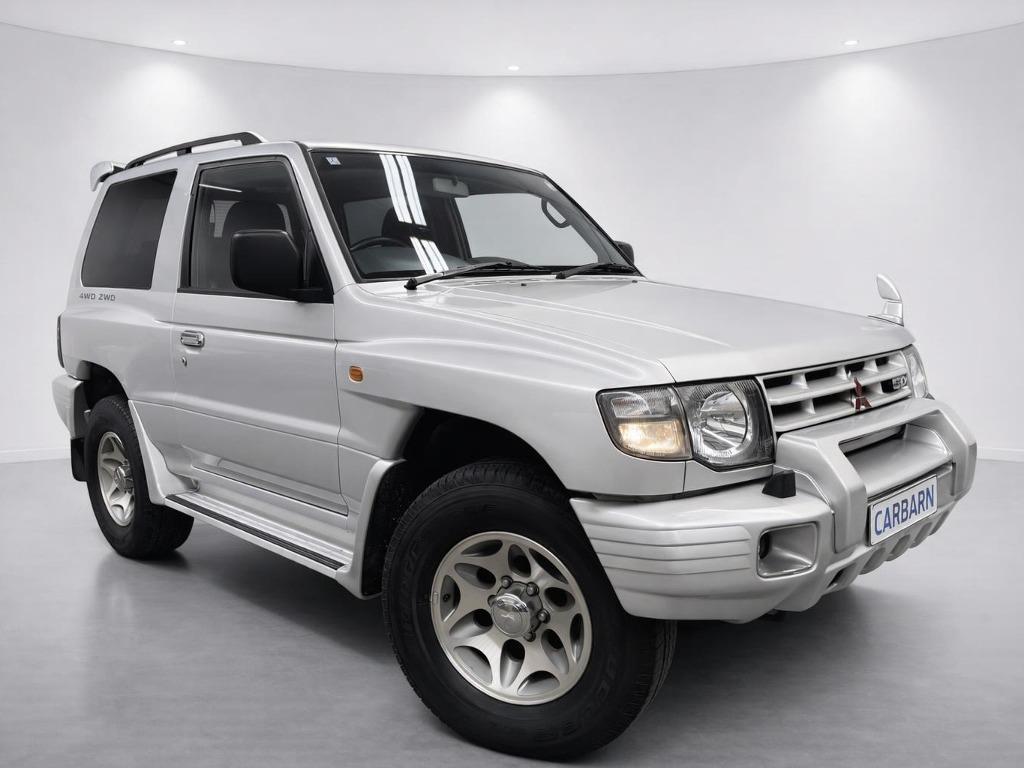
Carbarn currently holds a single used Mitsubishi Pajero, prepared and complied for Australian roads. Its recorded specification is the reliable guide, not the model's reputation. Buyers who read the record as carefully as the photographs are rarely surprised later.
What the listing records
Used Mitsubishi Pajero listings record what came with the vehicle — keys, documents, service history — rather than what is typical for the model. New vehicles are listed continuously, so a specific request is usually filled rather than waited out.
Reading a listing properly
Judging a used Mitsubishi Pajero from photographs alone misses specification; judging from the fields alone misses condition. The two are published together for that reason. Where something material is not recorded, asking is quicker than assuming.
Condition beats age
Two cars with the same badge and year can be completely different purchases, because how a vehicle was serviced and used matters more than when it was built. A well-serviced higher-kilometre example is often a better buy than a neglected low-kilometre one — the service history is what separates the two. Read the recorded details on each listing rather than judging by the year: they carry what was actually observed on the vehicle, from odometer and drivetrain to the model code that identifies the exact build. Deciding what the car needs to do first, then checking what each listing actually records, is a shorter path than comparing badges.
How to read a listing here
The listing is the source of truth here. Each one records the specific vehicle — its model code, engine, drivetrain and configuration — rather than the brochure version of its name, and the stock data always reflects what is listed right now. Shortlist by those recorded details: the code separates lookalike listings, the drivetrain field settles what a badge merely implies, and the vehicle page carries any service and preparation records that exist.
What a used SUV buys you
Match the SUV to the life it will lead rather than the largest number on the seat count. Ride height and space are the class's real gifts; beyond them, the questions are ordinary — history, kilometres, condition — plus one that is not: whether this example drives two wheels or four. Both were commonly sold under the same name, so read the drivetrain off the listing's recorded details before comparing prices, because that gap usually explains them.
The case for petrol
Petrol keeps a used purchase simple: familiar servicing, no plug, and typically a lower price than the equivalent hybrid or diesel at the same age. It suits lighter and shorter driving, where a diesel never warms to its work and a hybrid's advantage shrinks. The check that matters is the engine code on the listing — many ranges sold several petrol setups under one name — and a service history that shows the basics were done on time.