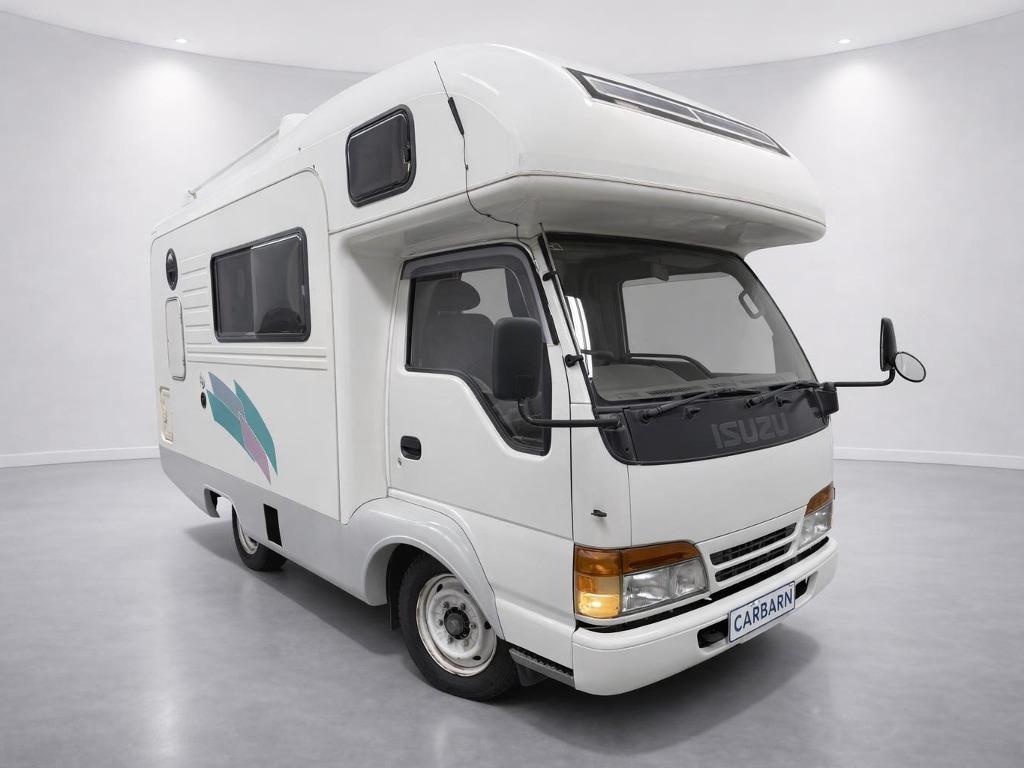
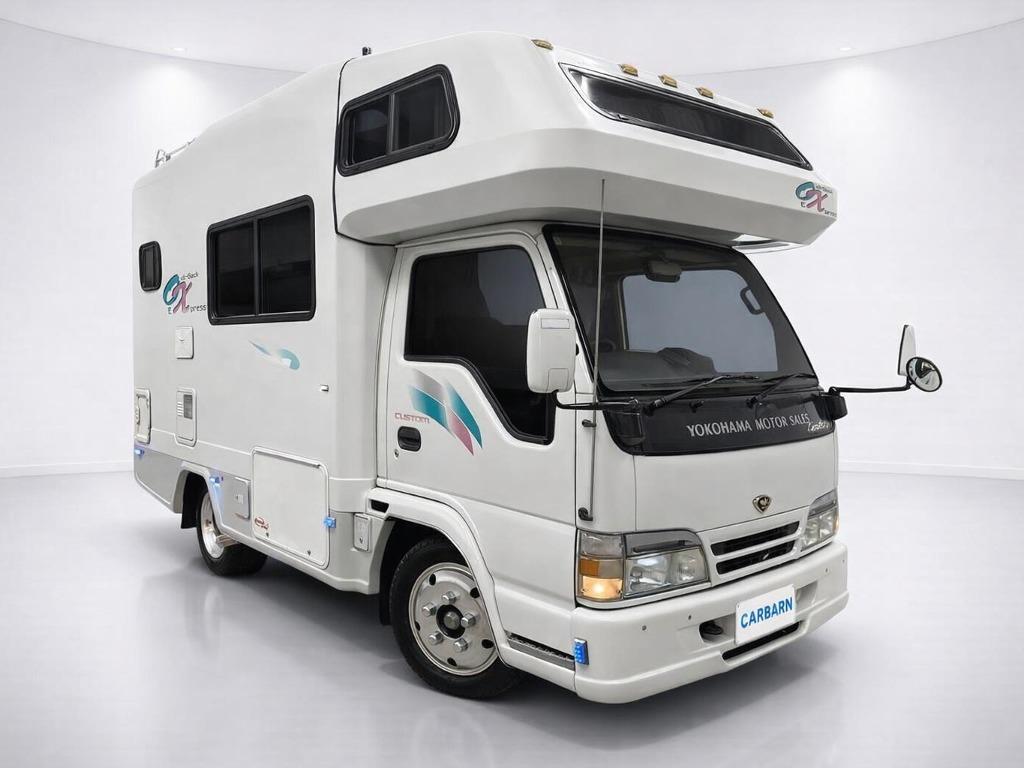
Isuzu Elf Motorhome Guide & Buying Advice
The Isuzu Elf is a globally respected nameplate in the heavy-duty commercial truck sector, celebrated for its legendary durability and robust mechanical architecture. Built from the factory to handle severe payloads and demanding operational cycles, the Elf chassis provides a premier foundation for fully furnished motorhomes and custom camper bodies. For Australian travellers planning extended road trips or a full lap around the continent, an Elf-based motorhome offers structural integrity and peace of mind that lightweight passenger van conversions simply cannot match.
By utilizing a commercial medium-duty truck footprint, the Isuzu Elf motorhome provides a remarkably stable and sure-footed stance on wide open highways and regional unsealed roads. Its purpose-built design easily accommodates the weight of a completely outfitted living space without pushing the brakes, suspension, or drivetrain to their structural limits. This makes it a popular choice for adventurers who refuse to compromise on living space, structural safety, or mechanical longevity during remote wilderness tours.
At Carbarn Australia, we specialize in sourcing well-preserved, highly reliable classic vehicles that deliver genuine capability to Australian motorists. This guide highlights the key benefits of the Isuzu Elf motorhome platform, detailing its heavy-duty mechanical engineering, variant options, and essential buying tips to help you secure a reliable home on wheels for the open road.
Quick Answer Section
- Ideal Buyer: Extended-stay travellers, off-grid campers, and nomadic couples who require a spacious, structurally heavy-duty motorhome built on a bulletproof commercial truck foundation.
- Main Strengths: Commercial-grade chassis longevity, high-torque diesel performance, generous interior volume, and highly accessible mechanical components throughout regional Australia.
Model Overview
The Isuzu Elf motorhome occupies a premier segment within the recreational vehicle market, favoured by experienced travellers for its massive interior space and mechanical simplicity. While standard campervans can feel cramped during multi-week excursions, the square-box living cabins fitted to the Elf truck chassis provide excellent headroom, dedicated dining configurations, and ample integrated storage areas. This generous space ensures a comfortable lifestyle even when camping far away from standard caravan parks.
The truck-based cab-over layout maximizes liveable square meterage by shifting the primary sleeping quarters directly over the driver's cabin. This design allows for a shorter overall vehicle length compared to conventional bus conversions, making the Elf surprisingly manoeuvrable through regional town centres and local national park campsites. Furthermore, its heavy-duty commercial roots mean that routine service parts like filters, belts, and specialized tyres are highly accessible at nearly any country mechanical workshop across Australia.
Engine, Fuel Type and Drivetrain
The exceptional reputation of the Isuzu Elf motorhome platform relies heavily on its selection of industrial-grade powerplants. Highly regarded classic generations feature robust, high-displacement diesel engine codes such as the 4HF1 (a 4.3-litre four-cylinder) or the 4JG2 (a 3.1-litre turbocharged four-cylinder). These engines are engineered for maximum thermal efficiency and high low-end torque delivery, ensuring steady performance when carrying a fully furnished living cabin up steep mountain inclines or into strong headwinds.
Operating strictly on Diesel, these powertrains deliver predictable, highly cost-effective fuel economy over long distances. Free from overly complex modern engine electronics, these simple mechanical setups are incredibly durable and easy to maintain. Power is transferred reliably to the drive wheels, providing a planted, steady cruising character that minimizes driver fatigue during long days behind the wheel on regional Australian highways.
Variants, Grades and Model Codes
The Isuzu Elf truck series incorporates several heavy-duty chassis configurations, with model codes such as NKR66E and NHR69E representing highly reliable production chapters for recreational use.
- Fully Furnished Motorhome Variant: Built with an emphasis on long-term self-contained touring, offering complete interior living amenities, multi-zone kitchenettes, secure storage, and practical 3-door access layouts that isolate the living quarters from the driver’s cab.
- Camper Variant: Highly versatile arrangements optimized for comfortable remote travel, combining agile outer dimensions with all the fundamental necessities required for comfortable overnight stays.
Year Range and Buying Notes
When evaluating a classic commercial motorhome from the 1990s era, the primary purchasing strategy is direct: evidence of proper storage and disciplined mechanical maintenance matters far more than the build year. Because these vehicles function as a combined transport and accommodation unit, a smart pre-purchase inspection should split its focus across the physical chassis and the living cabin.
Mechanically, buyers should inspect the engine bay for clean, dry seals and verify smooth gearbox engagement. For the living quarters, it is critical to verify that all window and roof panel weatherproofing seals remain soft and water-tight, and that auxiliary house batteries hold a steady electrical charge. Choosing a verified low-kilometre option such as the well-preserved examples under 100,000 km or 170,000 km that frequently pass through our collection which is an excellent way to guarantee a rugged mechanical foundation that is ready for immediate travel.