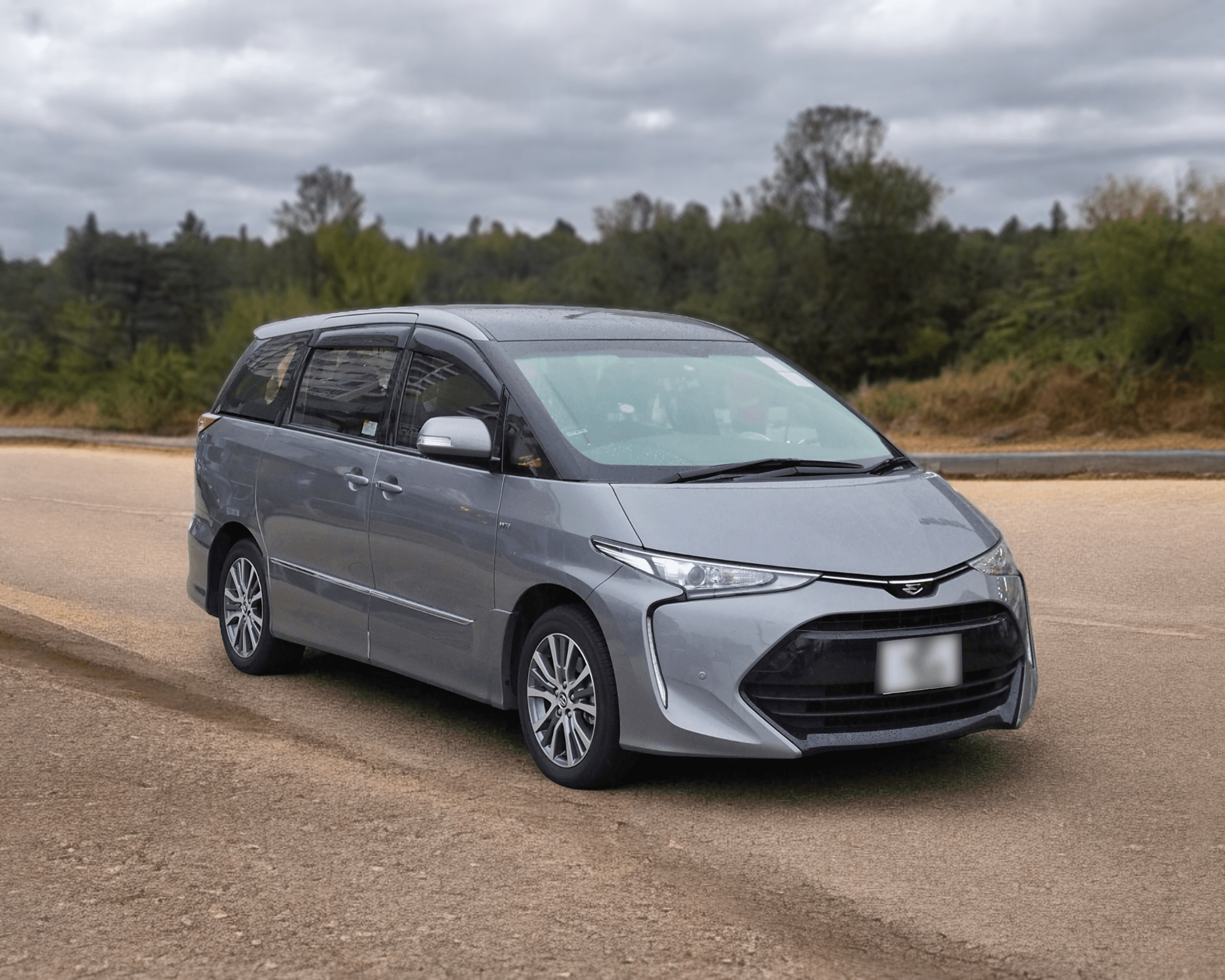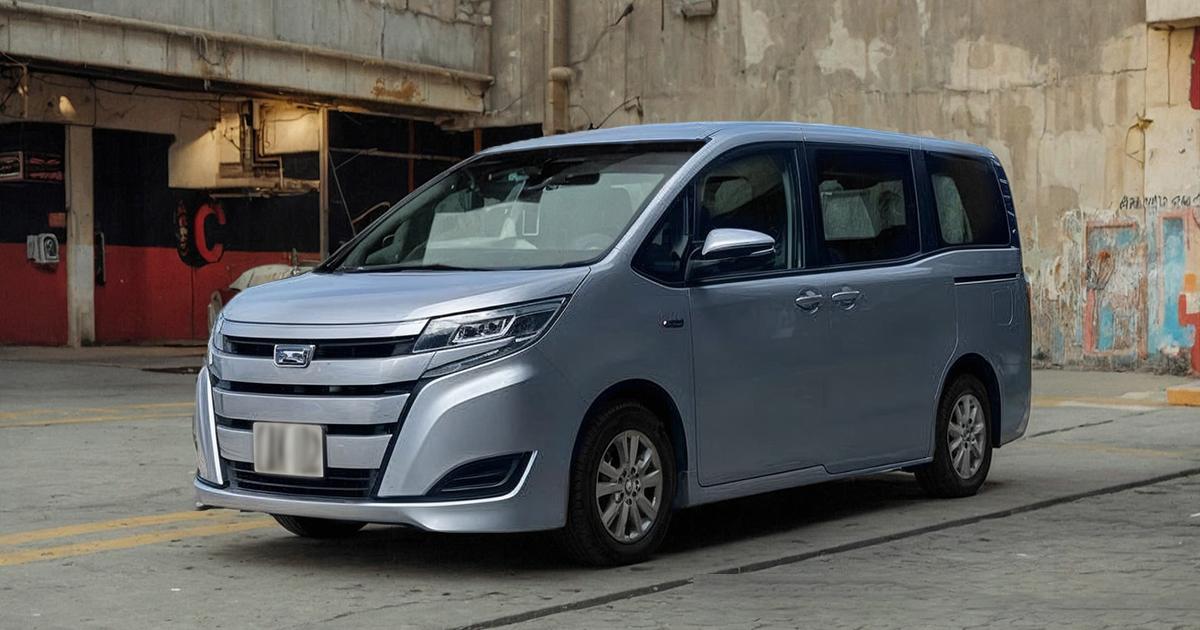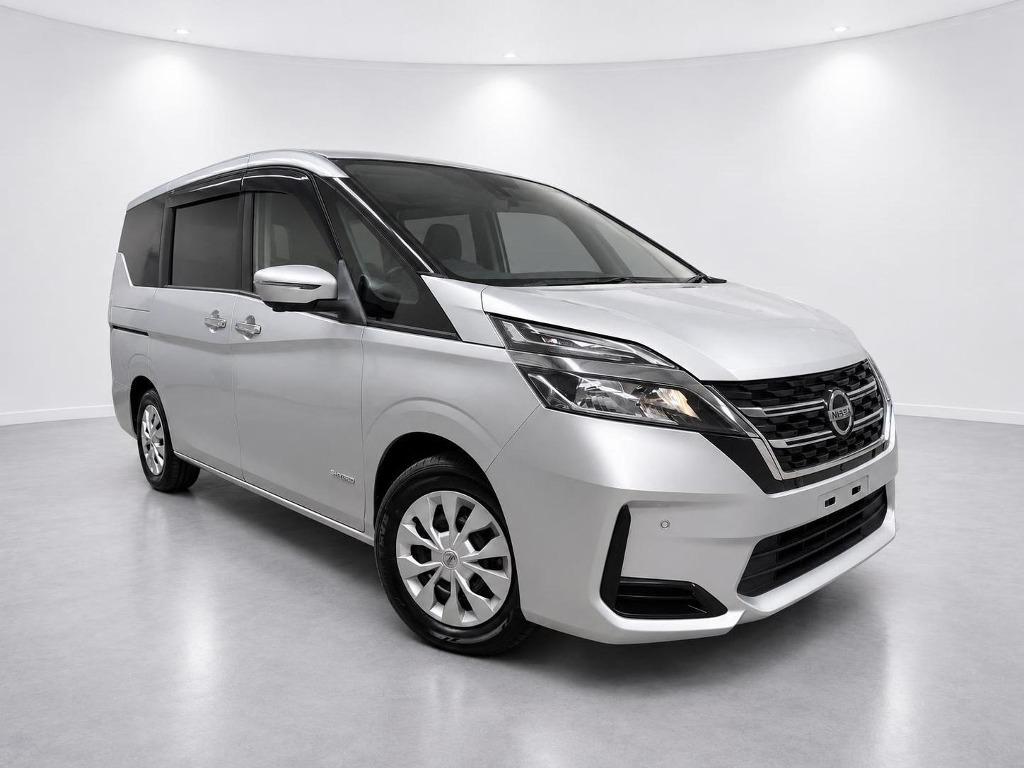


A cabin-first vehicle shape.
A people mover is generally shaped around passenger space and access. Many use sliding rear doors, upright seating and a relatively low step-in height, but these are individual vehicle features and must be confirmed on the listing. Depending on the vehicle, that layout may make passenger use easier than in an SUV of similar exterior length.
Who they may suit.
People movers may suit families with young children, households carrying passengers and gear on the same trip, drivers seeking easier access for older or less mobile passengers, and small operators providing staff or guest transport. They are useful to compare when an SUV's third row or door access feels too restricted.
What to compare.
Start with seat count and layout: how many seats are needed at once, and where child restraints or regular passengers will sit. Then compare access, including sliding doors and step height. Finally, look at flexibility: how seats fold or slide and how much load space remains. Fuel type also matters for frequent stop-start use, but economy claims must come from vehicle-level data rather than the category label.
Carbarn comparison note.
Carbarn uses the recorded People Mover body type for this page rather than guessing from hybrid fuel type or seat count. Door, floor, seating-movement and accessibility features remain vehicle-level facts unless the listing data confirms them.
Doors, seats and access
Sliding doors are the feature that separates a people mover from a large SUV — they open in tight car parks and let children out without door-edge risk. Seating layouts vary between seven and eight seats: seven usually means second-row captain chairs with a walk-through to the back, eight means a bench and full capacity. Check how the third row folds or removes, because that decides whether the school run and the airport trip fit in the same vehicle. A low, flat floor makes loading child seats and older passengers easier, and it varies between models more than the badge suggests.
Condition beats age
Age is the least reliable thing a listing tells you. What actually separates two used cars is the record: how they were serviced, what they were used for, and what the inspection found. That is why the recorded details sit beside every listing here — odometer, drivetrain, the model code naming the exact build. Start from the job the car has to do, let the records shortlist the candidates, and treat the year as one fact among many rather than the headline.
Choosing a people mover
A people mover is bought for the second and third rows, so judge it from there. Sliding doors earn their keep in car parks and school pickups; seven seats with a walk-through and eight with a bench suit different families; and how the third row folds or removes decides what the vehicle can carry when it is not carrying people. A low, flat floor makes child seats and older passengers easier — check it in person, because it varies more between models than the badge suggests.
The family shortlist
A family car is a set of measurements before it is a badge: seats that take restraints, doors that open in real car parks, a boot that holds the week with everyone aboard. Each listing records the seating layout, so the measurements are checkable before you visit. Fuel choice follows the family's driving — hybrid repays the school-run life, diesel repays long distances — and the third row's fold decides whether one vehicle can be both the daily and the holiday car.
Built for the long way round
Touring asks range, reliability and somewhere to sleep or carry the gear — which is why 4WD vans, motorhomes and diesel drivetrains dominate this use. The drivetrain decides where you can go; the configuration decides how long you can stay out. Check both on the listing's recorded details, and weight the service history heavily: remote-area driving is where deferred maintenance collects its debts. A vehicle set up for touring holds its value because the next buyer wants exactly what you wanted.