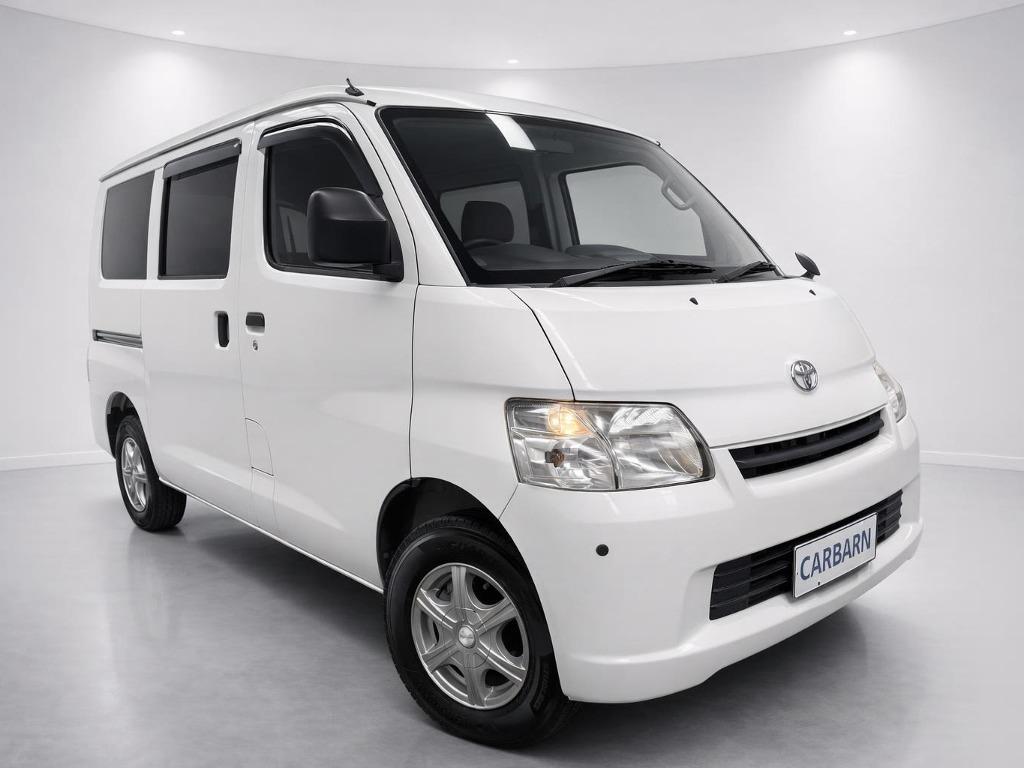


Is this Toyota Liteace the right one?
Carbarn lists one used Toyota Liteace at present. Compare that vehicle against what you actually need rather than against the model's specification in general. Carbarn's Sydney team can walk through any of it on request, in person or over the phone.
What the listing records
Every used Toyota Liteace listing at Carbarn records year, odometer, body, drivetrain, transmission and the documents supplied with the vehicle. Where a field is not recorded it is left out rather than estimated. It is the difference between buying a specification and buying a specific car.
Reading a listing properly
A used Toyota Liteace listing pairs photographs with recorded fields — condition in one, specification in the other. Read both: a clean set of photographs does not confirm a drivetrain, and a specification line does not show wear. Anything not covered by either is worth raising before a commitment is made.
Condition beats age
Two cars with the same badge and year can be completely different purchases, because how a vehicle was serviced and used matters more than when it was built. A well-serviced higher-kilometre example is often a better buy than a neglected low-kilometre one — the service history is what separates the two. Read the recorded details on each listing rather than judging by the year: they carry what was actually observed on the vehicle, from odometer and drivetrain to the model code that identifies the exact build. Deciding what the car needs to do first, then checking what each listing actually records, is a shorter path than comparing badges.
How to read a listing here
Every vehicle page records the specific build — model code, engine, drivetrain, and the configuration details that separate two cars sharing one name. The code matters most: the same model name was often sold with more than one mechanical setup over the years, and the code is how you tell them apart before opening either page. Where service and preparation records exist they are shown on the vehicle's own page, and the stock data always reflects what is listed right now.
What to check on a used van
Configuration is the van decision. Load length, roof height and drivetrain decide the jobs a van can do, and every listing records all three — which matters because vans sharing one badge often share little else. After configuration, read the working life: the load area and underbody say how a van earned its keep more honestly than the paint does, and a documented service history is worth more on a van than on almost anything else you can buy used.
What 4WD adds — and costs
Four-wheel drive keeps a vehicle moving where two-wheel drive runs out of traction: unsealed roads, wet ground, snow-season access. It adds weight and price — 4WD versions typically sit above their two-wheel-drive equivalents at the same age — so it earns its keep on vehicles that will actually leave the bitumen. Whether a listing is 4WD is recorded on the vehicle itself: check the drivetrain field rather than the name, because badge and driveline do not always travel together on used examples.
The case for petrol
Petrol is the default for a reason: simplest to own, cheapest to buy at the same age, serviceable anywhere, and well matched to the short, mixed driving most cars actually do. It gives ground to diesel on loaded highway work and to hybrids in heavy traffic — if neither describes the life the car will lead, petrol usually wins the value question. Confirm the exact engine from the listing's recorded code; one model name often hid several petrol setups.