Ready to Hit the Road in Style?
Save money and reduce emissions with vehicles designed to deliver exceptional mileage. Visit our inventory and find a car that fits your lifestyle.
Ready to Hit the Road in Style?
Save money and reduce emissions with vehicles designed to deliver exceptional mileage. Visit our inventory and find a car that fits your lifestyle.
The small SUV aisle has never been more crowded, and it has never been more confusing. Most rivals still sell you a petrol engine as standard and charge extra for the hybrid, or reserve the hybrid for the grades you can't quite afford. The Toyota Corolla Cross Hybrid took that decision off the table: for 2026, every grade in the Australian range is a hybrid, with no petrol-only option left to compare against. This guide walks through the specs, all seven variants and their published prices, the real-world fuel figures two independent testers recorded, and who this car genuinely suits.
Toyota Corolla Cross Hybrid, Key Facts (2026)
- Hybrid across all seven variants, with no petrol-only grade left in the Australian range
- Fuel economy: 4.2L/100km (WLTP) front-wheel drive, 4.4 to 4.5L/100km (WLTP) all-wheel drive. Independent testing returned 4.9L/100km over 440km (CarExpert) and 5.0L/100km over a 600km loop (drive.com.au)
- Boot space runs 380L to 425L depending on grade and drivetrain, and the rear seats do not fold flat
- Five-star ANCAP rating applies to GX, GXL and Atmos. The GR Sport is unrated
- Warranty: five years unlimited kilometres, extending to seven years on the driveline and ten on the hybrid battery with scheduled servicing
The Toyota Corolla Cross Hybrid, in Short
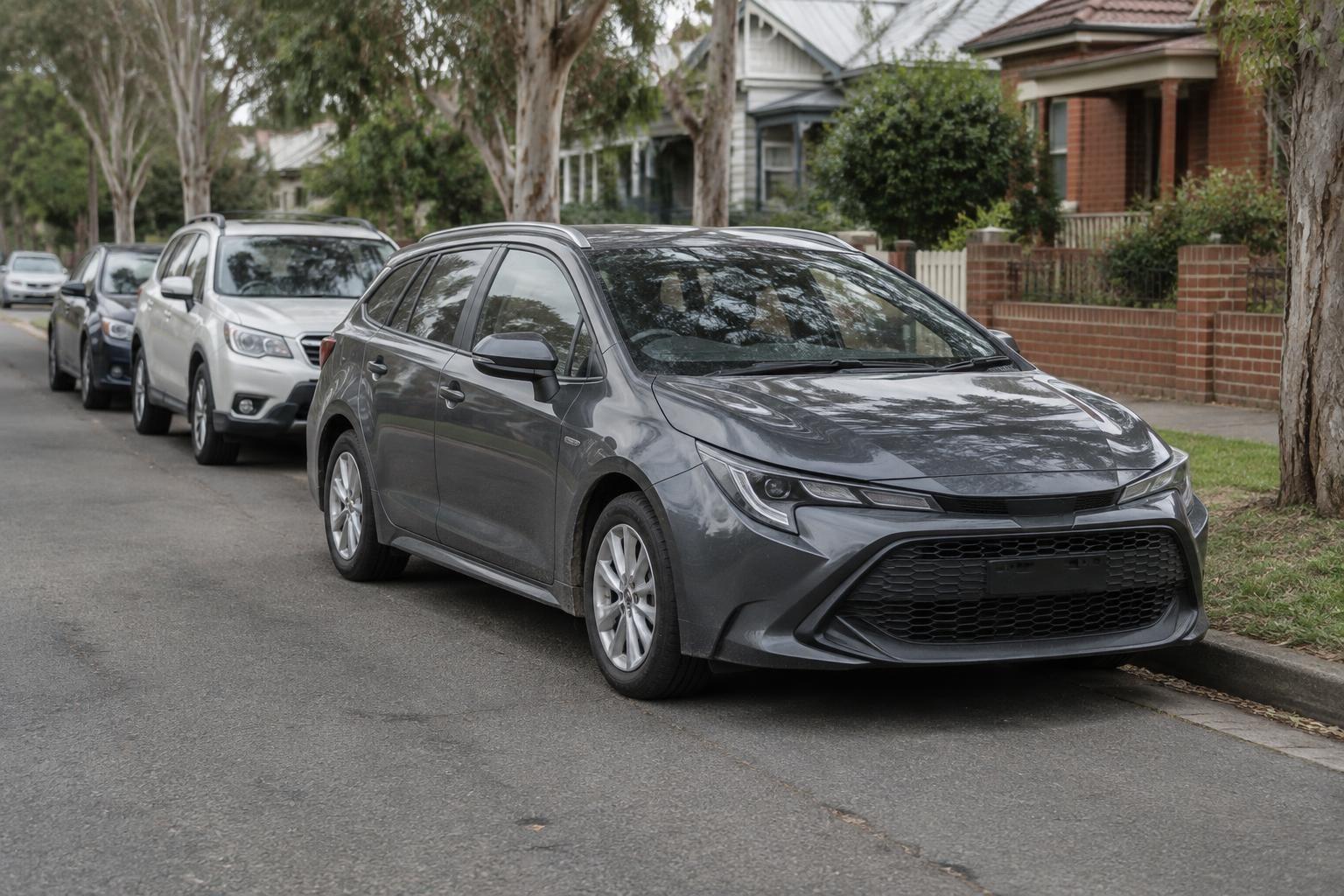
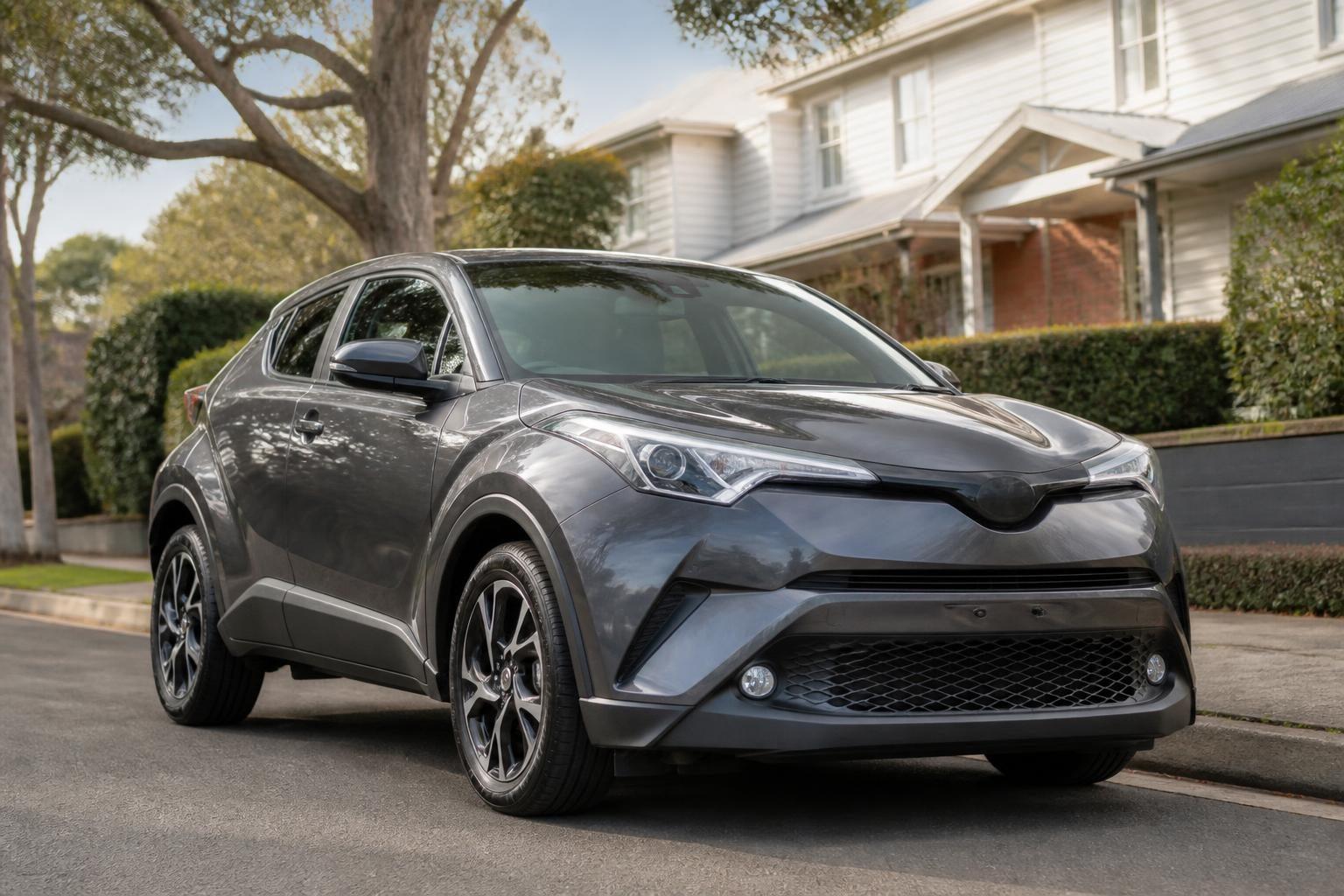
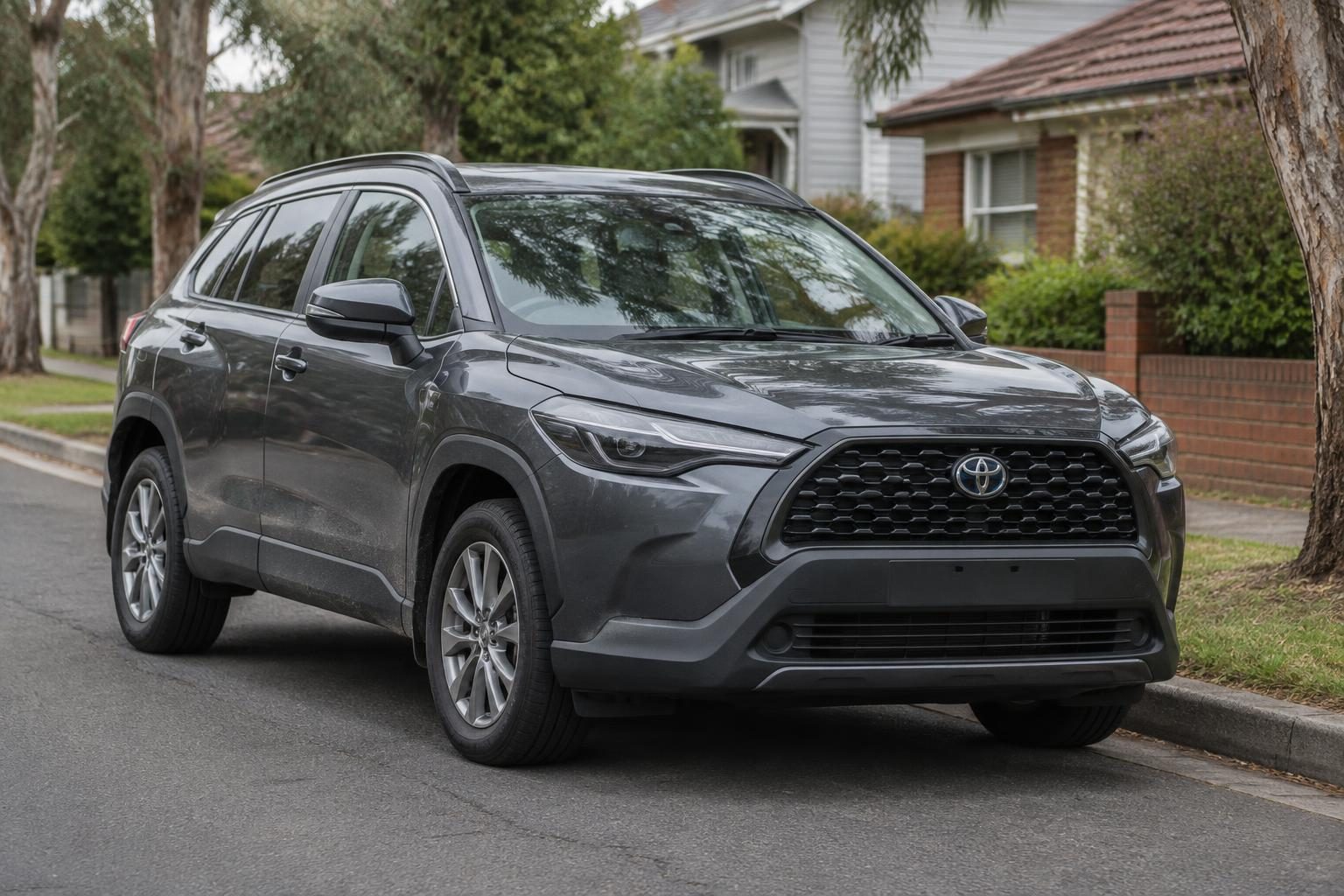
The Corolla Cross is Toyota's mid-point small SUV, slotting between the Yaris Cross and the RAV4 on the same TNGA-C platform that underpins the Corolla hatch. It landed in Australia in 2022, and by the 2026 model year Toyota had dropped the petrol-only versions entirely. It is also the volume choice inside Toyota's own showroom: the Corolla Cross outsells the smaller Toyota C-HR by roughly four to one in Australia, according to Chasing Cars' 2026 Atmos review.
 2024 Toyota Corolla Cross
Who is it aimed at? Buyers who want lower fuel bills without rearranging their life around a charger. There is no plug, no cable and no home wallbox to budget for, which is the main practical gap between this and a battery-electric alternative. If you are still weighing that choice, our guide on hybrid vs electric covers the trade-offs in more detail.
How Does the Hybrid Powertrain Work in Practice?
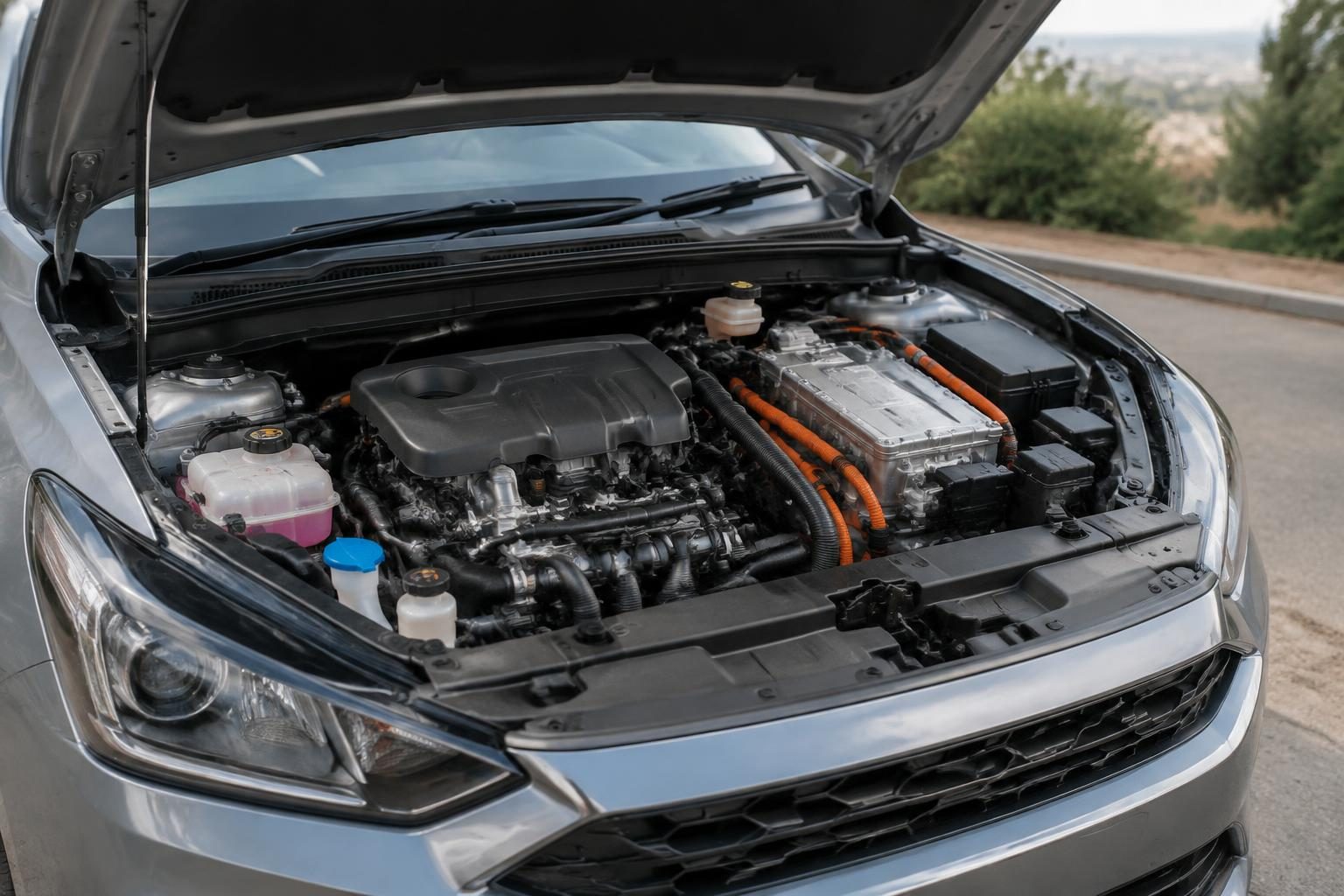
The system combines a 2.0-litre naturally aspirated four-cylinder petrol engine with an electric motor through a hybrid transaxle, for a combined 146kW. CarExpert's March 2026 price and specs breakdown lists 112kW and 188Nm at 4,400 to 5,200rpm from the petrol engine, plus 83kW and 206Nm from the electric motor, drawing on a 4.06Ah lithium-ion battery. Drive goes through an e-CVT.
 Petrol engine and hybrid electrical components side by side under an open hood.
What It Feels Like to Drive
In traffic, the e-CVT is the Corolla Cross at its best. It pulls away on electric power, swaps to petrol without drama, and never hunts for a gear. Push it hard up a freeway on-ramp and the engine note climbs and holds, which is the familiar CVT drone. Most owners never notice it after a fortnight. City and suburban driving is the sweet spot, because that is where the electric motor does the most work. On a long highway run the efficiency gap against a good conventional petrol engine narrows considerably.
Official Versus Real-World Economy
| Drivetrain | WLTP claim | Independently tested | Test detail |
|---|---|---|---|
| FWD (all grades) | 4.2L/100km | 5.0L/100km | drive.com.au, 600km loop |
| AWD (GXL, Atmos) | 4.4L/100km | 4.9L/100km | CarExpert, 440km route |
| GR Sport AWD | 4.5L/100km | 5.1L/100km | drive.com.au, 597km loop |
The honest read is that real-world use sits around 15 to 20 per cent above the laboratory claim. That is normal, not a fault, and it still lands well under what a petrol-only small SUV returns. drive.com.au's GXL test is the useful outlier: 4.3L/100km on a mixed route, then 5.2L/100km through a week of urban stop-start. Your commute decides which number you get. Our explainer on real-world vs claimed fuel economy unpacks why the gap exists.
FWD Versus AWD: The Difference Buyers Miss
All-wheel drive here means a second electric motor on the rear axle, not a driveshaft running the length of the car. You get genuine wet-weather traction without the mechanical drag. The trade-off is packaging. That rear motor eats boot space, dropping capacity from 425L to between 380L and 390L. Less obviously, AWD grades carry a 43-litre fuel tank against 36 litres on front-drive versions, so touring range actually improves despite the slightly thirstier figure.
Corolla Cross Variants and What You Actually Get
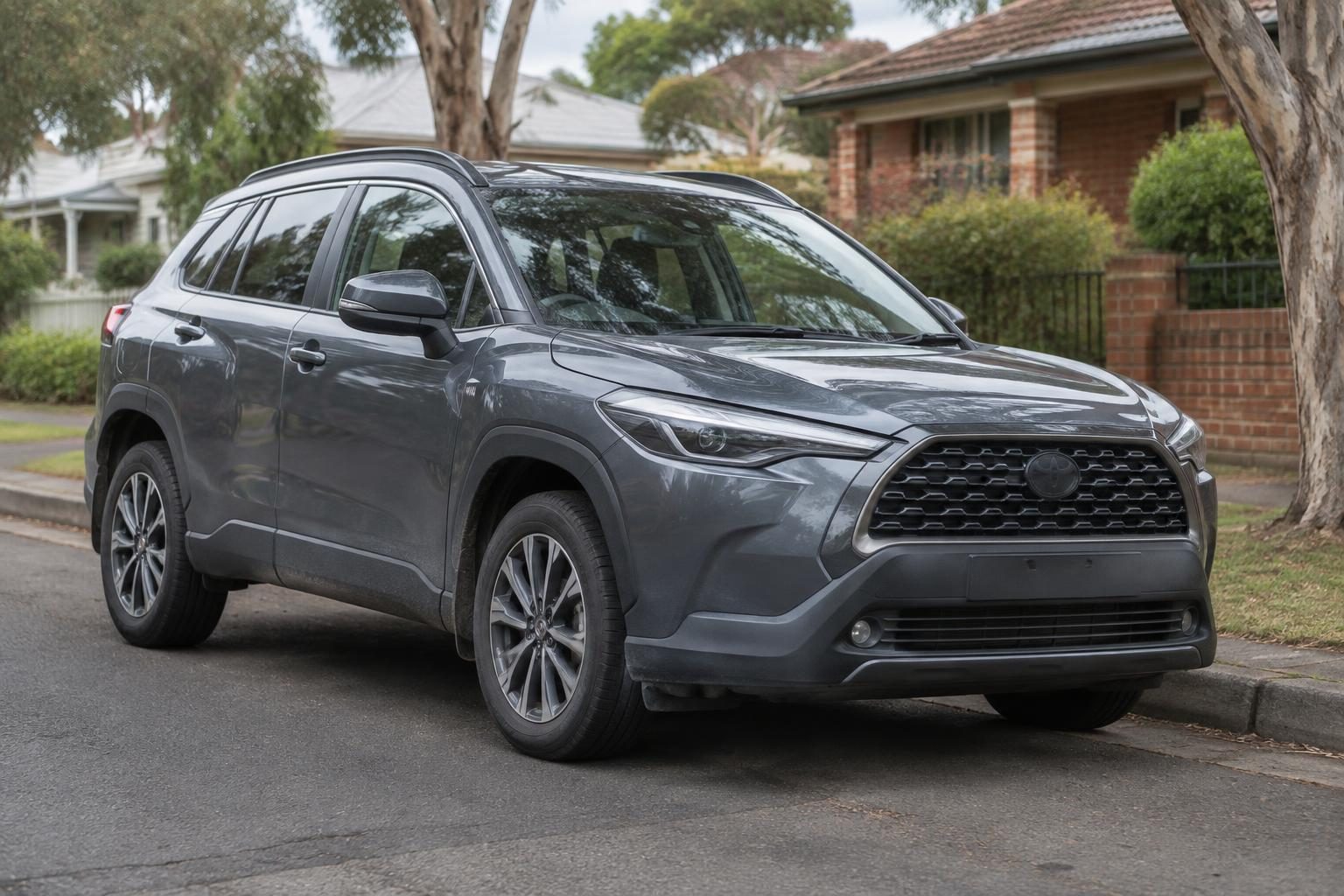
Seven entries, one powertrain. Prices below are the published figures listed by CarExpert on 21 March 2026, before on-road costs, with the GR Sport Two-Tone reflecting the $1,350 roof option noted in drive.com.au's GR Sport review. Toyota adjusts pricing periodically, so confirm the current figure with Toyota Australia before you sign anything.
 2024 Toyota Corolla Cross
| Variant | Drive | Price (before on-road) | Fuel tank | Boot |
|---|---|---|---|---|
| GX | FWD | $37,440 | 36L | 425L |
| GXL | FWD | $41,190 | 36L | 425L |
| GXL | AWD | $44,190 | 43L | 390L |
| Atmos | FWD | $47,990 | 36L | 414L |
| Atmos | AWD | $50,990 | 43L | 380L |
| GR Sport | AWD | $50,990 | 43L | 380L |
| GR Sport Two-Tone | AWD | $52,340 | 43L | 380L |
GX. The entry grade, and no longer a penalty box. Toyota Safety Sense and wireless smartphone mirroring are standard. You give up leather trim and powered seat adjustment.
GXL. This is where most 2026 reviewers land, including CarExpert and drive.com.au. Leather seating and heated front seats for a step up from the GX makes a lot of sense, and it leaves a meaningful gap to the next grade.
Atmos FWD. A substantial jump over GXL. It adds a 12-inch digital instrument cluster (the infotainment touchscreen is the same 10.5-inch unit as on the GXL), ventilated front seats, a heated steering wheel and a hands-free power tailgate, along with 18-inch alloys. Worth noting that the boot shrinks slightly to 414L on this grade because of different spare-wheel packaging.
Atmos AWD and GR Sport AWD. Same published price, very different cars. The Atmos keeps the comfort gear. The GR Sport swaps some of it for 19-inch alloys, a body kit, a firmer suspension tune and bucket front seats. One caveat that no other review seems to flag: the GR Sport is unrated by ANCAP. The five-star result covers GX, GXL and Atmos only.
GR Sport Two-Tone. The contrasting roof adds $1,350 over the base GR Sport AWD, and nothing else changes.
How Practical Is It for Family Duty?
Practical, with one real limitation. The hybrid battery sits under the boot floor, which means the rear seats fold down but not flat. If you regularly slide long flat-packs or a bike frame into the back, go and try it before you commit.
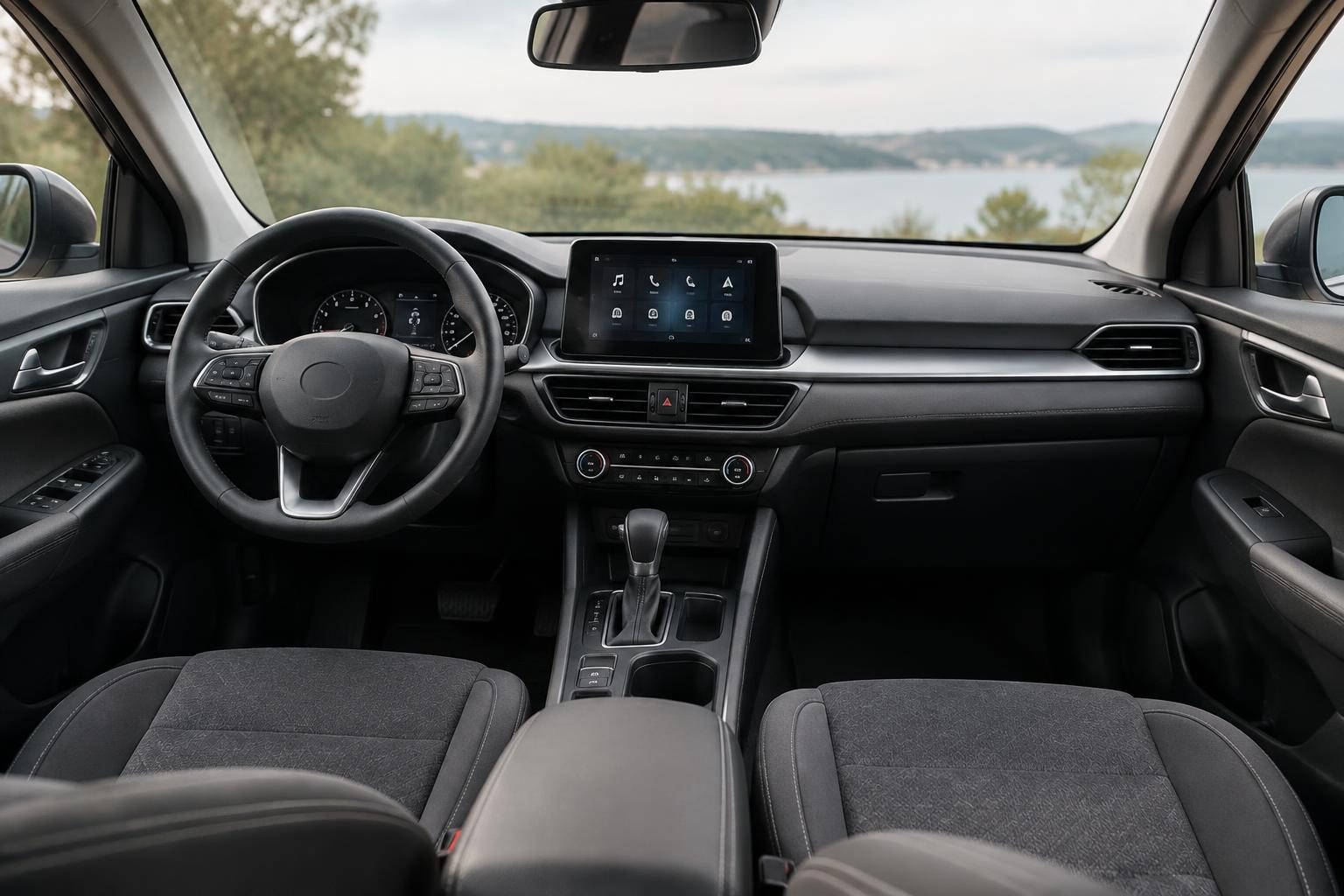 Compact SUV interior with centre touchscreen, dashboard and front seats.
Row two is fine rather than generous. Adults up to about 180cm sit comfortably, though the cabin is narrower across the shoulders than a Nissan Qashqai or a Kia Sportage. Three across is a short-trip proposition. USB-C charging for rear passengers is standard, as is wireless Apple CarPlay and Android Auto across the range.
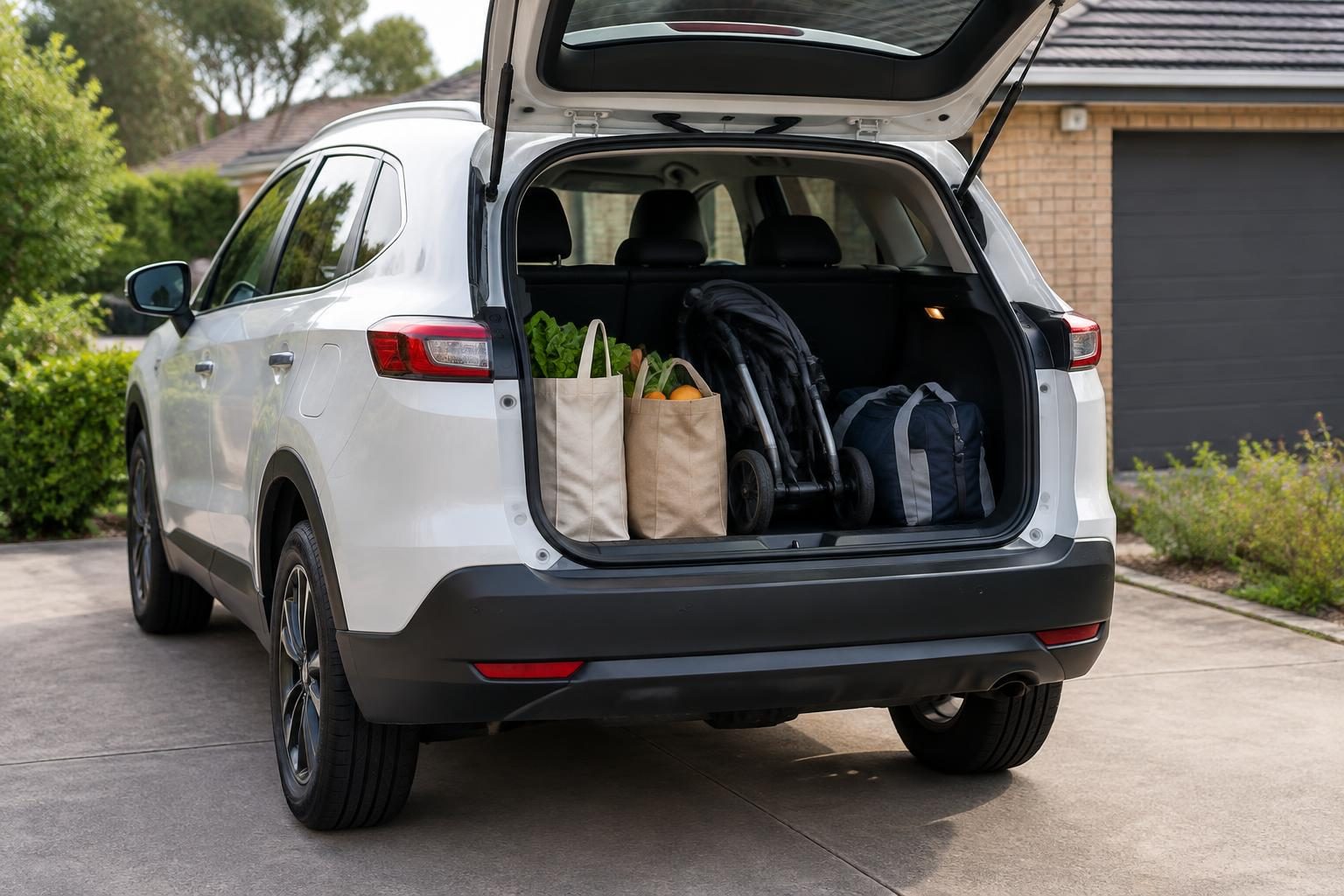 White SUV boot loaded with groceries, a folded pram, and bags.
On cargo volume, be clear-eyed. The 425L best case is mid-pack. The MG ZS Hybrid+ offers 443L, which edges it out on paper. The GWM Haval Jolion Hybrid, often cited as a cargo alternative, actually carries only 255L in its hybrid form — less than the Corolla Cross — so it is not the space advantage it appears to be in older comparisons.
What Does a Corolla Cross Hybrid Cost to Run?
Running costs are where the case firms up. Servicing falls due every 15,000km or 12 months, whichever comes first, per carsales' Corolla Cross research page. There is no charging hardware to install, no tariff to optimise and no public charger queue to plan around.
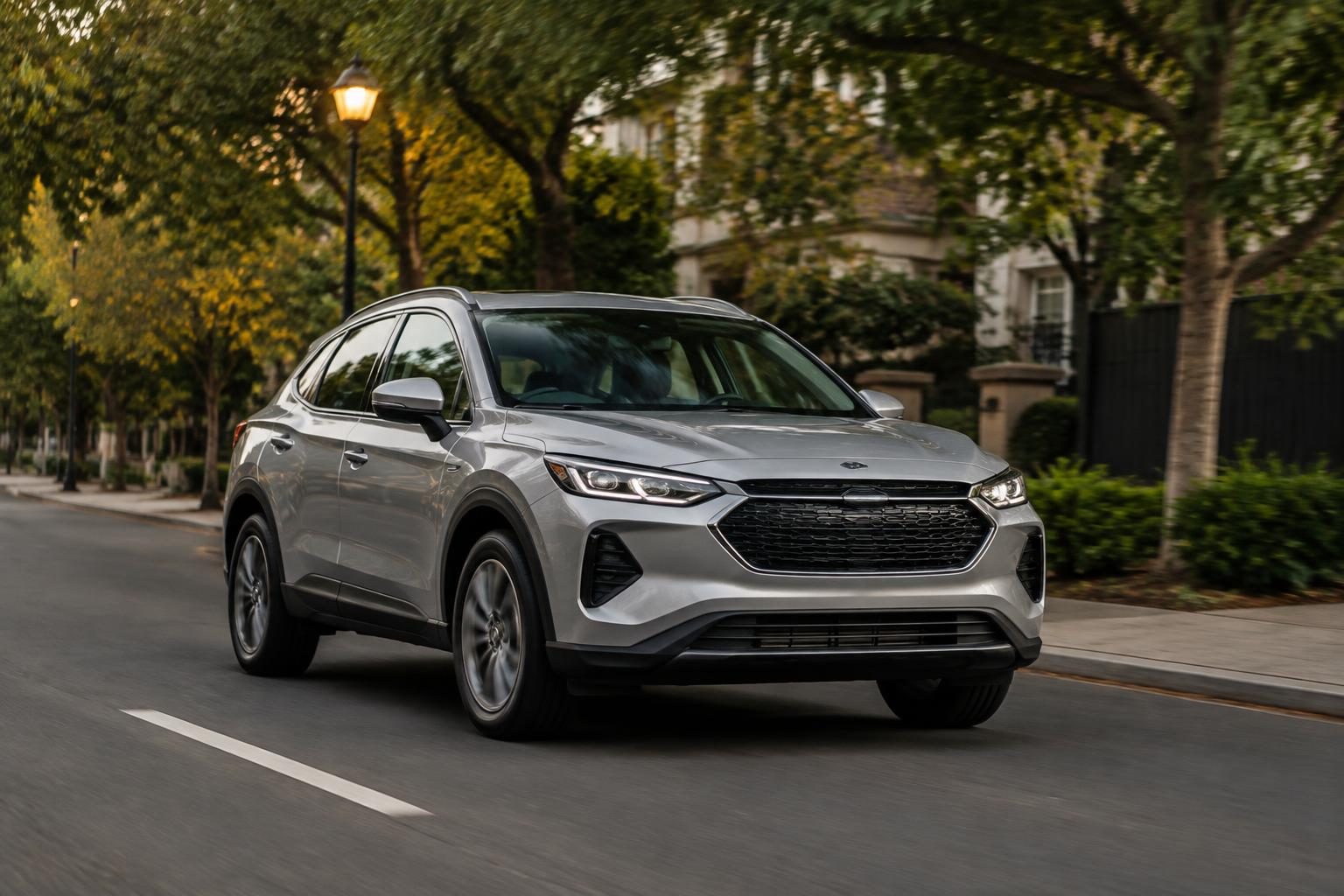 Silver compact SUV on a leafy city street beneath a glowing lamp.
Safety
ANCAP awarded five stars on its 2022 test, valid to December 2028, scoring 85 per cent for adult occupant protection, 88 per cent for child occupant, 87 per cent for vulnerable road users and 83 per cent for safety assist (ancap.com.au). Toyota Safety Sense is standard across the range, bundling autonomous emergency braking, lane-departure warning, adaptive cruise control and auto high-beam. Again: that rating does not extend to the GR Sport, which ANCAP has not tested.
Warranty, in Three Tiers
| Coverage | Duration | Condition |
|---|---|---|
| Base vehicle | 5 years, unlimited km | Standard |
| Engine and driveline | 7 years | With scheduled Toyota servicing |
| Hybrid battery | 10 years | With scheduled Toyota servicing |
Those extensions, confirmed in CarExpert's 2026 full review, are conditional. Miss the scheduled services and you fall back to the five-year base cover. For a used buyer, that makes the service book worth more than the odometer reading.
Doing the Fuel Arithmetic
Take 15,000km a year at the tested 5.0L/100km figure. That is 750 litres of unleaded annually. Multiply 750 by whatever you are actually paying at the servo this week to get your own number, because pump prices move constantly and any figure printed here would be stale by the time you read it. For comparison, a petrol-only small SUV returning 7.5L/100km over the same distance burns 1,125 litres, a difference of 375 litres a year. That gap is the whole argument for the hybrid, and it widens the more city driving you do.
How Does It Compare to Rival Small Hybrid SUVs?
The Corolla Cross leads its closest rivals on official fuel use, but it does not lead on price or cargo. Figures below come from each brand's Australian specifications as reported by CarExpert and drive.com.au in 2026. Price bases differ between brands, so each is labelled.
 New SUVs lined up side by side at a dealership.
| Model | Drive | Fuel (WLTP) | Entry price | Boot |
|---|---|---|---|---|
| Toyota Corolla Cross Hybrid GX | FWD | 4.2L/100km | $37,440 before on-road | 425L |
| Honda HR-V e:HEV X | FWD | 4.3L/100km | $39,900 drive-away | 393L |
| GWM Haval Jolion Hybrid | FWD | 4.8L/100km | Check GWM Australia | 255L |
| Hyundai Kona Hybrid Elite | FWD | 3.9L/100km | Check Hyundai Australia | 407L |
| MG ZS Hybrid+ Essence | FWD | 5.2L/100km | Check MG Australia | 443L |
Two of the figures worth correcting from older write-ups: CarExpert's June 2026 HR-V specs put the Honda at 4.3L/100km on the Australian cycle, not the higher European number that still circulates, and drive.com.au reports the 2026 Jolion Hybrid improved to 4.8L/100km. Both are closer to the Toyota than they used to be. We have left the MG, Kona and Jolion entry prices for you to confirm directly, because all three have shifted during 2026 and a number we print today is a number that misleads next month.
So where does that leave the Corolla Cross? Ahead on official economy, ahead on resale history and dealer coverage, behind the MG and the Jolion on both cargo volume and entry price. The Kona has more design personality. The HR-V is the closest on fuel. If you want the Corolla Cross measured against a sharper-driving alternative, our Corolla Cross vs Mazda CX-30 comparison is a useful next read.
Who Is the Corolla Cross Hybrid Right For?
A strong option if you are:
- Commuting 12,000 to 20,000km a year through city or suburban traffic, where the hybrid system returns the most
- After a dependable second car with lower fuel bills and no charging routine to manage
- Weighing resale confidence and nationwide servicing as heavily as the purchase price
- Deciding between this and something larger, in which case our Corolla Cross vs RAV4 comparison is the place to start
Probably not the right fit if you:
- Need maximum cargo room, because the MG ZS Hybrid+ offers more at 443L, and a petrol-variant Jolion carries more too — though the Jolion Hybrid itself is actually smaller at 255L
- Plan to tow or head onto rough tracks, since the Corolla Cross offers neither a useful tow rating nor real ground clearance
- Have a firm budget ceiling that the cheaper MG ZS or Jolion already meet
Where Do You Find a Used Corolla Cross Hybrid in Australia?
The Corolla Cross arrived here in 2022, so the used pool is still young. Examples from 2022 to 2024 are reaching the market now as leases wind up and early adopters trade out. These are Australian-delivered cars, which means local compliance paperwork, a Toyota service history you can verify and straightforward state registration. Values sit in the high-$20K to high-$30K range depending on grade, year and kilometres, and the listing you are looking at will always carry the current number.
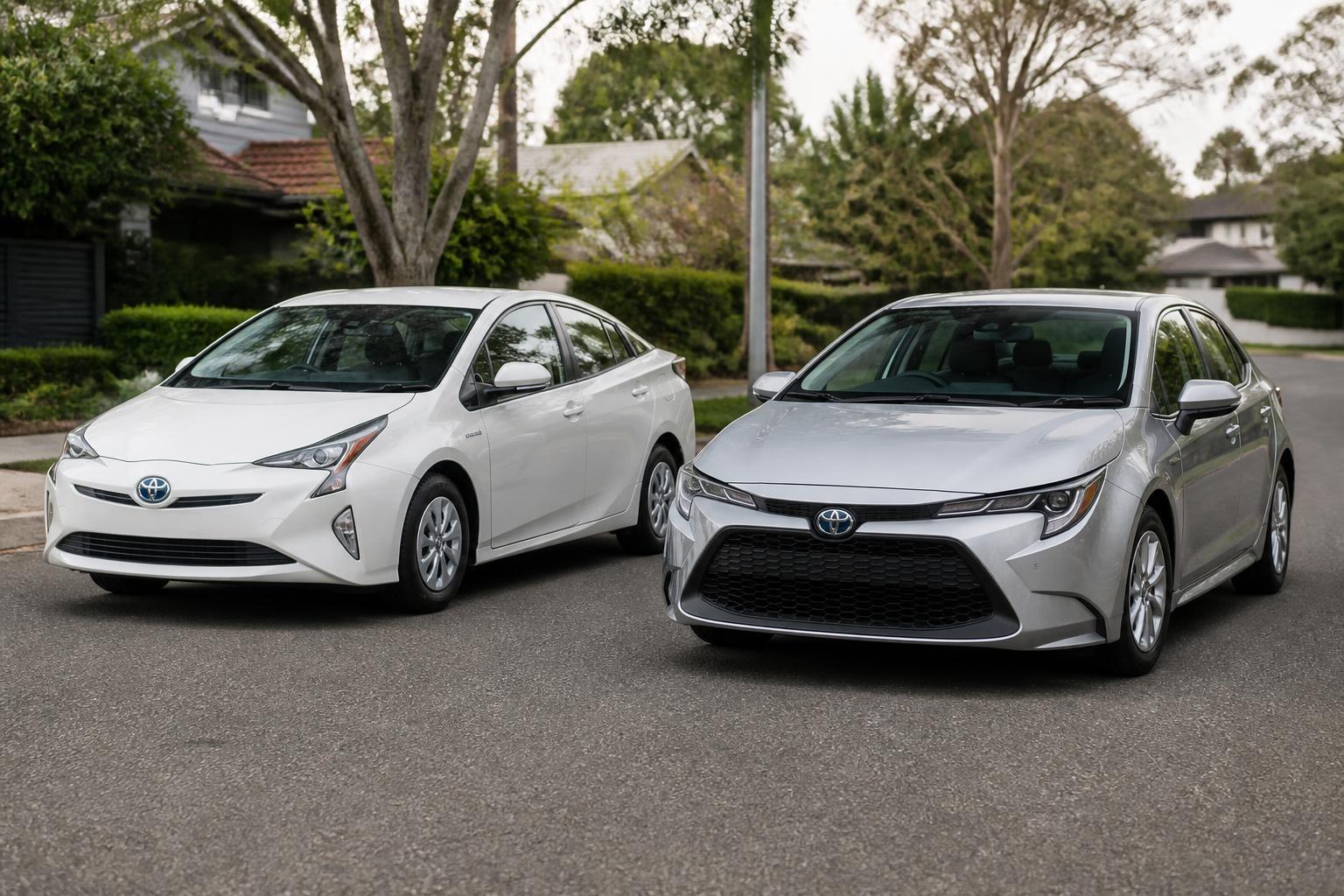
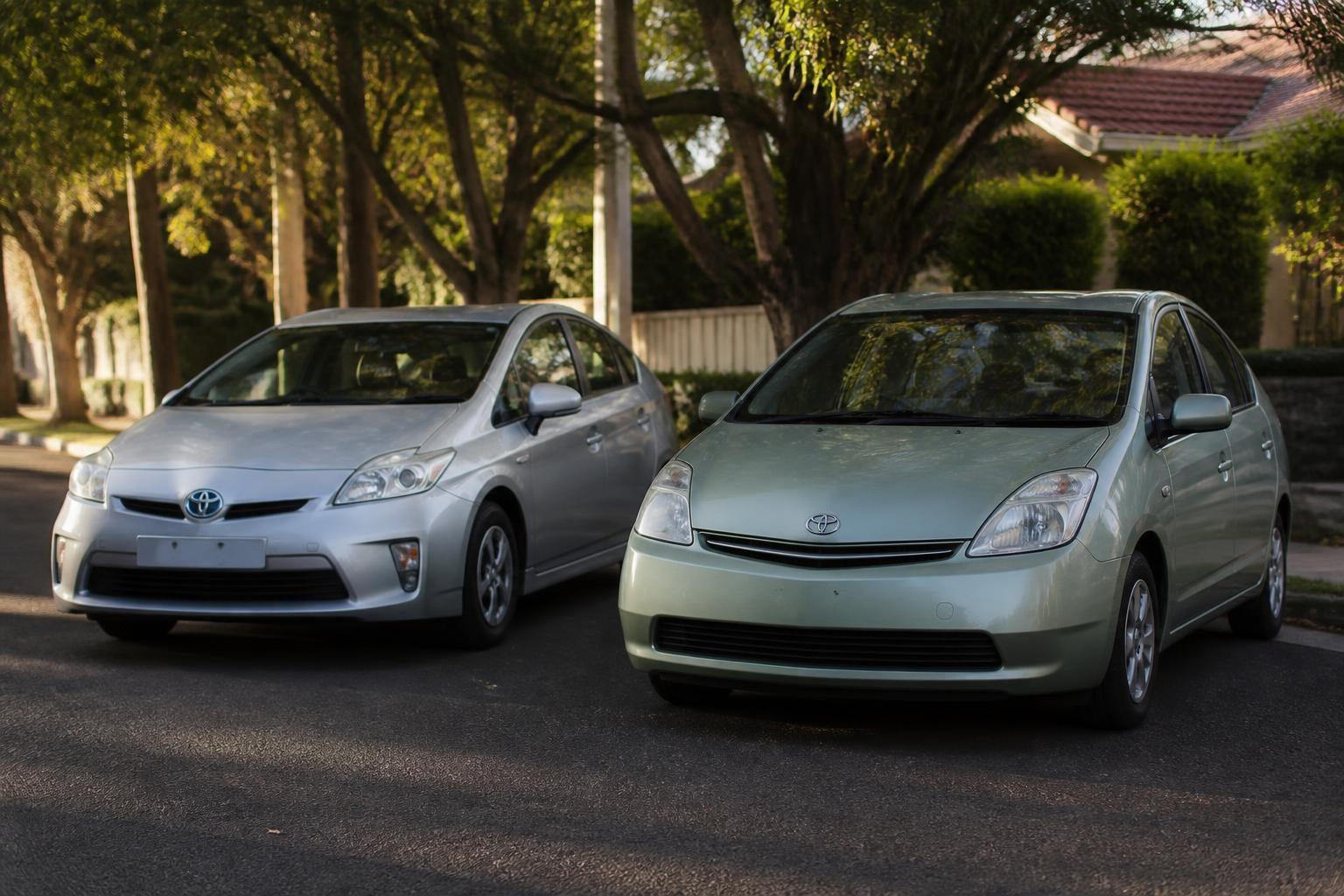
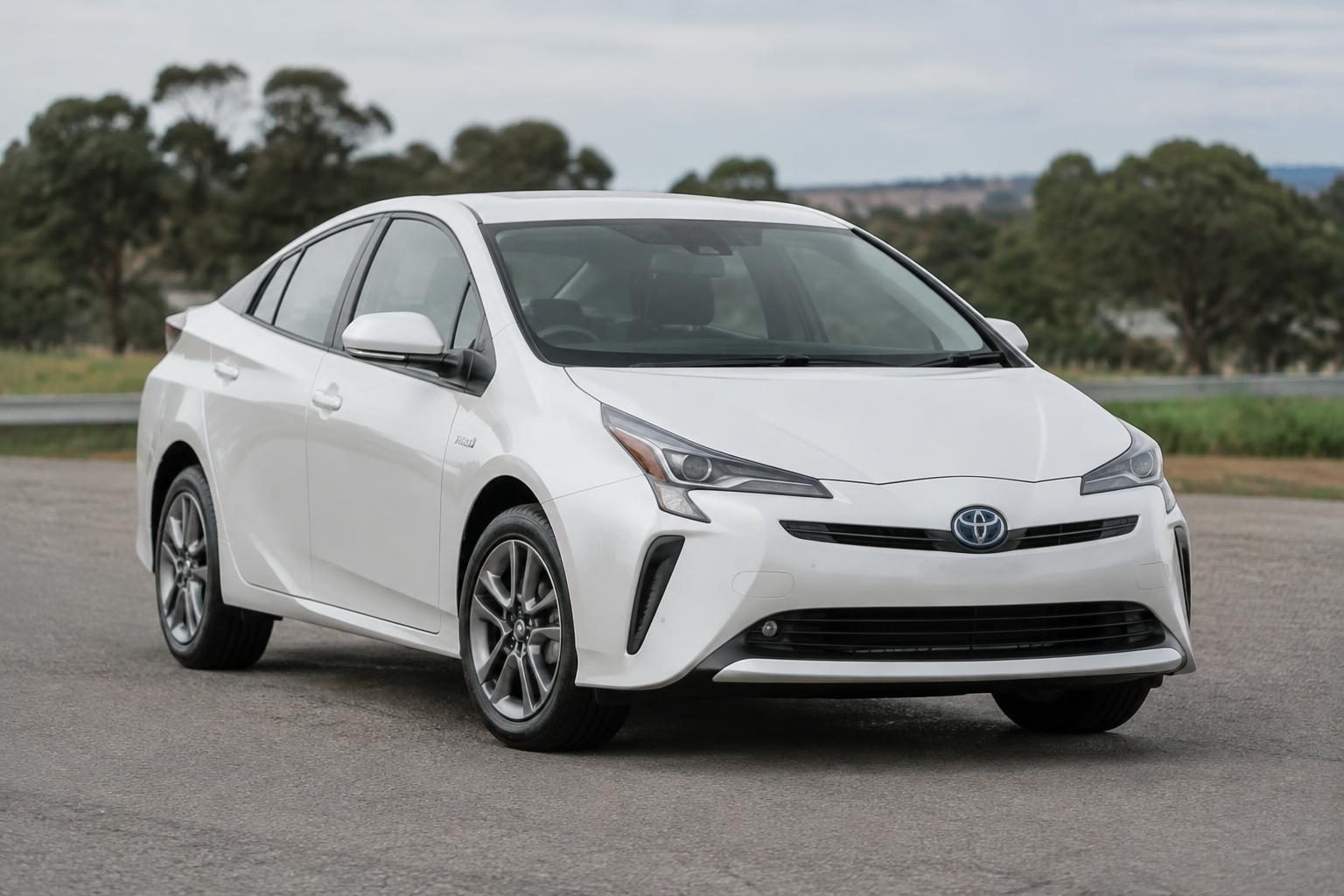 White Toyota Prius hybrid photographed outdoors.
One compliance point worth understanding before you start searching Japanese auctions. Import eligibility in Australia is decided by the published approvals on the Australian Government's Rover register, not by how appealing a model looks. No SEVS approval covers the Corolla Cross, so there is no Japan pathway for this particular car. The Corolla sedan and wagon are a different story. The Toyota Corolla ZWE214 and Toyota Corolla ZWE215 are both approved under the SEVS Environmental Criterion, under approvals SEV-000812 and SEV-000681, covering builds from September 2019 through 2026 with a sub-80,000km odometer requirement and the 1.8-litre 2ZR-FXE hybrid driveline. They are sedans and wagons rather than crossovers, but the economy credentials carry across. On costs, an import is built from known components rather than one mystery number: the auction result itself, the Japan agent fee, the service fee, ocean freight plus port and customs, import duty and GST, then the compliance package. A refundable auction deposit of $2,715 opens bidding, and the full process typically runs six to ten weeks. If a hybrid in general is the goal rather than this model specifically, our guide to the best hybrid cars in Australia casts a wider net.
Carbarn works both sides of that equation from Lidcombe in Sydney, as a licensed NSW motor dealer (MD056471). Locally available stock covers a range of used Toyota hybrid vehicles with service and preparation records shown on eligible listings, walk-around video for each car, finance through an in-house calculator, a five-year extended warranty on eligible vehicles that covers engine, electricals and the hybrid battery, and door delivery across Sydney, NSW and interstate. For Japan-sourced cars, the same team handles auction-sheet verification, pre-bid physical inspection, bidding only to a cap you set in writing, the Vehicle Import Approval application, freight, customs and biosecurity, then full SEVS rectification at its RAW-certified Sydney workshop, AVV inspection and RAV entry, delivered with the documentation your state registry needs. Compliance-only work on a car you already own is available too. The team can be reached on 0423 840 130, at info@carbarn.com.au, or through the contact page.