


Ready to Hit the Road in Style?
Save money and reduce emissions with vehicles designed to deliver exceptional mileage. Visit our inventory and find a car that fits your lifestyle.
Ready to Hit the Road in Style?
Save money and reduce emissions with vehicles designed to deliver exceptional mileage. Visit our inventory and find a car that fits your lifestyle.
You're weighing up a hybrid, a plug-in hybrid or a full electric car, and everyone wants to argue about fuel savings. Cents per kilometre. Charging costs. Trips to the servo you'll never make again.
That's the wrong fight for most buyers.
The bigger money question is what the car is worth the day you go to sell it. And here's the part that surprises people: the gap in first-year value loss between these three is far wider than the gap in running costs. One of them can quietly cost you thousands more than the others, no matter how cheap it is to charge.
This guide compares hybrid, PHEV and electric the way it actually hits your wallet. Depreciation first, then running costs, servicing and practicality. By the end you'll know which powertrain fits how you drive and how long you'll keep it.
Quick Answer
- Hybrids hold value best. A one-year-old hybrid retained about 98.3% of its value, while EVs averaged a 25% loss in year one (AutoGrab/AADA 2024 Automotive Insights Report, Feb 2025).
- PHEVs sit in the middle, and their resale story shifted after the April 2025 FBT change.
- EVs are usually cheapest to run day to day, but they lose the most upfront.
- Buying a one-year-old EV lets the first owner absorb the steepest drop.
- If you sell within three years, a hybrid almost always protects your money best.
How Are We Comparing Hybrid, PHEV and Electric?
So what's the fairest way to rank them? This guide puts value retention first, because depreciation is usually the single biggest cost of owning a car — bigger than fuel or servicing over a typical hold. Independent Australian data backs the order: hybrids retained 98.3% of value after a year versus a 25% average EV loss (AADA, 2025).
Before the numbers, the plain-English definitions. A hybrid (HEV) is a self-charging car — a petrol engine and a small battery work together to recover energy as you brake and slow down, and you never plug it in. A plug-in hybrid (PHEV) adds a much bigger battery that you charge at a wall socket, with a petrol engine as backup once the charge runs flat. An electric car (BEV) runs on battery alone — no petrol engine at all; you charge it at home or at a public station.
After that, we weigh running costs, servicing and everyday practicality. One honest caveat on the data: the hybrid and EV first-year figures come from the AADA report, but no clean aggregate Australian study exists for first-year PHEV depreciation. As a result, we frame PHEVs as "faster than hybrids, slower than EVs" and lean on model-level numbers, clearly labelled.
For market context, electrified vehicles reached 46% of new sales and battery EVs hit a record 20% share in May 2026 (FCAI VFACTS, Jun 2026). More choice, but also faster turnover — and that faster turnover is exactly what drives the resale patterns we cover below.
At a Glance: How the Three Compare
Here's the shape of the decision before we get into the detail. Read the value-retention rows first, then the cost rows.
| Hybrid (HEV) | PHEV | Electric (BEV) | |
|---|---|---|---|
| How it's powered | Petrol + small battery, no plug | Plug-in battery + petrol backup | Battery only, charge it |
| Year-one value retained | ~98.3% | Between hybrid and EV (est.) | ~75% |
| Three-year value retained | ~92.4% | ~65–70% (est.) | ~60.3% |
| Typical monthly running cost | $426–$448 | $349–$484 | $409–$426 |
| Annual servicing | lower than petrol (est.) | lower than petrol (est.) | lowest of the three (est.) |
| Best suited to | Long holds, mixed driving | Home chargers with some long trips | Home chargers, low running costs |
Sources: retained value and year-one figures from AutoGrab/AADA 2024 AIR; running costs from cars24, April 2026; annual servicing indicative only — direction from zecar (2022), exact costs vary by model and service network. PHEV value figures are estimated from model-level data.
Year-One Depreciation: Where the Real Money Goes
This is the heart of the comparison. One-year-old EVs in Australia shed about 25% of their value, while hybrids of the same age held 98.3%, losing barely 1.7% (AADA, 2025). On a $58,900 Tesla Model Y, that gap worked out to roughly $12,840 gone in twelve months (Yahoo Finance, Oct 2025).
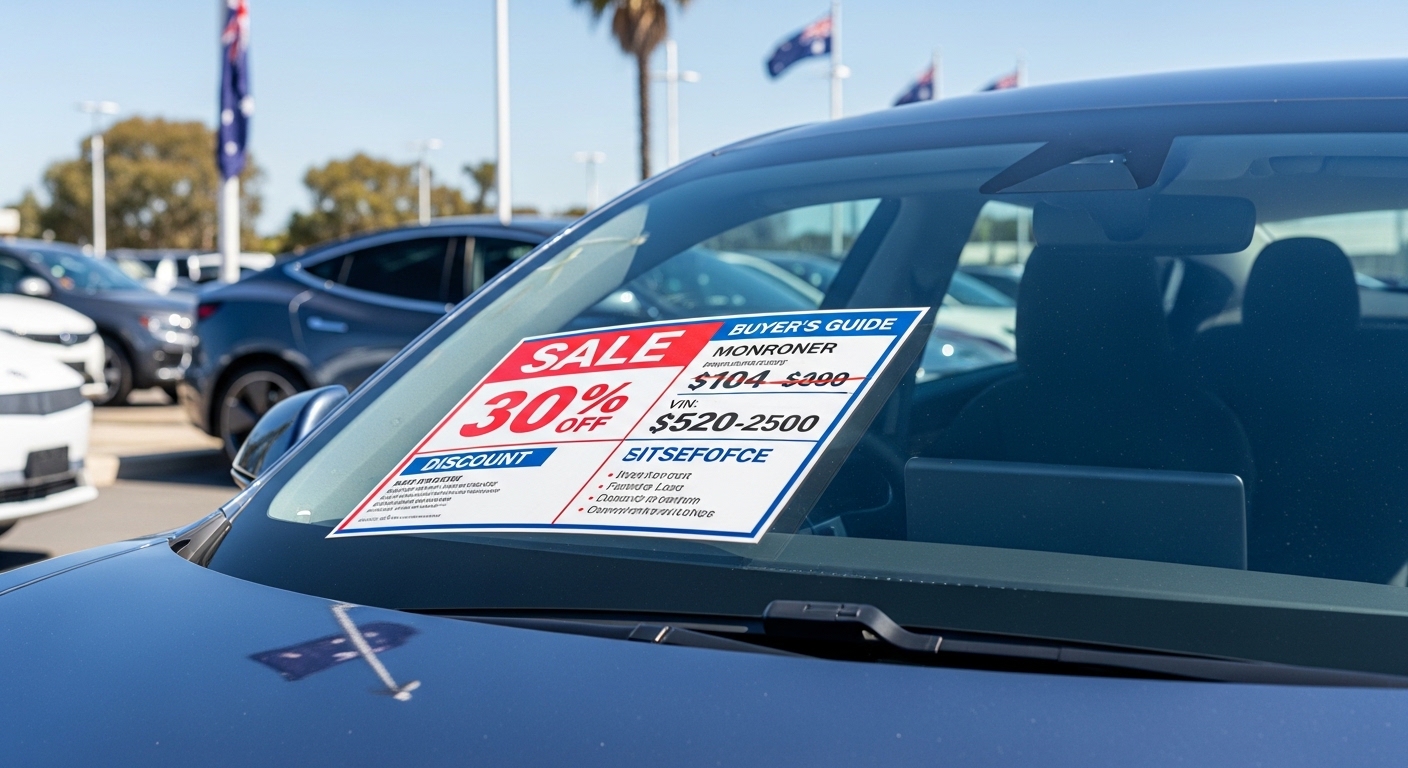 First-year value loss is the single biggest cost most new-car buyers never plan for.
Why do EVs drop so hard? A few forces stack up at once. New-model price cuts reset the value of every used example overnight. Tech moves fast, so a two-year-old battery and software package can feel dated compared with the latest release. Buyers still worry about battery life, even when the actual degradation data says those worries are overblown. And government incentives keep nudging the new-car price down, which drags used values with it. Each of these forces compounds the others — and together they create a depreciation curve that is steep in year one and then gradually flattens.
Hybrids, by contrast, do the opposite. They've earned a reliability reputation over two decades, and that confidence is now priced into the used market. Demand is broad, there's no charging worry, and the buyer pool is huge. As a result, prices stay firm even as the cars age.
Time on the market confirms the same story. EVs took 54.7 to 87.3 days to sell used, while hybrids moved in 45.3 to 61.1 days (AADA, 2025). A car that sits longer usually sells for less.
So what does that mean in practice? If you keep a car three years, the value-loss gap can dwarf any fuel saving. Saving $50 a month on petrol looks great until depreciation quietly takes back several thousand dollars more on the EV side.
The retained-value curve makes the spread clear.
| After | Hybrid | PHEV (est.) | Petrol | Electric |
|---|---|---|---|---|
| 1 year | 98.3% | ~83% | ~88.5% | 75% |
| 2 years | 95.1% | ~75% | ~82% | 68.7% |
| 3 years | 92.4% | ~65–70% | ~77% | 60.3% |
Sources: hybrid and EV figures from AutoGrab/AADA 2024 AIR; petrol from RAC/Redbook estimates; PHEV modelled from model-level data and labelled estimated.
The PHEV Middle Ground, and What the FBT Change Did to It
Plug-in hybrids depreciate faster than regular hybrids but generally slower than EVs — they occupy a genuine middle ground, though that ground shifted in 2025. There's no clean Australian first-year aggregate, so treat model-level figures as a guide only: the Mitsubishi Outlander PHEV holds around 42% after three years (WhichCar), on the softer end of the range.
Then the rules changed. From 1 April 2025, PHEVs lost their fringe benefits tax exemption (ATO). That mattered because novated-lease demand had been propping up PHEV values across the market. The ripple was immediate: based on Carbarn's own enquiry and transaction data, PHEV new-business value fell about 47.2% in April compared with March 2025, once fleet buyers could no longer claim the FBT benefit (Carbarn FBT analysis). That's a large swing inside a single month, driven almost entirely by a policy change rather than any shift in the underlying vehicles. Even so, private buyer demand held firm — and it held firm quickly. PHEV sales topped 53,000 in 2025, up a striking 130.9% year on year (CarExpert). So the picture is genuinely mixed: fleet pressure on resale values sits alongside strong private demand from buyers who actually use the electric range.
On the other hand, none of that private demand protects you if you buy a PHEV and never plug it in. A PHEV's value depends heavily on whether you'll actually use the battery. Drive it like a petrol car and you carry the extra weight for nothing — and the resale logic weakens with it.
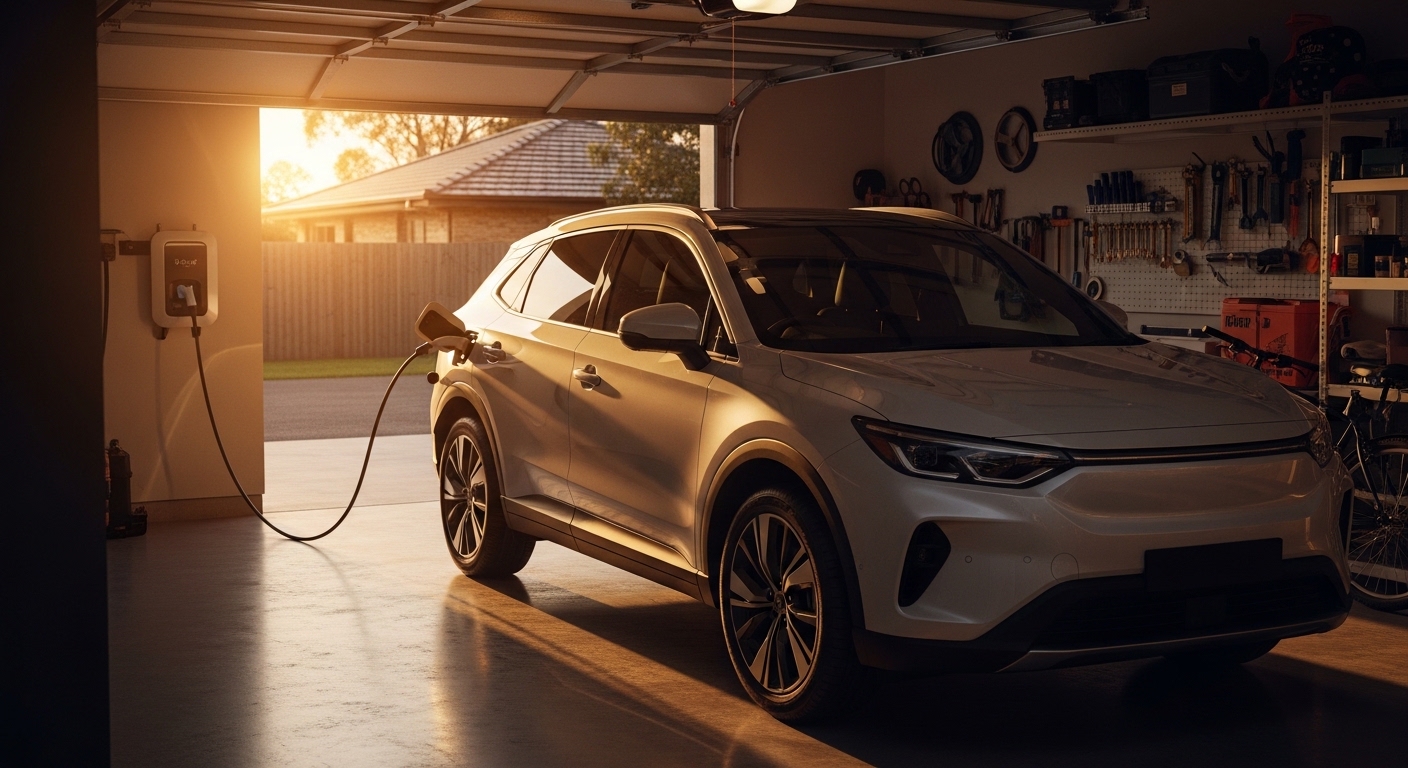 A PHEV only saves you money if you actually plug it in most days.
Running Costs vs Depreciation: The Full Ownership Picture
Day to day, EVs and charged PHEVs are the cheapest to fuel, and hybrids beat petrol comfortably. At 1,200 km a month with no finance, monthly costs ran roughly $480–$515 petrol, $426–$448 hybrid, $409–$426 EV, and $349–$484 PHEV if you charge daily (cars24, April 2026, based on $1.90/L fuel and $0.35/kWh).
| Powertrain | Total monthly cost (no finance) |
|---|---|
| Petrol | $480–$515 |
| Hybrid (HEV) | $426–$448 |
| EV (home charging) | $409–$426 |
| PHEV (charged daily) | $349–$484 |
Servicing leans the other way for EVs. With fewer moving parts, annual EV maintenance typically runs lower than petrol or hybrid equivalents — industry data puts the EV servicing advantage at roughly 5–35% versus a comparable petrol car, though exact figures vary by model and service network (zecar, 2022).
That said, cheap running costs only win if you hold the car long enough. Low monthly bills don't rescue an EV's resale loss over a short hold. The petrol payback maths shows why timing matters: versus petrol, the rough break-even is 3–5 years for a hybrid, 5–8 for a PHEV, and 10–14 for an EV (cars24, 2026). Cheap charging only wins if you keep the car long enough to outrun the early depreciation.
Battery Degradation: The Fear vs the Data
Battery worry is a real driver of EV depreciation, so it's worth meeting head-on. The data is more reassuring than the resale market assumes. A study of 22,700 vehicles found EV batteries degrade about 2.3% a year on average, still retaining 81.6% of capacity after eight years (Geotab, 2025–26). That figure surprises most buyers who expect battery wear to be much faster. In practice, modern battery management systems are genuinely good at preserving capacity, and the degradation numbers have been improving as the technology matures. Put another way, the used market is discounting these cars for a risk that the engineering data doesn't fully support.
In plain English, EV depreciation is driven by perception more than by performance. The fear of battery failure runs well ahead of the actual fault rate. As a result, if you can verify a car's battery state of health before buying, you're often paying for a risk that has already been overstated in the price. That mismatch is exactly why a used EV can be a value buy — and it bridges straight to the most overlooked angle in this whole debate.
The Used-Buyer Angle: Who Actually Wins From Depreciation
Steep first-year EV loss is bad news for the new buyer — and good news for the used buyer. So who actually comes out ahead? If you buy a one-year-old EV instead of a brand-new one, someone else has already absorbed the roughly 25% drop, and you collect near-new tech at a real discount.
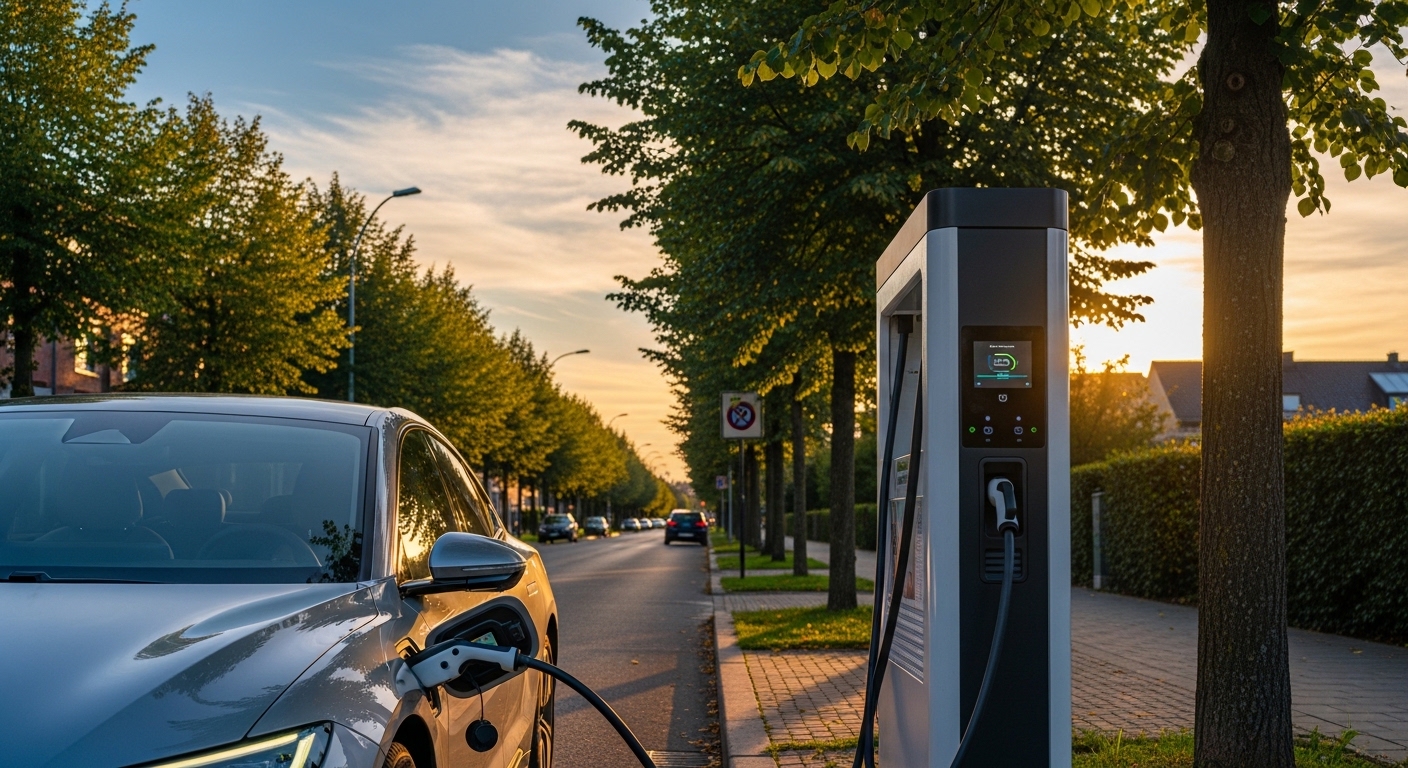 Cheap to run day to day, but EVs carry the steepest upfront value drop.
Hybrids work in reverse. Because they barely fall, there's far less discount waiting for you on the used market. You pay for that stability — and that is the honest trade-off. You buy something that holds firm when you eventually sell, but you pay closer to full price to get in.
Still, one catch on used EVs is worth knowing: the pool is thin. Used EV sales jumped 75.6% in 2024, from 11,652 to 20,460 units, yet EVs remain under 1% of the used market (AADA, 2025). The bargains are real, but your choice of model, colour and spec is limited compared with hybrids.
Which One Makes Sense for You?
No single powertrain wins for everyone — so how do you match one to your situation? It comes down to how you drive and how long you'll keep the car.
If you keep cars five years or more, drive a mix of city and highway, and want the safest resale: a hybrid makes a lot of sense. It's the low-stress money choice. Not right for you if you do heaps of short urban trips and have home charging, because then you're leaving cheaper electric running costs on the table.
If you have home charging, a short daily commute, but take the odd long trip: a PHEV is worth a look, provided you'll plug it in. It covers most days on battery and removes range anxiety on holidays. Not right for you if your charging is unreliable or you'll forget to plug in, since an unplugged PHEV is just a heavy hybrid.
If you want the lowest running costs, charge at home, and either buy used or keep the car long enough to outrun depreciation: an EV can be a strong option. Not right for you if you're buying new and selling within three years, where the year-one drop will sting.
If you're buying new and selling within three years: a hybrid almost always protects your money best, full stop.
For a deeper look at the two most common picks, our guide on whether Australians should buy a hybrid or an EV breaks the choice down further.
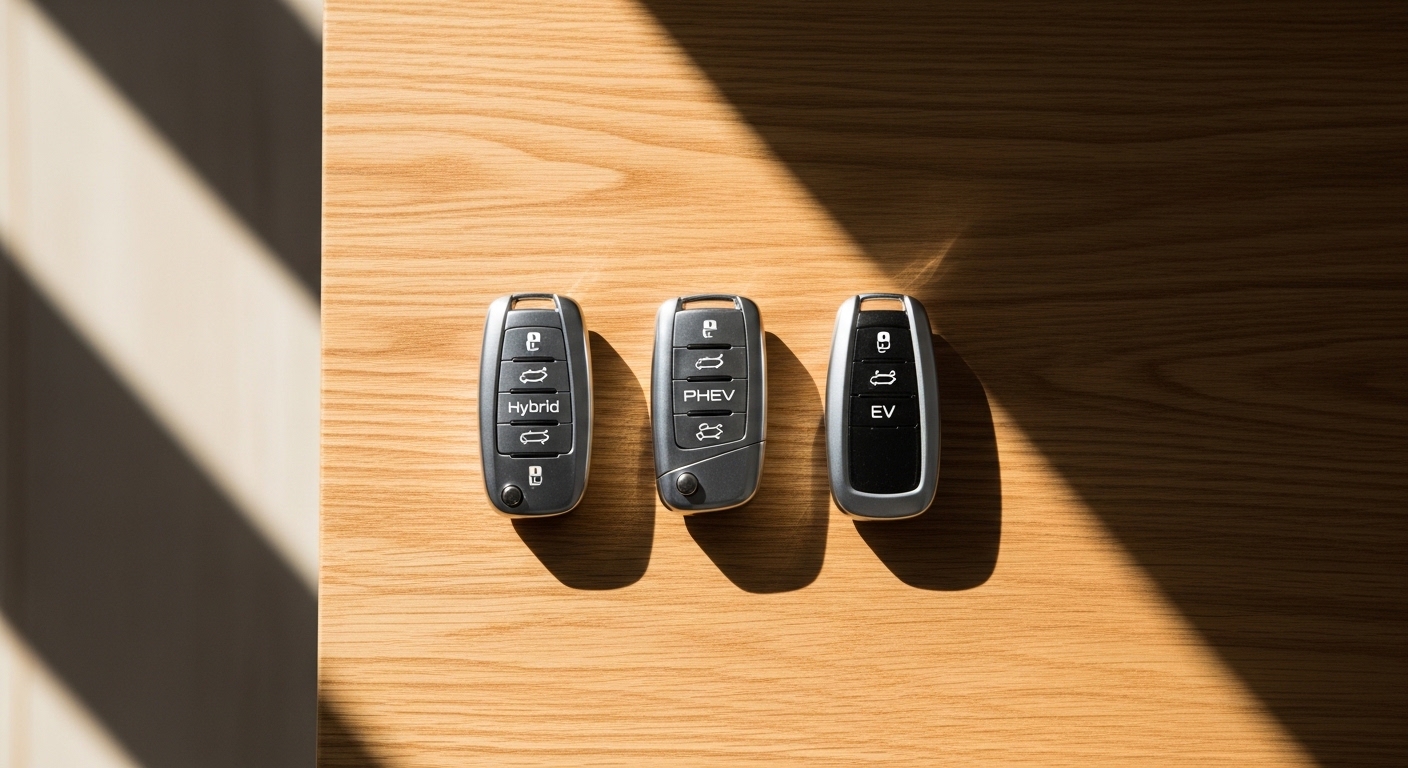 The right powertrain depends on how you drive and how long you keep the car.
Where Carbarn Fits
If the resale maths has pushed you toward a hybrid, that's where Carbarn is strongest. Our depth is in proven Japanese hybrids — the kind of value-retaining models that suit most Australian buyers, from compact hatches to family SUVs and people movers.
At Carbarn, we see most buyers land on a hybrid once they work through this depreciation maths. Even buyers who come in asking about PHEVs often shift once we walk through the year-one value curves side by side. The pattern is consistent: buyers who plan to sell within three to five years almost always find the hybrid the safer financial call.
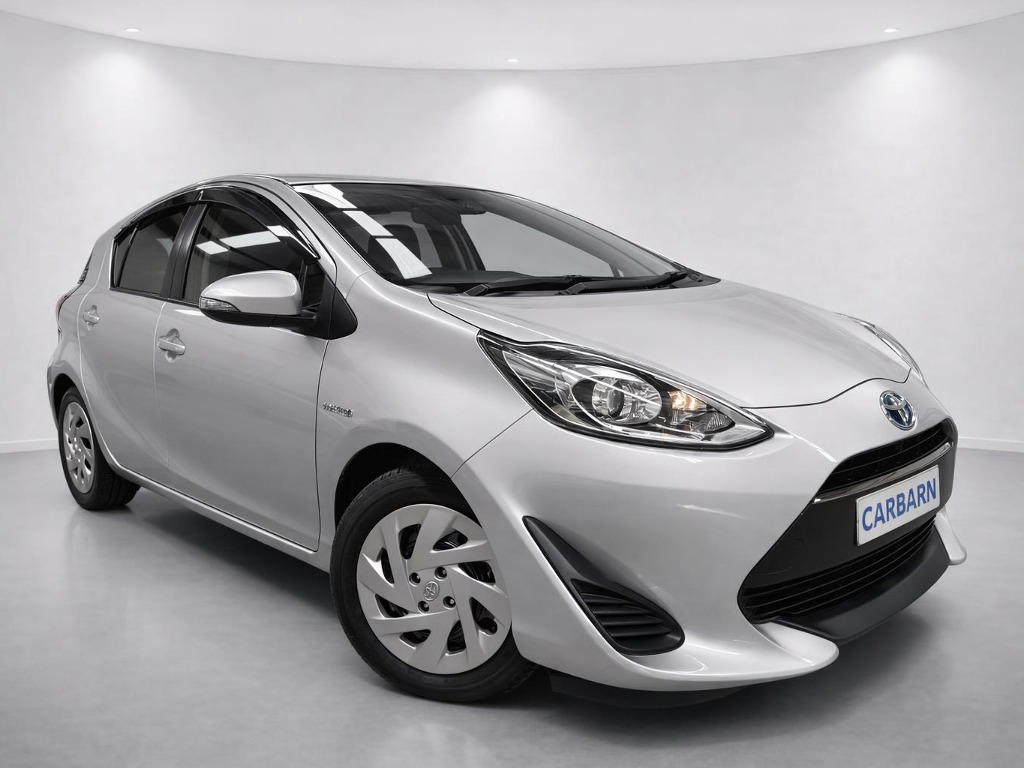 Proven Japanese hybrids like the Toyota Aqua hold their value better than almost anything else on the used market.
You can browse locally available used hybrids that are already in Australia, inspected, and ready for finance and delivery. If you have a specific model in mind that isn't in that selection, we can also source vehicles to order from Japan through inspection, bidding and compliance.
We'll give EVs and PHEVs a fair, factual hearing, but we won't pretend to be an EV specialist. Our strength is hybrids, and that happens to line up with the powertrain that holds its value best for most buyers. Honest is easier when the data agrees with you.