



Ready to Hit the Road in Style?
Save money and reduce emissions with vehicles designed to deliver exceptional mileage. Visit our inventory and find a car that fits your lifestyle.
Ready to Hit the Road in Style?
Save money and reduce emissions with vehicles designed to deliver exceptional mileage. Visit our inventory and find a car that fits your lifestyle.
Plug-In Hybrid Vehicles (PHEVs) in Australia: The Smarter Step Toward Electric Driving
With the global push toward cleaner and more sustainable mobility, Australia is steadily embracing electrified vehicle options. While full battery electric vehicles (BEVs) are gaining popularity, many Australian drivers are finding a perfect middle ground in Plug-In Hybrid Electric Vehicles (PHEVs). Combining the benefits of both electric and petrol power, PHEVs are quickly becoming a compelling choice for families, commuters, and eco-conscious adventurers alike.
In this blog, we’ll explore why PHEVs make so much sense in the Australian context, what their unique advantages are, and which models are leading the way.
What is a PHEV?
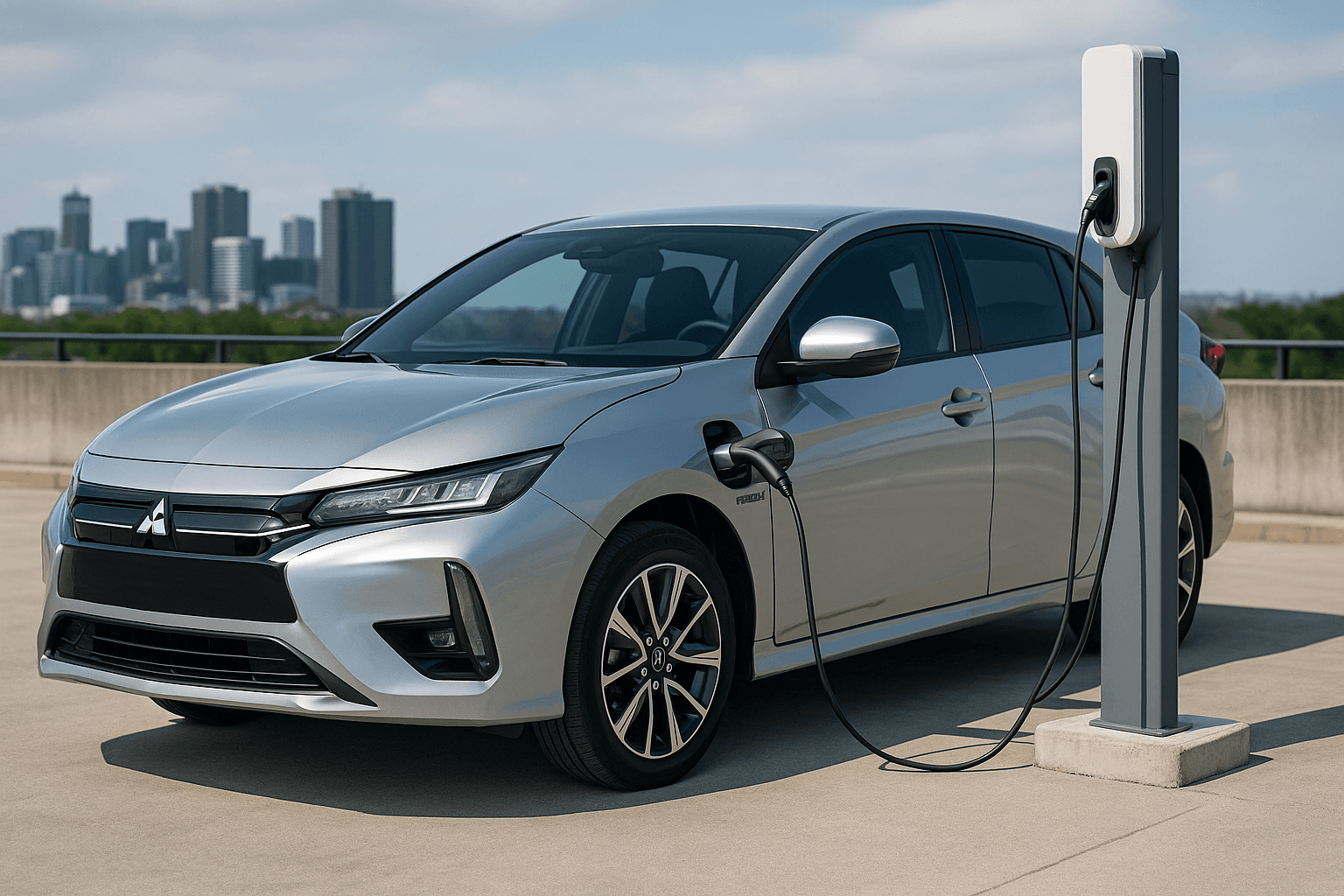
A Plug-In Hybrid Electric Vehicle uses both an internal combustion engine and an electric motor. Unlike traditional hybrids, PHEVs can be charged via a power outlet to drive using pure electric power for short trips—typically 40–80 km—before seamlessly switching to petrol power for longer drives.
This gives drivers the best of both worlds:
-
Zero-emission driving for daily commutes
-
No range anxiety thanks to petrol backup
-
Reduced fuel costs and lower emissions
Why PHEVs Are Perfect for Australia
1. Urban and Regional Versatility
Most Australians drive fewer than 50 km a day. That means PHEVs can handle most commutes in full electric mode. On weekends or longer drives across Australia’s vast open roads, the petrol engine offers flexibility without range concerns.
2. Expanding Charging Infrastructure
Public EV charging stations are growing across major cities and highways. For PHEV owners, home charging with a standard power outlet is often enough, making it easier and more affordable to own than a full EV.
3. Smooth Transition from Petrol to Electric
PHEVs are ideal for drivers hesitant to go fully electric. You still have a familiar petrol engine as backup, but get to enjoy smooth, silent, emission-free driving around town.
4. Incentives and Lower Operating Costs
Some Australian states offer reduced registration fees, tax benefits, and access to EV lanes for PHEV drivers. Plus, you’ll spend less on fuel and maintenance.
Best-Selling PHEVs in Australia
-
Mitsubishi Outlander PHEV: Australia’s top-selling PHEV. Offers AWD, SUV practicality, and 84 km EV range (new model).
-
MG HS Plus EV: Budget-friendly plug-in hybrid with family-focused features and a smooth EV-first drive.
-
Toyota RAV4 PHEV (Prime): Highly anticipated in Australia. Blends Toyota reliability with top-tier hybrid tech.
-
Volvo XC60 Recharge: Luxury SUV PHEV with powerful performance and smart Scandinavian design.
-
Kia Sorento PHEV: A large 7-seater SUV with impressive EV range and comfort.
Are PHEVs Worth It in 2024 and Beyond?
Yes—especially in Australia where charging infrastructure is still developing and distances can be long. PHEVs help drivers cut emissions and fuel use now while offering flexibility that pure EVs can’t yet match in all situations.
They also serve as a great stepping stone for drivers and households who want to reduce their environmental footprint but aren’t ready to commit to full electrification.
Final Thoughts: Why a PHEV Might Be Your Smartest Next Car
If you want the environmental benefits of electric driving without the range limitations, a PHEV is your ideal companion. For city commuters, adventurous families, and rural drivers alike, PHEVs offer flexibility, fuel savings, and peace of mind.
As Australia continues its transition to electrification, Plug-In Hybrids will play a key role—and they just might be the perfect fit for your garage.