



Ready to Hit the Road in Style?
Save money and reduce emissions with vehicles designed to deliver exceptional mileage. Visit our inventory and find a car that fits your lifestyle.
Ready to Hit the Road in Style?
Save money and reduce emissions with vehicles designed to deliver exceptional mileage. Visit our inventory and find a car that fits your lifestyle.
In 1999, BMW Group Press, in MINI - A Brief Global History of the World's Most Loved Car, said Mini sales in Japan rose from 1,000 cars in 1985 to 12,000 in 1990 (BMW Group Press, 1999). Most people can spot a classic Mini in seconds. Far fewer can tell you what makes a Kensington different. That is the real buyer question here. If you are weighing one in Australia, the badge matters less than the trim story, the condition, and whether the numbers stack up for how you plan to use it.
Quick Answer
- The Rover Mini Kensington is a late-run, trim-led classic Mini.
- Japan helped keep Mini alive, with sales rising from 1,000 to 12,000 (BMW Group Press, 1999).
- A 1996 example can fit Australia’s 25-year import pathway.
- Buy for style and charm, not pace or safety tech.
- Rust, paperwork and originality matter most.
What is a Rover Mini Kensington?
A documented 1996 Rover Mini Kensington on Bring a Trailer was described as a Mk VI, which is why the safest way to place the badge is as a late Rover Mini trim that can overlap the late Mk VI and Mk VII years depending on market and build date (Bring a Trailer, 2025). Think richer trim, export appeal and more cabin theatre.
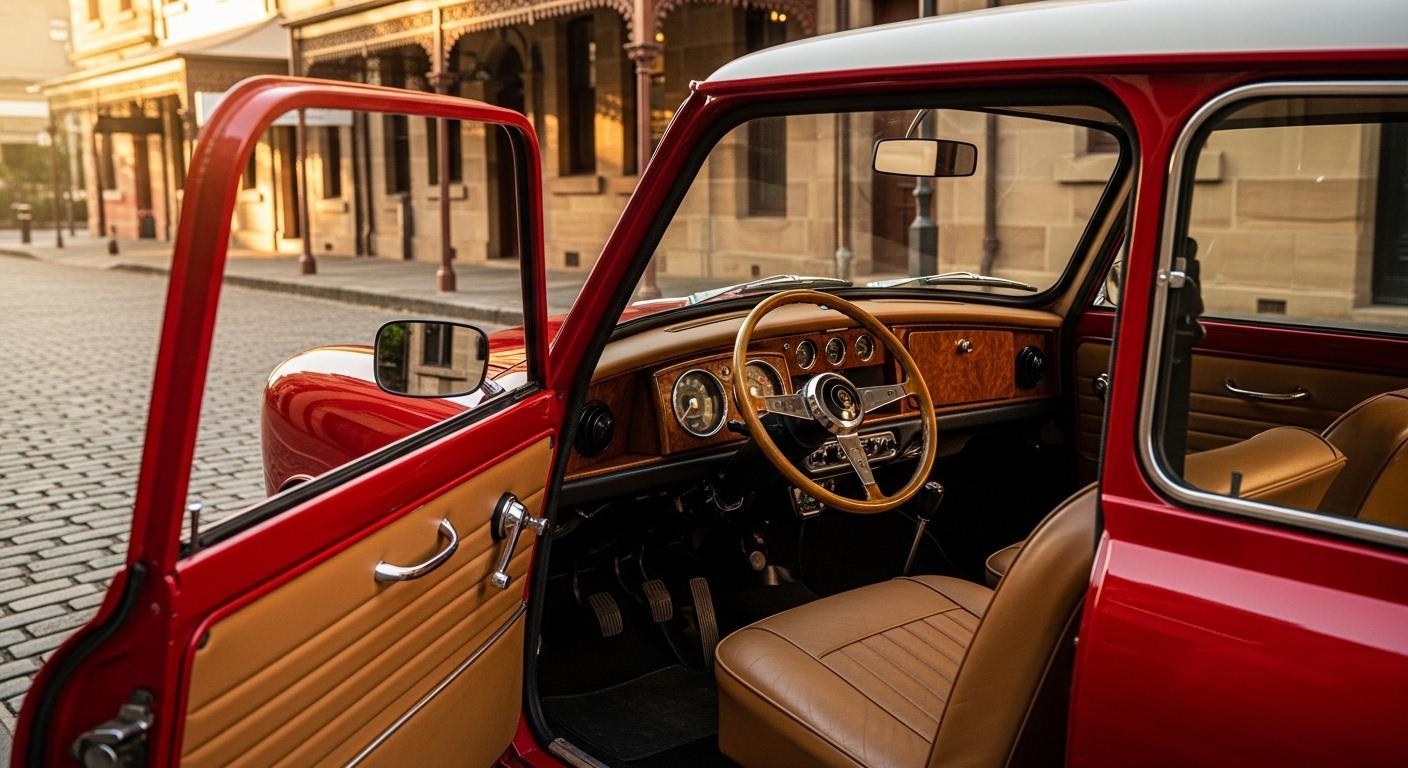
A big part of the Kensington badge is presentation. A documented 1996 Rover Mini Kensington 1.3i sold on Bring a Trailer in November 2025 with Stone Beige leather, a wood-veneer dashboard and air-conditioning, which explains why buyers search for the badge rather than just "classic Mini" (Bring a Trailer, 2025). That is the point. It feels dressed up.
You should still be careful with folklore. Production-total claims for the Kensington vary across enthusiast circles, and we have not seen a solid factory source that pins down a trustworthy rarity number. So what can you rely on? The safer line is this: the Kensington is interesting because of its trim identity and export-market story, not because someone on a forum said only a tiny batch existed.
Why did Japan love the classic Mini so much?
In 1999, BMW Group Press said Mini sales in Japan climbed from 1,000 cars in 1985 to 12,000 in 1990, helping recent production reach 46,000 cars (BMW Group Press, 1999). The short answer is that Japan loved the Mini's size, style and sense of occasion, and Rover responded with richer export trims.
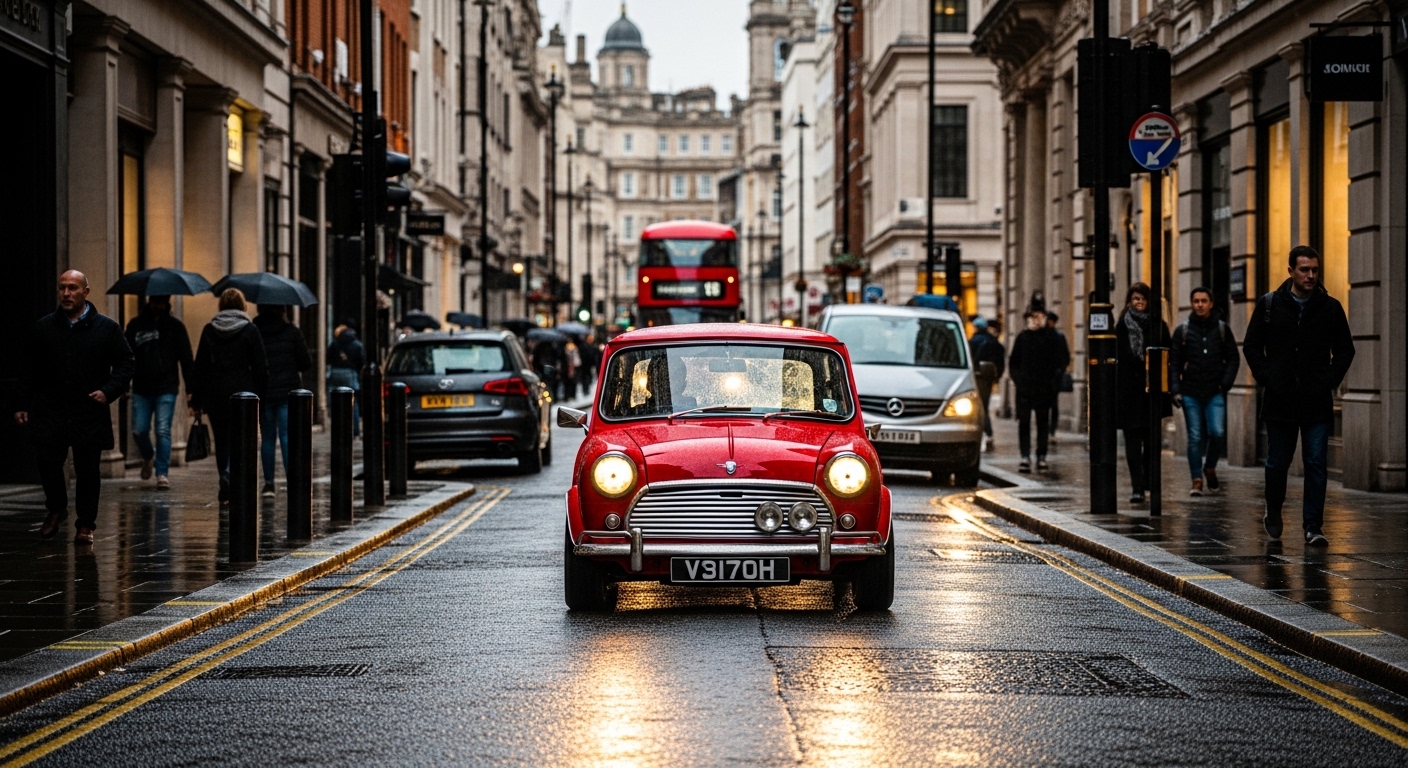 A red classic Mini drives along a rain-slicked city street with traffic and pedestrians.
MINI's own heritage page says Rover exported Minis to Japan with more chrome, more leather, plus airbags and side-impact door beams to suit that market (MINI Heritage, 2026). That matters because the Kensington makes the most sense when you see it as a Japan-shaped luxury Mini, not a cut-price Cooper alternative. That is its real role.
Why did that formula work? Japan already had a strong taste for compact urban cars, and the Mini added British character to that format. The MINI heritage piece also points to the country's "Retro Boom" and the Mini's city-friendly size (MINI Heritage, 2026). In other words, the car felt stylish, practical and a bit special all at once.
| Year | Mini sales in Japan |
|---|---|
| 1985 | 1,000 |
| 1990 | 12,000 |
Kensington vs Cooper vs Mayfair
Kensington examples are best treated as late Rover Minis that can overlap the late Mk VI/Mk VII transition depending on market and year, with documented 1996 cars described as Mk VI on Bring a Trailer (Bring a Trailer, 2025). The main difference is character: Kensington buyers chase trim and ambience, Cooper buyers chase the sporting badge, and Mayfair buyers usually want a simpler late Mini experience.
| Badge | Core brief | Commonly documented cues | Powertrain context | Best for | Main caution |
|---|---|---|---|---|---|
| Kensington | Luxury-leaning export trim | Wood dash, leather, air-conditioning seen on documented examples | 1.3-litre late Mini, auto or manual depending on market and year | Buyers who want style and cabin character | Trim originality matters a lot |
| Mayfair | Mainstream comfort trim | Simpler presentation, less of a luxury narrative | Varies by market and year | Buyers who want classic Mini charm without chasing a niche badge | Spec can vary heavily |
| Cooper | Sportier halo badge | Stronger enthusiast identity | BMW says the reintroduced Cooper quickly became the best-selling Mini version in the 1990s (BMW Group Press, 1999) | Buyers who value badge cachet and a sportier image | Usually draws more heat and stronger expectations |
The trap is assuming every late Mini shares the same spec sheet. Carsales lists a 1997 Kensington manual as a 1275cc Mk VII with 4 seats and 0 airbags (carsales, 2026), while a live 1996 dealer listing shows 5 seats and 2 airbags on a different car (1996 Rover Mini Kensington listing, 2026). Those dealer-entered fields do not line up neatly across sources, so treat them as listing data rather than firm factory spec. Buy by the actual car in front of you.
That is why the Kensington's appeal is narrower, but clearer. If you want the most obvious late Mini performance story, you will probably still lean Cooper. If you want a small classic with leather, wood and a richer export-market feel, the Kensington is the one that makes the most sense.
1996 Rover Mini Kensington: what this example tells buyers
As of 11 August 2026, a live 1996 Kensington listing shows 73,250 km, automatic transmission and a 1.3-litre A-Series engine (1996 Rover Mini Kensington listing, 2026). The same page also lists 9.6 L/100 km combined, but that should be treated as dealer-entered listing data rather than a confirmed factory economy figure. That tells buyers something useful: the Kensington is not just nostalgia. It can still present as a usable, late-run Mini with its own trim identity.
Rover Mini Kensington makes a lot of sense if you want classic Mini proportions without the harder-edged Cooper narrative. The live 1996 example pairs Gunmetal paint with a beige interior, air-conditioning and an automatic gearbox, which gives it a more relaxed, style-first feel than many people expect from a classic Mini. It looks small, charming and just a bit dressy.
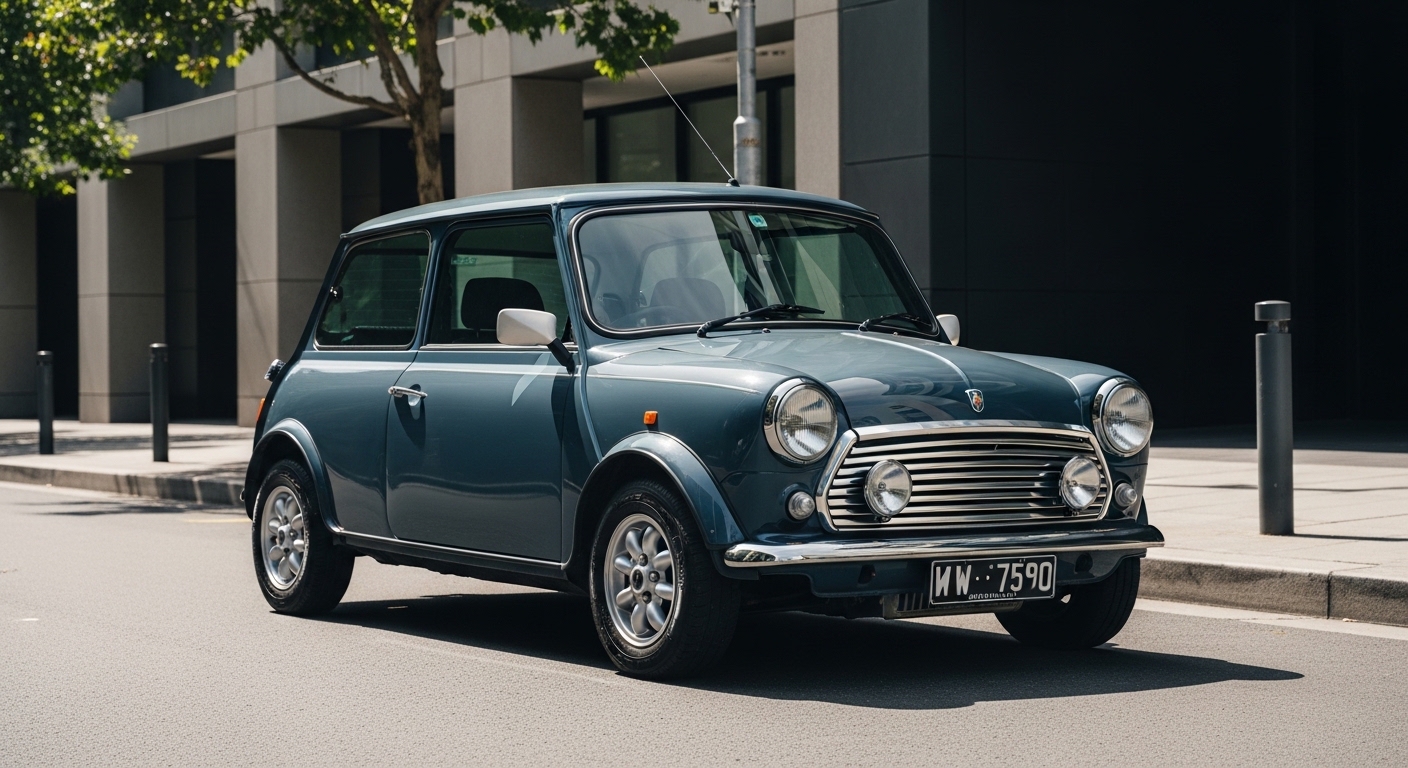 1996 Rover Mini
The detailed numbers matter too. The listing page shows an A-Series 1.3-litre four-cylinder, front-wheel drive and two doors, and it also includes dealer-entered dimensions of 3050 mm length, 1440 mm width and 1330 mm height (1996 Rover Mini Kensington listing, 2026). Those measurements are useful as listing data, but they should not be treated as definitive factory spec without a market-specific catalogue to back them up. A comparable 1996 Kensington 1.3i documented by Bring a Trailer used a 1,275cc SPi four rated at 52 horsepower and 68 lb-ft, which helps frame the car properly: lively enough around town, but not quick by modern standards (Bring a Trailer, 2025).
Who does this sort of Mini suit? A weekend classic owner, a style-led city buyer, or someone who wants a small car with genuine character. Who should skip it? Anyone wanting a family car, easy boot space, modern crash protection or effortless daily refinement. The Kensington is charming. It is not universally practical.
Can you still buy or import one in Australia?
In 2021, the Australian Government's How to import your older vehicle (25 years or older) said the older-vehicle pathway applies once a vehicle is more than 25 years old, and an unknown build month is treated as December (Department of Infrastructure, 2021). So yes, a 1996 Kensington can qualify, but the paperwork still decides the outcome.
That import rule is only one part of the picture. NSW says classic vehicle registration begins at 30 years of age or older, counted from the year of manufacture (NSW Government, 2026). Import eligibility and registration eligibility are not the same thing. Sounds fussy? It is, but that distinction protects you from nasty surprises later.
| Milestone | What it means |
|---|---|
| More than 25 years old | Federal older-vehicle import pathway may apply |
| Unknown build month | Treated as December of the build year |
| 30 years old | NSW Classic Vehicle Scheme age threshold |
If you are considering a Japan-sourced example, use the rules as a filter, not a promise. Build-date evidence, approval steps, shipping, compliance and registration still need to line up. For a local process explainer, read how car importing from Japan works and the importing process guide. The older-vehicle rule opens the door. It does not finish the job.
What should you check before buying a classic Mini Kensington?
As of 11 August 2026, the live 1996 Kensington listing shows an odometer trail from 54,400 km in 2020 to 71,300 km in 2022 and 73,250 km now (1996 Rover Mini Kensington listing, 2026). That is the right priority order: history first, body second, trim third.
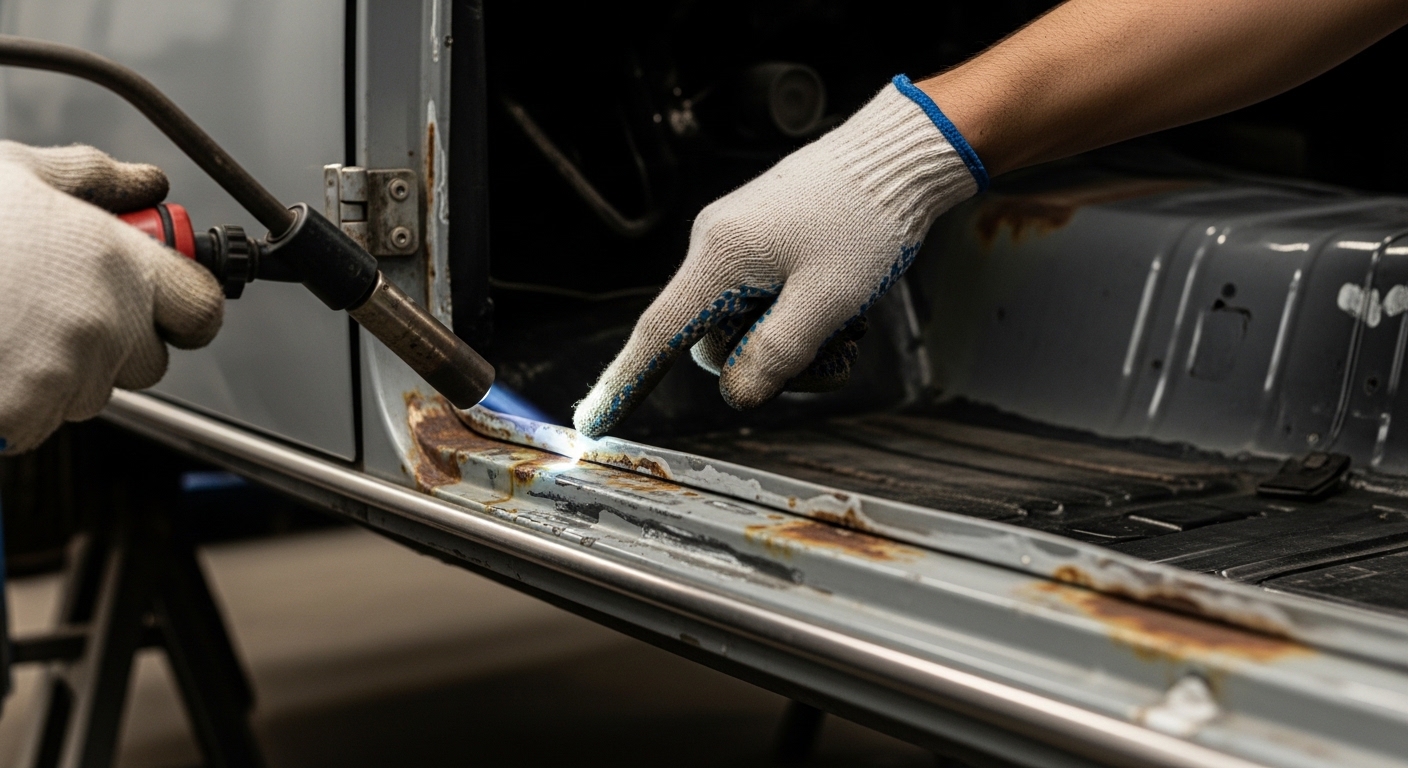 Mechanic points at a rusty sill repair seam while heating the area in a workshop.
Start with rust and repair quality. Check sills, floor edges, door bottoms, seams and subframe areas before you get distracted by paint colour or a shiny timber dash. Poor metal work can swallow money fast. Good trim cannot save a rotten shell. If you need a refresher on paperwork and history checks, this guide on why odometer checks matter is worth reading.
Then move to originality. On a Kensington, leather condition, wood trim, switchgear, air-conditioning and even the right period feel all matter more than they would on a plain late Mini. A missing or badly replaced trim set can drag the charm out of the car. That is the catch with this badge. Its value lives in the details.
Finally, cross-check the actual car against the paperwork. Generic databases can conflict badly on late Minis. One 1997 research page says 4 seats and no airbags, while the live 1996 listing page shows 5 seats and 2 airbags (carsales, 2026; 1996 Rover Mini Kensington listing, 2026). That is your reminder to inspect the individual example, not trust a one-line spec summary.
Is a Rover Mini Kensington actually worth it?
As of 11 August 2026, the public evidence in this guide points to buyer interest rather than a clean market average: a documented 1996 Kensington 1.3i sold on Bring a Trailer for US$11,950 in November 2025, while local Australian listings show these cars are still presented as collectible late Minis rather than cheap runabouts (Bring a Trailer, 2025; used Rover Mini listings, 2026). That means value still turns more on condition and trim story than outright performance.
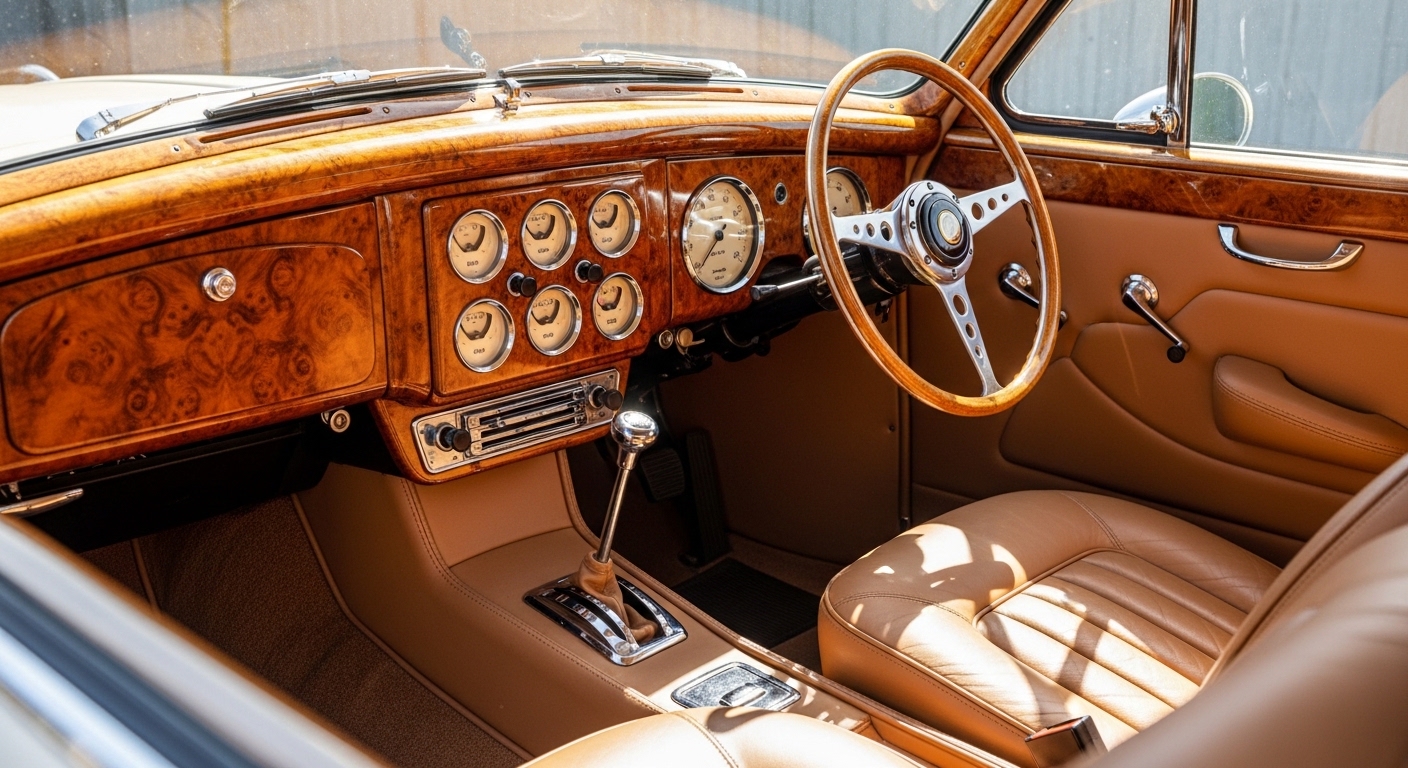 Wood-trimmed classic car cabin with tan leather seats and vintage gauges
Buy one if you want a tiny classic with character, a richer cabin feel and a bit of conversation-starting charm. Skip it if you need refinement, space, easy parts certainty or modern safety expectations. That is the honest split. The Kensington is a niche car for a niche buyer, and that is exactly why it appeals.
Collector-market numbers can help with perspective, but they are not an Australian retail guide. A 1996 Kensington 1.3i with leather, wood and air-conditioning sold on Bring a Trailer for US$11,950 in November 2025 (Bring a Trailer, 2025). That gives context, not a target. Buy on shell quality, trim completeness and documents first.
The real reason the Kensington is worth a look is simple. It captures a very specific late-Mini idea: Japan-shaped luxury touches in a tiny British classic shell. If that blend speaks to you, few late Minis do it better. If it does not, a Cooper or even a plain late Mini may be the smarter fit.
Where should you keep looking next?
As of 11 August 2026, the live Rover Mini pages included a 1996 Kensington example, which means this topic has a genuine next step for Australian buyers, not just forum nostalgia (used Rover Mini listings, 2026). The practical move is to separate browsing from sourcing, then decide whether you are chasing a local example or simply learning the shape of the market.
Start with used Rover Mini listings if you want to see how these cars are presented here, and use used Rover vehicles if you want the broader Rover picture. If you are import-curious, keep that as a research path first by reading how car importing from Japan works and the importing process guide. For classics, sourcing should be treated as an enquiry conversation, not an assumption.
Carbarn’s used car and Japan import service is run by a Sydney-based, NSW-licensed dealer in Lidcombe. It offers inspected used vehicles, finance, trade-ins, video-call inspections, nationwide delivery and doorstep delivery in Greater Sydney. On eligible local vehicles, it can also provide roadworthy preparation, CTP, registration and roadside assistance. It also offers a guided Japan import service with pre-bid inspection, customer-approved bidding, approval support, shipping, Sydney compliance, AVV, RAV entry and delivery. Any import timeline should be treated as an estimate, not a guarantee.