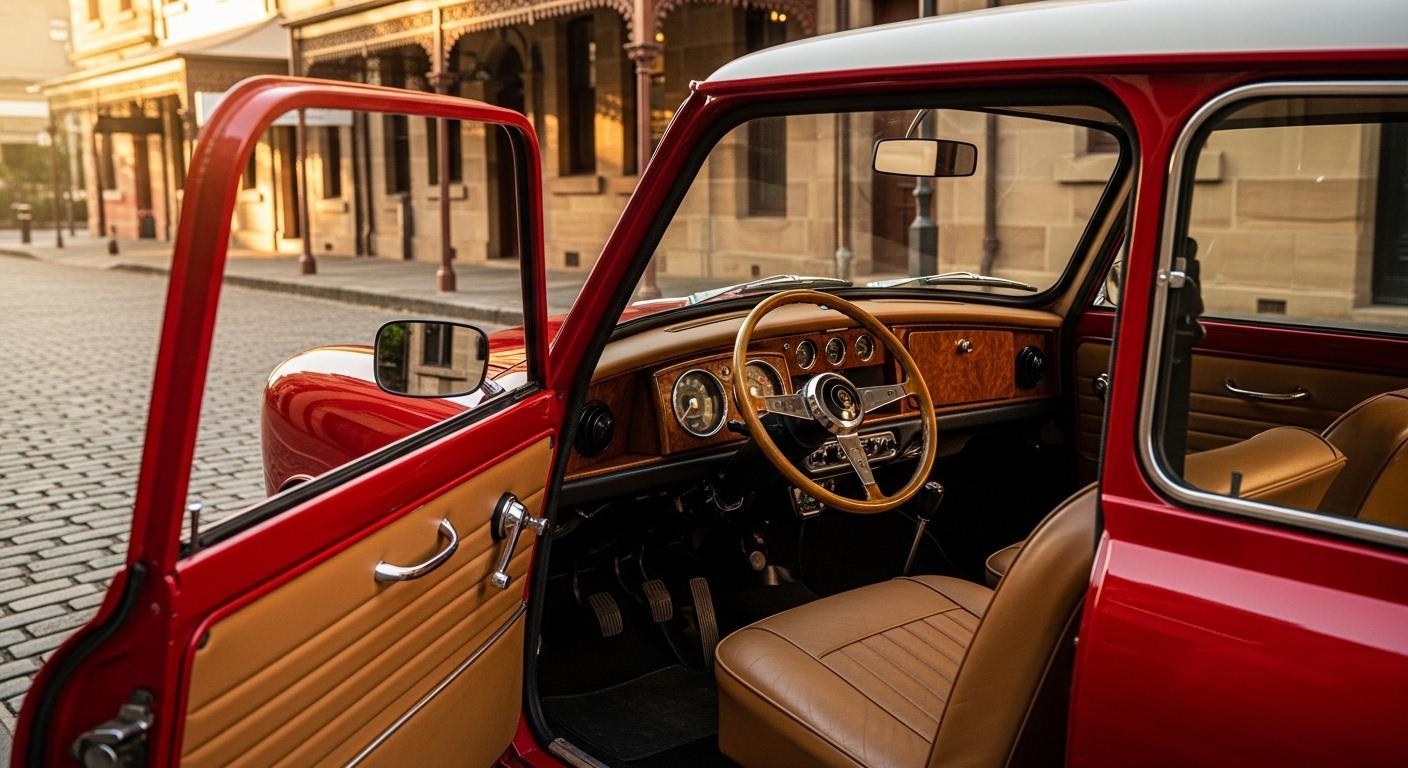


Is this Rover Mini the right one?
A single used Rover Mini is currently listed. Everything worth knowing about it sits in its recorded fields and its photographs rather than in general information about the model. It is the difference between buying a specification and buying a specific car.
What the listing records
The fields on a used Rover Mini listing describe that vehicle only. Nothing is carried across from another example of the same model. That approach applies to every vehicle Carbarn lists, whichever make or model it is.
Reading a listing properly
The photographs on a used Rover Mini listing are taken after Australian compliance and preparation, so they show the vehicle as it would be handed over. Nothing is inferred from the model or the model year — only what is held for that vehicle is published.
Condition beats age
Age is the least reliable thing a listing tells you. What actually separates two used cars is the record: how they were serviced, what they were used for, and what the inspection found. That is why the recorded details sit beside every listing here — odometer, drivetrain, the model code naming the exact build. Start from the job the car has to do, let the records shortlist the candidates, and treat the year as one fact among many rather than the headline.
How to read a listing here
Every vehicle page records the specific build — model code, engine, drivetrain, and the configuration details that separate two cars sharing one name. The code matters most: the same model name was often sold with more than one mechanical setup over the years, and the code is how you tell them apart before opening either page. Where service and preparation records exist they are shown on the vehicle's own page, and the stock data always reflects what is listed right now.
Why small hatchbacks make sense used
Small hatchbacks fit the life most cars actually lead — city streets, short trips, tight parking — and they carry the lowest running costs of any body style at the same age. Used, they are also the easiest purchase to judge: simple mechanicals, wide servicing familiarity, and recorded details that tell the story quickly. Weight the service history over the equipment list; a modest, well-kept hatch outlasts a better-specified one that missed its servicing.
The case for petrol
A petrol engine is the low-complication answer: cheaper to buy at the same age, straightforward to service anywhere, and happiest in the mixed daily driving most cars actually do. Its costs show at the pump on long highway work, which is where diesel earns its keep instead. Read the engine code off the listing rather than the badge — the same name often covered more than one engine over the years.