



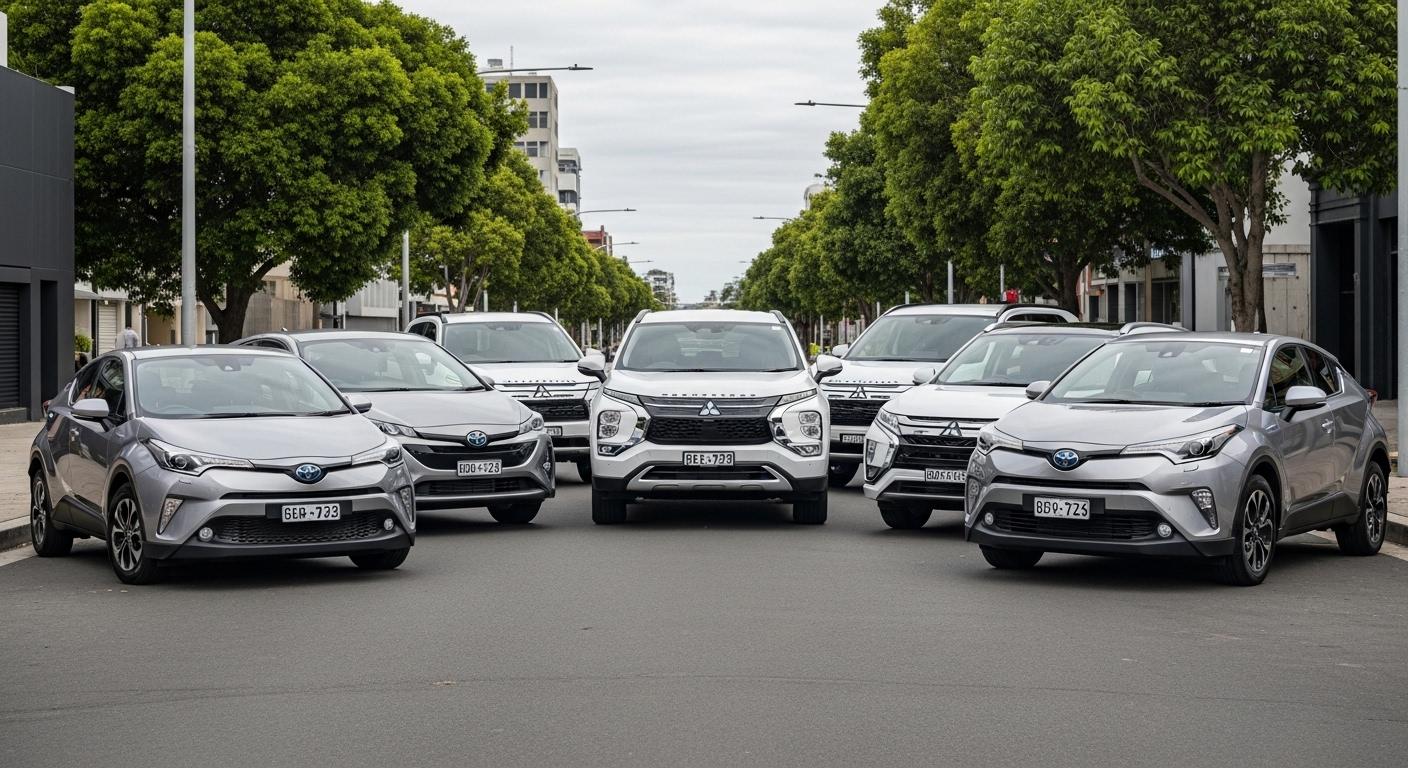
Ready to Hit the Road in Style?
Save money and reduce emissions with vehicles designed to deliver exceptional mileage. Visit our inventory and find a car that fits your lifestyle.
Ready to Hit the Road in Style?
Save money and reduce emissions with vehicles designed to deliver exceptional mileage. Visit our inventory and find a car that fits your lifestyle.
If you’ve been reading plug in hybrid Australia round-ups, you’ve probably noticed the problem: the lists keep getting longer, while the realistic options stay short. That doesn’t make every Japanese-market PHEV a smart Australian buy. This guide trims the field to models that make sense once you filter for supply, compliance realism, charging routine and everyday ownership. If you want the broader background first, read our guides to plug-in hybrid ownership in Australia and should Australians buy a hybrid or an EV. Key Takeaways The ATO says plug-in hybrid electric vehicles are “no longer considered a zero or low emissions vehicle under FBT law” from 1 April 2025 (ATO, electric cars exemption guidance). That changes the buying logic for new arrangements. In 2026, the right Japanese import PHEV is not the one that looked best in an old salary-packaging spreadsheet. It’s the one you can realistically source, charge often enough, support locally and still enjoy after the novelty fades. Even so, Australians should be pickier than global listicles suggest. Right-hand drive alone is not enough. A realistic PHEV needs Japanese-market supply, a credible validation path before purchase, parts and service practicality here, and a driving routine that actually rewards plugging in. If you mostly do long highway kilometres, why carry a bigger battery you rarely use? *The Sourceability Score is an editorial screening tool for this article. It weighs supply consistency, model-path validation, Australian service practicality and charging fit. It is meant to shrink the shortlist, not pad it out. That’s also why this piece differs from generic best plug-in hybrid cars in Australia round-ups. *Prius PHV figures vary by generation and grade. The current Toyota Japan Prius performance page lists 105km WLTC EV range for 17-inch tyre-equipped plug-in models and 87km for 19-inch tyre-equipped versions (Toyota Japan, 2025). Earlier ZVW52 import pathways use different specs, so confirm the exact vehicle before committing. **Earlier versions of this article cited a Toyota Japan RAV4 PHV page that is no longer live. Keep the RAV4 PHV on the shortlist, but verify the exact year-and-grade range, battery and output figures on the current official Toyota source before treating any single number as final. ***The current Mitsubishi Japan Eclipse Cross page no longer clearly supports the older PHEV range figure used in earlier versions of this article and notes that PHEV production has ended (Mitsubishi Motors Japan, 2025), so treat Eclipse Cross PHEV specs as year-specific and verify the exact vehicle. Mitsubishi’s current Japan-market page shows 102km or 106km WLTC EV range, depending on grade (Mitsubishi Motors Japan, 2025). That makes it the safest all-round choice here. It gives suburban families real weekday EV usefulness, but it still feels like a normal medium SUV once the school run, shopping and weekend driving start piling up. The detailed spec story is what makes the Outlander easy to recommend. It pairs a petrol-electric plug-in system with dual-motor AWD and SUV packaging that suits Australian family life far better than a niche import shape. It isn’t the smallest or lightest option here, but the balance is strong. If you want one car to handle commuting, kids, errands and road trips, this is the benchmark. A lot of buyers start by chasing the biggest EV number they can find. Then the conversation shifts. Once daily charging habits, cabin needs and support confidence come into the picture, the Outlander usually climbs the list. That’s the key point: the best Japanese import PHEV isn’t always the flashiest one. It’s the one that still makes sense six months later. The Toyota Prius PHV is the clearest commuter-shaped option in this shortlist. Toyota’s current Japan-market Prius PHEV page lists 105km WLTC EV range for 17-inch tyre-equipped versions and 87km for 19-inch tyre-equipped versions (Toyota Japan, 2025). That’s enough to cover many suburban weekdays without using petrol at all if you’re looking at the right version. The reason it works is simple. The Prius PHV is built around efficiency first, not SUV fashion. The validated pathway supplied for this article is the earlier ZVW52 model code, so buyers should confirm the exact year, battery spec, charging hardware and EV figure before purchase. Even so, the layout still suits predictable commuting brilliantly: low-slung liftback body, Toyota hybrid familiarity, easy city manners and less bulk than a plug-in SUV. If you don’t need SUV height, the Prius PHV often makes more sense than buyers expect. That’s especially true if you’re still deciding between electrified formats. Our guide to should Australians buy a hybrid or an EV covers that broader choice, but the short version is this: predictable city driving is where a commuter-first PHEV earns its keep. The Toyota RAV4 PHV remains the paper-spec temptation in this shortlist, but it’s also the model here that most clearly needs exact year-and-grade verification before you treat quoted range, battery or output figures as definitive. That keeps it in the conditional tier. The appeal is obvious on paper, but paper excellence does not automatically translate into the most realistic ownership path. The appeal is obvious: plug-in hybrid SUV packaging, strong published EV-range claims, proper family packaging and the sort of output that makes it feel brisk even when loaded up. So why not put it first? Because the sourcing and validation work matters more here. What good is the best brochure story in the article if the pathway is tighter and the risk of chasing the wrong example is higher? Keep it on the list, absolutely, but keep it in the conditional tier. For the right buyer, that conditional label is still useful. If you want SUV practicality with genuinely strong EV capability, the RAV4 PHV deserves attention. Just don’t confuse “best on paper” with “best fit for most Australians”. That distinction is where many generic PHEV articles fall apart. The Eclipse Cross PHEV stays in the conversation only as a conditional, year-sensitive option. Mitsubishi’s current Japan-market Eclipse Cross page no longer cleanly supports the older PHEV range figure used in earlier versions of this article and notes that PHEV production has ended (Mitsubishi Motors Japan, 2025). That doesn’t erase earlier plug-in examples from consideration, but it does mean buyers need to verify the exact model year before leaning on any quoted range claim. The buying logic is still straightforward. You get a smaller plug-in SUV shape than the Outlander, but with more year-to-year variation and a weaker all-round case once family space and verification confidence come into the picture. That means the Eclipse Cross PHEV works best when the buyer wants a smaller SUV, can charge regularly, and doesn’t want to shop off one headline number alone. If your attraction is mainly “it’s a PHEV, so it must be better”, that’s not a strong enough reason on its own. After the 1 April 2025 FBT cutoff for new eligible PHEV arrangements, the ATO says plug-in hybrid electric vehicles are “no longer considered a zero or low emissions vehicle under FBT law” from that date (ATO, electric cars exemption guidance, 2025). If you can’t charge most days, or your driving is long, mixed and hard to predict, a conventional hybrid often delivers the better real-world result with less fuss. If you’re still weighing formats, our comparisons on should Australians buy a hybrid or an EV and best used hybrid cars in Australia are a good next read. The Toyota C-HR is a good example of that logic in practice. The 2018 ZYX10 uses Toyota’s 1.8-litre hybrid system in a compact crossover body, so you get Japanese-market efficiency, simple around-town manners and no charging cable to manage. It won’t do EV-only commuting like a PHEV, but it also won’t ask you to build a lifestyle around plugging in. That fallback matters. A shortlist only earns trust when it tells readers not to buy the wrong thing. In simple terms, the best fit looks like this:
Which Japanese import PHEVs are actually sourceable in Australia?
Model
Official figure
Sourceability tier
Sourceability score*
Best fit
Main caution
Mitsubishi Outlander PHEV
102km-106km WLTC EV range
High-confidence
9/10
Families, mixed commuting, one-car households
Bigger and pricier than a commuter liftback
Toyota Prius PHV
105km or 87km WLTC EV range, depending on wheel spec**
High-confidence
8/10
Metro commuters, suburban daily use
Year and grade variation matter
Toyota RAV4 PHV
Verify model-year official specs directly***
Conditional
6.5/10
Buyers wanting SUV space and strong EV-range claims
Validation and sourcing pressure
Mitsubishi Eclipse Cross PHEV
Earlier PHEV specs vary by year****
Conditional
6/10
Smaller households, value-led plug-in buyers
Older-path option with weaker verification confidence
Toyota C-HR hybrid
Non-plug-in hybrid
Hybrid fallback
9/10
Buyers with weak charging routine
No EV-only running
Why is the Mitsubishi Outlander PHEV the safest family pick?
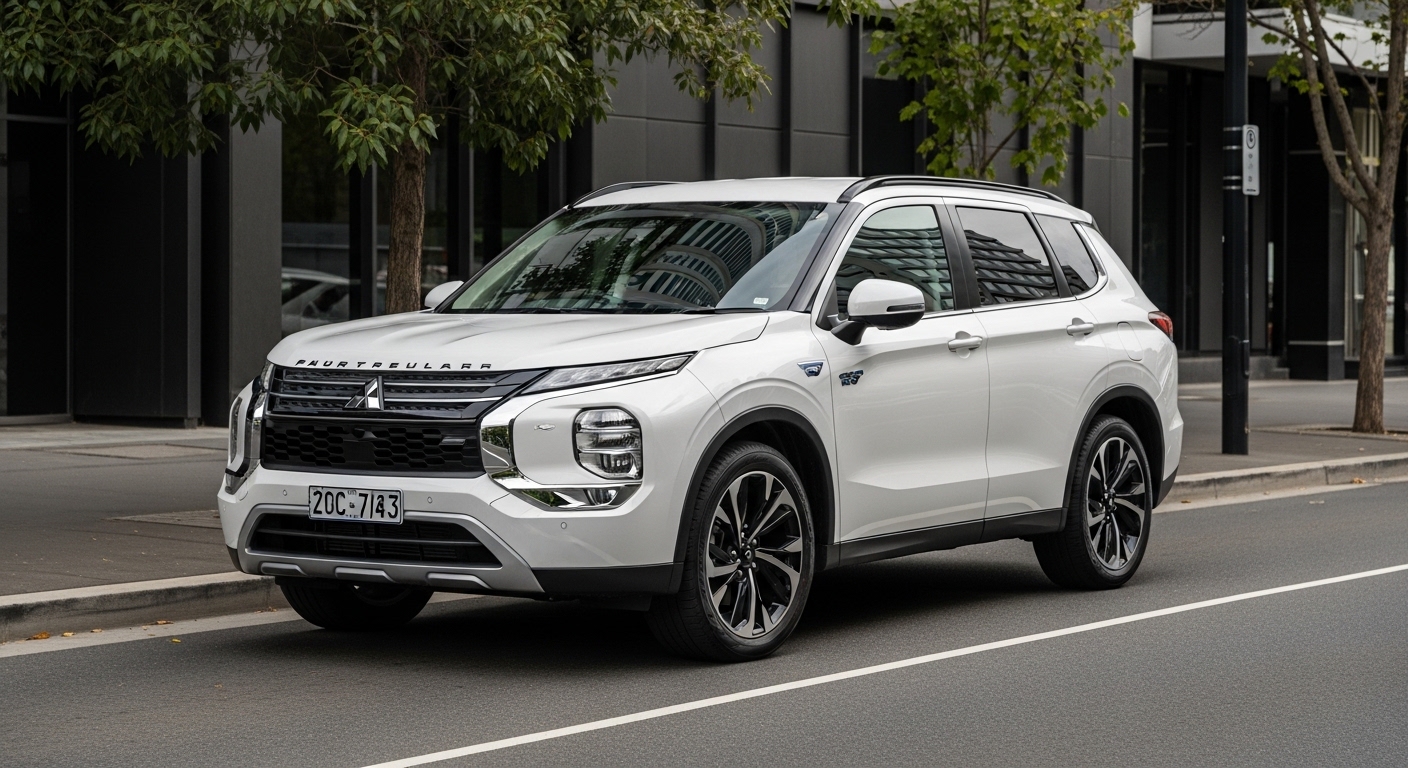 2022 Mitsubishi Outlander PHEV
Is the Prius PHV the best commuter PHEV?
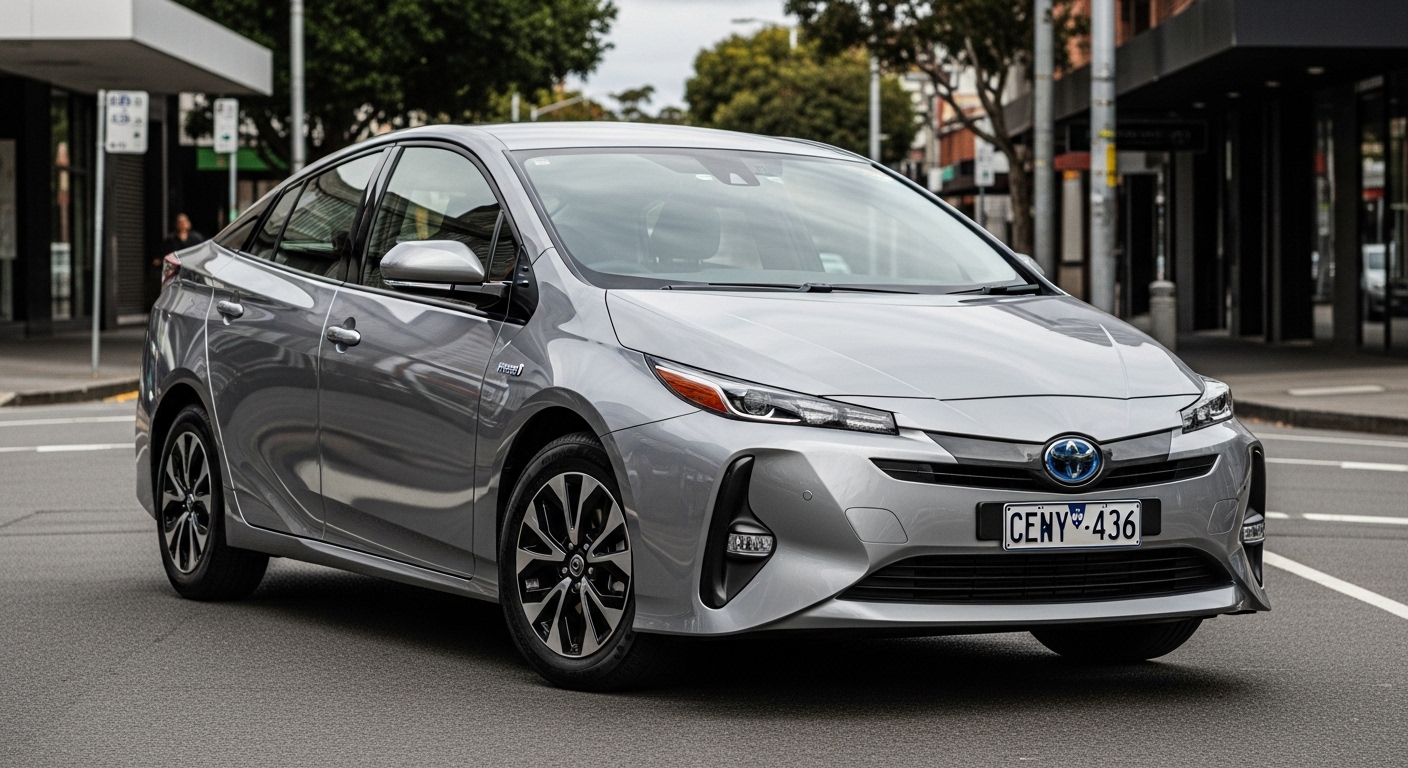 2018 Toyota Prius PHV
Should Australians chase a Toyota RAV4 PHV on paper?
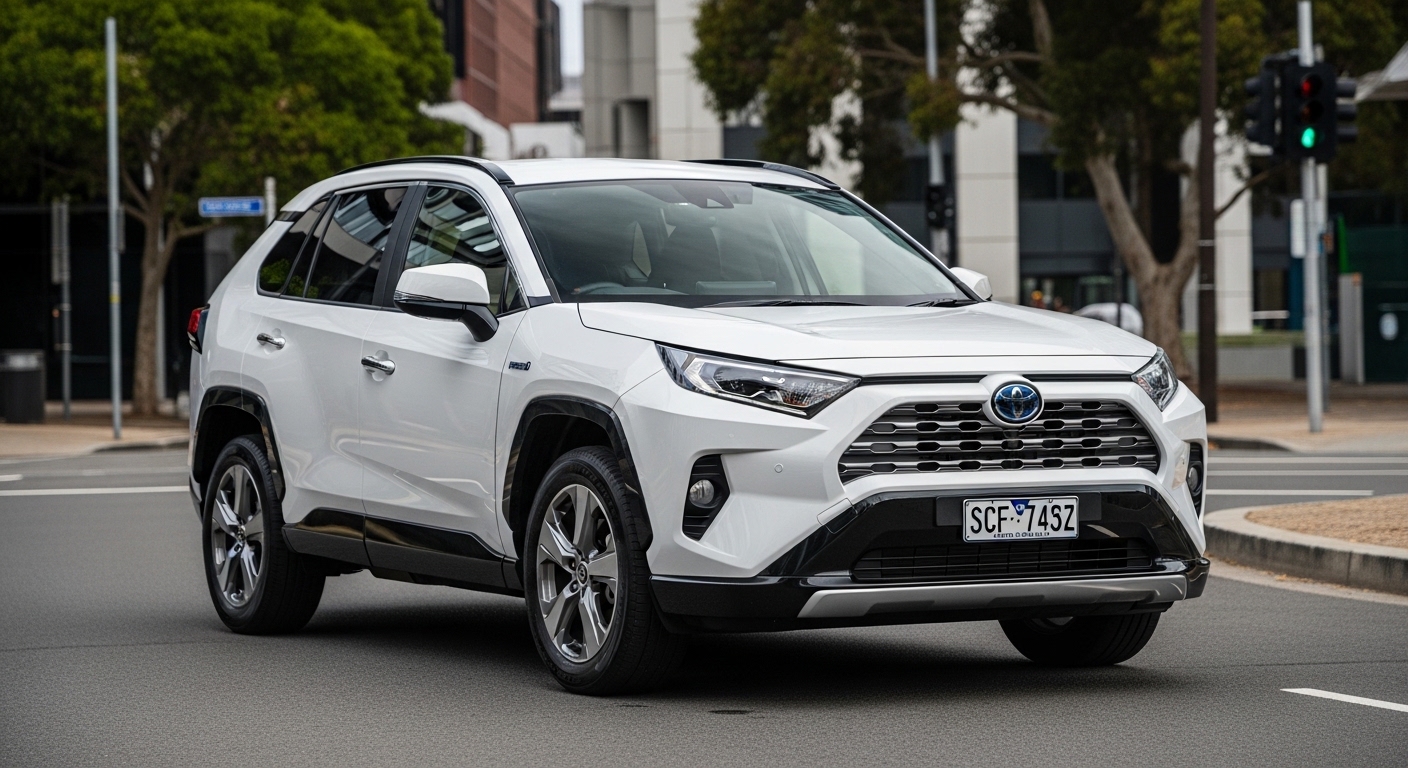 2022 Toyota RAV4 PHV
Is the Mitsubishi Eclipse Cross PHEV still worth considering?
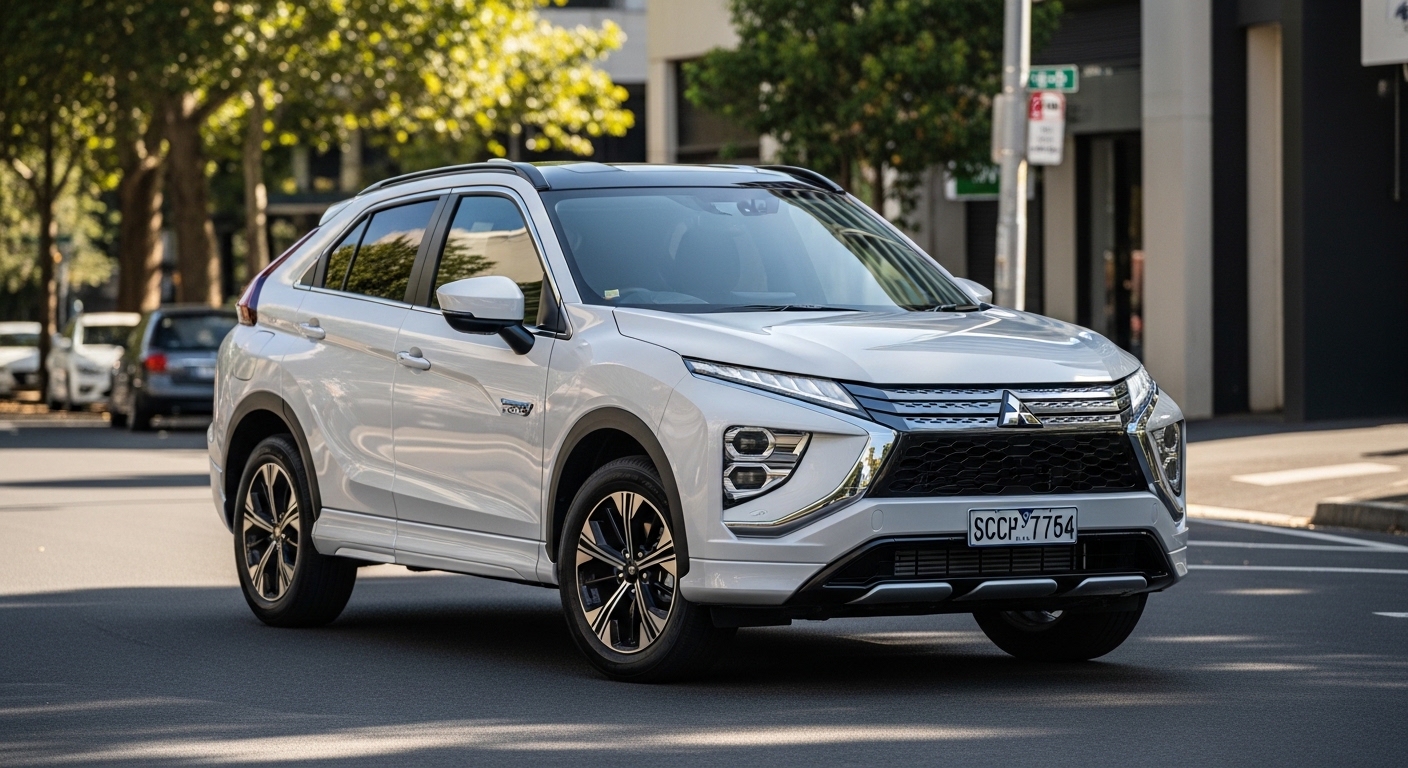 2021 Mitsubishi Eclipse Cross PHEV
When a normal hybrid beats a PHEV in Australia
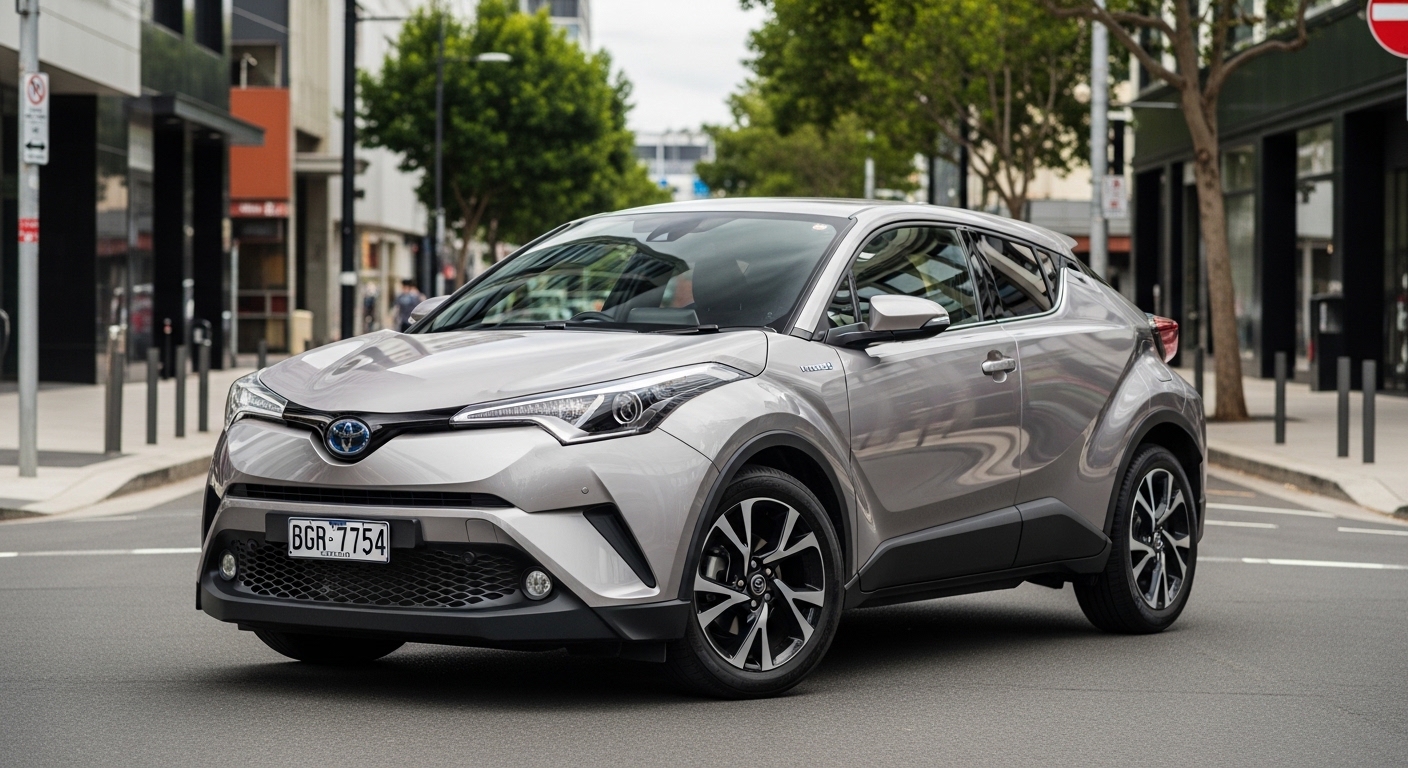 2018 Toyota C-HR