



Ready to Hit the Road in Style?
Save money and reduce emissions with vehicles designed to deliver exceptional mileage. Visit our inventory and find a car that fits your lifestyle.
Ready to Hit the Road in Style?
Save money and reduce emissions with vehicles designed to deliver exceptional mileage. Visit our inventory and find a car that fits your lifestyle.
You pull into the servo, watch the numbers spin past triple figures, and wonder again whether there's a smarter way to get around. Most of your week is the school run, the commute, and a few errands. None of it really needs a tank of premium unleaded. So why does it feel like you're paying for one anyway?
That's the pull of a plug-in hybrid. Charge it overnight at home, and short trips run on cheap electricity. The petrol engine is still there for the long weekend drive, so you skip the range anxiety that puts people off a full EV. The catch is that new PHEVs are expensive, which makes the used market the sensible place to look.
This guide walks through five used plug-in hybrids that suit Australian driving. You'll get the specs that matter, who each one fits, who it doesn't, and what to check before you buy.
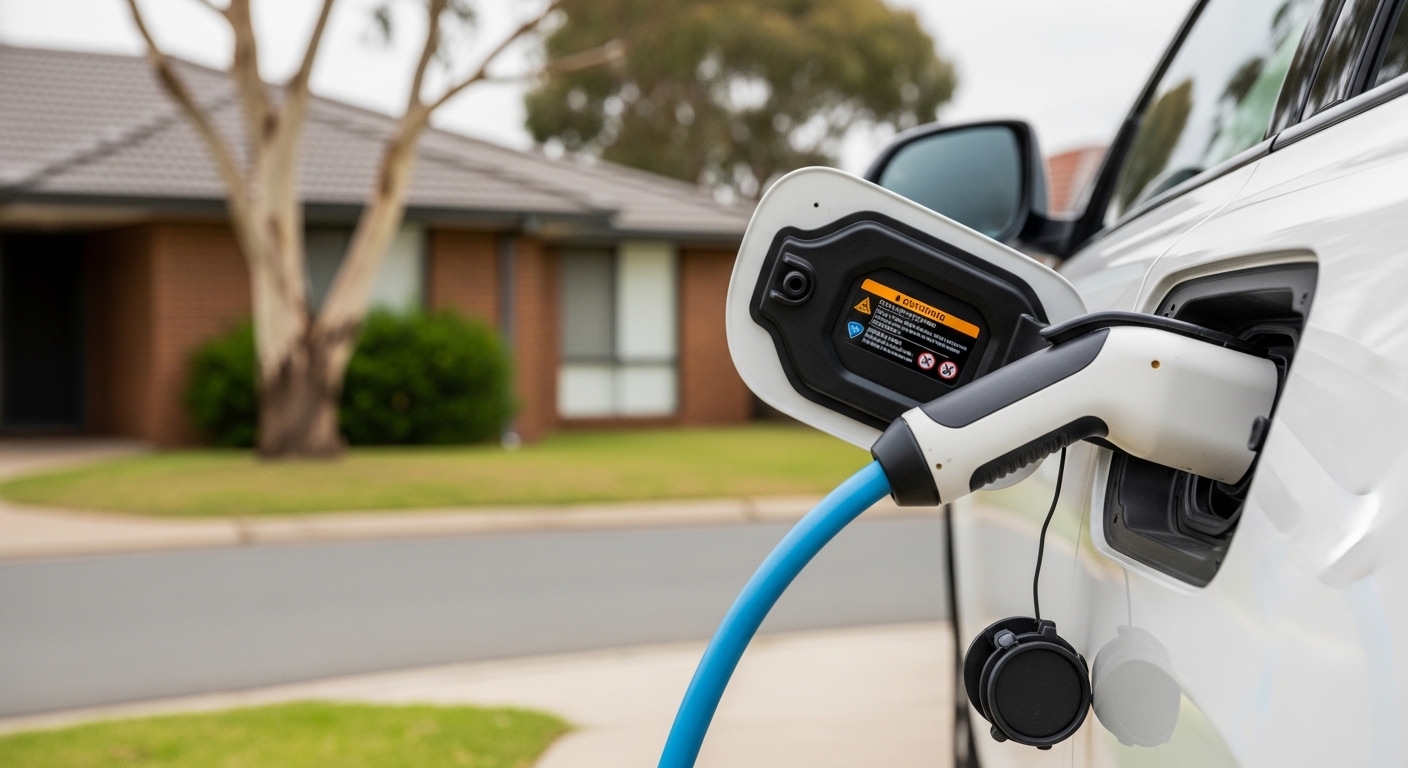 Charging cable connected to a white car in a suburban driveway.
Quick Answer
- The average Australian drives about 37 km a day, while the typical PHEV now offers around 70 km of electric-only range (zecar, 2026). That means most days can run on electricity alone.
- For reliability and resale, the Toyota Prius Prime and Mitsubishi Outlander PHEV are the safest used picks.
- Want longer range or more luxury? The Lexus NX 450h+, Mazda CX-60 PHEV, and BMW X5 45e widen the field.
- The PHEV fringe benefits tax exemption ended on 1 April 2025 (ATO, 2025), so judge these cars on running costs, not tax breaks.
What Makes a Used Plug-in Hybrid Worth Buying?
A used plug-in hybrid earns its keep when your daily drive fits inside its electric range. With the average Australian covering about 37 km a day and most PHEVs offering roughly 70 km on a charge (zecar, 2026), the maths is simple: charge at home, and you'll burn very little fuel week to week.
The Australian market now lists around 50 PHEV models across 35 brands (zecar, 2026). Plenty of them are brand-new Chinese models with no track record yet. On the used side, the proven Japanese drivetrains are where the reliability story is strongest, and that's where this list focuses.
A PHEV makes the most sense if you can plug in where you park. No home charging, no real saving. You'd be hauling a heavier car and a battery you never use. [PERSONAL EXPERIENCE] In our experience helping buyers, the happiest PHEV owners are the ones with a driveway or garage and a short, predictable commute.
One more thing to weigh on the used market: battery health. A plug-in hybrid battery does more work than a regular hybrid's, so ask for the state-of-health reading and check how much electric range the car still shows on a full charge. A tired pack quietly turns a PHEV back into a heavy petrol car.
At a Glance: Five Used PHEVs Compared
Electric range below is shown on the test standard each maker quotes. Japan-delivered cars use the WLTC cycle; Australian-delivered cars use WLTP. The two aren't identical, so treat them as a guide, not a guarantee.
| Model | Body | Electric range | Drivetrain | Best for |
|---|---|---|---|---|
| Toyota Prius Prime (PHV) | Hatch/wagon | ~87–105 km (WLTC) | 2.0L petrol + electric, 2WD | Low-fuss commuting |
| Mitsubishi Outlander PHEV | 7-seat SUV | ~84 km (WLTP) | 2.4L petrol + twin-motor AWD | Growing families |
| Mazda CX-60 PHEV | Mid-size SUV | ~63 km (WLTP) | 2.5L petrol + electric AWD | Keen drivers |
| Lexus NX 450h+ | Compact SUV | ~69 km (WLTP) | 2.5L petrol + electric AWD | Quiet luxury |
| BMW X5 45e | Large SUV | ~87 km (WLTP) | 3.0L turbo six + electric AWD | Long-range comfort |
Has the Plug-in Hybrid Tax Break Really Ended?
Yes. The fringe benefits tax exemption that once made PHEVs attractive on novated leases ended on 1 April 2025, and the ATO has confirmed it has no discretion to extend it (ATO, 2025). A narrow transitional rule only covers arrangements already binding before that date.
[UNIQUE INSIGHT] A lot of older buying guides still pitch PHEVs on that tax perk. That advice is now out of date. The honest case for a used plug-in hybrid today rests on two things: cheaper running costs from home charging, and lower routine maintenance than a pure petrol car over a 5 to 7 year ownership window.
Here's the part that actually matters for your wallet. If you drive 37 km a day and charge nightly, a PHEV with 60 km or more of electric range will spend most of its kilometres on electricity. Petrol becomes the backup for road trips, not the daily fuel. That's the saving, and it doesn't depend on any tax ruling.
So judge these cars the way you'd judge any used buy: condition, service history, battery health, and how well the electric range fits your life. The numbers below help you do exactly that.
The Five Best Used Plug-in Hybrids in Australia for 2026
These five cover the realistic used PHEV choices for Australian buyers, from an efficient hatch to a family seven-seater and a couple of premium SUVs. Each section lists the specs that matter and flags who the car suits and who should skip it.
Toyota Prius Prime (PHV)
The Toyota Prius Prime is the plug-in version of the car that made hybrids normal, and the fifth generation finally made it look sharp doing it. For a buyer who just wants low fuel bills and Toyota's reliability record, it's the easy recommendation on this list. It's a low, sleek hatch rather than an SUV, which suits singles, couples, and commuters more than big families.
Under the skin sits Toyota's M20A-FXS 2.0-litre petrol engine paired with an electric motor, driving the front wheels through a 2WD layout. Toyota quotes an electric-only range of roughly 87 km on 19-inch wheels and up to 105 km on 17-inch wheels under the WLTC cycle (Toyota, 2023), with combined system output around 164 kW. That's strong electric range and genuinely brisk for a Prius. On a nightly charge, most owners will visit the servo rarely.
The watch-outs are practical ones. Rear headroom is tight thanks to that sloping roofline, and the boot is smaller than an SUV's. Check the high-voltage battery's health and confirm the charging cables are included, since replacements aren't cheap. Get those right and you've got one of the most efficient used cars on the road.
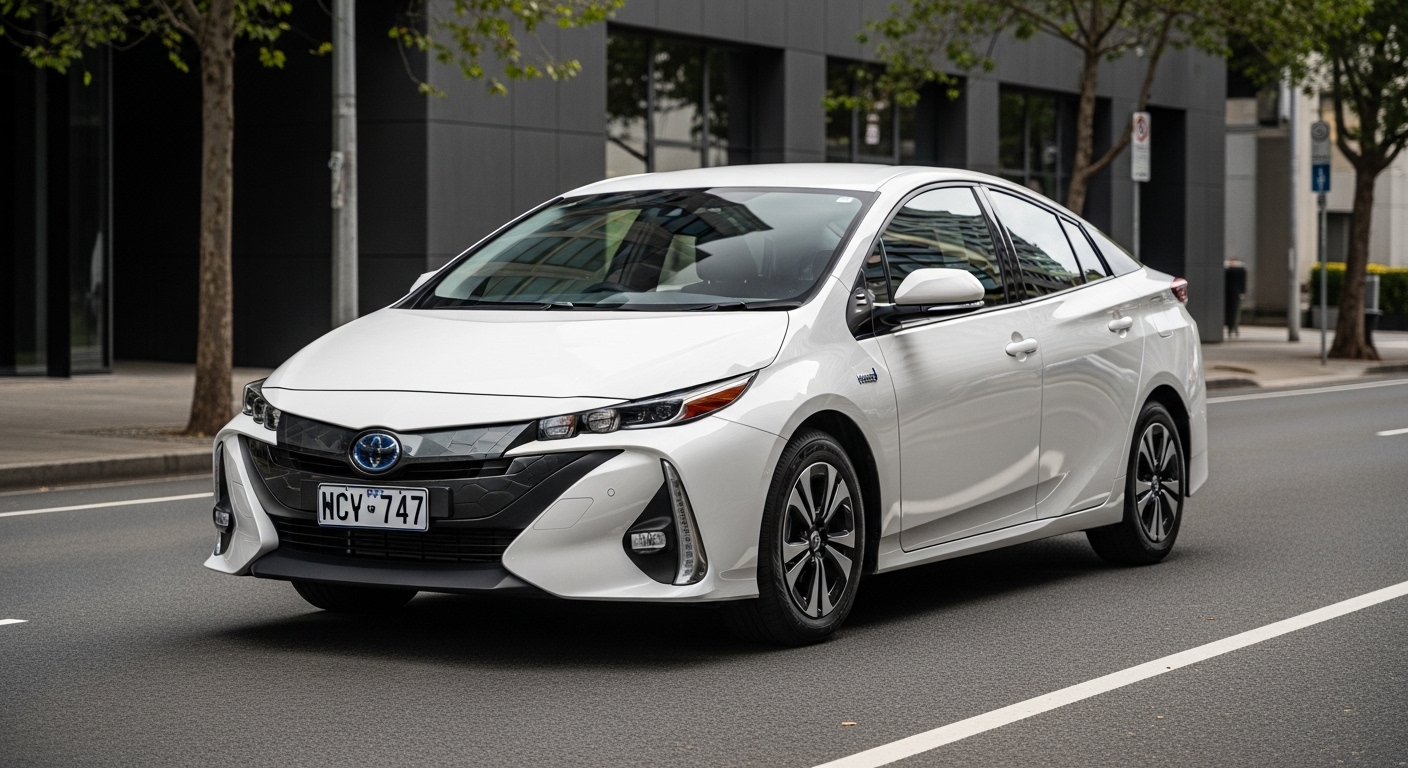 2024 Toyota Prius Prime (PHV)
Mitsubishi Outlander PHEV
The Mitsubishi Outlander PHEV is the default pick for families who want a plug-in without giving up space or all-weather grip. The 2021-onward generation is roomier and better finished than the model it replaced, and it offers a third row, so it works as a genuine seven-seater for school runs and weekends away.
Power comes from a 2.4-litre petrol engine working with twin electric motors, one on each axle, for proper electric all-wheel drive. With its larger 20 kWh battery, Mitsubishi Australia quotes about 84 km of electric range on the WLTP cycle (Mitsubishi, 2024), with combined system output near 185 kW. It can also tow and handle a dirt road, which most plug-in rivals can't.
This is a heavy SUV, so don't expect Prius-level economy once the battery is flat. The third row is best for kids rather than adults. As always with a used PHEV, ask for the battery state of health and a full service history. The drivetrain has a strong reliability reputation, which is a big part of why it sits so high on this list.
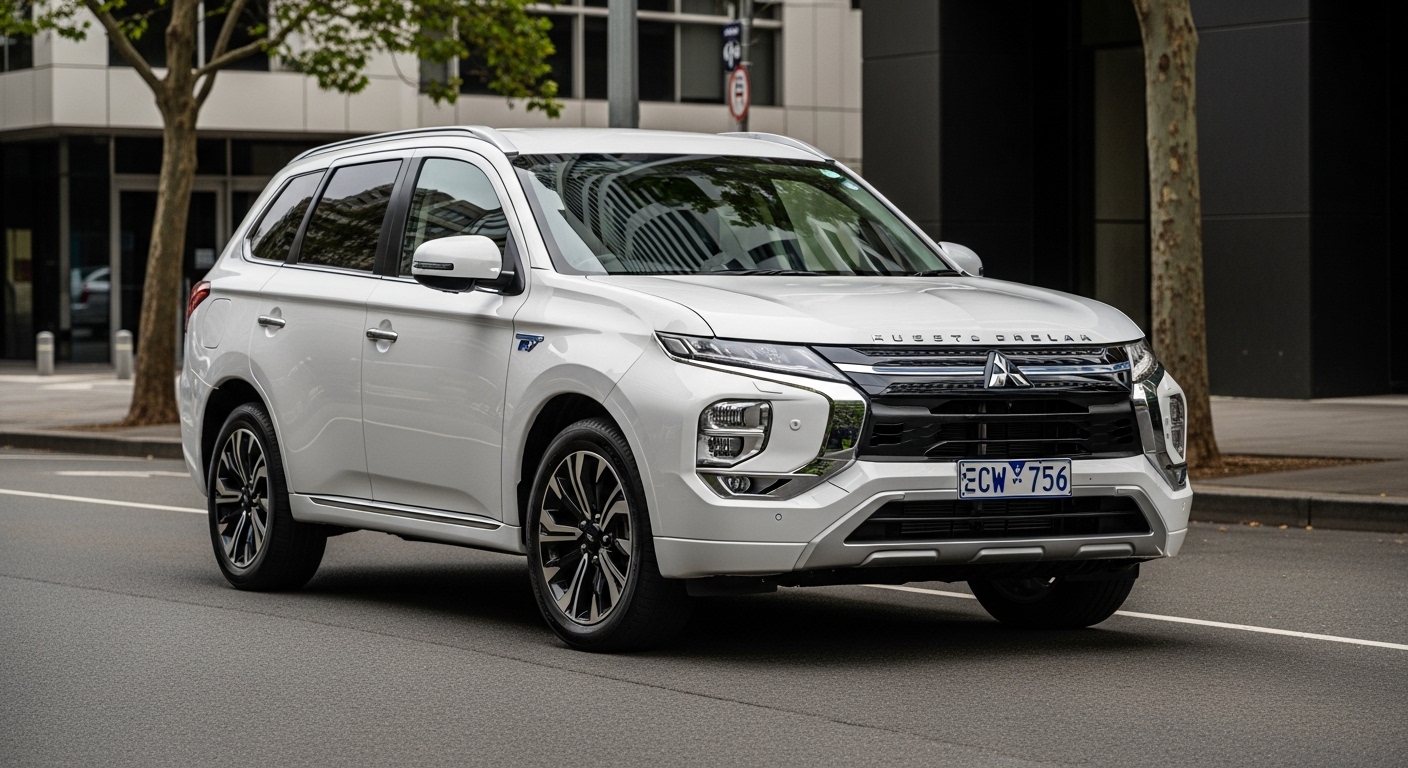 2021 Mitsubishi Outlander PHEV
Mazda CX-60 PHEV
The Mazda CX-60 PHEV is the choice for buyers who still want a car that's fun to drive. Mazda built it on a rear-biased platform with a focus on steering feel and a premium cabin, so it feels a cut above the usual family SUV from behind the wheel. It suits a driver who wants efficiency without a dull commute.
It pairs a 2.5-litre petrol engine with an electric motor and a 17.8 kWh battery, driving all four wheels through an eight-speed automatic. Mazda quotes around 63 km of electric range on the WLTP cycle, with a strong combined output of about 241 kW and 500 Nm of torque (Mazda, 2023). That makes it one of the quicker cars here while still returning very low combined fuel figures on the official cycle.
The trade-offs are worth knowing. The CX-60's firm ride and at-times jerky low-speed driveline drew criticism at launch, so take a test drive and judge the comfort for yourself. The electric range trails the Outlander and BMW. If handling and cabin quality rank above outright range for you, it's a strong option.
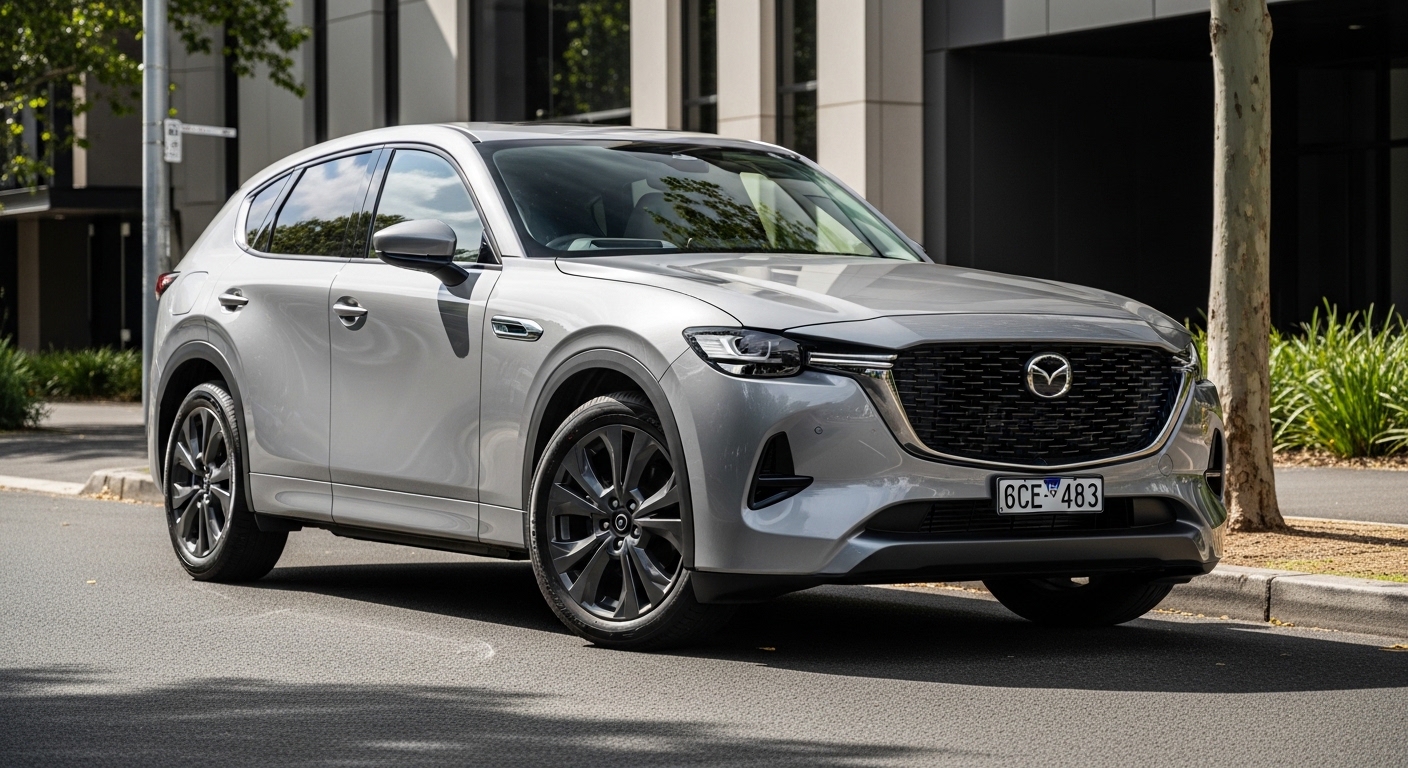 2023 Mazda CX-60 PHEV
Lexus NX 450h+
The Lexus NX 450h+ brings plug-in hybrid running costs into a genuinely premium compact SUV. It shares much of its engineering with Toyota's proven hybrid systems, which means the luxury comes without the maintenance worry that follows some European rivals. For a buyer who values a quiet, well-built cabin over sportiness, it makes a lot of sense.
It uses a 2.5-litre petrol engine with electric motors and an 18.1 kWh battery for electric all-wheel drive. Lexus quotes an electric-only range of around 69 km on the WLTP cycle, with a combined system output near 227 kW (Lexus, 2023). That's enough to cover the average commute on electricity while keeping the refinement and tech Lexus is known for.
The honest caveats: it's a compact SUV, so the boot is smaller than the Outlander's, and there's no third row. Used examples sit at the higher end of this group on price. If your priority is hushed, low-stress luxury with a hybrid maker's reliability behind it, the NX 450h+ is worth a look.
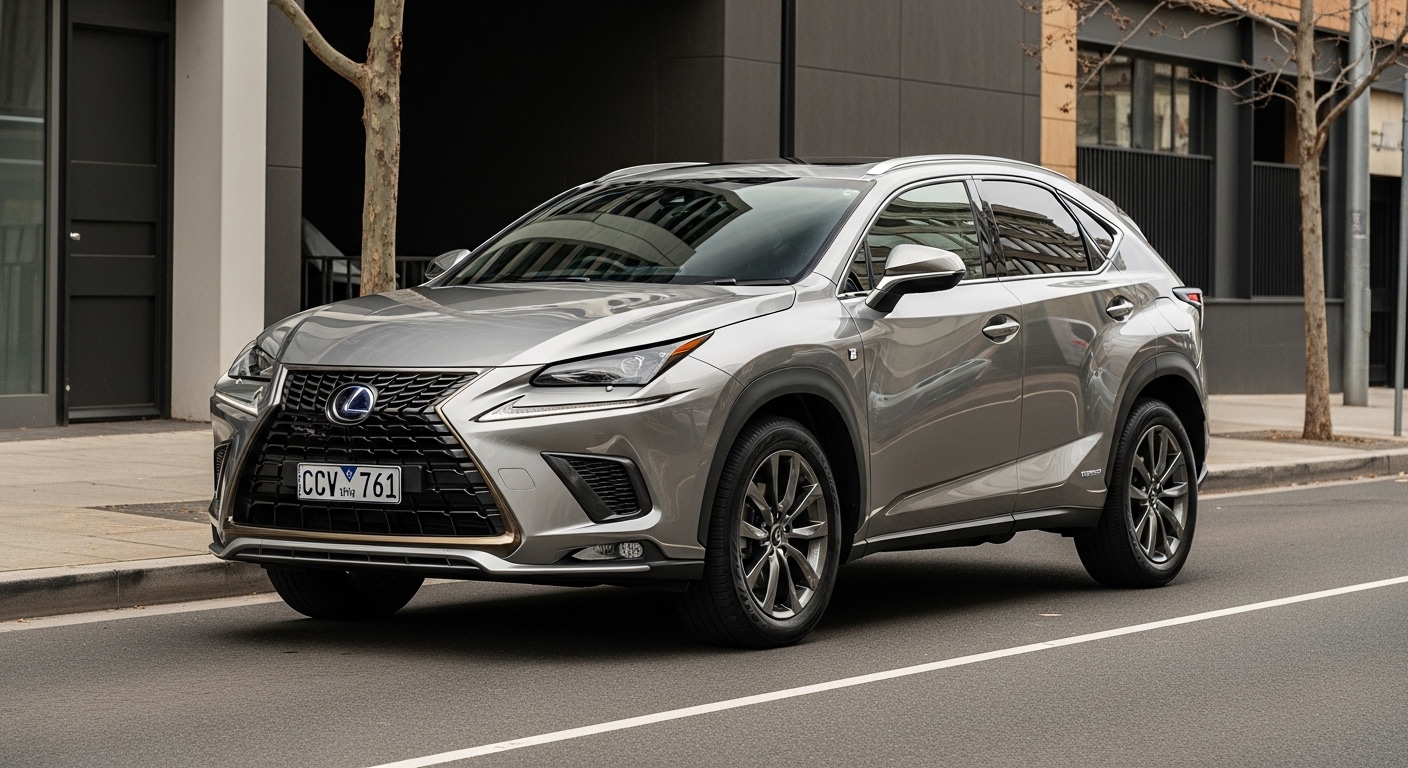 2021 Lexus NX 450h+
BMW X5 45e
The BMW X5 45e is the long-distance comfort pick, with the largest electric range here and the performance to match. It suits buyers who do a mix of short electric commutes and longer highway runs, and who want a large, plush SUV for the job. This is the flagship of the group, and it drives like it.
Its drivetrain pairs a 3.0-litre turbocharged inline-six with an electric motor and a sizeable battery, sending power to all four wheels through an eight-speed automatic. BMW quotes an electric range of up to roughly 87 km on the WLTP cycle, with combined output around 290 kW (BMW, 2021). That's serious pace alongside the ability to commute on electricity all week.
Be realistic about ownership. A used luxury performance SUV carries higher servicing, tyre, and repair costs than the Japanese options above, and a flat-battery petrol run is thirsty given the size and power. Buy on condition and a documented service history. For the right buyer, the X5 45e blends range, comfort, and pace better than anything else here.
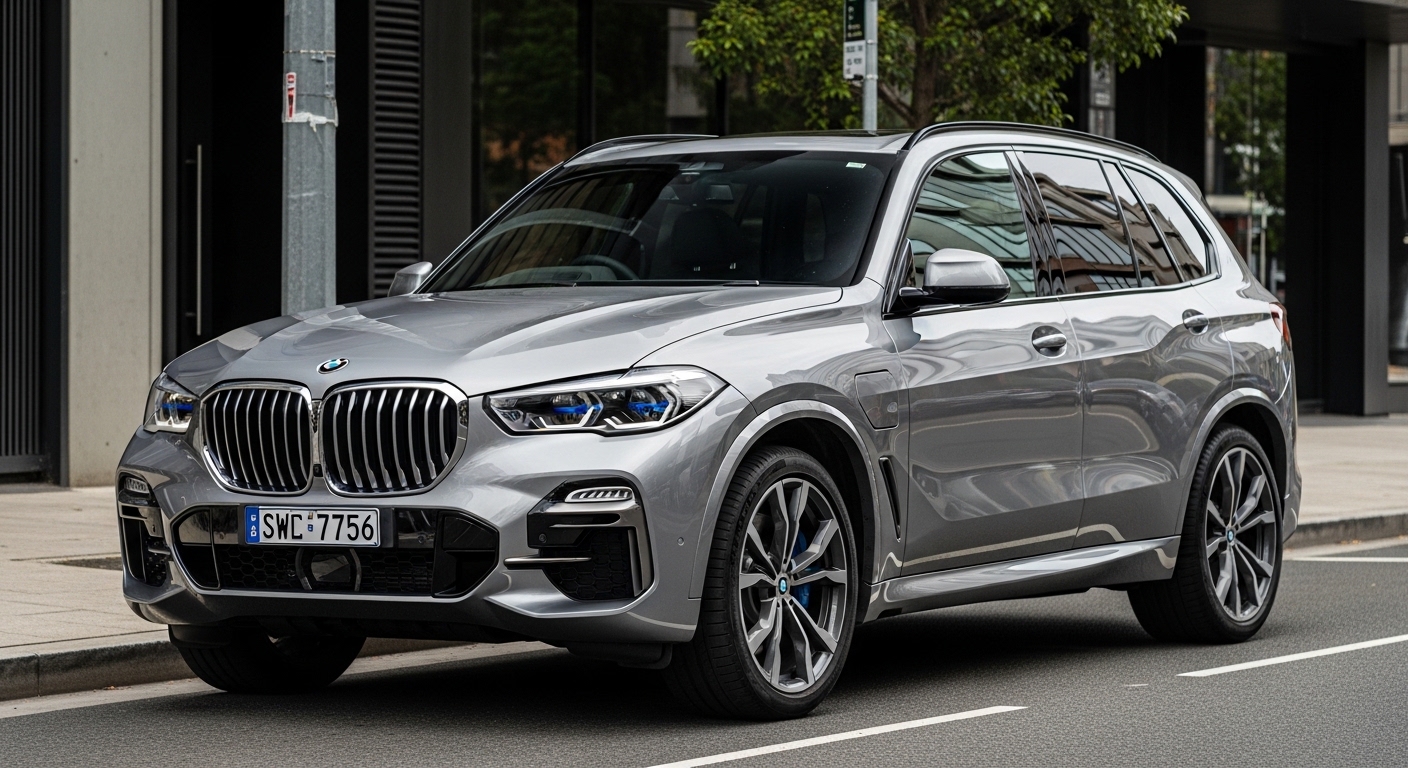 2020 BMW X5 45e
Which Plug-in Hybrid Makes Sense for You?
The right used PHEV comes down to your space needs, your budget, and how far you drive on electricity each day. Every car on this list clears the 37 km average daily drive on a single charge (zecar, 2026), so the choice is really about body style and ownership priorities, not range anxiety.
If fuel bills matter more than anything, the Toyota Prius Prime is the pick. It's the most efficient here and the cheapest to run, as long as you don't need SUV space.
If you've got a growing family, the Mitsubishi Outlander PHEV is the all-rounder. Seven seats, electric all-wheel drive, towing ability, and a strong reliability record.
If you enjoy driving, the Mazda CX-60 PHEV rewards you with sharper handling and a lovely cabin, at the cost of a firmer ride and shorter range.
If you want quiet luxury without European-style upkeep, the Lexus NX 450h+ leans on Toyota engineering. And if you cover longer distances and want comfort with the most electric range, the BMW X5 45e is the flagship choice, provided you're ready for premium running costs.
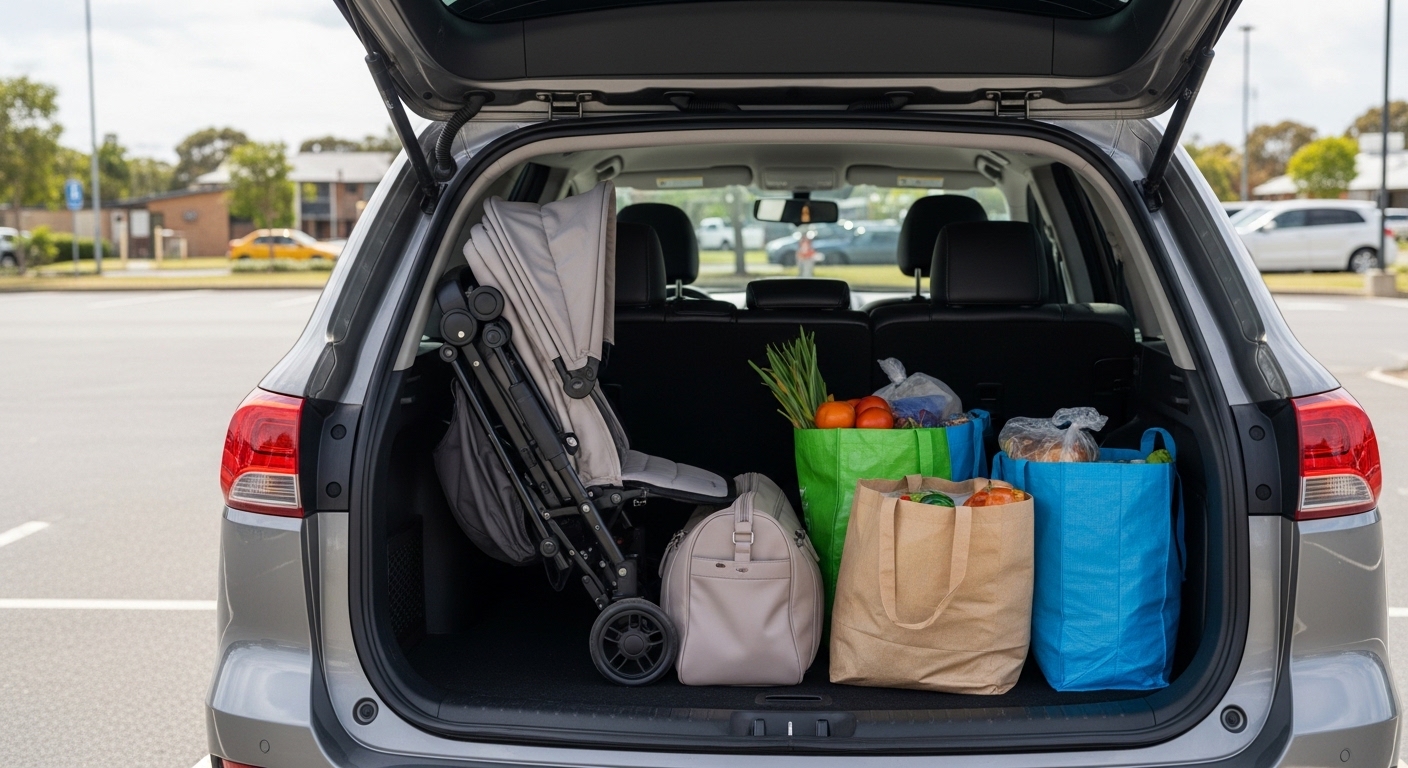 SUV boot packed with a pram, groceries and a bag in a daytime carpark
Sourcing a Reliable Used Plug-in Hybrid
Most plug-in hybrids on this list spent their first years in Japan, where these models sold in big numbers and were well looked after. That's where Carbarn comes in. As a Sydney-based, licensed motor dealer in Lidcombe, Carbarn runs three clear paths: ready-to-drive local stock in Australia, fixed-price vehicles already secured in Japan, and full auction sourcing from Japan where the team inspects suitable cars, shares the auction sheets, and only bids within your approved budget. The whole import path, with Vehicle Import Approval, AVV inspection, and RAV entry, is handled in-house at the RAW-certified Sydney workshop, alongside finance, extended warranty options for eligible vehicles, and nationwide door delivery. Because PHEV examples are sourced rather than sitting on a lot, you can specify the year, grade, and condition you want instead of settling for what's in the yard today.
The Bottom Line on Used PHEVs in 2026
A used plug-in hybrid still adds up in 2026, just for different reasons than it did two years ago. The tax break is gone, but the everyday saving isn't. Charge at home, keep your daily trips inside the electric range, and you'll spend most weeks barely touching petrol while keeping a full tank in reserve for the big drives.
Match the car to your life. The Prius Prime for efficiency, the Outlander PHEV for family space, the CX-60 for driving feel, the NX 450h+ for luxury, and the X5 45e for range and comfort. Whichever you lean towards, buy on battery health and service history first. Browse local hybrid stock or look at importing a specific model to find the one that fits.