



Which used car suits you?
Carbarn's Australian stock is prepared and complied for Australian roads, so the range is broad by design. Choosing a body style first turns that breadth into a short and useful list. New vehicles are listed continuously, so a specific request is usually filled rather than waited out.
What does a car model code tell you?
A code like GFC27 or JF3 names the exact build — generation, body and drivetrain — where the model name alone does not. Two listings that look identical from their titles often differ there, which is why reading the code first keeps a comparison between vehicles that could genuinely do the same job. This varies more across Carbarn's stock than locally delivered cars ever did, so it repays checking.
Which body style?
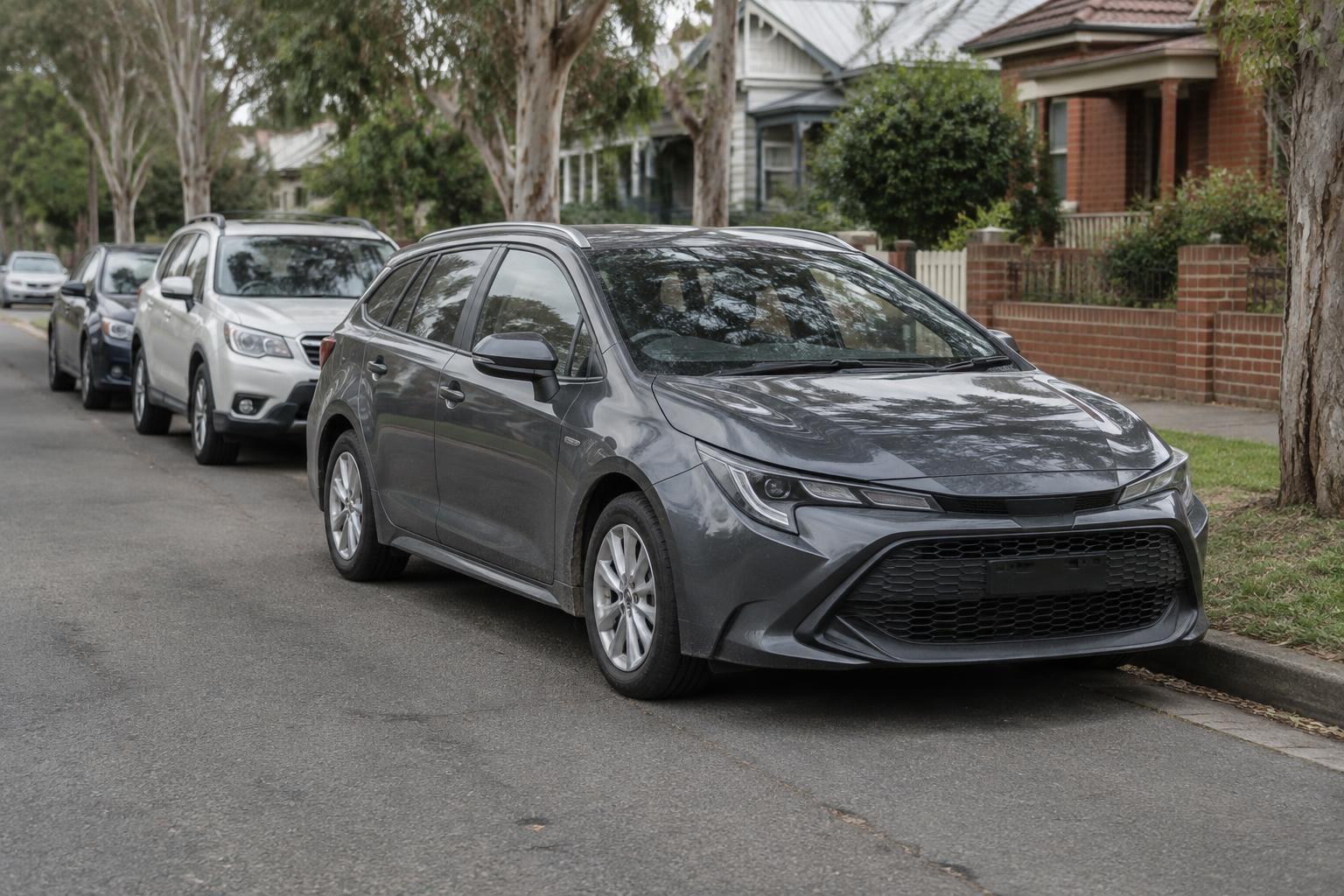
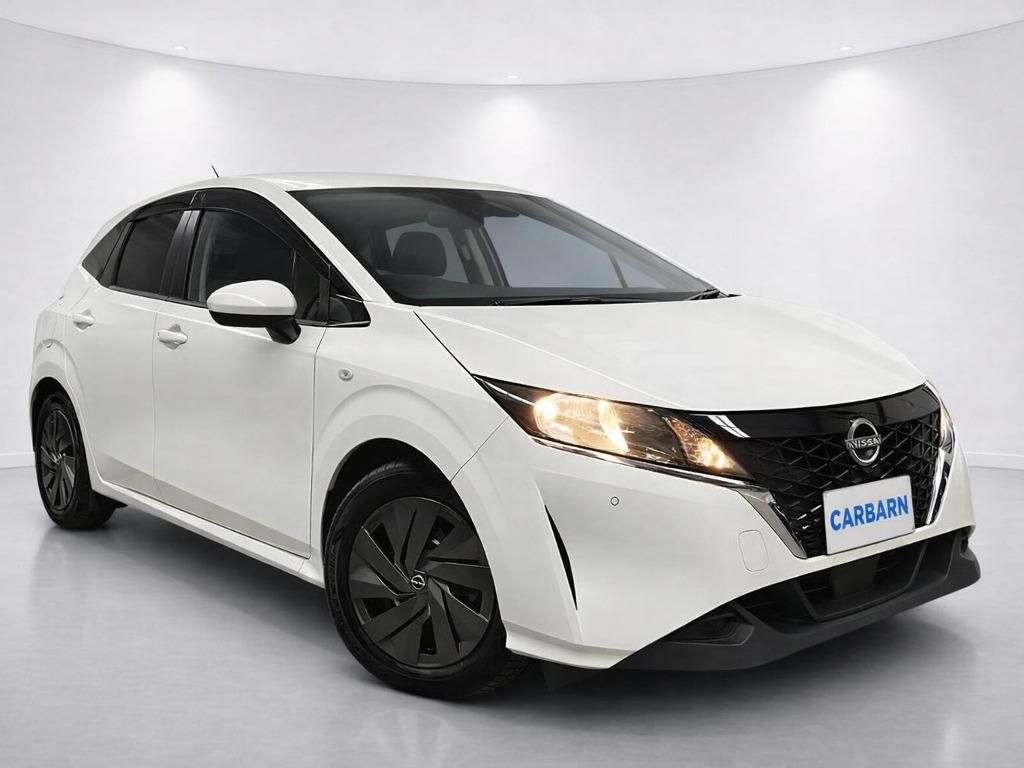
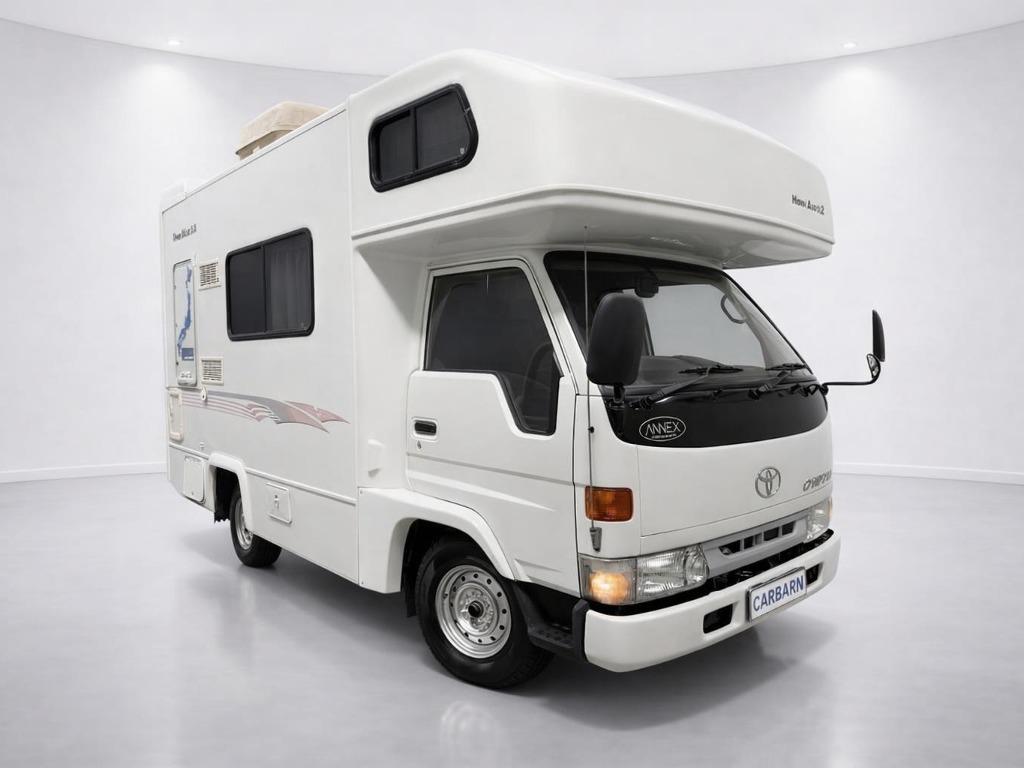
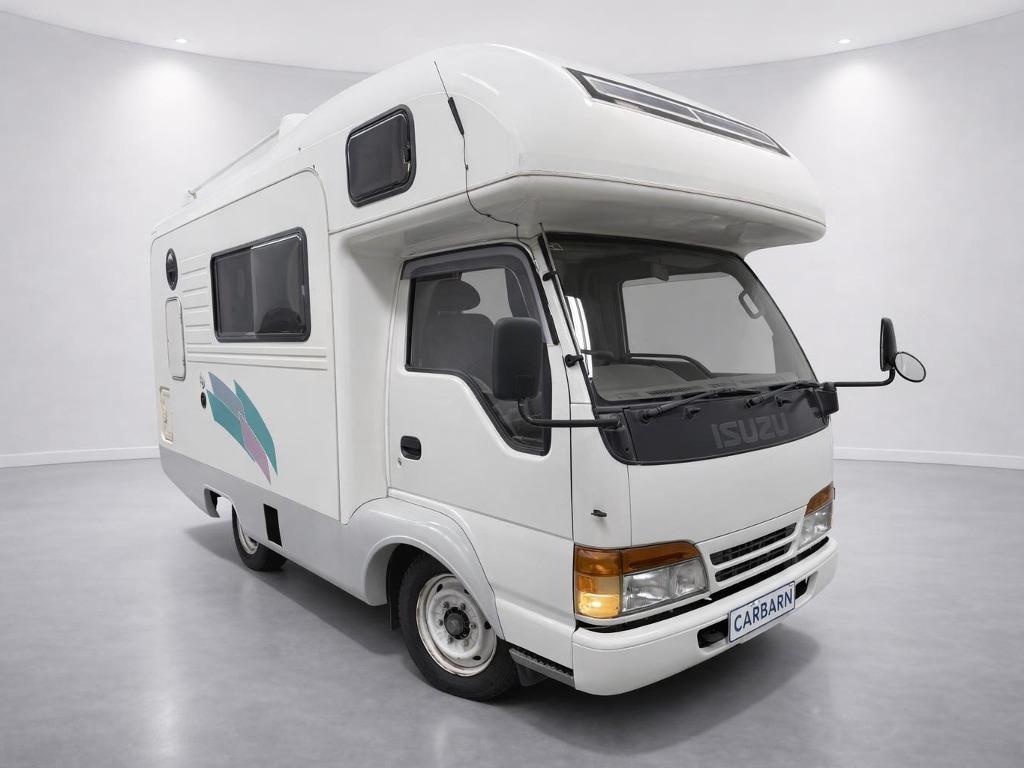
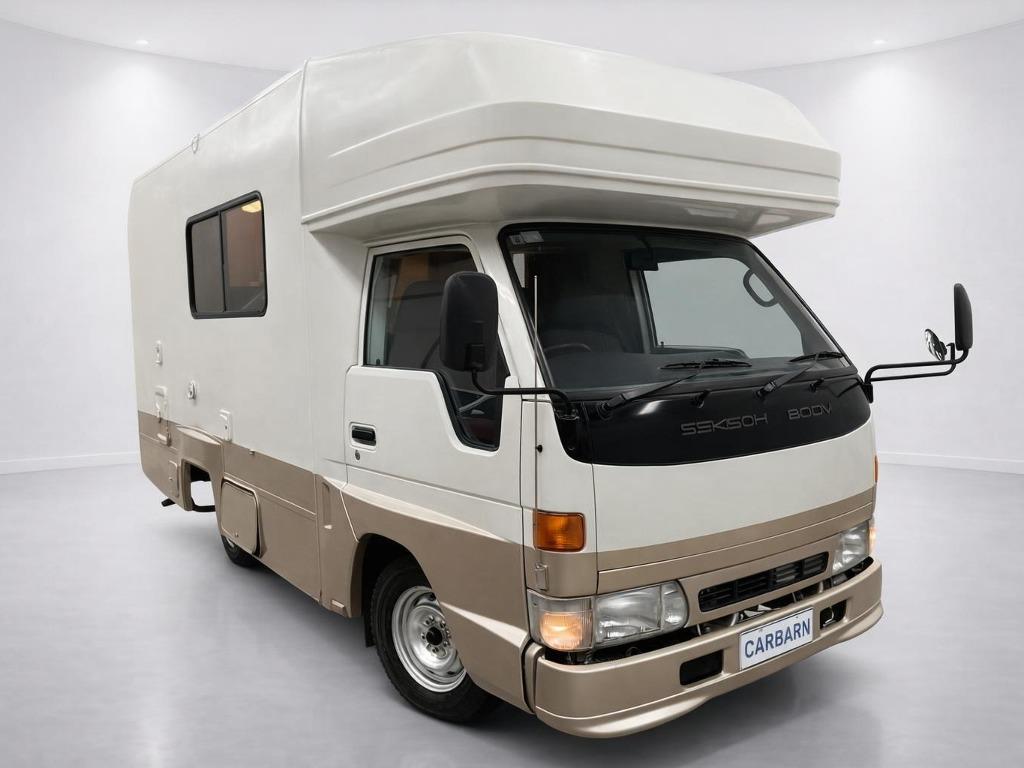
Hatchbacks, people movers and vans make up most of what Carbarn has today, with wagons, motorhomes and sedans behind them. The practical gap between those shapes is larger than the gap between any two makes within one of them — load space, seat count and door layout are what separate them, so decide what the vehicle has to carry before comparing badges.
Condition beats age
Age is the least reliable thing a listing tells you. What actually separates two used cars is the record: how they were serviced, what they were used for, and what the inspection found. That is why the recorded details sit beside every listing here — odometer, drivetrain, the model code naming the exact build. Start from the job the car has to do, let the records shortlist the candidates, and treat the year as one fact among many rather than the headline.
How to read a listing here
Every vehicle page records the specific build — model code, engine, drivetrain, and the configuration details that separate two cars sharing one name. The code matters most: the same model name was often sold with more than one mechanical setup over the years, and the code is how you tell them apart before opening either page. Where service and preparation records exist they are shown on the vehicle's own page, and the stock data always reflects what is listed right now.
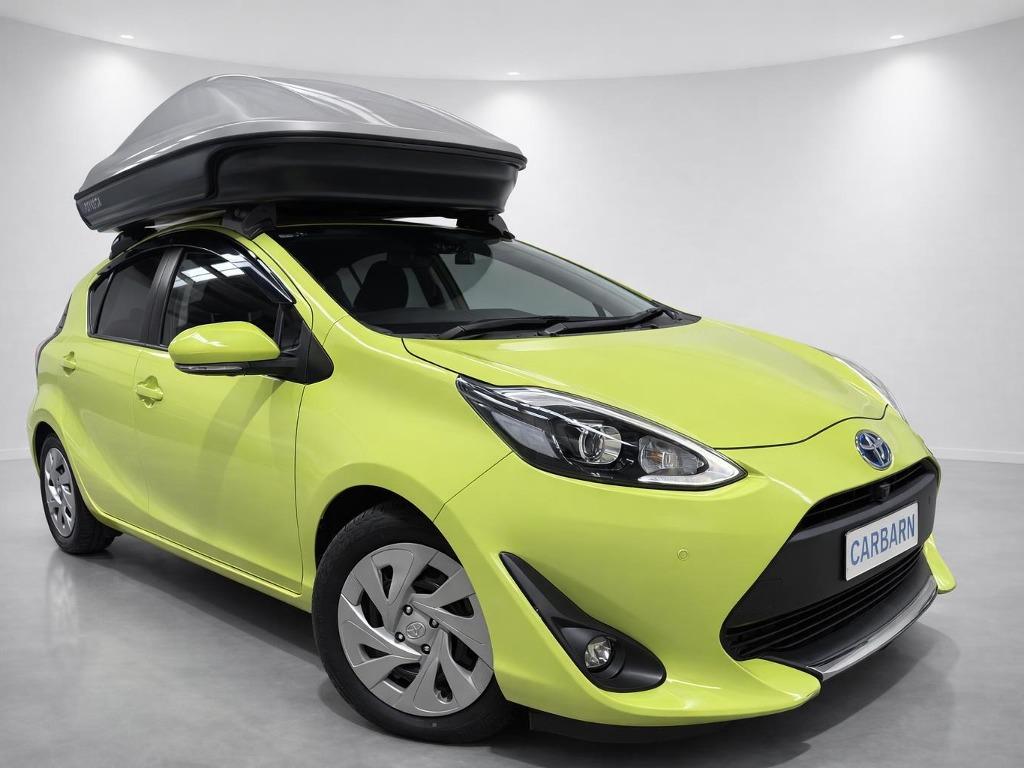
Why small hatchbacks make sense used
The case for a used hatchback is arithmetic: less to buy, less to run, less to park. What the class gives up in size it returns in ease of ownership, which is why these cars suit commuters and first-time buyers alike. Judge each candidate the standard way — service history first, recorded kilometres against how the car presents — and remember that in this class condition separates the good buys far more than equipment does.
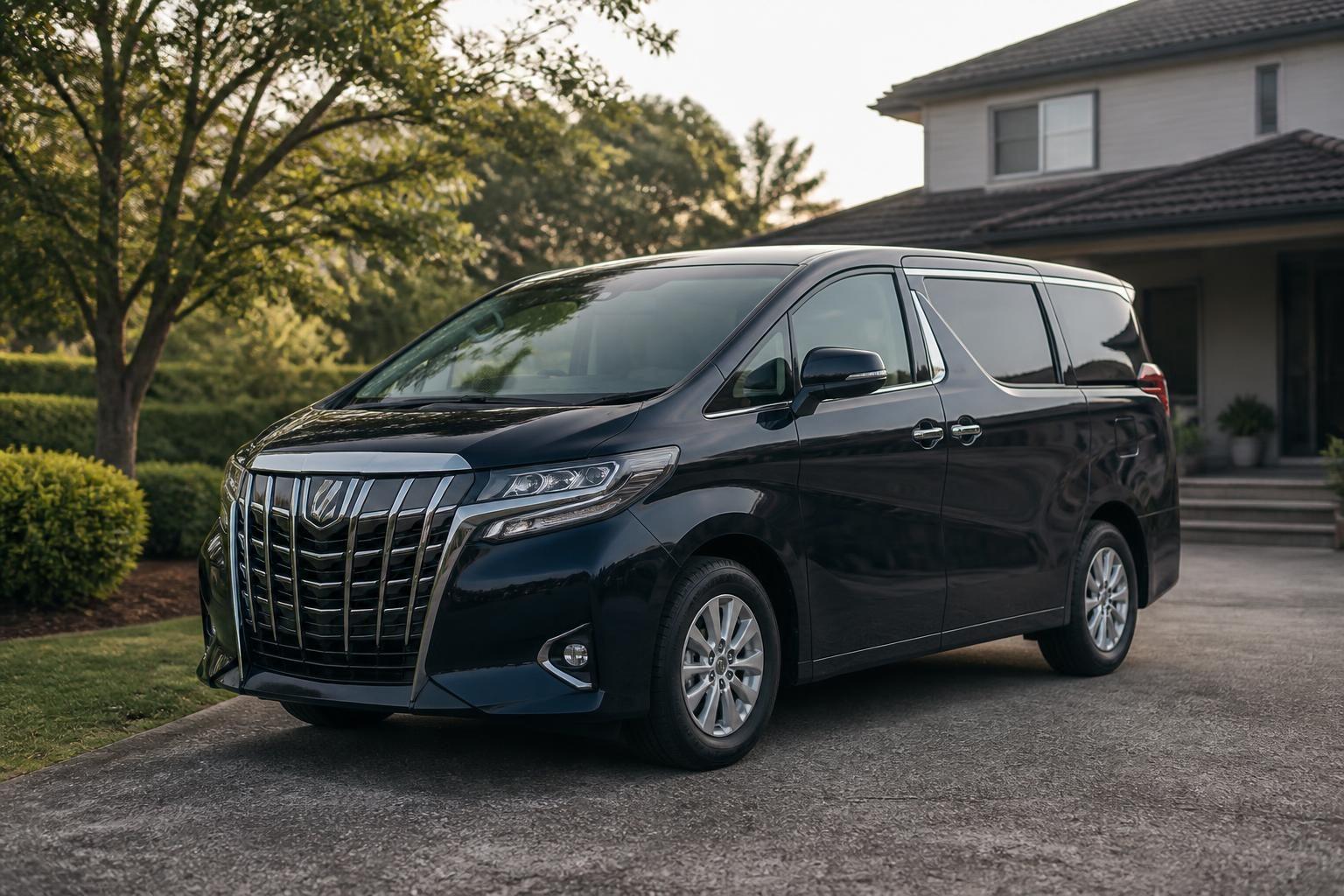
Choosing a people mover
Sliding doors are the feature that separates a people mover from a large SUV — they open in tight car parks and let children out without door-edge risk. Seating layout is the next decision: seven seats usually means second-row captain chairs with a walk-through, eight means a bench and full capacity. Check how the third row folds or removes, because that decides whether the school run and the airport trip fit in the same vehicle, and look for a low, flat floor — it makes loading child seats and older passengers easier, and it varies between models more than the badge suggests.
What to check on a used van
Configuration is the van decision. Load length, roof height and drivetrain decide the jobs a van can do, and every listing records all three — which matters because vans sharing one badge often share little else. After configuration, read the working life: the load area and underbody say how a van earned its keep more honestly than the paint does, and a documented service history is worth more on a van than on almost anything else you can buy used.
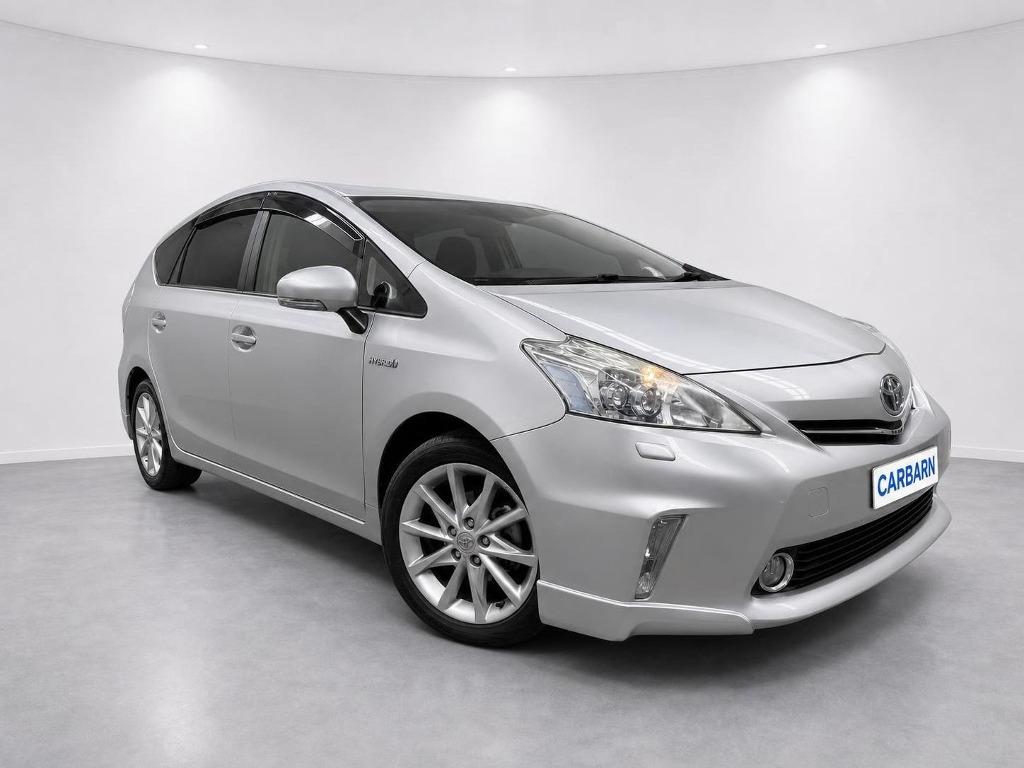
How a used hybrid ages
A self-charging hybrid asks nothing new of its owner — it fuels like a petrol car and services like one, with the electric side doing its strongest work in stop-start traffic. Used, the questions are the same as any car plus one: how the hybrid system presents. Smooth, quiet switching between electric and petrol drive is the healthy pattern; hesitation or warning lights are the reason to walk away. Brakes often wear slower than on equivalent petrol cars because regeneration shares the work.