


CAA TokyoTue 13 Oct
Grade 3.51997 TOYOTA MARK II
GX100 · 233,000 km · Automatic · Petrol
Est. landed & complied
$9,243AUD
Based on Carbarn Bid Guide¥293,180
Refundable deposit
$1,500
¥
Carbarn Bid Guide ¥293,180
Reference sold range ¥145k – ¥850k
Live Japan auction listings for Toyota Mark II eligible for import to Australia. Bid via Carbarn with a refundable deposit — we handle inspection, eligibility, shipping and compliance through to Sydney.
Japan auction listings — not Australian ready stock. Eligibility and final costs are confirmed for each exact vehicle before bidding.
2 vehicles shown
CAA TokyoTue 13 Oct
Grade 3.5GX100 · 233,000 km · Automatic · Petrol
Est. landed & complied
$9,243AUD
Based on Carbarn Bid Guide¥293,180
Refundable deposit
$1,500
Carbarn Bid Guide ¥293,180
Reference sold range ¥145k – ¥850k
MIRIVE SaitamaWed 14 Oct
Grade 3.5JZX100 · 180,000 km · Automatic · Petrol
Est. landed & complied
$41,843AUD
Based on Carbarn Bid Guide¥3,189,670
Refundable deposit
$5,000
Carbarn Bid Guide ¥3,189,670
Reference sold range ¥780k – ¥4.1M
The Mark II is the quiet bargain of 25-year importing. It shares its chassis and drivetrains with the Chaser and Cresta, so you get the same 1JZ-GTE turbo engine in a comfortable rear-drive sedan — and landed costs here are consistently the lowest in the pilot.
Most of what reaches auction are the naturally aspirated grades, particularly the 1G-FE powered GX100 and GX90. They are cheap, frequently unmodified and often in better structural condition than the turbo cars, because nobody drifted them.
Both the X90 and X100 generations are inside the window.
A model appearing here does not make a specific car eligible — the same model can include eligible and ineligible builds. Carbarn confirms the exact vehicle's verified build date and import pathway before any bid proceeds, and registration remains subject to your state or territory's requirements.
The turbocharged grade and the one enthusiasts want. Shares its drivetrain with the Chaser Tourer V, so the same buying considerations apply.
Naturally aspirated straight six. Far cheaper, usually standard, and often the better-preserved car. An overlooked way into a comfortable rear-drive Japanese sedan.
Earlier twin-turbo cars, fully inside the window and cheaper than the X100 equivalents.
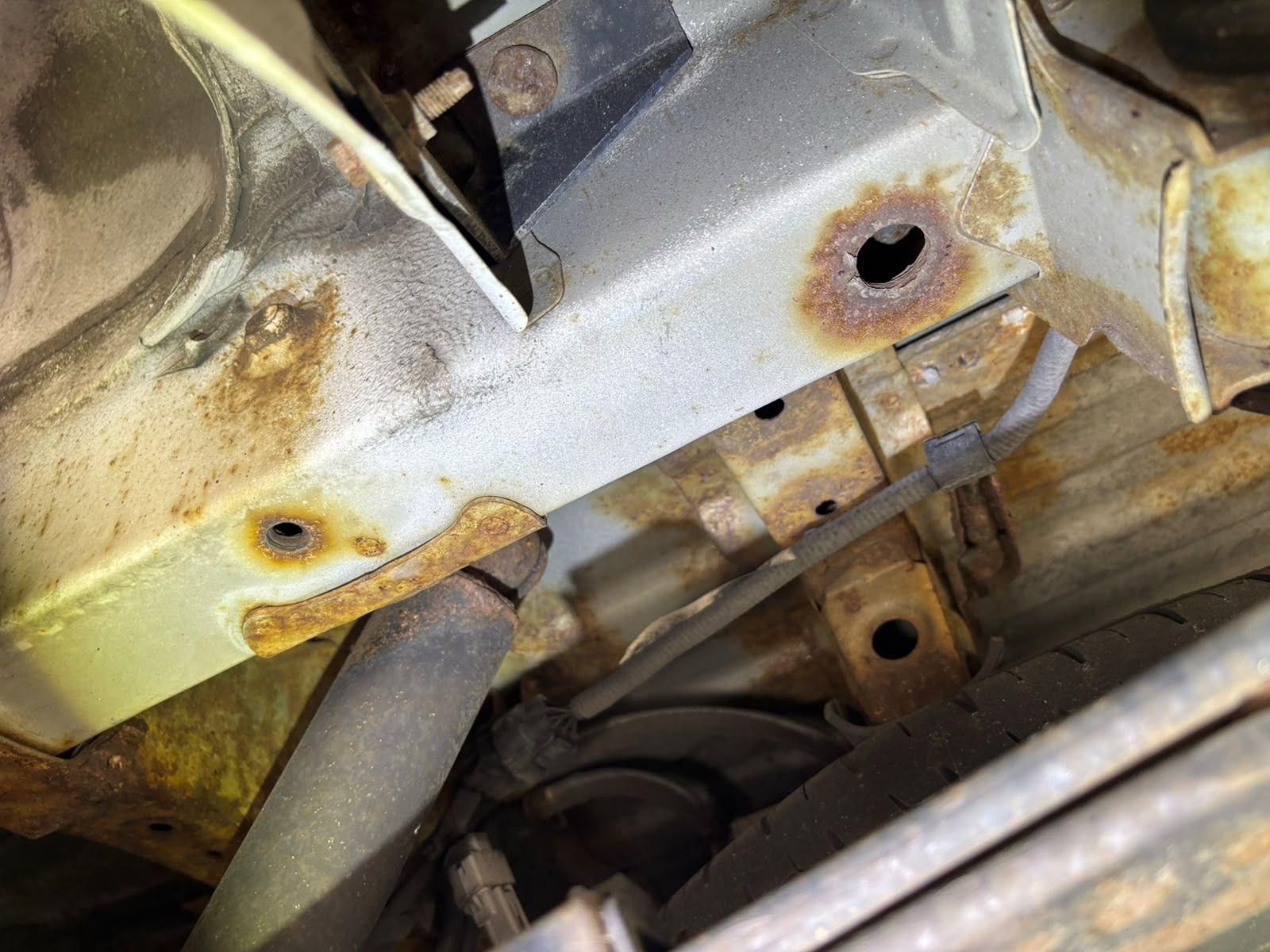
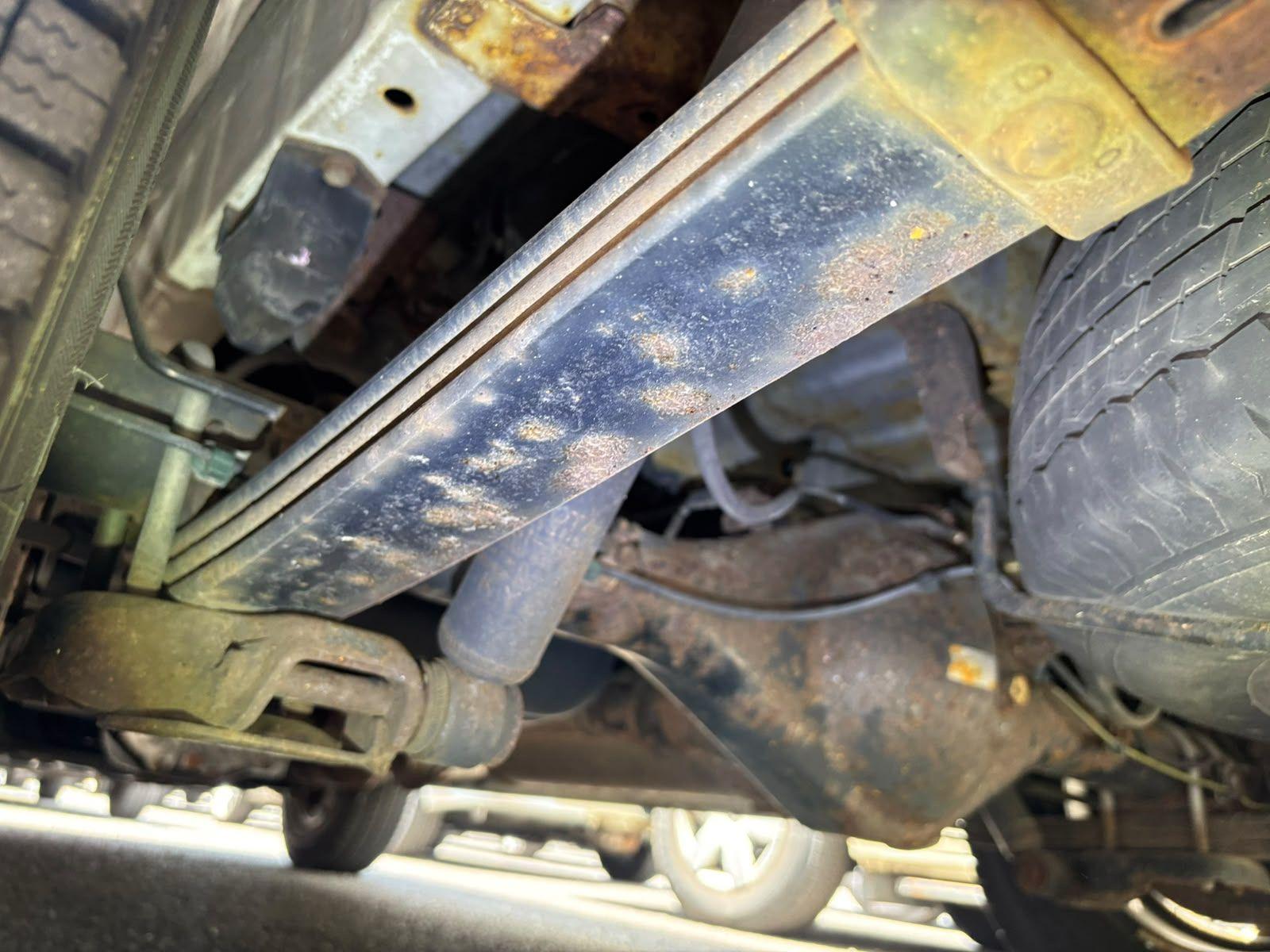
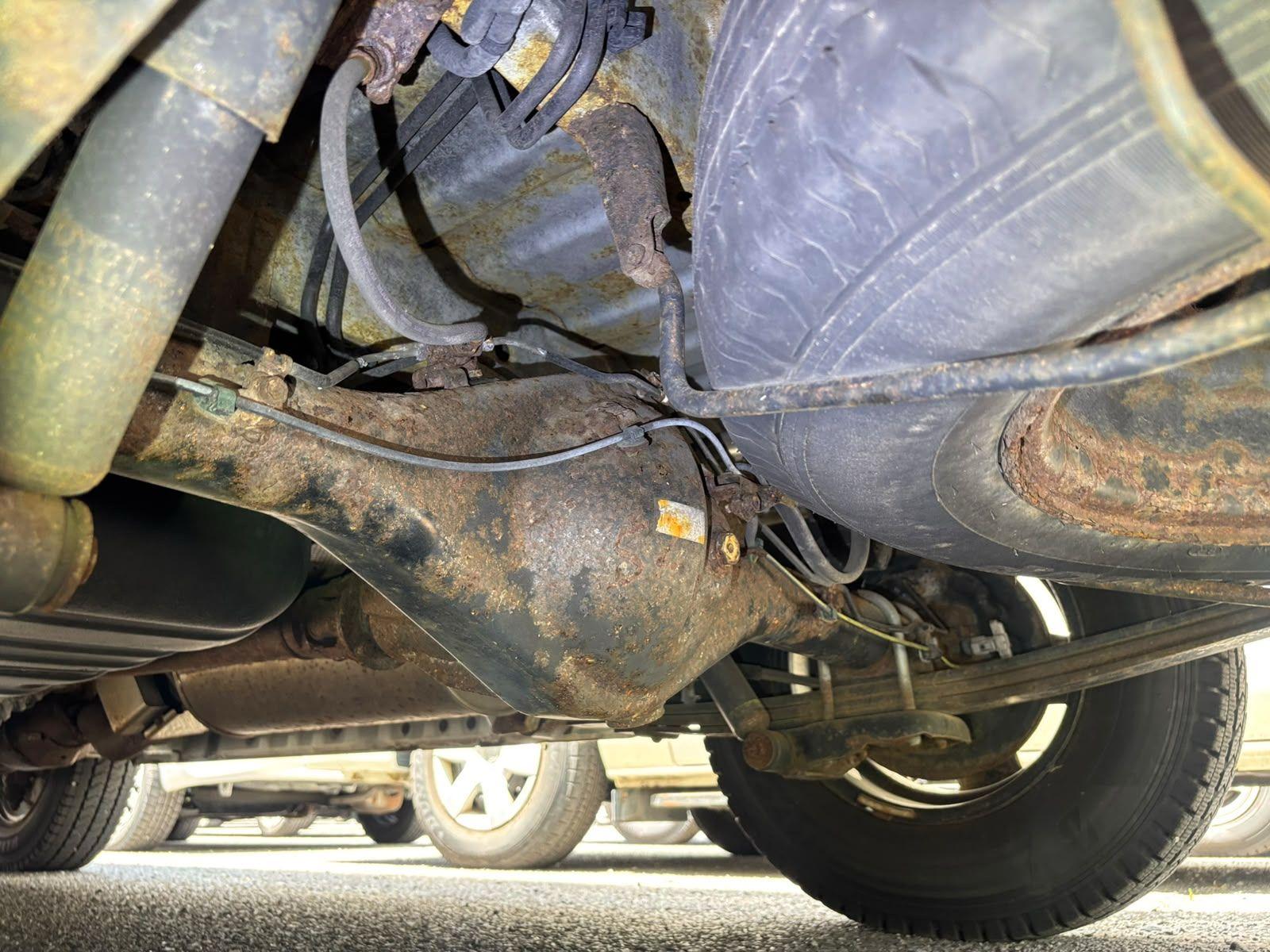
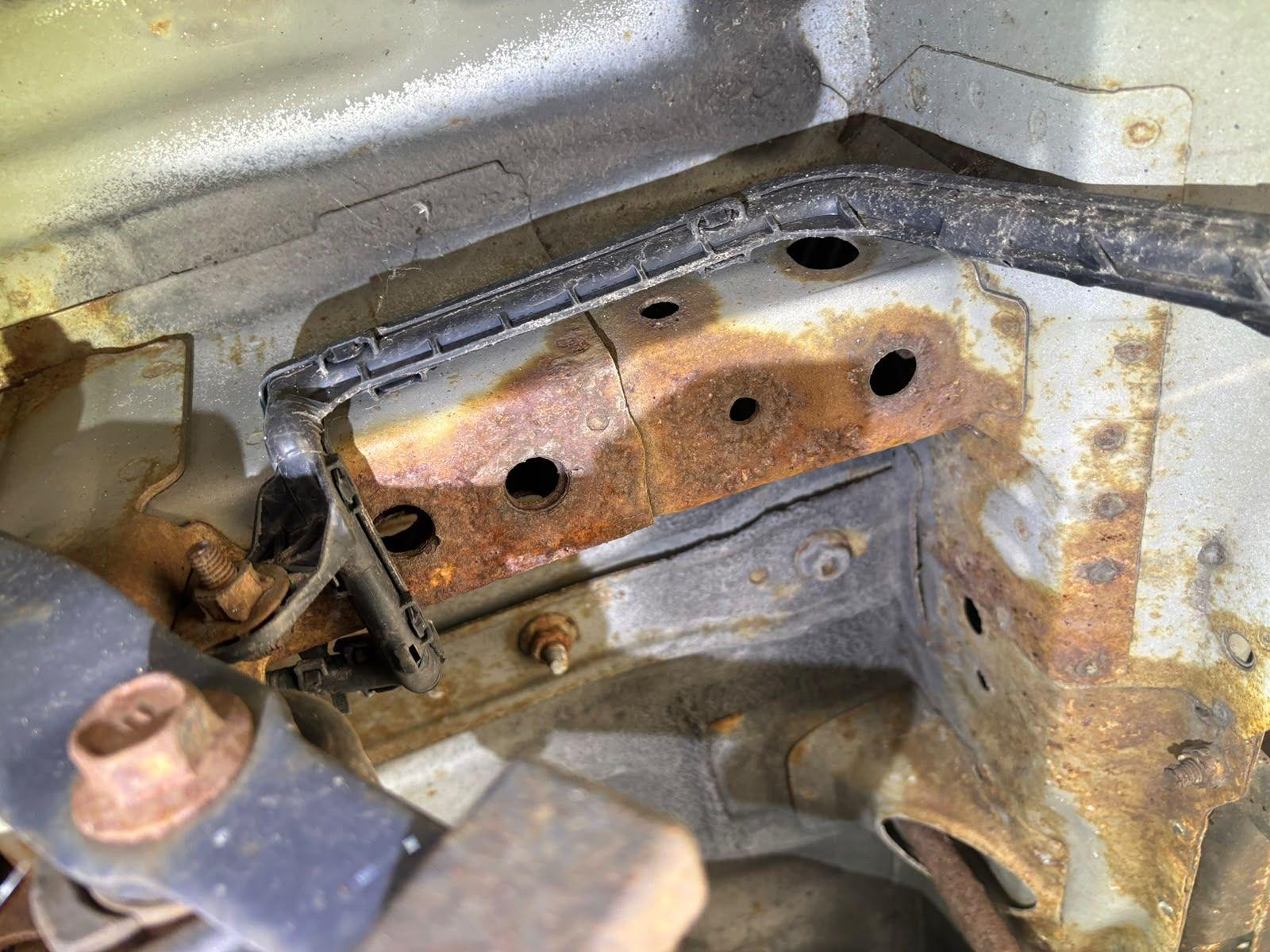
These sedans corrode around the spare wheel well, along the sill seams and in the rear arches. On an otherwise cheap car, structural rust is what makes it not worth importing.
Tourer V grades have been used for drifting. Chassis alignment, welded differentials and repaired rear quarters are all common, and none are visible in a listing photo.
The 1JZ-GTE is durable but these cars are thirty years old. On naturally aspirated grades, automatic transmission condition and cooling system age are the items to know about.
Japanese sedans of this era have either excellent interiors or badly sun-damaged ones. Digital displays, velour trim and electric seat functions are worth photographing properly.
Turbo Tourer V grades carry a clear premium, but the value proposition here is a clean, standard, rust-free naturally aspirated car at a low landed cost. Factory manual turbo cars are the exception that command real money.
After your deposit, our Japan-side team inspects the car in Japan and Noman sends the real photos to your WhatsApp — before any bid is placed. You see the underbody, the hidden repairs, the real condition. You decide: bid or skip. Around that, we filter every vehicle for Australian import eligibility and show landed, complied pricing in AUD. You confirm. Then we bid.
Auction photos are taken to sell the car. Our Japan-side team photographs what they never show: underbody, rust, hidden repairs, interior condition. Don't like what we find? Skip — your deposit is refunded, or moves to your next car.
Every car filtered for Australian import eligibility
If it's on the page, it can come to Australia.
Bid in JPY, see landed & complied price in AUD
Know the approximate total cost before you commit.
Refundable deposit-first — no bid without your approval
Your deposit starts the inspection. It never places a bid on its own.
Track your bid, deposit and result in one portal
Every step visible, from deposit to auction result.
Choose an eligible auction car, enter your Bid in JPY, review the estimated landed and complied cost in AUD, place your bid deposit, and let Carbarn check the vehicle before final bid submission. No live bidding wars and no pressure — a clear, step-by-step process from deposit to result.
Choose an eligible auction vehicle
Enter your target bid in JPY
Place a refundable auction bid deposit
Carbarn reviews auction sheet, photos and Japan-side findings and confirms with you
Bid submitted and result updated
Auction photos and auction grades are useful, but they do not always show every defect. After your deposit, our Japan-side team inspects the car at the auction house and sends real photos — underbody, paint, interior — before any final bid is submitted.
Standard Japan auction
Carbarn adds on top
Carbarn shows an estimated landed and complied cost in AUD so customers can understand the approximate total import cost before bidding. If the Bid in JPY field is empty, the estimate uses Carbarn's benchmark. If the customer enters a Bid in JPY, the estimate updates live.
Cost component 1
Auction bid
Cost component 2
Japan/export costs
Cost component 3
Shipping and logistics
Cost component 4
Import duty/GST/LCT where applicable
Cost component 5
Compliance and local costs
Final cost confirmed at auction result + GST/LCT assessment
This page is designed for buyers who want to bid on vehicles in Japan auctions and bring them to Australia. Carbarn does not show every auction vehicle from Japan. The feed is filtered so customers see vehicles that match Australian import eligibility rules or need only limited confirmation before proceeding.
Not every Japanese auction car can be imported to Australia. Model code, build month, vehicle type, pathway and compliance rules matter before a bid is placed. Carbarn's system is designed to filter vehicles against Australian import eligibility before they are shown to customers.
A deposit is required before Carbarn proceeds with a bid instruction. If the customer does not win the auction, the deposit can be made available for another auction vehicle or refunded according to Carbarn's process.
After reviewing the vehicle and cost breakdown, the customer can place a bid deposit to secure the next step. Carbarn then checks the final vehicle details, auction sheet, import eligibility and available inspection/photo findings before final bid submission. If the vehicle should not proceed, the deposit can be moved to another suitable auction vehicle or refunded according to Carbarn policy and payment method rules.
At Carbarn today: Toyota Mark II vehicles from build years 1997, odometer range 180,000–233,000 km, current auction grade 3.5, landed cost range AUD 9k–AUD 42k to Australia. Sourced from CAA Tokyo, MIRIVE Saitama.
Carbarn inspects every Toyota Mark II in Japan before submitting a bid — auction sheet decoded, physical inspection where the auction allows, and photo verification with our Japan-side team. You review the inspection report on WhatsApp before the final bid is submitted.
Landed cost band AUD 9k–AUD 42k includes winning bid, Japan fees, ocean freight, GST, LCT where applicable, compliance, AVV inspection and delivery. Timeline: 6–10 weeks from auction win to Australia.
Current Toyota Mark II chassis codes: Toyota Mark Ii GX100 (1), Toyota Mark Ii JZX100 (1) . Each code covers a specific generation and engine.