Mitsubishi Pajero auction cars eligible for import to Australia
Live Japan auction listings for Mitsubishi Pajero eligible for import to Australia. Bid via Carbarn with a refundable deposit — we handle inspection, eligibility, shipping and compliance through to Sydney.
Japan auction listings — not Australian ready stock. Eligibility and final costs are confirmed for each exact vehicle before bidding.
1 vehicle shown
Same-day bidding closed — showing next available auction vehicles
Japanese-market Pajeros are the affordable end of 25-year four-wheel-drive importing. Second-generation cars turn up at auction consistently and in numbers, with diesel drivetrains and equipment levels Australia did not always get.
They are also among the most rust-prone vehicles on this list. A second-generation Pajero that looks clean in photographs can be structurally poor underneath, which makes the pre-bid inspection the difference between a bargain and a write-off.
Which build years qualify
First and second generation are in range, as are the earliest third-generation builds.
1st gen · L0401982–1991Eligible now
2nd gen · V20 / V401991–1999Eligible now
3rd gen · V60 / V701999–2000Eligible now
3rd gen2001 buildsFrom Jan 2027
A model appearing here does not make a specific car eligible — the same model can include eligible and ineligible builds. Carbarn confirms the exact vehicle's verified build date and import pathway before any bid proceeds, and registration remains subject to your state or territory's requirements.
Which Pajero generation to look for
2nd genV20 / V40 series1991–1999
The generation that appears most at auction. Super Select four-wheel drive on higher grades, with 4M40 and 4D56 diesels and petrol V6 options. Short and long wheelbase bodies, plus high-roof wagons.
3rd gen (early)V60 / V70 series1999 onwards
Monocoque construction and independent rear suspension — a much more road-oriented vehicle. Only the earliest builds are currently in range.
1st genL040 series1982–1991
Leaf-sprung, simple and now genuinely rare in good condition. Worth seeking out if originality matters more than comfort.
What we check on a Mitsubishi Pajero before you bid
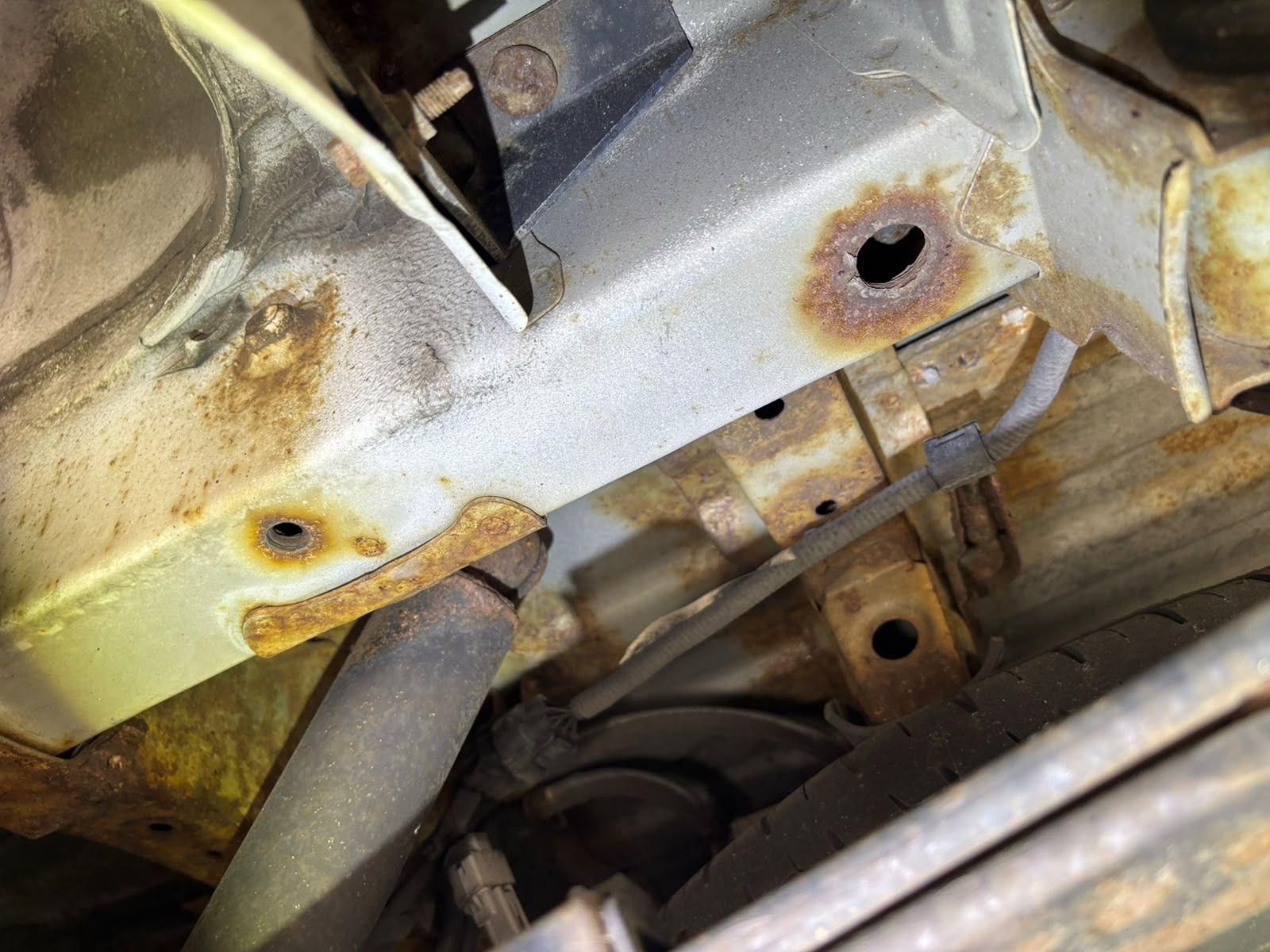
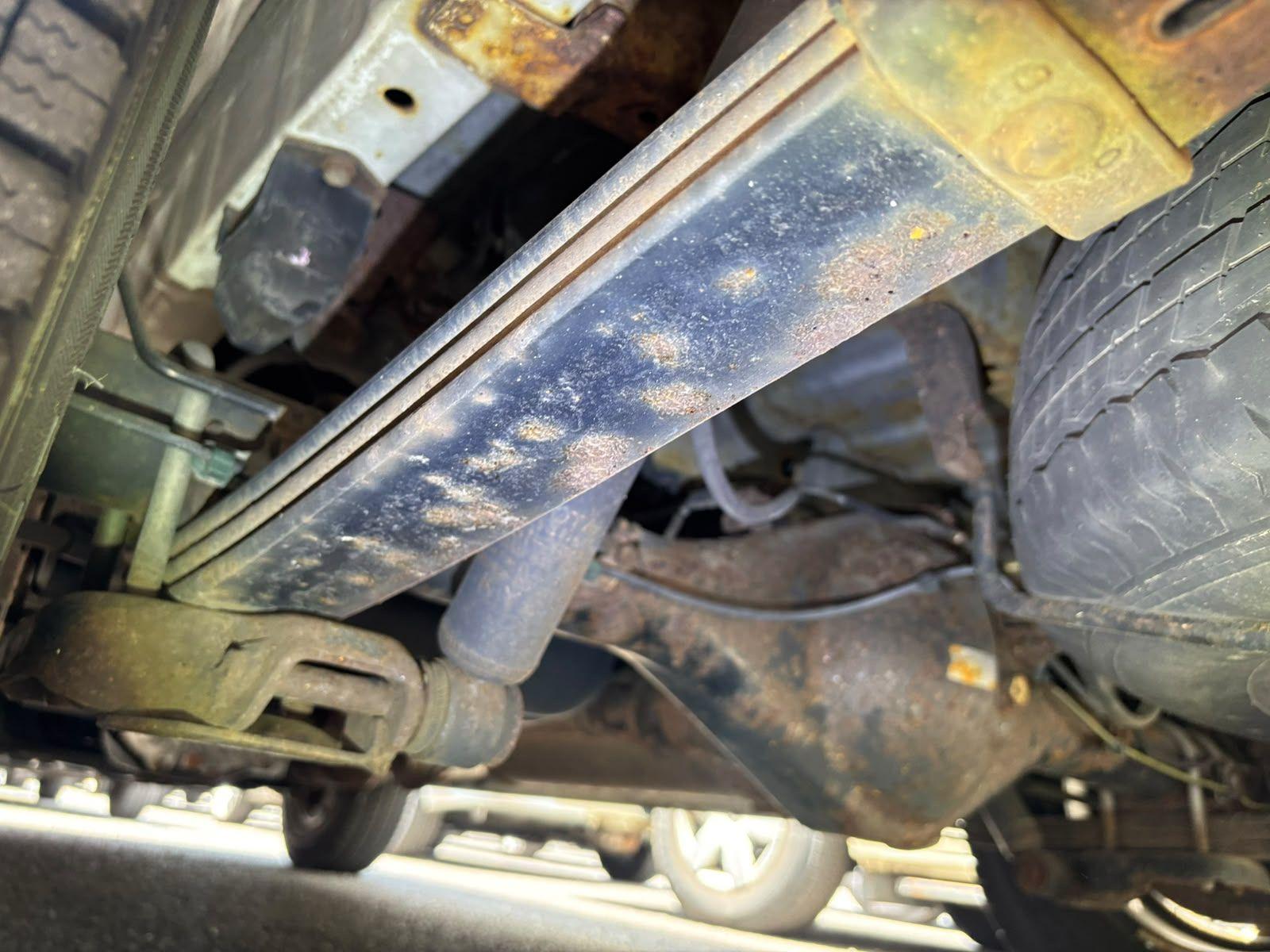
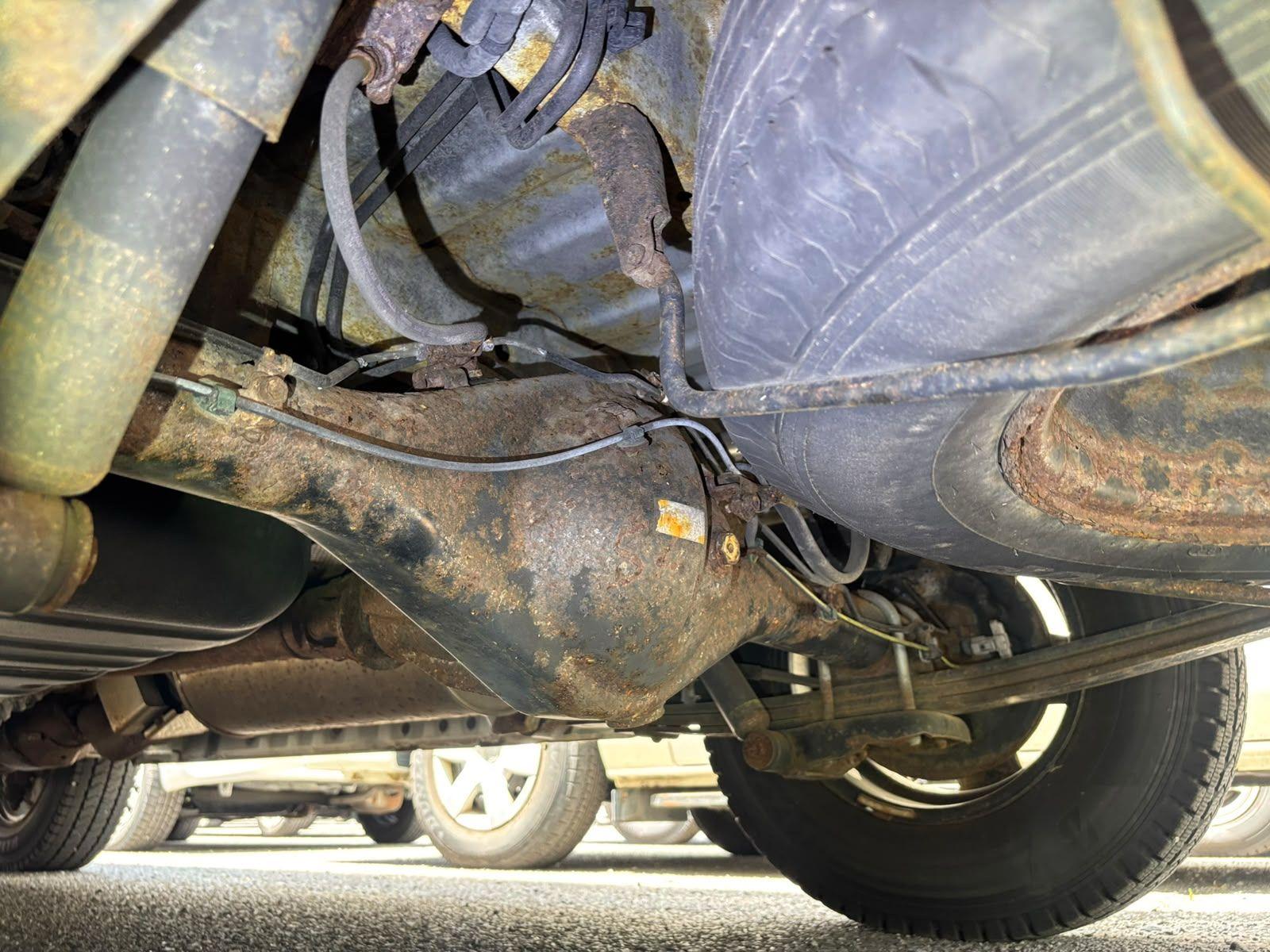
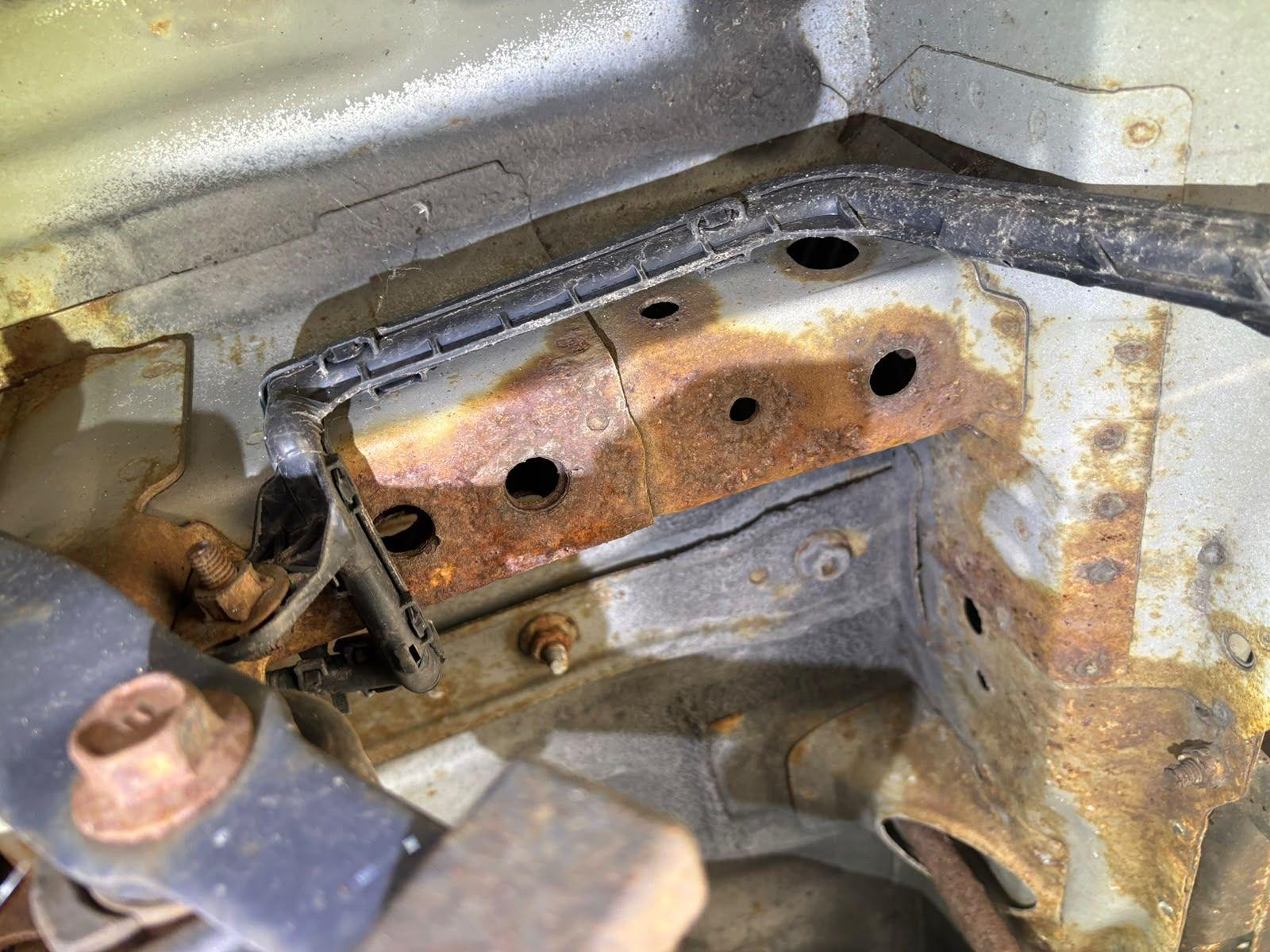
Rust in the rear quarters, sills and chassis
The defining issue on this model. Second-generation Pajeros corrode in the rear quarters above the bumper, along the sills, around the rear suspension mounts and on the chassis itself. Much of it is invisible until you look underneath.
Diesel timing belt and head condition
The 4M40 and 4D56 diesels have interval-based timing belt service, and a neglected belt is expensive. Head gasket history and signs of overheating matter just as much.
Transfer case and Super Select operation
The Super Select system is excellent when maintained and awkward when not. We check that the modes engage and look for leaks or damage around the transfer case.
Automatic transmission condition
Many of these vehicles towed or worked hard. Transmission fluid condition and shift quality are worth knowing about, and are reported alongside the photos.
What changes a Mitsubishi Pajero's auction and landed value
A sound underbody outranks everything else here. Diesel Super Select wagons in good structural condition sit at the top, and cheap vehicles with corroded rails should be avoided regardless of how well they present. Landed costs are among the lowest in the pilot.
Frequently Asked Questions
First and second generation, plus the earliest third-generation builds. 2001 builds come into range from January 2027. Eligibility is confirmed per vehicle on the verified build date.
After your deposit, our Japan-side team inspects the car in Japan and Noman sends the real photos to your WhatsApp — before any bid is placed. You see the underbody, the hidden repairs, the real condition. You decide: bid or skip. Around that, we filter every vehicle for Australian import eligibility and show landed, complied pricing in AUD. You confirm. Then we bid.
Our biggest difference
Real inspection photos to your WhatsApp — before we bid
Auction photos are taken to sell the car. Our Japan-side team photographs what they never show: underbody, rust, hidden repairs, interior condition. Don't like what we find? Skip — your deposit is refunded, or moves to your next car.
From a real customer thread · July 2026
Please cancel the bid. Thanks9:46 am ✓✓
Every car filtered for Australian import eligibility
If it's on the page, it can come to Australia.
Bid in JPY, see landed & complied price in AUD
Know the approximate total cost before you commit.
Refundable deposit-first — no bid without your approval
Your deposit starts the inspection. It never places a bid on its own.
Track your bid, deposit and result in one portal
Every step visible, from deposit to auction result.
A Simple Five-Step Auction Buying Process
Choose an eligible auction car, enter your Bid in JPY, review the estimated landed and complied cost in AUD, place your bid deposit, and let Carbarn check the vehicle before final bid submission. No live bidding wars and no pressure — a clear, step-by-step process from deposit to result.
Step 01
Choose an eligible auction vehicle
Step 02
Enter your target bid in JPY
Step 03
Place a refundable auction bid deposit
Step 04
Carbarn reviews auction sheet, photos and Japan-side findings and confirms with you
Step 05
Bid submitted and result updated
Japan-Side Physical Inspection and Extra Photos
Auction photos and auction grades are useful, but they do not always show every defect. After your deposit, our Japan-side team inspects the car at the auction house and sends real photos — underbody, paint, interior — before any final bid is submitted.
Standard Japan auction
Auction listing photos
Auction sheet and grade
Carbarn adds on top
Japan-side physical inspection after your deposit
Extra photos and visible defect check
Findings shared with you before final bid submission
Estimated Landed and Complied Cost Before You Bid
Carbarn shows an estimated landed and complied cost in AUD so customers can understand the approximate total import cost before bidding. If the Bid in JPY field is empty, the estimate uses Carbarn's benchmark. If the customer enters a Bid in JPY, the estimate updates live.
Cost component 1
Auction bid
Cost component 2
Japan/export costs
Cost component 3
Shipping and logistics
Cost component 4
Import duty/GST/LCT where applicable
Cost component 5
Compliance and local costs
Final cost confirmed at auction result + GST/LCT assessment
Background for Australian buyers bidding in Japan
Bid on Japanese Auction Cars That Can Be Imported to Australia
This page is designed for buyers who want to bid on vehicles in Japan auctions and bring them to Australia. Carbarn does not show every auction vehicle from Japan. The feed is filtered so customers see vehicles that match Australian import eligibility rules or need only limited confirmation before proceeding.
Why Import Eligibility Comes First
Not every Japanese auction car can be imported to Australia. Model code, build month, vehicle type, pathway and compliance rules matter before a bid is placed. Carbarn's system is designed to filter vehicles against Australian import eligibility before they are shown to customers.
Bid Deposit and Auction Result
A deposit is required before Carbarn proceeds with a bid instruction. If the customer does not win the auction, the deposit can be made available for another auction vehicle or refunded according to Carbarn's process.
Place a Bid Deposit with a Controlled Review Process
After reviewing the vehicle and cost breakdown, the customer can place a bid deposit to secure the next step. Carbarn then checks the final vehicle details, auction sheet, import eligibility and available inspection/photo findings before final bid submission. If the vehicle should not proceed, the deposit can be moved to another suitable auction vehicle or refunded according to Carbarn policy and payment method rules.
About importing the Mitsubishi Pajero
Mitsubishi Pajero inventory at Carbarn: build years 1999, odometer range 123,000 km, current auction grade 3.5, landed cost range AUD 13k to Australia. Sourced from JU Shizuoka.
Before Carbarn bids on a Mitsubishi Pajero, the Japan-side team inspects the vehicle in Japan — auction sheet, physical inspection where the auction allows, and photo cross-verification. The inspection report goes to you on WhatsApp for confirmation before the final bid is submitted.
Timeline from auction win to delivery: 6–10 weeks.
Mitsubishi Pajero chassis codes available: Mitsubishi Pajero V45W (1) . Chassis code decides the specific generation and engine.