Mitsubishi Lancer auction cars eligible for import to Australia
Live Japan auction listings for Mitsubishi Lancer eligible for import to Australia. Bid via Carbarn with a refundable deposit — we handle inspection, eligibility, shipping and compliance through to Sydney.
Japan auction listings — not Australian ready stock. Eligibility and final costs are confirmed for each exact vehicle before bidding.
1 vehicle shown
Same-day bidding closed — showing next available auction vehicles
The Evolution generations inside the 25-year window are IV, V and VI — the CN9A and CP9A cars that built the model's reputation on gravel. They reach Japanese auctions in small numbers, and good ones are bid strongly by buyers in several markets at once.
Later Evos appear on this page too, because Lancer covers a lot of ground as a model name. The badge on each card shows which pathway that car uses, and the 25-year-eligible cars are listed first.
Which build years qualify
Evo IV, V and VI are in range. Evo VII and later are still waiting.
Evo IV · CN9A1996–1998Eligible now
Evo V · CP9A1998Eligible now
Evo VI · CP9A1999–2000Eligible now
Evo VI TME1999–2000Eligible now
Evo VII2001 buildsFrom Jan 2027
A model appearing here does not make a specific car eligible — the same model can include eligible and ineligible builds. Carbarn confirms the exact vehicle's verified build date and import pathway before any bid proceeds, and registration remains subject to your state or territory's requirements.
Mitsubishi Lancer generations and chassis codes
CP9AEvolution V, VI and VI TME1998–2000
Wide-body cars with the 4G63T. The Evo VI Tommi Mäkinen Edition is the one collectors chase, and the one most often misrepresented — verification matters.
CN9AEvolution IV1996–1998
The first of the wide-track cars and the cheapest way into a 25-year-eligible Evo. Active Yaw Control appeared on higher grades.
What we check on a Mitsubishi Lancer before you bid
Rally, gravel and track history
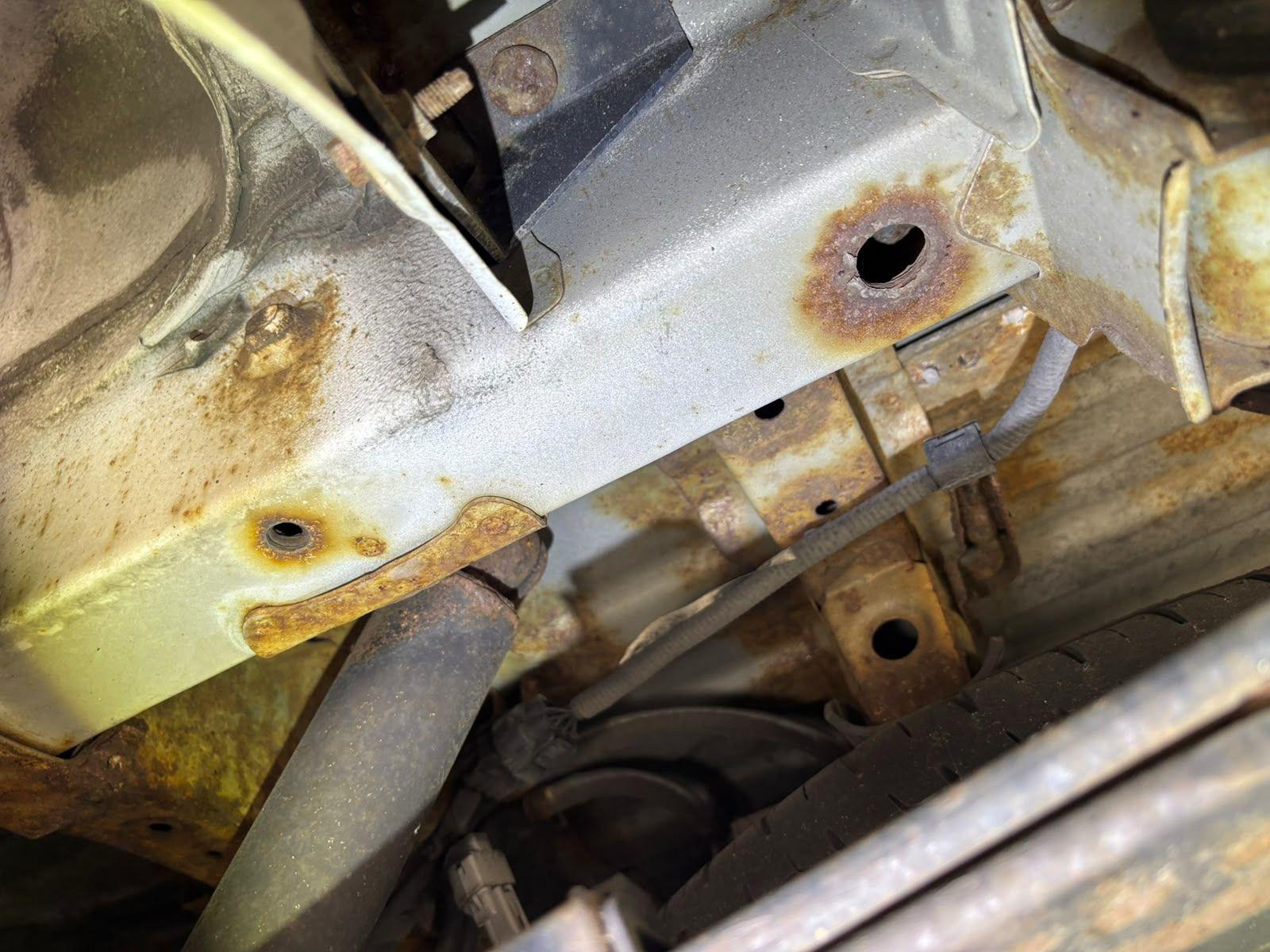
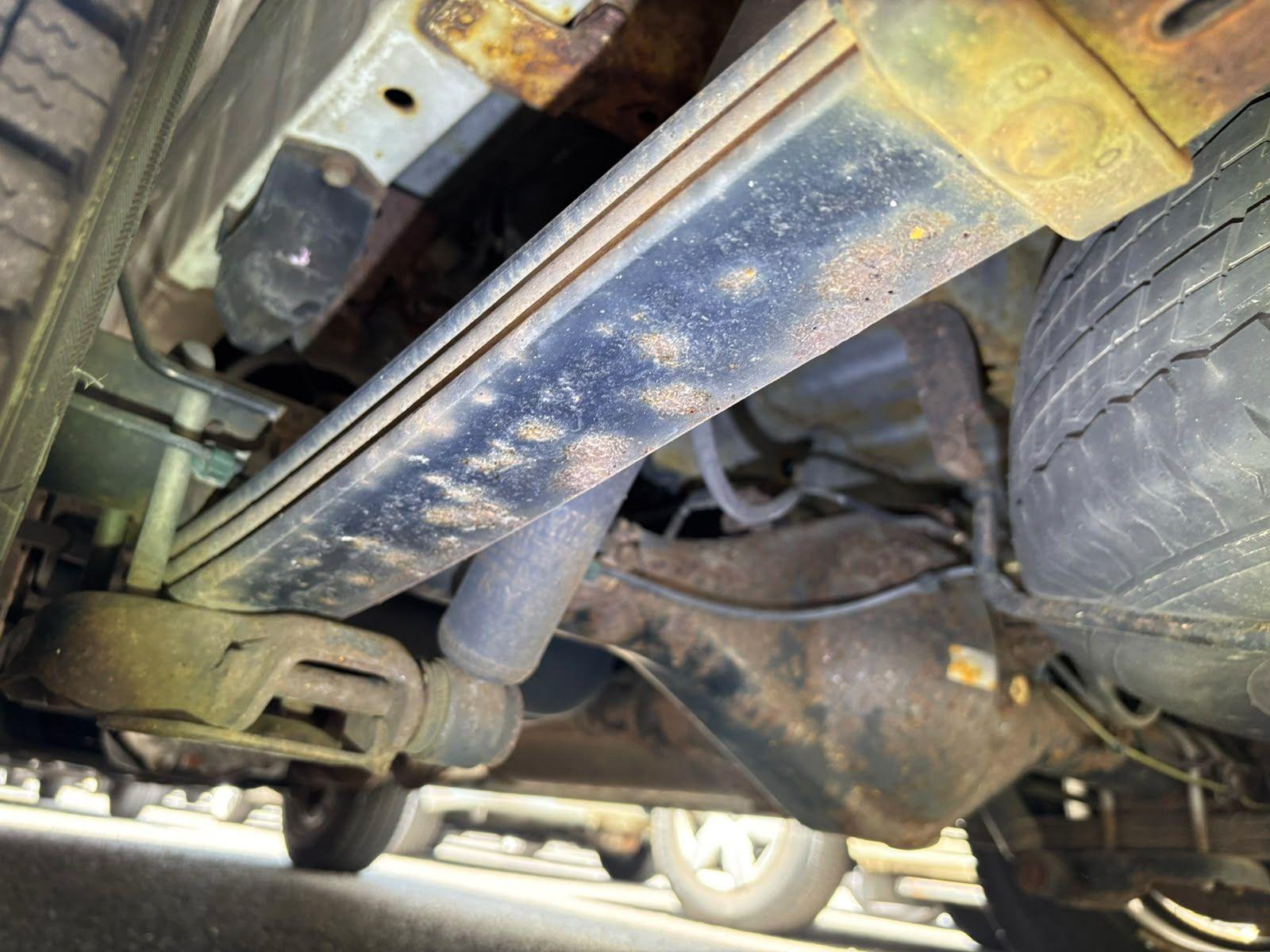
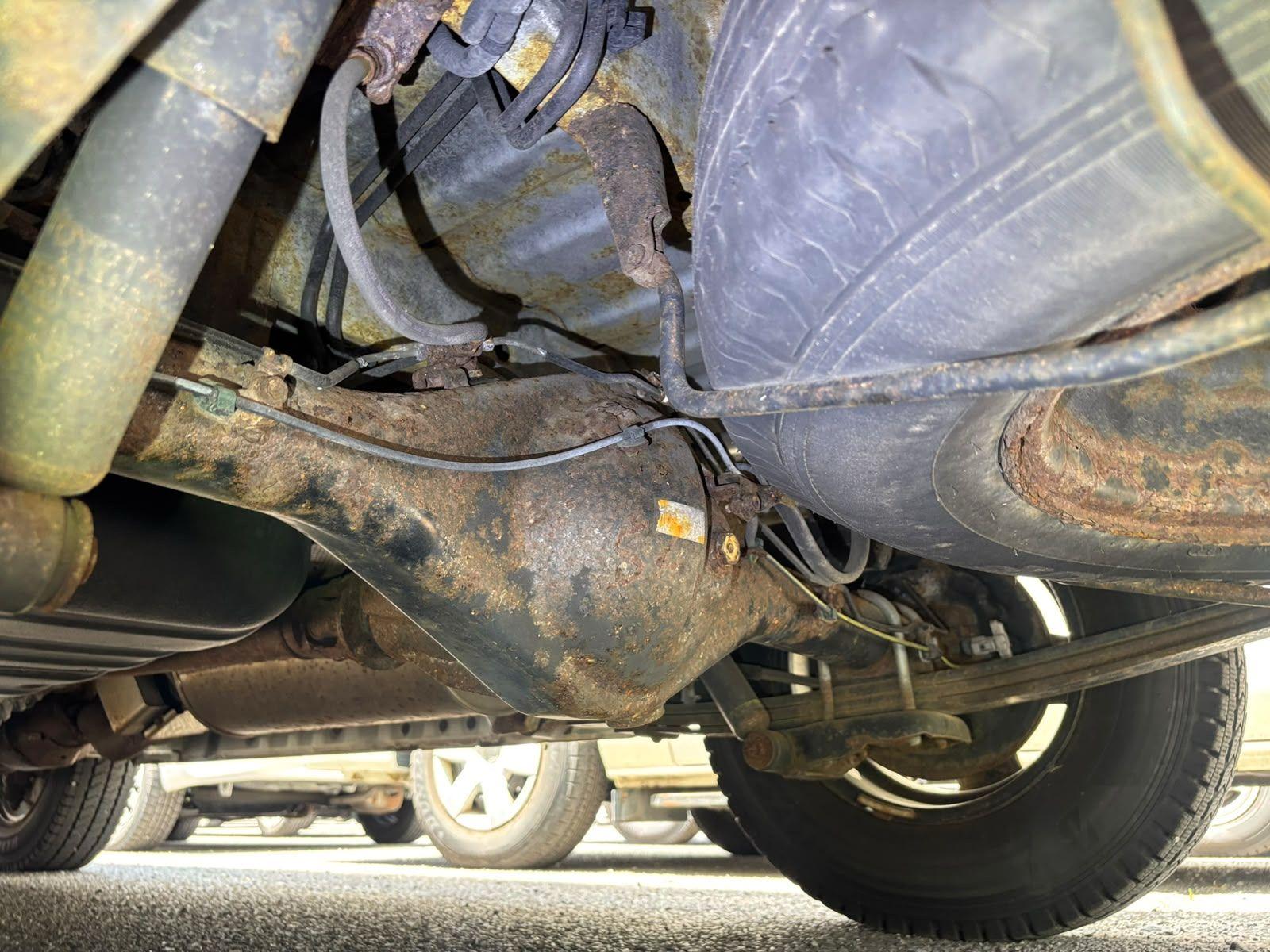
Many of these cars were used as intended. Underbody damage, repaired sumps, bent suspension components and evidence of roll cages fitted and removed all matter, and none are visible in a listing photo.
4G63T condition and boost history
Modified engines are the norm. Aftermarket turbos, ECUs and fuel systems change both value and reliability. We document what is fitted and look for signs of past rebuilds.
Verifying a genuine Tommi Mäkinen Edition
Decals, wheels and seats can be added to an ordinary Evo VI. We check chassis details against the claimed grade rather than accepting the auction description.
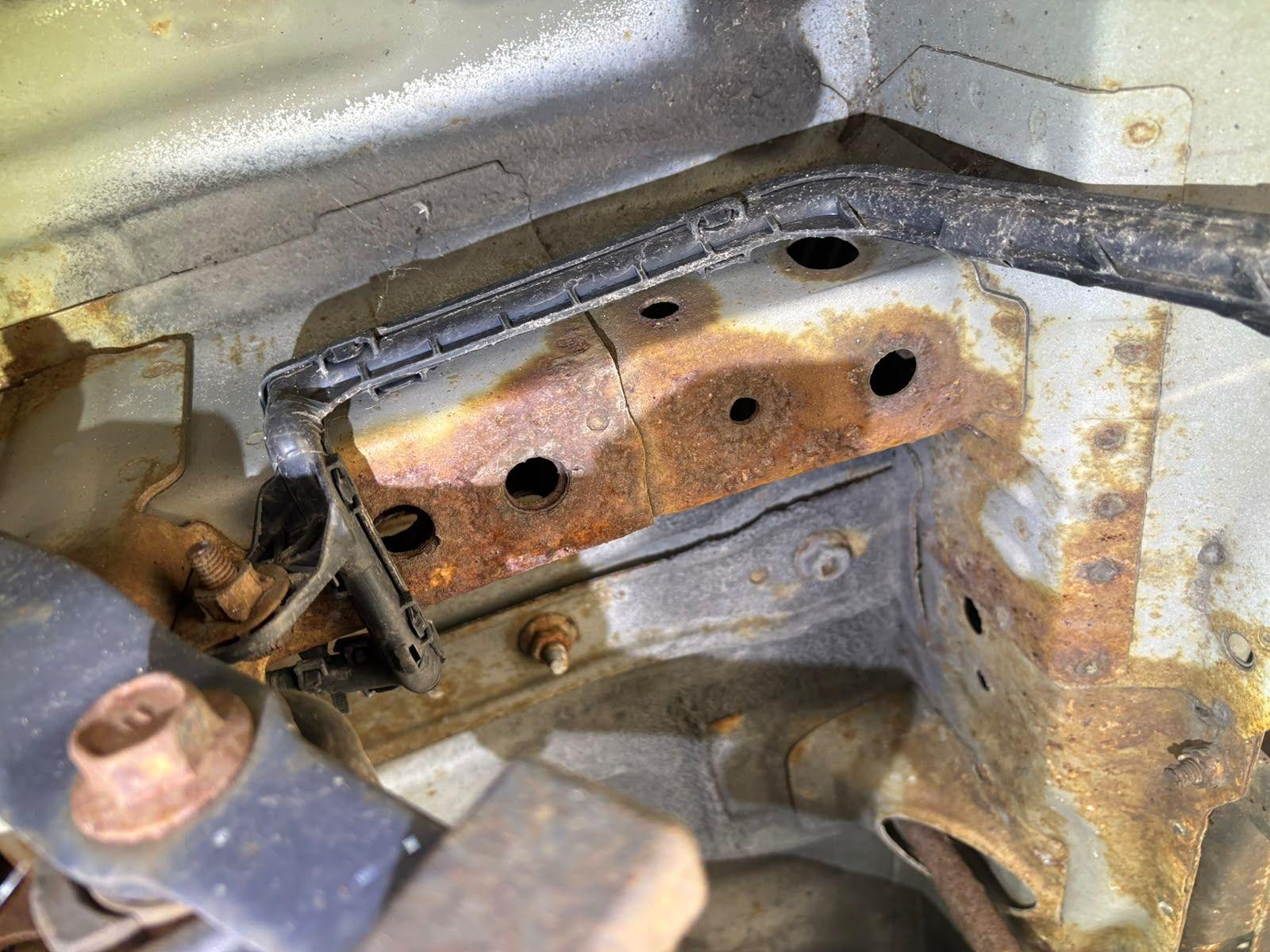
Rust in strut towers and rear arches
Snow-region cars corrode where the suspension mounts, in the rear arches and along the sills. Underbody photography is the only reliable way to see how far it has gone.
What changes a Mitsubishi Lancer's auction and landed value
Genuine variant and documented history drive results, with the Evo VI TME in a class of its own. Unmodified cars with original engines, straight underbodies and honest kilometres sit above modified cars, however well built. Expect competition on any clean example.
Frequently Asked Questions
Evolution IV, V and VI. Evo VII builds from 2001 come into range from January 2027. Eligibility is confirmed per vehicle on the verified build date.
After your deposit, our Japan-side team inspects the car in Japan and Noman sends the real photos to your WhatsApp — before any bid is placed. You see the underbody, the hidden repairs, the real condition. You decide: bid or skip. Around that, we filter every vehicle for Australian import eligibility and show landed, complied pricing in AUD. You confirm. Then we bid.
Our biggest difference
Real inspection photos to your WhatsApp — before we bid
Auction photos are taken to sell the car. Our Japan-side team photographs what they never show: underbody, rust, hidden repairs, interior condition. Don't like what we find? Skip — your deposit is refunded, or moves to your next car.
From a real customer thread · July 2026
Please cancel the bid. Thanks9:46 am ✓✓
Every car filtered for Australian import eligibility
If it's on the page, it can come to Australia.
Bid in JPY, see landed & complied price in AUD
Know the approximate total cost before you commit.
Refundable deposit-first — no bid without your approval
Your deposit starts the inspection. It never places a bid on its own.
Track your bid, deposit and result in one portal
Every step visible, from deposit to auction result.
A Simple Five-Step Auction Buying Process
Choose an eligible auction car, enter your Bid in JPY, review the estimated landed and complied cost in AUD, place your bid deposit, and let Carbarn check the vehicle before final bid submission. No live bidding wars and no pressure — a clear, step-by-step process from deposit to result.
Step 01
Choose an eligible auction vehicle
Step 02
Enter your target bid in JPY
Step 03
Place a refundable auction bid deposit
Step 04
Carbarn reviews auction sheet, photos and Japan-side findings and confirms with you
Step 05
Bid submitted and result updated
Japan-Side Physical Inspection and Extra Photos
Auction photos and auction grades are useful, but they do not always show every defect. After your deposit, our Japan-side team inspects the car at the auction house and sends real photos — underbody, paint, interior — before any final bid is submitted.
Standard Japan auction
Auction listing photos
Auction sheet and grade
Carbarn adds on top
Japan-side physical inspection after your deposit
Extra photos and visible defect check
Findings shared with you before final bid submission
Estimated Landed and Complied Cost Before You Bid
Carbarn shows an estimated landed and complied cost in AUD so customers can understand the approximate total import cost before bidding. If the Bid in JPY field is empty, the estimate uses Carbarn's benchmark. If the customer enters a Bid in JPY, the estimate updates live.
Cost component 1
Auction bid
Cost component 2
Japan/export costs
Cost component 3
Shipping and logistics
Cost component 4
Import duty/GST/LCT where applicable
Cost component 5
Compliance and local costs
Final cost confirmed at auction result + GST/LCT assessment
Background for Australian buyers bidding in Japan
Bid on Japanese Auction Cars That Can Be Imported to Australia
This page is designed for buyers who want to bid on vehicles in Japan auctions and bring them to Australia. Carbarn does not show every auction vehicle from Japan. The feed is filtered so customers see vehicles that match Australian import eligibility rules or need only limited confirmation before proceeding.
Why Import Eligibility Comes First
Not every Japanese auction car can be imported to Australia. Model code, build month, vehicle type, pathway and compliance rules matter before a bid is placed. Carbarn's system is designed to filter vehicles against Australian import eligibility before they are shown to customers.
Bid Deposit and Auction Result
A deposit is required before Carbarn proceeds with a bid instruction. If the customer does not win the auction, the deposit can be made available for another auction vehicle or refunded according to Carbarn's process.
Place a Bid Deposit with a Controlled Review Process
After reviewing the vehicle and cost breakdown, the customer can place a bid deposit to secure the next step. Carbarn then checks the final vehicle details, auction sheet, import eligibility and available inspection/photo findings before final bid submission. If the vehicle should not proceed, the deposit can be moved to another suitable auction vehicle or refunded according to Carbarn policy and payment method rules.
About importing the Mitsubishi Lancer
Sourced from CAA Gifu.
Before Carbarn bids on a Mitsubishi Lancer, the Japan-side team inspects the vehicle in Japan — auction sheet, physical inspection where the auction allows, and photo cross-verification. The inspection report goes to you on WhatsApp for confirmation before the final bid is submitted.
Timeline from auction win to delivery: 6–10 weeks.
Mitsubishi Lancer chassis codes available: Mitsubishi Lancer CP9A (1) . Chassis code decides the specific generation and engine.