


JU MieTomorrow
1999 MITSUBISHI MINICAB TRUCK
U61T · 189,000 km · Manual (5-speed) · Petrol
Est. landed & complied
$7,369AUD
Based on Carbarn Bid Guide¥39,077
Refundable deposit
$1,500
¥
Carbarn Bid Guide ¥39,077
Reference sold range ¥25k – ¥87k
Live kei truck listings from Japanese auctions — 660cc mini trucks with a drop-side tray, matched against the Australian eligible catalog. Newer trucks come in under SEVS, and trucks 25 years or older under the 25-year rule.
124 vehicles shown
JU MieTomorrow
U61T · 189,000 km · Manual (5-speed) · Petrol
Est. landed & complied
$7,369AUD
Based on Carbarn Bid Guide¥39,077
Refundable deposit
$1,500
Carbarn Bid Guide ¥39,077
Reference sold range ¥25k – ¥87k
CAA TouhokuTomorrow
Grade 2HA4 · 199,000 km · Manual (5-speed) · Petrol
Est. landed & complied
$7,552AUD
Based on Carbarn Bid Guide¥53,367
Refundable deposit
$1,500
Carbarn Bid Guide ¥53,367
Reference sold range ¥4k – ¥63k
JU MieTomorrow
HA3 · 226,000 km · Manual (5-speed) · Petrol
Est. landed & complied
$7,475AUD
Based on Carbarn Bid Guide¥46,737
Refundable deposit
$1,500
Carbarn Bid Guide ¥46,737
Reference sold range ¥16k – ¥88k
TAA ShikokuTomorrow
Grade RADD51T · 306,000 km · Manual (4-speed) · Petrol
Est. landed & complied
$8,057AUD
Based on Carbarn Bid Guide¥97,207
Refundable deposit
$1,500
Carbarn Bid Guide ¥97,207
Reference sold range ¥94k – ¥134k
124 lots in Kei Trucks are live at Japanese auctions right now, matched against the Australian eligible catalog. They span 8 makes and 14 models, including Acty, Acty Truck and Carry. Stock is sourced from 28 auction houses such as BAYAUC, CAA Gifu and CAA Tokyo. Current lots run grades 2–6. Upcoming auction days: 23 Nov, 24 Nov and 25 Nov.
The Suzuki Carry and Daihatsu Hijet make up most kei trucks at auction, followed by the Honda Acty, Subaru Sambar and Mitsubishi Minicab. Several share the same truck under a different badge: recent Nissan Clipper, Mazda Scrum and Mitsubishi Minicab trucks are built on the Carry, and recent Sambar trucks on the Hijet. Older Sambar and Acty trucks are their own designs, which is part of why they still have a following.
Most are a flat drop-side tray, with tipper (dump) versions, panel vans and box bodies also turning up. Part-time 4WD is common, and some trucks add a low-range gearbox or a rear diff lock for farm and off-road work. A 5-speed manual is the usual gearbox, with automatics more common on newer trucks. The drivetrain and transmission of each truck are shown in its lot details.
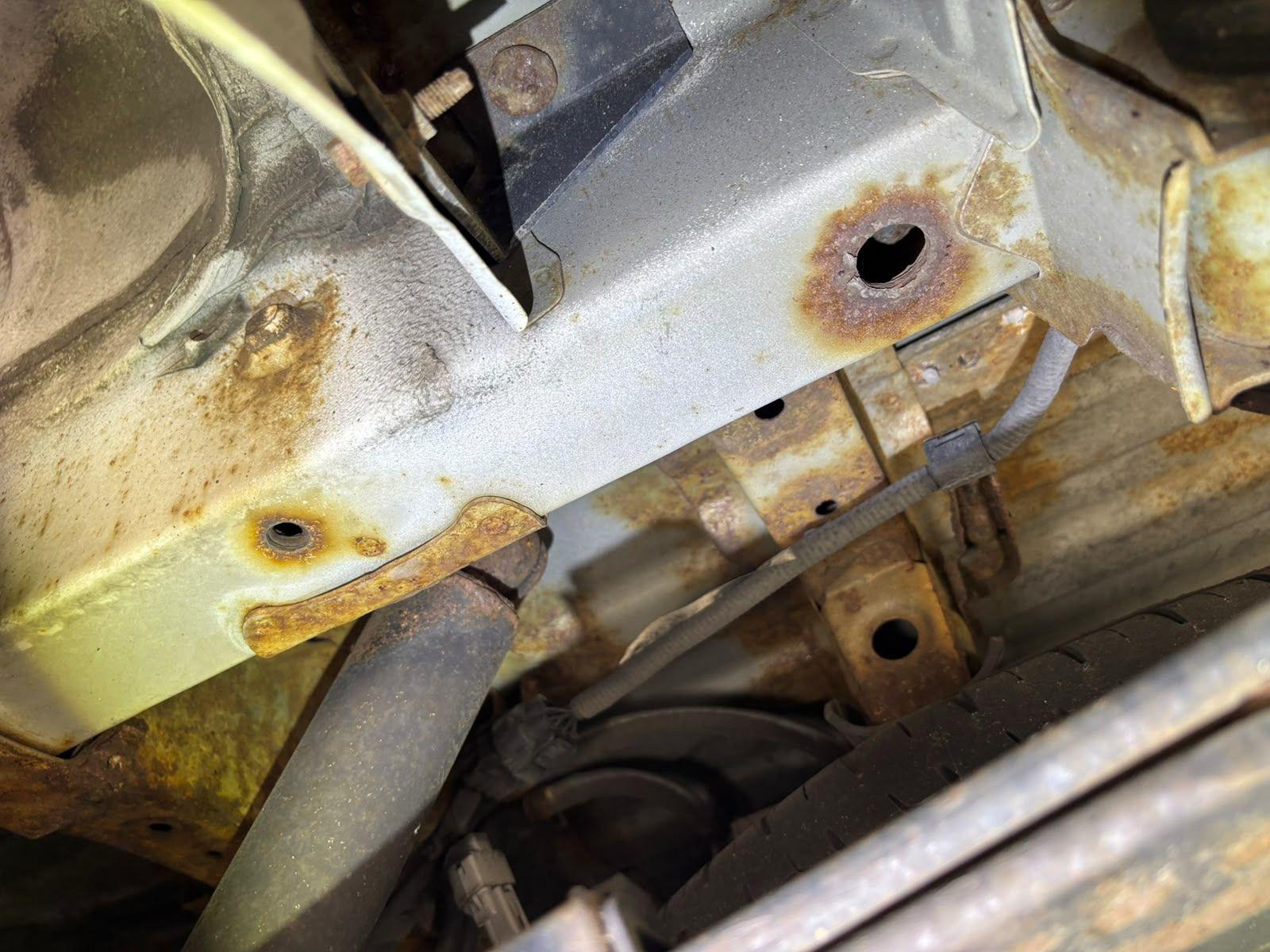
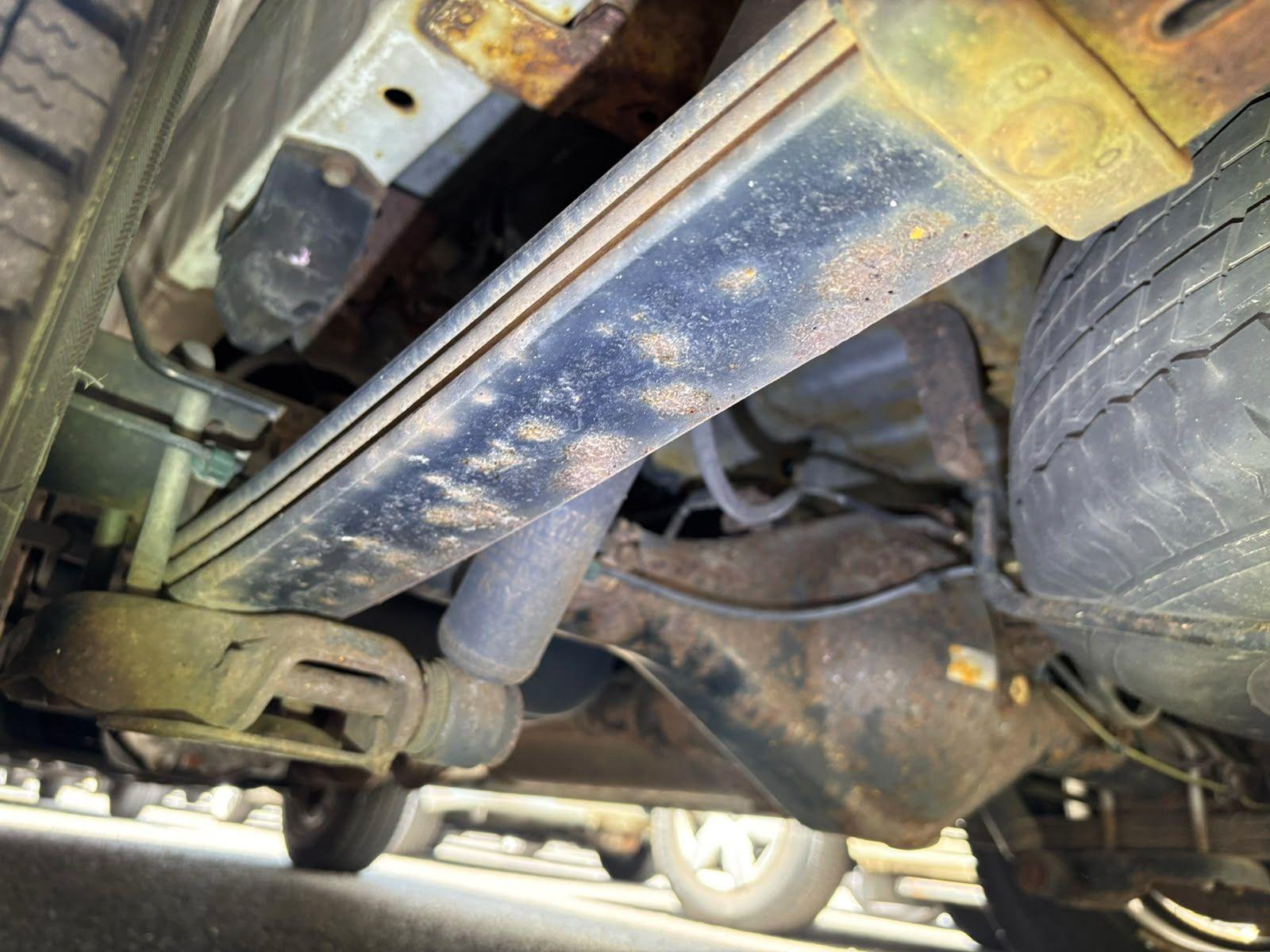
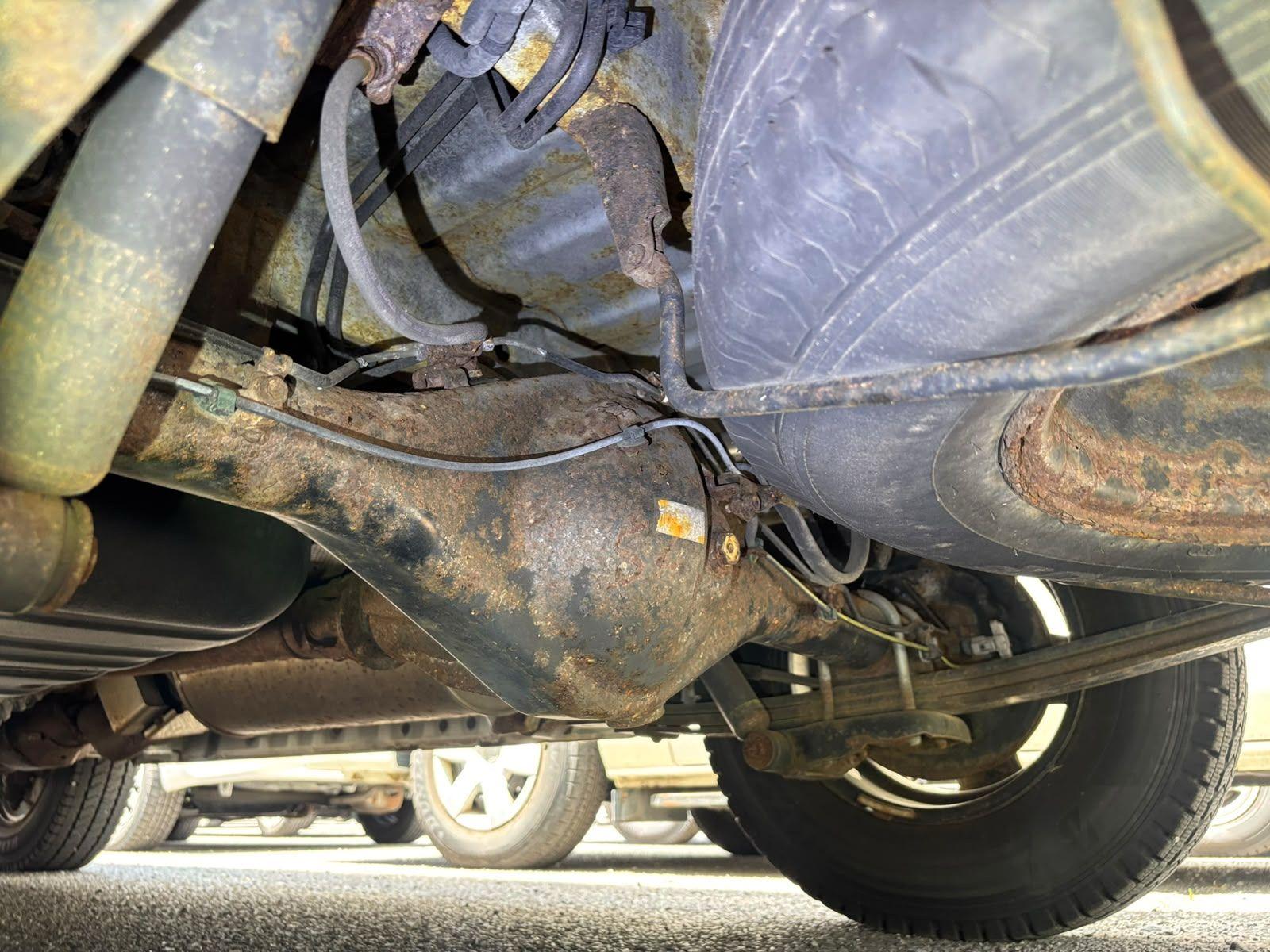
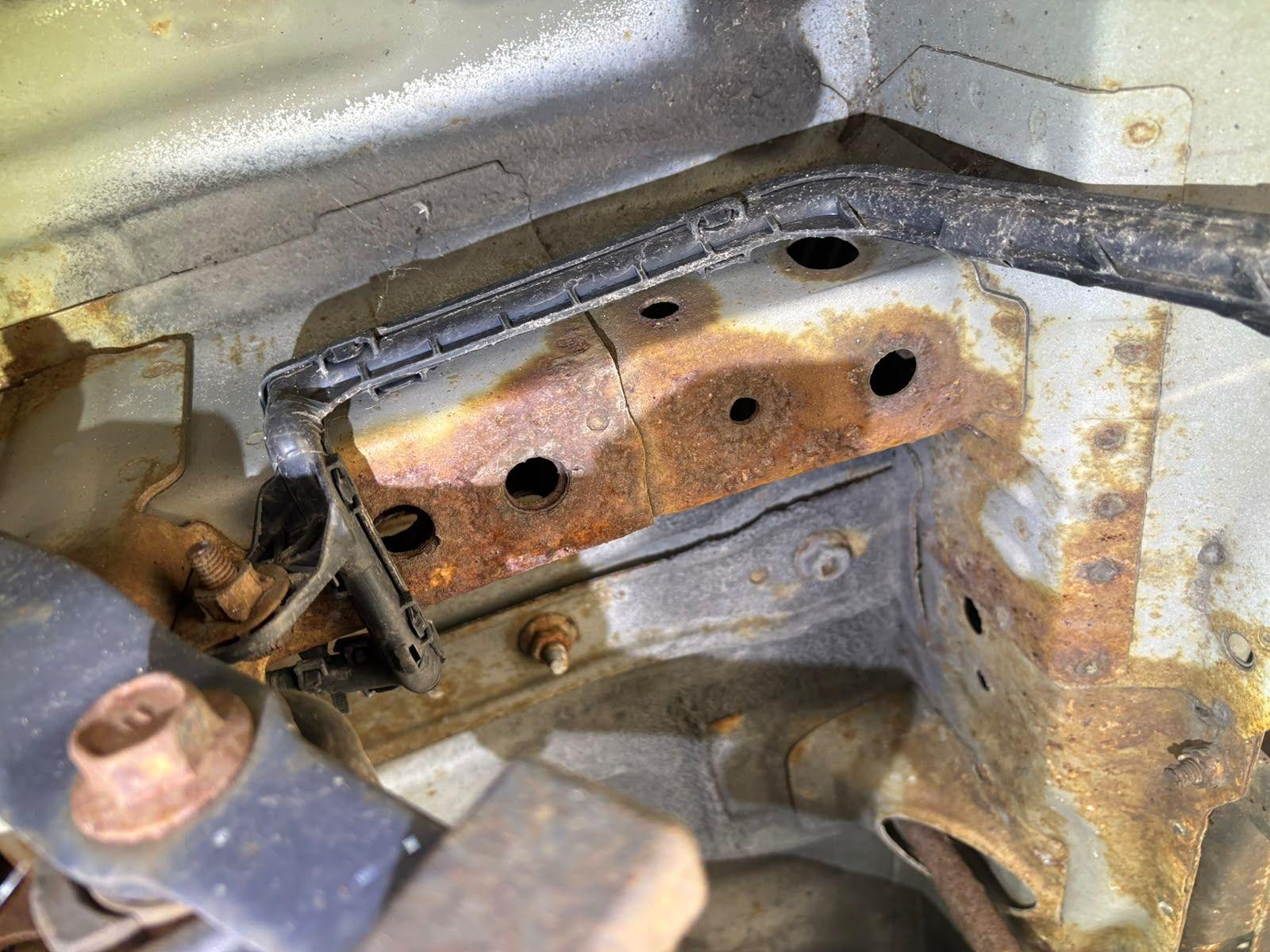
Kei trucks are working vehicles, so condition varies more than the age suggests. Rust on the chassis rails, cab floor, door sills and tray bed is the main thing to look for, especially on trucks from snowy regions where roads are salted. Read the auction sheet notes alongside the grade, and check that the 4WD engages. The Japan-side inspection covers these points before any final bid.
Want one that is already in Australia, with no auction wait?See Suzuki Carry in stock
After your deposit, our Japan-side team inspects the car in Japan and sends the real photos to your WhatsApp — before any bid is placed. You see the underbody, the hidden repairs, the real condition. You decide: bid or skip. Around that, we filter every vehicle for Australian import eligibility and show landed, complied pricing in AUD. You confirm. Then we bid.
Auction photos are taken to sell the car. Our Japan-side team photographs what they never show: underbody, rust, hidden repairs, interior condition. Don't like what we find? Skip — your deposit is refunded, or moves to your next car.
Every car filtered for Australian import eligibility
If it's on the page, it can come to Australia.
Bid in JPY, see landed & complied price in AUD
Know the approximate total cost before you commit.
Refundable deposit-first — no bid without your approval
Your deposit starts the inspection. It never places a bid on its own.
Track your bid, deposit and result in one portal
Every step visible, from deposit to auction result.
Choose an eligible auction car, enter your Bid in JPY, review the estimated landed and complied cost in AUD, place your bid deposit, and let Carbarn check the vehicle before final bid submission. No live bidding wars and no pressure — a clear, step-by-step process from deposit to result.
Choose an eligible auction vehicle
Enter your target bid in JPY
Place a refundable auction bid deposit
Carbarn reviews auction sheet, photos and Japan-side findings and confirms with you
Bid submitted and result updated
Auction photos and grades are useful, but they do not always show every defect. After your deposit, our Japan-side team inspects the car at the auction house and sends real photos — underbody, paint, interior — before any final bid is submitted.
Standard Japan auction
Carbarn adds on top
Carbarn shows an estimated landed and complied cost in AUD so customers can understand the approximate total import cost before bidding. If the Bid in JPY field is empty, the estimate uses Carbarn's benchmark. If the customer enters a Bid in JPY, the estimate updates live.
Cost component 1
Auction bid
Cost component 2
Japan/export costs
Cost component 3
Shipping and logistics
Cost component 4
Import duty/GST/LCT where applicable
Cost component 5
Compliance and local costs
Final cost confirmed at auction result + GST/LCT assessment
This page is designed for buyers who want to bid on vehicles in Japan auctions and bring them to Australia. Carbarn does not show every auction vehicle from Japan. The feed is filtered so customers see vehicles that match Australian import eligibility rules or need only limited confirmation before proceeding.
Not every Japanese auction car can be imported to Australia. Model code, build month, vehicle type, pathway and compliance rules matter before a bid is placed. Carbarn's system is designed to filter vehicles against Australian import eligibility before they are shown to customers.
A deposit is required before Carbarn proceeds with a bid instruction. If the customer does not win the auction, the deposit can be made available for another auction vehicle or refunded according to Carbarn's process.
After reviewing the vehicle and cost breakdown, the customer can place a bid deposit to secure the next step. Carbarn then checks the final vehicle details, auction sheet, import eligibility and available inspection/photo findings before final bid submission. If the vehicle should not proceed, the deposit can be moved to another suitable auction vehicle or refunded according to Carbarn policy and payment method rules.