


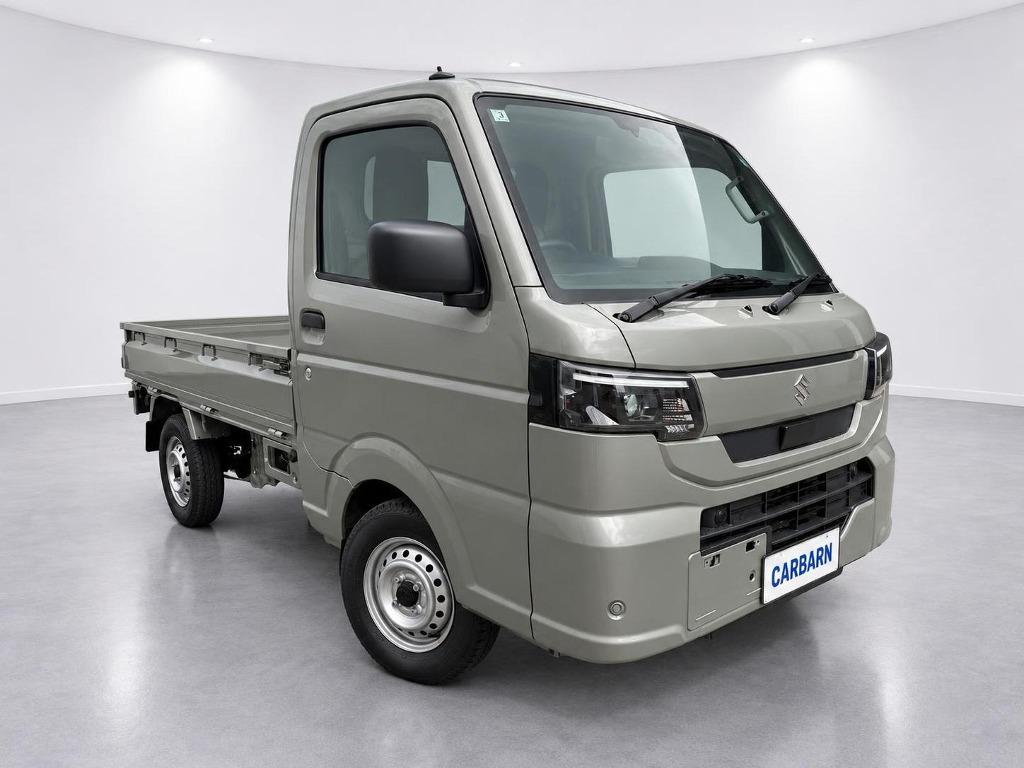


Is this Suzuki Carry the right one?
Carbarn's Sydney stock includes a single used Suzuki Carry at present. Its own record — odometer, drivetrain, documents and history — is the whole basis for judging it. Carbarn's Sydney team can walk through any of it on request, in person or over the phone.
Built for work, not for a commute
Used Suzuki Carry vehicles in this class are built around load, access and duty rather than comfort, and they are usually bought for a defined job. Payload, layout and the condition of working surfaces matter more than trim level. Carbarn's range widens the spread here beyond what the Australian market offered new.
What the listing records
Each used Suzuki Carry page records the vehicle's own specification rather than the model's. That distinction matters most at Carbarn, where configurations vary more than the Australian market ever offered new. It matters most at Carbarn, where two vehicles sharing a name can differ substantially.
Condition beats age
Two cars with the same badge and year can be completely different purchases, because how a vehicle was serviced and used matters more than when it was built. A well-serviced higher-kilometre example is often a better buy than a neglected low-kilometre one — the service history is what separates the two. Read the recorded details on each listing rather than judging by the year: they carry what was actually observed on the vehicle, from odometer and drivetrain to the model code that identifies the exact build. Deciding what the car needs to do first, then checking what each listing actually records, is a shorter path than comparing badges.
How to read a listing here
The listing is the source of truth here. Each one records the specific vehicle — its model code, engine, drivetrain and configuration — rather than the brochure version of its name, and the stock data always reflects what is listed right now. Shortlist by those recorded details: the code separates lookalike listings, the drivetrain field settles what a badge merely implies, and the vehicle page carries any service and preparation records that exist.
What 4WD adds — and costs
The value of four-wheel drive depends entirely on where the vehicle goes. Touring, sites, beaches and winter access justify the premium 4WD versions carry over their two-wheel-drive twins; sealed-road commuting does not. When comparing listings, trust the recorded drivetrain field over the name — the same model was routinely sold both ways — and expect the 4WD example of the same age to cost more, because the next buyer wants it too.
The case for petrol
Petrol is the default for a reason: simplest to own, cheapest to buy at the same age, serviceable anywhere, and well matched to the short, mixed driving most cars actually do. It gives ground to diesel on loaded highway work and to hybrids in heavy traffic — if neither describes the life the car will lead, petrol usually wins the value question. Confirm the exact engine from the listing's recorded code; one model name often hid several petrol setups.