



Ready to Hit the Road in Style?
Save money and reduce emissions with vehicles designed to deliver exceptional mileage. Visit our inventory and find a car that fits your lifestyle.
Ready to Hit the Road in Style?
Save money and reduce emissions with vehicles designed to deliver exceptional mileage. Visit our inventory and find a car that fits your lifestyle.
You have seen the listings. A used Mercedes-Benz S-Class asking the same money as a new small hatch, wearing a badge that once cost more than a house deposit. It looks like a bargain, and the driving experience genuinely is world-class. The catch sits in the running costs, not the sticker.
So the real question is not "can I afford to buy one?" It is "can I afford to keep one on the road?" This guide breaks that down honestly: what servicing actually costs, why the air suspension is the number every buyer should understand, and how the different variants, from the frugal hybrids to the plug-in S580e, compare once you own them.
Key Takeaways
- A Mercedes Service A starts from $500 to $700 and Service B from $800 to $1,200 at Australian dealers (Euro Motorsport, 2026); an independent specialist can trim 30 to 50% off that.
- AIRMATIC air springs last roughly 80,000 to 150,000 km, and catching a leak early can be the difference between a $1,200 repair and a $3,000-plus one (Foreign Automotive (Canada), 2026).
- The petrol V6 hybrids (S400) are the value pick; the plug-in S580e is the efficiency play, rated 0.6 to 1.0 L/100km on the WLTP charge-depleting cycle (auto-data.net).
- Buy on condition and service history, not on badge or year. A well-kept later car beats a cheap early one.
What Makes an S-Class Cost More to Own?
An S-Class costs more because it is a flagship, and flagships carry the newest technology first. Air suspension, twin-turbo engines, active safety hardware and complex electronics all cost more to maintain than the equivalent parts on a mainstream sedan. Depreciation does the heavy lifting on the purchase price, but the running costs stay premium.
The good news is that most of those costs are predictable. Scheduled servicing follows a fixed pattern. Tyres, brakes and consumables are known quantities. The genuinely variable cost, the one that catches owners out, is AIRMATIC — Mercedes-Benz's air suspension system that replaces conventional steel springs with air-filled struts and a central compressor to adjust ride height automatically. Understand that single system and you understand most of the risk in owning one of these cars.
A smart-buying angle matters here. These sedans lose value fast in their first years, which is exactly why a used example makes sense. You let the first owner absorb the depreciation, then buy on condition. For a deeper look at the W222 as a car, our guide to the 2014 S-Class and its luxury, safety and innovation covers the ownership experience in more detail.
What Will You Pay to Service a Used S-Class?
A Mercedes Service A starts from $500 to $700 at Australian dealerships and Service B from $800 to $1,200, according to Melbourne specialist Euro Motorsport (2026). The two alternate year to year: Service A is the lighter interim visit, Service B the larger one with more fluids and filters. Neither figure is an average, they are dealer "from" prices, so a well-optioned car can sit higher.
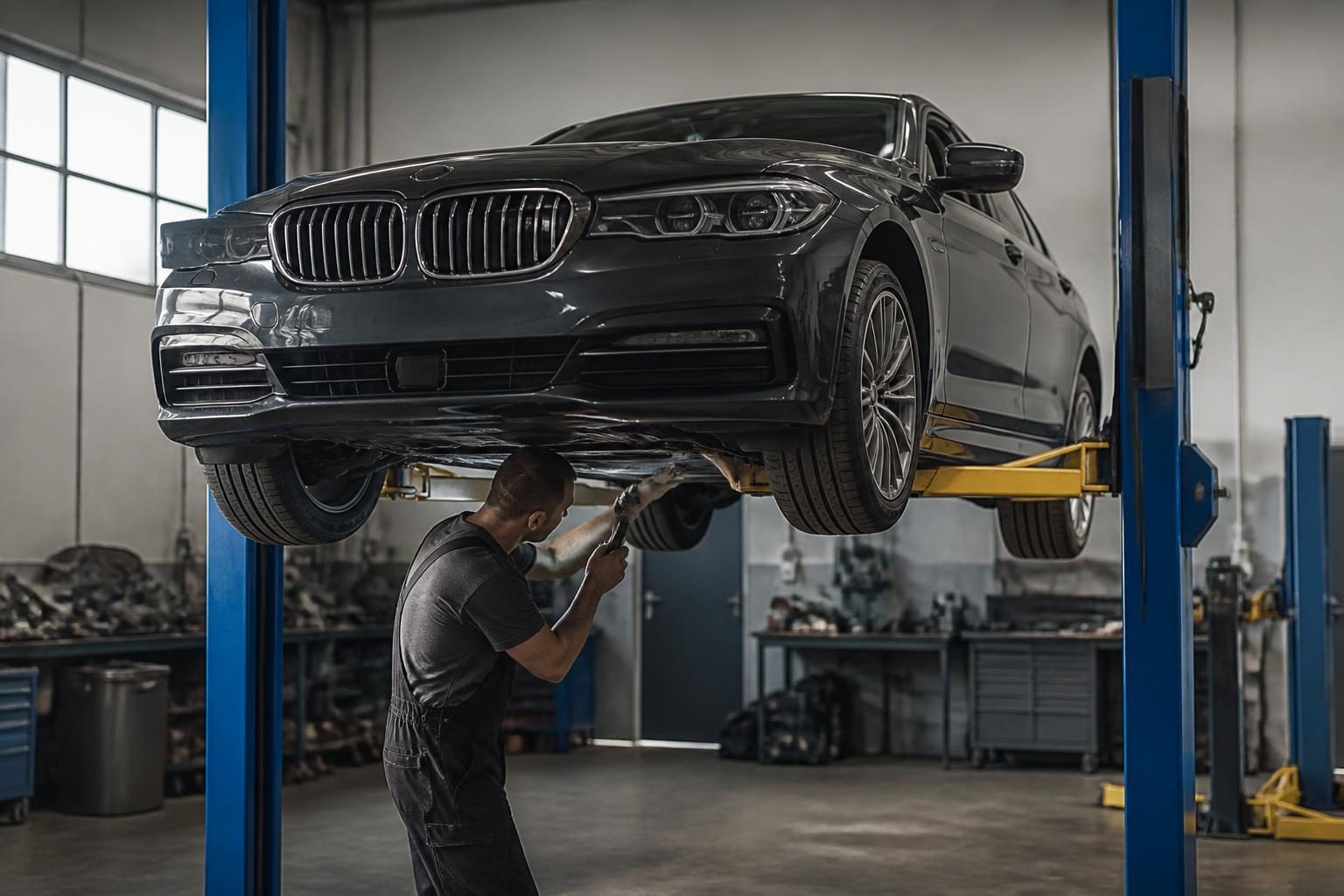 A mechanic services a dark luxury sedan on a hoist in a tidy garage.
Here is where owners save real money. A qualified independent Mercedes specialist typically charges 30 to 50% less than a franchised dealer for the same logbook service (StarTech Prestige, 2026). On a Service B, that gap can be several hundred dollars. Australian Consumer Law protects your rights regardless of who does the work, provided the servicing follows the schedule and uses correct parts, so you are not forced into a dealer to keep the car healthy.
The practical takeaway: once a car is out of factory warranty, a trusted independent is usually the sensible home for it. Keep every receipt and stamp the book, and the service history protects your resale value down the track.
Is AIRMATIC Suspension the Big Cost Risk?
Yes, and it is worth understanding before you buy. AIRMATIC air springs last roughly 80,000 to 150,000 km, with heat and rough roads speeding up wear. A single failed spring can cost $800 to $1,500 at an independent workshop or $2,000 to $3,000 at a dealer (Foreign Automotive (Canada), 2026). These are international indicative figures, not fixed Australian quotes, but the pattern holds locally.
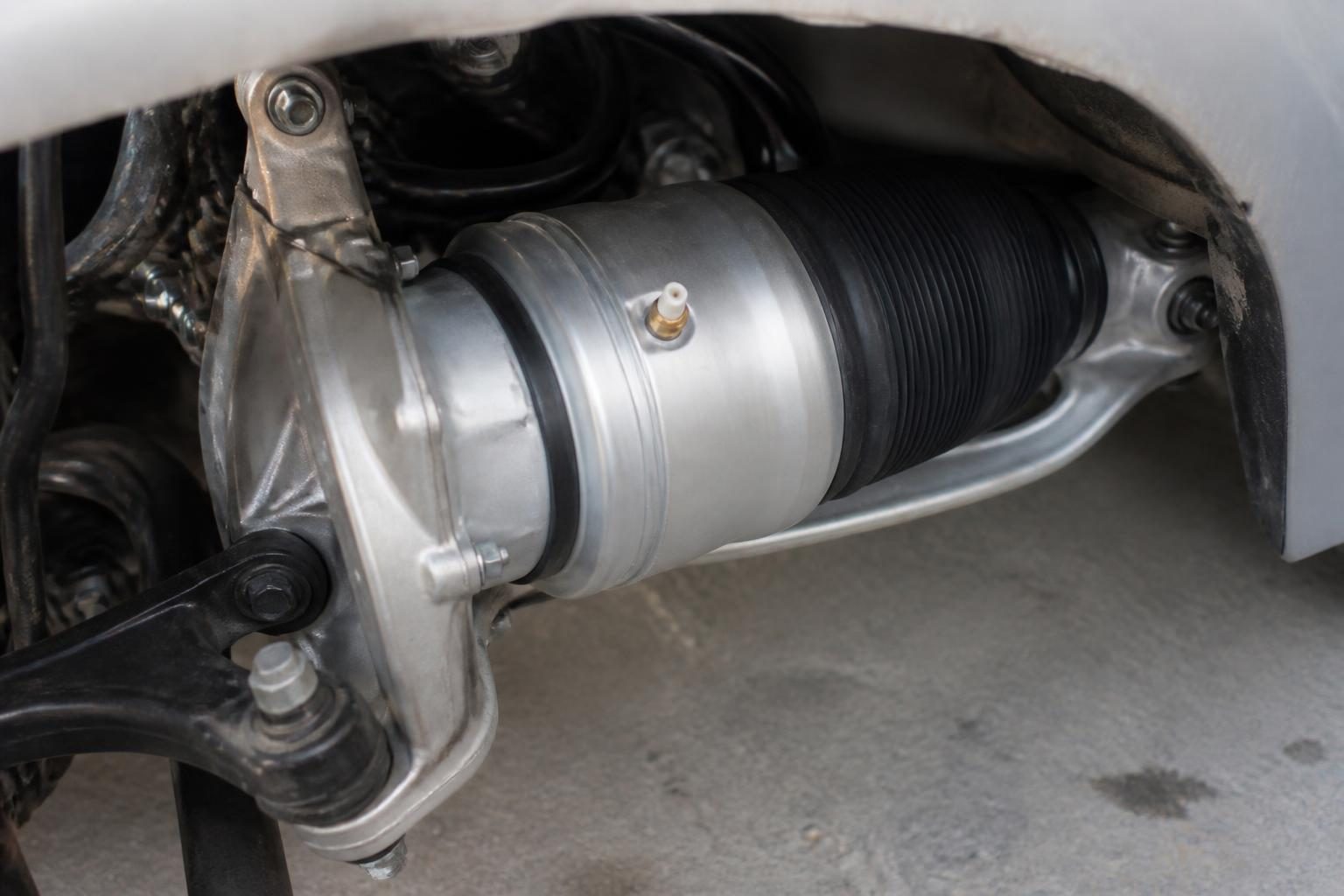 Air suspension strut assembly mounted in a vehicle suspension, showing the air valve port.
The reason it matters is escalation. A leaking air spring makes the compressor run constantly, which overheats it and can burn it out. Catch the spring early, around $1,200, and you avoid a chain reaction that pushes past $3,000 once the compressor fails too (Foreign Automotive (Canada), 2026). A full system overhaul can run $3,500 to $6,000 at an independent. That is the worst case, not the norm, but it is why a pre-purchase inspection is non-negotiable.
What to do about it is simple. Before you buy, have a specialist check that the suspension holds its ride height overnight, and listen for a compressor that cycles too often. Earlier W222 (Mercedes-Benz's S-Class built from 2013 to 2020) builds from 2014 to 2016 are the most likely to need attention now, purely on age and kilometres. A clean bill of health here is worth more than any option box.
Which S-Class Variant Suits Your Budget?
The variant you choose changes the running-cost picture more than the year does. The petrol V6 hybrids sip fuel for a big sedan. The plug-in S580e can barely touch petrol on a short commute. The AMG sits at the top of every cost column. Verified fuel figures below use the cycle each maker quoted — WLTP (Worldwide Harmonised Light Vehicle Test Procedure) is the current EU/AU test cycle, replacing the older NEDC (New European Driving Cycle), whose figures tend to be optimistic against real-world use — so read the labels carefully.
| Variant | Generation | Engine | Drive | Fuel (official) |
|---|---|---|---|---|
| S350 | W222 (2017–2020) | 3.0L turbo I6 petrol | RWD | Not published* |
| S400 / S400H | W222 (2013–2017) | 3.5L V6 petrol hybrid | RWD/2WD | 6.3–6.8 L/100km (NEDC) |
| S450 / S450h | W222 (2017–2020) | 3.0L I6 + 48V EQ Boost | RWD/2WD | Not published* |
| S580e | W223 (2021–2025) | 3.0L I6 PHEV, 510hp system | 2WD | 0.6–1.0 L/100km (WLTP) |
| S63 AMG | W223 (2022–2026) | 4.0L V8 twin-turbo PHEV | AWD | Not published* |
*Mercedes-Benz did not publish official fuel economy figures for these variants in Australia. For any available international cycle figures, see auto-data.net.
Fuel figures from auto-data.net. NEDC and WLTP are different test cycles and are not directly comparable, so treat the S580e number as a plug-in cycle result, not a like-for-like against the V6.
Mercedes-Benz S-Class (S400H)
The 2014 S400H is the value sweet spot of the W222 range and one of the tidiest examples you can buy already in Australia. This white sedan carries just 26,669 km, seats five, and pairs Mercedes' 3.5L V6 petrol engine with an electric motor for smooth, quiet progress. At that mileage it presents close to showroom condition.
 2014 Mercedes-Benz S-Class (S400H)
The V6 hybrid is rated 6.3 to 6.8 L/100km on the NEDC cycle (auto-data.net), which is remarkable economy for a car this size and weight. The trade-off is age: even at low kilometres, a 2014 car sits in the window where an AIRMATIC inspection matters. Treat the suspension check as part of the deal, not an afterthought. Buy this one right and the running costs are as gentle as an S-Class gets.
Mercedes-Benz S-Class (S400 Hybrid)
The S400 Hybrid is the same clever petrol-electric drivetrain in a more real-world ownership state. This silver 2014 example shows 43,747 km over 12 years — exceptionally low, consistent with Japanese ownership patterns, making it a useful benchmark for what ongoing costs actually look like.
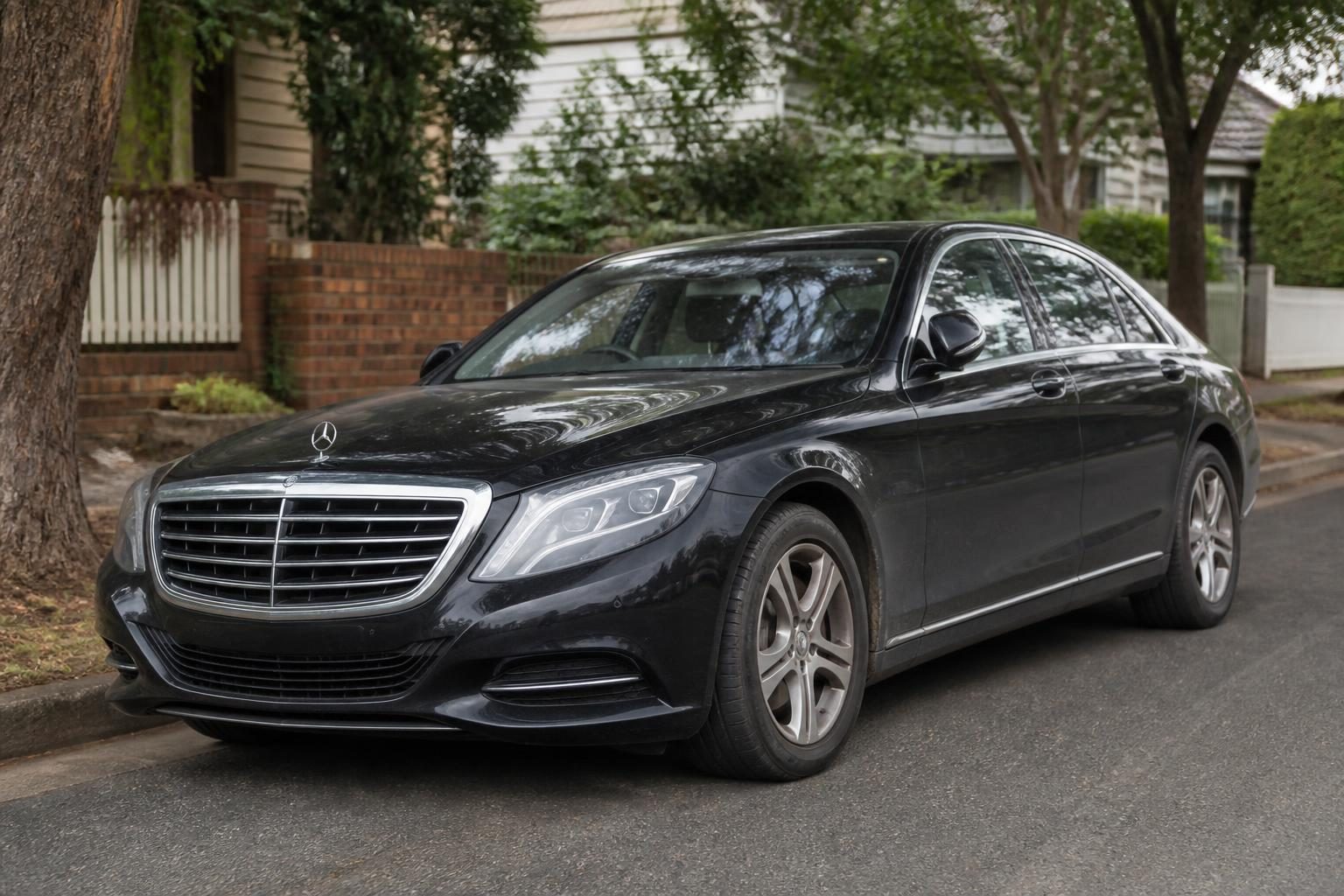 2014 Mercedes-Benz S-Class (S400 Hybrid)
Mechanically it mirrors the S400H: 3.5L V6 petrol hybrid, rear-wheel drive, five seats, and that 6.3 to 6.8 L/100km NEDC economy (auto-data.net). At this mileage the hybrid system is mid-life and the car is due for regular Service B intervals, so a documented service book and a healthy suspension are the two things to confirm before you commit. Get both and it is a genuinely sensible large sedan to run.
Mercedes-Benz S350
The Mercedes-Benz S350 is the entry point to the later facelifted W222 and a Japan-sourced variant available to order. Built between 2017 and 2020, it runs a 3.0L turbocharged inline-six petrol engine driving the rear wheels through an automatic gearbox. The inline-six runs without hybrid assistance or AMG tuning, which keeps the drivetrain uncomplicated and the service schedule predictable.
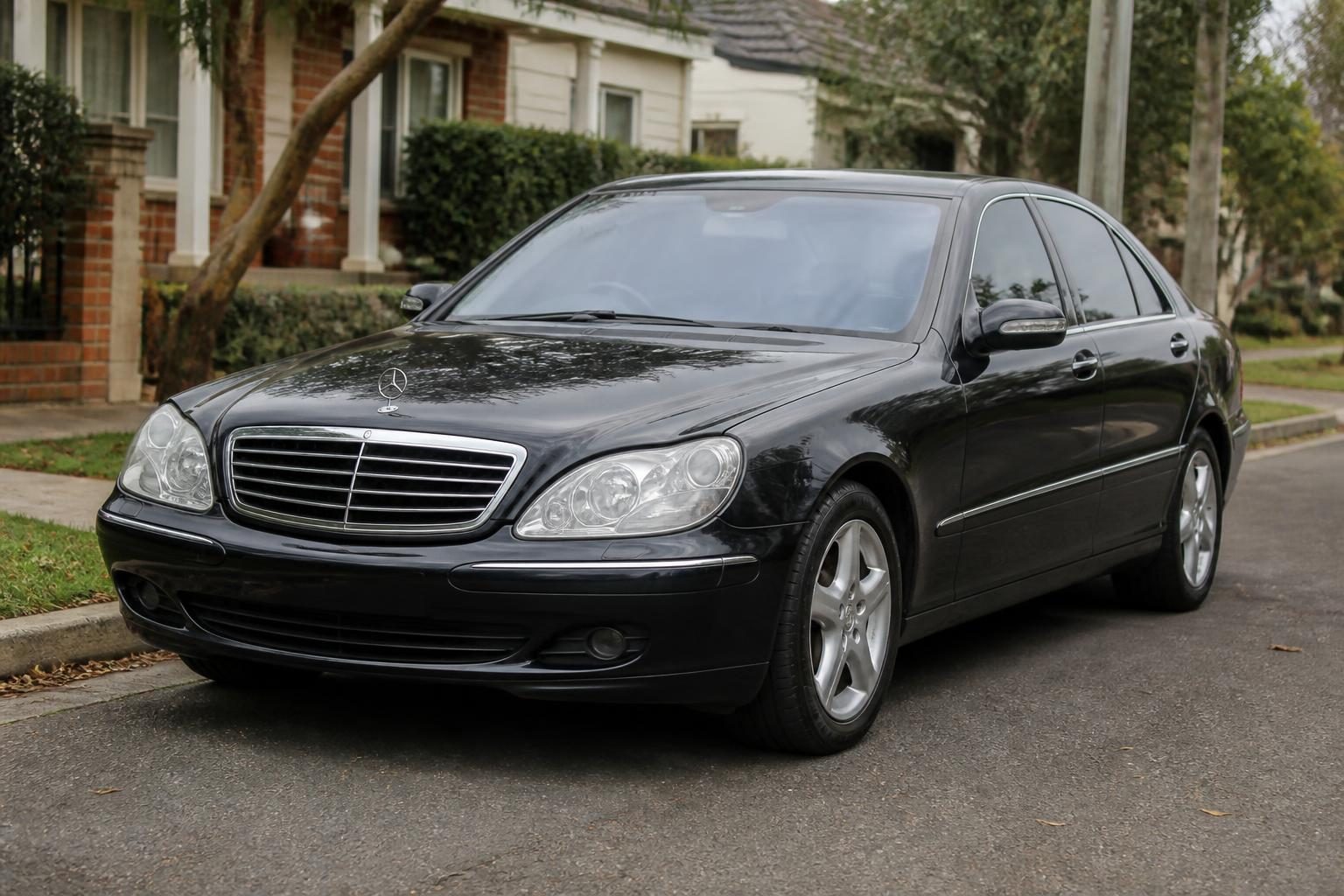 Mercedes-Benz S350
Because it skips the plug-in and AMG hardware, the S350 keeps servicing straightforward while still delivering the full S-Class cabin and ride. It qualifies for import under the SEVS (Specialist and Enthusiast Vehicle Scheme) Performance Criterion (approval SEV-000576) — Australia's import pathway for vehicles not originally sold here in volume — covering builds from June 2017 to December 2020. If you want the updated 2017 facelift interior and refined inline-six smoothness without the running-cost weight of the top variants, the S350 makes a lot of sense.
Mercedes-Benz S400
The Mercedes-Benz S400 is the Japan-sourced version of the early W222 petrol hybrid, and it is the variant we would point most budget-minded buyers toward. Built from 2013 to 2017, it uses the 3.5L V6 petrol hybrid driveline and rear-wheel drive, the same proven combination as the Australian-delivered cars above.
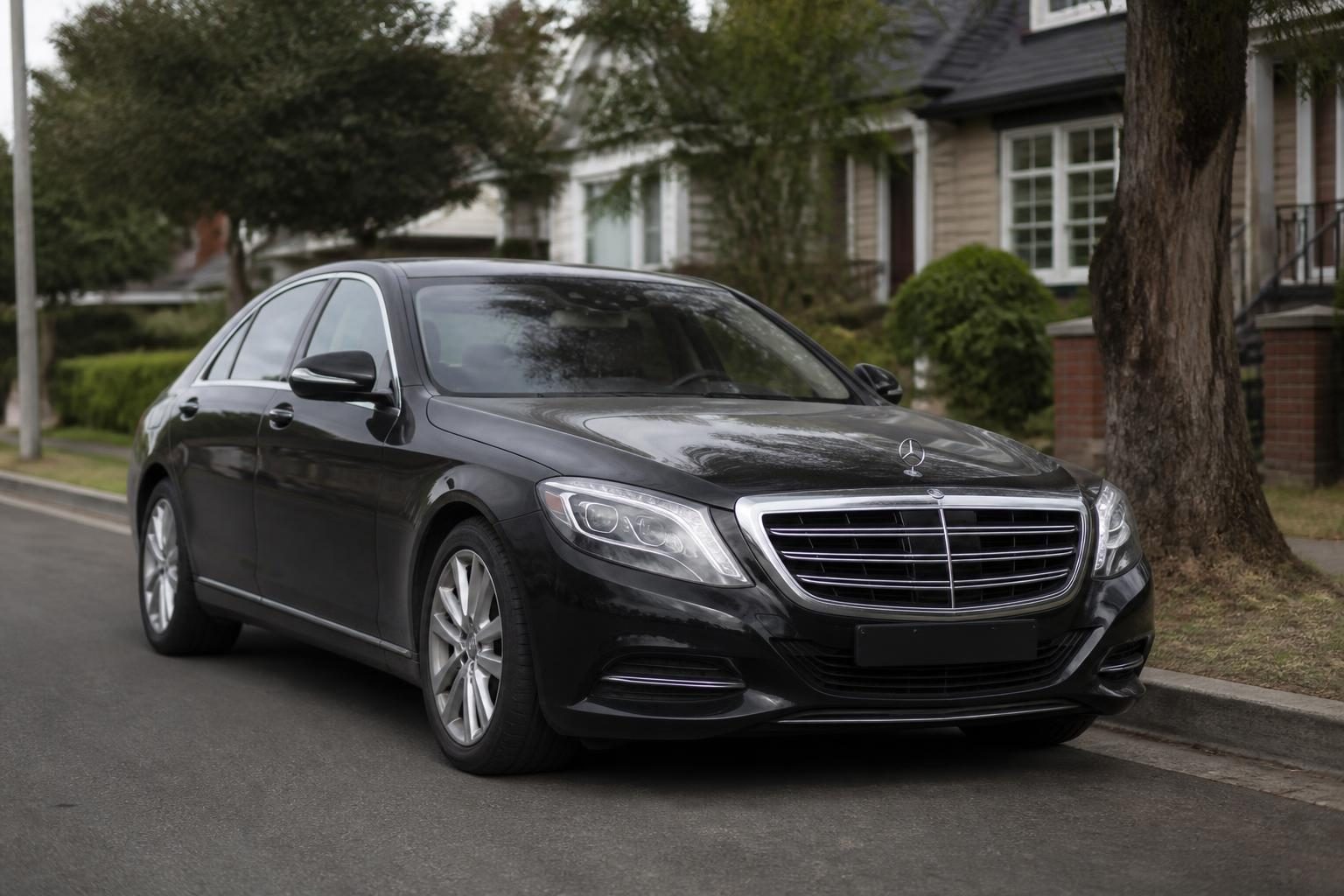 Mercedes-Benz S400
Its appeal is efficiency without complexity: 6.3 to 6.8 L/100km on the NEDC cycle (auto-data.net) from a full-size luxury sedan. It is approved for import on the SEVS Environmental Criterion (SEV-000683), reflecting that fuel-economy edge over comparable cars sold here in volume. For anyone who wants the S-Class experience with the lowest realistic fuel bill from an older car, this is the pick.
Mercedes-Benz S400h
The Mercedes-Benz S400h is the hybrid-badged sibling from the same 2013 to 2017 build window, offered here as a Japan-sourced order. It runs the V6 petrol-electric drivetrain through an automatic gearbox, delivering the near-silent low-speed running that makes these cars feel special in traffic.
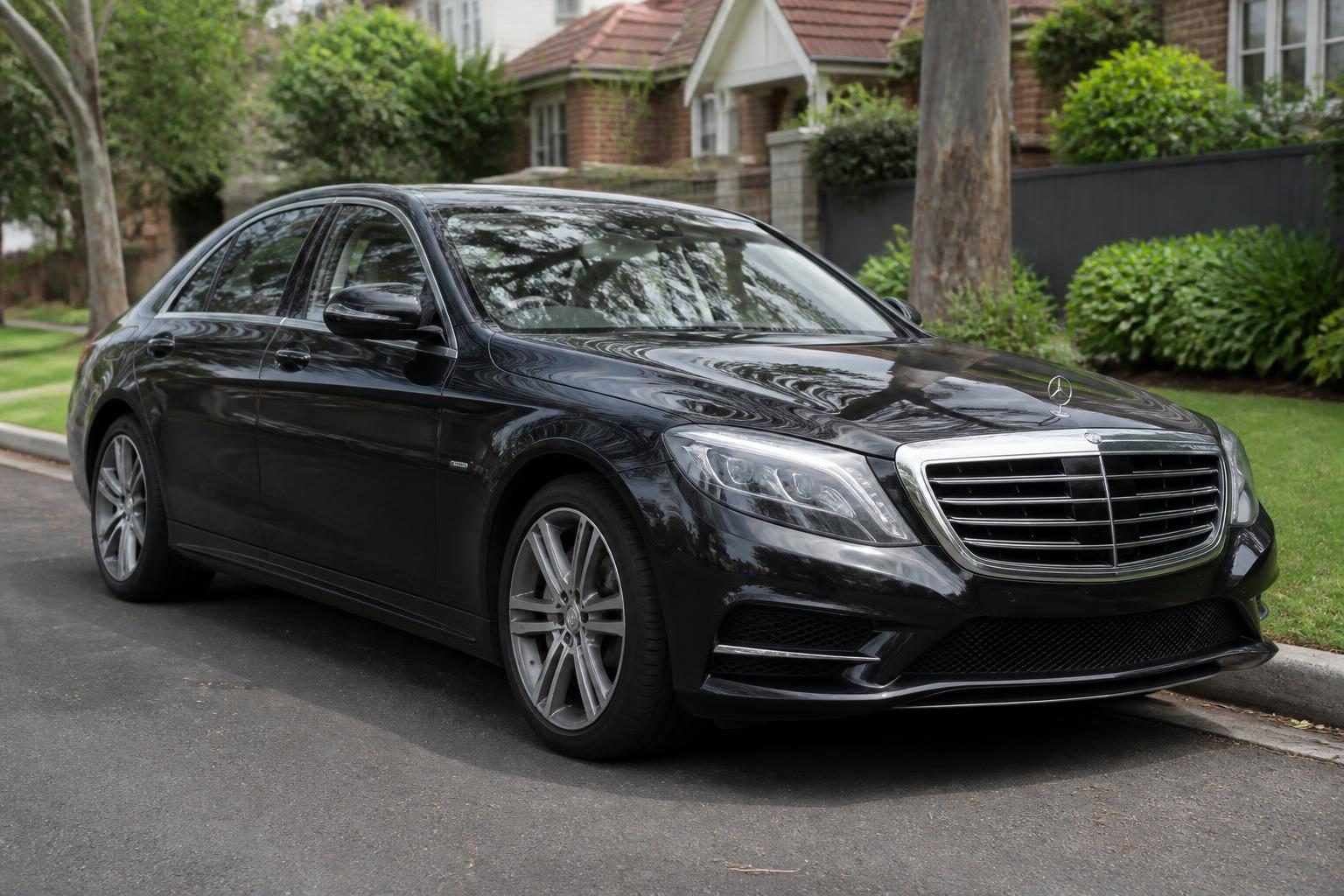 Mercedes-Benz S400h
Mechanically it is close to the S400, so the ownership story is much the same: modest fuel use for the size, and the usual pre-purchase focus on suspension and service history. It carries SEVS import eligibility on the Performance Criterion. If you are cross-shopping early W222 hybrids, the S400 and S400h are effectively two doors into the same well-judged, economical package.
Mercedes-Benz S450
The Mercedes-Benz S450 steps up to the facelifted 2017 to 2020 W222 and its modern inline-six architecture. This Japan-sourced variant pairs the 3.0L six with Mercedes-Benz's EQ Boost 48-volt mild-hybrid system — a belt-driven starter-generator that adds a small electric assist to smooth stop-start driving and reduce fuel consumption — driving the rear wheels.
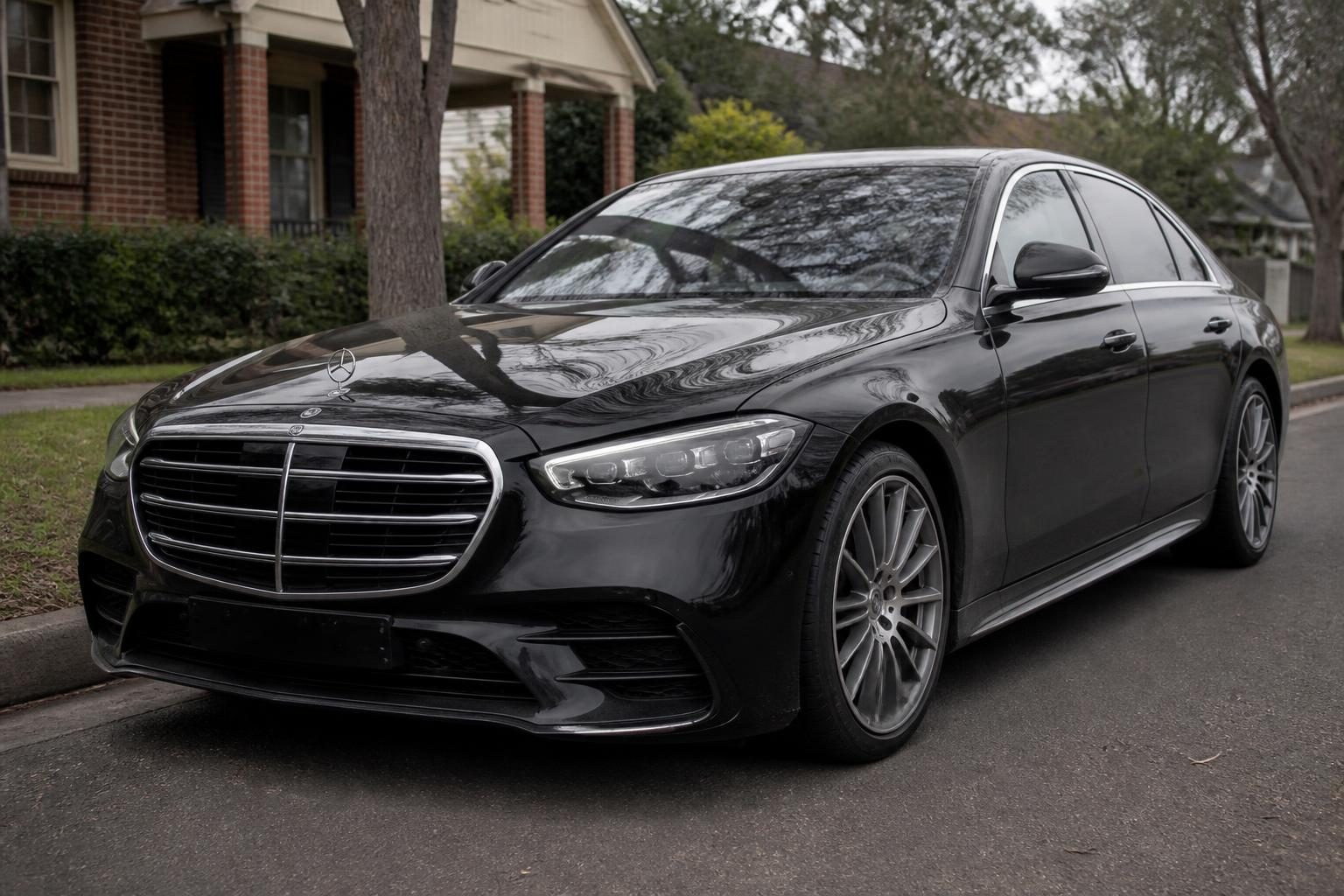 Mercedes-Benz S450
The reward here is refinement and the newer cabin, with more power on tap than the S350 for a similar core running-cost profile. It is import-approved on the SEVS Environmental Criterion (SEV-000712) for builds between June 2017 and December 2020. The S450 suits a buyer who wants the later-generation interior and the effortless inline-six delivery, and is happy to pay a little more at service time for the extra hardware.
Mercedes-Benz S450h
The Mercedes-Benz S450h is the performance-criterion version of the facelifted inline-six car, available to order from Japan. Built from 2017 to 2020, it uses the 3.0L I6 driveline through an automatic gearbox, blending the newer W222's polish with the assured, torque-rich feel of the six.
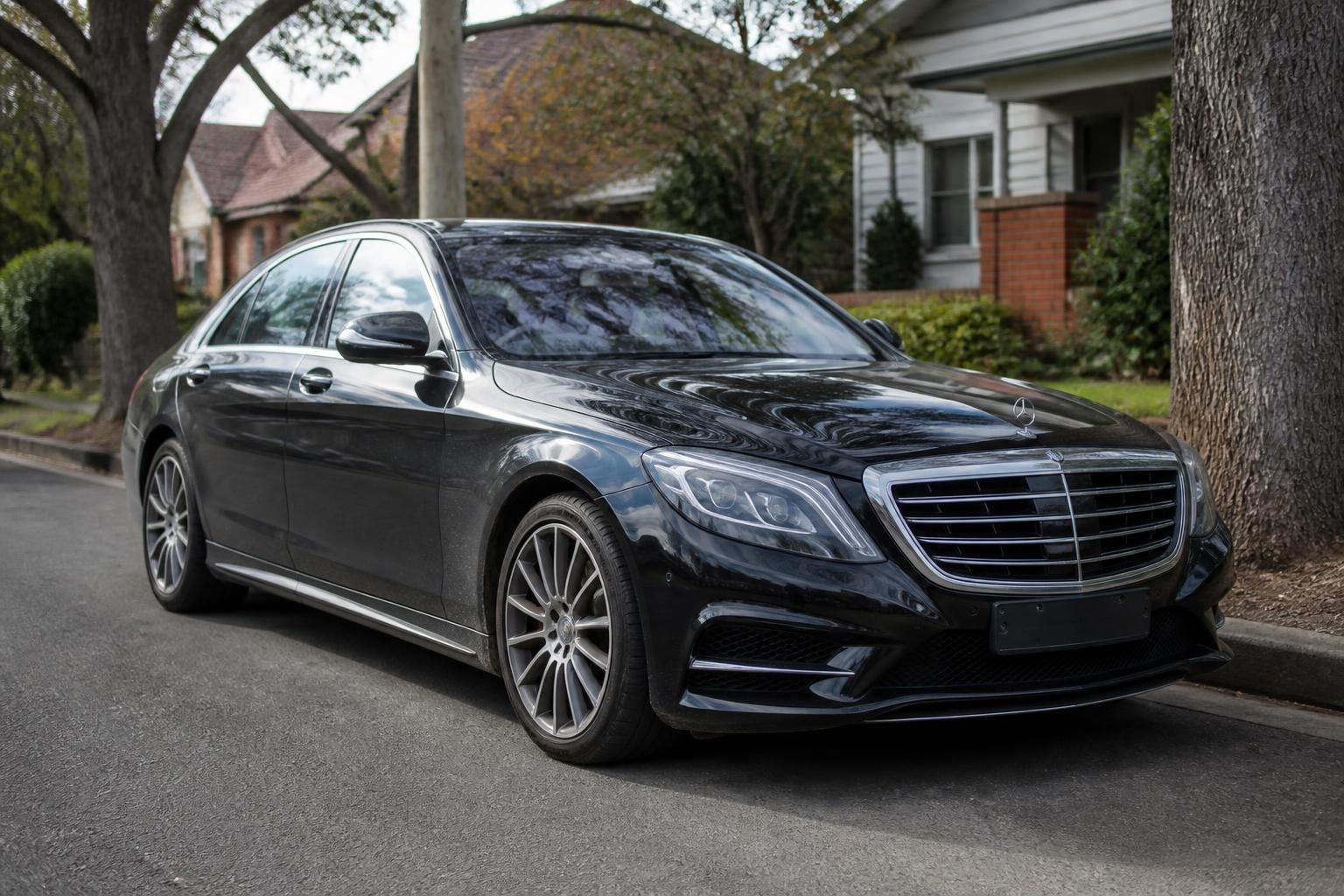 Mercedes-Benz S450h
As with the other later cars, the running costs track the added complexity: more electronics and 48-volt hardware mean a specialist is your friend once warranty ends. It holds SEVS import approval on the Performance Criterion. For buyers who want the freshest W222 driving experience short of the flagship engines, the S450h is a strong option, provided the pre-purchase inspection comes back clean.
Mercedes-Benz S580e
The Mercedes-Benz S580e is the current-shape W223 (Mercedes-Benz's S-Class generation from 2021 onward) PHEV — a plug-in hybrid electric vehicle that combines a combustion engine with a large battery charged from the grid — and it is the one that rewrites the fuel maths. Its 3.0L inline-six petrol system produces a combined 510hp, seats five, and is rated 0.6 to 1.0 L/100km on the WLTP charge-depleting cycle (auto-data.net). That figure assumes you keep the battery charged.
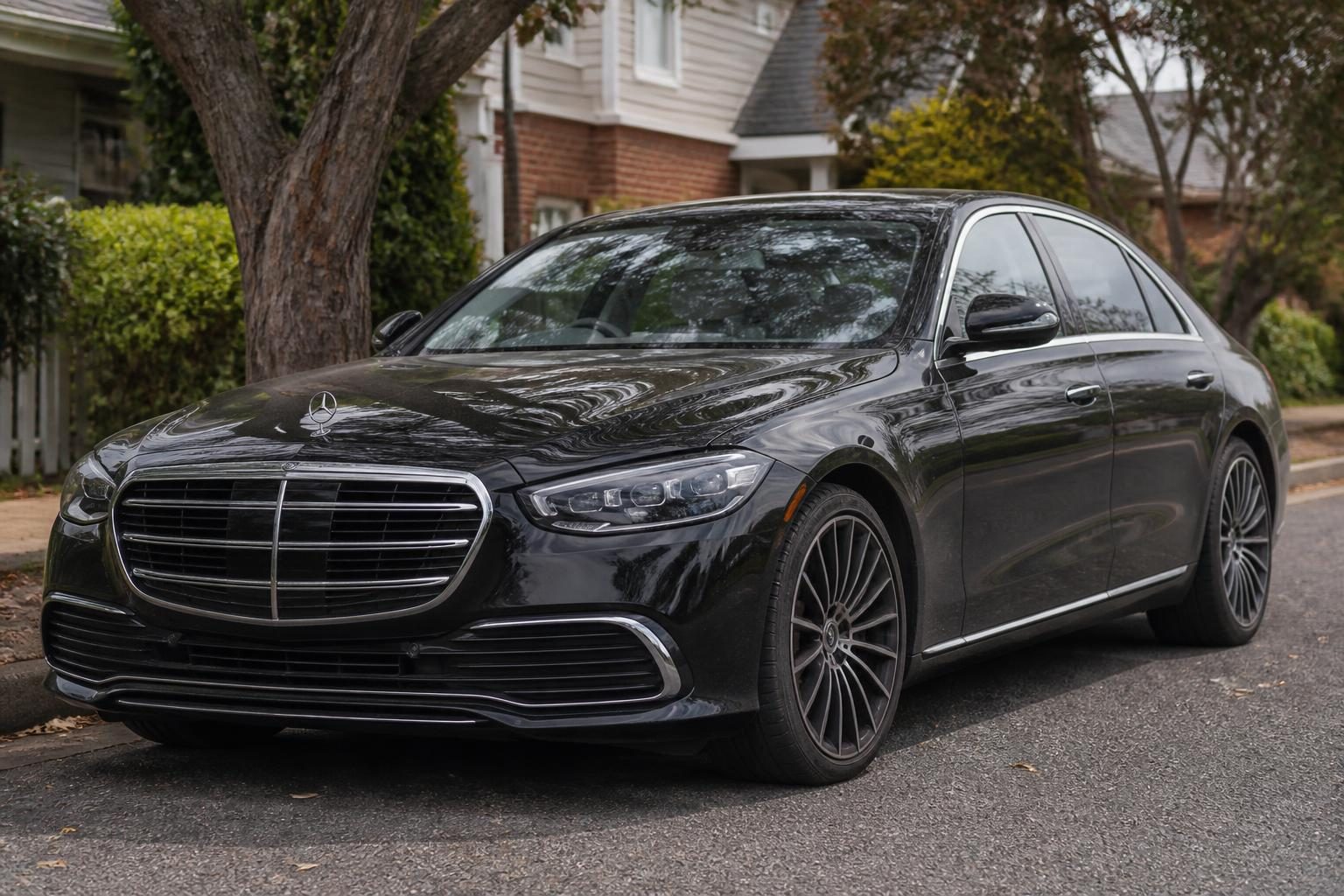 Mercedes-Benz S580e
With a 28.6 kWh battery and a WLTP electric-only range of 94 to 113 km, most Australian commutes can run on electricity alone, with petrol held in reserve for longer trips (auto-data.net). That is the real cost story: if you have home charging, day-to-day fuel spend on this car can be close to nothing. It qualifies for import on the SEVS Environmental Criterion (SEV-000528, valid until 28 September 2026). The trade-off is newer, more complex technology, so it is a car to buy with eyes open on future repair costs.
Mercedes-Benz S63 AMG
The Mercedes-Benz S63 AMG is the flagship, and it is here for completeness rather than as a value recommendation. This W223 performance model uses a 4.0L V8 twin-turbo plug-in hybrid driving all four wheels through an automatic gearbox, combining supercar pace with limousine comfort.
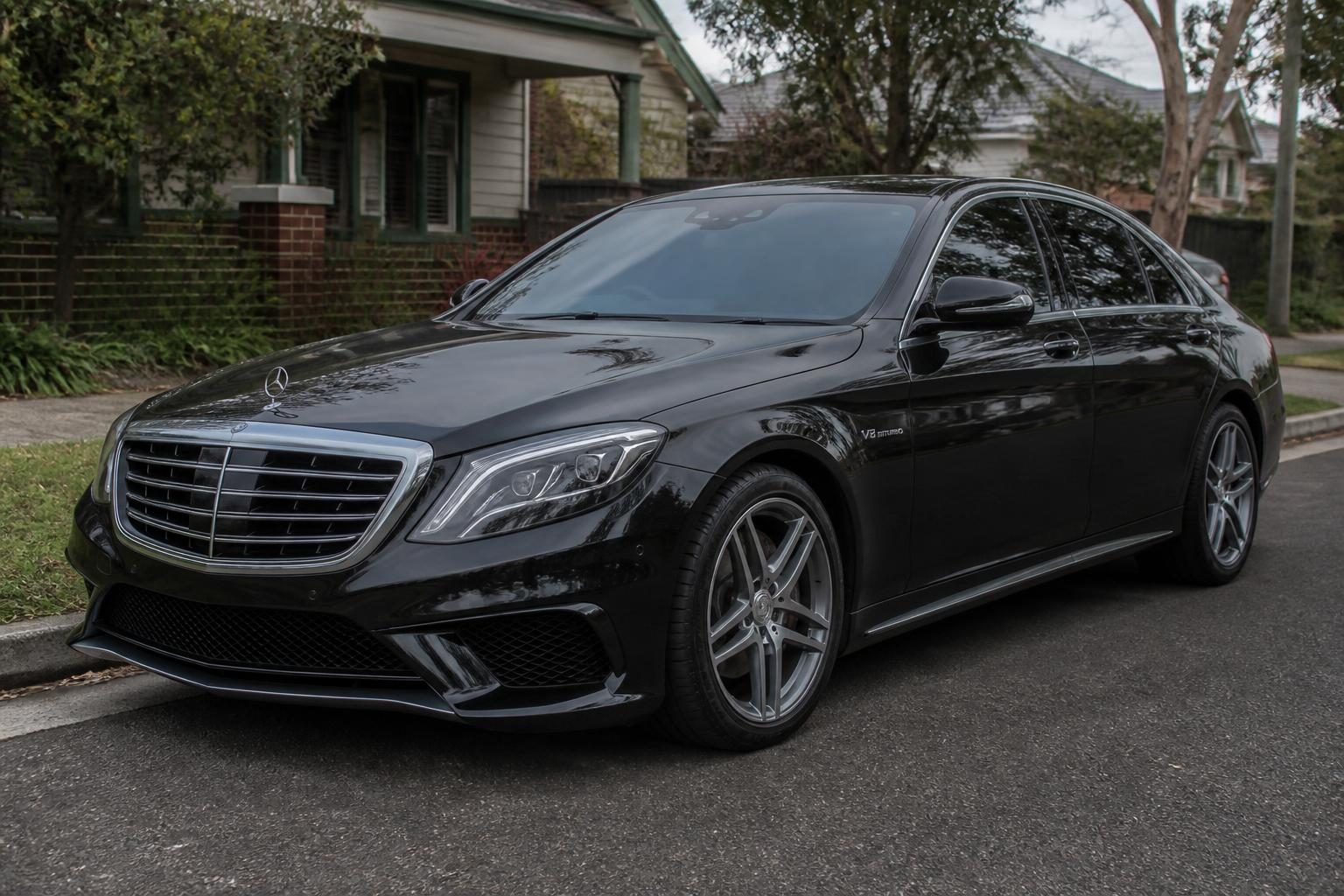 Mercedes-Benz S63 AMG
Expect the highest running costs of the range: AMG-grade servicing, premium fuel appetite when driven hard, heavier brake and tyre wear, and the same air-suspension considerations as every other S-Class. It is import-eligible under the SEVS Environmental Criterion for 2022 to 2026 builds. If outright performance matters as much as luxury and the running costs are a secondary concern, the S63 is the ceiling. For a cost-first buyer, it is not the fit.
Which Used S-Class Is Right for You?
For most buyers, the early V6 petrol hybrids, the S400 and S400H, are the smartest balance of cost and comfort. They sip fuel for their size, the drivetrain is well proven, and the earlier cars carry the lowest purchase price. Buy the best-maintained example you can find and budget for a suspension check.
If you have off-street parking and a home charger, the S580e changes the calculation entirely. Short daily trips can run on electricity, so your fuel cost collapses while you still get the newest cabin and quietest ride. It rewards a settled commuting pattern more than occasional use.
Who is it not right for? Anyone chasing the lowest possible total running cost should skip the S63 AMG, and anyone without the discipline to keep a plug-in charged will not see the S580e's numbers. And nobody, in any variant, should buy one without a pre-purchase inspection. On these cars, condition beats badge every time.
Importing and Buying Your S-Class Through Carbarn
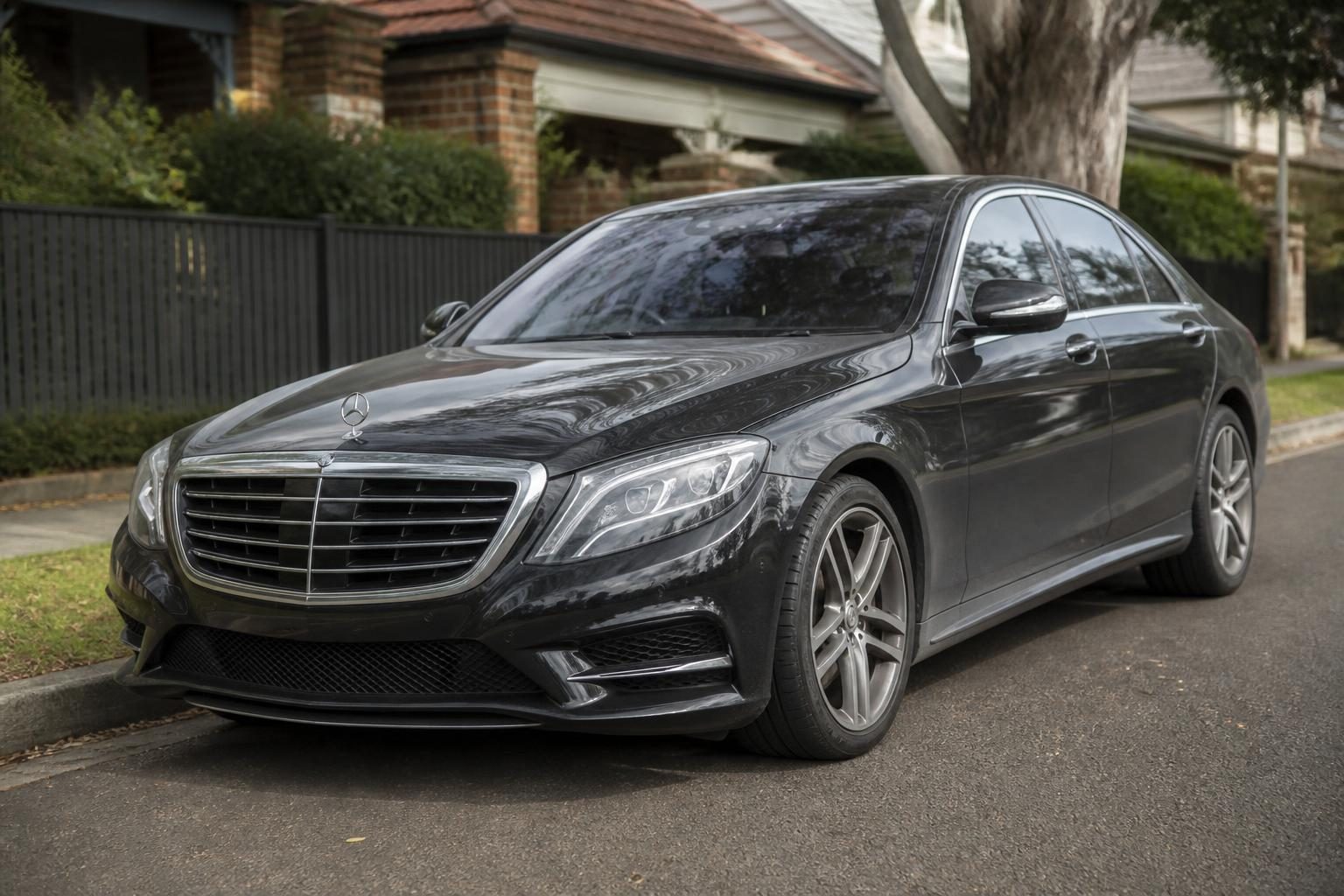
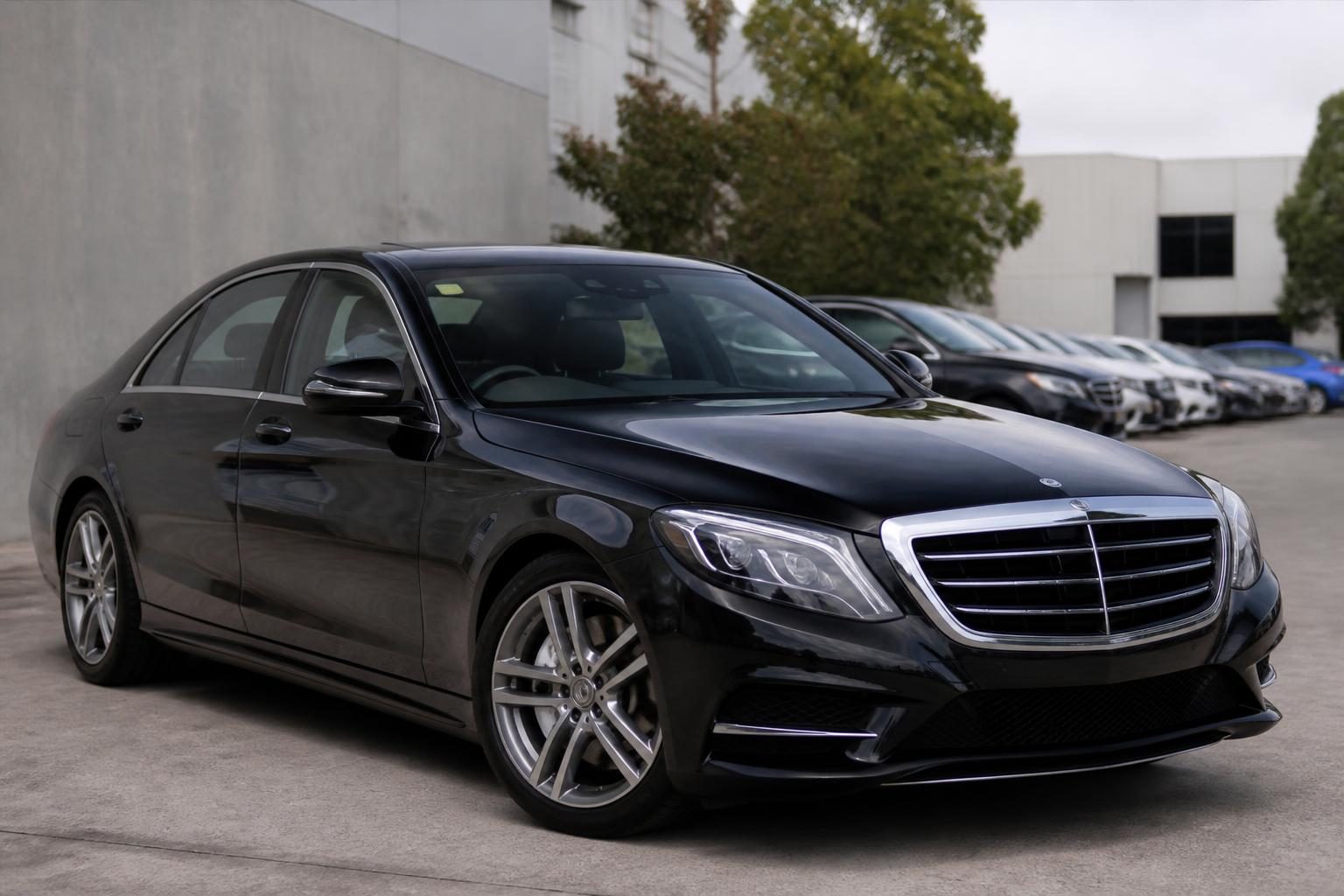 Black Mercedes-Benz S-Class sedan parked on a dealership forecourt.
Carbarn can help if a particular variant appeals. The Sydney-based warehouse holds compliance-ready W222 examples you can inspect in person, including the low-kilometre 2014 S400H hybrids covered above.
For variants not locally available, Carbarn sources them to order from Japanese auctions — arranging physical inspection, bidding only with your approval, then handling ocean freight, customs, biosecurity and full SEVS compliance in-house at their RAW-certified workshop. Carbarn is a licensed NSW motor dealer (MD 056471) and offers finance, warranty options and door-to-door delivery across Australia.
One point worth knowing on the tax side: Luxury Car Tax adds 33% on the value above the threshold (for 2026-27, $80,809 for standard cars and $91,661 for fuel-efficient models, per the ATO). Vehicles manufactured more than two years before the date of purchase are LCT-exempt (ATO, 2026), which covers most used S-Class examples sourced from Japan.
The Bottom Line on S-Class Ownership Costs
A used S-Class is not cheap to own, but it is far more predictable than its reputation suggests. Servicing is a known quantity, and an independent specialist keeps it reasonable. The one number to respect is the air suspension, and a good pre-purchase inspection turns that risk into a decision rather than a surprise.
Pick the variant that matches how you actually drive. The V6 hybrids are the value play, the S580e is the efficiency champion for home-charging commuters, and the AMG is the indulgence. Buy on condition and service history, and one of the finest cars ever built becomes a genuinely liveable daily proposition.