


Ready to Hit the Road in Style?
Save money and reduce emissions with vehicles designed to deliver exceptional mileage. Visit our inventory and find a car that fits your lifestyle.
Ready to Hit the Road in Style?
Save money and reduce emissions with vehicles designed to deliver exceptional mileage. Visit our inventory and find a car that fits your lifestyle.
Australia has far more EV choice in 2026 than it did even a year ago. That sounds like good news, and mostly it is. The harder part now is sorting genuine value from noisy marketing. A big range number looks great. A sharp price looks great too. But what happens if you can’t charge easily, or you’re buying used and skip the battery checks?
This guide keeps the shortlist, but pulls the useful parts closer to the top. You’ll get the best new EV picks in each category, a better used-EV lens, and the practical context buyers actually need. If you’re also weighing broader trade-offs, it’s worth pairing this with our guides to the pros and cons of electric cars and whether Australians should buy a hybrid or an EV.
Quick Answer
- Polestar lists the 2 Long Range Single Motor at up to 659km WLTP on its Australian specs page (2026).
- Tesla Model Y remains the best all-round family EV.
- MG4 remains the easiest budget EV to recommend.
- Used-EV buyers should check battery warranty, charging access and service history first.
2026 EV comparison snapshot
Use this table to narrow the field first. Then scroll to the sections that match your budget, charging setup and space needs.
| Model | Price guide | Official range | DC Charging (10-80%) | Warranty | Best For |
|---|---|---|---|---|---|
| Nissan LEAF | Budget (used) | 315km / 385km ADR81/02 (AU) | 1.0h / 1.5h from 20-80% | Check remaining battery warranty | Used city EV buyers |
| Tesla Model Y | Mid-range | Up to 600km | Official page quotes up to 266km in 15 min* | 5 years, unlimited km | Best overall family EV |
| MG4 | Budget | Up to 452km | 30 min | Up to 10 years / 250,000km | Best budget EV |
| BYD Seal | Mid-range | Up to 570km Premium | Official page focuses on charging capability rather than a simple 10-80% time | 6 years / 150,000km vehicle, 8 years / 160,000km battery | Best value sedan |
| BMW iX | Luxury | Up to 616km | 34 min | Check current BMW warranty terms | Best luxury SUV |
| Kia EV9 | Premium | 443km / 512km / 505km | About 20-24 min | 7 years† | Best 7-seater |
| Hyundai IONIQ 5 N | Premium (performance) | Performance focus over headline range | 18 min | 7 years‡ | Best performance EV |
| Polestar 2 Long Range | Premium | Up to 659km | 28 min | 5 years vehicle, 8 years / 160,000km battery | Best long-range liftback |
| Tesla Model 3 Highland | Mid-range/Premium | Up to 750km | Official page quotes up to 311km in 15 min* | 5 years, unlimited km | Best premium sedan |
| Volvo EX30 | Mid-range | Up to 462km | 27 min | Check current Volvo warranty terms | Best compact premium SUV |
Tesla publishes kilometres added in 15 minutes on its Australian model pages, not a simple 10-80% time.
† Kia’s 7-year warranty terms: Kia Warranty Terms and Conditions.
‡ Hyundai’s 7-year warranty terms: Hyundai Australia Warranty.
LEAF figures above use Nissan Australia’s local ADR81/02 (NEDC) numbers. The same Nissan page also references Euro WLTP figures of 270km for the standard LEAF and 450km for the LEAF e+.
How did we shortlist the best electric cars for 2026?
These rankings were cross-checked on 19 June 2026 against official manufacturer specifications, Australian pricing and availability, and used-EV guidance. The shortlist spans everything from the local Nissan LEAF’s 315km ADR81/02 figure to the Polestar 2 Long Range Single Motor’s 659km WLTP claim, so a simple range-only ranking would miss the point.
That means range, charging speed, warranty, practicality and buyer fit all matter here. Official range figures are useful comparison tools, not guarantees. So what matters more, the biggest number on the page or the easiest ownership experience? Usually the second one. Used-EV due diligence matters just as much as the new-car shortlist, which is why battery warranty, charging access and service history get real weight in this revision.
Which EVs are best in each category?
Official figures in this shortlist run from 315km ADR81/02 for the local Nissan LEAF to 659km WLTP for the Polestar 2 Long Range Single Motor, so one universal winner doesn’t really exist. The best EV depends on budget, charging access, cabin space and how much highway work you actually do.
Best used city EV: Nissan LEAF
The Nissan LEAF ZE1 import guide is worth a look if you want a familiar, straightforward EV without jumping straight to a brand-new SUV or sedan. Nissan’s Australian material lists 315km ADR81/02 (NEDC) for the standard LEAF and 385km ADR81/02 (NEDC) for the LEAF e+, while the same page also references 270km and 450km Euro WLTP figures respectively (Nissan Australia, 2022).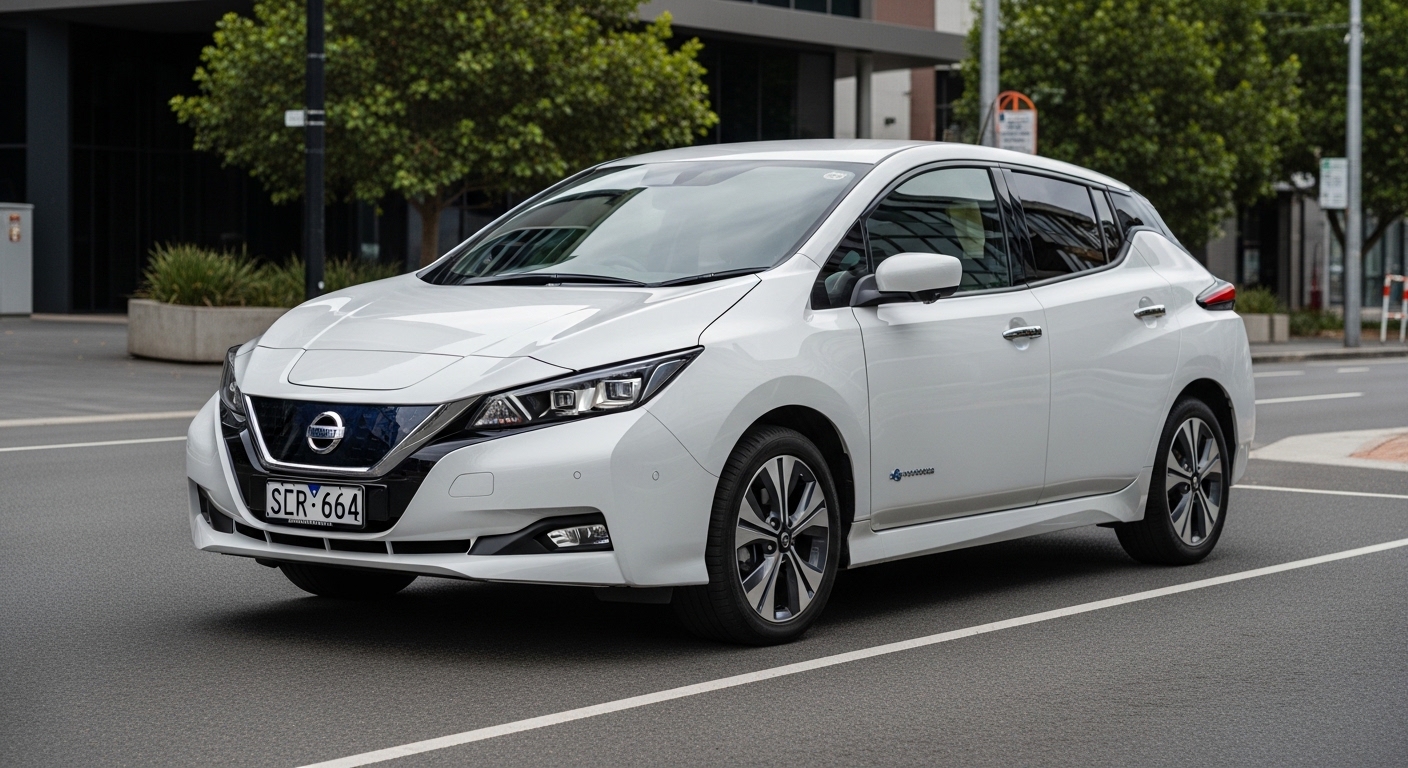
Nissan’s local spec sheet also lists 110kW and 320Nm for the regular LEAF, and 160kW and 340Nm for the LEAF e+, which helps explain the split. The regular car suits short daily work well. The e+ gives you more breathing room. A third-generation global LEAF exists, but for Australia it’s still better treated as one to watch.
Best overall electric car: Tesla Model Y
The Tesla Model Y stays the best all-round electric car for most Australians because Tesla Australia lists the Long Range AWD at up to 600km WLTP and a 5-year, unlimited-kilometre basic vehicle warranty for 2026-delivered cars. That combination still covers the widest range of buyer needs.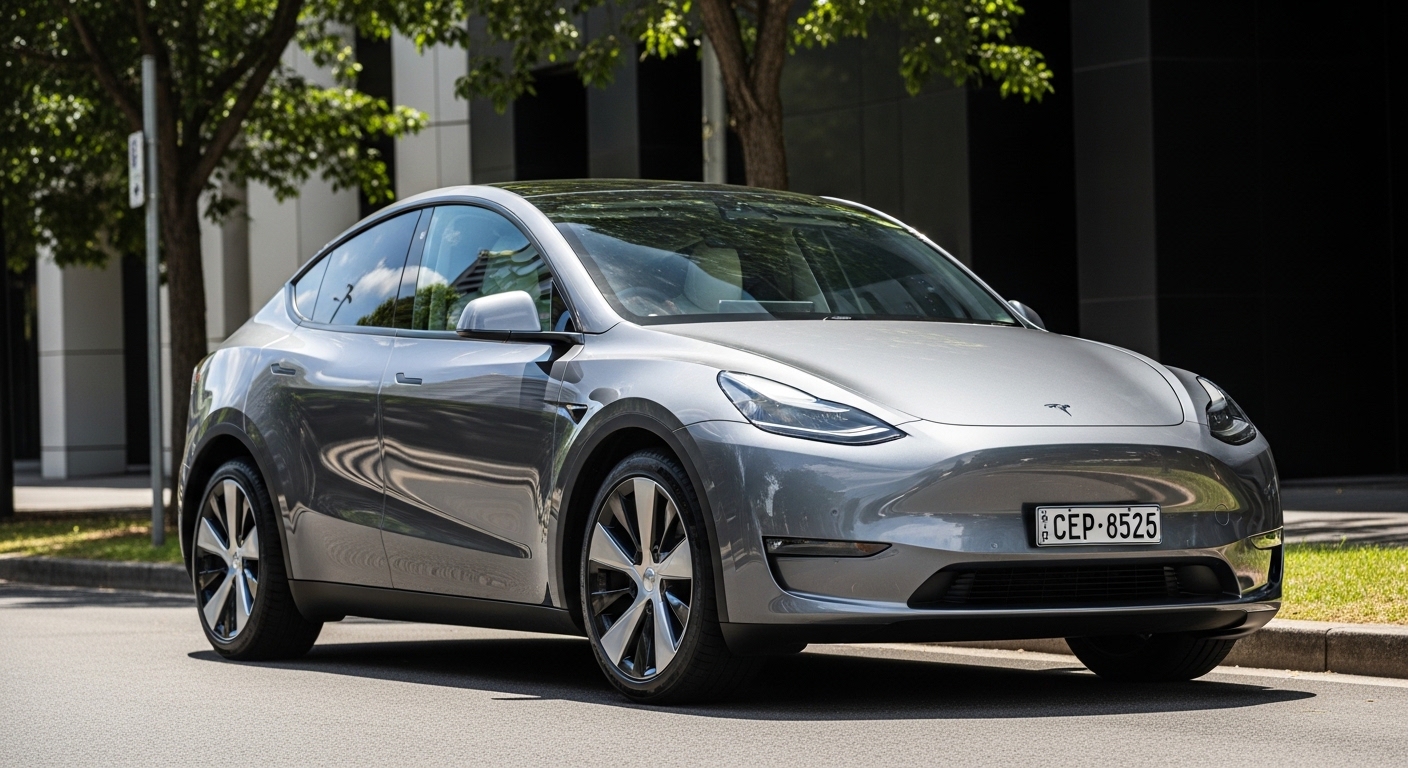
It keeps winning on family logic. The live page’s cargo figure of up to 2,138 litres is a big clue, as is Tesla’s easier-to-understand charging ecosystem for first-time EV buyers. It isn’t the cheapest way into EV ownership, and that still matters. But if you want one electric SUV to handle commuting, school runs and longer highway work without much drama, the Model Y is probably the safest single recommendation.
Best budget electric car: MG4
The MG4 remains the budget pick because MG’s Australian MG4 page lists up to 452km WLTP depending on variant, 10-80% DC charging in 30 minutes, and warranty coverage of up to 10 years or 250,000km when serviced within its network (MG Australia, 2026). That is still a strong value case.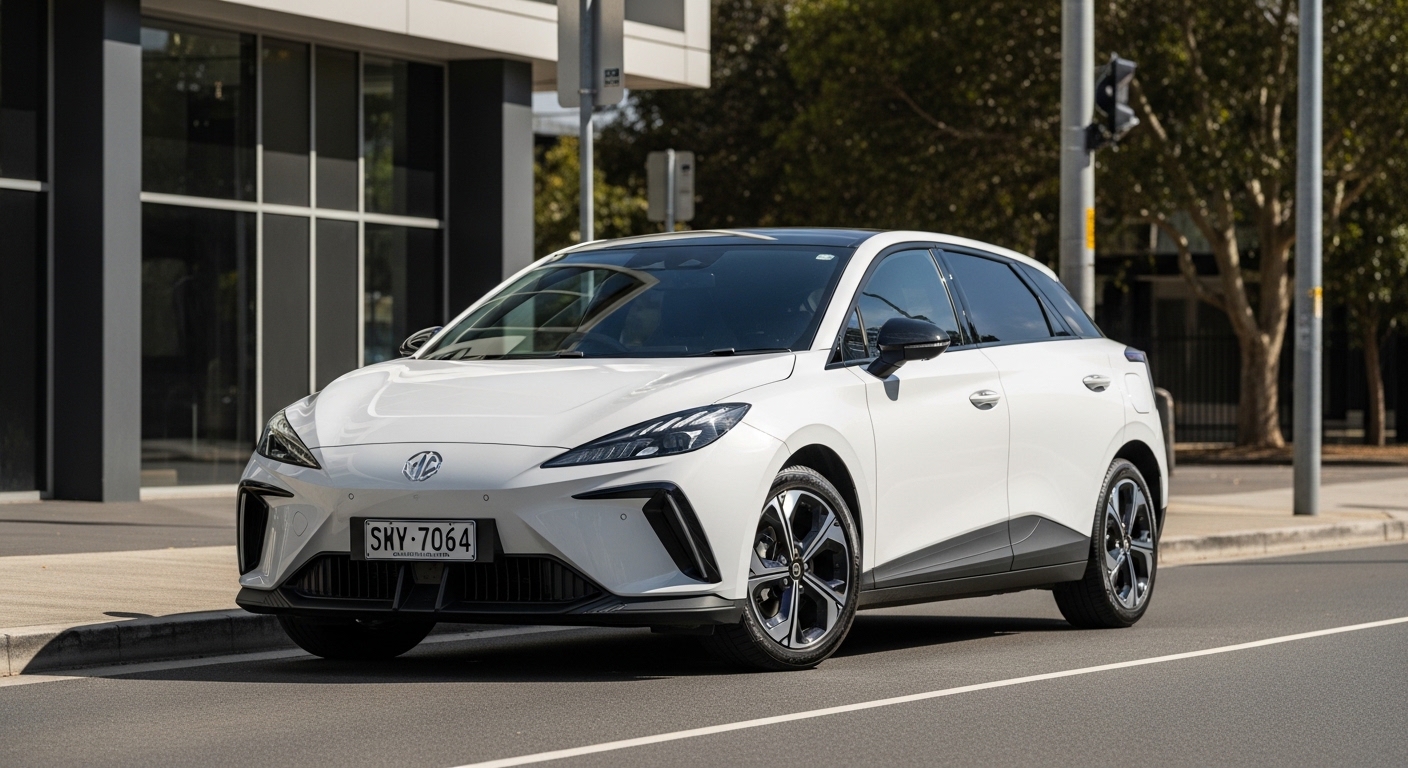
The MG4 works because it doesn’t feel stripped-out. Even the broader model line still reaches up to 452km WLTP on the official Australian page. The cheaper versions make the most sense for commuters, singles and couples buying their first EV. If you want maximum cabin space or premium polish, you’ll look higher up the list. If you want value and easy day-to-day use, it makes a lot of sense.
Best value electric sedan: BYD Seal
The BYD Seal earns its place on value because BYD’s Australian model page lists up to 570km WLTP for the Premium, along with Blade Battery tech, Cell-to-Body construction and outputs that run from 230kW and 360Nm in Premium to 390kW and 670Nm in Performance (BYD Australia, 2026).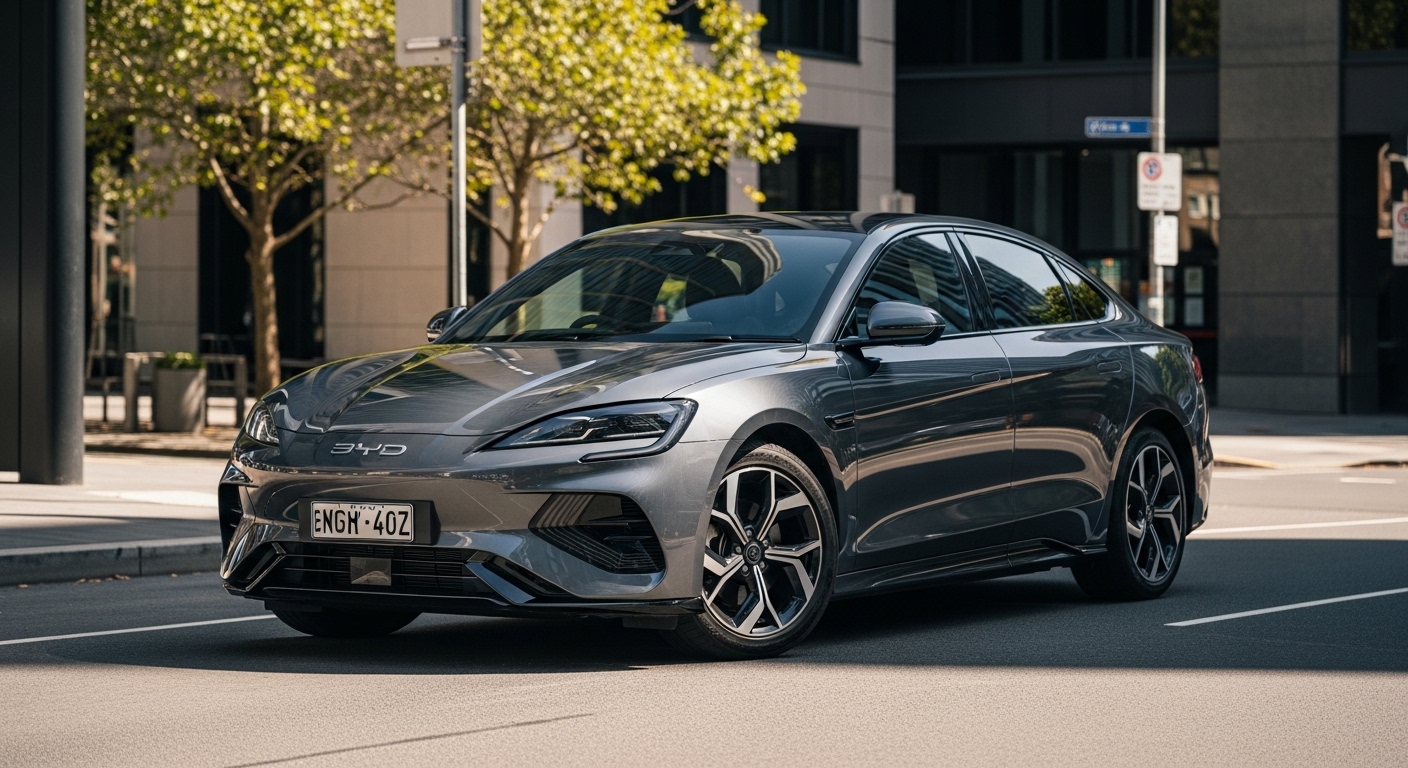
It isn’t just about the headline range. BYD’s local material makes the lineup easy to separate by purpose. The Dynamic keeps the entry point lower. The Premium looks like the long-range sweet spot. The Performance adds serious pace if that matters to you. For many sedan buyers, the Premium is still the grade most worth comparing first.
Best luxury electric SUV: BMW iX
The BMW iX is still the luxury pick because BMW lists up to 616km of range in xDrive45 form and says the battery can charge from 10-80% in about 34 minutes at up to 175kW (BMW Australia, 2026). That is proper touring ability, not just showroom theatre.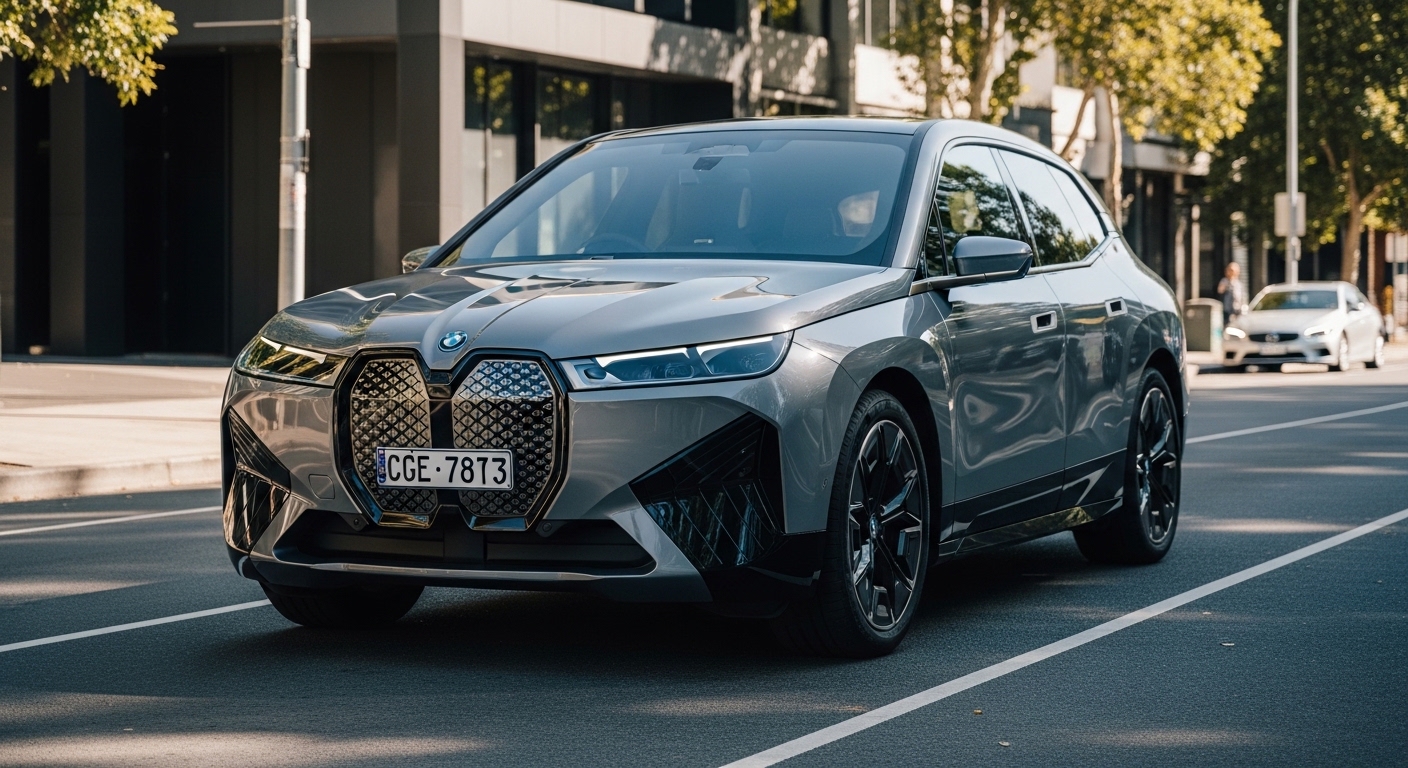
The iX makes the clearest case if comfort matters more than outright value. BMW also quotes 1,750 litres of maximum luggage capacity and 300kW, or 408hp, in xDrive45 form. In plain English, it’s for buyers who want a premium electric SUV that feels complete on long trips. The obvious downside is cost. It’s for a narrower audience, but it does the luxury brief well.
Best 7-seater family EV: Kia EV9
The EV9 is the clearest family-size EV on this list because Kia’s Australian material positions it as a large three-row electric SUV and lists official WLTP figures of 443km for Air, 512km for Earth and 505km for GT-Line (Kia Australia, 2026). That puts real family practicality first.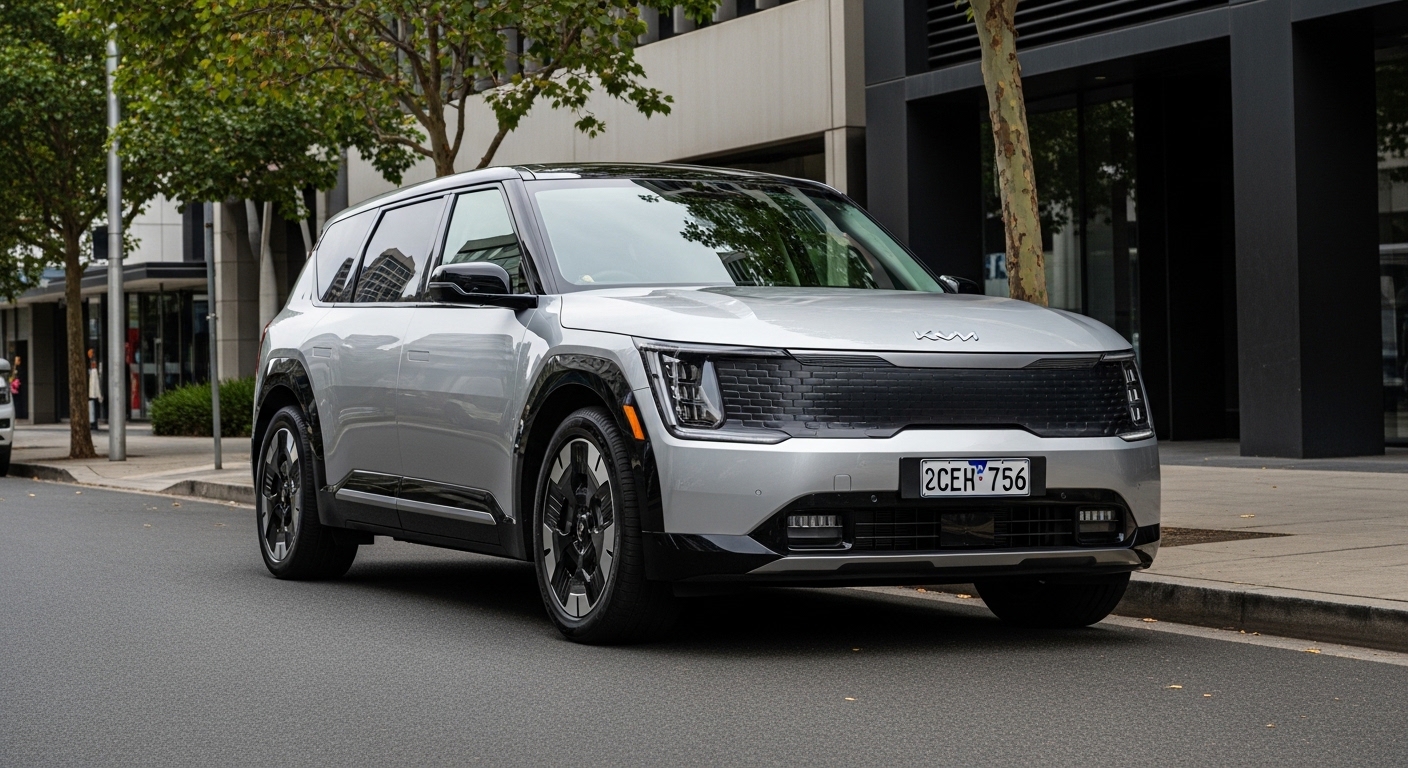
Kia’s local material also points to 400V and 800V charging compatibility, V2L capability on the right grades, walk-in third-row access and up to 2,318 litres of cargo area with seats folded. Kia’s brochure adds a DC charging claim of about 20 minutes for RWD or 24 minutes for AWD on a suitable 350kW charger (Kia EV9 Brochure, 2026). If you need real third-row usability, this is the shortlist car to beat.
Best performance EV: Hyundai IONIQ 5 N
The IONIQ 5 N proves performance can still be liveable because Hyundai says it can charge from 10-80% in 18 minutes on a suitable 800V ultra-rapid charger, while maximum power reaches 478kW with N Grin Boost (Hyundai Australia, 2026). That usability matters as much as the headline pace.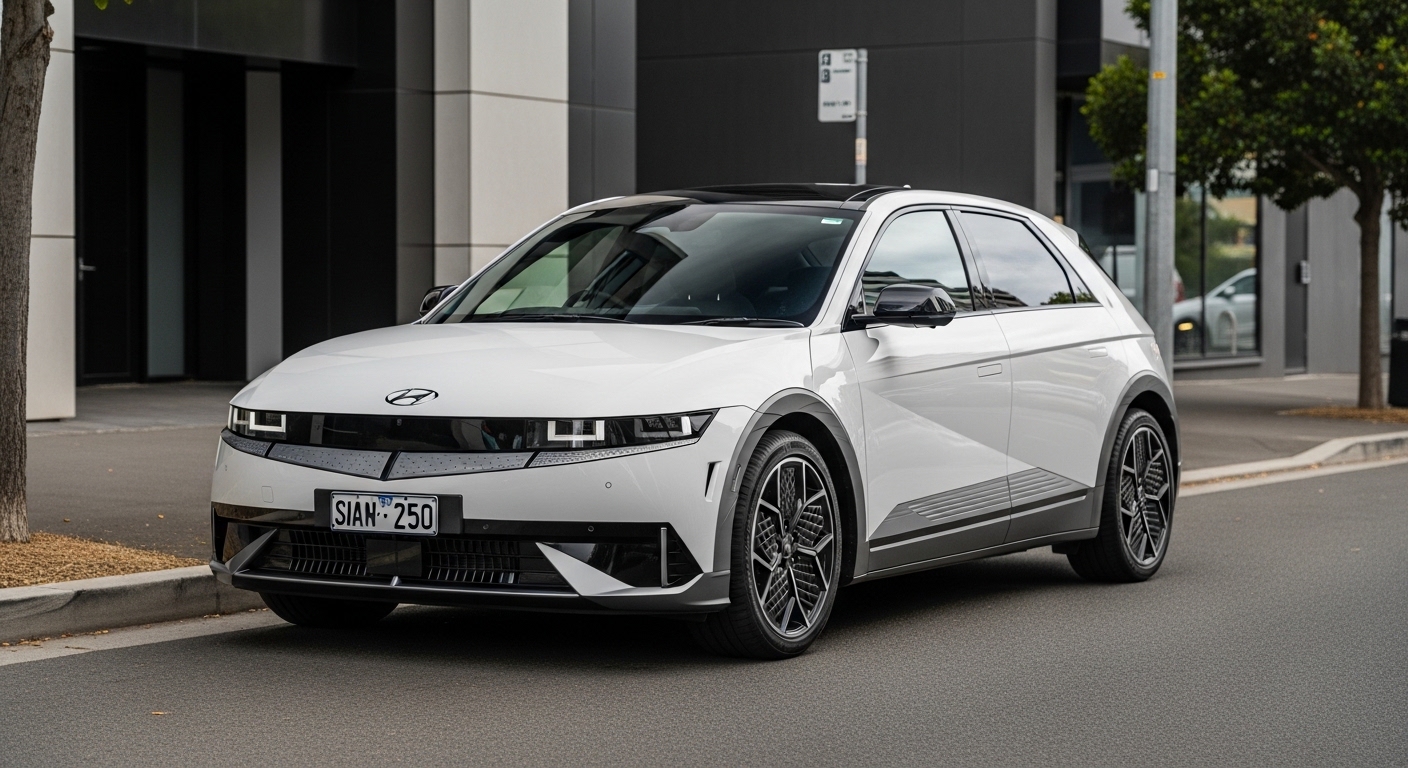
This is not the value pick. It is the enthusiast pick. Hyundai’s Australian material quotes 448kW in regular form and up to 478kW with N Grin Boost, alongside 0-100km/h in 3.5 seconds and a 260km/h top speed. If you want an EV that feels playful, fast and still workable on normal roads, it deserves attention. If you care more about budget or comfort, you’ll stop much earlier in this list.
Best long-range electric car: Polestar 2 Long Range
The Polestar 2 Long Range Single Motor is the long-range standout for non-SUV buyers, with 659km WLTP, up to 205kW DC charging and a 10-80% charging claim of 28 minutes (Polestar Australia, 2026). That’s a very strong answer if range sits at the top of your list.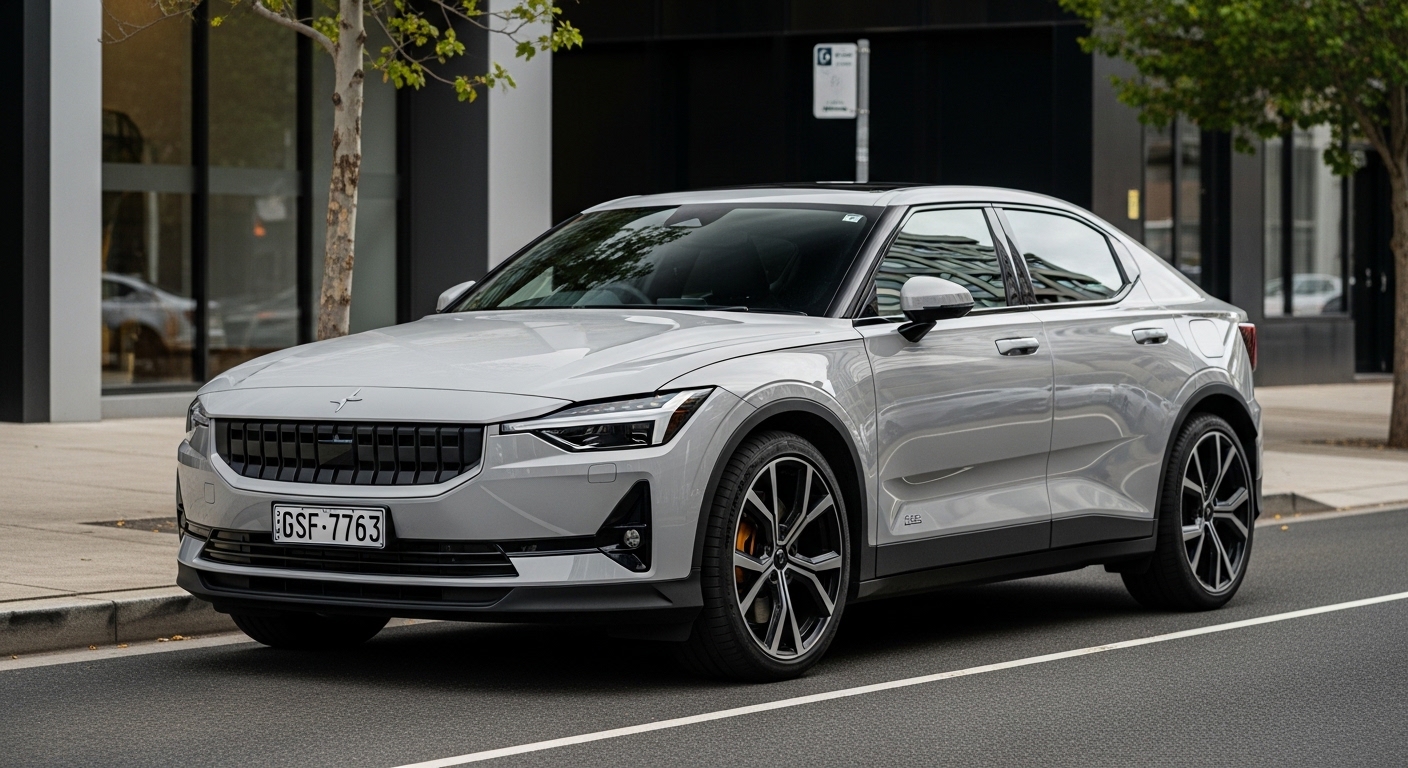
It also avoids the default-Tesla feel some buyers want to skip. Polestar quotes 220kW, 490Nm and 0-100km/h in 6.2 seconds for the same version, along with 407 litres of rear cargo space. So yes, it’s long-range, but it’s also tidy and understated. The trade-off is body style. Some families will still prefer the easier shape of an SUV.
Best premium electric sedan: Tesla Model 3 Highland
The Model 3 Highland makes the strongest premium-sedan case because Tesla Australia lists the Long Range RWD at up to 750km WLTP, says it can add up to 311km in 15 minutes, and applies the same 5-year, unlimited-kilometre basic vehicle warranty to 2026-delivered cars. That’s the headline set buyers notice first.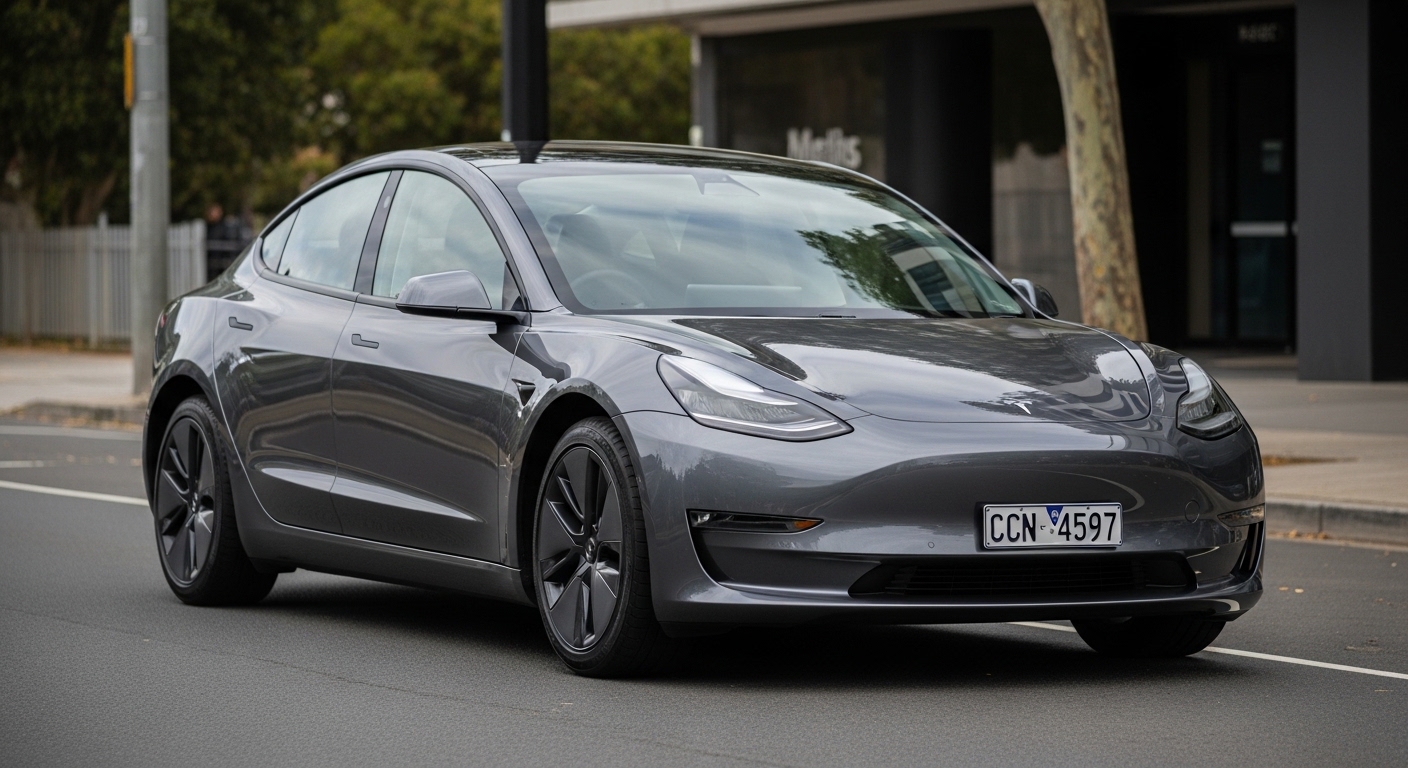
The refinement improvements matter almost as much. The live page already highlighted the quieter cabin, 360-degree acoustic glass, ventilated front seats and rear touchscreen, and that’s the right focus. It still isn’t the easiest family shape if you want SUV access, but for long commuters and business users who want range and efficiency, it’s a very persuasive package.
Best compact electric SUV: Volvo EX30
The EX30 is the best compact premium SUV here because Volvo lists the Single Motor Extended Range at up to 462km, with 200kW, 343Nm and a 10-80% DC charging time of 27 minutes (Volvo Cars Australia, 2026). That gives it genuine everyday credibility.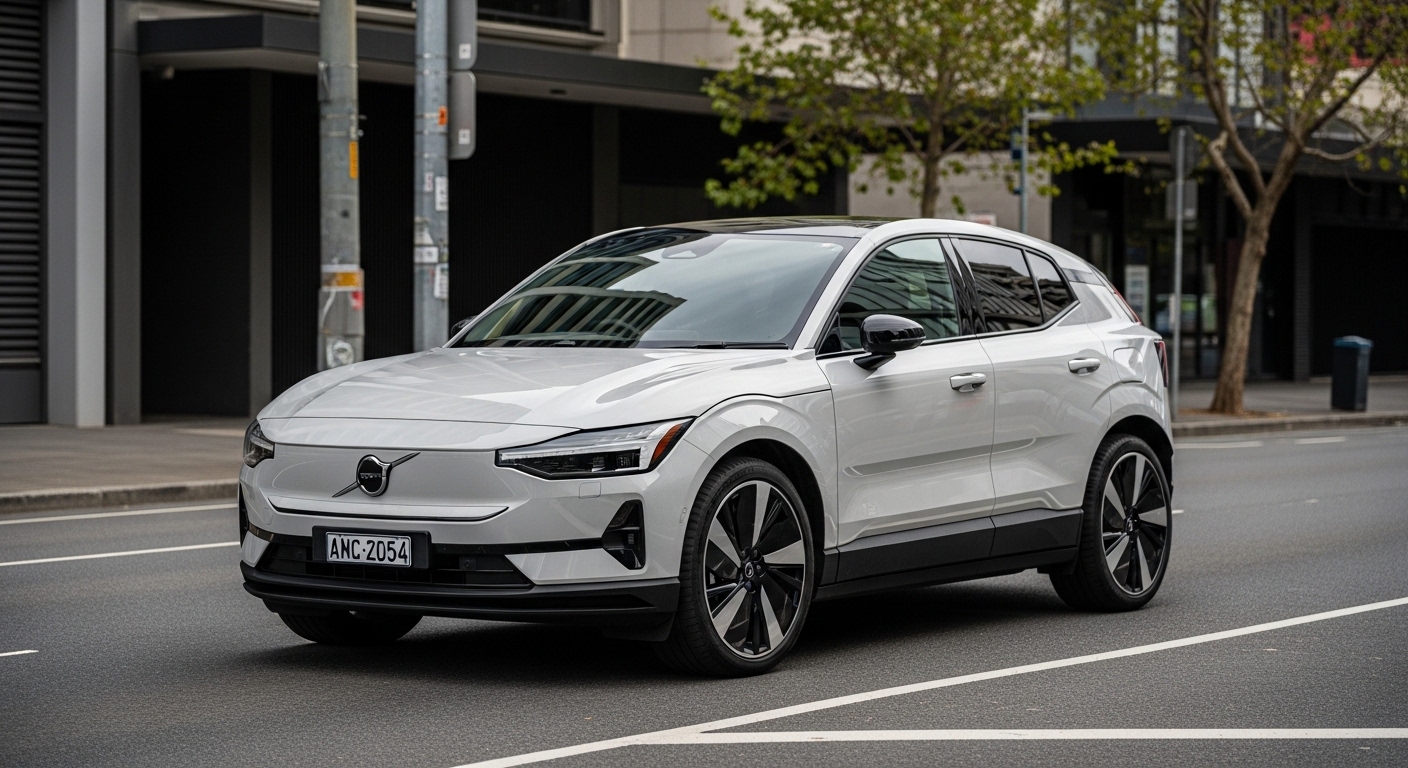
This is the small EV for buyers who want a premium feel without a big footprint. Volvo’s local specs also show 318 litres of open luggage space, or up to 1,000 litres max with seats folded, which is useful but not huge. So who does it suit best? Singles, couples and smaller households around town. Bigger families will outgrow it faster.
Best electrified ute for 2026
The BYD Shark 6 is not a full EV, and that distinction matters. BYD markets it as a Super Hybrid Ute, using plug-in hybrid hardware rather than a battery-electric setup, with combined range claims up to 800km on some grades (BYD Australia, 2026). So it belongs in an electrified ute conversation, not a pure EV one.
The Ford F-150 Lightning has the opposite problem. Ford Australia says it has “no news to share” about plans to bring it here (Ford Australia, 2026). That leaves Australian ute buyers with a simple truth: full EV ute choice is still thin locally. If you are specifically chasing zero-emissions running, don’t let a plug-in hybrid ute get blurred into the wrong category.
What should used-EV buyers check before they buy?
NSW Government guidance tells buyers to confirm charging access, insurance cost and any apartment or strata permissions before they buy, and those checks matter even more with EVs because battery warranty and charging hardware directly affect daily use (NSW Government, 2025). If you’re still weighing ownership styles, our guide on whether Australians should buy a hybrid or an EV helps frame the trade-off.
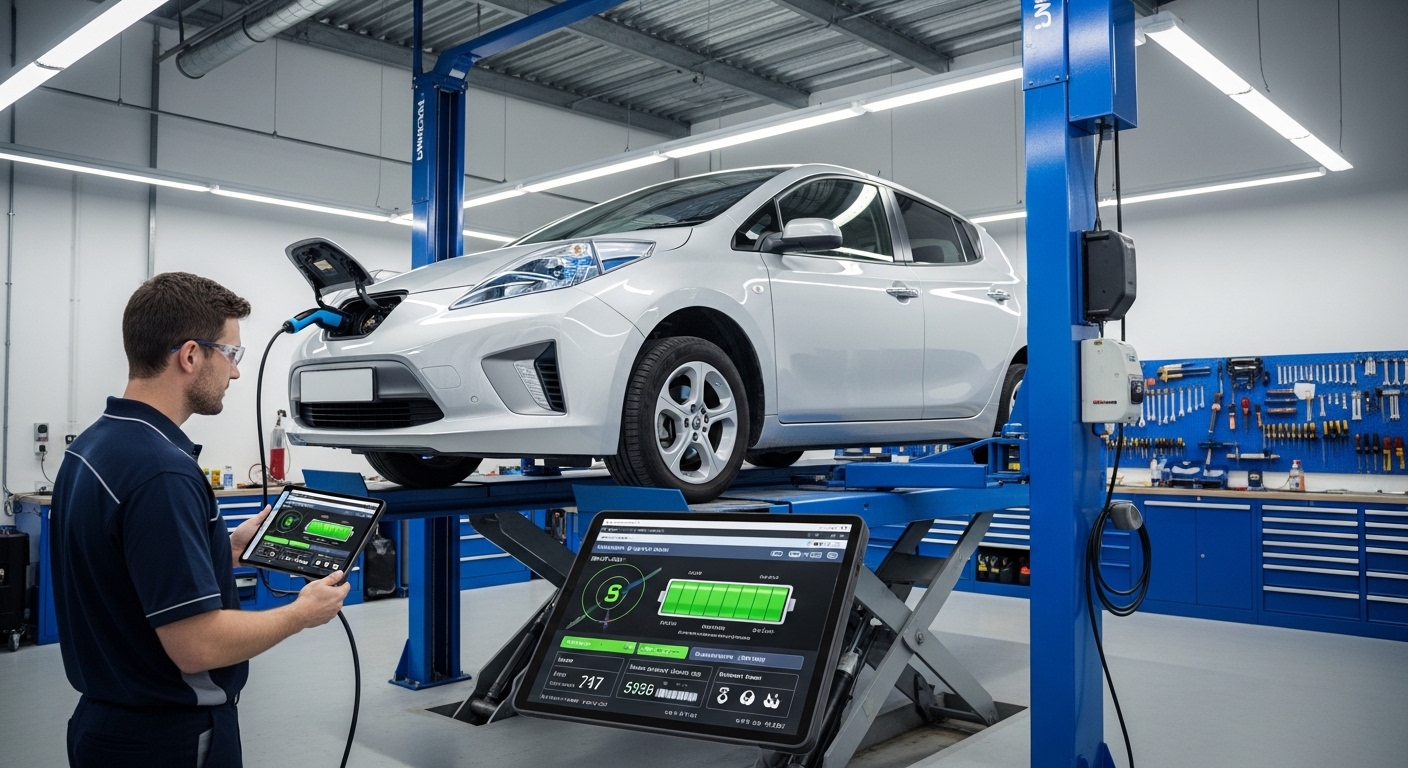 Battery health and charging hardware are the first things to verify on a used EV.
What to check before buying a used Nissan LEAF
With any used LEAF, start with charging gear, service history and the remaining battery warranty. The regular car works best as a commuter or suburban runabout. The e+ is the one to chase if you need more everyday flexibility.
Used EV checklist
- Confirm how and where you’ll charge each week, especially if you live in a unit or shared complex.
- Check whether the battery is still under warranty.
- Inspect the charging cable, port and service history.
- Get an insurance quote before you commit.
- Make sure the car’s real role matches its real range.
How do incentives, charging and running costs compare in 2026?
Chargefox says its platform now covers 2,200+ public charging plugs across Australia, while the ATO confirms new PHEV eligibility for the EV FBT exemption ended on 1 April 2025. That means charging convenience and tax treatment both need a fresh look in 2026.
Australian EV incentives and tax benefits in 2026
The big rule change is clear: new PHEV eligibility for the EV FBT exemption ended from 1 April 2025, while battery EVs can still qualify if they meet ATO settings (ATO, 2025-2026). That means lease advice that was fine two years ago can now be wrong.
If you are looking at novated leasing, dates matter more than hype. The 2026-27 Budget says the Government plans to transition to a 25% FBT discount from 1 April 2027 for eligible EVs over $75,000, and from 1 April 2029 for other new eligible EV arrangements, subject to legislation (Australian Budget, 2026). Existing arrangements are protected under their own rules. If you want a deeper explanation of the plug-in hybrid side, read our PHEV FBT exemption guide.
Rule dates to remember
- 1 April 2025: new PHEV FBT eligibility ended.
- From 1 April 2027: the 2026-27 Budget proposes a 25% FBT discount for eligible EVs over $75,000, subject to legislation.
- From 1 April 2029: the same Budget package proposes a broader move to a 25% discount for new eligible EV arrangements, subject to legislation.
The state of EV charging infrastructure across Australia
Charging is much easier than it used to be, but buyer fit still comes down to your weekly routine. Chargefox says its platform now covers 2,200+ public charging plugs across Australia, making it one of the clearest network references for local buyers (Chargefox, 2026). That helps, but it doesn’t replace home convenience.
What if you can’t charge at home? Then you need to map your regular routes before you buy, not after. Buyers comparing route planning with day-to-day convenience should also read the pros and cons of electric cars. Tesla’s Supercharger network remains a major benchmark, while Chargefox gives broad national coverage. Apartment buyers should be especially careful. NSW Government guidance specifically says to check whether EV charging is permitted in shared or undercover parking, and to get insurance sorted before purchase.
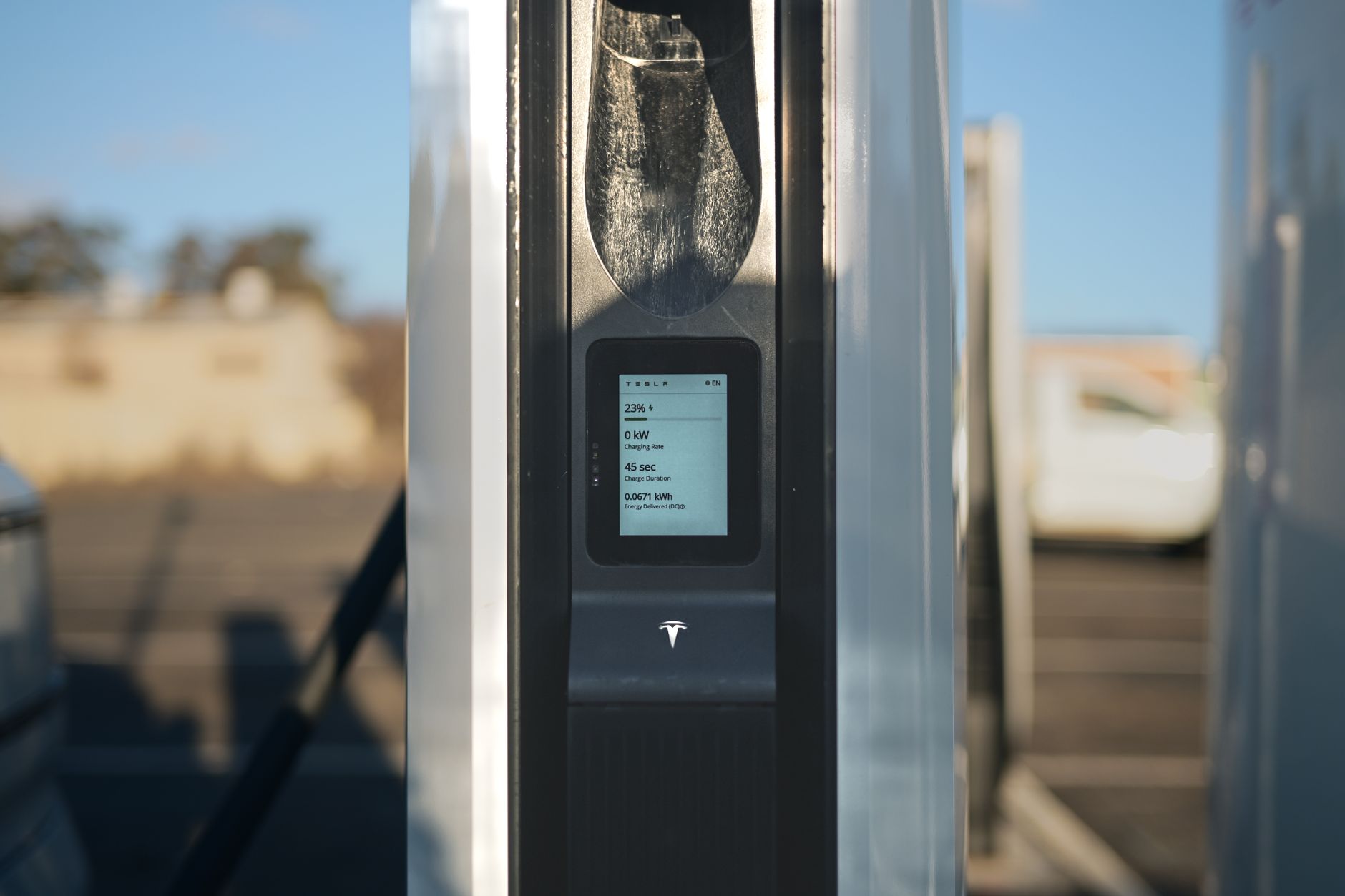 Public charging matters most when your weekly routes do not include easy home charging.
Running costs: electric vehicles vs petrol cars in 2026
EV running costs can be lower, but only if you show the assumptions. The ATO’s current EV home-charging shortcut rate is 4.2 cents per kilometre, which is useful as a dated reference point for charging discussions, not a universal household tariff (ATO, current guidance).
Home charging usually keeps the EV maths attractive. Frequent public fast charging can shrink that advantage quickly. Servicing is often lower too, because EVs skip oil changes and some engine-related items. But does the cheapest sticker price always win? Not really. Tyres, insurance, depreciation, battery warranty and charging access still shape the real cost of ownership. That’s why a modest hybrid can sometimes be the cheaper choice than a bargain-looking EV that relies heavily on public charging. If you want a real-world comparison point, it also helps to browse used hybrid options in Australia.
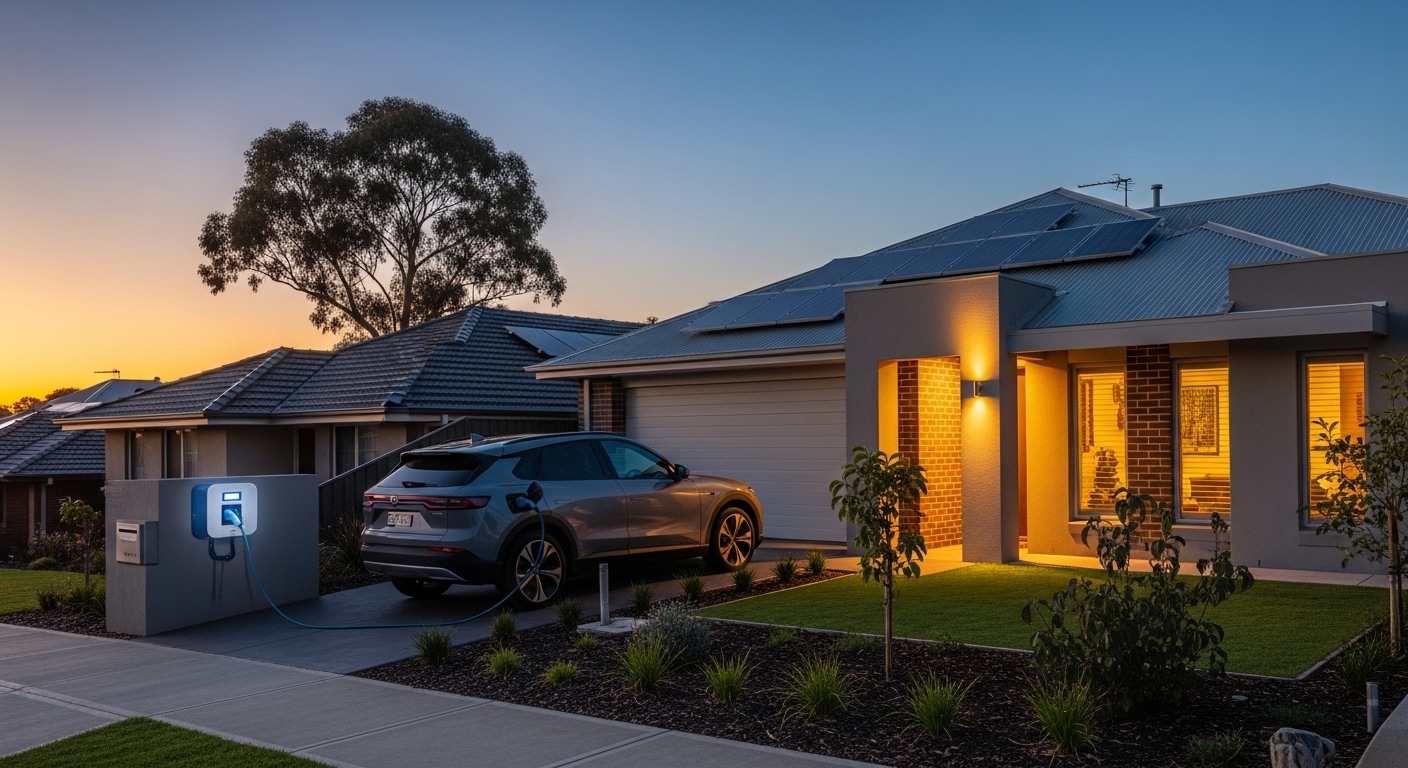 Home charging can change the ownership maths far more than a headline range figure.
New EVs worth watching next
Nissan says the global LEAF family has passed roughly 700,000 sales and about 28 billion kilometres travelled, which is why the next chapter of the badge is still worth watching even if the current Australian LEAF now feels like a used-EV story first (Nissan Global, 2026).
What isn’t worth doing is treating every future-battery claim as if it’s around the corner. Until Australia-specific timing is clearer, the best approach is simple: buy for the charging, range and warranty reality you can verify now.
Which electric car is right for you?
If you want one simple answer, it comes down to use case. The Model Y remains the best all-round family EV. The MG4 is still the budget pick. The Seal and Model 3 are the sedan standouts. The EV9 is the genuine big-family option, and the LEAF still works for the right used-EV commuter.
If you want a newer Japan-sourced EV, the Nissan Ariya FE0 import guide is the logical next comparison. If you need seven seats but you’re not ready for a full EV, a used Nissan Serena e-POWER is a sensible electrified alternative to compare against the EV9.
How Carbarn can help
If you’d like help comparing locally available electrified vehicles against Japan-sourced options, Carbarn can assist with used-vehicle browsing, auction sourcing, pre-bid inspection where possible, import approval, compliance in Sydney, finance, warranty options and nationwide delivery. You can start by browsing electrified vehicles, importing a vehicle from Japan, or reading how importing works.