



Ready to Hit the Road in Style?
Save money and reduce emissions with vehicles designed to deliver exceptional mileage. Visit our inventory and find a car that fits your lifestyle.
Ready to Hit the Road in Style?
Save money and reduce emissions with vehicles designed to deliver exceptional mileage. Visit our inventory and find a car that fits your lifestyle.
Most Australian cars lose 10–15% of their value in the first year, and 40–50% by year three, according to Sell The Car's depreciation analysis (Aug 2025). That part you can't stop. What you can change is where your car lands inside the used-car price band when you finally sell it. Two identical cars, same year, same kilometres, can be worth noticeably different money based on habits the owner formed years earlier. The gap comes down to paperwork, condition, and one or two decisions made at purchase. Here are seven things that actually move the needle, and an honest note on which ones you can still act on today.
Short answer: how to hold your car's value in Australia
- Keep a full, stamped logbook. Documented service history can add $1,000–$4,000 at sale (Sold Fast, 2025)
- Stay near 15,000–20,000 km a year where you practically can
- Choose white, silver or grey. White alone is roughly 38% of new cars sold here (Axalta Global Automotive Color Popularity Report, 2022, the most recent available)
- Protect paint and interior from sun, salt air and bird damage year-round
- Hybrids lost just 1.7% over 12 months against 11.5% for petrol (AADA Automotive Insights Report 2024, via Drive.com.au, Feb 2025)
1. Does a Full Service History Boost Resale Value?
A complete, stamped logbook is the single most controllable factor in what your car sells for — and it can add $1,000 to $4,000 to the sale price compared with an undocumented vehicle of the same age and kilometres, according to Sold Fast's 2025 resale factors guide.
Buyers treat gaps as a warning sign. They can't inspect the last five years of oil changes, so the book becomes the evidence. No book, no evidence, lower offer.
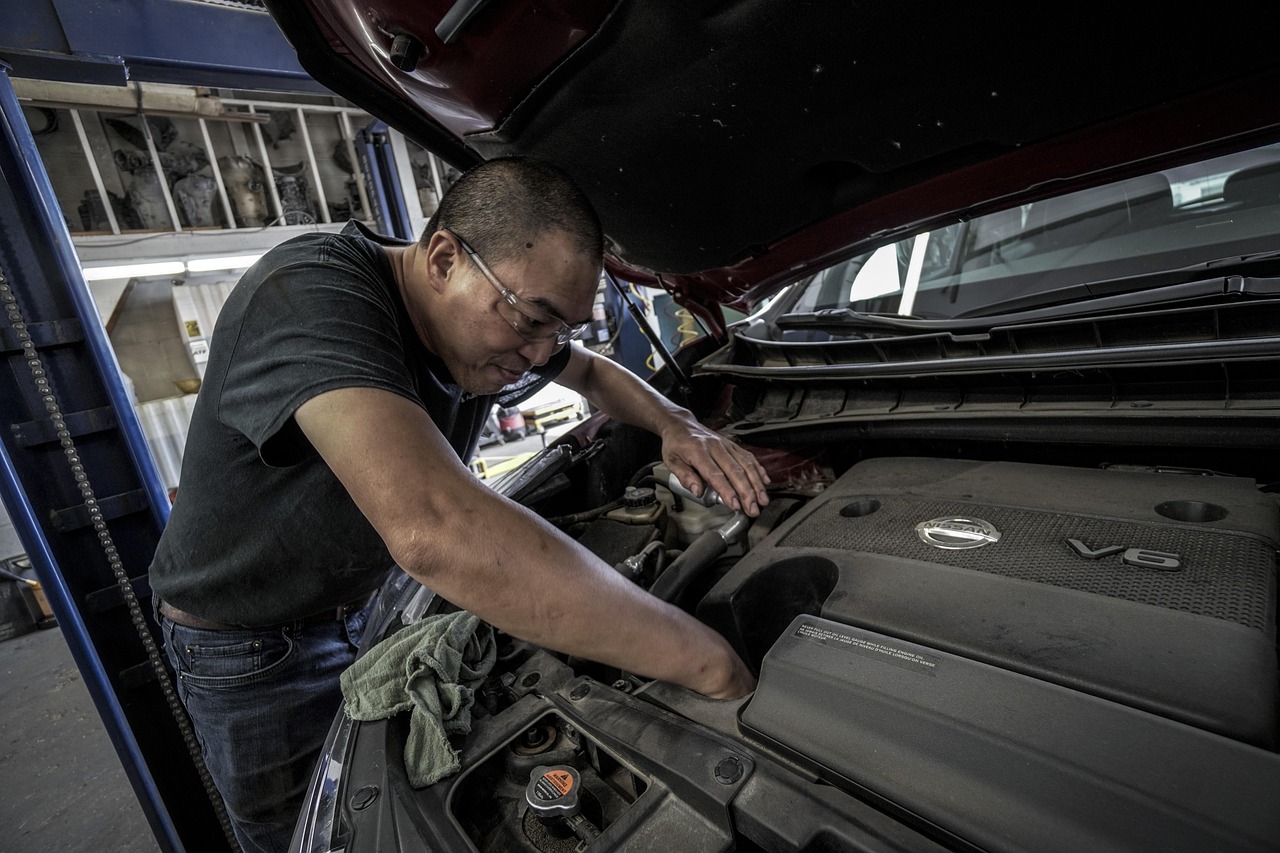 A mechanic inspects a vehicle engine bay during workshop servicing.
A few habits that keep the record clean:
- Log every service, including the small work. Oil changes, brake checks, tyre rotations all count.
- Use a manufacturer-authorised or reputable specialist workshop, and keep the tax invoices with the book.
- Digital records through a dealer's service portal are fine. Take screenshots as a backup, because portal access can disappear when you change dealers.
- If you've inherited a patchy history, it isn't fatal. A current specialist inspection plus a fresh service, both documented, restores a lot of the credibility.
Think of it as documentation being money. The servicing was going to happen anyway. The filing is the free part.
2. How Much Do Kilometres Affect Resale Value?
The Australian benchmark sits at roughly 15,000–20,000 km a year (iSelect car depreciation guide; Sell The Car, Aug 2025). Cars travelling well above that attract lower offers, not necessarily because they're worn out, but because buyers use the odometer as a proxy for condition they can't otherwise measure.
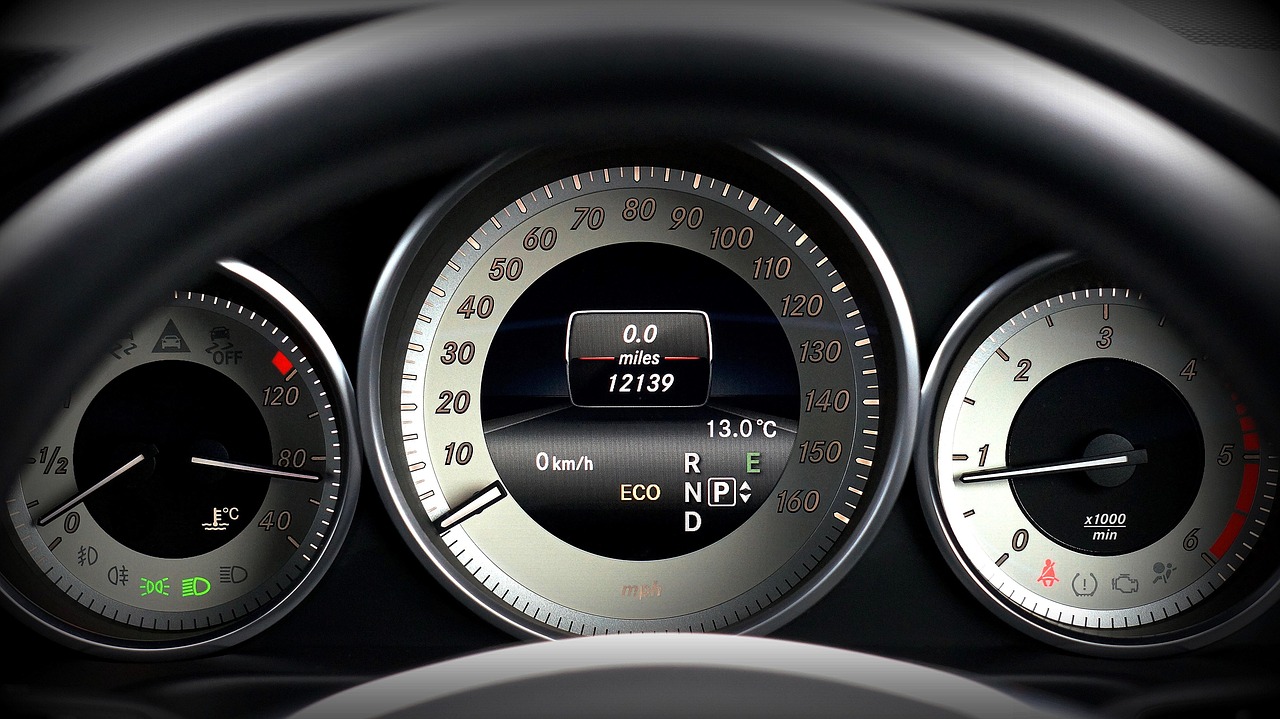 Car speedometer and odometer display.
You have less control here than with the logbook, but not none. Consolidating errands into one trip adds up over a year. If you run two cars, pointing the long commute at one and protecting the other is a sensible split.
One caution: don't chase a low number at the cost of maintenance. A low-kilometre car with a poor service record is a harder sell than a higher-kilometre car with a clean one. Buyers who know what they're looking at will tell you the same.
3. Does Protecting Paint and Interior Add Resale Value?
Yes — protecting paint and interior consistently supports a stronger sale price. Sun, salt air and bird droppings are the three biggest threats to Australian paintwork. Faded or crazed paint tells a buyer the car was neglected before they've opened the bonnet, and that impression colours everything else they look at.
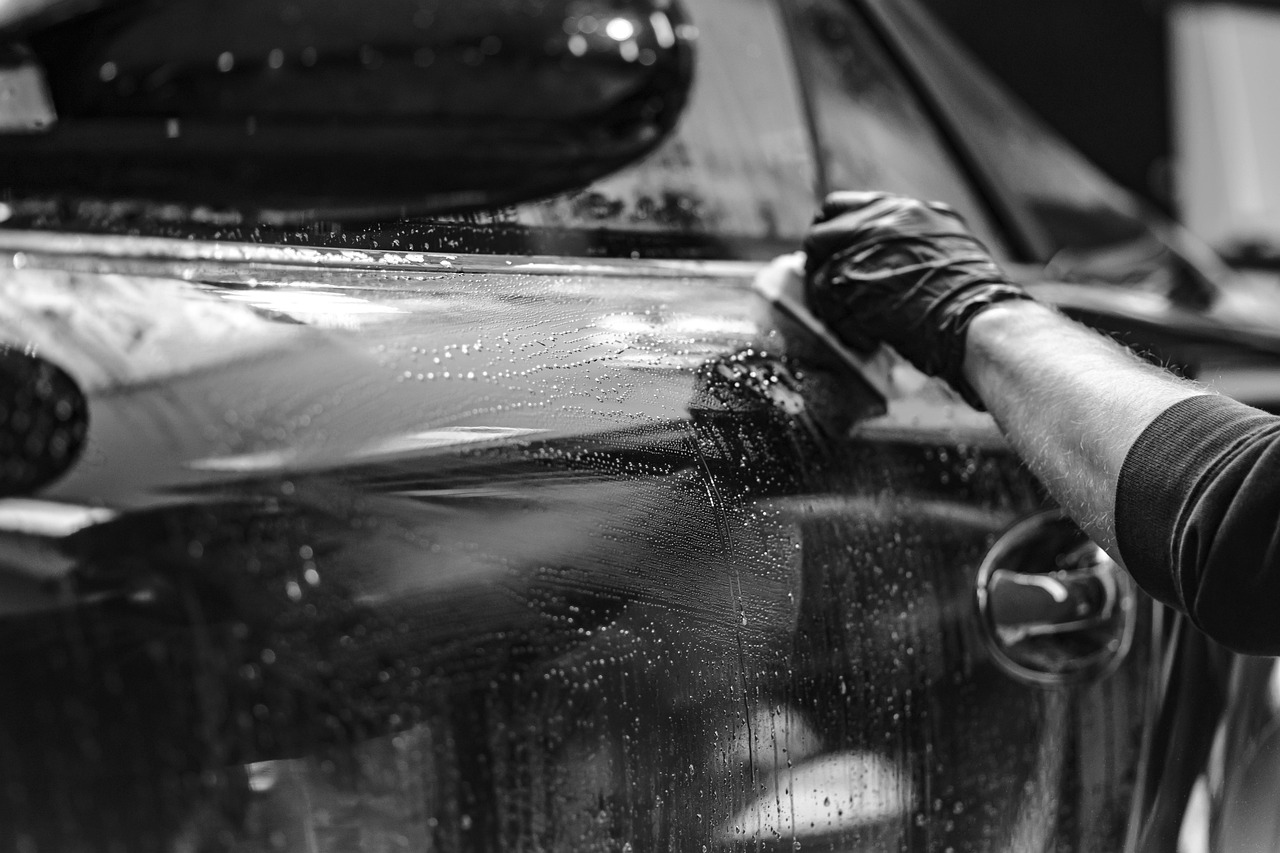 A person dries a wet black car with a cloth.
Park undercover where you can, or use a UV-resistant cover if a garage isn't an option. Wash regularly, and always after a coastal run. Salt accelerates corrosion on sills, wheel arches and the underbody, which is exactly where an inspector looks first.
A ceramic coating or a decent wax extends paint life considerably in this climate. Inside, condition leather or fabric annually and replace tired floor mats before you list. Smoke damage is the one that doesn't wash out, so ventilate and deep-clean straight away if it happens.
4. Which Car Colours Hold Their Value Best?
Colour is a free win if you haven't purchased yet. White alone accounts for roughly 38% of new cars sold in Australia (Axalta Global Automotive Color Popularity Report, 2022, the most recent available), which tells you plainly where buyer demand sits.
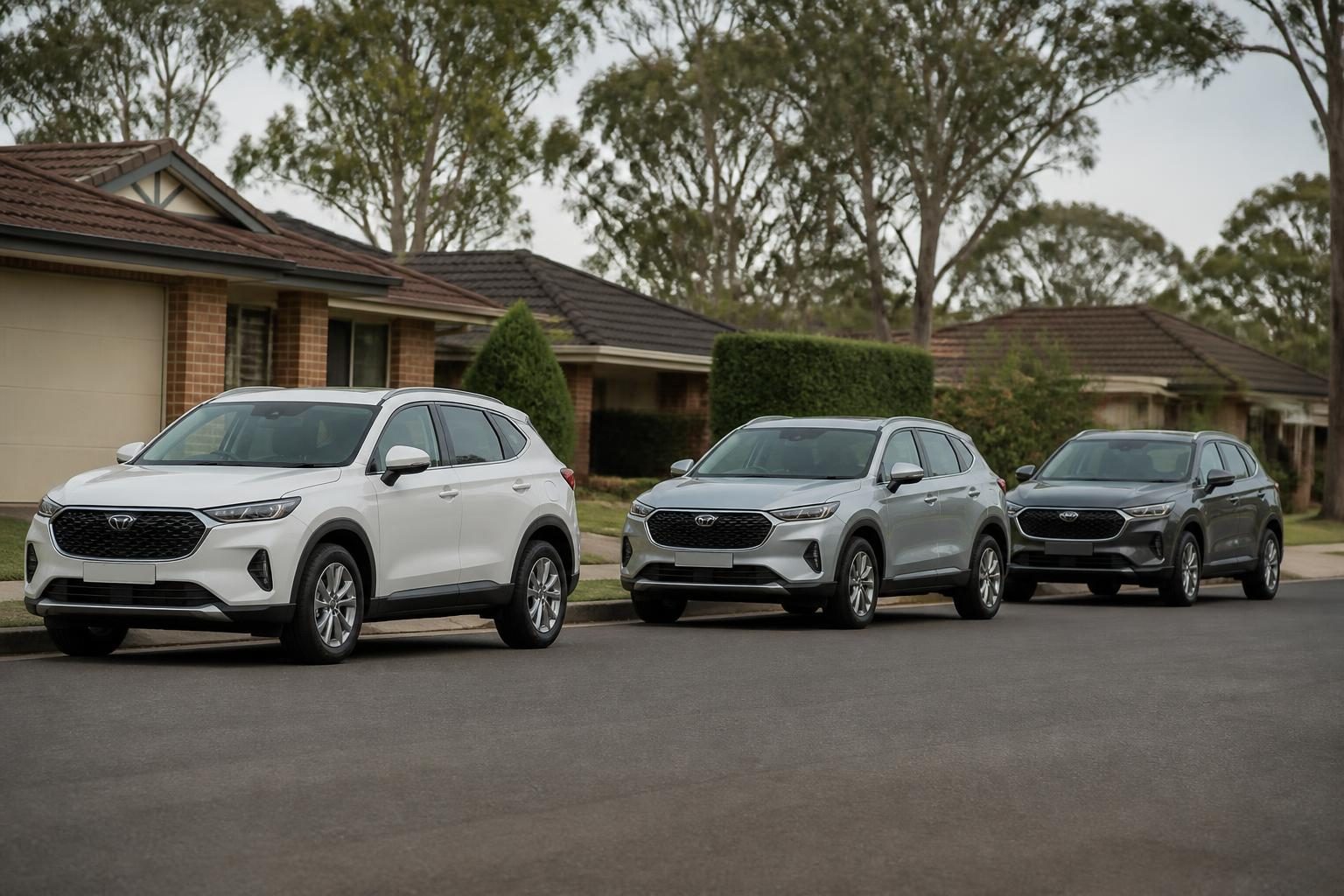 Three matching SUVs parked on a quiet suburban street.
White, silver and grey draw the widest pool of buyers. A bigger pool means less pressure to drop your price to close the sale. Yellow, orange and two-tone finishes find their people, but they find fewer of them.
Black looks excellent on the right car. It also shows swirl marks and needs more upkeep under this sun, so factor in the effort.
Be clear about what this tip is: it applies to your next purchase, not your current one. Repainting a car to a safer colour never pays for itself.
5. Does Fixing Small Issues Before Sale Improve Resale Value?
Yes — fixing small issues before you sell almost always returns more than it costs. Deferred repairs compound: a stone chip becomes a windscreen crack, a suspension knock worsens, worn pads score the rotors. Buyers and trade-in assessors price these in at a multiple of what the fix would have cost you.
Handle the cosmetic small stuff early. Touch-up paint and paintless dent repair — a technique that massages out minor dents without disturbing the factory paint — are cheap next to what an assessor deducts when they spot damage.
Tyres matter more than people expect. Keep them in matched sets with sensible tread. Mismatched or worn tyres read as poor maintenance regardless of how clean the rest of the car is.
Replace worn wiper blades before listing. It's a tiny detail that carries a disproportionate impression. If you're running a hybrid, the same logic applies to battery and inverter checks, which we've covered in more depth in our guide to hybrid car maintenance.
6. Think Twice Before Modifying
Most modifications reduce resale value in the mainstream Australian market. Aftermarket wheels, suspension lifts and engine work narrow your buyer pool, often by more than the modification cost you in the first place.
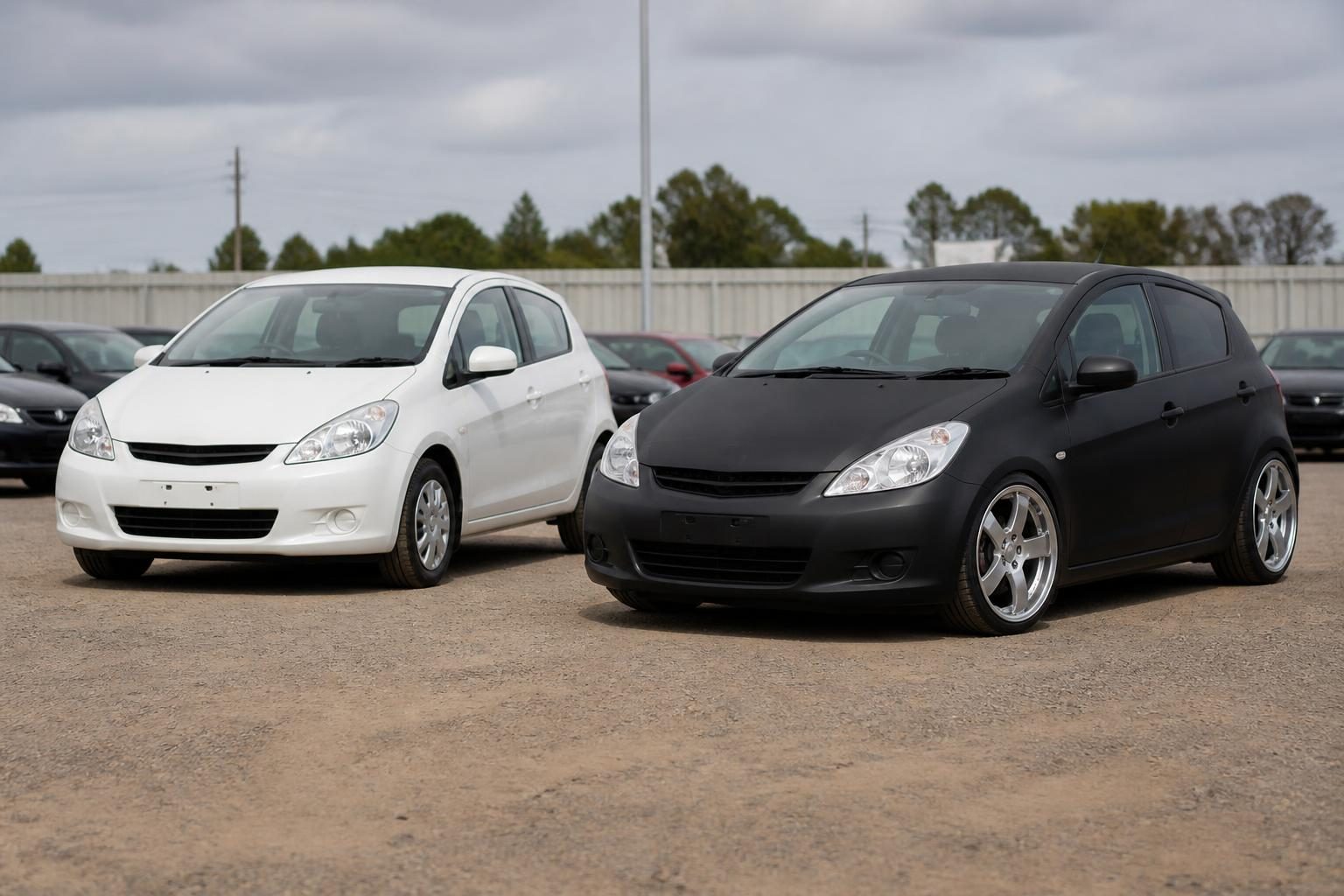 Two matching hatchbacks, stock white and modified black, parked in a used car lot.
Tow bars and cargo liners on utes and 4WDs often add value — that market expects them and would fit them anyway.
If you've already modified, keep every original part. Being able to hand the standard wheels and springs over with the car matters to the buyer who wants factory spec. Window tint is broadly accepted these days, but check it meets your state's rules before listing so nobody hesitates over compliance.
7. Which Car Models Hold Their Value in Australia?
The vehicle itself is the highest-impact factor, and the Australian retained-value data is consistent. Cars24, citing the AADA June 2025 report lists retained value for 2–4-year-old examples at 111.7% for the Suzuki Jimny, 101.4% for the Toyota LandCruiser, 98.0% for the RAV4, 97.1% for the Corolla, and 94.3% for the Camry Hybrid — figures above 100% reflect how tight supply has been for these models. Powertrain matters equally. Hybrids lost just 1.7% of their value over 12 months, against 11.5% for petrol and 25% for electric, per the AADA Automotive Insights Report 2024 (via Drive.com.au, Feb 2025). Cars24's read of AADA's May 2026 data shows 2025-model hybrids averaging above 100% retained value, with 2021 models still holding 88.2%. Brand reputation compounds: the same Toyota, Suzuki and Nissan names appear at the top of reliability surveys and retained-value rankings year after year.
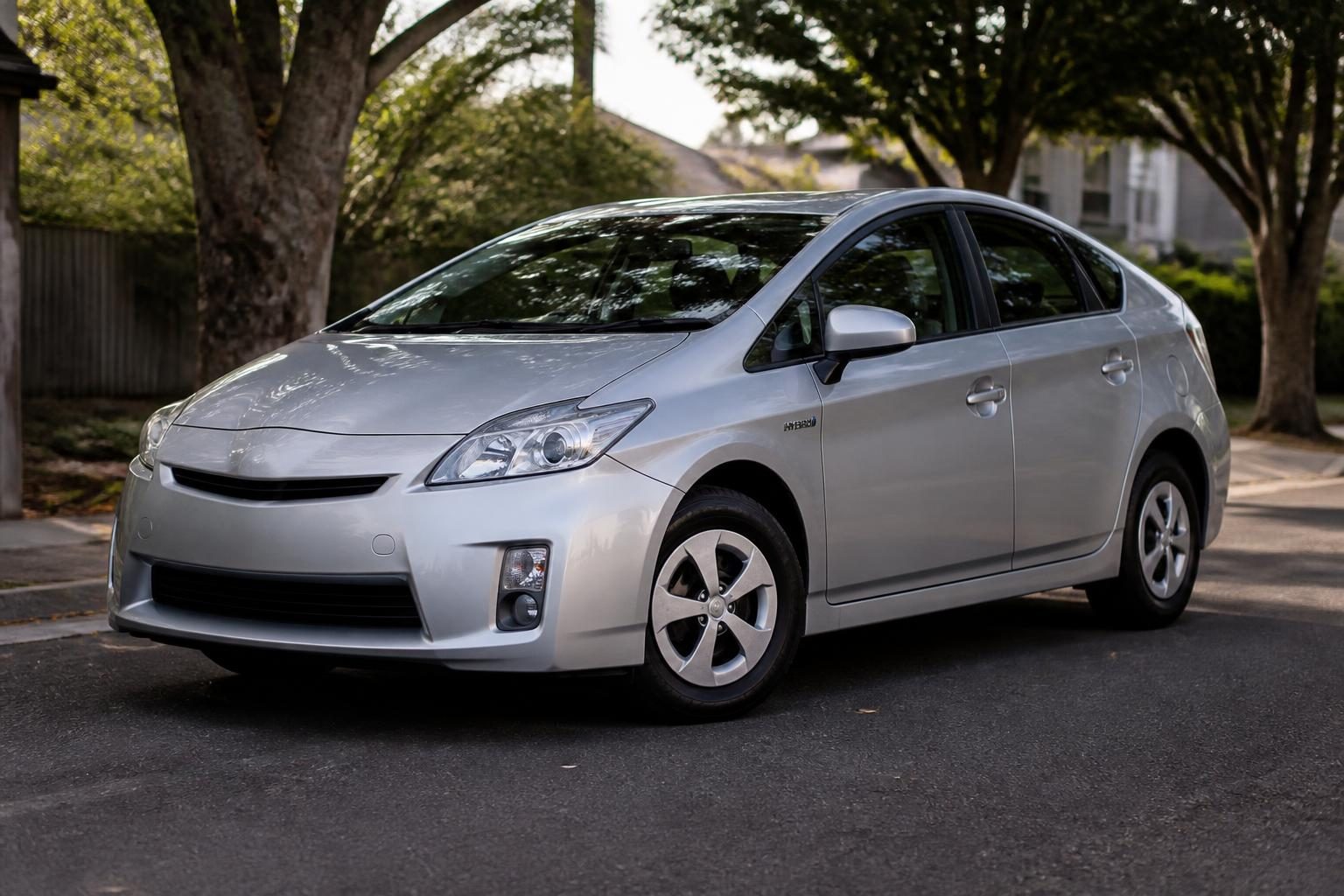 Clean silver Prius parked neatly on a leafy residential street.
SEVS compliance — the Specialist and Enthusiast Vehicle Scheme, through which imported vehicles are assessed against Australian safety and emissions standards — means Japanese-market vehicles frequently carry lower kilometres than Australian-delivered equivalents of the same age, which supports resale later provided the documentation is clean. Note that ADR 79/05 — the Australian Design Rule governing exhaust emission standards, effective December 2025 — has significantly curtailed new SEVS approvals for many popular Japanese models. Buyers of recently landed imports should verify compliance status before purchasing. Brand reputation compounds further: our look at the most reliable used car brands in Australia explains why the same names keep appearing at the top of both lists.
Which Factors Can You Actually Control?
| Factor | Impact on resale | Controllable? |
|---|---|---|
| Service history | High ($1,000–$4,000 uplift) | Yes |
| Kilometres | High | Partially |
| Paint and interior condition | Medium to high | Yes |
| Colour choice | Medium | At purchase |
| Make and model choice | Very high | At purchase |
| Modifications | Usually negative | Yes |
The pattern is worth noticing. The two biggest levers, model choice and powertrain, are decided the day you buy. Everything after that is protection work.
Where Carbarn Fits In
If your next purchase is on the horizon and resale sits in your thinking, the shortlist narrows quickly. Carbarn specialises in Japanese-market vehicles, which is to say Toyota, Nissan, Honda and Subaru, the makes that keep appearing at the top of Australian retained-value rankings.
Locally available stock sits in the Lidcombe facility in Sydney, and you can browse the full range of used Toyota, Nissan and Honda with kilometres, spec and pricing listed on each vehicle. Given the depreciation gap, plenty of buyers head straight to the hybrid cars category, or narrow further to Toyota hybrid cars.
If the model you want isn't on the floor, it can often be sourced from Japan through the import service. Either way, the vehicles come with the documentation history intact, which is the same thing this article has been arguing you should protect.