



Ready to Hit the Road in Style?
Save money and reduce emissions with vehicles designed to deliver exceptional mileage. Visit our inventory and find a car that fits your lifestyle.
Ready to Hit the Road in Style?
Save money and reduce emissions with vehicles designed to deliver exceptional mileage. Visit our inventory and find a car that fits your lifestyle.
Buying a used car is a bit of a gamble. You're handing over real money for a vehicle with a history you can't fully see, and quietly hoping it won't turn into a money pit six months later. So most of us reach for the same shortcut: the badge on the bonnet. "Buy Japanese" is advice plenty of Australians have heard their whole lives.
This guide explains which brands genuinely earn that reliability reputation, the engineering and the survey data behind it, and where the rule quietly breaks down by model and drivetrain. The badge is a good starting point. It isn't a guarantee.
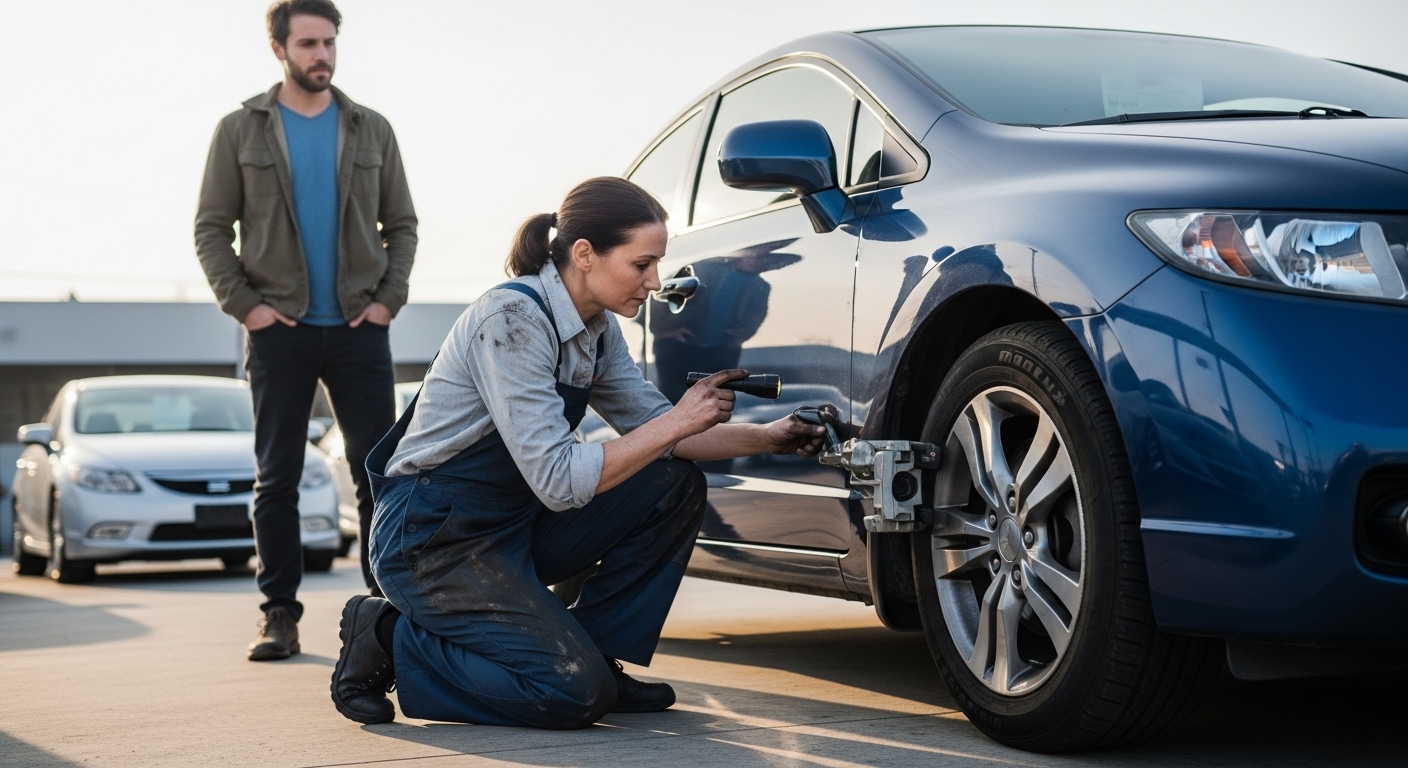 The used-car gamble: most buyers reach for the badge as their first shortcut to trust.
Quick Answer
- Toyota tops Consumer Reports' 2026 reliability ranking, with Subaru and Lexus close behind (Consumer Reports, 2026). It's a US dataset, but the most-cited global one.
- Asian brands average around 56/100 for reliability, against roughly 41/100 for US brands (Consumer Reports, 2026).
- Reliability is a brand-level average. The specific model, drivetrain and service history decide the car you actually drive home.
- Owner satisfaction surveys, like Canstar Blue in Australia, often tell a different story to long-run reliability data. We explain why below.
How Do We Judge Brand Reliability?
The clearest reliability signal comes from long-run owner data. Consumer Reports' 2026 survey covers around 380,000 vehicles, model years 2000 to early 2026, tracking problem rates as cars age (Consumer Reports, 2026). That kind of dataset tells you how a car behaves at 150,000 km, not just on day one.
Looking over used Japanese imports for years, we've learned to weigh four things when we size up a brand. Long-run owner surveys come first. Then drivetrain simplicity, because fewer stressed components mean fewer expensive failures. Next comes parts availability in Australia, which decides how cheap and quick a repair will be. Finally, we look at real ownership cost over the years, not just the sticker.
Why Satisfaction Isn't the Same as Reliability
Here's the tension worth understanding. Reliability is how often a car breaks down over years of ownership. Satisfaction is how happy owners feel about a car they often bought new. The two don't always point the same way.
Consumer Reports measures mechanical problems over time. Canstar Blue's Australian survey, by contrast, measures owner satisfaction. With 3,896 respondents, it recently put newer-value brands like GWM and MG near the top of their categories (Canstar Blue via WhichCar, 2025).
Both are valid. They just measure different things. A buyer can love a two-year-old GWM for its value and features. However, that tells you very little about how it'll run at 180,000 km. So when you read a reliability claim, check what's actually being counted, and over how many years.
 Judging reliability means weighing long-run survey data, drivetrain simplicity and service records.
How Do Japanese Brands Rank for Reliability?
Japanese brands take six of the top seven spots in 2026 reliability rankings (Visual Capitalist, 2026). The table below groups the major makes by long-run reliability signal, not by a model-by-model score. Think of it as where each badge sits on average, with the one caveat that matters most for that brand.
| Brand | Reliability signal | Typical strength | One honest caveat |
|---|---|---|---|
| Toyota / Lexus | Highest tier (CR 2026 #1 reliability) | Conservative engineering, mature hybrids, parts everywhere | High-km hybrid battery condition varies |
| Subaru | Top tier (CR 2026 #1 overall) | Symmetrical AWD durability | Older boxer head-gasket and oil use; later CVTs |
| Mazda | Strong | Premium feel, low maintenance cost | Slipped notably in CR 2026; watch some diesels and early turbos |
| Honda | Strong | Precise, fuel-efficient engineering | Early CVTs and some i-DCD hybrids; service history matters |
| Nissan | Above-average | Simple proven petrols; e-POWER efficiency | Older CVT longevity is the classic watch-out |
| Mitsubishi / Suzuki / Daihatsu | Solid and simple | Light, cheap to run | Smaller parts and dealer footprint for some imports |
The Brands That Earn the Reputation, and the Cars That Prove It
Toyota has roughly 20 above-average models in Consumer Reports' 2026 data, with Subaru and Honda around seven each (Consumer Reports via Yahoo, 2026). Below, each brand follows the same arc: why it's reliable, the engineering reason, an example car or two, and the honest caveat to keep in mind.
Toyota and Lexus: The Benchmark
The Toyota Corolla is about as close to a textbook reliability case study as you'll find. Toyota's approach is conservative by design: slow-changing platforms, proven components carried across generations, and the largest parts network in the country. When something does wear out, the part is cheap and easy to get almost anywhere.
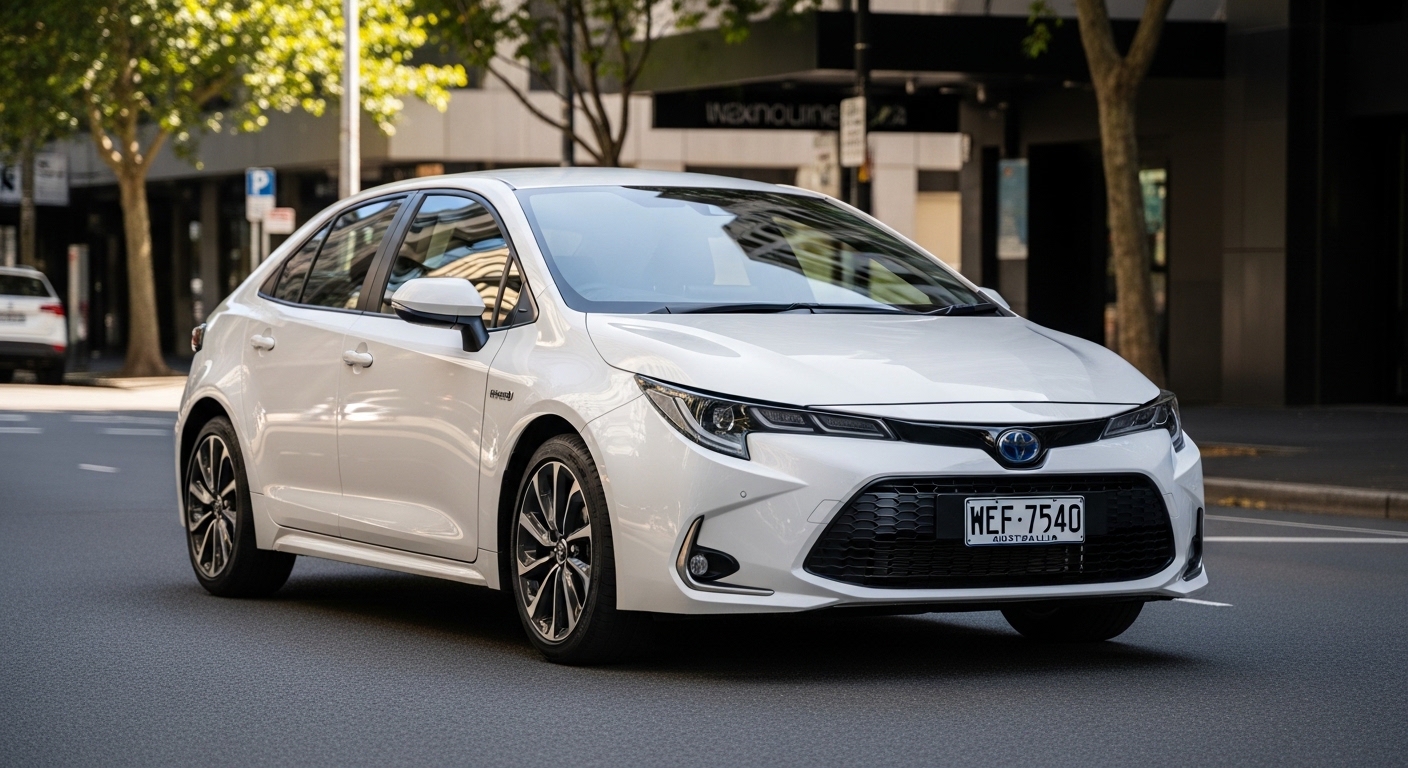 2023 Toyota Corolla.
The current Corolla hybrid (model code ZWE215) runs the 2ZR-FXE 1.8-litre petrol engine paired with an electric motor, for a combined system output of around 90kW. Toyota Australia quotes a combined figure near 4.0 L/100km on the ADR cycle. That economy is a big part of why it's such an easy daily car to own. The hybrid system itself now has more than 15 years of real-world data behind it, so the early "will the battery last?" worry has largely been answered. Familiar proof points like the Prius, RAV4 and Camry hybrid tell the same story.
The honest caveat is simple. On the high-km hybrids we see, battery condition varies car to car. So check the individual vehicle's history and battery health, not just the Toyota badge.
Subaru: Durability Through All-Wheel Drive
Subaru sits at the top of Consumer Reports' 2026 overall Brand Report Card for the second year running, a composite of road tests, predicted reliability, owner satisfaction and safety (Consumer Reports, 2026). The Forester, Outback and XV all earn loyal owners for the same reason: they keep working in conditions that bother other cars.
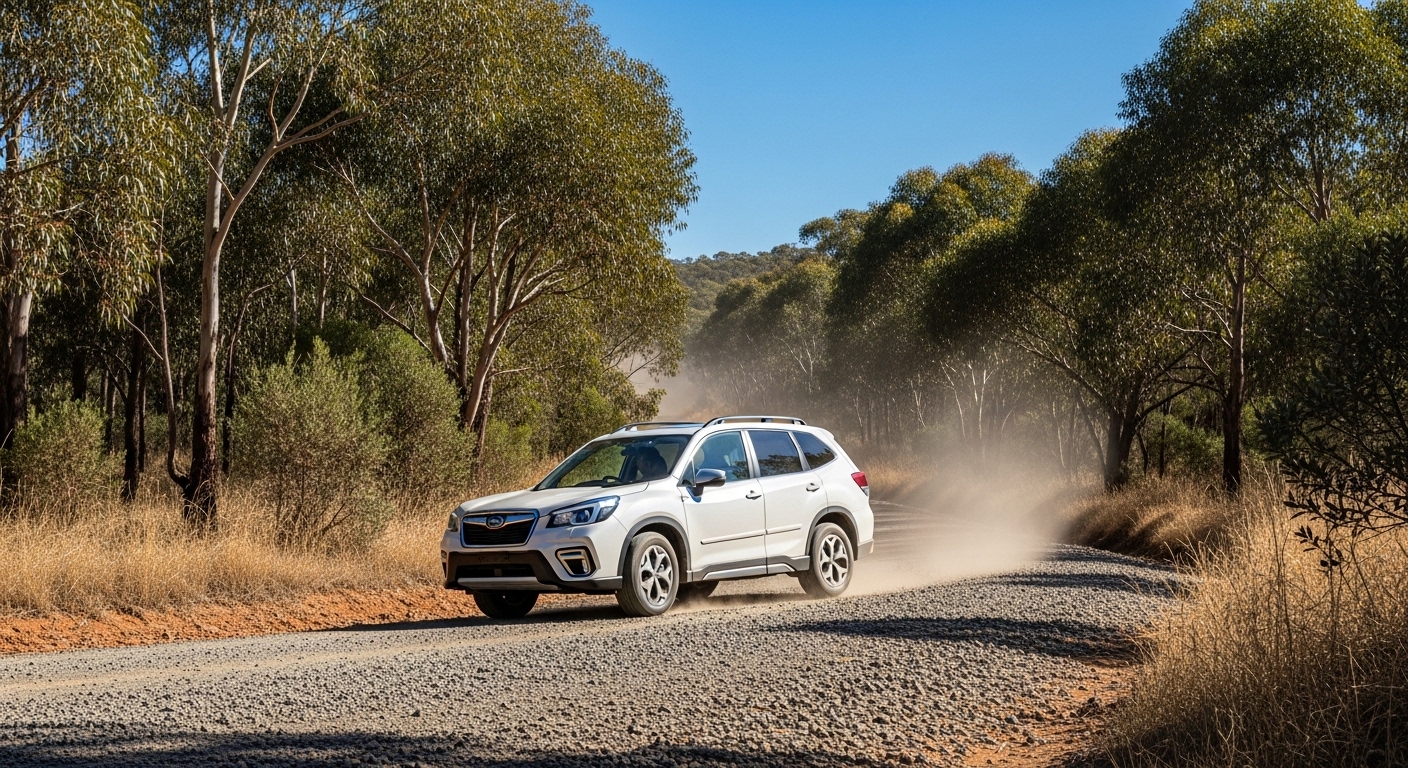 Subaru's symmetrical all-wheel drive suits country roads and light off-road use.
The engineering reason is the boxer engine and permanent symmetrical all-wheel drive. A boxer engine lays its pistons flat and fires them outward horizontally, which keeps the car's centre of gravity low. Subaru has refined that layout for decades, pairing it with balanced grip that suits gravel, wet roads and light off-road tracks. So if you live regionally or tow the odd trailer, that durability is worth a look.
That said, some older boxer generations have a history of head-gasket trouble and oil consumption, and later cars moved to CVT automatics. Check service records carefully, and confirm the gearbox has been looked after.
Mazda: Premium Feel, Japanese Mechanicals
Mazda's typical strength is a nicer cabin without prestige-brand running costs. The Mazda3, CX-5 and CX-30 deliver an interior that feels a class above the price. Servicing, meanwhile, stays closer to mainstream money than to European bills. For buyers who want their car to feel a bit special, that's a sensible middle ground.
Why that works comes down to the engineering. Mazda's naturally aspirated Skyactiv petrol engines are mechanically straightforward. Fewer turbochargers and less complexity usually mean fewer expensive surprises down the track.
That said, be honest about the caveat. Mazda slipped notably in Consumer Reports' 2026 ranking, dropping several places year on year. Some diesels and early turbo petrols also need disciplined, on-time servicing to stay healthy. A patchy logbook on those variants is a real risk.
Honda: Precise Engineering, Light Footprint
The Honda Shuttle is a good example of Honda doing what it does best: clever packaging and efficient engineering in a practical, everyday shape. It's a compact hybrid wagon with far more boot and rear space than its footprint suggests, which makes it a quietly excellent small-family or delivery car.
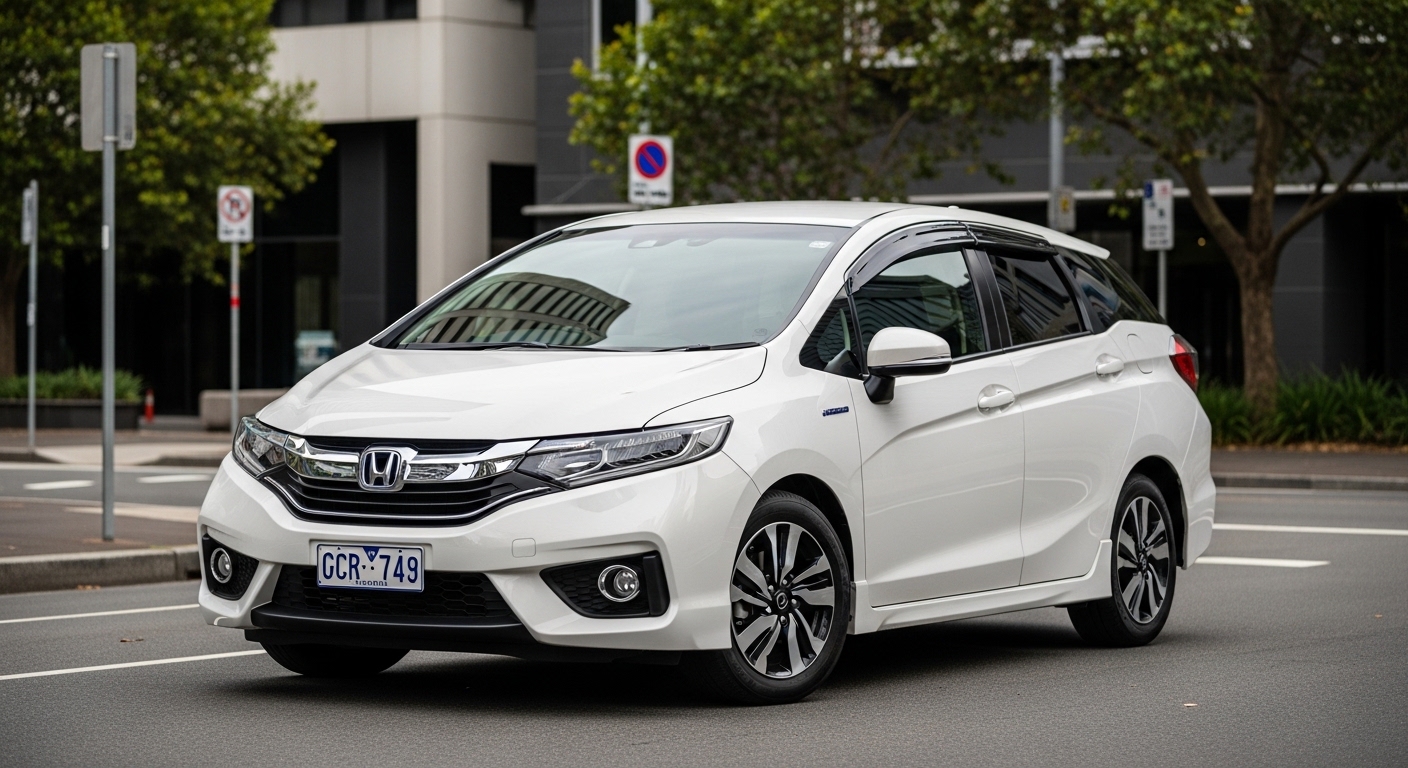 2020 Honda Shuttle.
The Shuttle hybrid uses Honda's LEB 1.5-litre Atkinson-cycle petrol engine with the i-DCD single-motor hybrid system and a 7-speed dual-clutch transmission. The Atkinson cycle is a fuel-saving engine tune that trades a little power for better economy. The result is frugal, with Japanese JC08 figures in the low-to-mid 30s of km per litre, and it drives more like a normal car than a typical hybrid.
The Honda Vezel, sold as the HR-V in many markets, applies the same recipe to a light SUV. It shares that LEB 1.5-litre hybrid drivetrain, so you get the high seating position buyers want with sensible running costs.
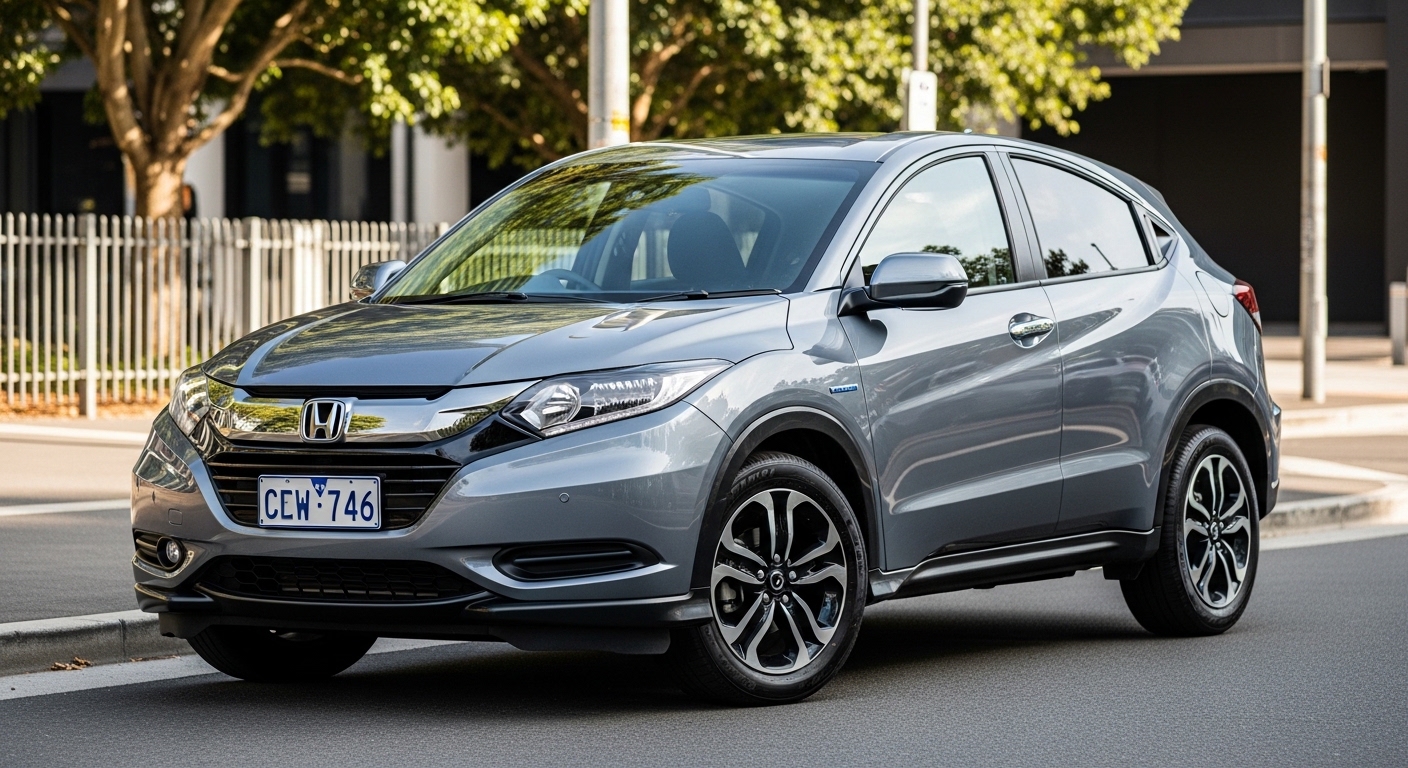 2019 Honda Vezel.
The honest caveat for Honda is in the drivetrain detail. Some early CVTs and the i-DCD hybrid units have known quirks if they've been neglected. With these cars, a clean service history isn't a nice-to-have, it's decisive.
Nissan: Simple, Proven, Efficient
The Nissan Note shows why Nissan keeps scoring above average. e-POWER is a series-hybrid system: the petrol engine never drives the wheels directly, it only runs a generator that feeds the electric motor. In the Note, that means smooth, instant electric response in town.
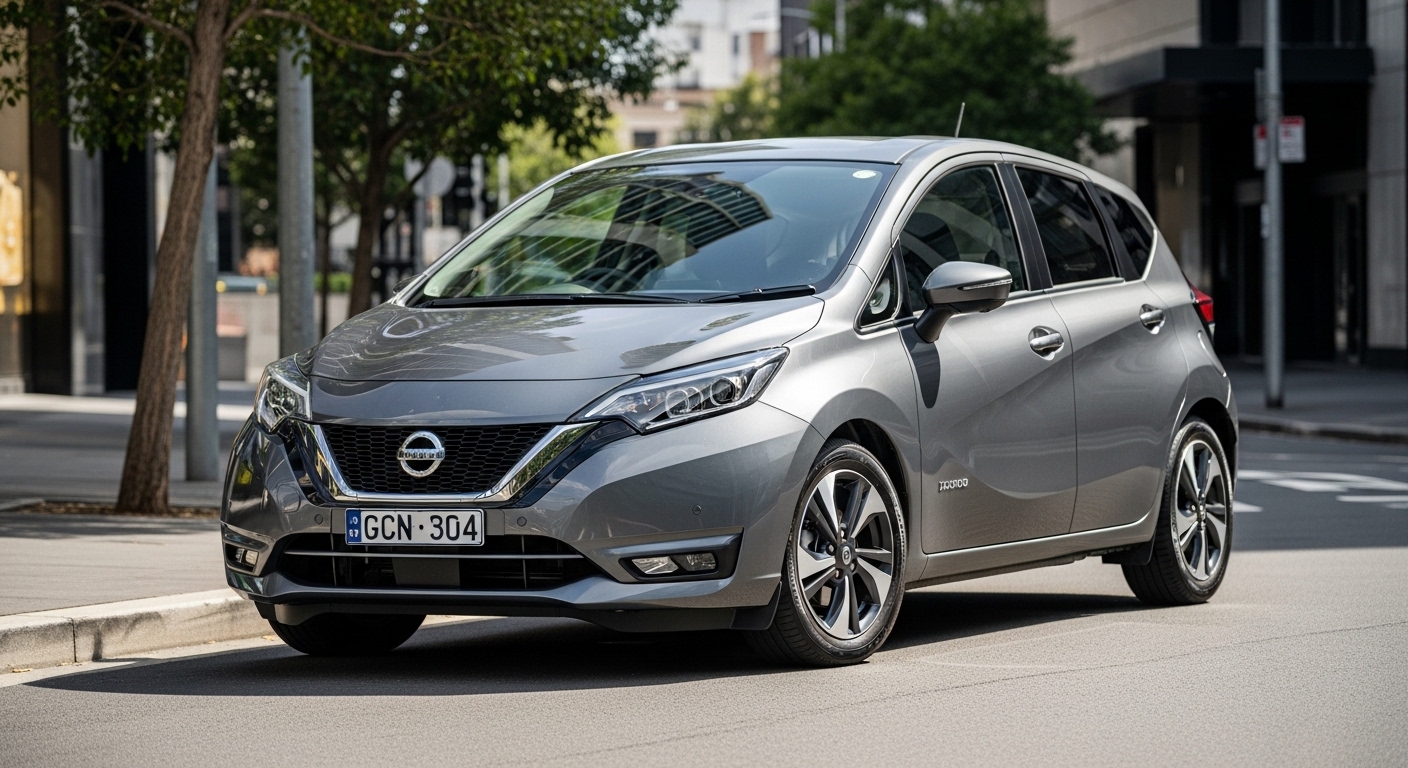 2021 Nissan Note.
The Note e-POWER pairs a 1.2-litre petrol generator with an 80kW electric drive motor producing around 254Nm. Nissan quoted roughly 37 km/L on Japan's JC08 cycle for early versions. Because the wheels are always driven by the motor, several of the wear points buyers worry about simply aren't in the loop.
The Nissan Serena covers the family end. It's a roomy eight-seat people mover, and the version here uses the proven MR20DD 2.0-litre engine with Nissan's mild-hybrid assist, an easy, no-drama way to move a full load.
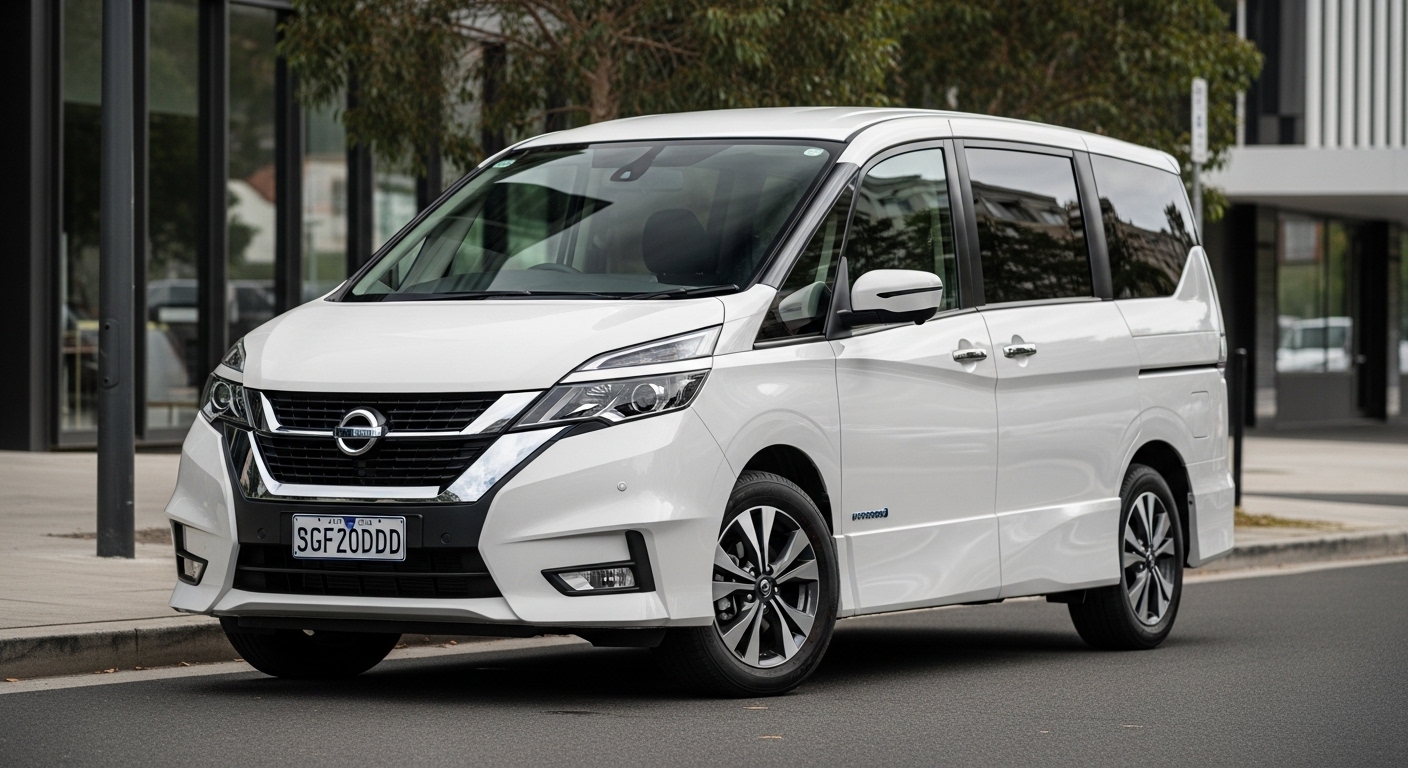 2021 Nissan Serena.
Nissan's classic caveat is older CVT longevity. On the used Nissans we inspect, a CVT that's been starved of fluid changes is the most common worry. So confirm the servicing, and feel for shudder or hesitation on a test drive.
And the Rest: Mitsubishi, Suzuki, Daihatsu
These three are quietly dependable in a different way. Mitsubishi's Outlander, the Suzuki Swift and various Daihatsu kei-class platforms are simple, light and cheap to run. They don't chase the latest tech, and that restraint is exactly why they tend to keep going.
The caveat is practical rather than mechanical. Some imported variants have a smaller dealer and parts footprint, so factor parts access and specialist knowledge into your decision before you buy.
Does a Reliable Brand Guarantee a Reliable Car?
No. Even within a top brand, your odds shift with the specific car. A well-kept "average" car will out-last a neglected "reliable" one almost every time. The badge narrows the field. It doesn't promise the particular vehicle in front of you is sound.
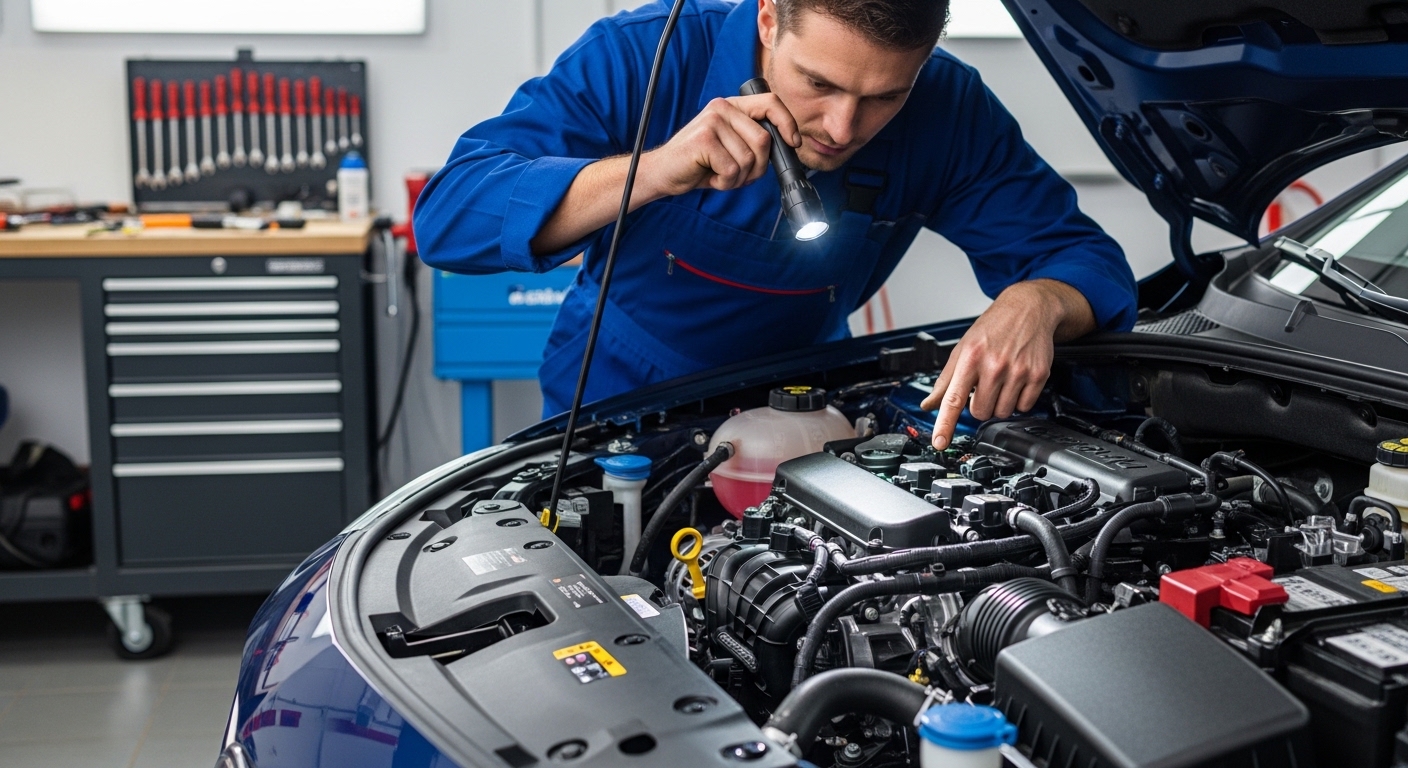 A reliable badge narrows the odds; the individual car's history and condition decide the rest.
Drivetrain Matters More Than the Badge
Within one brand, the engine and gearbox can change the risk profile completely. A naturally aspirated petrol is generally less stressed than a small turbo. A CVT, or continuously variable transmission, uses belts and pulleys instead of fixed gears, and its longevity depends heavily on regular fluid changes. Early hybrids, meanwhile, raise fair questions about battery health. In short, two cars wearing the same badge can be very different bets. Our guide to periodic hybrid maintenance is worth a read if you're leaning hybrid.
Service History Beats Reputation
In practice, service history beats reputation every time. A complete logbook, regular oil changes and a pre-purchase inspection tell you more than the badge ever will. Well-maintained cars also hold their value better, which is why reliability and resale go hand in hand. If that matters to you, see our notes on protecting resale value.
Which Brand Makes Sense for You?
The right badge depends on how you actually use the car, not on which brand wins a global table. Use the quick guide below to match a brand to your situation, then shortlist the specific models that fit.
 The right brand depends on how you actually use the car day to day.
- If you mostly drive in city traffic, a Toyota or Nissan hybrid like the Corolla or Note keeps running costs low and parking easy.
- If you've got a growing family, a practical Honda or Nissan people mover such as the Shuttle or Serena suits school runs and airport trips.
- If you do high-km highway driving, Toyota's parts network and conservative engines make servicing anywhere straightforward.
- If you want light off-road or country-road ability, Subaru's all-wheel drive is the natural pick.
- If running cost matters most, a simple Suzuki or a proven Toyota is hard to beat.
For the model-by-model shortlist, see our top reliable brands and models guide and our companion piece on the models that last for ages.
Where Does Carbarn Fit In?
Once you've settled on a brand, the next step is finding a well-kept example with a clear history, and that's where Carbarn comes in. As a Sydney-based, licensed motor dealer specialising in Japanese-market vehicles, Carbarn offers compliance-ready cars available in Australia, with the hybrid range grouped together for easy browsing. The team runs an in-house, RAW-certified compliance workshop in Lidcombe and handles warranty, finance and door delivery. If you want a specific grade or spec that isn't on the local market, Carbarn can also source it directly from Japan, managing auction bidding, VIA approval and compliance end to end.