




Ready to Hit the Road in Style?
Save money and reduce emissions with vehicles designed to deliver exceptional mileage. Visit our inventory and find a car that fits your lifestyle.
Ready to Hit the Road in Style?
Save money and reduce emissions with vehicles designed to deliver exceptional mileage. Visit our inventory and find a car that fits your lifestyle.
Small EVs sound simple enough. They are easier around town, cheaper to run than a typical petrol car, and usually easier to park day to day. The catch is that this part of the market is no longer just tiny hatchbacks. Some of the best small EVs in Australia are now compact SUVs, and some of the cheapest-looking options only make sense for certain buyers.
That is what this guide is here to sort out. It runs through seven small EVs that make the most sense for Australian buyers in 2026, plus the sort of driver each one suits best.
Quick Answer
EVs made up 13.1% of new-car sales in Australia in 2025, with more than 157,000 sold overall, according to the Electric Vehicle Council.
The best small EV for most buyers is the Kia EV3, but the right fit changes quickly depending on budget, charging setup, and how much space you actually need.
If you want a hatch, start with the MG4, BYD Dolphin, GWM Ora, and Nissan Leaf. If you want a small SUV or crossover, start with the EV3, Hyundai Kona Electric, and Volvo EX30.
What Counts as a Small EV in Australia Now?
Australia already had 153 EV models available by 2025, up from 123 in mid-2024, according to the Electric Vehicle Council. That is why “small EV” no longer means one narrow category. It can mean a hatchback, or it can mean a compact electric SUV that is still easy around town.
So this article uses a practical definition. If a car is compact enough to feel easy in city and suburban driving, it belongs in the conversation. A broader guide to the best electric cars in Australia can cover the whole market. This one is about the small end of it.
The 7 Small EVs Worth Shortlisting First
Official dimensions from Volvo, BYD, and Kia show why buyers cross-shop these cars. The EX30 is 4,233mm long, the Dolphin is 4,290mm, and the EV3 is 4,300 to 4,310mm depending on variant.
Which Small Electric Hatchbacks Make the Most Sense?
The hatchback end of the segment still gives buyers plenty of choice. MG Australia says the MG4 offers up to 530km WLTP depending on variant, BYD lists the Dolphin Premium at 427km WLTP, GWM lists the Ora at up to 400km, and Nissan quotes an indicative 270km WLTP figure for the regular Leaf. So there is now a real spread of options, from newer budget hatches to more affordable used EV paths.
MG4
The MG4 is probably the easiest hatchback recommendation if you want value without feeling like you are settling. It feels more like a complete everyday car than a compromised city-only EV, and that is a big part of why it keeps showing up on Australian EV shortlists.
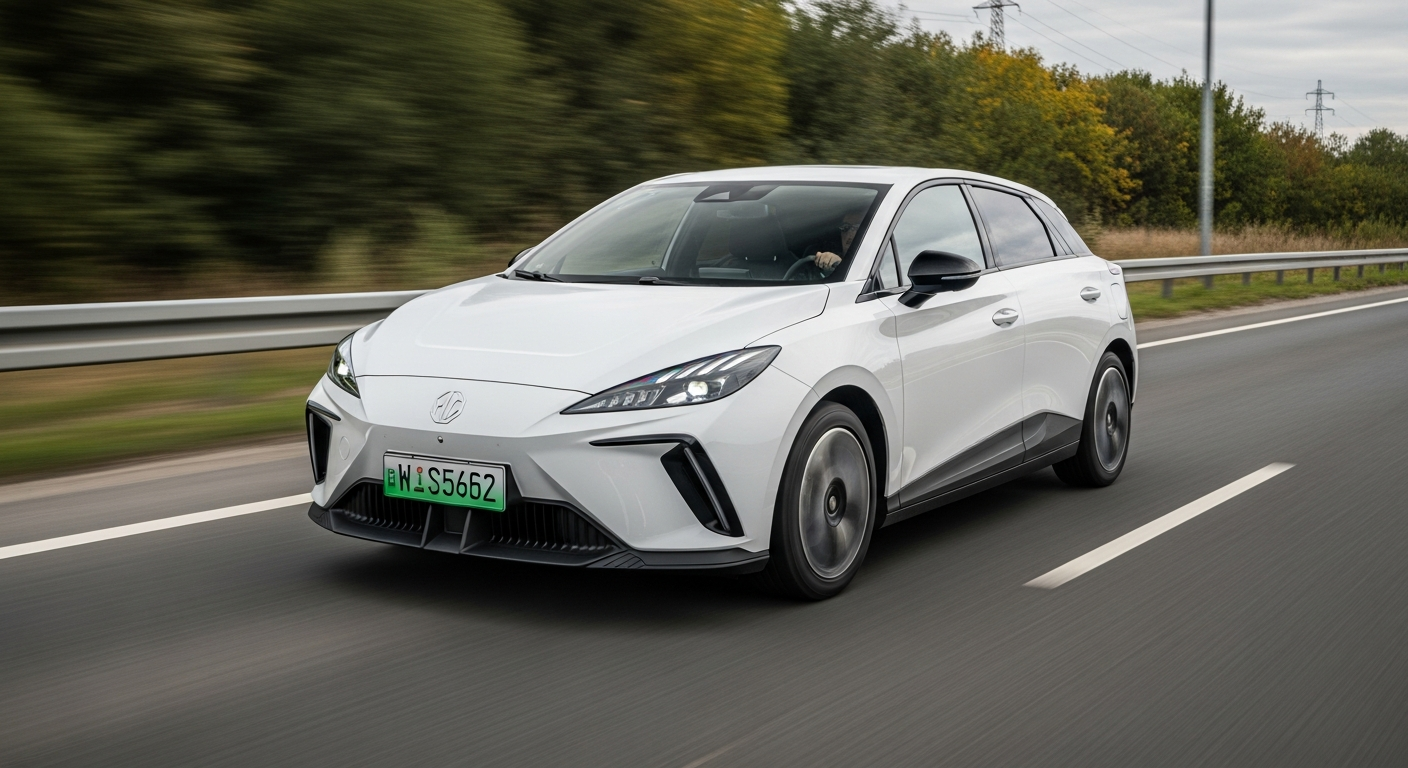
MG Australia says the MG4 range starts with a 51kWh battery and extends to a 77kWh Long Range version, with up to 530km WLTP depending on variant and 10 to 80 percent DC charging in as little as 26 minutes. That spread matters because it gives buyers a real choice. If most of your driving is commuting and local errands, the smaller battery makes the car more accessible. If you want fewer charging stops and more flexibility for weekend driving, the bigger battery starts to make more sense.
There is also more to the MG4 than the headline range number. MG talks up the rear-wheel-drive layout, the 50:50 weight distribution, and a 0 to 100km/h time from 6.5 seconds in some versions. In plain English, that usually means it feels a bit more planted and a bit less like a budget appliance than some rivals. If you want a small EV that still feels comfortable on mixed urban and highway driving, the MG4 makes a lot of sense.
The trade-off is that it is not the tiniest-feeling hatch in this guide. It is the hatchback for buyers who want value, range and everyday flexibility, not just the smallest footprint possible.
BYD Dolphin
The Dolphin is the pick for buyers who want a city-friendly EV that still feels roomy enough to live with. At 4,290mm long, it is compact without feeling cramped, which is exactly why it works so well in this kind of shortlist.
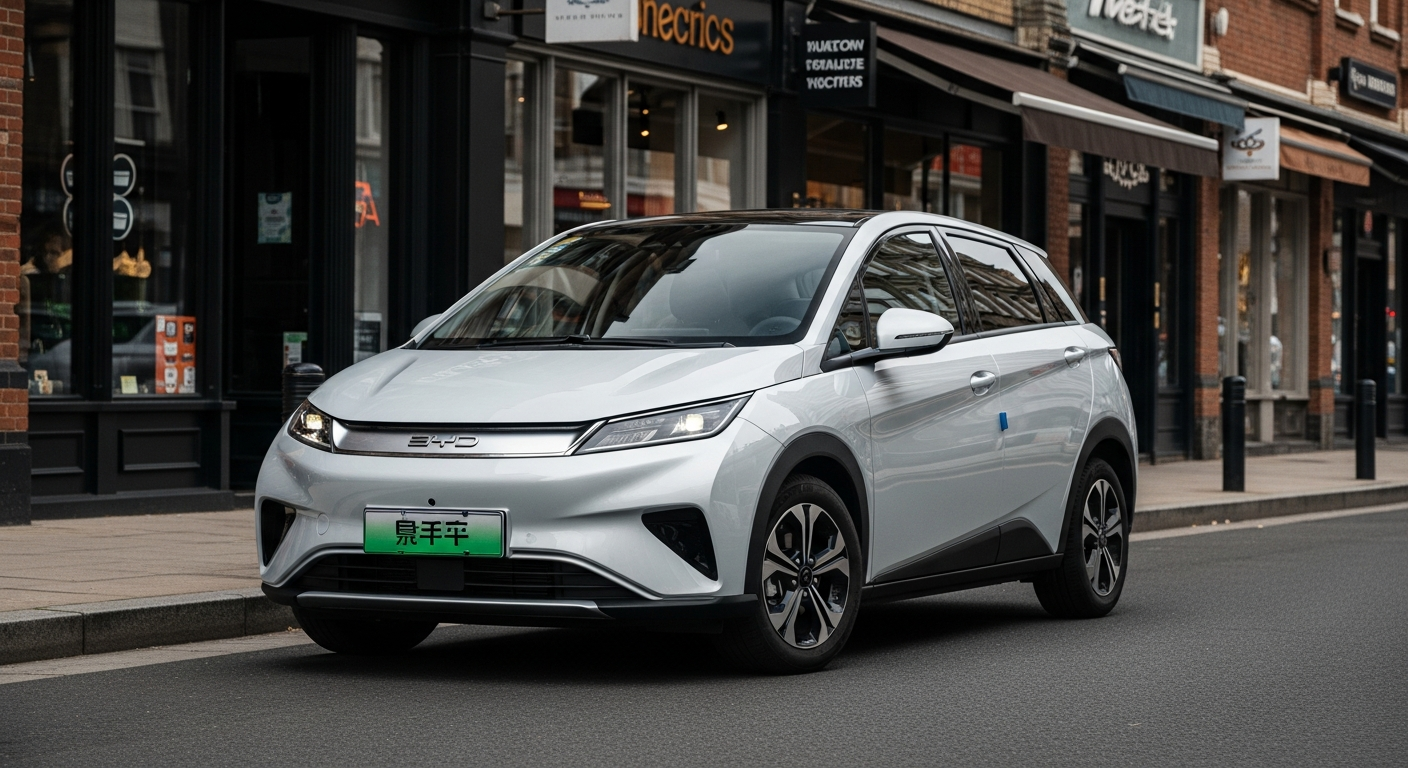
BYD’s Australian spec material lists the Dolphin Premium at 150kW and 310Nm, with a 60.48kWh Blade Battery, 427km WLTP range, 345L of boot space, and a 2,700mm wheelbase. On BYD’s official Dolphin page, the Premium is also quoted at 30 to 80 percent DC fast charging in around 29 minutes. Those numbers are not just brochure filler either. They translate into a car that feels brisk away from the lights, roomy enough for day-to-day family duties, and easy enough to live with if you are doing commuting, shopping, school runs and normal suburban driving.
The Dolphin’s real strength is balance. It does not lean too hard into being a bargain-basement car, and it does not feel like a flashy tech experiment either. It just feels well judged. That is why it is one of the easiest small EVs to recommend to first-time EV buyers.
The only real watch-out is that the better range and performance numbers belong to the higher-spec versions, so it pays to check which grade you are actually comparing.
GWM Ora
The Ora is the one to look at if you want the most obvious city-car feel from a modern EV. GWM lists it from $33,990 drive-away for private buyers in Victoria, with up to 400km of range and a 7-year unlimited-kilometre warranty.
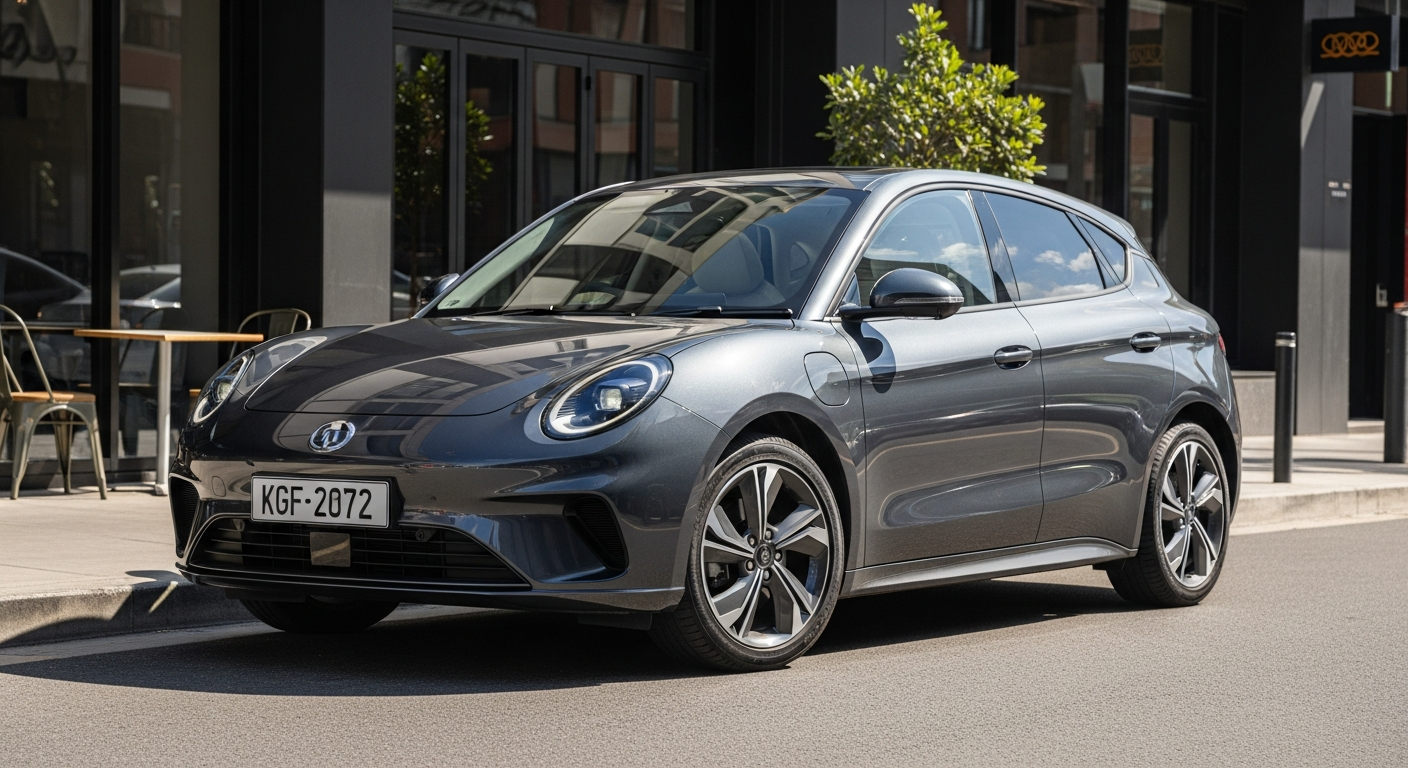
There is a bit more substance behind that simple city-EV pitch as well. GWM says the updated Ora uses a 57.7kWh LFP battery, produces 126kW and 250Nm, gets from 0 to 100km/h in 9 seconds, and now includes Vehicle-to-Load capability with up to 6kW output. That matters more than it might sound. The battery chemistry is known for durability and thermal stability, the power delivery should feel punchy enough around town, and the V2L function is genuinely handy if you like the idea of powering small gear from the car.
This is still the most clearly urban-focused hatchback in the list, though. The Ora feels like it is built for apartment parking, stop-start traffic, shopping strips and short-to-medium daily driving. That is where the size, styling and lower buy-in work best.
The trade-off is that it is less of an all-rounder if you regularly do longer trips or want one EV to handle every job without compromise. But if your life is mostly urban, the Ora is a strong option.
Nissan Leaf
The Nissan Leaf is still relevant because not every buyer wants to stretch to a newer EV. Nissan’s local MY23 spec sheet lists the regular Leaf with a 39kWh battery, 110kW, 320Nm, and an indicative 270km WLTP figure, plus 6.6kW AC charging and 50kW CHAdeMO DC charging.
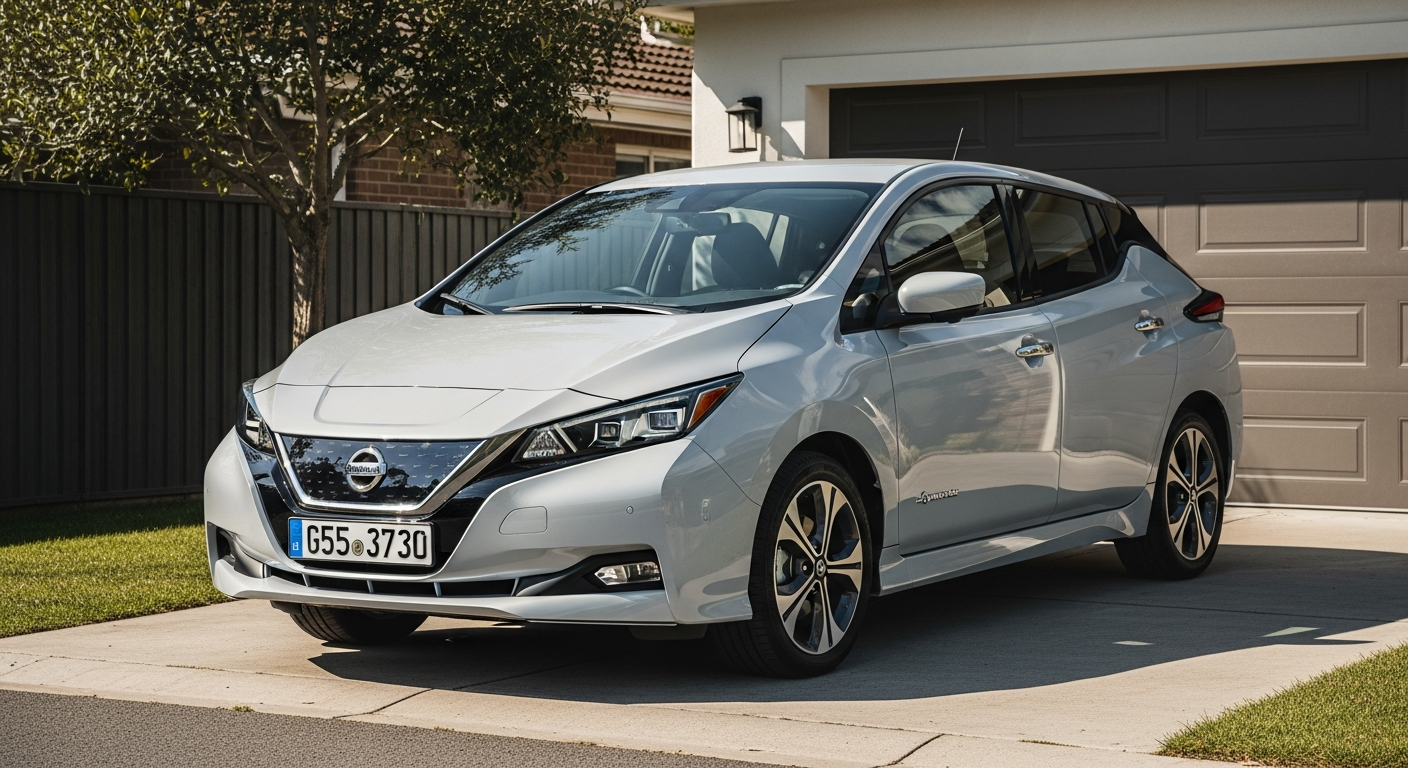
Those numbers tell you pretty clearly what sort of EV this is. It is not the pick for buyers who are regularly doing long regional trips and want the newest charging standard or the biggest range figure. It is the practical used EV for commuting, school runs, shopping and normal suburban driving, where that indicative range can still cover a lot of real weekly use if you can charge at home.
It is also worth remembering that the Leaf is 4,490mm long, so it is not the tiniest car in this guide even though it sits in the hatchback camp. What it does offer is a more affordable entry point into EV ownership, and that matters if the jump to a newer EV3, Kona Electric or EX30 feels like too much money. That is why it works best here as the used-car alternative rather than the newest or sharpest pick.
Which Small Electric SUVs and Crossovers Are the Best Picks?
Some of the best small EVs in Australia are now compact SUVs rather than hatchbacks. The Kia EV3 brochure lists 436km to 604km WLTP depending on grade, the Hyundai Kona Electric spans 370km to 505km WLTP, and the Volvo EX30 reaches up to 462km while staying just 4,233mm long.
Kia EV3
If you want the best all-round small EV, the EV3 is probably the one to start with. It is compact enough to stay easy around town, but broad enough in ability to suit plenty of buyers, which is exactly what an overall winner should be.
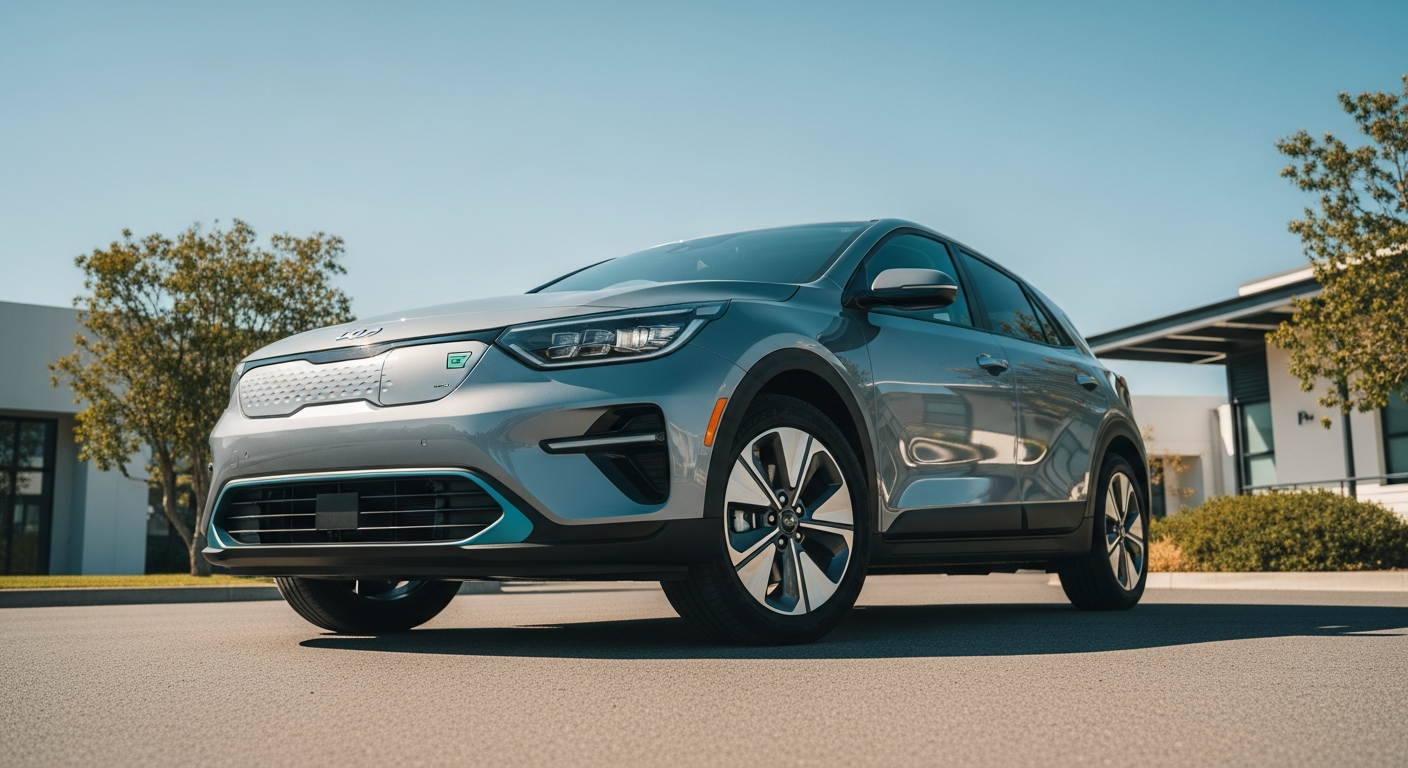
Kia’s Australian brochure lists a 150kW motor and 283Nm, with either a 58.3kWh or 81.4kWh battery depending on variant. Official range runs from 436km WLTP to 604km WLTP, and Kia also quotes 10 to 80 percent DC charging in around 29 to 31 minutes on a high-speed charger. On top of that, it has a 460L boot plus a 25L front storage space, all in a body that is only 4,300 to 4,310mm long.
That is a seriously useful mix of specs for a compact SUV. The long-range battery gives it genuine flexibility beyond city use, the boot space makes it more realistic as an everyday family car, and the modest exterior length means it should still feel easy enough in tighter car parks and suburban streets. In other words, it feels less like a small EV you have to work around and more like a compact SUV that just happens to be electric.
It is not the cheapest option here, but if you want one car that can cover the broadest range of jobs with the fewest obvious compromises, the EV3 is probably the best fit.
Hyundai Kona Electric
The Kona Electric is the pick for buyers who like the idea of a small EV but want a slightly more familiar small-SUV shape. At 4,355mm long, it is still compact by normal SUV standards, but it gives you a bit more of that traditional small-SUV feel than the hatchbacks do.
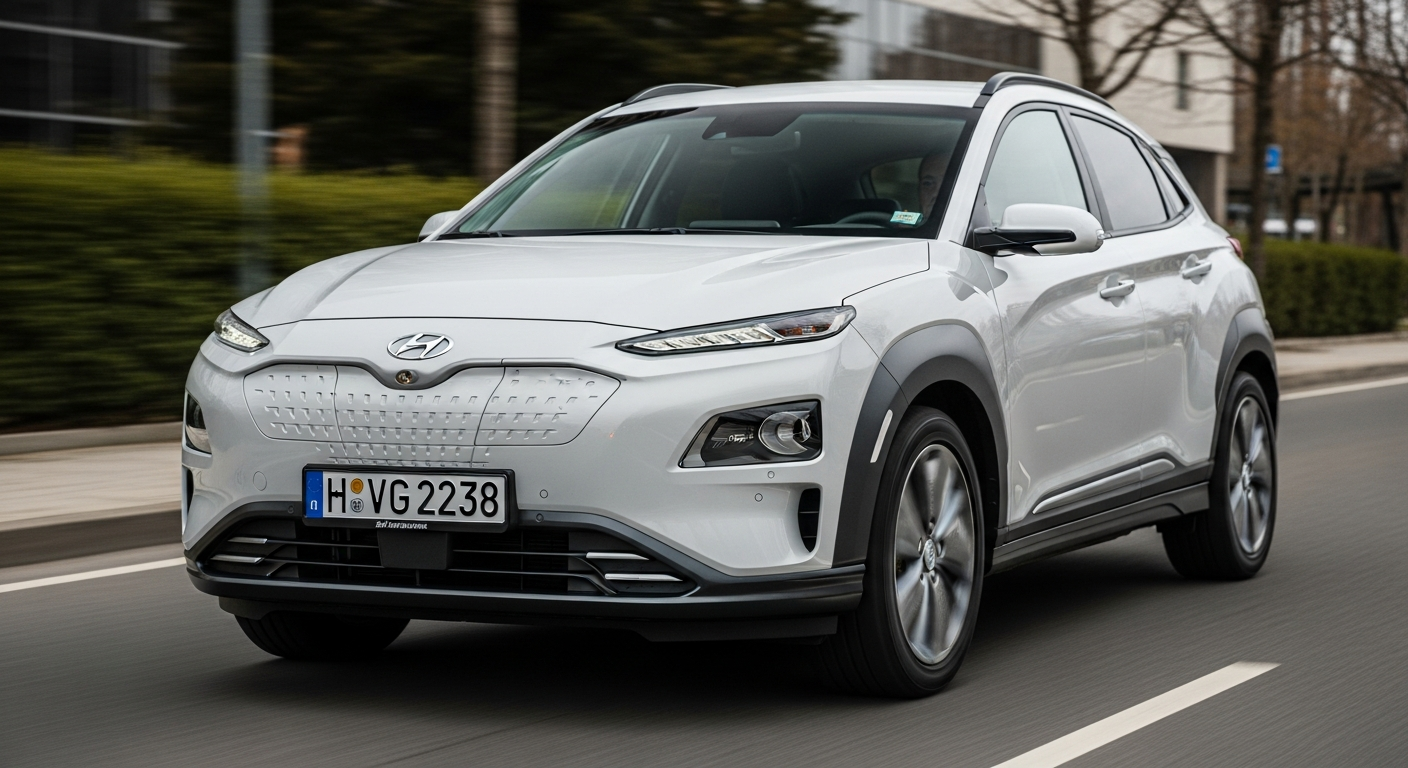
Hyundai’s current Australian spec sheet shows the Kona Electric with 99kW and 150kW motor versions, both with 255Nm, plus up to 505km WLTP in Extended Range form and 10 to 80 percent DC charging in 45 minutes. Hyundai also quotes 407L of boot space and up to 1,241L with the rear seats folded. That is the sort of spec mix that matters in daily life. The torque means it should still feel lively enough for normal driving, the longer range helps if your driving is not purely metro-based, and the boot space makes it easier to justify as the one car in the household.
That is really the Kona’s argument. It is not trying to be the quirkiest or the cheapest small EV. It is trying to be easy to live with. If you want something that feels familiar, practical and more forgiving when life gets a bit busier, it makes a lot of sense.
Volvo EX30
The EX30 is the premium option here, but what makes it interesting is that it is still genuinely compact. Volvo lists the Single Motor Extended Range at 200kW and 343Nm with a 69kWh battery, up to 462km of range, 10 to 80 percent DC charging in 28 minutes, and 0 to 100km/h in 5.3 seconds.
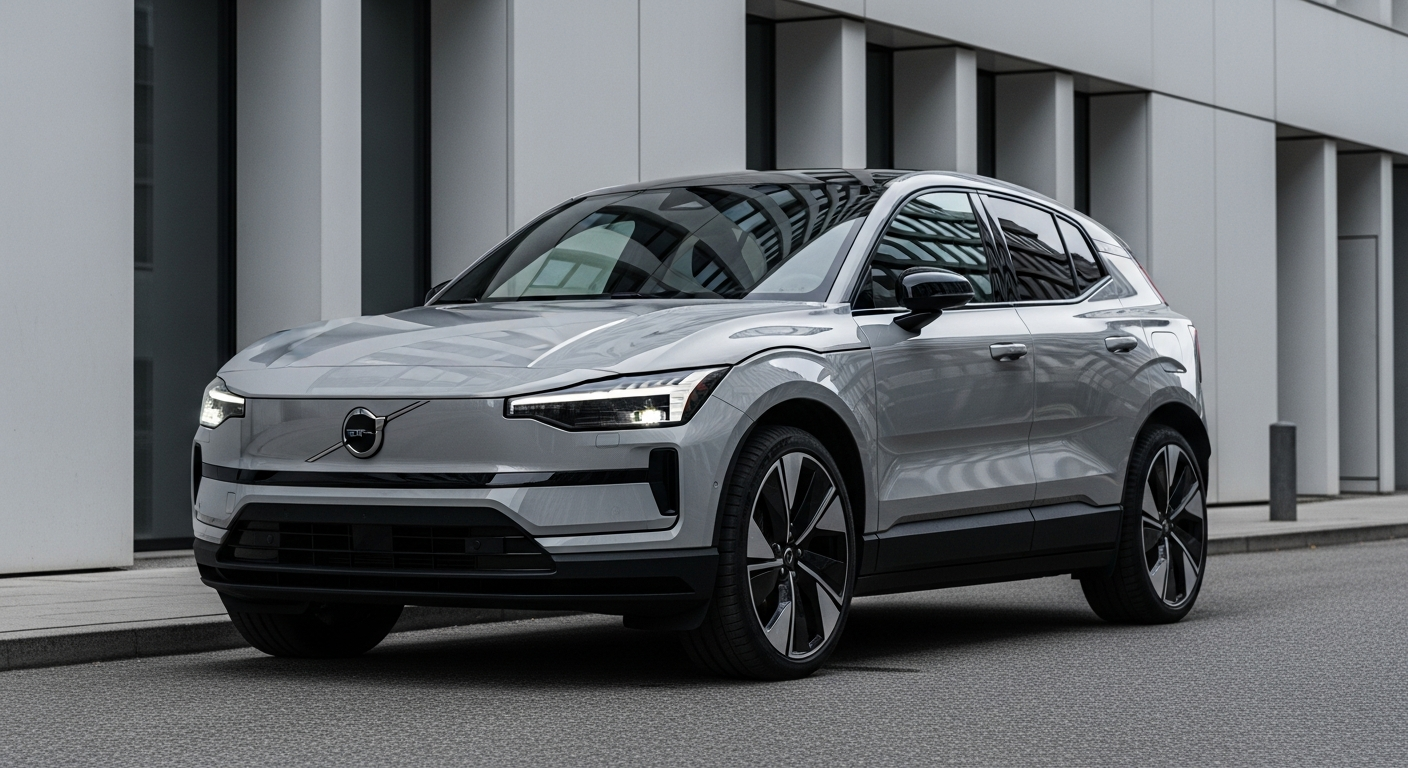
Those are strong numbers on their own, but they are even more interesting when you look at the size. The EX30 is only 4,233mm long and offers up to 400L of luggage capacity with the rear seats up. That means it sits right in the same footprint conversation as several hatchbacks here while still giving you a more premium cabin and stronger performance feel than the budget-focused cars in the list.
So who is it for? Buyers who want a small EV that feels more polished every time they get in, without jumping to something much larger. The obvious trade-off is price, but if premium feel matters to you as much as compact size, the EX30 is probably the best fit.
Which Small EV Actually Suits Your Life Best?
The right choice depends less on the badge and more on your routine.
Go for the Kia EV3 if you want the strongest all-round answer and the budget allows it.
Pick the MG4 if value matters and you still want a car that feels comfortable beyond short city trips.
Start with the BYD Dolphin if you want the best city-first all-rounder.
Look at the GWM Ora if low buy-in and urban ease are your main priorities.
Choose the Hyundai Kona Electric if you want small-SUV practicality without going big.
Consider the Volvo EX30 if you want something compact but more premium.
Keep the Nissan Leaf in mind if a used EV at a lower price point suits your budget and driving pattern better than a new car.
Should You Buy a Small EV, a Hybrid, or a Used/Import Option Instead?
Australia had 1,272 fast-charging locations and at least 4,192 high-power public plugs by 2025, according to Electric Vehicle Council data. That is good progress, but it does not automatically make a small EV the right answer for every buyer.
If you can charge at home, mostly drive around town, and want lower running costs, a small EV can make a lot of sense. If you live in an apartment, do frequent regional trips, or want more flexibility without relying on charging, a hybrid or PHEV may still be the better fit. That is where it also helps to read up on the pros and cons of electric cars, the hybrid vs electric car decision, and whether a plug-in hybrid in Australia makes more sense for your use.
Where Carbarn Fits If a Used Leaf or Import Path Makes More Sense
Carbarn is not trying to position itself as an EV-only seller, and this article should not pretend otherwise. But if you finish this guide thinking a used EV or a Japan-sourced option makes more sense than stretching to a newer car, there is still a practical path forward.
That can mean browsing used cars already available in Australia, or using the importing path if the better answer is the right Japanese vehicle sourced to order. Either way, the aim is to make things easier with inspected and reconditioned vehicles, personalised help through the buying process, door-to-door delivery across Australia, and eligible warranty and roadside-support benefits where they apply.
Final Thoughts
The best small EVs in Australia are no longer just little hatchbacks. For plenty of buyers, the real shortlist now includes both hatchbacks and compact SUVs that are still easy to park and easy to live with.
If you want the strongest all-round answer, start with the EV3. If value matters most, the MG4 and Dolphin are both strong options. If your budget is tighter, the Ora and a used Leaf are still worth keeping in the mix.
The right call usually comes down to three things: how you drive, how you charge, and how much space you actually need. Get those three right and the shortlist becomes much easier.