




Ready to Hit the Road in Style?
Save money and reduce emissions with vehicles designed to deliver exceptional mileage. Visit our inventory and find a car that fits your lifestyle.
Ready to Hit the Road in Style?
Save money and reduce emissions with vehicles designed to deliver exceptional mileage. Visit our inventory and find a car that fits your lifestyle.
Australia’s registered vehicle fleet now sits at 20.7 million vehicles, and the average vehicle is already 10.8 years old (ABS, 2023). That matters because most buyers aren’t chasing bragging rights. They’re trying to avoid a bad pick. If you’ve been weighing up the best used cars for fuel savings, the most reliable used cars in Australia, or the best used hybrid cars in Australia, this guide narrows it to the one that balances almost everything well.
Key Takeaways
Australia’s fleet averages 10.8 years old, so low-drama ownership matters (ABS, 2023).
The Corolla Hybrid leads with 4.0L/100km combined and broad service familiarity (Toyota Australia).
Yaris and Note suit tighter budgets, while C-HR and Vezel suit higher-seat buyers.
Condition, safety era and service history matter more than badge hype.
The All-Round Score and the 2026 Shortlist
Australia has 20.7 million registered vehicles and the fleet averages 10.8 years old (ABS, 2023). In that market, the best all-round used car is the one with the widest ownership margin for error: reliable, efficient, practical, safe enough for its era, and easy to service or resell.
A cheap asking price alone doesn’t win this category. What matters if the car is hard to park, thirsty in traffic, or awkward to move on later? That’s why this shortlist leans heavily toward hybrids. They’re not perfect for everyone, but they usually make day-to-day ownership simpler.
The real all-round winner isn’t the flashiest car or the absolute cheapest one. It’s the model most Australians can live with for years without regret. That means decent room, sensible fuel use, predictable servicing, and enough mainstream appeal that the next buyer won’t be scared off.
For this article, we weighted five factors: reliability 25%, running costs 25%, practicality 20%, safety era 15%, and ease of servicing or resale 15%.
For a first car, a different mix might matter, so our guide to the best used cars for first-time buyers is worth a look. For most people, though, this shortlist covers the sweet spot.
The Best Overall Pick: Toyota Corolla Hybrid and the Prius Alternative
Toyota Australia quotes 4.0L/100km combined for the Corolla Hybrid (Toyota Australia, current). That figure, plus broad service familiarity and sensible everyday packaging, is why it remains the best all-round used car for most Australians in 2026. It simply has fewer real-world weaknesses than anything else here.
Toyota Corolla Hybrid — Best Overall
Toyota Corolla Hybrid is still the cleanest answer for buyers who want one car to cover commuting, errands, weekends and resale later on. It’s easy to place on the road, easy to park, and efficient enough that fuel spend doesn’t become a constant annoyance. And really, if a used car can do almost everything well, what else are most people asking for?
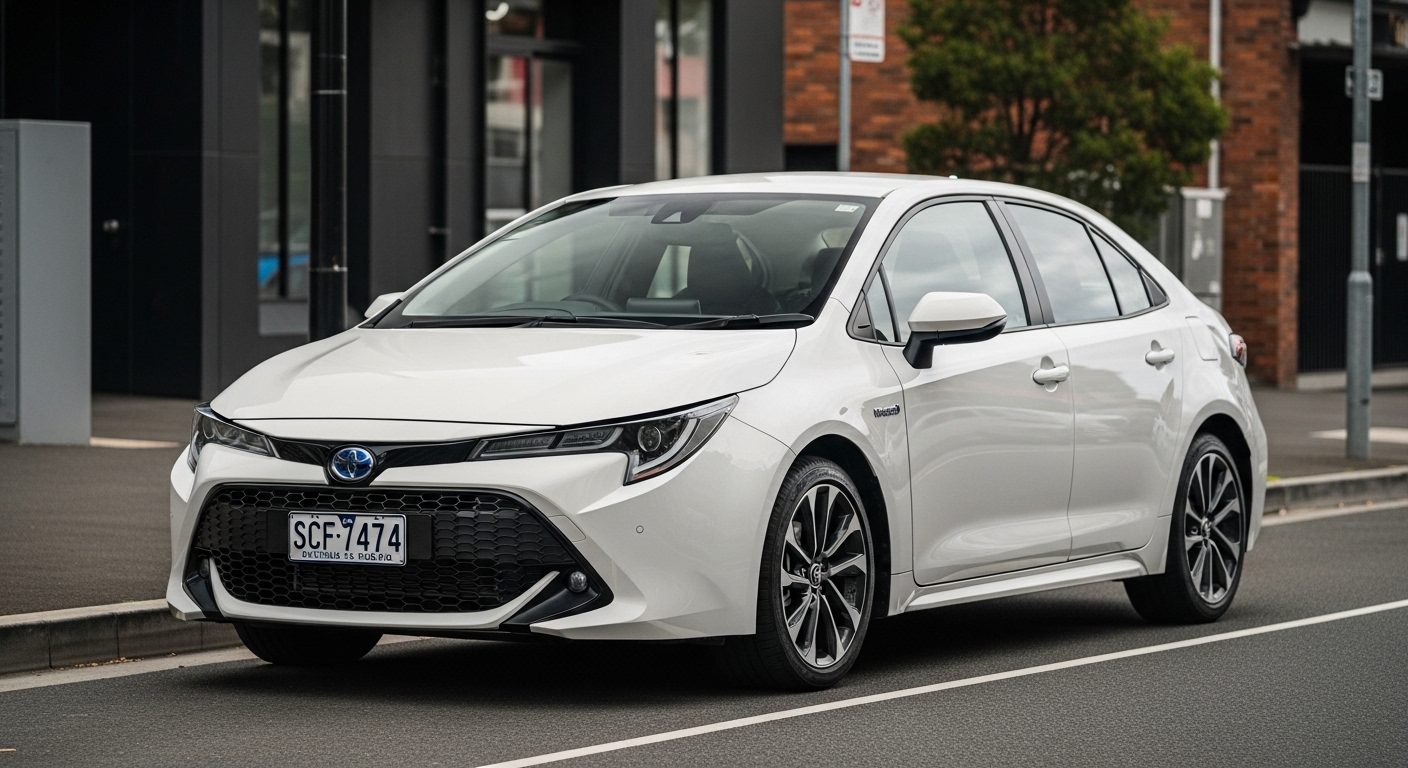
Current Corolla Hybrid variants use a 1.8-litre petrol-electric system with 103kW combined output, about 138hp, and 142Nm from the petrol engine before electric assistance. Official combined fuel use is 4.0L/100km (Toyota Australia, current). That’s paired with strong parts support, familiar servicing, and a body size that suits commuters, couples and small families without feeling tiny.
Toyota Prius — Best for efficiency-led buyers
Toyota Prius is the smarter pick if your brief leans harder toward economy and longer urban or motorway driving. It feels more purpose-built around hybrid ownership than Corolla does. If you like the idea of a used car that openly prioritises efficiency, why not start with the badge that built its reputation on exactly that?
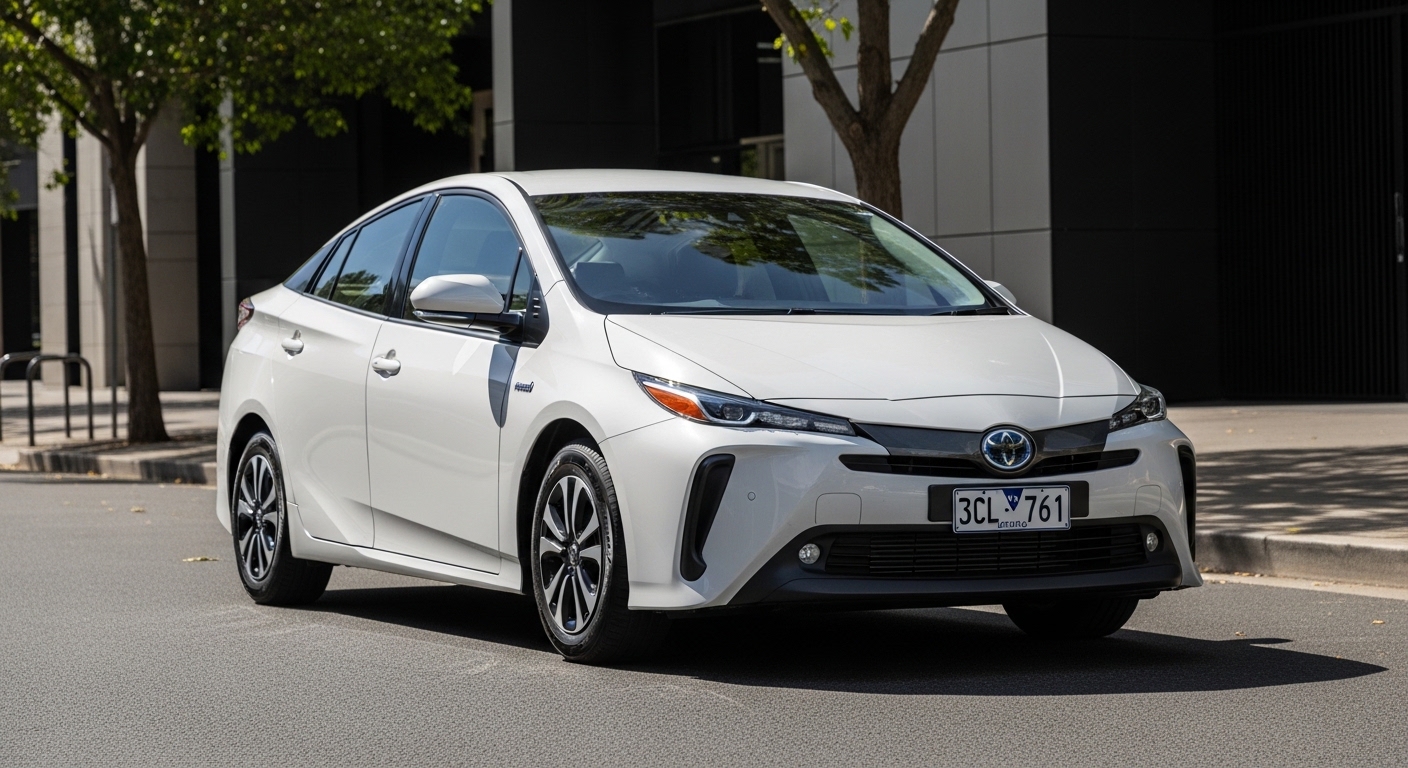
The latest Prius uses a 2.0-litre petrol-electric setup with 144kW combined output, roughly 193hp, with 188Nm from the petrol engine. Official fuel use varies by grade and drivetrain, but current figures sit in the low-4L/100km range. That makes it deeply efficient, but the lower seating position and more specialised liftback shape make it slightly less universal than Corolla.
Tighter-Budget Daily Drivers: Yaris Hybrid and Nissan Note
Australian households spend about 16% of income on transport costs (AAA, 2024). That’s why a smaller hybrid often makes more sense than stretching into a larger car you don’t truly need. If your driving is mostly suburban or urban, right-sized efficiency can beat extra metal every time.
Toyota Yaris Hybrid — Best for city-first buyers
Toyota Yaris Hybrid makes the most sense when your budget is tighter and your daily life happens in tighter spaces. Toyota quotes 3.3L/100km combined (Toyota Australia, current), which is a huge win for city use. If your routine is short trips, parking stations and shopping-centre ramps, smaller can simply be smarter.
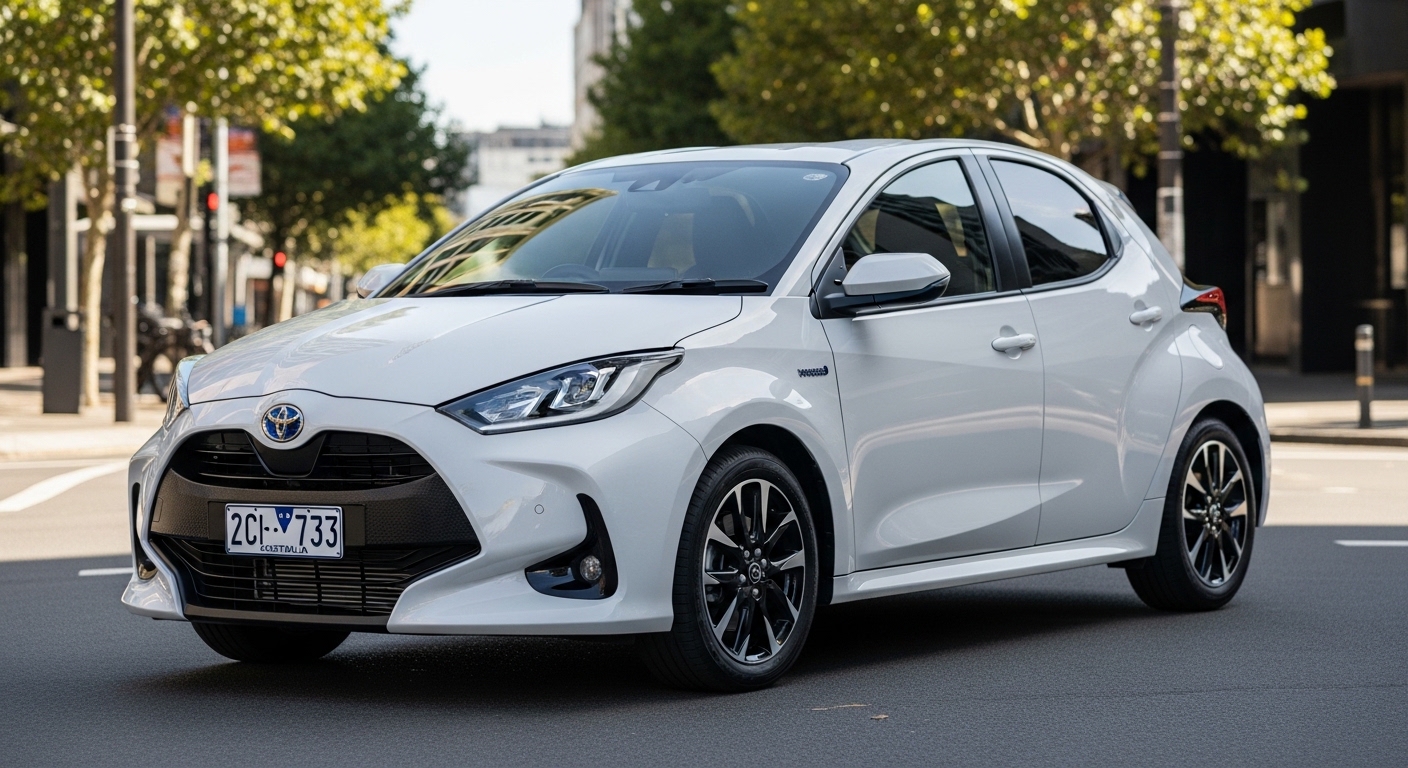
The current Yaris Hybrid uses a 1.5-litre petrol-electric system with 85kW combined output, about 114hp, and 120Nm from the petrol engine. It feels light and tidy, and Toyota’s hybrid familiarity helps buyer confidence. The obvious giveback is space. Rear-seat room and boot capacity trail Corolla, so this one suits singles, couples and lower-kilometre households best.
Nissan Note e-Power — Best compact packaging outsider
Nissan Note e-Power is the clever outsider because it combines a tiny footprint with a cabin that feels more useful than you’d expect. The e-Power system also gives it a very electric-like low-speed feel. Want compact dimensions without that cramped-city-car vibe? This is one of the strongest alternatives on the board.
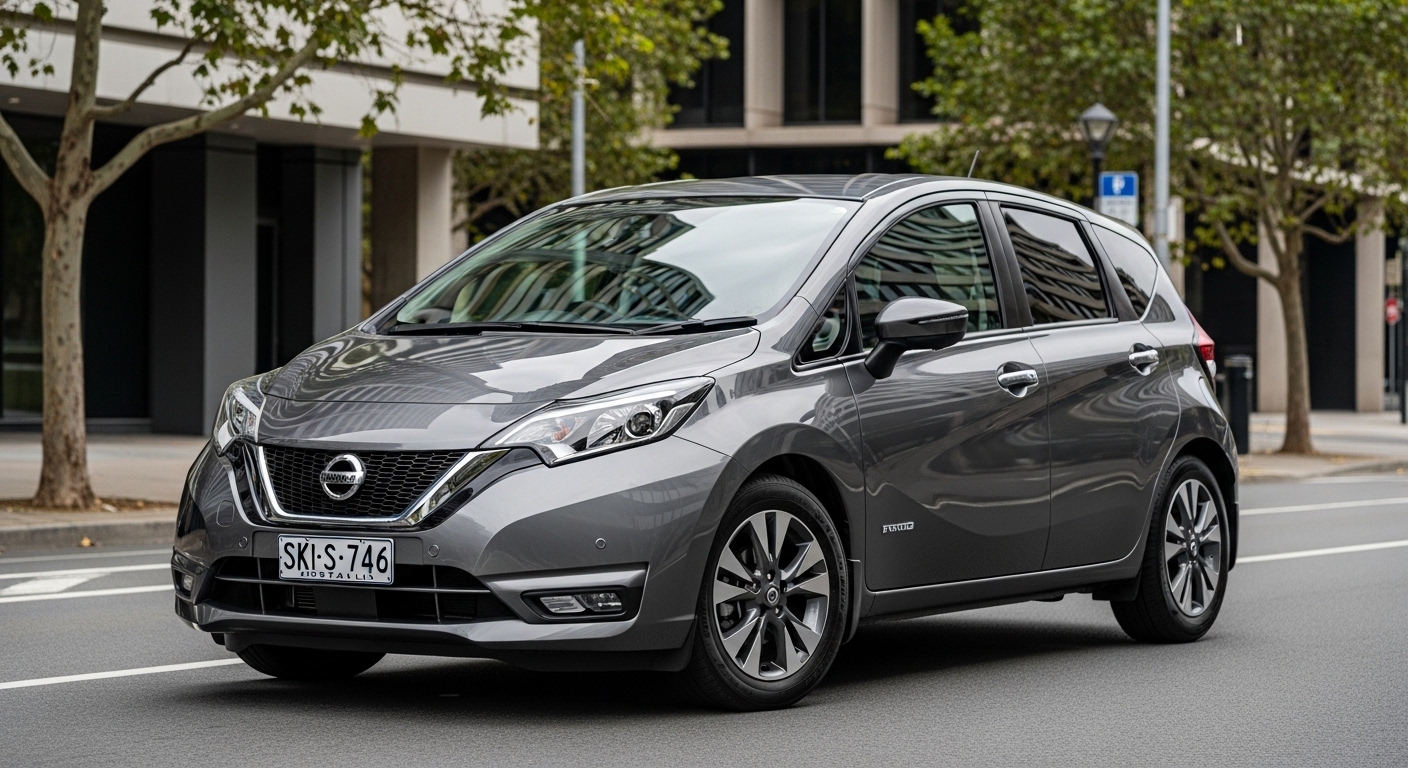
In E13 form, the Note uses a 1.2-litre three-cylinder engine as a generator while an 85kW electric motor delivers 280Nm to the front wheels. Official Japanese WLTC fuel use generally sits in the low-3L/100km bracket, depending on grade. That’s appealing, but buyers should still check variant details, service history and parts familiarity more carefully than they would with a mainstream Corolla or Yaris.
Higher-Seat Practicality: Toyota C-HR and Honda Vezel
Toyota lists the current C-HR Hybrid benchmark at 4.3L/100km combined (Toyota Australia, current). That shows the fuel penalty for a slightly taller driving position isn’t always massive. Still, body shape changes the ownership equation. Is a higher seat worth paying for if the cabin is no more useful?
Toyota C-HR Hybrid — Best local higher-seat option
Toyota C-HR Hybrid suits buyers who want easier entry, a more perched-up driving position, and Toyota hybrid efficiency in one package. It feels more crossover-like than Corolla, which some drivers love from the first test drive. If you spend all week hopping in and out around town, that seating position can matter more than brochure logic.
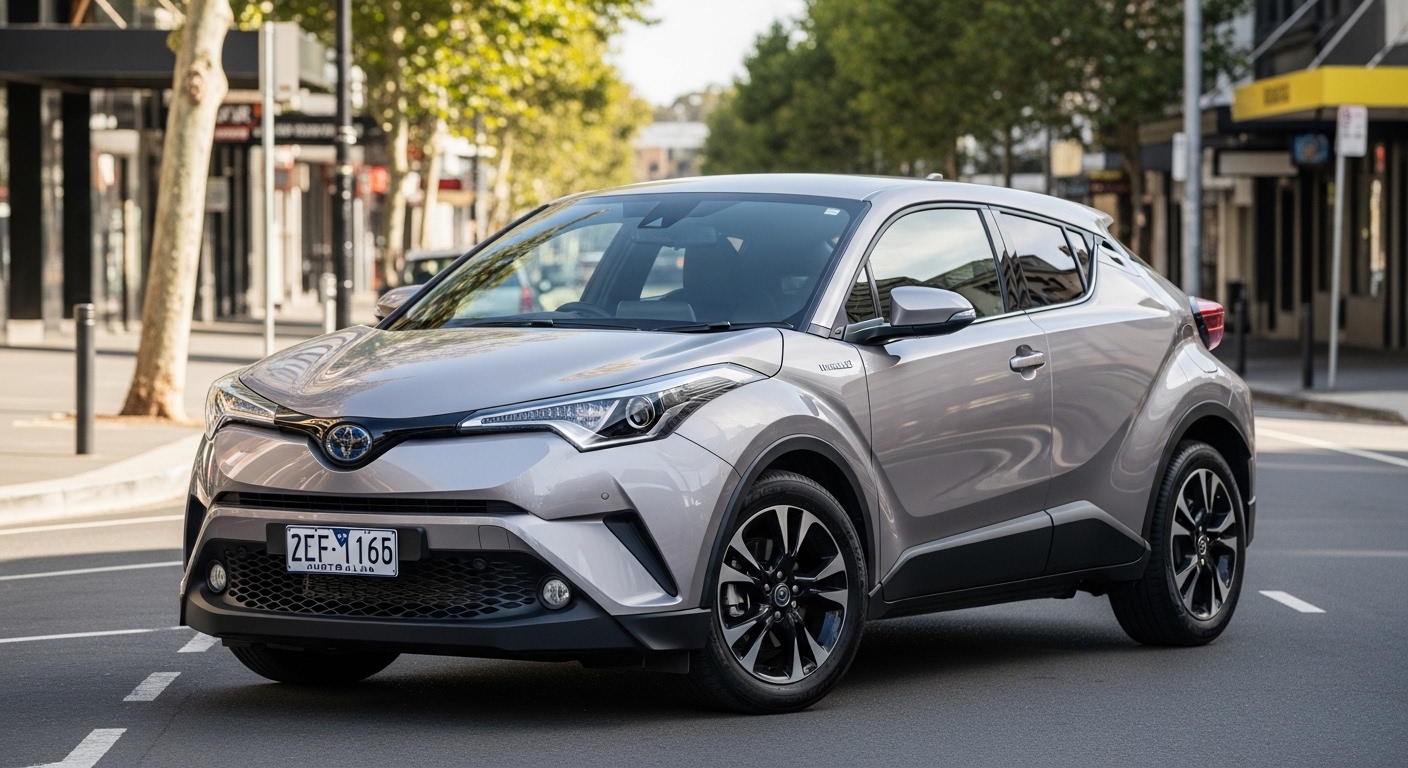
The hybrid C-HR uses Toyota’s 1.8-litre petrol-electric setup with 90kW combined output, about 122hp, and 142Nm from the petrol engine. Toyota Australia’s current hybrid figure starts at 4.3L/100km combined, though exact figures vary by generation and test cycle. The catch is practicality. Rear visibility and cargo usefulness aren’t as strong as Corolla’s, so this is a comfort-choice winner more than a packaging winner.
Honda Vezel Hybrid — Best Japan-sourced crossover alternative
Honda Vezel Hybrid is the Japan-sourced option for buyers who want compact-SUV flexibility with clever interior packaging. It tends to feel roomier than its footprint suggests, and the cabin layout is genuinely useful. Need something that handles prams, sports bags and city parking without going full-size? The Vezel has a real case.
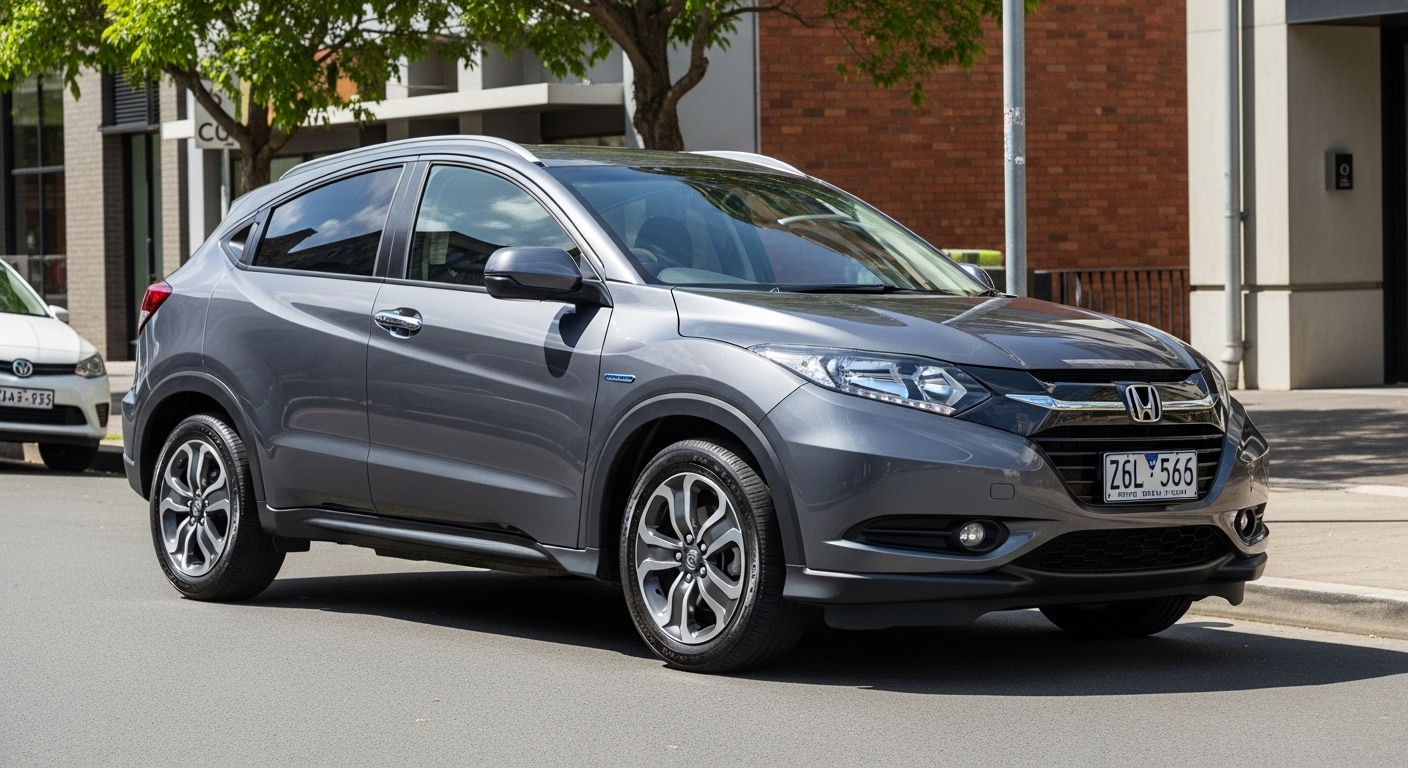
The RU3 Vezel Hybrid pairs a 1.5-litre petrol engine with Honda’s i-DCD hybrid system, with the engine rated at 97kW and 155Nm plus electric assistance through a dual-clutch setup. Economy varies a lot by grade and test cycle, so exact figures need confirming before purchase. If you need broader family space, our guide to the best family car options in Australia is the better next read.
Used Hybrid Checks That Matter in 2026
Monash Used Car Safety Ratings draw on more than 9 million real-world crash records (Monash MUARC, 2024). That’s a strong reminder that safety era and condition matter more than badge mythology. A good model can still be a bad buy if the individual car is tired, neglected or inconsistent.
The cars that catch buyers out are rarely the ones with the highest kilometres alone. They’re the ones with a story that doesn’t add up. Tyre wear says one thing, steering feel says another, and the cabin wear doesn’t match the odometer. That’s why the first inspection should be about consistency, not polish. Doesn’t that make more sense than falling for a shiny detail job?
Check service history, PPSR records, odometer consistency, tyre age, panel fit, and how the hybrid system behaves from a cold start. On Toyota passenger cars, service intervals are generally 12 months or 15,000km (Toyota Service Advantage, current), so gaps matter. On hybrids, listen for rough transitions, watch the battery charge behaviour, and be wary of warning lights that have been recently cleared.
Fast inspection checklist
Confirm service history is regular, not patchy
Match wear on seats, steering wheel and pedals to the claimed kilometres
Check tyres for uneven wear that hints at alignment or impact damage
Run a PPSR check before money changes hands
On imports, confirm the exact grade, safety gear and fuel-test cycle used in the advertised figures
Local Used Cars Versus Japan-Sourced Alternatives
In a market where the average vehicle is already 10.8 years old (ABS, 2023), condition and buyer fit matter more than whether a car started life in Australia or Japan. The easier path is usually the one that gets you the right car in the right condition with the least guesswork.
For most buyers, a locally available Corolla, Prius, Yaris, Note or C-HR is the straightforward starting point. Comparison shopping is easier, delivery is faster, and mainstream servicing feels familiar. But if the local market isn’t giving you the body style or spec you want, a Japan-sourced option can be the smarter move, especially for compact crossovers and hybrid variants.
At Carbarn, the sensible order is simple: compare locally available daily drivers first, then move to a Japan-sourced option if the right fit still isn’t there. That’s where something like the Honda Vezel Hybrid starts to make more sense. If you want the least-risk all-round pick, stay with Corolla. If you want a more tailored shape or spec, widen the net.
The Final Verdict
Toyota’s 4.0L/100km Corolla Hybrid benchmark and Australia’s 10.8-year average vehicle age point to the same answer: the best used car is the one most owners can live with easily for years, not the one that looks smartest in a quick shortlist. That’s why Corolla still edges this field.
Best overall: Toyota Corolla Hybrid
Best efficiency-led alternative: Toyota Prius
Best tighter-budget city pick: Toyota Yaris Hybrid
Best compact outsider: Nissan Note e-Power
Best higher-seat local option: Toyota C-HR Hybrid
Best Japan-sourced crossover alternative: Honda Vezel Hybrid
If you’re narrowing the field, start with the car that best matches your daily use, not the car with the boldest reputation. Then inspect the individual example properly.